Attractions and Places To See around Estela - Top 20
Best attractions and places to see around Estela, Portugal, include a variety of historical sites, coastal trails, and man-made monuments. The region offers opportunities to explore the Atlantic coastline and discover structures with cultural significance. Estela is situated in an area where natural beauty meets historical architecture, providing diverse points of interest for visitors. The landscape features coastal elements and historical landmarks, making it a destination for those interested in both nature and heritage.
Best attractions and places to see around Estela
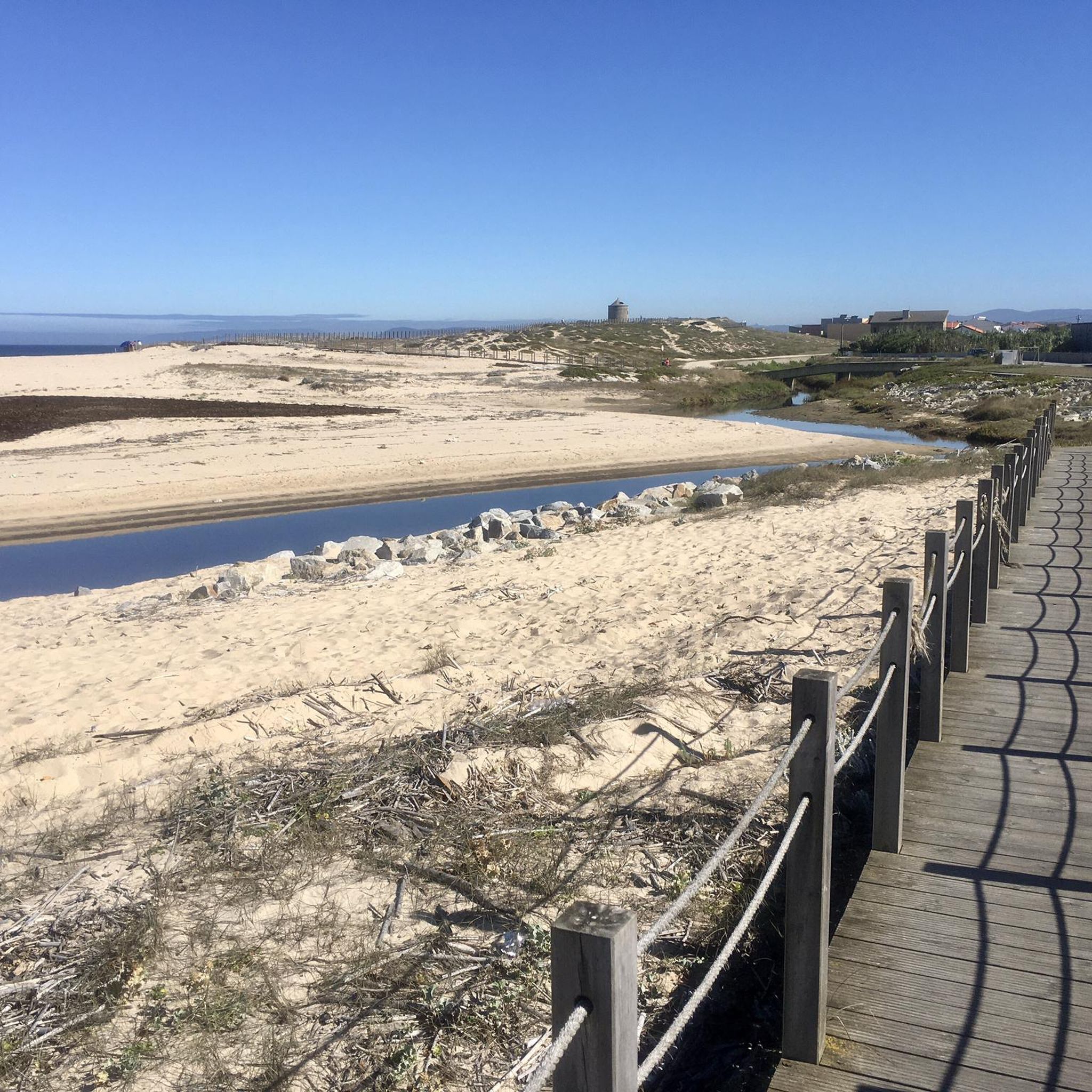
- The most popular attractions is Wooden Boardwalk Along the Atlantic Coast, a trail that was created for coastal protection and offers endless boardwalks along the Atlantic. It is also a popular route for pilgrims on the Way of St. James.
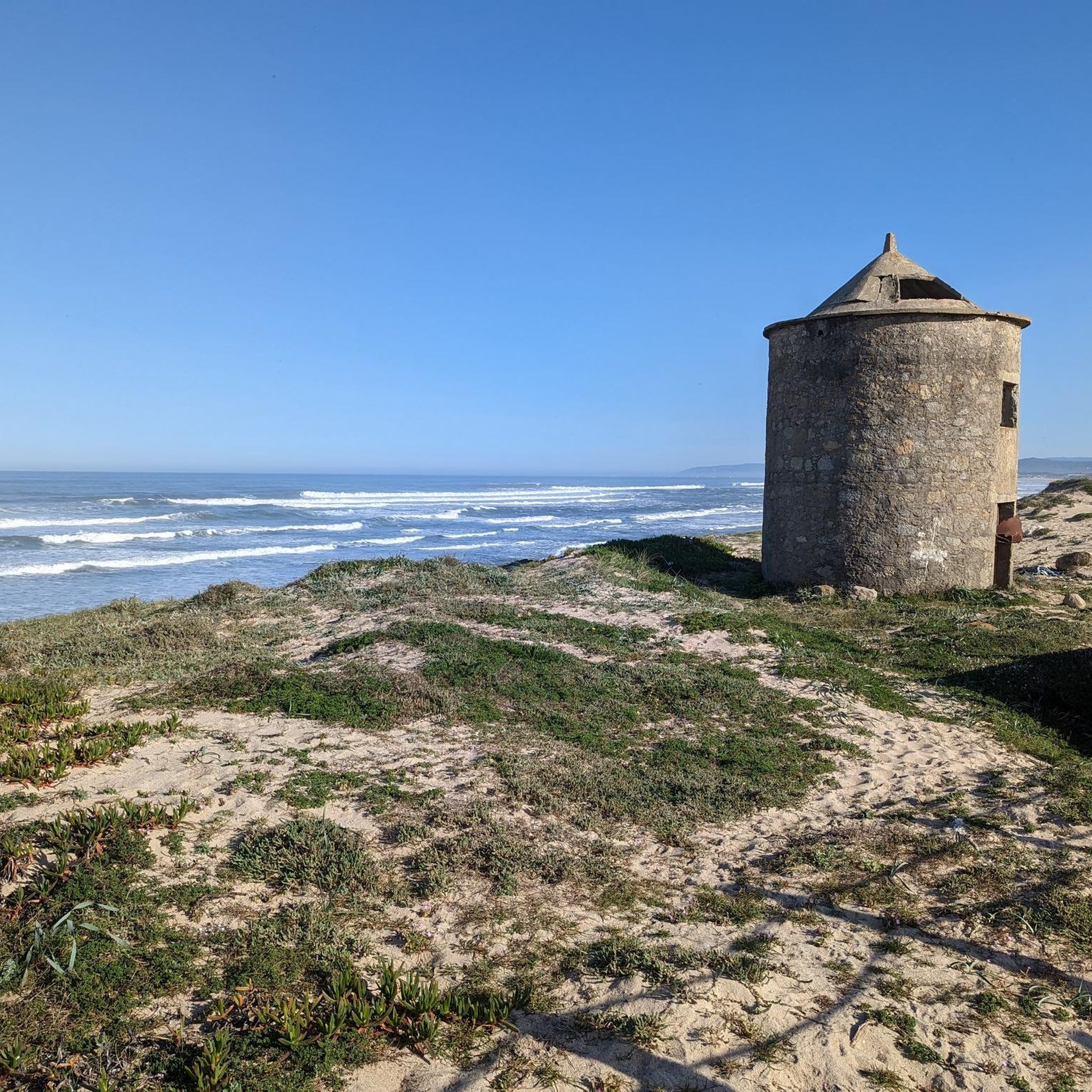
- Another must-see spot is Aguçadoura Beach Mill, a man-made monument. This structurally intact windmill, with all its equipment still present, offers a photo opportunity and greets pilgrims on the Way of St. James.
- Visitors also love Apúlia Church, a religious building. This church, first built during the Middle Ages, has undergone rebuilding and restoration work, with its predecessor dating back to 1696.
- Estela is known for its historical sites, coastal trails, and religious buildings. The area offers a variety of attractions to see and explore, from ancient churches to modern boardwalks.
- The attractions around Estela are appreciated by the komoot community, with more than 560 upvotes and over 110 photos shared by visitors.
Last updated: October 5, 2026
Wooden Boardwalk Along the Atlantic Coast
Highlight • Trail
Translated by Google •
Tip by

Aguçadoura Beach Mill
Highlight • Monument
Translated by Google •
Tip by
Sign up now to discover places like this
Get recommendations on the best single tracks, peaks, & plenty of other exciting outdoor places.
Fão Bridge
Highlight • Bridge
Translated by Google •
Tip by

São João Baptista Fort and Lighthouse, Esposende
Highlight • Historical Site
Translated by Google •
Tip by

Apúlia Church
Highlight • Religious Site
If you are doing the Camino de Santiago, here they stamp the credential.
Translated by Google •
Tip by
Sign up for free to discover even more attractions around Estela.
Already have an account?
Start today with a free account
Your next adventure awaits.
Tips from the Community

Attention: You need to concentrate while walking here, as some planks are loose and can move upwards.
0
0

The Metal Bridge of Fão (Esposende) Location: It crosses the Cávado River, on National Road 13 (EN13), in the parish of Fão, in Esposende. Alternative Name: It is frequently referred to as the D. Luís Filipe Bridge. History: It is a significant example of iron architecture in Portugal, inaugurated on August 7, 1892. Characteristics: The bridge, which is a Property of Public Interest, has an extensive metal structure and has recently been rehabilitated.
2
0
In Esposende, the main historical bridge that crosses the Cávado River is the Ponte Metálica de Fão, also known locally as Ponte D. Luís Filipe.
2
0
Visiting: The site has free entry and is accessible at any time, being a frequent landmark on cycling and hiking routes that connect Vila do Conde to Aguçadoura.
1
0
Status: The mill was recently recovered and restored, maintaining its traditional appearance. However, visitors note that the structure is currently surrounded by modern residential buildings.
1
0
The Aguçadoura Beach Windmill is a traditional windmill located in the parish of Aguçadoura, municipality of Póvoa de Varzim. It is considered a symbol of local history and identity, situated near the dune area and the beach boardwalks.
1
0

A spectacular walk overlooking the sea and smelling sargasso.
0
0

Beautiful beach to relax, windmills like everywhere in Portugal rustic
3
1
Frequently Asked Questions
What kind of natural features can I explore around Estela?
The region around Estela offers diverse natural beauty, particularly along its Atlantic coastline. You can experience the Wooden Boardwalk Along the Atlantic Coast, which provides endless boardwalks right by the ocean. The area also features the Cávado River, which is spanned by the historic Fão Bridge.
What historical sites can I visit around Estela?
Estela is rich in historical sites. You can explore the structurally intact Aguçadoura Beach Mill, which dates back to the 19th century. The Fão Bridge, a metal bridge from 1892 over the Cávado River, is another significant historical landmark. Further south, the São João Baptista Fort and Lighthouse, Esposende, built between 1669 and 1702, offers a glimpse into the region's defensive past.
Are there any religious buildings of interest in Estela?
Yes, the Apúlia Church is a notable religious building in the area. Originally built during the Middle Ages, it has undergone several rebuilds and restorations, with its predecessor dating back to 1696. It's also a point of interest for pilgrims on the Camino de Santiago.
Are there family-friendly attractions around Estela?
Several attractions around Estela are suitable for families. The Aguçadoura Beach Mill and the historic Fão Bridge are both considered family-friendly. The Apúlia Church also welcomes visitors of all ages.
What outdoor activities can I do near these attractions?
The Estela area is excellent for outdoor activities, especially hiking and cycling. You can find numerous routes, including easy hikes and more challenging trails. For detailed options, explore the Hiking around Estela guide and the Road Cycling Routes around Estela guide.
Are there easy hiking trails near Estela's attractions?
Yes, there are many easy hiking trails available. For example, you can enjoy routes like the 'Apúlia Windmills – Apúlia Beach 🏖️ loop' or the 'Wooden boardwalk – Aguçadoura Beach Mill loop'. These trails often follow the coastline or pass by local landmarks. You can find more options in the Easy hikes around Estela guide.
Are there any coastal walks or trails in Estela?
Absolutely. The region is known for its coastal trails. The Wooden Boardwalk Along the Atlantic Coast offers extensive walking opportunities right by the ocean. Many routes in the area incorporate sections of these boardwalks, providing scenic views and easy walking surfaces.
What is the best time of year to visit Estela's attractions?
Given the coastal nature and outdoor activities, the spring (April-June) and autumn (September-October) months are generally ideal. The weather is pleasant for walking and cycling, and it's also a popular time for pilgrims on the Way of St. James, who frequent many of the local attractions.
What do visitors enjoy most about the attractions around Estela?
Visitors particularly appreciate the blend of natural beauty and historical significance. The Wooden Boardwalk Along the Atlantic Coast is highly praised for its endless coastal views and its thoughtful design for pilgrims. The structurally intact Aguçadoura Beach Mill is loved for its photo opportunities and historical charm. The overall experience of exploring both ancient churches and modern boardwalks is a highlight for many.
Are there any scenic viewpoints in the Estela area?
Yes, several attractions offer great viewpoints. The Wooden Boardwalk Along the Atlantic Coast provides continuous ocean vistas. The Aguçadoura Beach Mill is situated to offer a picturesque photo opportunity, and the Fão Bridge offers views of the Cávado River.
Can I find routes for cycling near Estela?
Yes, the area around Estela is suitable for cycling, particularly road cycling. There are routes like the 'Famalicão Cycle Path loop' and routes that take you along the coast or to nearby towns like Esposende. For detailed cycling routes, refer to the Road Cycling Routes around Estela guide.
Most popular attractions around Estela

Get inspired with the komoot mobile app


Explore more
Still not found the Highlight you’re looking for? See guides of the top attractions in other regions:
