Attractions and Places To See around Benfica Do Ribatejo - Top 20
Attractions and places to see around Benfica Do Ribatejo, a town in the municipality of Almeirim, Portugal, offer a mix of historical landmarks, cultural sites, and natural features. The area is defined by the Tagus River, which shapes its landscape and provides fertile floodplains. Visitors can explore local heritage, engage in river activities, and utilize various trails for outdoor pursuits. The rural landscape, characterized by agriculture and livestock, adds to the region's appeal.
Best attractions and places to see around…
Last updated: October 18, 2026
Valada Village
Highlight • Settlement
Translated by Google •
Tip by

Roman Bridge of Muge
Highlight • Bridge
The Roman presence in the parish of Muge is clearly evident in the …
Translated by Google •
Tip by

Sign up now to discover places like this
Get recommendations on the best single tracks, peaks, & plenty of other exciting outdoor places.
Ponte D. Luís I of Santarém
Highlight • Bridge
It was inaugurated on September 17, 1881 …
Translated by Google •
Tip by

Beira Tejo Boat in Valada
Highlight • Monument
Translated by Google •
Tip by
Cathedral of Santarém
Highlight • Religious Site
Translated by Google •
Tip by

Sign up for free to discover even more attractions around Benfica Do Ribatejo.
Already have an account?
Start today with a free account
Your next adventure awaits.



Tips from the Community

Built during the Roman period, it is an important vestige of that people's presence in the municipality. The Roman presence in the parish of Muge is clearly evident in the area of Porto de Sabugueiro. The most striking vestiges of this historical period are found here. Porto de Sabugueiro, due to its proximity to the Tagus River, was an important river port during the Roman period. Excavations and published studies define this location as an important Roman village, with ceramic production, due to the existence of a ceramic kiln found here in the 1960s. Approximately 400 meters from this location is the Roman Bridge, which crosses the Muge stream. The construction techniques used, especially in the larger arch, undoubtedly indicate a Roman origin; however, the two smaller arches, due to their typology, are attributable to the Middle Ages. This bridge was one of the main crossing points connecting Muge to the interior of the country (Alentejo) and to the city of Santarém. It possesses undeniable historical value, forming part of the memory and heritage identity of the municipality of Salvaterra de Magos. (Source: www.salvaterrademagos.pt)
16
0

The village of Valada is a small Portuguese town, located in the municipality of Cartaxo, district of Santarém, in the Ribatejo region. Here is some information: Characteristics 1. Population: Around 1,500 inhabitants. 2. Area: 11.2 km². 3. Population density: 134 inhabitants/km². 4. Altitude: 20-30 meters above sea level. History 1. Origins: Possibly founded by the Romans. 2. 12th century: Part of the municipality of Cartaxo. 3. 15th century: Agricultural and livestock development. Points of interest 1. Igreja Matriz de Nossa Senhora da Conceição (18th century). 2. Capela de São Sebastião. 3. Fonte do Castelo (historical monument). 4. Praia Fluvial de Valada (river Tagus). 5. Walking and cycling trails. Activities 1. Agriculture (cereals, fruit and vegetables). 2. Livestock farming (cattle, pigs and poultry). 3. River fishing. 4. Rural tourism. 5. Cultural and religious events. Accessibility 1. Located 10 km from Cartaxo. 2. Access via the EN365 national road. 3. Public transport: buses. 4. Nearest train station: Cartaxo.
4
0

The city has a certain charm, but it has faded for many years... As if the city had its heyday in the 1980s. Unfortunately, many shops are empty and the houses are falling into disrepair. Here and there, restoration and new construction is taking place, after all, it has remained Portuguese since 1147 AD. What is still very well preserved is the market hall with its typical ceramic tiles.
10
2

Worth seeing cathedral on the main square of the city of Santarem. Headquarters of the diocese of Santarém. The gilded wood carvings in the side altars are beautiful.
2
9

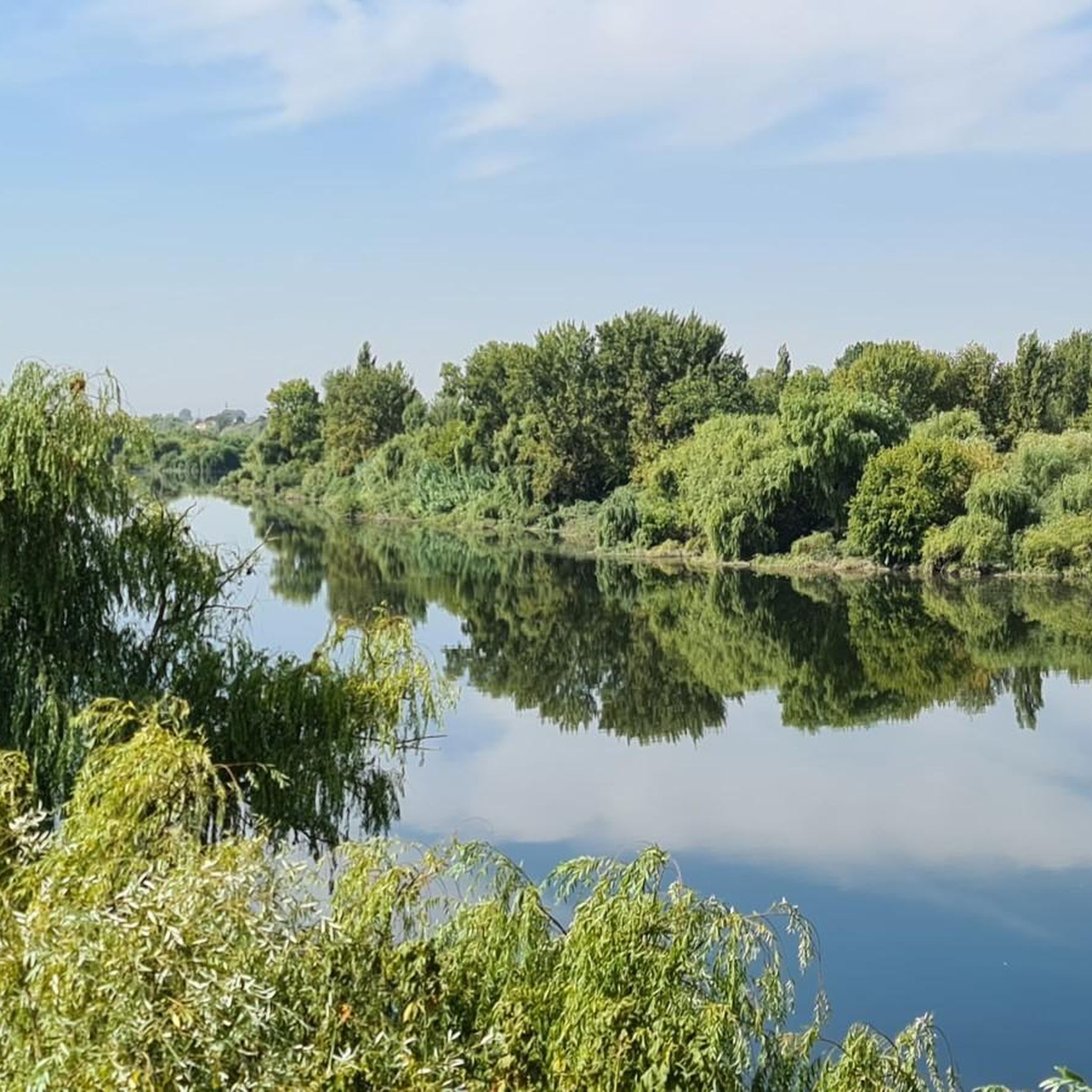
Valada is one of the eight parishes in the Municipality of Cartaxo, and is also one of the oldest. According to historians, the Romans were the first farmers in the Valada field, however it was during Arab rule that the first documents appeared making reference to their uber rich land. The ex-libris of the parish is the Tagus River, with its surrounding space of great beauty, its river beach, picnic area and camping site. A meeting place, par excellence, for outsiders who visit the parish. As a heritage site, Valada is proud of its church dating back to 1211, during the reign of Dom Afonso II. Losing part of its beauty, after the restoration of 1962, its patron saint is Our Lady of the Spectation of Ó
3
0
Valada is one of the eight parishes in the Municipality of Cartaxo, and is also one of the oldest. According to historians, the Romans were the first farmers in the Valada field, however it was during Arab rule that the first documents appeared making reference to their uber rich land. The ex-libris of the parish is the Tagus River, with its surrounding space of great beauty, its river beach, picnic area and camping site. A meeting place, par excellence, for outsiders who visit the parish. As a heritage, Valada is proud of its church dating back to 1211, during the reign of Dom Afonso II. Losing part of its beauty, after the restoration in 1962, its patron saint is Nossa Senhora da Espectação do Ó.
6
0
Roman bridge, renovated in medieval times, which crosses the Muge stream, with a pebble deck and guardrails opened through slits, resting on 3 unequal arches, with a perfect turn. From the construction apparatus used, especially the larger arch, it is undoubtedly Roman in origin, however the other two smaller arches, due to their typology, are attributable to the Middle Ages. This Bridge was once one of the main crossing points, which connected Muge, both to the interior of the country (Alentejo) and to the city of Santarém.
8
0
In addition to the carriageways, there is no space left on the bridge. Watch out for tangents from people who can't slow down behind a cyclist.
2
0
Frequently Asked Questions
What historical sites can I explore around Benfica Do Ribatejo?
The region is rich in history. You can visit the 18th-century Igreja Matriz de Nossa Senhora da Conceição and the Capela de São Sebastião in Benfica do Ribatejo. Don't miss the Valada Village, an ancient settlement possibly founded by Romans, which also features a church dating back to 1211. Further afield, the Roman Bridge of Muge offers a glimpse into the area's Roman past, with parts renovated in medieval times.
Are there opportunities for walking or cycling near Benfica Do Ribatejo?
Yes, the area around Benfica do Ribatejo is ideal for walking and cycling. The Ponte Rainha D. Amélia, originally a railway bridge, now features narrow side paths perfect for pedestrians and cyclists, offering superb views of the Tagus River. The Valada Village area also has dedicated walking and cycling trails. You can find various routes for different sports, including running, cycling, and road cycling, starting from nearby towns.
What natural features can I enjoy in the region?
The dominant natural feature is the Tagus River, which shapes the landscape with its fertile floodplains. You can experience it at the Valada Village, which boasts a beautiful river beach and picnic area. The surrounding trails offer views of wetlands and local wildlife, as well as agricultural landscapes with olive and vine cultivation. For more information on the region's natural beauty, you can visit visitribatejo.pt.
Are there any family-friendly attractions or activities?
Absolutely. The Valada Village is a great spot for families, offering a river beach, a picnic park, and a camping site. The Beira Tejo Boat in Valada is another family-friendly point of interest. The numerous walking and cycling trails in the area also provide opportunities for outdoor fun for all ages, with many routes suitable for leisurely strolls.
What is the best time of year to visit Benfica Do Ribatejo for outdoor activities?
The Ribatejo region generally enjoys a Mediterranean climate. Spring (April to June) and autumn (September to October) are often considered the best times for outdoor activities, offering pleasant temperatures for hiking, cycling, and exploring without the intense heat of summer. During these seasons, the natural landscapes are vibrant and inviting.
Where can I find viewpoints of the Tagus River?
The Ponte Rainha D. Amélia provides superb, intense views of the Tagus River from its pedestrian and cycling paths. The area around Valada Village, particularly its river beach, also offers scenic spots to appreciate the river's beauty and its surrounding landscape.
Are there any unique local spots to discover?
Beyond the main attractions, the rural landscape itself, characterized by traditional agricultural activities like cereals, fruits, vegetables, and livestock farming, offers a unique local charm. Exploring the smaller villages and their local cafes and restaurants can provide an authentic experience of the Ribatejo region's culture and cuisine.
Can I find dog-friendly places or trails?
While specific dog-friendly designations for every trail are not always available, many natural areas and walking paths around Benfica do Ribatejo and Valada Village are generally suitable for dogs, provided they are kept on a leash and owners clean up after them. Always check local signage for any restrictions in specific parks or protected areas.
What kind of outdoor activities are available besides walking and cycling?
The Tagus River offers opportunities for fluvial fishing. Additionally, the region's flat floodplains and diverse terrain make it suitable for various forms of outdoor exploration, including birdwatching in wetland areas and simply enjoying the tranquil rural scenery.
Is public transport available to reach attractions?
Public transport, primarily buses, connects Benfica do Ribatejo to nearby towns like Cartaxo. From Cartaxo, you can access some attractions. For specific trails or more remote sites, having a car might offer greater flexibility. The Valada Village is accessible via the EN365 national road and public buses from Cartaxo.
What are some of the longer cycling routes in the area?
For those looking for longer rides, several cycling routes are available. For example, the 'Sá da Bandeira Square – Valada Village loop from Santarém' is nearly 49 km, and the 'Ponte Rainha D. Amélia – Ponte Rainha D. Amélia loop from Santarém' is about 44 km. You can find more options and details on the cycling guide page.
Are there any bridges with historical significance to visit?
Yes, the region features several historically significant bridges. The Ponte Rainha D. Amélia, inaugurated in 1904, is a notable example of early 20th-century engineering. The Roman Bridge of Muge dates back to the Roman period with medieval renovations. Further away, the Ponte D. Luís I of Santarém, inaugurated in 1881, was once considered one of the largest bridges in Europe.

Get inspired with the komoot mobile app


Explore more
Still not found the Highlight you’re looking for? See guides of the top attractions in other regions:
