The best road cycling routes around Arga De Baixo
4.3
(8)
713
riders
12
rides
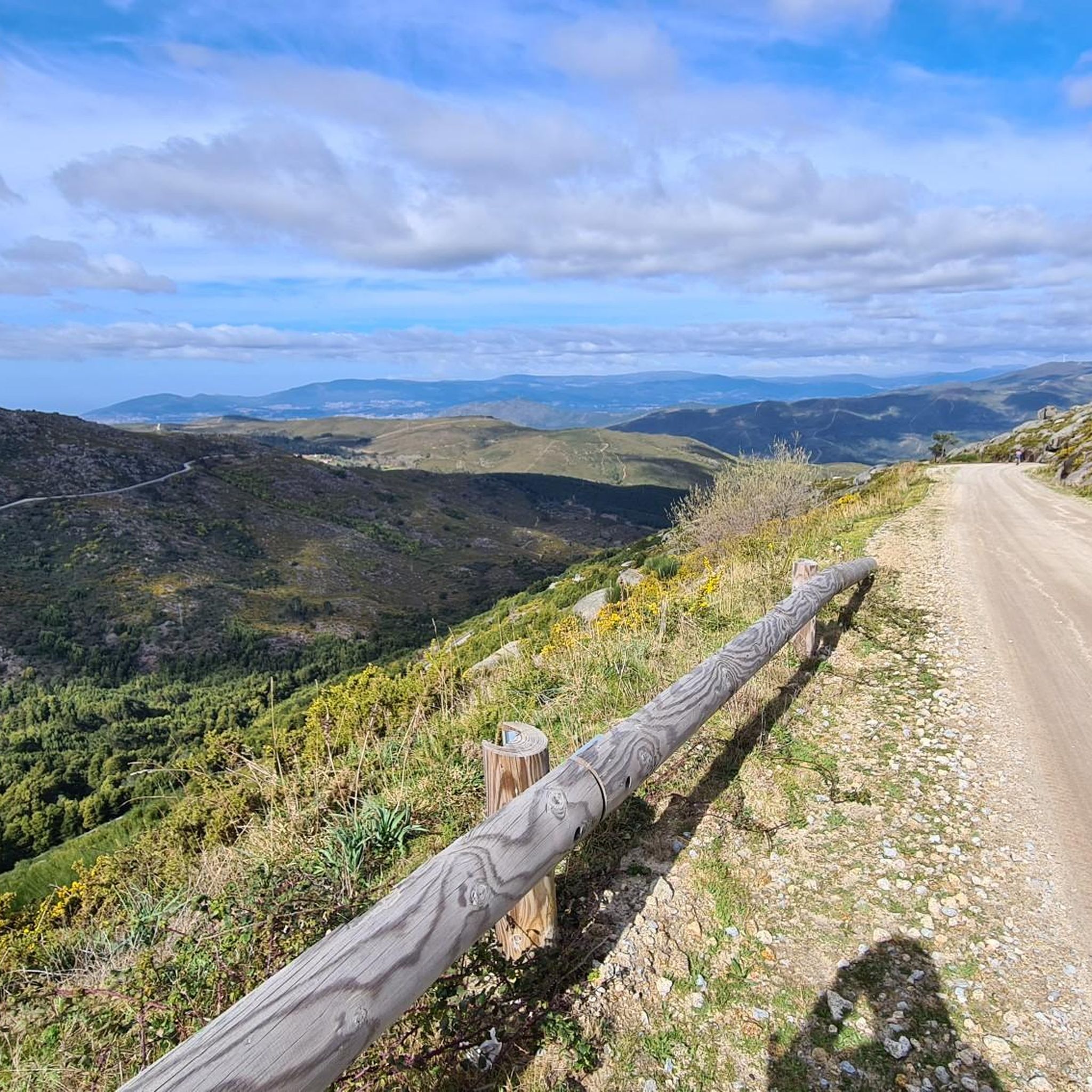
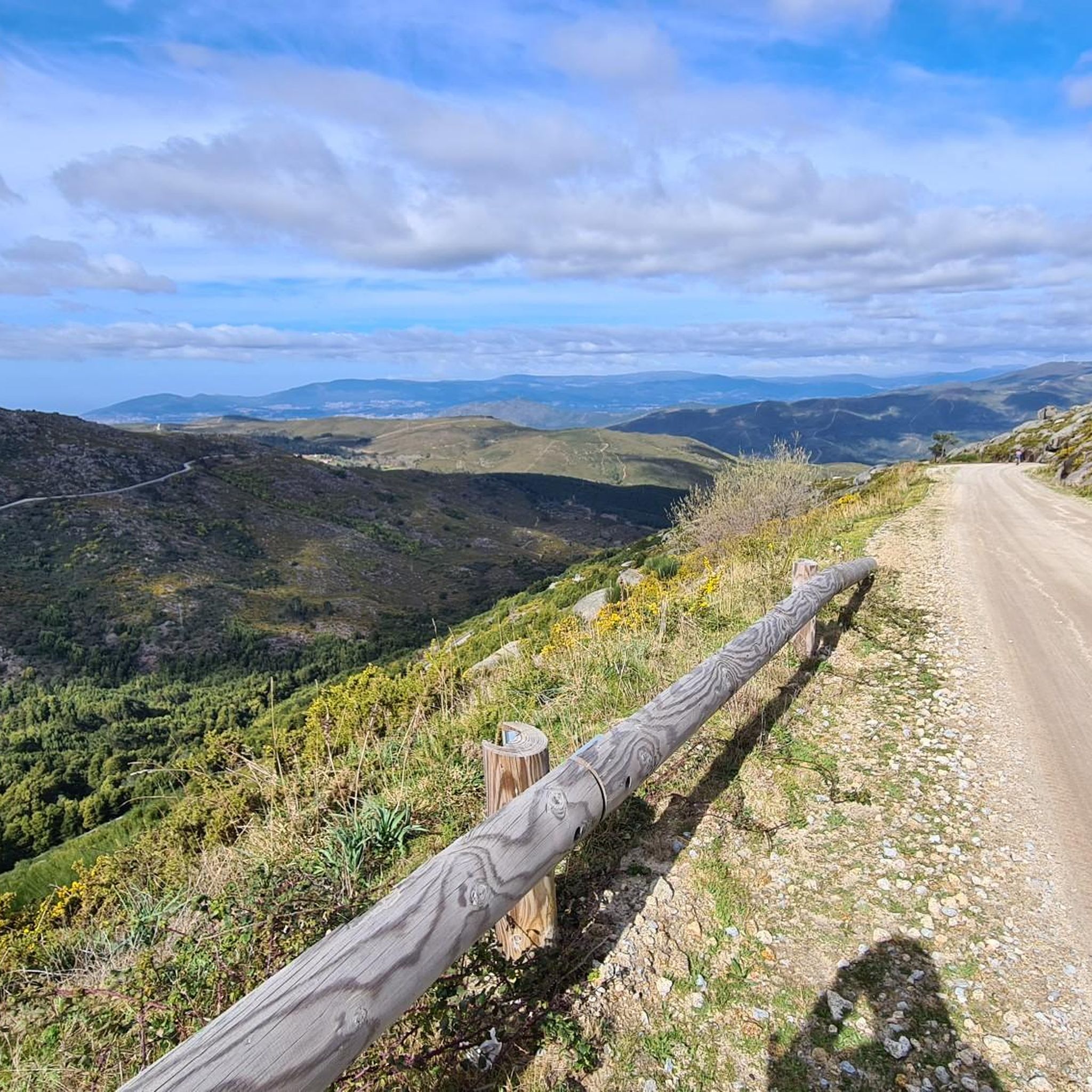
Road cycling around Arga De Baixo, located within the Serra d'Arga Natural Park in Northern Portugal, offers a demanding experience characterized by mountainous solitude. The region features small roads, often with paved and cobblestone segments, that wind through diverse landscapes. Cyclists encounter steep climbs and significant elevation gains, particularly on routes heading into the Serra d'Arga. The terrain includes barren high pastures with granite rocks, partly wooded hills, and traditional villages.
Best road cycling routes around Arga De Baixo
- The…
Last updated: May 6, 2026
5.0
(1)
36
riders
68.2km
03:22
870m
870m
Moderate road ride. Good fitness required. Mostly well-paved surfaces and easy to ride.
20
riders
64.7km
03:29
1,090m
1,090m
Hard road ride. Very good fitness required. Mostly well-paved surfaces and easy to ride.

Sign up for free
19
riders
64.5km
03:12
810m
810m
Moderate road ride. Good fitness required. Mostly well-paved surfaces and easy to ride.
5.0
(1)
13
riders
76.6km
03:57
1,170m
1,170m
Hard road ride. Very good fitness required. Some segments of this route may be unpaved and difficult to ride.
3.0
(1)
6
riders
35.1km
02:09
910m
910m
Hard road ride. Very good fitness required. Mostly well-paved surfaces and easy to ride.
Get access to more routes and recommendations from other explorers.
Sign up for free
Already have an account?
Our route recommendations are based on thousands of hikes, rides, and runs completed by other people on komoot.
Start today with a free account
Your next adventure awaits.
Login or Signup
Tips from the Community


Valença Fortress, also known as Praça-forte de Valença do Minho, is an imposing jewel of Portuguese military architecture with over eight centuries of history. Its origins date back to the 13th century, when King Sancho I and later Afonso III fortified it to protect the border with Galicia. During the Restoration War (17th–18th centuries), it was transformed into a Vauban-style fortress under the engineer Miguel de l’École and the architect Manuel Pinto de Vilalobos, being completed in 1713. The fortress withstood attacks during the Restoration, was captured and recaptured several times, and was also defended during the Napoleonic Wars and the Liberal Wars.
4
0

Historical Context Origin of the name: The town of Ponte de Lima, the oldest in Portugal, derives its name from the bridge that crosses it. Way of St. James: The bridge is an important crossing point on the Portuguese Way of St. James. Legend: The legend of the Lima River, which runs under the bridge, tells that the Romans believed it to be the river of forgetfulness, which would have given rise to the myth that people who crossed it would forget their past lives.
2
0
The bridge that gives the Lima Bridge its name is actually a combination of two structures: a Roman section, built in the 1st century, and a medieval section, expanded in the 14th century. It crosses the Lima River and is one of the town's most emblematic monuments. Characteristics of the bridge Roman section: The remaining Roman section consists of five arches, and its construction is linked to the military road that connected the cities of Braga and Astorga. Medieval section: The medieval portion of the bridge is larger and was built to connect to the Roman section, extending the structure over the river. Material: The bridge is built of granite, using the Roman technique of "quadratum" and "vittatum" masonry.
2
0

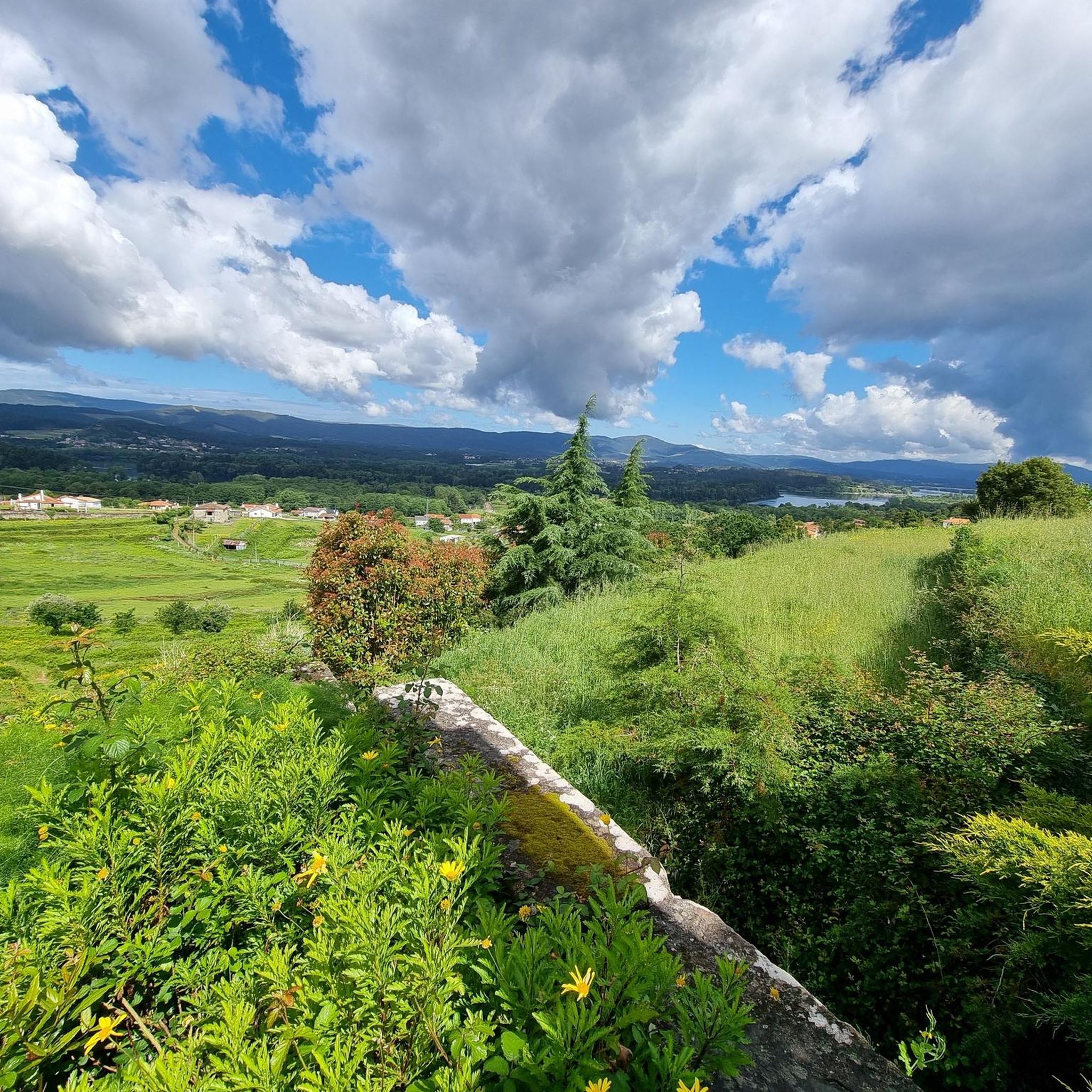
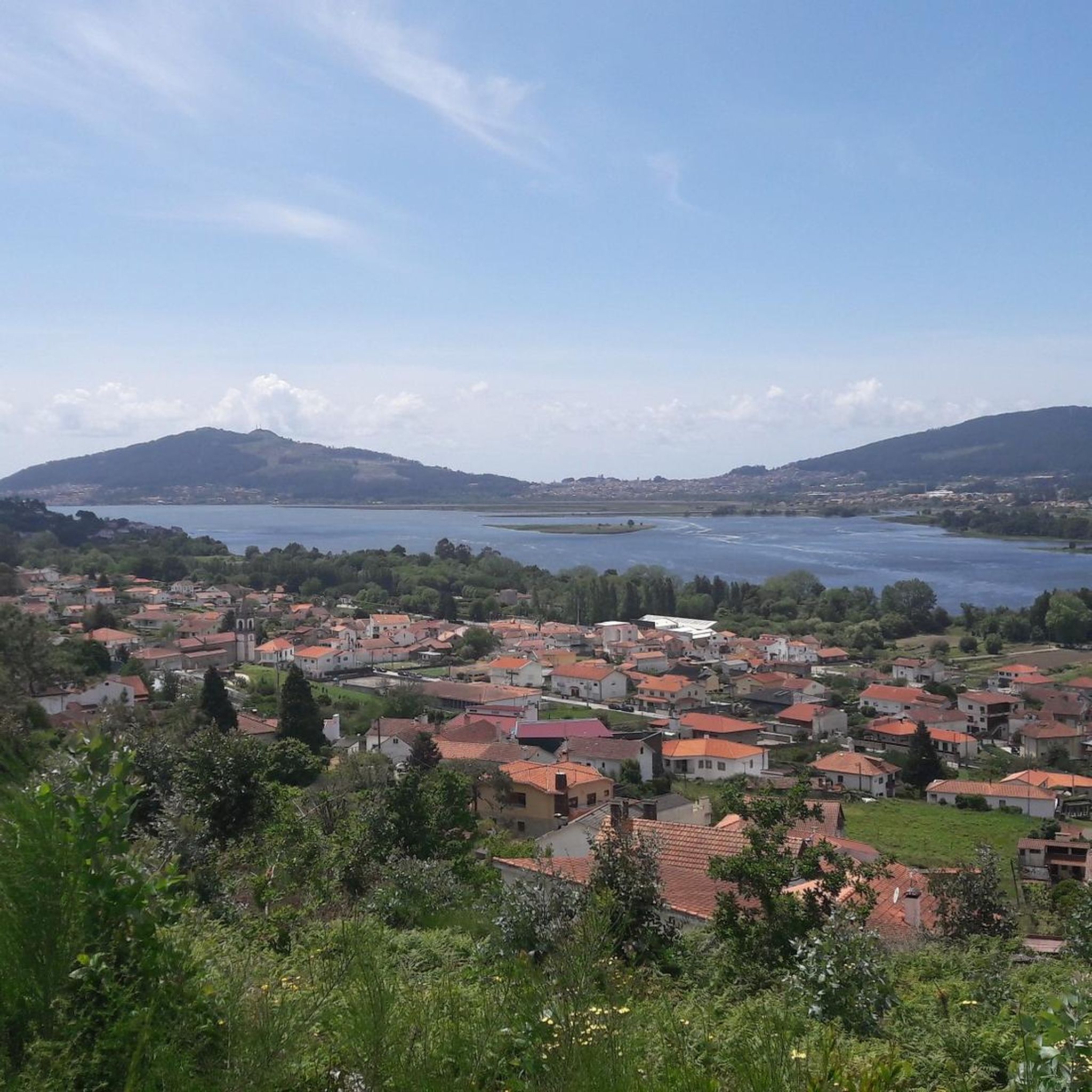
A city bathed by the Lima River, with walking trails in the area and good food.👍🥾🇵🇹
1
0

The main attraction of the town.
2
0

Paradise for hiking and mountain biking
0
0

Frequently Asked Questions
What is the typical terrain and elevation like for road cycling in Serra d'Arga?
Road cycling in the Serra d'Arga region, including Arga De Baixo, is characterized by challenging terrain with significant elevation gains. You'll encounter small roads, often a mix of paved and cobblestone segments, winding through mountainous solitude. The landscape varies from barren high pastures with granite rocks at higher altitudes to partly wooded hills and traditional villages further down. Routes like the Valença Fortress – Fortress of Valença loop from Coura feature over 1000 meters of elevation gain, making for a demanding ride.
Are there road cycling routes suitable for beginners in Arga De Baixo?
The road cycling routes around Arga De Baixo are generally demanding. While there are no routes classified as 'easy' in our selection, some are rated 'moderate', such as the Tamuxe Bridge – Mosteiro de Oia loop from Esqueiro. These still involve varied landscapes and a balanced challenge, but may be more approachable than the 'difficult' options. The region is known for its steep climbs, so even moderate routes require a good level of fitness.
What kind of natural attractions can I expect to see along road cycling routes in the Serra d'Arga?
The Serra d'Arga Natural Park is rich in natural beauty. You can expect to encounter numerous waterfalls and natural lagoons, with the Pincho Waterfall being particularly well-known. Other notable waterfalls include the Ribeira de Arga Waterfall, Penas Waterfall, and Cascata de Vilarinho. The elevated positions also offer breathtaking panoramic views, sometimes encompassing the coastline of both Portugal and Spain.
What historical or cultural landmarks can be found near road cycling routes in Arga De Baixo?
The region around Arga De Baixo offers several historical and cultural points of interest. You might pass by traditional mountain villages that have maintained their rural heritage. Notable landmarks include the tranquil Monastery of São João de Arga, historical elements like old rustic bridges such as Ponte das Traves and Porto Carro Bridge, and the Roman Bridge of Ponte de Lima, which is featured on the Roman Bridge of Ponte de Lima – Ponte de Lima loop from Coura route. Further north, a Celtic archaeological site can also be found.
When is the best season for road cycling in the Serra d'Arga region?
Spring and autumn are considered the ideal seasons for road cycling in the Serra d'Arga region. During these times, the weather conditions are generally mild, making the challenging climbs and varied terrain more enjoyable. Summers can be hot, and winters may bring colder, wetter conditions, making spring and autumn the most comfortable for extended rides.
Are there any circular road cycling routes available around Arga De Baixo?
Yes, many of the road cycling routes around Arga De Baixo are designed as loops. Examples include the Tamuxe Bridge – Mosteiro de Oia loop from Esqueiro, the Valença Fortress – Fortress of Valença loop from Coura, and the View of the Serra d'Arga loop from Covas. These circular routes allow you to start and finish in the same location, offering convenience for planning your ride.
What do other road cyclists say about their experience in Arga De Baixo?
The road cycling routes around Arga De Baixo are highly rated by the komoot community, with an average score of 4.3 stars from around 8 reviews. Cyclists often praise the mountainous solitude, the challenging climbs, and the diverse landscapes that include granite rock formations and sleepy villages. Over 700 road cyclists have used komoot to explore this varied terrain, indicating a strong appreciation for the unique riding experience.
How many road cycling routes are available in the Arga De Baixo area?
There are over 10 road cycling routes available in the Arga De Baixo area, offering a range of experiences for cyclists. These routes are primarily classified as moderate to difficult, reflecting the challenging nature of the Serra d'Arga terrain.
Can I find routes that offer panoramic views in the Serra d'Arga?
Absolutely. The elevated positions within the Serra d'Arga Natural Park provide numerous opportunities for breathtaking panoramic views. From the top of Serra d'Arga Mountain, you can enjoy stunning 360º vistas that often include the coastline of both Portugal and Spain. The Nossa Senhora do Minho Miradouro also offers impressive panoramas of Viana do Castelo, Vila Praia Âncora, Ponte de Lima, Corno do Bico, and the Serra Amarela.
Are there any long-distance road cycling routes around Arga De Baixo?
Yes, several routes offer significant distances for longer rides. For example, the Ponte da Barca Bridge – Ponte da Barca loop from Estorãos covers approximately 75.4 kilometers (46.9 miles), and the Tamuxe Bridge – Mosteiro de Oia loop from Esqueiro is about 68.2 kilometers (42.4 miles). These routes provide ample distance for cyclists looking for an extended challenge.
What kind of wildlife might I encounter while road cycling in Serra d'Arga?
The Serra d'Arga Natural Park is home to unique wildlife. While road cycling, you might have the opportunity to spot garranos, a rare Portuguese breed of wild horses, particularly in the barren high pastures. The park is also known to be a habitat for Iberian wolves, though sightings are less common, you might find their tracks.
Most popular routes around Arga De Baixo
Most popular attractions around Arga De Baixo

Get inspired with the komoot mobile app


Explore more
Browse the best Road cycling routes in other regions.
