Attractions and Places To See around Cousso - Top 20
Best attractions and places to see around Cousso include a variety of natural features and cultural sites. Cousso is a civil parish located in the municipality of Melgaço, northern Portugal, near the Peneda mountain range. The area is characterized by green landscapes and is traversed by the Rio Mouro. It offers a glimpse into traditional Portuguese village life and its integration with the natural landscape.
Best attractions and places to see around Cousso
- The most popular attractions is Meadinha Lagoon…
Last updated: June 18, 2026
Sanctuary of Nossa Senhora da Peneda
Highlight • Religious Site
It is located in the parish of Gavieira, municipality of Arcos de Valdevez, within the Peneda-Gerês National Park, about 150 …
Translated by Google •
Tip by

Castro Laboreiro Castle
Highlight • Castle
Translated by Google •
Tip by

Sign up now to discover places like this
Get recommendations on the best single tracks, peaks, & plenty of other exciting outdoor places.
Sign up for free
Ponte da Barbeita
Highlight • Bridge
Tip by

Meadinha Lagoon
Highlight • Lake
Translated by Google •
Tip by
Ponte da Cava da Velha
Highlight • Bridge
The name Ponte Nova indicates the existence of another structure constructed in the same location (or nearby) at one time preceding the current bridge. This may …
Translated by Google •
Tip by
Sign up for free to discover even more attractions around Cousso.
Sign up for free
Already have an account?
Start today with a free account
Your next adventure awaits.
Login or Signup
Tips from the Community

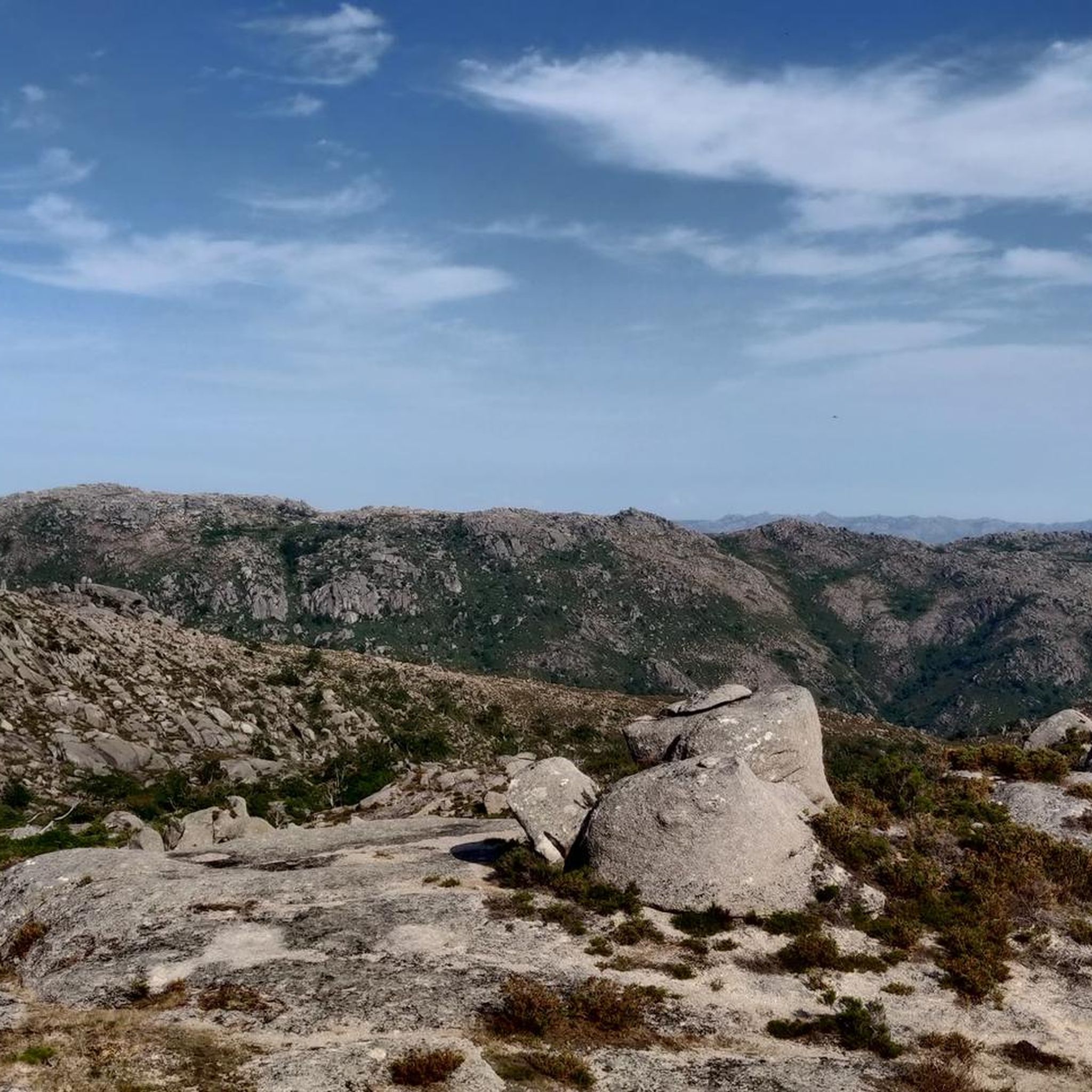
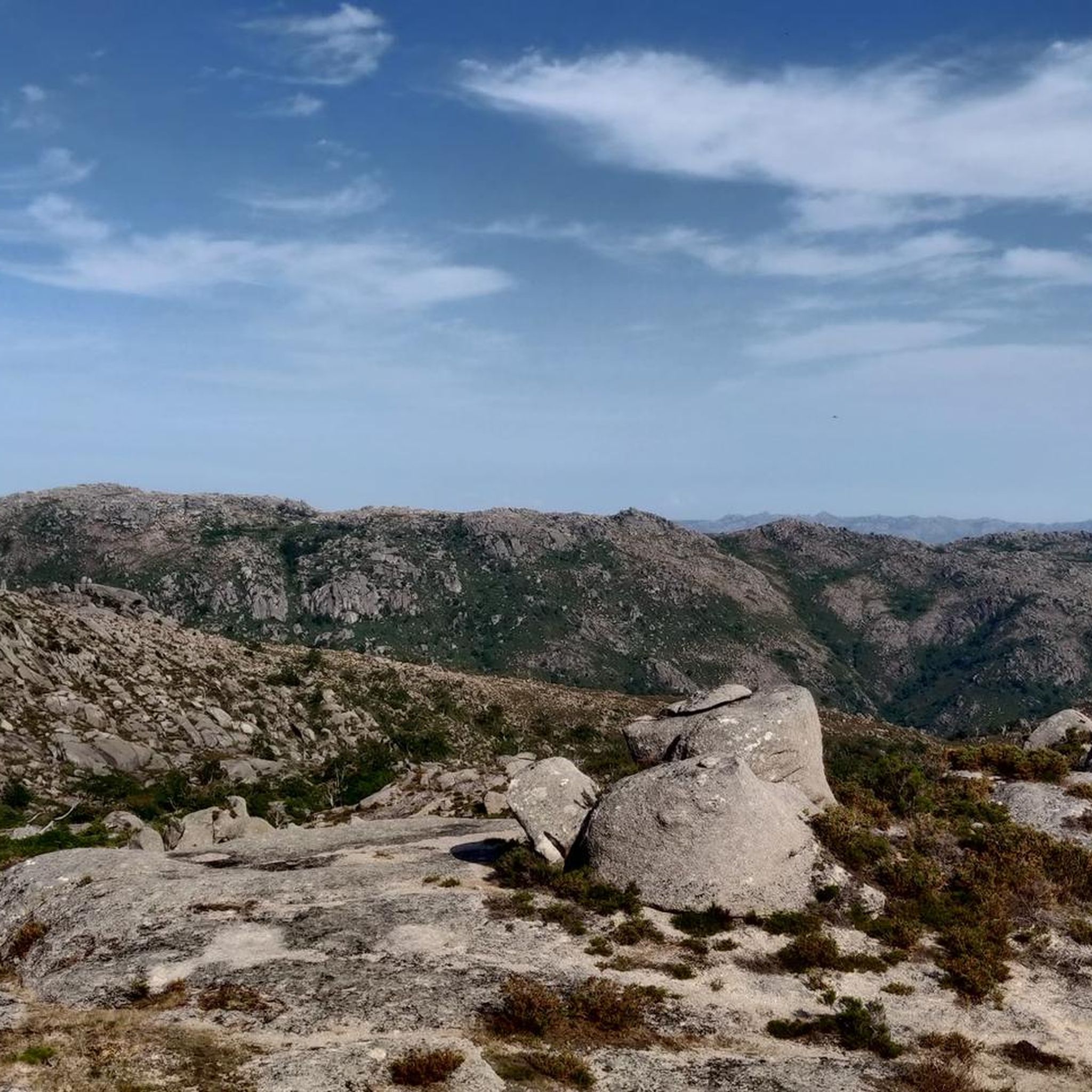
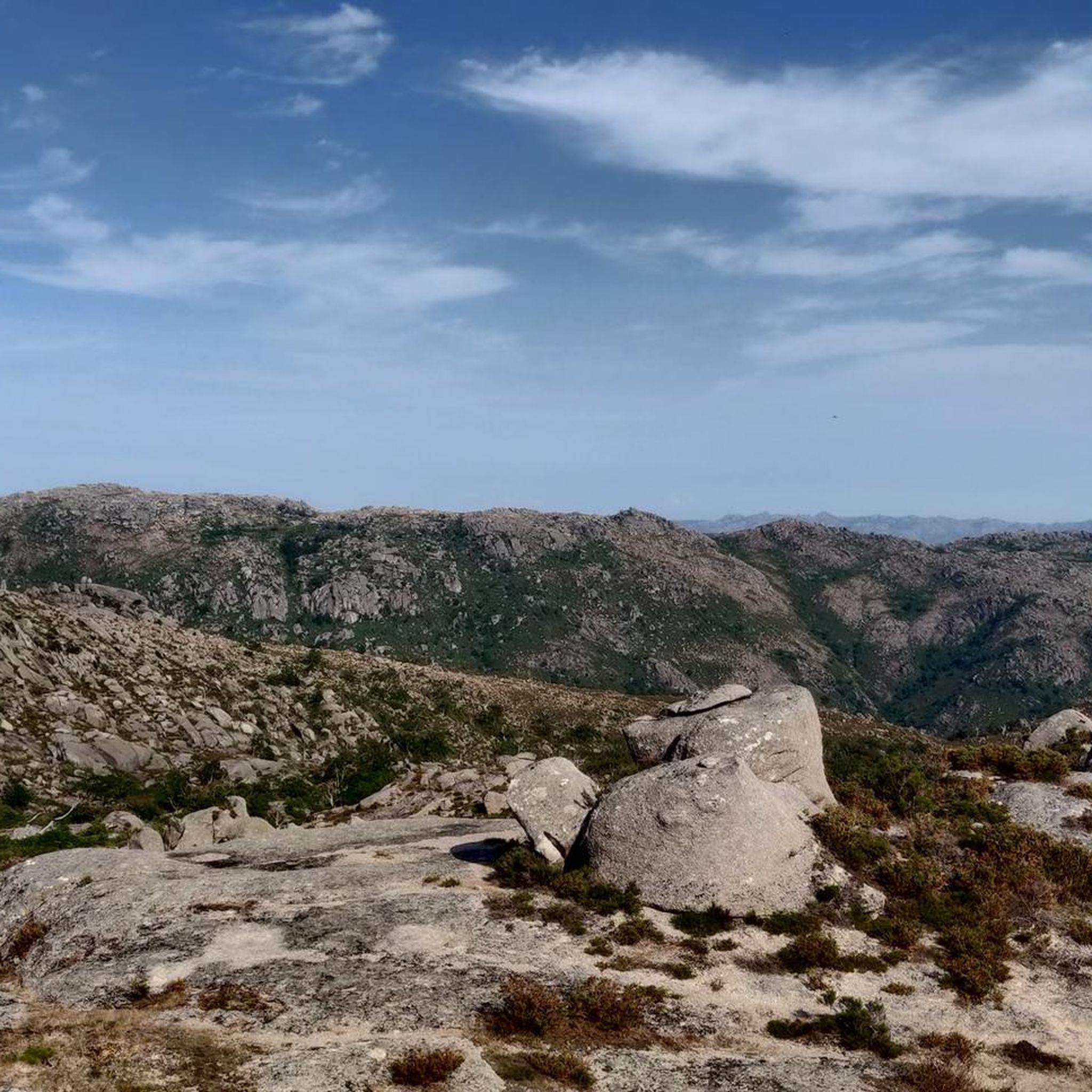
Lagoa da Meadinha is a small lagoon located in Peneda-Gerês National Park, in the Meadinha area, very close to the famous granite wall that attracts climbers. It is a natural lagoon with calm waters, formed by the accumulation of water in granite depressions. The landscape is spectacular: large granite boulders, meadows, and views of the Gerês mountain range. It is ideal for photography, wildlife observation, and relaxing on hiking trails.
1
0
Sanctuary of Our Lady of Peneda, located in northern Portugal: It is located in the parish of Gavieira, municipality of Arcos de Valdevez, within the Peneda-Gerês National Park, about 150 km from Porto. [pt.wikipedia.org], [danielasan...araujo.com] It is built over a cave beneath a granite massif known as Penedo da Meadinha, in a spectacular location bordering a deep valley.
3
0

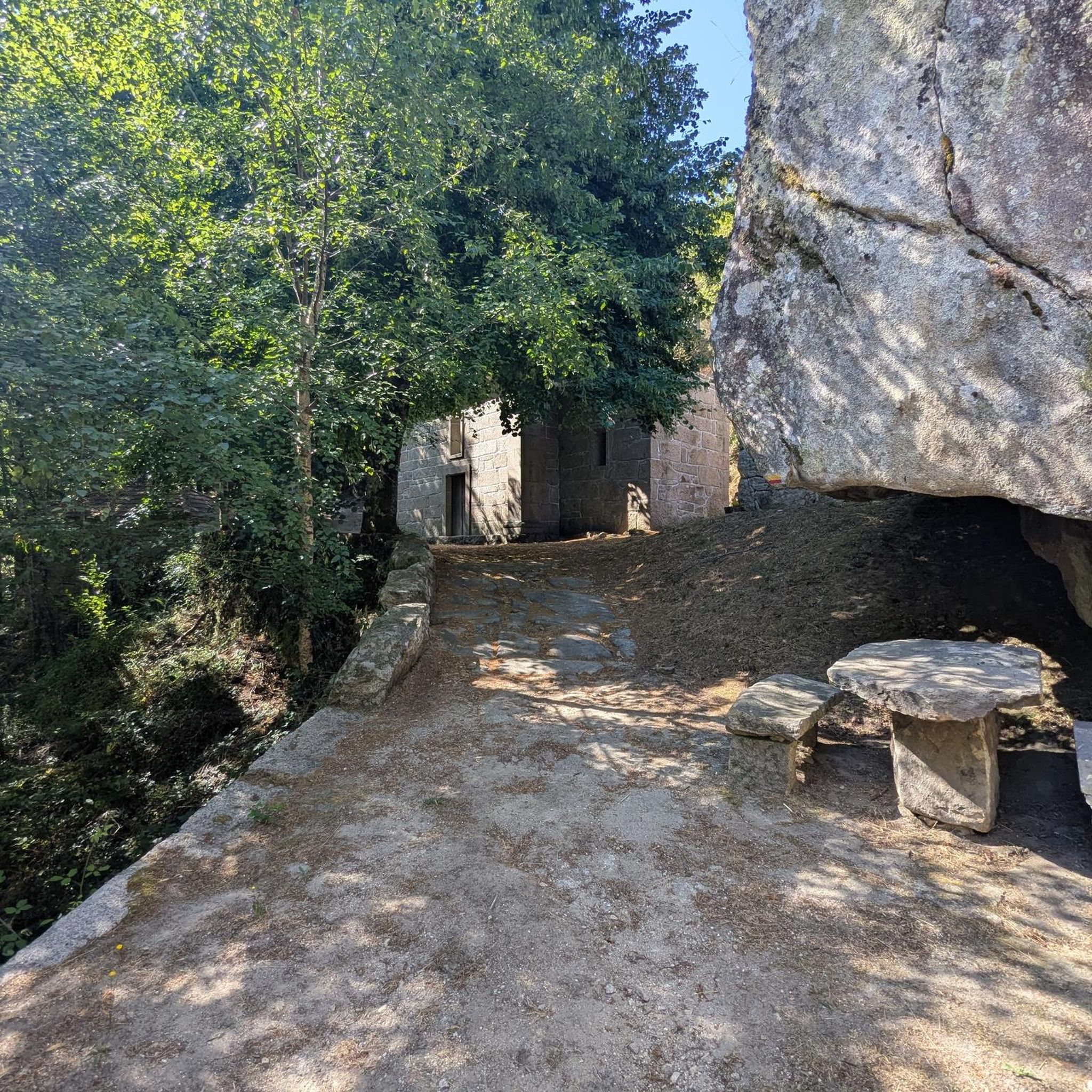
Barbeita Bridge - Mouro River - Monção - Portugal The bridge over the Mouro River is located in Ponte de Mouro, connecting Barbeita to Ceivães over the Mouro River, in Monção. It is known that a bridge existed at this location at least as early as 1386. It was here that, in that year, the historic meeting between King John I and the Duke of Lancaster, pretender to the throne of Castile, took place. The marriage of the Portuguese king to Philippa of Lancaster, the duke's daughter, was also arranged. The old bridge visible today underwent renovations in 1627.
0
0

These are the ruins of a Romanesque castle with a walled enclosure around a central tower with a cistern, located on the top of an isolated hill at 1,033 meters (3,389 feet) above the Minho and Lima rivers. It has an oval plan oriented north-south. The main entrance is the Porta do Sol, which opens to the east, while the Gate of Traitors, the Porta do Sapo, is located at the other end. The exit is well-maintained and normal for its location.
0
0

Built on a granite hill over 1,000 metres above sea level, the castle dominates the Laboreiro River valley, offering spectacular views of the surrounding landscape. Its origins are ancient, probably dating back to Roman or pre-Roman times, but the current structure mainly reflects medieval modifications and extensions, particularly during the Reconquista and the formation of the Kingdom of Portugal. The castle, although now in ruins, still preserves its defensive walls, part of the watchtower and the main gate, elements that testify to its strategic importance in controlling the borders. It is a symbol of the history and resistance of the region, and its isolated and wild location adds to its charm.
0
0

Nice walk but certainly not easy and not flat. Lots of scrambling and climbing First part was a lot of climbing but doable. Descent after the castle was sometimes difficult
0
2
The sanctuary was built between the end of the 18th century and the third quarter of the 19th century. The church was completed in 1875.
1
0

In the heart of the Serra da Peneda stands a sanctuary where faith and legend intertwine. It is said that in 1220, Our Lady of the Snows appeared to a shepherdess and, since then, the cult grew, attracting pilgrims from Portugal and Galicia. The current church, completed in 1875, crowns a majestic staircase with statues of the virtues.
1
1
Frequently Asked Questions
What kind of natural landscapes can I expect to see around Cousso?
Cousso is nestled within the green landscapes of northern Portugal, near the Peneda mountain range. The village is traversed by the Rio Mouro, a tributary of the larger Rio Minho, contributing to its natural charm. You can also visit Meadinha Lagoon, a natural lake at 1000 meters altitude within Peneda-Gerês National Park, known for its calm waters and large granite boulders.
Are there any historical or cultural sites to visit within Cousso itself?
Yes, Cousso offers a glimpse into traditional Portuguese village life with several notable cultural sites. These include the Cousso Church, the Church of São Tiago (also known as Igreja Paroquial de Cousso or Igreja de São Tomé), and the significant Cross of Cousso (Cruzeiro de Cousso). You'll also find small chapels housing statuettes of saints throughout the village.
Where can I find significant religious sites near Cousso?
Beyond the local churches in Cousso, a prominent religious site nearby is the Sanctuary of Nossa Senhora da Peneda. Located within the Peneda-Gerês National Park, this sanctuary is built over a cave beneath a granite massif and features a majestic staircase adorned with statues.
What historical fortifications or ancient structures are there to explore?
You can explore the ruins of Castro Laboreiro Castle, situated on a granite hill over 1,000 meters above sea level. Its origins date back to Roman or pre-Roman times, with medieval modifications, and it offers spectacular views of the Laboreiro River valley.
Are there any notable bridges or ancient crossings in the area?
Yes, the Old Bridge of Castro Laboreiro is a medieval-style bridge over the Laboreiro River, likely built between the 15th and 16th centuries. Another beautiful crossing is Ponte da Barbeita, a cool Gothic bridge in a small, picturesque village with a river beach.
What outdoor activities, like hiking, are available near Cousso?
The area around Cousso, particularly within the Peneda-Gerês National Park, offers various hiking opportunities. You can find routes like the 'Meadinha Lagoon – Cascata da Peneda loop' or explore trails around Branda da Lapinheira. For more hiking options, check out the dedicated guide: Hiking around Cousso.
Can I go cycling around Cousso?
Yes, there are several cycling routes available. You can find touring bicycle routes such as the 'Tour 4 de Melgaço — Parque Nacional da Peneda-Gerês' or road cycling routes like the 'Melgaço Castle – Castle of Melgaço loop'. For detailed routes, refer to the guides: Cycling around Cousso and Road Cycling Routes around Cousso.
Are there any family-friendly attractions or activities in the Cousso area?
While specific family-friendly activities are not extensively detailed for Cousso itself, the natural setting and historical sites can be enjoyed by families. The village of Ponte da Barbeita, for instance, is described as a 'beautiful town with an amazing river beach and bridge,' which could be suitable for a family outing. Exploring the natural landscapes and gentle walks along the Rio Mouro can also be pleasant for families.
What is the best time of year to visit Cousso for outdoor activities?
Cousso, being in northern Portugal near the Peneda mountain range, generally experiences a mild climate. Spring and early autumn are often ideal for outdoor activities like hiking and cycling, offering pleasant temperatures and lush green landscapes. Summers can be warm, while winters are mild but may bring more rain.
What do visitors particularly enjoy about the attractions around Cousso?
Visitors appreciate the blend of natural beauty and cultural heritage. The calm waters and spectacular granite landscapes of Meadinha Lagoon are highly rated for photography and relaxation. The majestic architecture and spiritual atmosphere of the Sanctuary of Nossa Senhora da Peneda also leave a lasting impression. The historical significance and panoramic views from Castro Laboreiro Castle are also a big draw.
Are there any scenic viewpoints around Cousso?
Yes, the area offers several scenic viewpoints. The Castro Laboreiro Castle, perched on a granite hill, provides spectacular views of the Laboreiro River valley. Additionally, the Sanctuary of Nossa Senhora da Peneda is located in a dramatic setting bordering a deep valley, offering impressive vistas of the surrounding Peneda-Gerês National Park.
Is it possible to find easy hiking trails near Cousso?
Yes, while some trails can be challenging, there are options for easier hikes. For example, the 'Hiking loop from Lamas de Mouro' and 'Hiking loop from Branda da Aveleira' are both rated as easy. You can find more details and other routes in the Hiking around Cousso guide.
What is the significance of the Rio Mouro in Cousso?
The Rio Mouro is a significant natural feature of Cousso, flowing directly through the village. As a tributary of the larger Rio Minho, it contributes to the picturesque natural setting and green landscapes that characterize the region, enhancing the village's charm and providing a serene environment.
Most popular attractions around Cousso

Get inspired with the komoot mobile app


Explore more
Still not found the Highlight you’re looking for? See guides of the top attractions in other regions:
