The best MTB trails around Cousso
4.8
(10)
127
riders
20
rides
Mountain biking around Cousso features routes across diverse terrain, including high plateaus and river valleys. The region is characterized by its megalithic sites and forested areas, offering varied landscapes for exploration. Trails often traverse open country and connect historical points of interest. The elevation changes provide a mix of challenging climbs and rewarding descents.
Best mountain bike trails around Cousso
- The most popular mountain bike trail is Castro Laboreiro Plateau Megalithic Loop, a 30.7 miles (49.4 km) trail that…
Last updated: May 6, 2026
4.0
(1)
12
riders
49.4km
04:29
930m
930m
This difficult 30.7-mile mountain biking loop in Peneda-Gerês National Park explores ancient megalithic sites and diverse terrain.
5.0
(1)
9
riders
29.0km
02:19
510m
510m
Explore the Peneda-Gerês National Park on this moderate 18.1-mile mountain biking loop from Lamas de Mouro, featuring diverse terrain.

Sign up for free
5.0
(1)
8
riders
34.0km
02:55
630m
630m
This moderate 21.2-mile mountain biking loop in Peneda-Gerês National Park offers challenging terrain, river views, and historical sites.
1
riders
65.3km
06:28
1,880m
1,880m
Tackle a difficult 40.6-mile mountain bike loop from Lamas de Mouro, gaining 6155 feet through the Gerês-Xurés Biosphere Reserve.
5.0
(1)
14
riders
57.7km
04:13
630m
630m
Moderate mountain bike ride. Good fitness required. Advanced riding skills necessary.
Get access to more routes and recommendations from other explorers.
Sign up for free
Already have an account?
Our route recommendations are based on thousands of hikes, rides, and runs completed by other people on komoot.
Start today with a free account
Your next adventure awaits.
Login or Signup
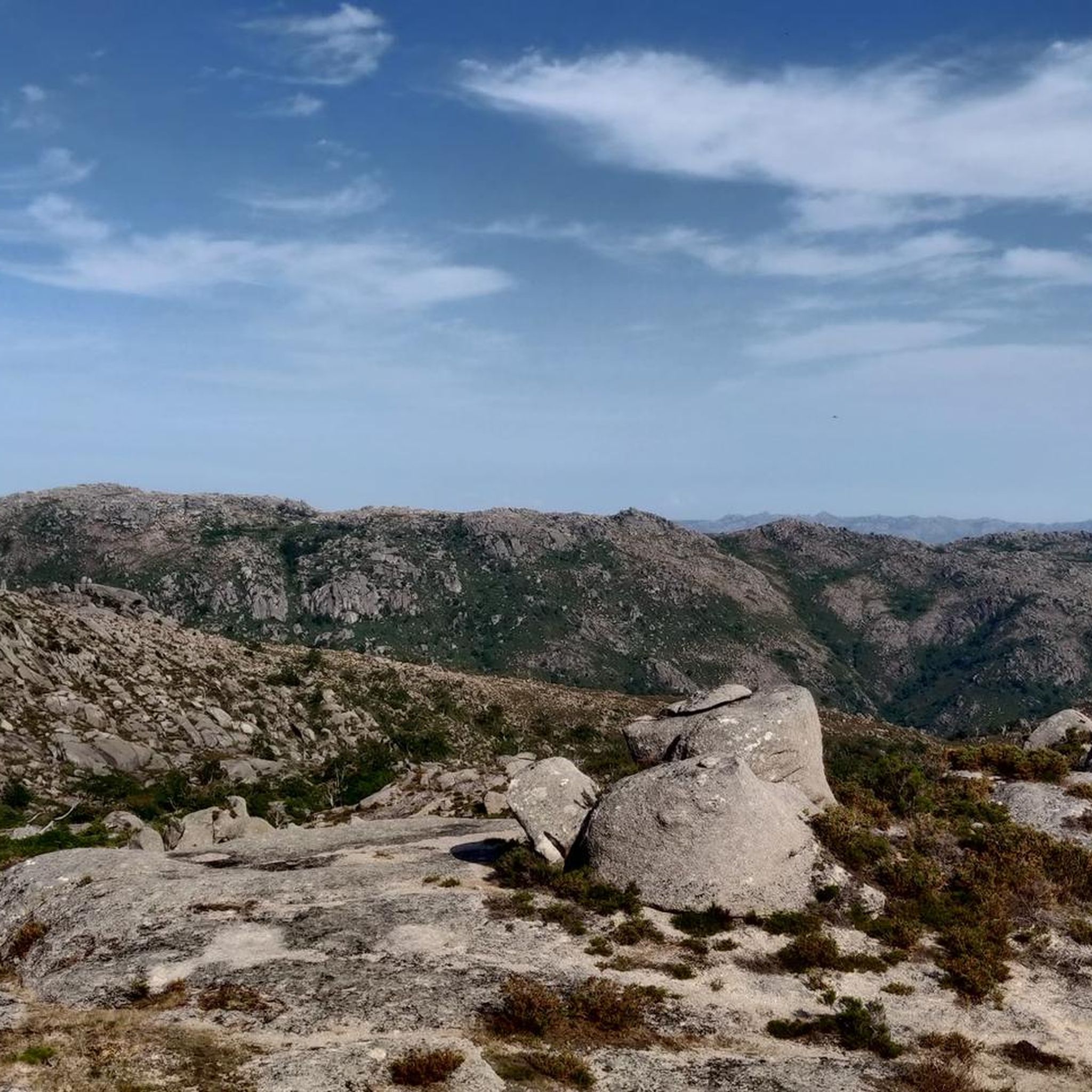
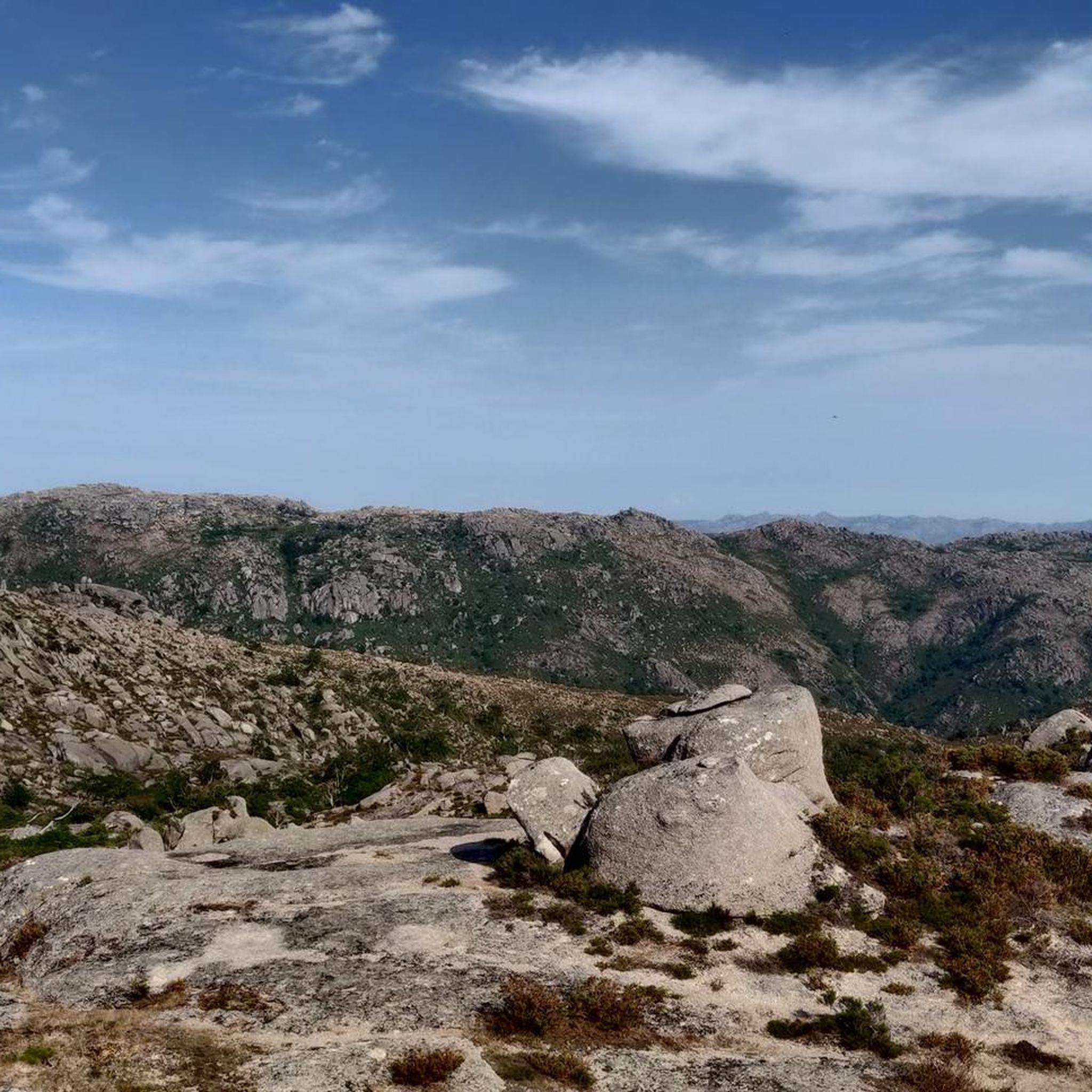
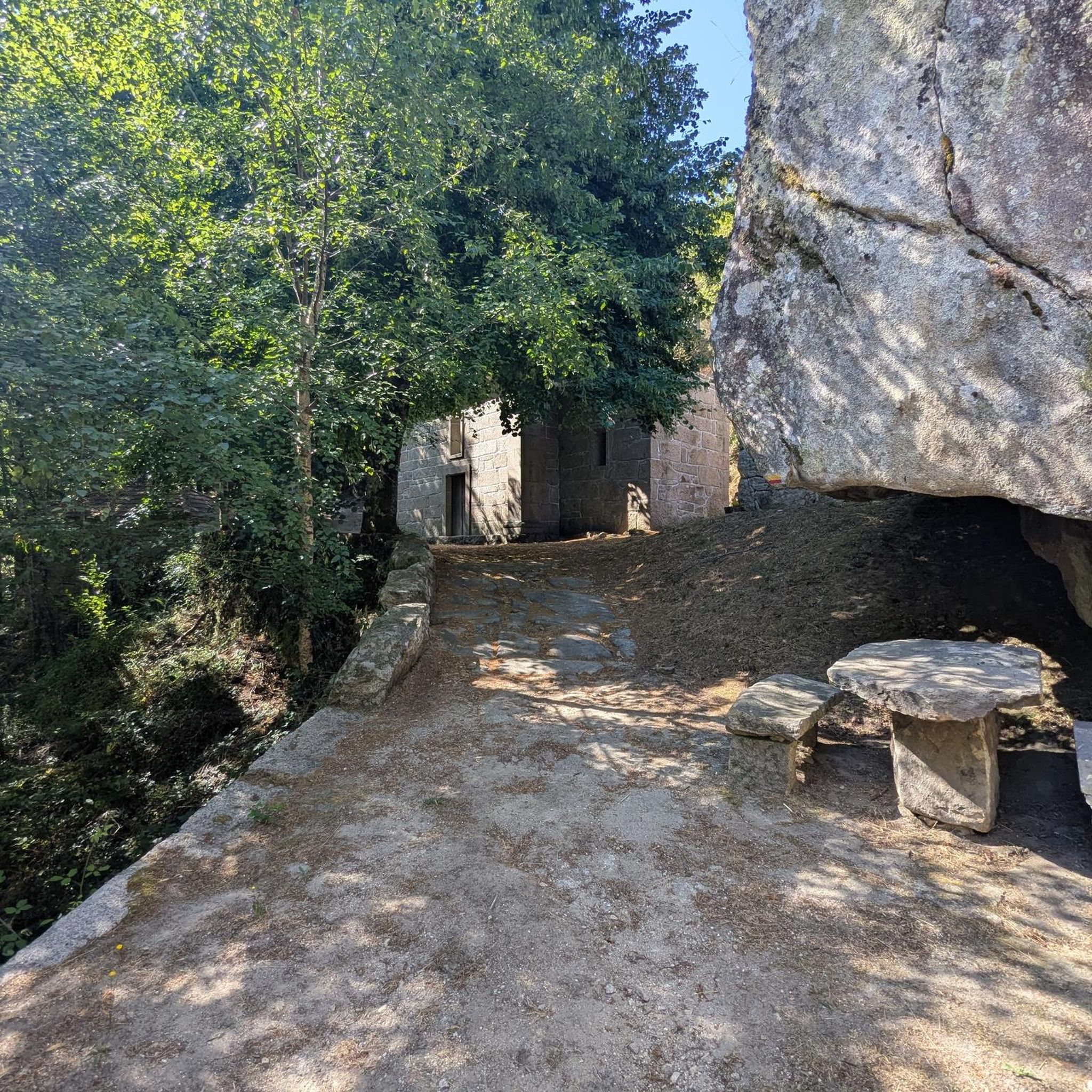

Tips from the Community

Barbeita Bridge - Mouro River - Monção - Portugal The bridge over the Mouro River is located in Ponte de Mouro, connecting Barbeita to Ceivães over the Mouro River, in Monção. It is known that a bridge existed at this location at least as early as 1386. It was here that, in that year, the historic meeting between King John I and the Duke of Lancaster, pretender to the throne of Castile, took place. The marriage of the Portuguese king to Philippa of Lancaster, the duke's daughter, was also arranged. The old bridge visible today underwent renovations in 1627.
0
0
Many kilometers to enjoy
0
0

These are the ruins of a Romanesque castle with a walled enclosure around a central tower with a cistern, located on the top of an isolated hill at 1,033 meters (3,389 feet) above the Minho and Lima rivers. It has an oval plan oriented north-south. The main entrance is the Porta do Sol, which opens to the east, while the Gate of Traitors, the Porta do Sapo, is located at the other end. The exit is well-maintained and normal for its location.
0
0

The trail here is rocky and at times not easy to cycle, but you're immersed in greenery amidst the sounds, colors, and scents of nature.
1
0
This impressive complex, now reduced mainly to its church, has medieval roots and was originally a Benedictine or Cistercian monastery (its exact origin is debated among historians). Built mainly in Romanesque style in the 12th century, it has undergone significant modifications and additions over the centuries, particularly in the 17th and 18th centuries, which have given it Mannerist and Baroque elements. Despite the transformations, it still retains many of its original Romanesque features, such as the four-archivolt portal on the façade and the structure of the choir divided into quadrangular chapels. Classified as a National Monument, the Mosteiro de Fiães is an important example of Portuguese religious architecture and a testimony to its rich monastic history.
0
0
Here you can pedal in peace while enjoying the beautiful view of the surrounding hills.
0
0
Built on a granite hill over 1,000 metres above sea level, the castle dominates the Laboreiro River valley, offering spectacular views of the surrounding landscape. Its origins are ancient, probably dating back to Roman or pre-Roman times, but the current structure mainly reflects medieval modifications and extensions, particularly during the Reconquista and the formation of the Kingdom of Portugal. The castle, although now in ruins, still preserves its defensive walls, part of the watchtower and the main gate, elements that testify to its strategic importance in controlling the borders. It is a symbol of the history and resistance of the region, and its isolated and wild location adds to its charm.
0
0
Mamoa Alto da Mansão do Guerreiro 1 is an important megalithic tomb. This "mamoa" is a passage tomb, a funerary structure dating back to the Neolithic and Chalcolithic periods, which range from approximately the 4th to the 3rd millennium BC. It is an artificial mound of earth and stones, which covered a burial chamber (the "dolmen") accessible by a corridor. Its importance lies in the fact that it is a significant testimony to the funerary practices and culture of the prehistoric populations that inhabited this region. These monuments were used for collective burials and often contained grave goods, offering valuable information about the life and beliefs of these ancient communities. Mamoa Alto da Mansão do Guerreiro 1 is, therefore, a fundamental piece of Portugal's archaeological heritage.
0
0
Frequently Asked Questions
How many mountain bike trails are available around Cousso?
There are over 20 mountain bike trails around Cousso, offering a variety of experiences for different skill levels.
What kind of terrain can I expect on mountain bike trails in Cousso?
The region features diverse terrain, including high plateaus, river valleys, and forested areas. You'll encounter trails traversing open country and connecting historical points of interest, with a mix of challenging climbs and rewarding descents.
Are there any beginner-friendly mountain bike trails in Cousso?
The mountain bike trails around Cousso are generally categorized as moderate to difficult. There are no trails specifically rated as easy, so beginners should be prepared for some challenges or consider shorter, less technical sections of moderate routes.
What are some challenging mountain bike routes for experienced riders?
Experienced riders will find plenty of challenging options, with 13 difficult routes available. A notable difficult route is the Castro Laboreiro Plateau Megalithic Loop, which covers 30.7 miles (49.4 km) and features significant elevation changes.
Are there any long-distance mountain bike routes in the Cousso area?
Yes, for those looking for longer rides, the Ring route from Lamas de Mouro towards Mosteiro de Fiães is a challenging option spanning over 40 miles (65 km). Another substantial route is the Minho River Greenway – Viewpoint of the Miño River loop from Sela, which is a moderate 35.8 miles (57.7 km) loop.
What do other mountain bikers say about the trails in Cousso?
The routes in Cousso are highly rated by the komoot community, with an average score of 4.8 stars from more than 10 reviews. Mountain bikers often praise the varied terrain and the unique historical and natural landmarks encountered along the way.
What historical sites or natural attractions can I see while mountain biking in Cousso?
Many trails traverse areas rich in history and natural beauty. You might encounter ancient megalithic structures on the plateau or pass by the Castro Laboreiro Castle and the Old Bridge of Castro Laboreiro. Natural highlights include the Meadinha Lagoon and the Cascata da Peneda waterfall.
Are there any mountain bike trails that offer scenic viewpoints?
Yes, several routes provide scenic vistas. The Castro Laboreiro Plateau Megalithic Trail offers expansive views of the plateau landscape. Additionally, the Alto de San Fins summit is a notable viewpoint in the region.
What is the best time of year for mountain biking in Cousso?
Given the region's high plateaus and river valleys, spring and autumn generally offer the most pleasant conditions for mountain biking, with milder temperatures and less extreme weather. Summer can be warm, especially in open areas, while winter might bring colder temperatures and potentially wet conditions.
Are there any loop trails for mountain biking in Cousso?
Yes, many of the trails are designed as loops, allowing you to start and finish at the same point. Examples include the Castro Laboreiro Plateau Megalithic Loop and the Lamas de Mouro and Castro Laboreiro Loop.
What are the typical elevation changes on Cousso's mountain bike trails?
The trails in Cousso feature significant elevation changes, contributing to their moderate to difficult ratings. For instance, the Ring route from Lamas de Mouro towards Mosteiro de Fiães involves nearly 1,876 meters (6,155 feet) of ascent and descent.
Most popular routes around Cousso
Most popular attractions around Cousso

Get inspired with the komoot mobile app


Explore more
Browse the best MTB trails in other regions.
