The best road cycling routes around Fontão
4.1
(22)
1,014
riders
43
rides
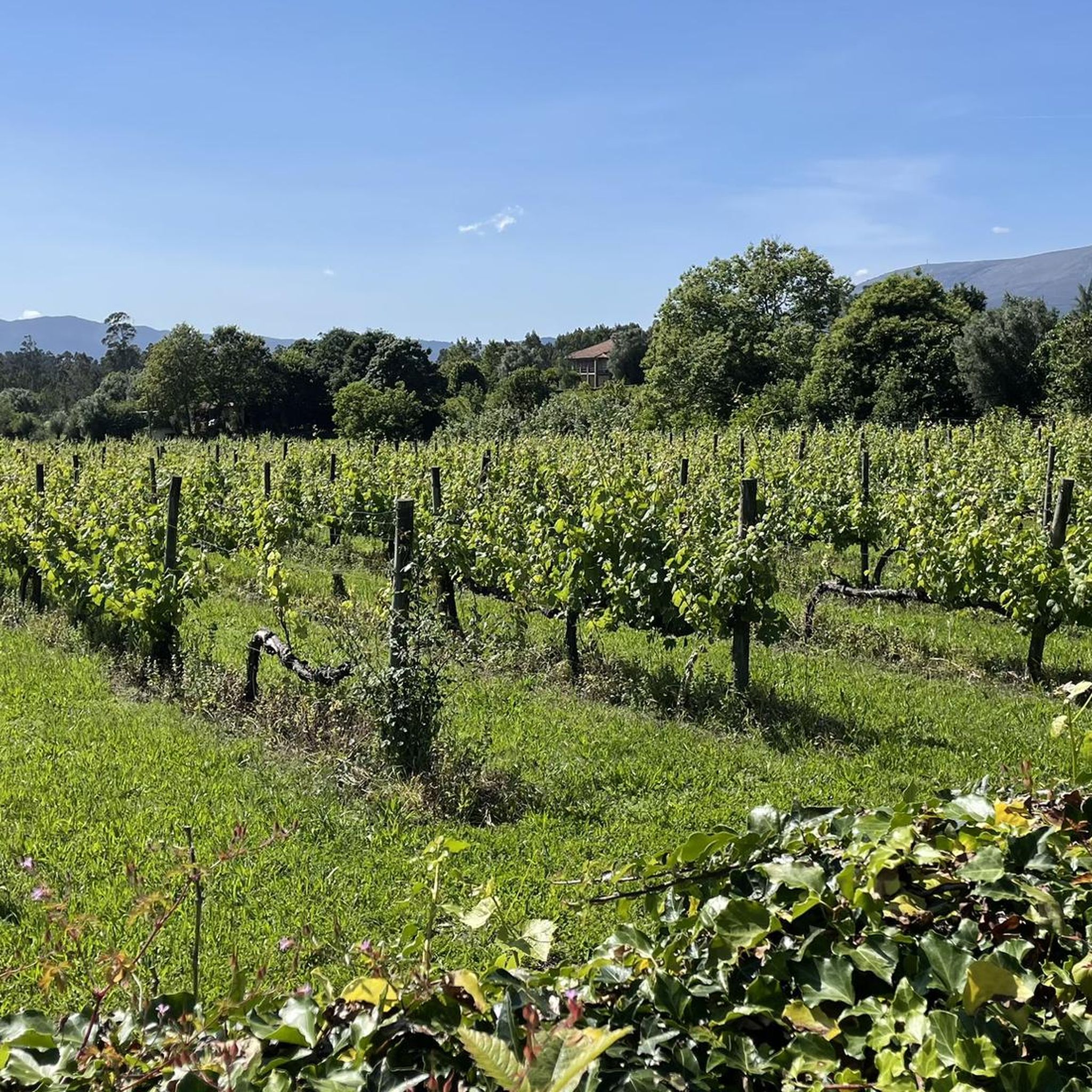
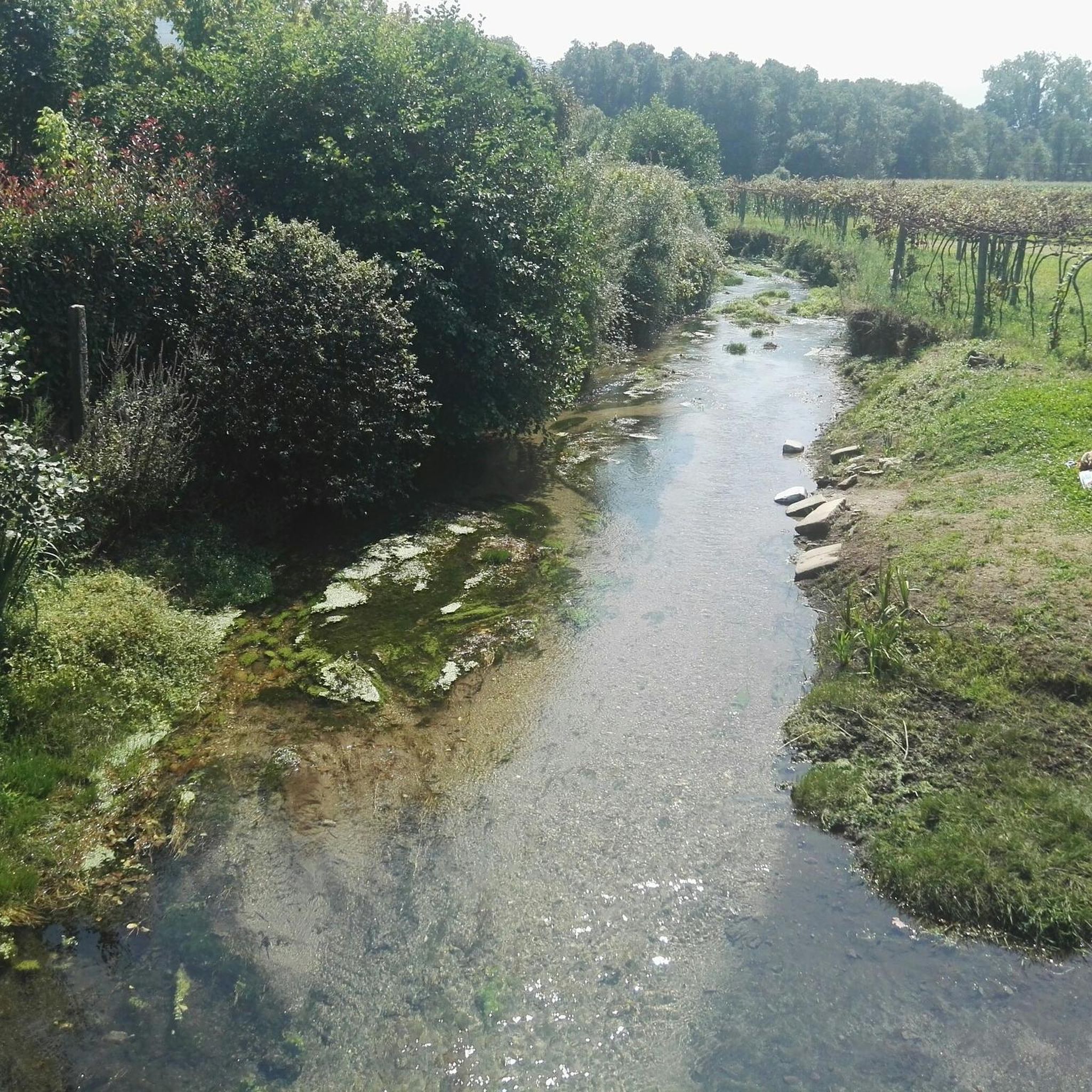
Road cycling routes around Fontão are situated within the Lima Valley, characterized by the Lima River, extensive vineyards, and the Serra d'Arga hills. The region offers a diverse landscape with mostly paved surfaces suitable for road cyclists. Routes navigate river valleys, vineyards, and hills, providing varied terrain.
Best road cycling routes around Fontão
- The most popular road cycling route is Museum Ship Gil Eannes – Eiffel Bridge loop from Ponte de Lima, a 46.6 miles (75.0 km) trail that…
Last updated: July 4, 2026
4.0
(3)
186
riders
75.0km
03:25
580m
590m
Moderate road ride. Good fitness required. Mostly well-paved surfaces and easy to ride.
4.2
(5)
139
riders
52.0km
02:13
330m
330m
Moderate road ride. Good fitness required. Mostly well-paved surfaces and easy to ride.

Sign up for free
44
riders
63.8km
02:53
540m
540m
Moderate road ride. Good fitness required. Mostly well-paved surfaces and easy to ride.
4.0
(3)
30
riders
43.9km
02:15
530m
530m
Moderate road ride. Good fitness required. Mostly well-paved surfaces and easy to ride.
24
riders
85.5km
03:54
730m
730m
Moderate road ride. Good fitness required. Mostly well-paved surfaces and easy to ride.
Get access to more routes and recommendations from other explorers.
Sign up for free
Already have an account?
Our route recommendations are based on thousands of hikes, rides, and runs completed by other people on komoot.
Start today with a free account
Your next adventure awaits.
Login or Signup


Tips from the Community

Ponte de Lima is a beautiful town with interesting streets and a very lively riverfront, you can also go canoeing.
0
0

unfortunately confusing photos of different towers again and usual photo chaos (also and especially from so-called experts!)
1
0


Location Address: N13, Viana do Castelo, Portugal. Views: Offers great photo opportunities, both from Darque and Viana do Castelo.
2
0
Access and Current Use Mixed Use: The bridge remains fully operational, serving both road and rail transport. Hours: As an essential public thoroughfare for the city, the bridge is open 24 hours a day for traffic. Works: Attention: In November and December 2025, the bridge has been undergoing maintenance work, resulting in the closure of vehicular traffic during the night (generally from 11:00 PM to 6:00 AM). It is recommended to check the exact times during your visit.
2
0
Main Features Design and Engineering: Inaugurated on June 30, 1878, it was the first road-rail bridge (with two superimposed decks) built in Portugal. Structure: It is 645 meters long, with the upper deck for car and pedestrian traffic, and the lower deck for the railway line (Minho Line). Heritage: The bridge is a beautiful example of 19th-century iron architecture and is considered a landmark of the city, being a candidate for classification as a National Monument.
2
0
The Eiffel Bridge of Viana do Castelo, also known as the Metal Bridge over the Lima River, is an iconic landmark of the city, designed in the office of the renowned engineer Gustave Eiffel. The bridge, made of iron, connects the banks of the Lima River between Viana do Castelo and the village of Darque.
2
0
Historical Context Origin of the name: The town of Ponte de Lima, the oldest in Portugal, derives its name from the bridge that crosses it. Way of St. James: The bridge is an important crossing point on the Portuguese Way of St. James. Legend: The legend of the Lima River, which runs under the bridge, tells that the Romans believed it to be the river of forgetfulness, which would have given rise to the myth that people who crossed it would forget their past lives.
2
0
Frequently Asked Questions
What types of road cycling routes can I find around Fontão?
The Fontão region, nestled in the Lima Valley, offers a diverse landscape for road cyclists. You'll find routes that navigate serene river valleys, extensive vineyards, and the more challenging Serra d'Arga hills. Most surfaces are paved, catering specifically to road bikes, with options ranging from moderate to difficult terrain.
How many road cycling routes are available in Fontão?
Komoot features over 45 road cycling routes around Fontão. These routes are highly rated by the komoot community, with an average score of 4.4 stars from over 19 reviews, indicating their popularity and quality among cyclists.
Are there any circular road cycling routes in Fontão?
Yes, many of the road cycling routes in Fontão are designed as loops, allowing you to start and end in the same location. Examples include the Museum Ship Gil Eannes – Eiffel Bridge loop from Ponte de Lima, which offers views of the Lima River, and the Eiffel Bridge (Ponte Eiffel) – Eiffel Bridge loop from Ponte de Lima, traversing river valleys and vineyards.
What are some notable landmarks or attractions I can see along the road cycling routes?
Many routes pass through areas rich in cultural and historical heritage. You can cycle past the historic Roman Bridge of Ponte de Lima, explore the charming town of Ponte de Lima, or discover the Old Jail Tower. The region also features picturesque vineyards and the scenic Lima River.
Is there parking available for cyclists near the routes in Fontão or Ponte de Lima?
While specific parking areas for cyclists in Fontão are not detailed, Ponte de Lima, being a central hub for many routes, typically offers various parking options within the town. It's advisable to check local parking regulations upon arrival, especially near popular starting points for tours.
Can I reach the cycling routes in Fontão using public transport?
Ponte de Lima, which is closely associated with Fontão and serves as a starting point for many routes, has public transport connections. You may be able to reach Ponte de Lima by bus from larger cities in Northern Portugal. However, specific information regarding public transport directly to Fontão or for transporting bicycles should be verified with local transport providers.
What is the best time of year for road cycling in Fontão?
The Lima Valley region generally offers pleasant conditions for cycling for much of the year. Spring and autumn are often ideal, with milder temperatures and beautiful scenery as vineyards change color. Summer can be warm, but riverside routes may offer cooler conditions. Winter can be cooler and wetter, but still offers opportunities for cycling on clear days.
Are there family-friendly road cycling routes in Fontão?
While many routes in Fontão are rated moderate to difficult, the region does offer some easier, mostly paved sections suitable for families. For instance, the 'View of Ponte de Lima – Ponte de Lima loop from Fontão' is an easy, mostly paved trail. When planning a family outing, look for routes with lower elevation gain and shorter distances.
What do other road cyclists enjoy most about road cycling in Fontão?
The area is highly rated by the komoot community, with an average score of 4.4 stars. Reviewers often praise the blend of accessible paved routes, the varied terrain encompassing riverside flats, vineyard-laden countryside, and challenging hills, all set against a backdrop of rich cultural heritage and stunning natural beauty.
Are there challenging road cycling routes for experienced cyclists?
Absolutely. For experienced road cyclists seeking more demanding rides, the Serra d'Arga hills provide challenging terrain with significant climbs. Routes like the Ponte de Lima – Roman Bridge of Ponte de Lima loop from Ponte de Lima are rated as difficult, offering substantial elevation gain and rewarding views.
Can I find routes that combine natural beauty with historical sites?
Yes, the region excels in offering routes that blend natural beauty with cultural heritage. Many paths follow the Lima River, wind through vineyards, and pass through ancient towns like Ponte de Lima, allowing you to experience both the verdant countryside and historic landmarks such as the Roman Bridge of Ponte de Lima.
Are there any longer road cycling routes for endurance training?
For cyclists looking for longer distances, Fontão offers several options. The View of the Neiva River – View of Esposende loop from Ponte de Lima is a moderate route spanning over 85 kilometers, providing a good challenge for endurance training while exploring diverse landscapes.
Most popular routes around Fontão
Most popular attractions around Fontão

Get inspired with the komoot mobile app


Explore more
Browse the best Road cycling routes in other regions.
