Attractions and Places To See around Mazarefes e Mazarefes e Mazarefes e Vila Fria - Top 20
Best attractions and places to see around Mazarefes e Mazarefes e Mazarefes e Vila Fria include a blend of historical, cultural, and natural sites within the municipality of Viana do Castelo. This region, formed by the union of parishes, offers diverse landscapes from river beaches to elevated historical areas. Visitors can explore significant religious buildings, ancient fortified settlements, and notable architectural landmarks. The area provides opportunities to experience both local heritage and natural beauty.
Best attractions and places to see…
Last updated: July 1, 2026
Stone Bridge over the Neiva River
Highlight • Bridge
Translated by Google •
Tip by

Eiffel Bridge (Ponte Eiffel)
Highlight • Bridge
Translated by Google •
Tip by
Sign up now to discover places like this
Get recommendations on the best single tracks, peaks, & plenty of other exciting outdoor places.
Sign up for free
Sanctuary of Santa Luzia
Highlight • Religious Site
Translated by Google •
Tip by

Neiva River Trail
Highlight (Segment) • Trail
Translated by Google •
Tip by
Sanctuary of Our Lady of Agony
Highlight • Religious Site
Translated by Google •
Tip by

Sign up for free to discover even more attractions around Mazarefes e Mazarefes e Mazarefes e Vila Fria.
Sign up for free
Already have an account?
Start today with a free account
Your next adventure awaits.
Login or Signup
Popular around Mazarefes e Mazarefes e Mazarefes e Vila Fria
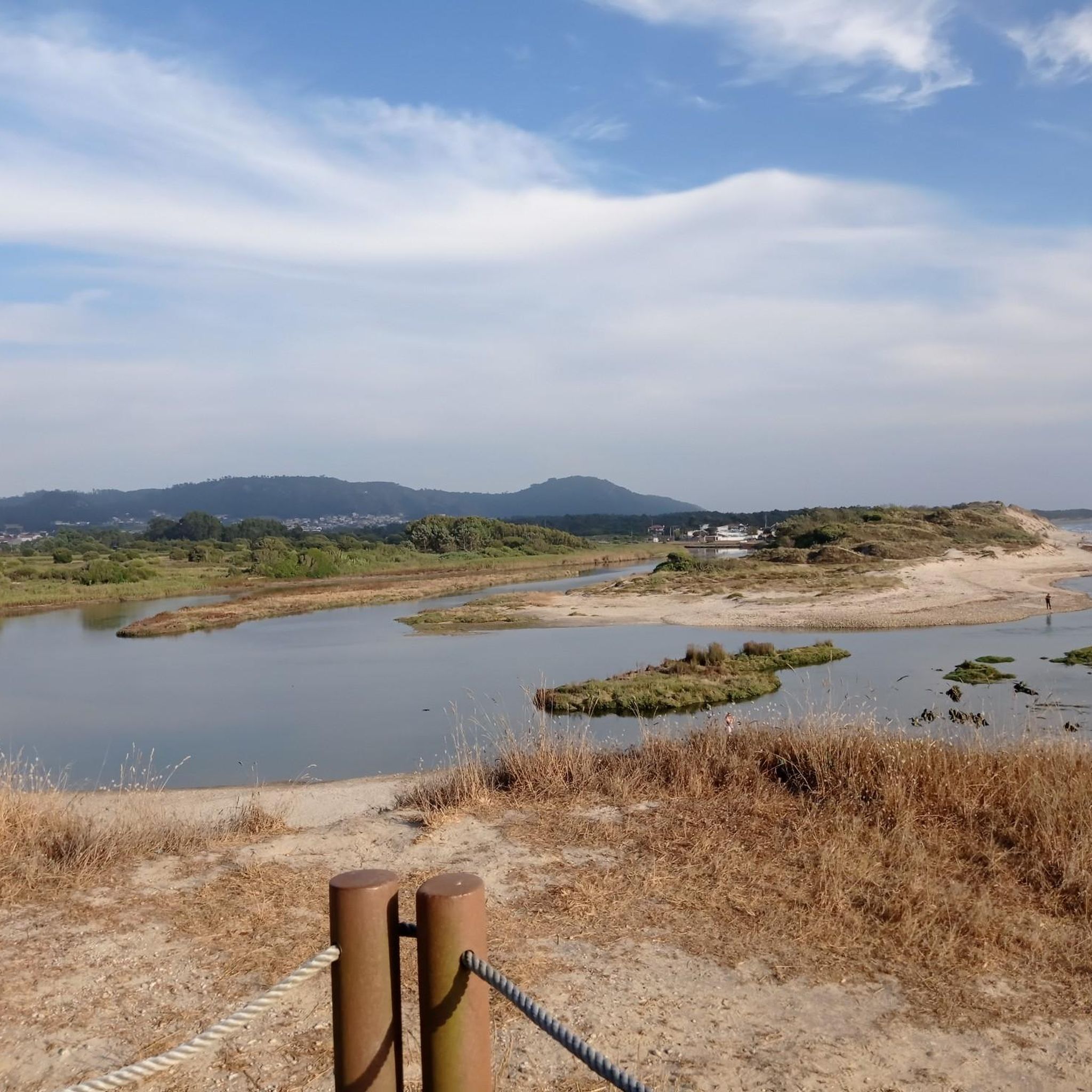
Road Cycling Routes around Mazarefes e Mazarefes e Mazarefes e Vila Fria
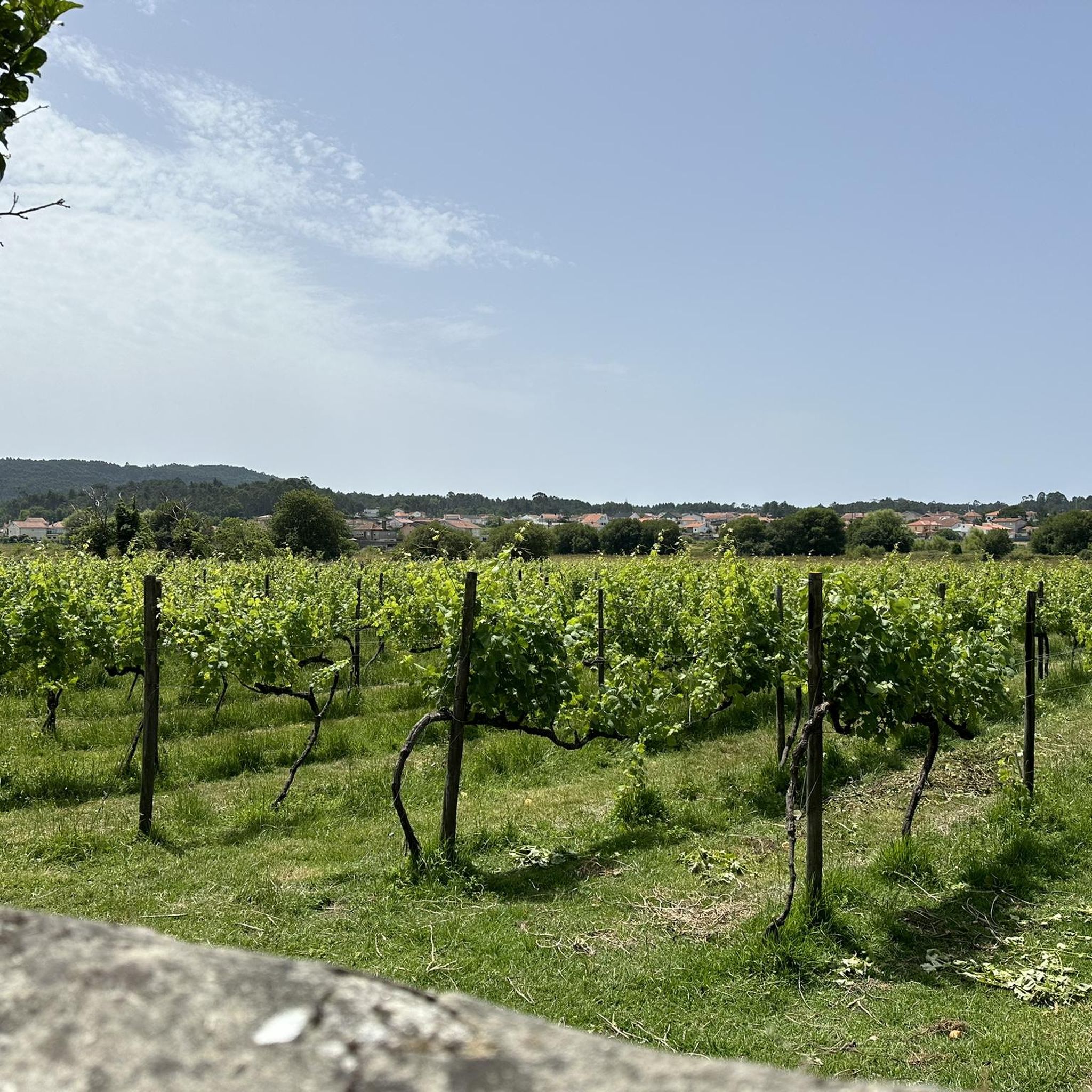
Cycling around Mazarefes e Mazarefes e Mazarefes e Vila Fria
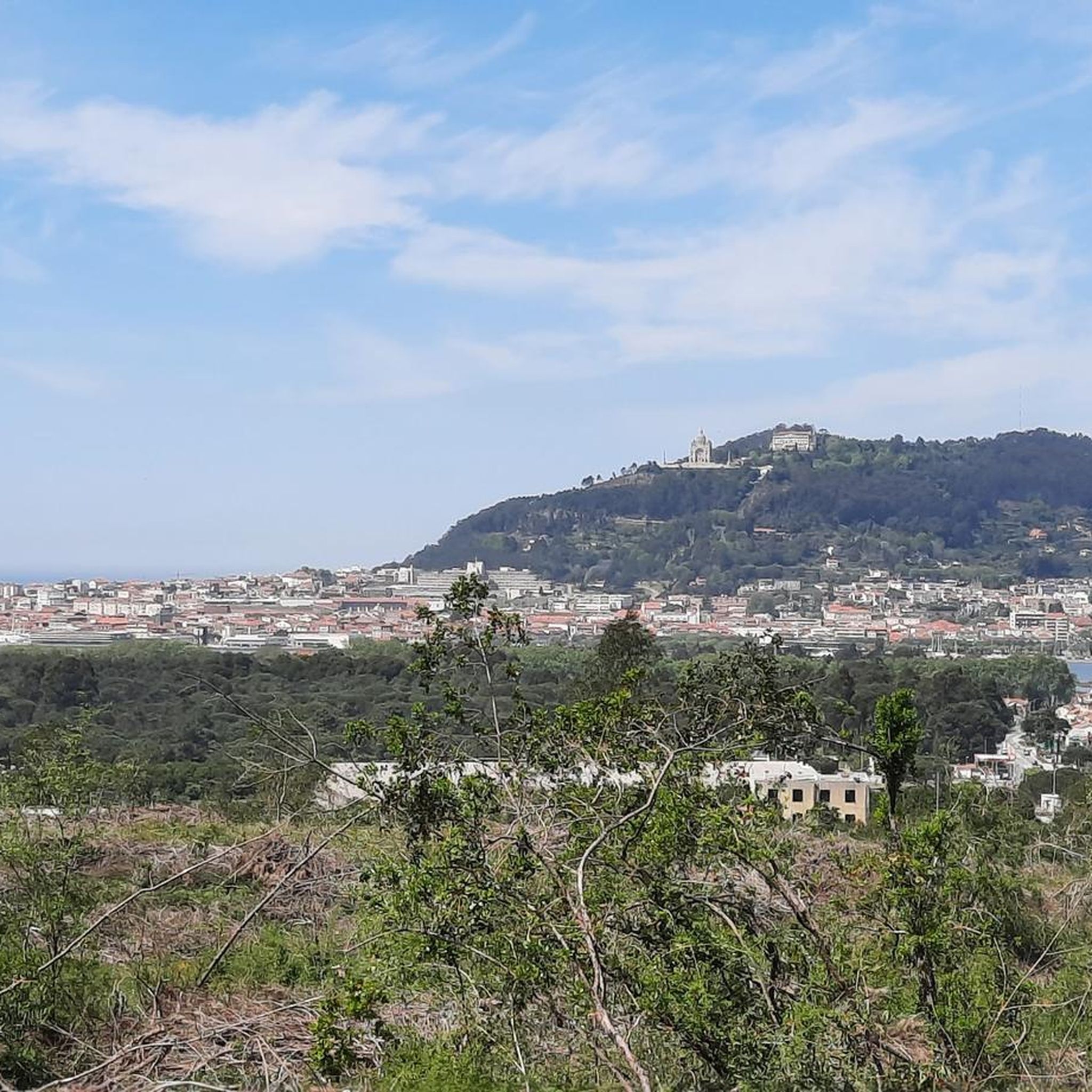
MTB Trails around Mazarefes e Mazarefes e Mazarefes e Vila Fria
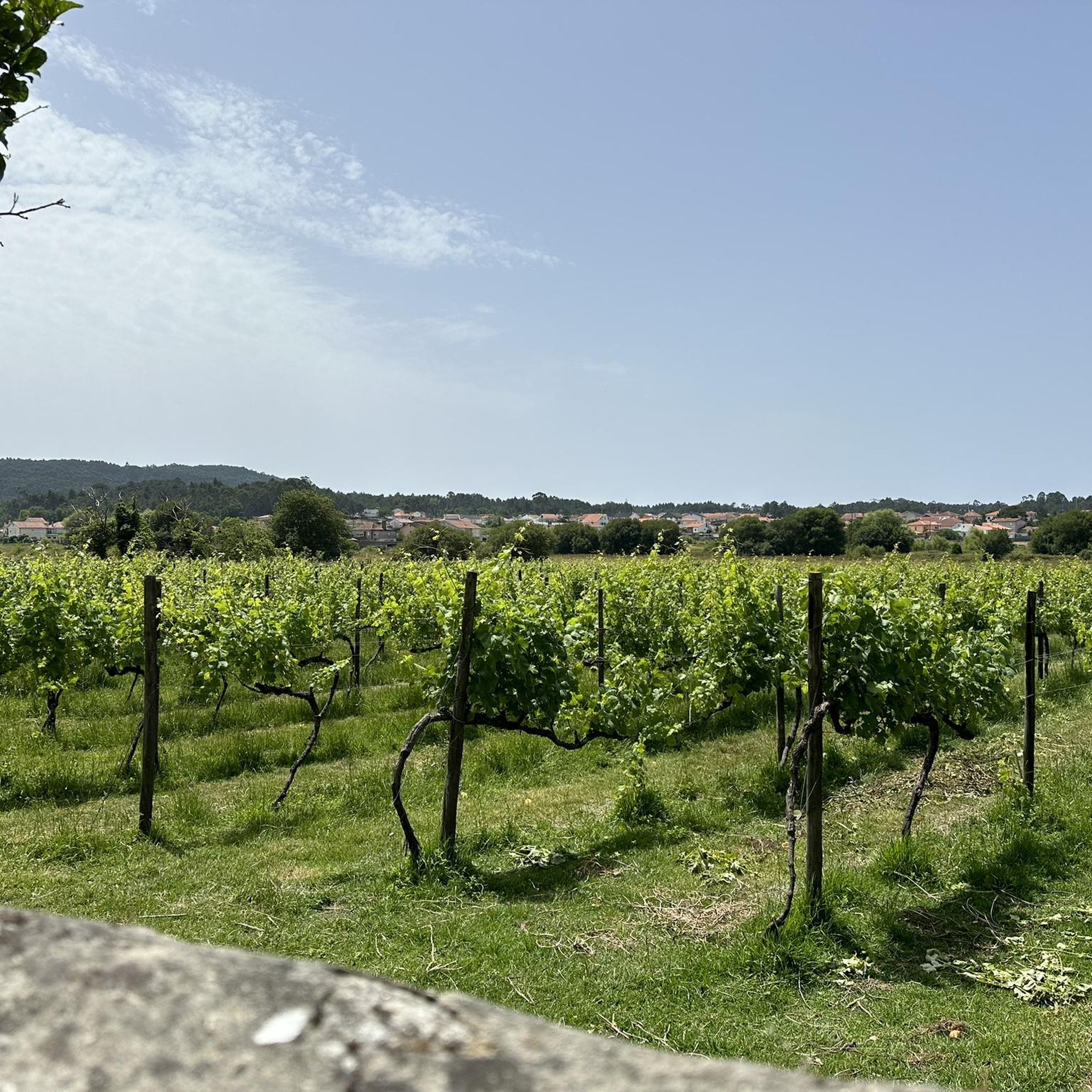
Hiking around Mazarefes e Mazarefes e Mazarefes e Vila Fria
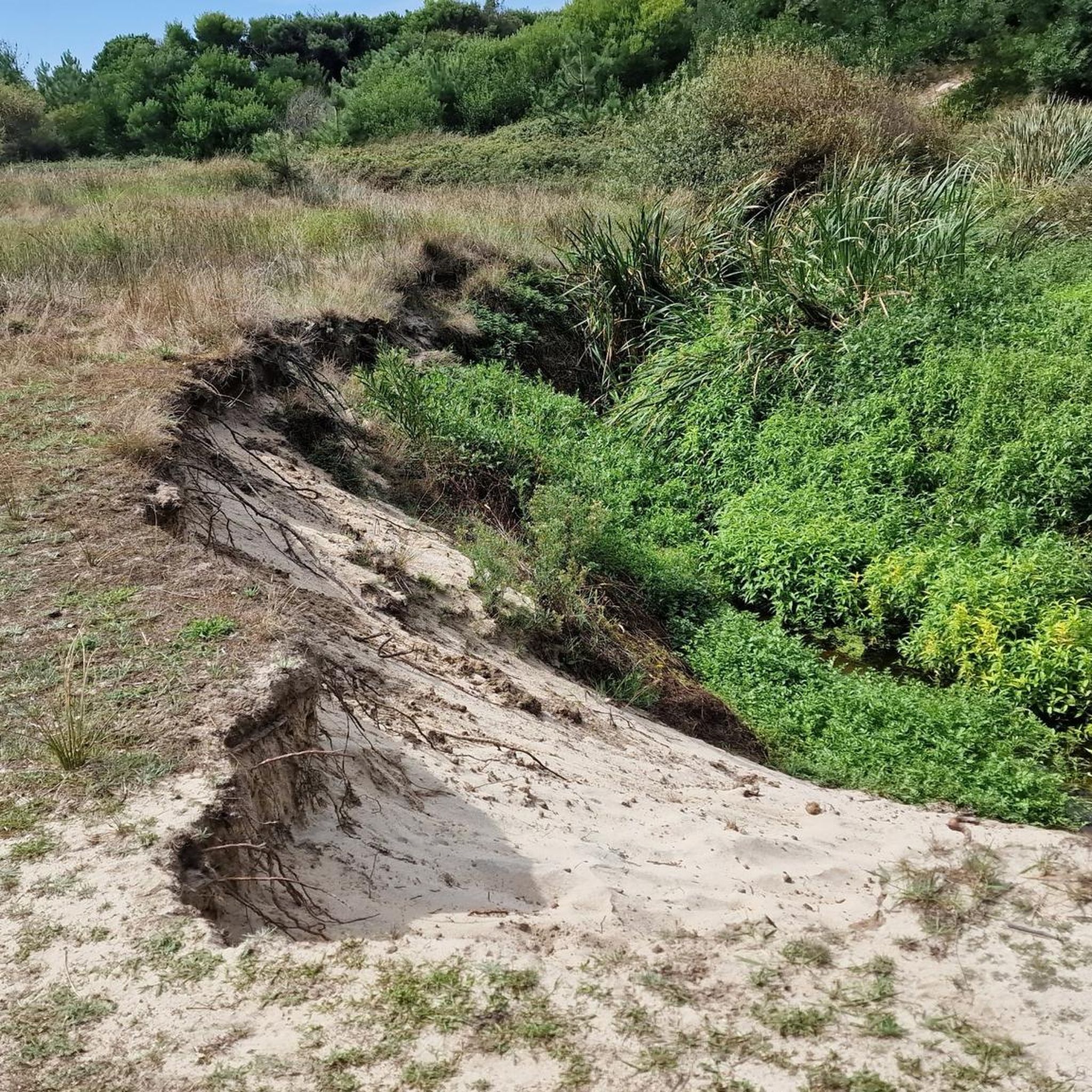
Running Trails around Mazarefes e Mazarefes e Mazarefes e Vila Fria

Gravel biking around Mazarefes e Mazarefes e Mazarefes e Vila Fria
Tips from the Community

A wonderfull nature walk reminding me of walks in Newcastle, NSW Australia
0
0

Key Information Location: Neiva River, on the border of the municipalities of Esposende and Viana do Castelo, Portugal. History: The original bridge was built in 1930 at the behest of the owner of a watermill and a fishing lodge that existed on the site at that time. Renovation: Over time, the bridge suffered damage due to the impact of fallen trees during storms. In 2020, the reconstruction of the bridge was announced, in a project financed in equal parts by the two neighboring municipalities. North Coast Ecovia: The stone bridge (reconstructed or restored) is part of a set of green infrastructures that make up the North Coast Ecovia, a pedestrian and cycle path that enhances the Neiva River estuary and connects the two municipalities, offering a bucolic and tranquil environment for walks. The bridge is a picturesque spot, frequently visited by those traveling along the ecovia, inviting a peaceful stroll and observation of the surrounding nature.
2
0
The Stone Bridge over the Neiva River, also known as Sebastião's Bridge, is a historic bridge that connects the banks of the Neiva River, serving as a border between the municipalities of Esposende (Antas parish) and Viana do Castelo (Castelo do Neiva parish), in Portugal.
2
0

Next to an esplanade, beautiful inside and out.
1
0

Beautiful both inside and out. A must-visit if you're in the area. The hike up the mountain is a bit strenuous, so it's better to go by car or bus. Parking is free.
3
0

On the site of the current sanctuary, a chapel dedicated to the Blessed Jesus of the Holy Sepulchre of Calvary was built before 1674. However, by the early 18th century, it was already dedicated to Marian devotion and was mentioned in 1706 as the Chapel of Our Lady of Solitude, and by 1744 with its current name, Our Lady of Agony. https://www.visitportugal.com/de/content/santuario-da-senhora-da-agonia
0
0


From the bridge, you have a good view of the Lima River and the city of Viana. However, the pedestrian lane (only the one downstream is open) is very narrow and not really designed for two-way traffic. In Eiffel's time, the entire upper bridge was probably intended for pedestrians and oxcarts. The railway runs one level below: https://pt.wikipedia.org/wiki/Ponte_Eiffel
2
0
Frequently Asked Questions
What historical and cultural sites can I explore in Mazarefes e Vila Fria?
The region is rich in history. You can visit the Igreja Paroquial de São Nicolau de Mazarefes, a Mannerist and Baroque church with a beautiful image of Nossa Senhora do Rosário. Another significant site is the Igreja Paroquial de Vila Fria / Igreja de São Martinho, known for its Rococo and Neoclassical architecture. Don't miss the ancient Monte de Sabariz, which features an Iron Age fortified settlement (castro) and a rupestrian monastery with Visigothic religious architecture.
Are there any natural attractions or viewpoints in the area?
Yes, nature lovers will appreciate the Praia Fluvial de São Simão, a beautiful river beach by the Lima River, perfect for birdwatching. The Stone Bridge over the Neiva River offers an idyllic setting with the scent of eucalyptus and the sound of small waterfalls. For panoramic views, the elevated Monte de Sabariz provides a great vantage point, and the Sanctuary of Santa Luzia, though slightly further afield, offers breathtaking vistas of Viana do Castelo, the Lima River, and the Atlantic.
What are some family-friendly attractions around Mazarefes e Vila Fria?
Families can enjoy several sites. The Sanctuary of Santa Luzia is considered family-friendly, offering a fun experience with its panoramic views and the option to take a funicular. The Viana do Castelo Cathedral and the Sanctuary of Our Lady of Agony also welcome families, providing cultural insights in a relaxed setting.
Can I find hiking or cycling routes near these attractions?
Absolutely! The region offers various outdoor activities. For cycling, you can explore numerous routes, including those around the Eiffel Bridge (Ponte Eiffel). There are also dedicated Road Cycling Routes, Gravel Biking, and MTB Trails guides available for the Mazarefes e Vila Fria area, offering options from easy to difficult.
What is special about the Eiffel Bridge (Ponte Eiffel)?
The Eiffel Bridge (Ponte Eiffel) is an iconic landmark designed by Gustave Eiffel, inaugurated in 1878. This multi-level bridge carries trains, vehicles, bicycles, and pedestrians, offering exceptional views of both banks of the Lima River and the city of Viana do Castelo. It's a remarkable example of 19th-century iron architecture and a symbol of the city.
What is the significance of Monte de Sabariz?
Monte de Sabariz is a historically rich elevated area shared by Mazarefes and Vila Fria. It features an Iron Age fortified settlement (castro) with defensive walls and a moat, showing signs of later Roman occupation. Additionally, you'll find a rupestrian monastery or hermitage with Visigothic religious architecture and the Capela de Santo Amaro, supported by a popular picnic park for pilgrims.
Are there any religious festivals or events associated with the local churches?
Yes, the Sanctuary of Our Lady of Agony is particularly known for a big festival held in its honor every August. During this event, streets in the fishing districts are adorned with colorful salt carpets, creating a unique and vibrant cultural experience.
What can I expect at the Stone Bridge over the Neiva River?
The Stone Bridge over the Neiva River is situated in an idyllic spot where the river emerges from a eucalyptus forest. Visitors often note the pleasant scent of the eucalyptus trees and the soothing sound of small waterfalls. It's also a unique crossing point where an arrow of the Camino de Santiago has been creatively drawn in the river with stones.
What are the architectural styles of the local parish churches?
The Igreja Paroquial de São Nicolau de Mazarefes showcases Mannerist and Baroque architectural styles. In contrast, the Igreja Paroquial de Vila Fria / Igreja de São Martinho is characterized by Rococo and Neoclassical elements, with its construction likely dating back to the 18th century.
What do visitors enjoy most about the attractions in this region?
Visitors frequently praise the blend of historical depth and natural beauty. The panoramic views from sites like the Sanctuary of Santa Luzia are highly appreciated, as are the unique architectural details of the Eiffel Bridge. Many also enjoy the serene settings of natural spots like the Stone Bridge over the Neiva River and the rich cultural heritage found in the local churches and ancient settlements.
Is there a specific time of year that is best to visit Mazarefes e Vila Fria for outdoor activities?
While the region can be enjoyed year-round, spring and autumn generally offer pleasant weather for outdoor activities like hiking and cycling, with milder temperatures. Summer is ideal for enjoying the river beach at Praia Fluvial de São Simão, though it can be warmer. If you're interested in cultural festivals, August is notable for the festival at the Sanctuary of Our Lady of Agony.
Most popular routes around Mazarefes e Mazarefes e Mazarefes e Vila Fria
Most popular attractions around Mazarefes e Mazarefes e Mazarefes e Vila Fria

Get inspired with the komoot mobile app


Explore more
Still not found the Highlight you’re looking for? See guides of the top attractions in other regions:
