Attractions and Places To See around Candemil e Gondar e Gondar e Gondar - Top 20
Attractions and places to see around Candemil e Gondar e Gondar e Gondar are primarily located in the Portuguese region, offering a blend of historical sites and natural features. The area is known for its strategic historical fortifications and monuments, often situated in elevated positions providing wide views. Visitors can explore structures that reflect centuries of history, alongside natural settings that complement the cultural landmarks.
Best attractions and places to see around Candemil e Gondar e Gondar e Gondar
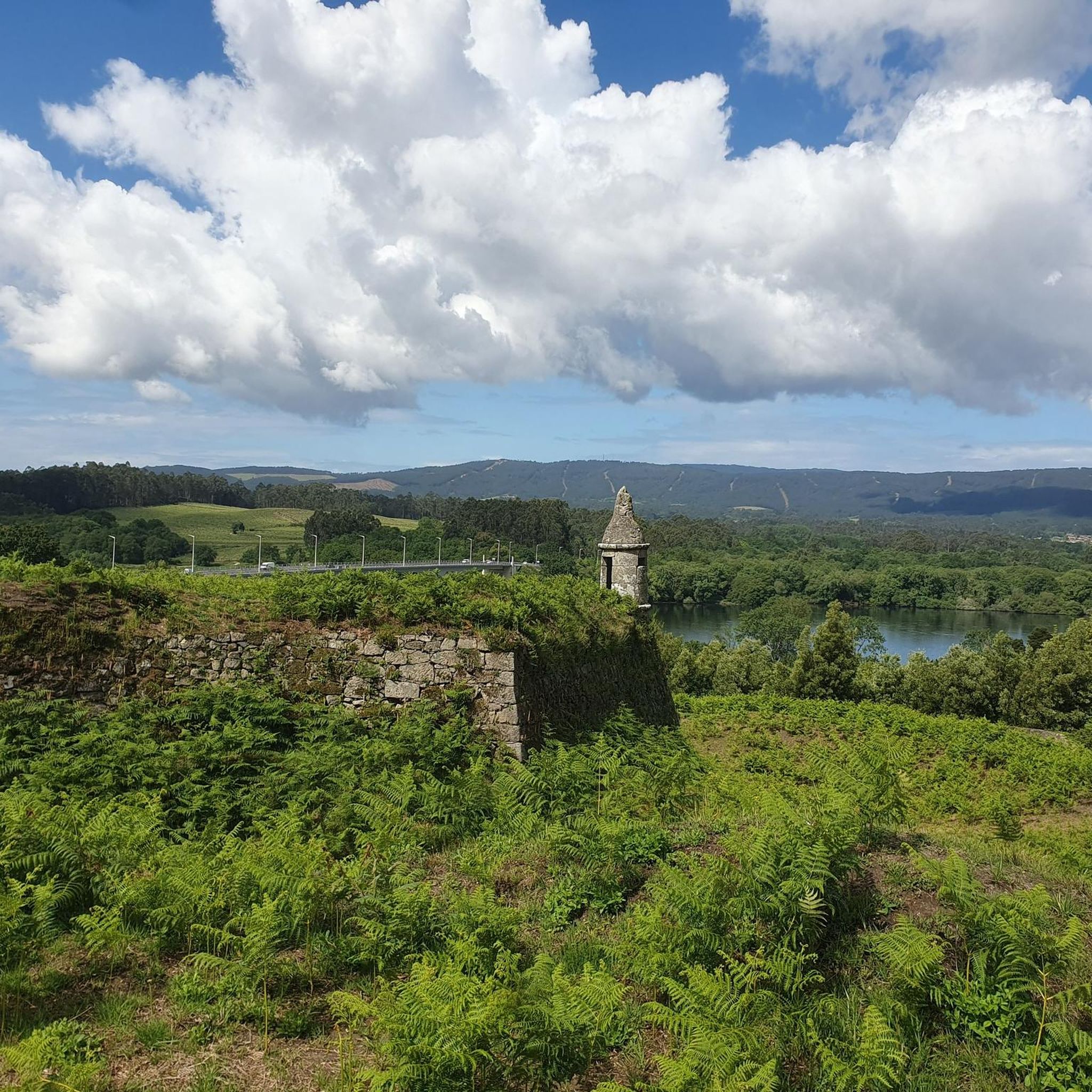
- The most popular attractions is Fortress of Valença, a historical site that dominates the landscape with its 17th-century star-shaped walls. This impressive fort, built on the ruins of a 13th-century castle, stretches for 5.5 kilometers and offers wide views in all directions.
- Another must-see spot is Cruz dos Franceses, a man-made monument and viewpoint. This 19th-century Latin cross stands in the Serra da Labruja, marking a historical battle during the Napoleonic invasions and offering a significant landmark on the Portuguese Way of St. James.
- Visitors also love Chapel of Saint Sebastian, a religious building. This simple chapel is an example of traditional religious architecture, often associated with devotion to Saint Sebastian.
- Candemil e Gondar e Gondar e Gondar is known for its historical sites, religious buildings, and viewpoints. The region offers a variety of attractions to see and explore, from ancient fortifications to significant monuments.
- The attractions around Candemil e Gondar e Gondar e Gondar are appreciated by the komoot community, with more than 300 photos shared and over 300 upvotes for the highlights.
Last updated: August 12, 2026
Fortress of Valença
Highlight • Historical Site
Built in the 17th century on the ruins of an ancient 13th-century castle, the fortress is a masterful example of military architecture of the period, with its star-shaped walls stretching for an impressive 5.5 kilometers.
Upon entering, one immediately senses the strength and grandeur of Valença, one of the oldest towns in Portugal.
Translated by Google •
Tip by

Cruz dos Franceses
Highlight • Monument
Translated by Google •
Tip by

Sign up now to discover places like this
Get recommendations on the best single tracks, peaks, & plenty of other exciting outdoor places.
Sign up for free
Chapel of Bom Jesus
Highlight • Religious Site
Located inside the Fortress of Valença, the Chapel of Bom Jesus dates from the 17th century, with a project by military engineer Manuel Pinto de Vilalobos, a baroque chapel with rococo elements. Inside, there is a small image of Nossa Senhora do Carmo, patron saint of Infantry Regiment No. 21 stationed in Valença and that a soldier carried in a backpack whenever the regiment went on campaign.
The statue of S. Teotónio is a sculpture from the 20th century and evokes the figure of the 1st Portuguese Saint - the inspirer and protector of nationality. He was born in 1082 in the Valencian parish of Ganfei and died, in Coimbra, on February 18, 1162. São Teotónio became the first Portuguese saint, being celebrated as the reformer of religious life. Known as the patron saint of enslaved Christians, for having supported 1000 Mozarab men, women and children, captured in an incursion to Andalusia by D. Afonso Henriques.
Translated by Google •
Tip by

Chapel of Saint Sebastian
Highlight • Religious Site
Translated by Google •
Tip by

Albergue Quinta Estrada Romana
Highlight • Mountain Hut
It's worth taking a little break here, the stamp here is a very special one in my credential 🤩
Translated by Google •
Tip by

Sign up for free to discover even more attractions around Candemil e Gondar e Gondar e Gondar.
Sign up for free
Already have an account?
Start today with a free account
Your next adventure awaits.
Login or Signup
Popular around Candemil e Gondar e Gondar e Gondar
Road Cycling Routes around Candemil e Gondar e Gondar e Gondar
MTB Trails around Candemil e Gondar e Gondar e Gondar
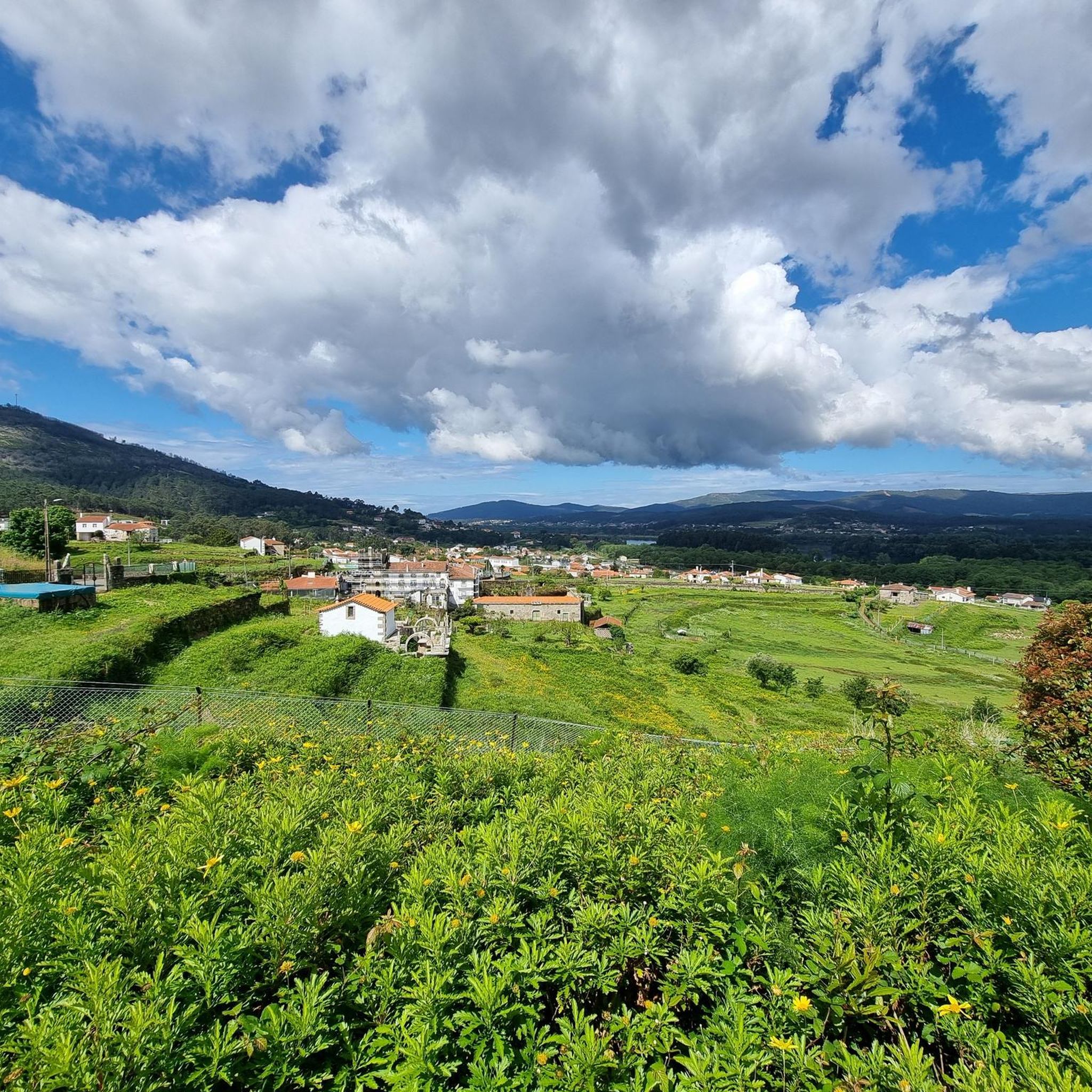
Cycling around Candemil e Gondar e Gondar e Gondar
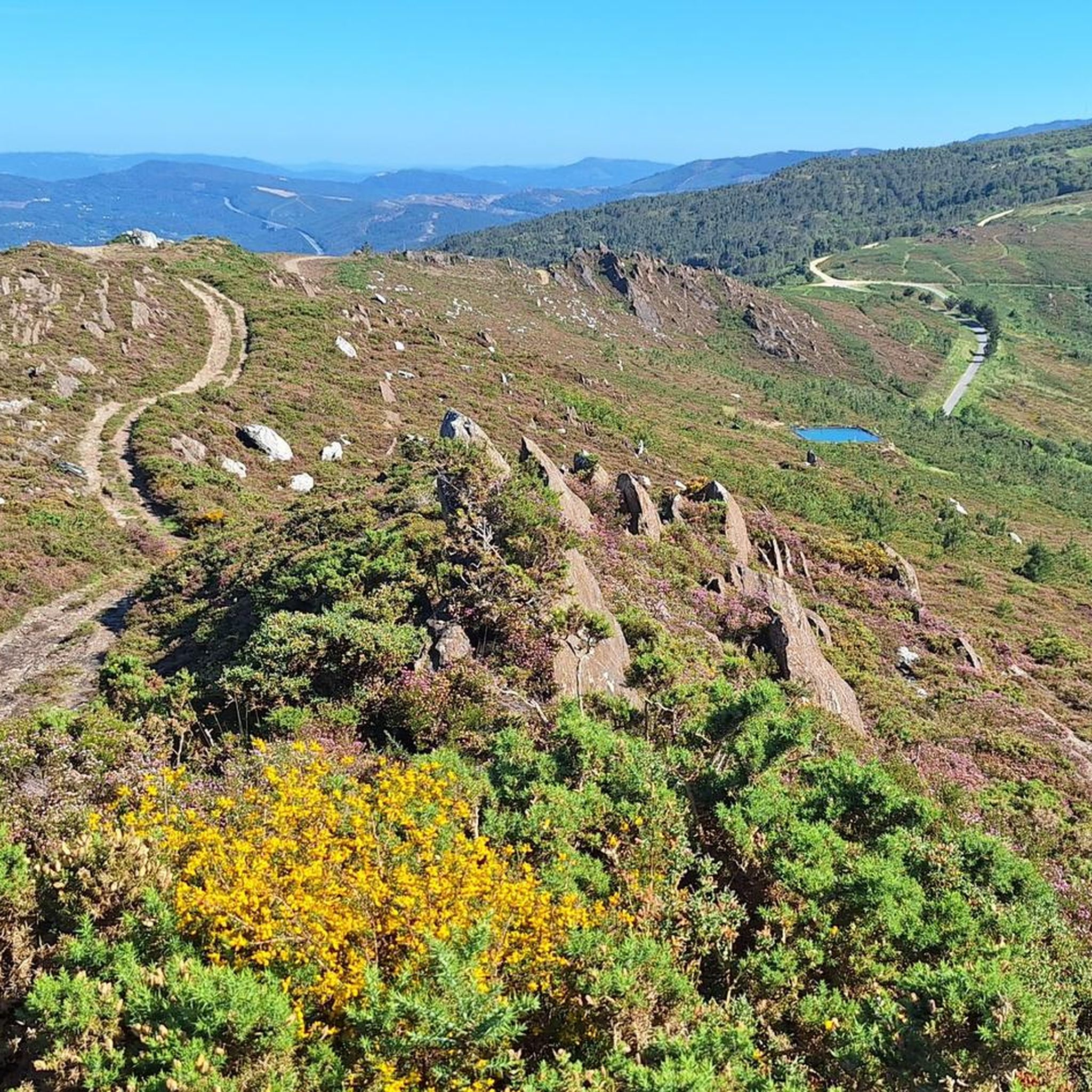
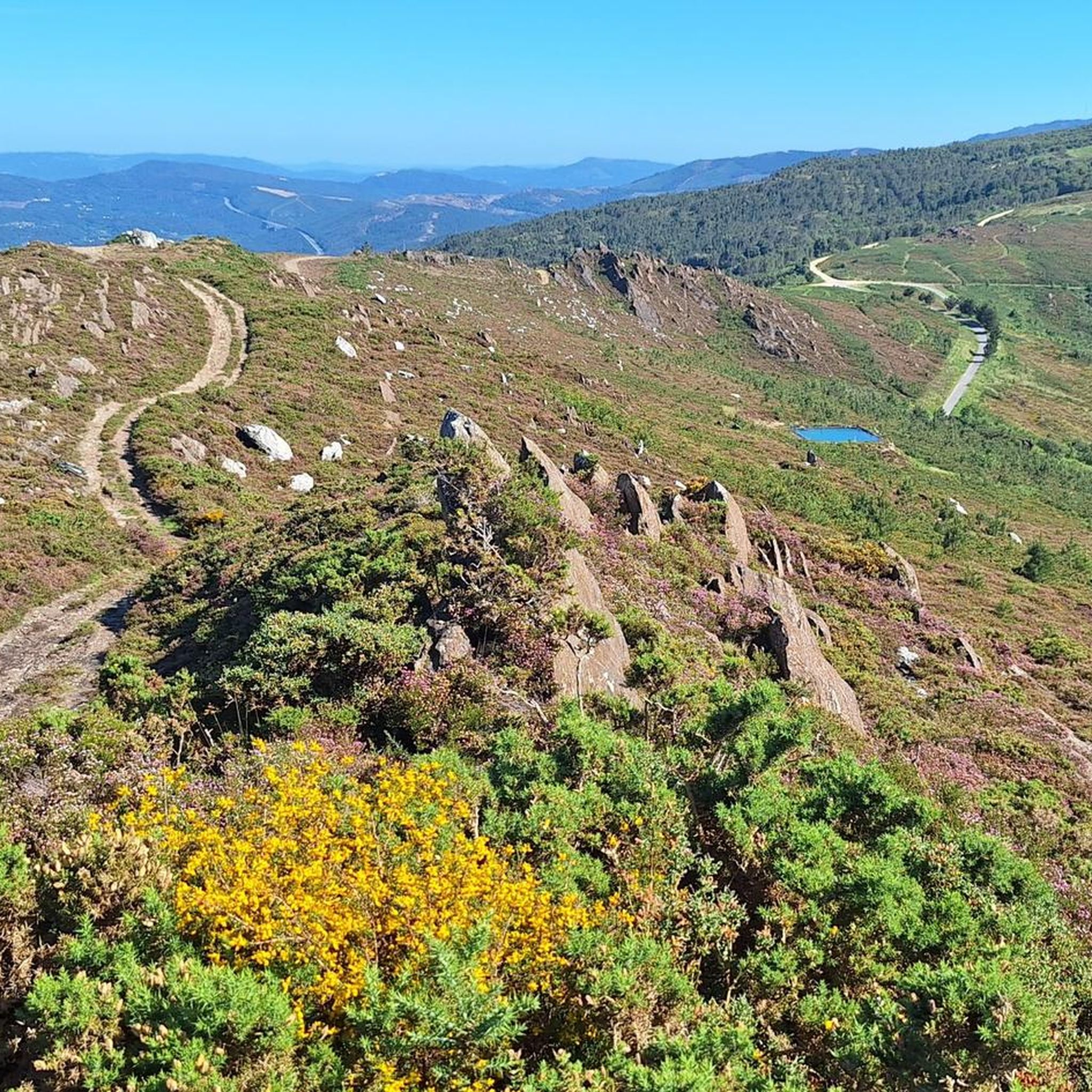
Hiking around Candemil e Gondar e Gondar e Gondar
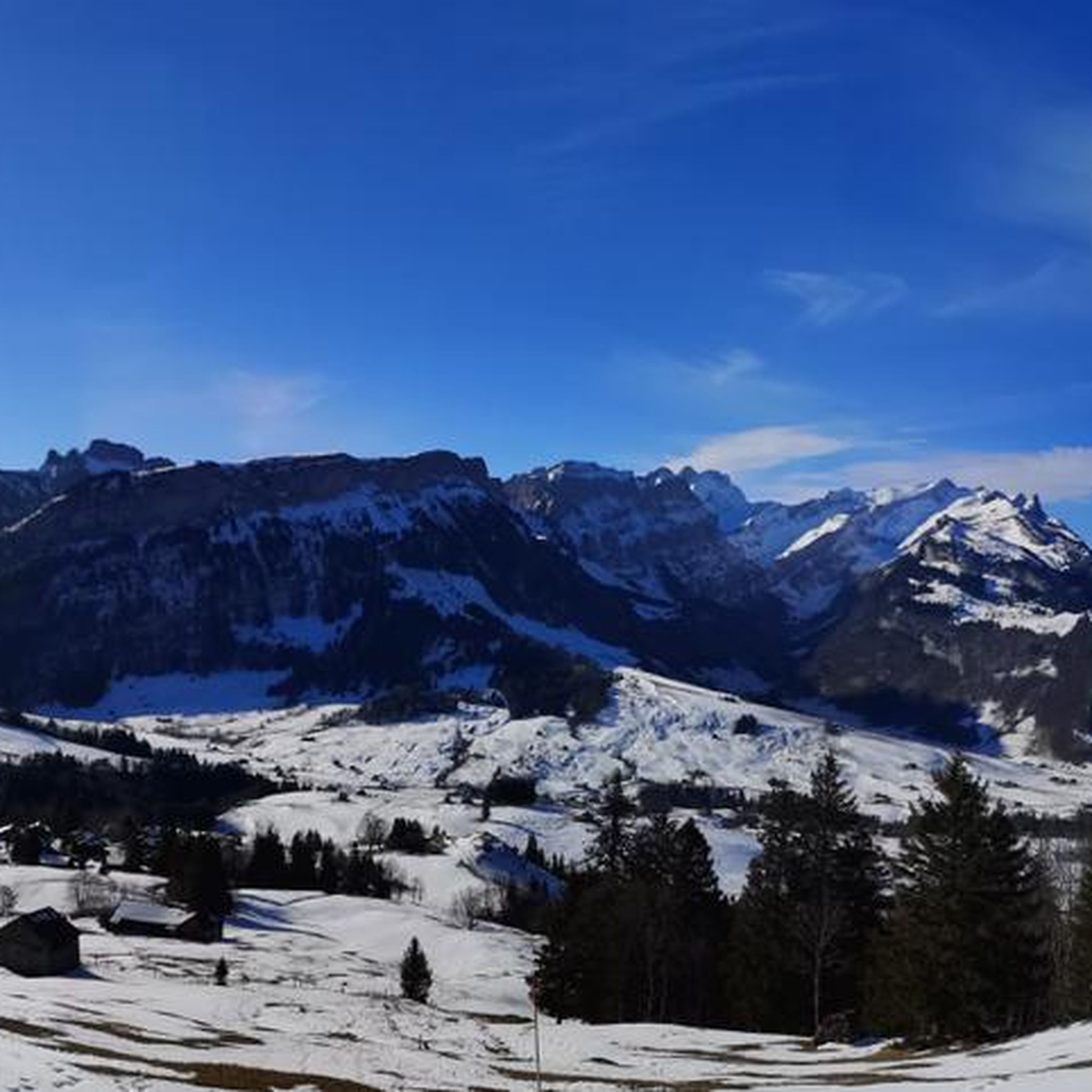
Running Trails around Candemil e Gondar e Gondar e Gondar
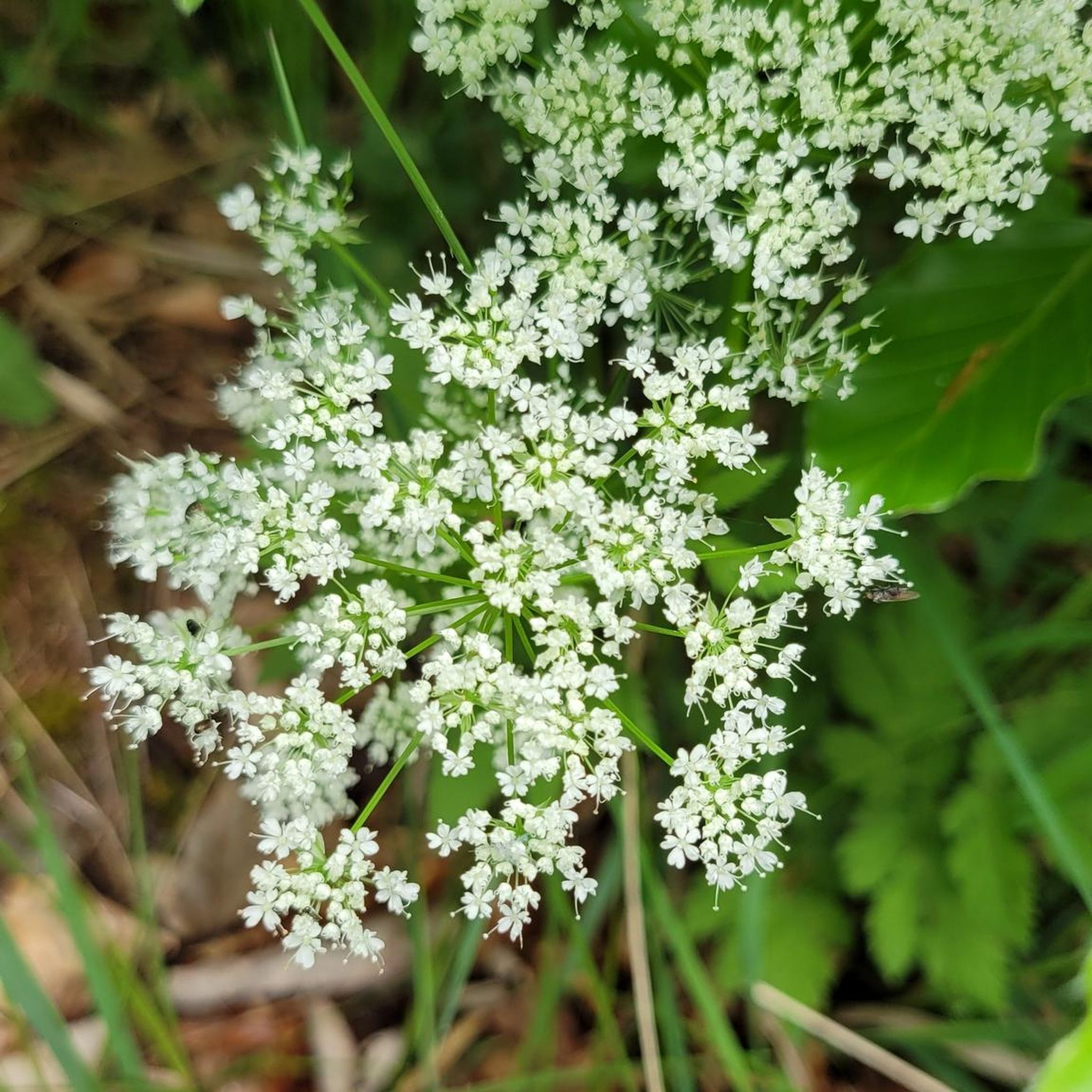
Gravel biking around Candemil e Gondar e Gondar e Gondar
Tips from the Community

Valença Fortress, also known as Praça-forte de Valença do Minho, is an imposing jewel of Portuguese military architecture with over eight centuries of history. Its origins date back to the 13th century, when King Sancho I and later Afonso III fortified it to protect the border with Galicia. During the Restoration War (17th–18th centuries), it was transformed into a Vauban-style fortress under the engineer Miguel de l’École and the architect Manuel Pinto de Vilalobos, being completed in 1713. The fortress withstood attacks during the Restoration, was captured and recaptured several times, and was also defended during the Napoleonic Wars and the Liberal Wars.
4
0

The imposing Valença Fortress rises atop a hill, dominating the landscape and leaving an unforgettable impression on those who arrive. More than a symbol, it is the soul of the city, preserving centuries of history within its walls. Built in the 17th century on the ruins of an ancient 13th-century castle, the fortress is a masterful example of military architecture of the period, with its star-shaped walls stretching for an impressive 5.5 kilometers. Upon entering, one immediately senses the strength and grandeur of Valença, one of the oldest towns in Portugal.
2
0
This chapel is an example of traditional religious architecture and is often associated with devotion to Saint Sebastian, a saint highly venerated in the Iberian Peninsula, especially for his role as a protector against epidemics.
3
0

The rear façade is blind and the sides have a small framed window, while the one on the east side has a door. The entrance portal to the chapel has a chamfered round arch and is topped by a rectangular cartouche in relief with the coat of arms of Bishop D. Rodrigo Pereira. Inside the nave, which is free of plaster, there is an altar supported on the pedestal with a front covered in standard white, blue and yellow tiles. Above, in the centre of the back wall, there is a niche with an image of the Martyr St. Sebastian.
0
0

Frequently Asked Questions
What historical sites can I explore in the region?
The area is rich in history, featuring significant fortifications and monuments. You can visit the impressive Fortress of Valença, a 17th-century star-shaped fort built on 13th-century ruins, offering extensive views. Inside the fortress, you'll also find the Chapel of Bom Jesus, a 17th-century military chapel with Baroque and Rococo elements. Another notable historical landmark is Cruz dos Franceses, a 19th-century Latin cross commemorating a battle during the Napoleonic invasions.
Are there any significant religious buildings to visit?
Yes, the region has several religious sites. The Chapel of Bom Jesus, located within the Fortress of Valença, is a 17th-century military chapel. Additionally, you can find the Chapel of Saint Sebastian, a simple chapel exemplifying traditional religious architecture and associated with devotion to Saint Sebastian.
What kind of viewpoints are available in the area?
The region offers several spots with wide views. The Fortress of Valença, situated atop a hill, provides expansive vistas in all directions. The Cruz dos Franceses, located in the Serra da Labruja, also serves as a viewpoint, offering a significant landmark on the Portuguese Way of St. James.
What outdoor activities can I do near these attractions?
The area around Candemil e Gondar offers various outdoor activities. You can explore numerous running trails, gravel biking routes, and road cycling routes. For detailed information on these activities, including specific routes and difficulty levels, you can refer to the dedicated guides for Running Trails, Gravel Biking, and Road Cycling Routes in the region.
Are there family-friendly attractions in Candemil e Gondar?
Yes, several attractions are suitable for families. The Fortress of Valença is considered family-friendly, offering space to explore and historical context. The Chapel of Bom Jesus and the Chapel of Saint Sebastian are also listed as family-friendly religious sites. Additionally, the Albergue Quinta Estrada Romana provides facilities that cater to visitors, including families.
What is the best time to visit Candemil e Gondar?
The region, being in Portugal, generally enjoys pleasant weather for exploring historical sites and engaging in outdoor activities. Spring and autumn typically offer mild temperatures, ideal for walking and cycling. Summer can be warm, perfect for enjoying the natural landscapes, while winter is generally mild, allowing for year-round visits to the historical fortifications.
Are there hiking trails near the attractions?
Yes, the region is known for its trails, particularly those associated with the Portuguese Way of St. James. The Cruz dos Franceses is located in the Serra da Labruja, which is considered one of the more challenging sections of the Portuguese Way. You can find various hiking options, including running trails, by checking the Running Trails guide for the area.
What natural features can I expect to see?
While the primary attractions are historical, the region is situated near the foothills of the Serra do Marão mountain range, offering natural landscapes. The Cruz dos Franceses is located within the Serra da Labruja, providing a natural setting for this historical monument and offering scenic views.
What do visitors enjoy most about the attractions in Candemil e Gondar?
Visitors particularly appreciate the historical significance and the wide views offered by sites like the Fortress of Valença. The well-preserved military architecture and the sense of history within its walls leave a lasting impression. The Cruz dos Franceses is valued for its historical context related to the Napoleonic invasions and its role on the Portuguese Way of St. James.
Is there accommodation available for pilgrims or travelers?
Yes, especially for those following the Portuguese Way of St. James. The Albergue Quinta Estrada Romana is an exclusive hostel for pilgrims located in Passos - Valença, directly on the Portuguese Way of Santiago. It offers a comfortable place for a break or overnight stay.
Are there any specific architectural styles or periods represented?
The region showcases a blend of architectural styles, primarily from the 17th to 19th centuries. The Fortress of Valença is a prime example of 17th-century military architecture with its star-shaped walls. Inside, the Chapel of Bom Jesus features Baroque and Rococo elements. The Cruz dos Franceses is a 19th-century Latin cross, and the Chapel of Saint Sebastian represents traditional religious architecture.
Can I find facilities like cafes or places to rest near the attractions?
Yes, especially within and around the larger attractions. The Fortress of Valença, being a fortified town, has amenities within its walls. The Albergue Quinta Estrada Romana is a specific facility offering a place to rest and refreshments, particularly for pilgrims.
Most popular routes around Candemil e Gondar e Gondar e Gondar
Most popular attractions around Candemil e Gondar e Gondar e Gondar

Get inspired with the komoot mobile app


Explore more
Still not found the Highlight you’re looking for? See guides of the top attractions in other regions:
