Top 12 Castles around Blankenfelde-Mahlow
Best castles around Blankenfelde-Mahlow are found within the Brandenburg region, south of Berlin. The area is characterized by historical estates and manor houses, often referred to as castles, set within a landscape of parks and natural areas. This region offers a blend of historical sites and accessible green spaces for exploration.
Best castles around Blankenfelde-Mahlow
- The most popular castles is Diedersdorf Castle, a castle that is a manor estate built in the mid-18th century. It features restaurants, a bakery,…
Last updated: June 23, 2026
Diedersdorf Castle
Highlight • Castle
schlossdiedersdorf.de
Translated by Google •
Tip by

Pulverturm and Berliner Gate
Highlight • Historical Site
Translated by Google •
Tip by

Sign up now to discover places like this
Get recommendations on the best single tracks, peaks, & plenty of other exciting outdoor places.
Sign up for free
Königs Wusterhausen Palace
Highlight • Castle
Translated by Google •
Tip by

Genshagen Castle and Park
Highlight • Castle
Translated by Google •
Tip by

Britz Palace
Highlight • Castle
Translated by Google •
Tip by
Sign up for free to discover even more castles around Blankenfelde-Mahlow.
Sign up for free
Already have an account?
Start today with a free account
Your next adventure awaits.
Login or Signup
Popular around Blankenfelde-Mahlow
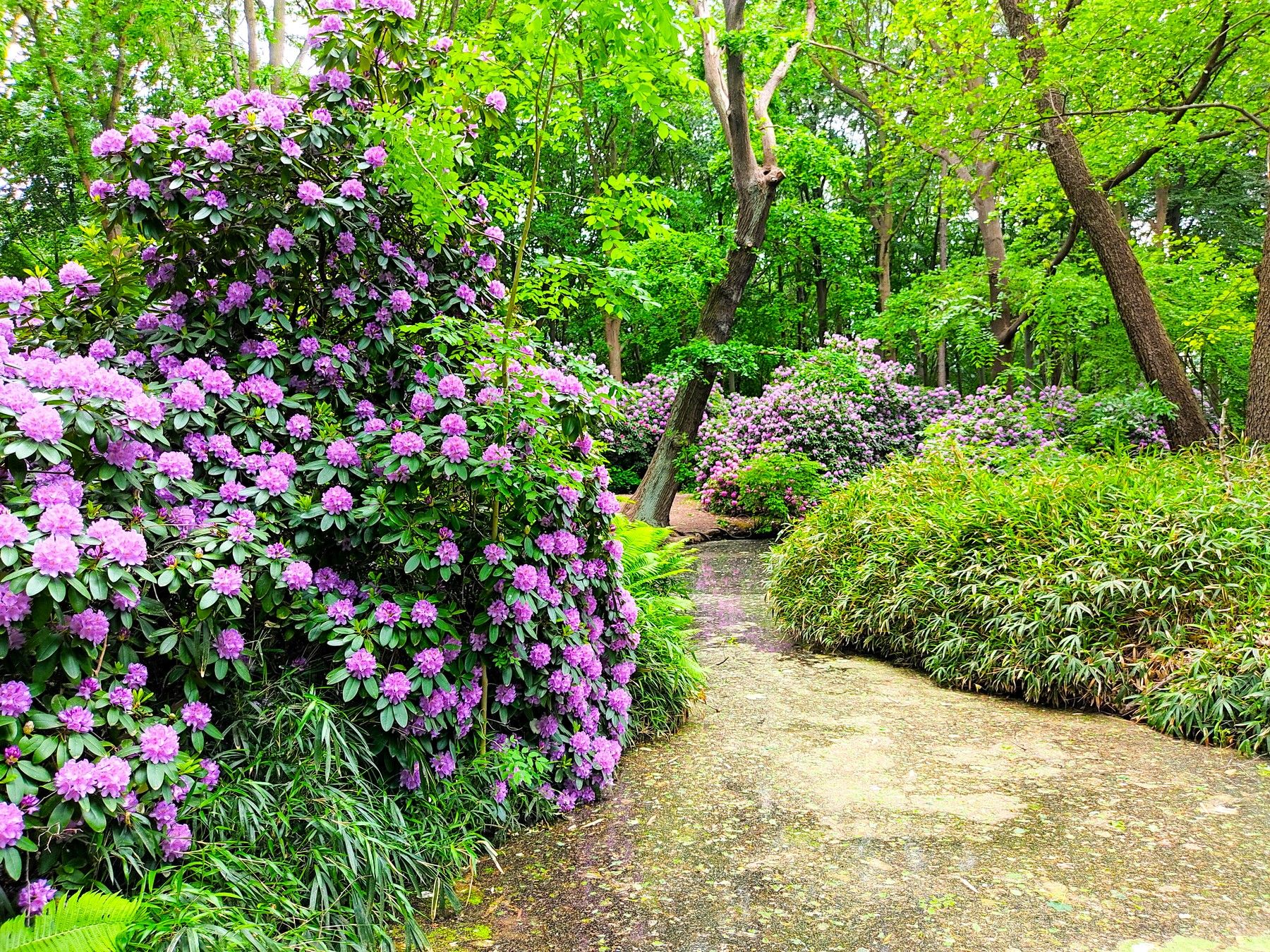
Spring splendour – out and about with the S-Bahn
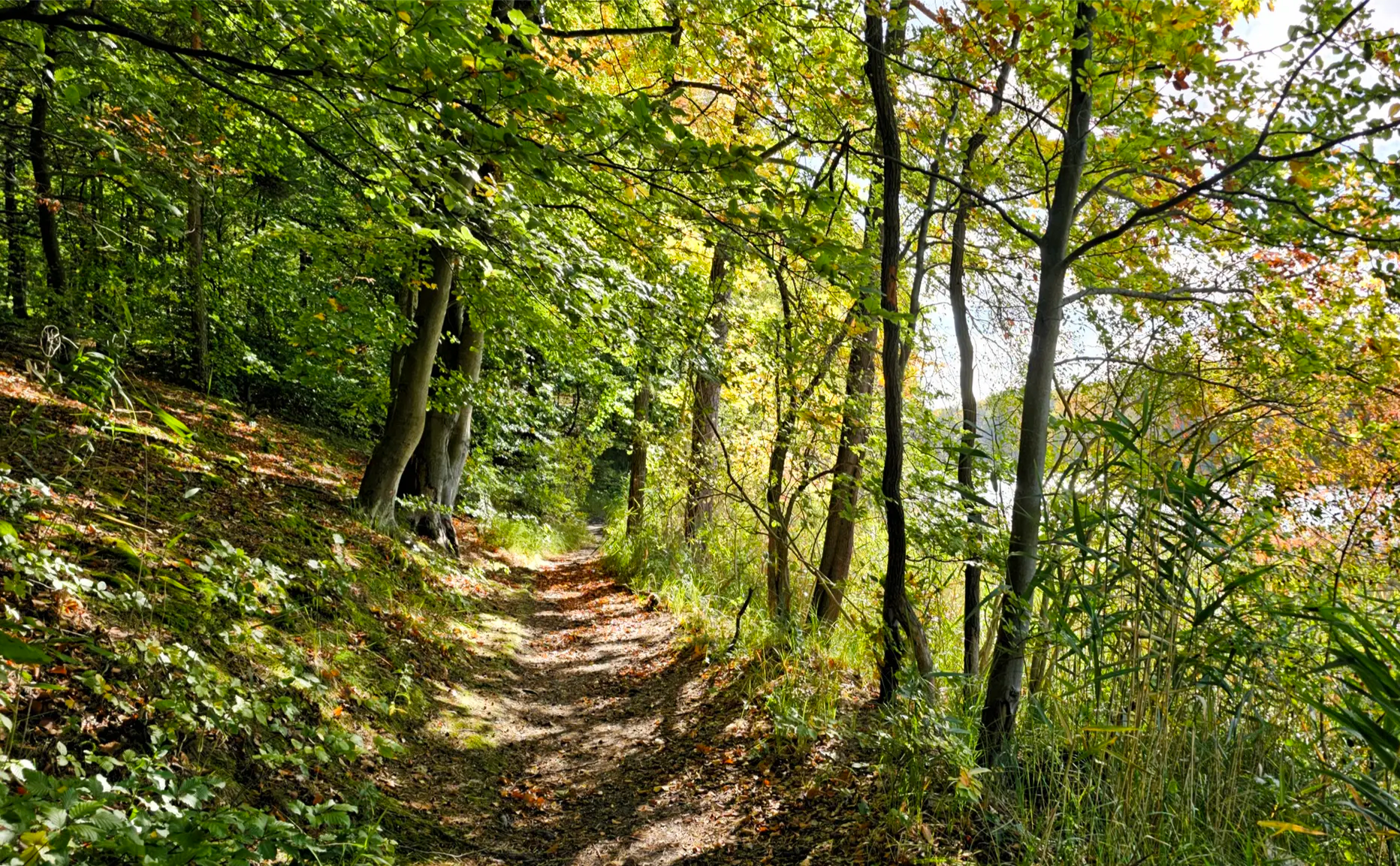
Oak, Beech, Pine & Co — S-Bahn forest tours in early fall
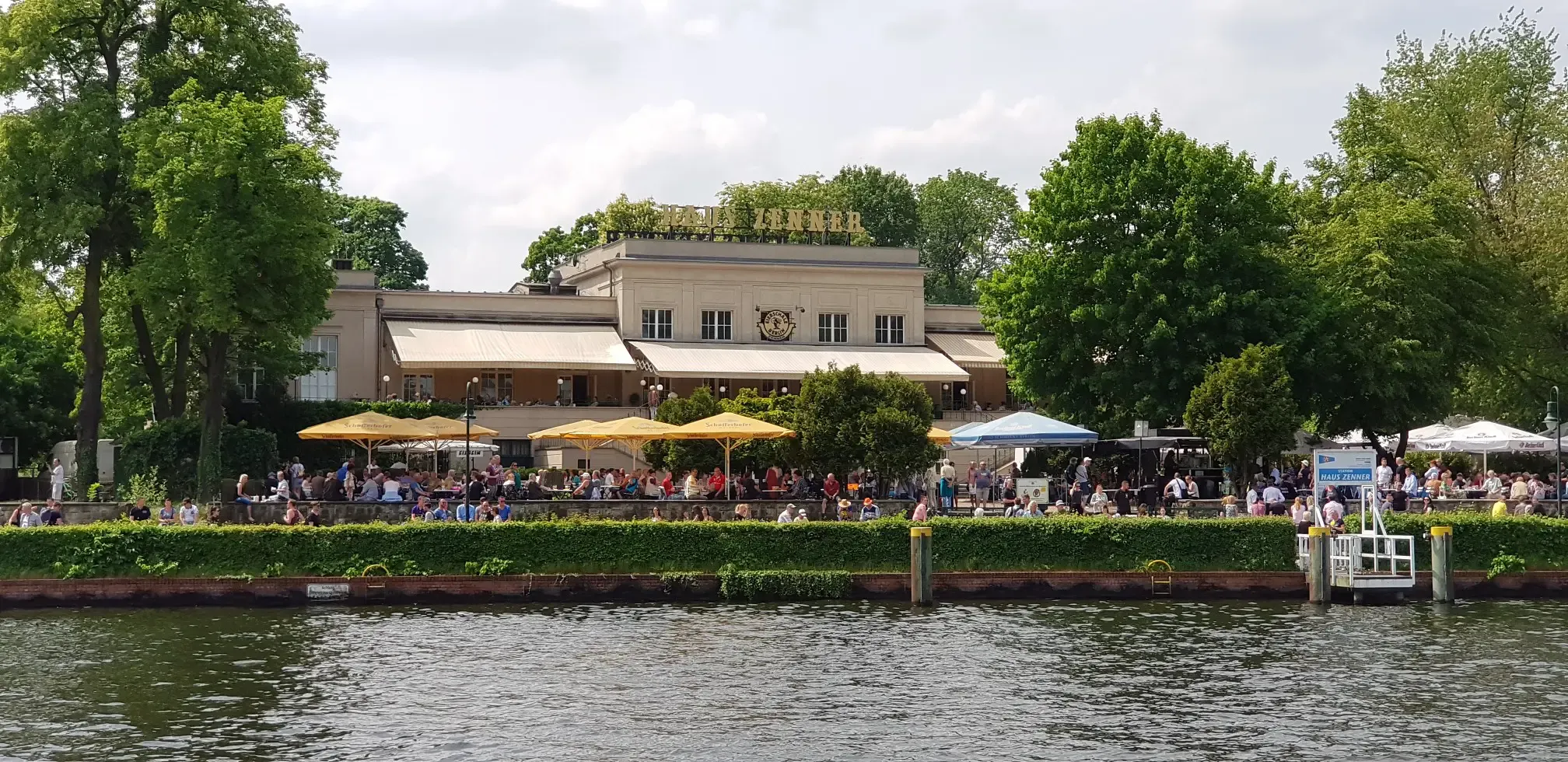
Discovering the best beer gardens in and around Berlin with the S-Bahn
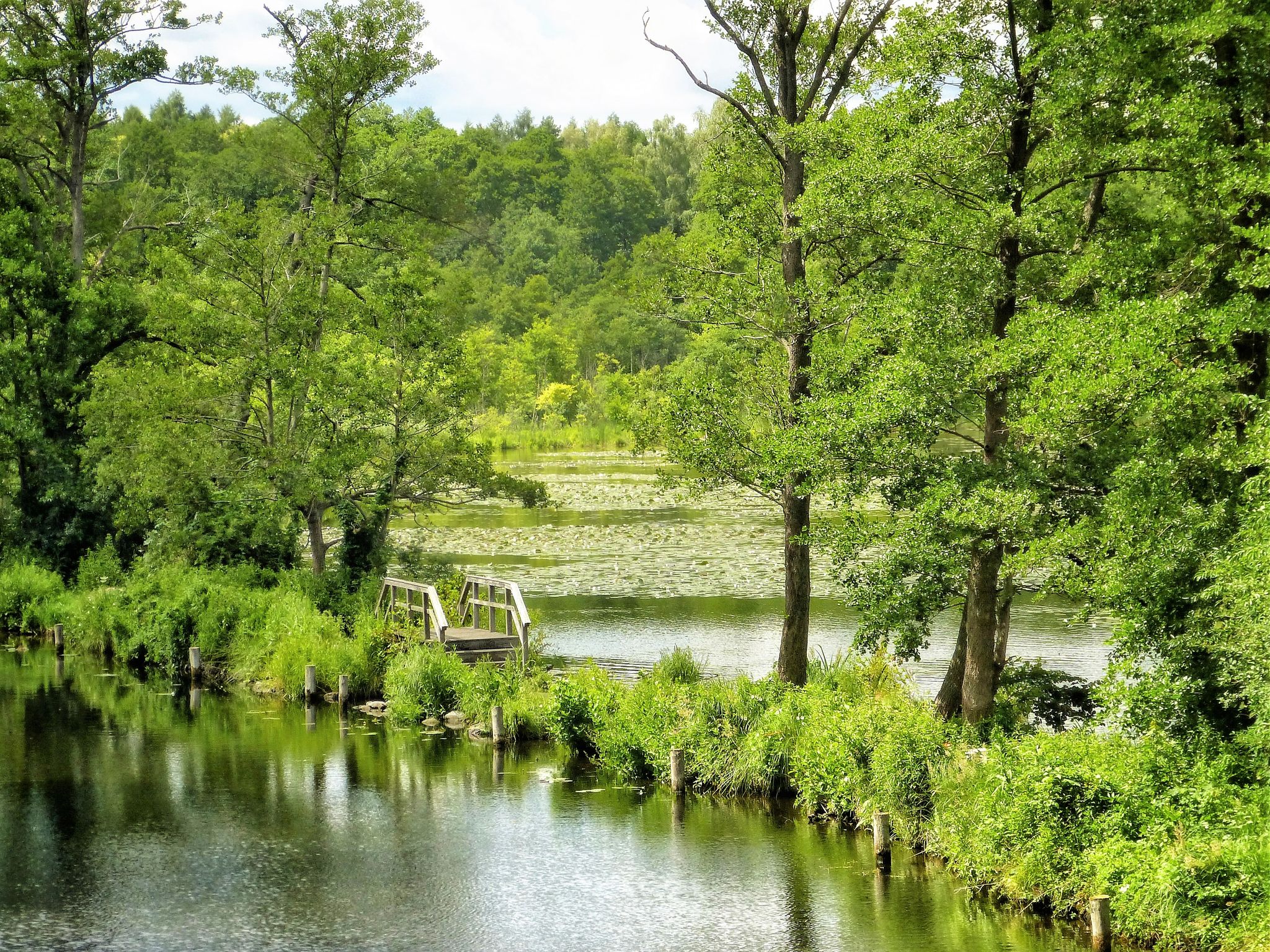
Flow – Follow Berlin’s streams with the S-Bahn
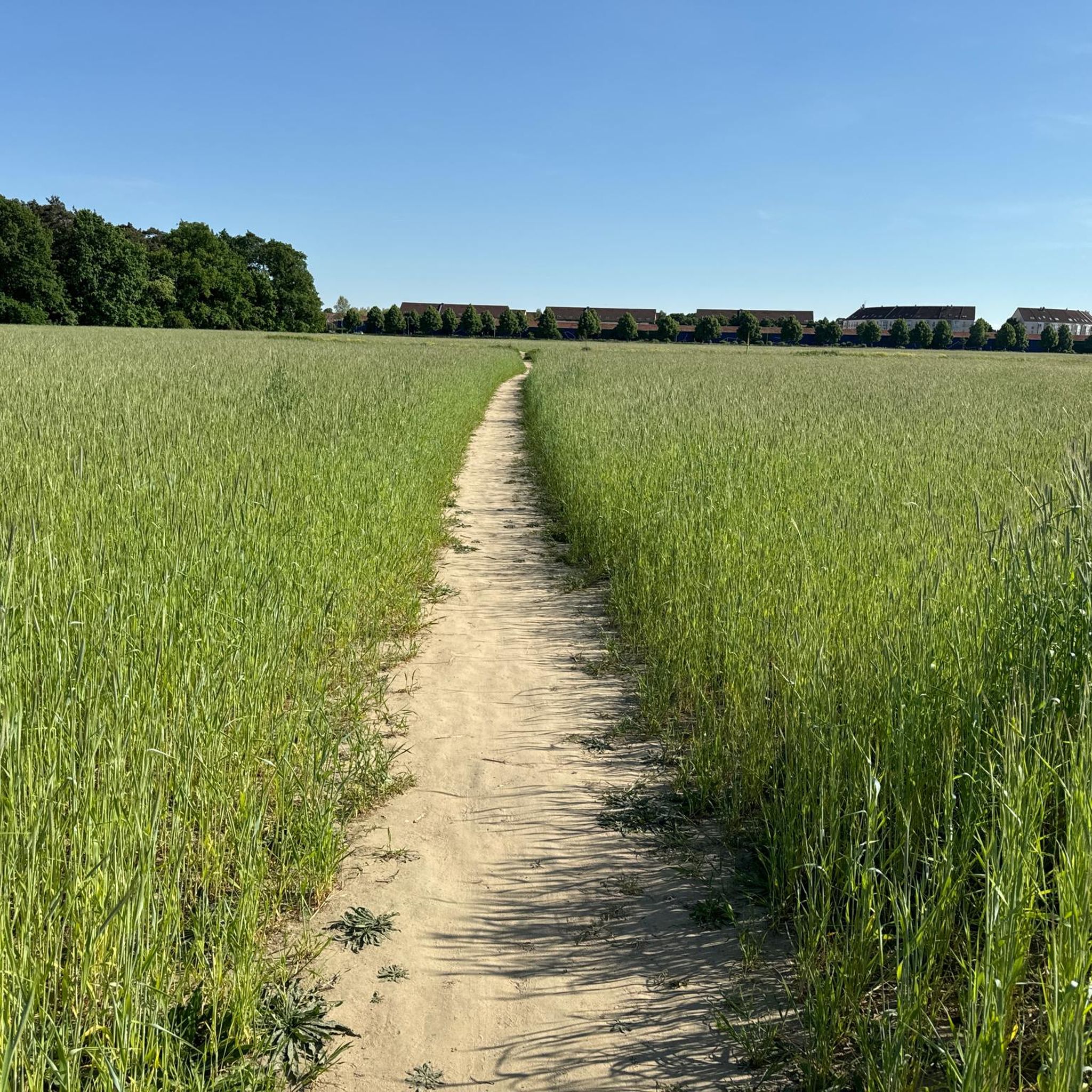
Hiking around Blankenfelde-Mahlow
Road Cycling Routes around Blankenfelde-Mahlow
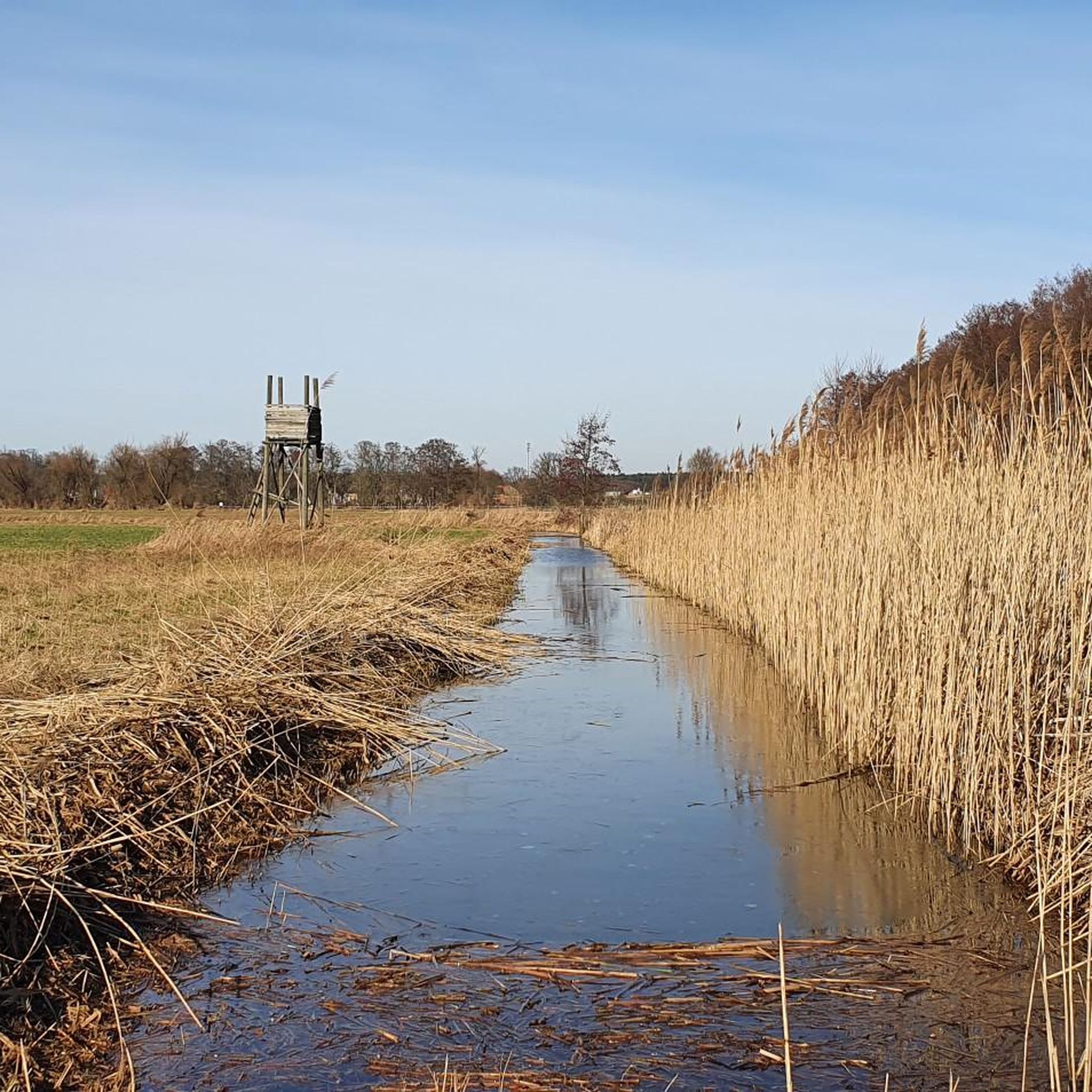
Cycling around Blankenfelde-Mahlow
Running Trails around Blankenfelde-Mahlow
MTB Trails around Blankenfelde-Mahlow
Gravel biking around Blankenfelde-Mahlow
Other adventures around Blankenfelde-Mahlow

Tips from the Community

King Frederick William I, known as the "Soldier King", loved the town of Wusterhausen since his youth. Here he prepared for his reign, developed new ideas for a well-organized and economical state administration and began to build a respectable army, known as the "Tall Guys".
7
3

it drives or runs well and you have pure nature
0
0

Genshagen Castle is a mansion built between 1878 and 1880 in the former Gutsdorf Genshagen of the same name, a district of Ludwigsfelde in the Brandenburg district of Teltow-Fläming. It is southwest of Berlin. Genshagen was first mentioned in 1289 and was divided before the 15th century. The larger part came into the possession of the von Otterstedt family, a significantly smaller part to the von Zicker family. Before 1655 the noble von Hake family acquired Otterstedt's share. The Zicker share came in 1677 to Friedrich August von Thümen. In 1700, a manor house was built in the former Otterstedt share, when Lewin Friedrich von Hake married Maria Dorothea, née Schaefferin. Wilhelm von Hake kept the estate throughout the wars of liberation. From 1791 to 1819 the Genshagener manor house served as the district office of the district of Teltow.[1] His son, Ludwig von Hake, sold it in 1838 for 130,000 Reichstaler to the royal Prussian Privy Councilor Karl Ferdinand Schulz. He commissioned Anton Gebauer with the administration for many decades. In September 1854, father Karl Ferdinand[3] left the manor house, which now belonged to the debt-free estate, to his daughter Friederike Pauline von Eberstein as a wedding gift on the occasion of her marriage to Max Freiherr von Ebenstein, a second lieutenant in the Emperor Franz Grenadier Regiment. On her behalf, a new manor house was built between 1878 and 1880 under the direction of the Berlin building inspector Lindemann, which after the conversion in the 1910s was primarily referred to as a palace. A one-storey, thirteen-axle rendered building in the Neo-Renaissance style was built on a high base with bossage. In their explanations in Die Guts- und Herrenhäuser im Landkreis Teltow-Fläming, Hiltrud and Carsten Preuss describe a symmetrical façade structure with “decorative façade decoration”. In the middle on the courtyard side was a flight of steps that stretched three axes wide. Visitors entered a portico that bore a triangular gable with the von Eberstein coat of arms. On the park side, another flight of steps led into the park. In the mansard roof there were ten dormer windows on the courtyard side, which were arranged above the window axes on the ground floor. After the von Eberstein family moved in, the manager used the old manor house as a residence and manager's house. In 1888 a distillery was built. (Source Wikipedia)
1
0

wonderful park in the middle of the city with a castle, manor park, animals, church and church pond, rose garden,
4
0

Königs Wusterhausen Castle in the town of the same name south-east of Berlin in the state of Brandenburg became known as the preferred residence of the "soldier king" Friedrich Wilhelm I and as the location of his tobacco colleges. The listed building has been a museum since 2000. The two-storey, almost square structure was built up to the upper floor using fieldstone. It shows the type of “solid house” that was obligatory for the Renaissance. The north and south sides of the building show the gable fronts with steep and parallel gabled roofs that are characteristic of the palace. On the northern courtyard facade is the upstream stair tower, shifted from the central axis, with a slate-covered tail cap. In the ballroom of the castle there are about 40 paintings that the soldier king painted himself between 1735 and 1739 in Kossenblatt Castle and that only came to Wusterhausen in 1863. In front of the castle are the two cavalier houses, which together form the trapezoidal courtyard. Source: Wikipedia
5
3

The museum in Britz Castle has fixed opening hours, these and also the admission prices can be found on the homepage. Anyone wishing to take part in guided tours must register in advance. There are also regular concerts and exhibitions. But the park and the adjoining estate alone are worth a visit.
5
2

The castle ensemble is a wonderful place. Several restaurants, a hotel and many events throughout the year make the well-kept castle and its buildings - actually it is a large estate - a popular destination for excursions. https://www.schlossdiedersdorf.de/
5
1

The idyllically located former estate with park in Alt-Britz is definitely worth a hike. There is also plenty of culinary provision. For children there are various enclosures in the courtyard with typical farm animals.
3
1
Frequently Asked Questions
What types of historical sites can I explore around Blankenfelde-Mahlow?
The region around Blankenfelde-Mahlow offers a mix of historical manor houses, estates, and traditional castles. These include the charming Diedersdorf Castle, the Neo-Renaissance Britz Palace, and the historically significant Königs Wusterhausen Palace. Within Blankenfelde-Mahlow itself, you can find the historical Gutshaus Jühnsdorf and the protected Gutspark Dahlewitz.
Are there any castles with dining options or cafes nearby?
Yes, Diedersdorf Castle is well-known for its gastronomic offerings, featuring several restaurants, a bakery, a café, and a beer garden. Britz Palace also has a restaurant on its estate, and Königs Wusterhausen Palace has a castle café in its former outbuildings.
What outdoor activities can I do near these castles?
Many castles are surrounded by parks and natural areas perfect for outdoor activities. For instance, Diedersdorf Castle has signposted hiking trails around its grounds. Genshagen Castle and Park offers a freely accessible landscaped park ideal for strolls. You can also find numerous hiking, cycling, and running routes in the broader Blankenfelde-Mahlow region. Explore options like easy hikes, cycling routes, or running trails.
Are there family-friendly castles to visit?
Several castles in the area are family-friendly. Diedersdorf Castle is a popular excursion destination with its village-like atmosphere and events. Britz Palace and its estate offer a museum, beautiful gardens, and even animals at the Britz Manor. Königs Wusterhausen Palace features a museum and lovely castle gardens suitable for families.
What is the best time of year to visit the castles and estates?
The castles and their surrounding parks can be enjoyed year-round. Spring and summer are ideal for exploring the landscaped gardens and outdoor areas, such as the beer garden at Diedersdorf Castle or the freely accessible park at Genshagen Castle. Autumn offers beautiful foliage, and some castles host special events during the winter season.
Can I visit the parks and grounds of these historical sites for free?
Yes, the park at Genshagen Castle is freely accessible to visitors, making it a great spot for a stroll. Similarly, Gutspark Dahlewitz, a listed monument within Blankenfelde-Mahlow, is accessible all year round for recreation and nature observation.
What makes Gutspark Dahlewitz a notable historical site?
Gutspark Dahlewitz is a 7-hectare park dating back to at least 1869, designed in the style of the Lenné-Meyer school. It's a listed monument with valuable old trees, circular paths, and a system of ditches and ponds. The park offers insights into 19th-century landscape architecture and provides valuable habitats for local flora and fauna.
How can I learn more about the history of the castles?
Many of the castles house museums or offer guided tours. For example, Britz Palace features a museum showcasing Gründerzeit era interiors and changing art exhibitions. Königs Wusterhausen Palace houses a museum with paintings by King Frederick William I. For more detailed historical context on Genshagen Castle, you can visit the Genshagen Foundation's website: wikipedia.org.
Are there any lesser-known historical sites within Blankenfelde-Mahlow itself?
While not a traditional castle, Gutshaus Jühnsdorf in Blankenfelde-Mahlow is a significant historical manor house. Built in 1824 and later redesigned, it represents the region's aristocratic and agricultural past. Although it now contains apartments, its architecture reflects the area's changing history.
What kind of events are held at these castles?
Diedersdorf Castle is a popular venue for numerous events throughout the year, including weddings and various public gatherings. Britz Palace also hosts art exhibitions and music concerts, making it a cultural hub. Genshagen Castle, home to the Genshagen Foundation, hosts public events focused on international collaboration and European art and culture.
Can I find accommodation near the castles?
Yes, Diedersdorf Castle includes a hotel on its estate, offering convenient accommodation for visitors. Other options, including hotels and guesthouses, are available in the surrounding towns and villages, providing choices for various budgets.
What are the most popular castles in the wider Blankenfelde-Mahlow area?
Among the most popular are Diedersdorf Castle, known for its charming estate and events, and Britz Palace, a Neo-Renaissance building with a museum and beautiful park. Königs Wusterhausen Palace is also highly regarded for its historical significance and gardens.
Most popular routes around Blankenfelde-Mahlow
Most popular attractions around Blankenfelde-Mahlow

Get inspired with the komoot mobile app


Explore more
Looking for the best castles somewhere else? Discover other guides around Blankenfelde-Mahlow:
