Attractions and Places To See around okres Trnava - Top 20
Best attractions and places to see around okres Trnava include a diverse range of historic landmarks, cultural sites, and natural landscapes in western Slovakia. The region is characterized by the Little Carpathians mountain range and the historic city of Trnava, known for its numerous churches. Visitors can explore medieval city walls, castles, and significant religious buildings. Natural features like the Trnava Ponds and Hlbočiansky Waterfall offer outdoor exploration opportunities.
Best attractions and places to see around okres Trnava
- The most popular attractions is Záruby Summit Cross, a summit that marks the highest point of the Little Carpathians. It offers a challenging ascent for hikers.
- Another must-see spot is Ostrý Kameň Castle Ruins, a historical castle ruin. It provides views and is accessible for exploration.
- Visitors also love St. Nicholas Basilica (Trnava), a religious building. This Gothic-style church was built between 1380 and 1421 and features a monumental interior.
- okres Trnava is known for its historical sites, religious buildings, and natural viewpoints. The region offers a variety of attractions to see and explore, from ancient ruins to city landmarks.
- The attractions around okres Trnava are appreciated by the komoot community, with 19 upvotes and 27 photos shared across the highlights.
Last updated: October 17, 2026
Záruby Summit Cross
Highlight • Summit
Translated by Google •
Tip by

St. Nicholas Basilica (Trnava)
Highlight • Religious Site
With the ribbed vaults in the main and side aisles, the interior of the cathedral still retained its essential effect as a Gothic building. In later centuries, however, it underwent various modifications and additions. Between 1618 and 1630, Cardinal Peter Pázmány had Baroque side chapels added and the furnishings largely redesigned in Baroque style. The richly carved pews were built in the Rococo and in 1798 Josef Zanussi created the classical main altar. The upper storeys are decorated with neo-Gothic paintings. Some frescos from the 15th century have been preserved in the vestibule. In some places the Gothic brick masonry has been made visible again.
Archbishop Imre Eszterházy had the Austrian architect Lucas Hildebrandt add an octagonal baroque chapel with a separate entrance on the north-west side from 1739 to 1741, in which the miraculous image of St. Mary of Trnava (see below) is kept on a columned altar.
After Hungary became largely Turkish in the early 16th century, Nicholas Cathedral became the Hungarian cathedral and seat of the Archbishops of Esztergom from 1543 to 1820. It was then again from 1918 to 1977 the seat of a bishop. When the Archdiocese of Bratislava-Trnava was established in 1977, however, the university church was designated as the seat of the archbishop. In 2008 Pope Benedict XVI. the St. Nicholas Cathedral to the Basilica minor.
(Source: de.wikipedia.org/wiki/Nikolaus-Dom_(Trnava))
Translated by Google •
Tip by

Sign up now to discover places like this
Get recommendations on the best single tracks, peaks, & plenty of other exciting outdoor places.
Church of St. Helena
Highlight • Religious Site
(Quelle: vitajtevtrnave.sk/de/register/kirche-der-heiligen-helena)
Tip by
Ruins of Katarínka Monastery and Church
Highlight • Historical Site
The monastery consisted of a church and monastic buildings with a ground plan based on two quadrangles, each with a square courtyard. The smaller courtyard, closer to the church, served as the Paradise Court, around which the monastery buildings were grouped. The larger courtyard was surrounded by outbuildings and the novitiate.
The church tower, with its onion dome and stone statues of four Franciscan saints at its corners, dominated the townscape. These statues have been located at the Pálffy tomb in Smolenice since 1905.
Access to the church was through profiled stone portals, similar to those at the main entrance of the monastery. The simple, mostly smooth facades were articulated by white bands that contrasted with the gray plaster. The roofs were covered with fired tiles.
Translated by Google •
Tip by

Trnava Old Town, Main Square and City Tower
Highlight • Historical Site
City tower, cathedral and many other churches.
More information: de.wikipedia.org/wiki/Trnava#Stadtbild_und_Bauwerke
Translated by Google •
Tip by

Orthodox Synagogue Trnava
Highlight • Religious Site
Showing Translation
Tip by
Cathedral of St. John the Baptist (Trnava)
Highlight • Religious Site
The cathedral is a hall church with pilasters between which there are chapels. The representative double tower front forms the western end, the straight altar wall the eastern end. The building is 61 meters long and 28 meters wide. Above the main portal there is a shield with figurines of seated angels and the stone coat of arms of the Esterházy family.
The main room has a barrel vault with lunettes, the side chapels have cross vaults.
The heart of the cathedral is the wood-carved altarpiece, completed in 1640 and filling the entire east wall, the work of the Austrian masters B. Knilling and V. Knoth as well as the Tyrnauer V. Stadler and the master Ferdinand von Cífer. It is 20.3 meters high and 14.8 meters wide. The ornamentation of the church is the work of the Italian masters G.B. Rossa, G. Tornini, and P. Conti. The ceiling fresco is by Carl Ritzch and Franz Iohanes Graffenstein.
The church originally not only had a worship function, but also served as a university auditorium for doctorates, for example.
In 1978 the church was elevated to the status of cathedral of the Archdiocese of Bratislava-Trnava, which was established in the previous year. In 2003 she visited Pope John Paul II.
Source: de.wikipedia.org/wiki/Kathedrale_des_heiligen_Johannes_des_T%C3%A4ufers_(Trnava)
Translated by Google •
Tip by
City Arena – Anton Malatinský Stadium
Highlight • Structure
Translated by Google •
Tip by

Driny Cave
Highlight • Cave
Translated by Google •
Tip by

Ostrý Kameň Castle Ruins
Highlight • Castle
Translated by Google •
Tip by
Sign up for free to discover even more attractions around okres Trnava.
Already have an account?
Start today with a free account
Your next adventure awaits.
Tips from the Community

Pope John Paul II expressed the following thoughts during the Way of the Cross meditation in the year 2000 at the Colosseum in Rome, which may also be of interest to passers-by here before this wayside cross (crucifix): »‘Did not the Messiah have to suffer these things and enter his glory?’ (Lk 24:26). At the end of the traditional Way of the Cross at the Colosseum, we ask ourselves the same question. (…) Dear sisters and brothers! Today’s man needs to encounter the crucified and risen Jesus! Who, if not the divine condemned man, can fully understand the suffering of one who is unjustly condemned? Who, if not the mocked and humiliated King, can answer the expectations of the many men and women who are without hope and degraded? Who, if not the crucified Son of God, can understand the pain and abandonment of the many people who despair of life because they have no future before them?« (Pope John Paul II.)
0
0

Today there is a great cafe in the old synagogue. You can sit either under the old vault or in one of the "booths" in the side aisles.
0
0

Images from a computer-generated 3D reconstruction of the presumed appearance of the Church and Monastery of St. Catherine during its final construction phase at the end of the 18th century. The monastery consisted of a church and monastic buildings with a ground plan based on two quadrangles, each with a square courtyard. The smaller courtyard, closer to the church, served as the Paradise Court, around which the monastery buildings were grouped. The larger courtyard was surrounded by outbuildings and the novitiate. The church tower, with its onion dome and stone statues of four Franciscan saints at its corners, dominated the townscape. These statues have been located at the Pálffy tomb in Smolenice since 1905. Access to the church was through profiled stone portals, similar to those at the main entrance of the monastery. The simple, mostly smooth facades were articulated by white bands that contrasted with the gray plaster. The roofs were covered with fired tiles.
0
0

While climbing Záruby, we also visited the Drina caves. Interesting visit and good guide. But we were surprised by the fee for photography 😩
3
0
On the way to the top of Záruby in the Little Carpathians, you will pass several signposts and crossroads. They are very well marked. The path from the Drina cave to the top of Záruby is quite difficult. We sweated a lot.
3
0
On the way to the top of Záruby in the Little Carpathians, you will pass several signposts and crossroads. They are very well marked. The path from the Drina cave to the top of Záruby is quite difficult. We sweated a lot.
3
0
Driny is a fissure cave in the Little Carpathians in Slovakia, protected as a national natural monument. It is located in the cadastral area of Smolenice in the Trnava District of the Trnava Region. The area was declared a national natural monument in 1968.
3
0

Anton Malatinský Stadium (also known as City Arena) is a football stadium in Trnava.
2
0
Frequently Asked Questions
What historical landmarks can I explore in okres Trnava?
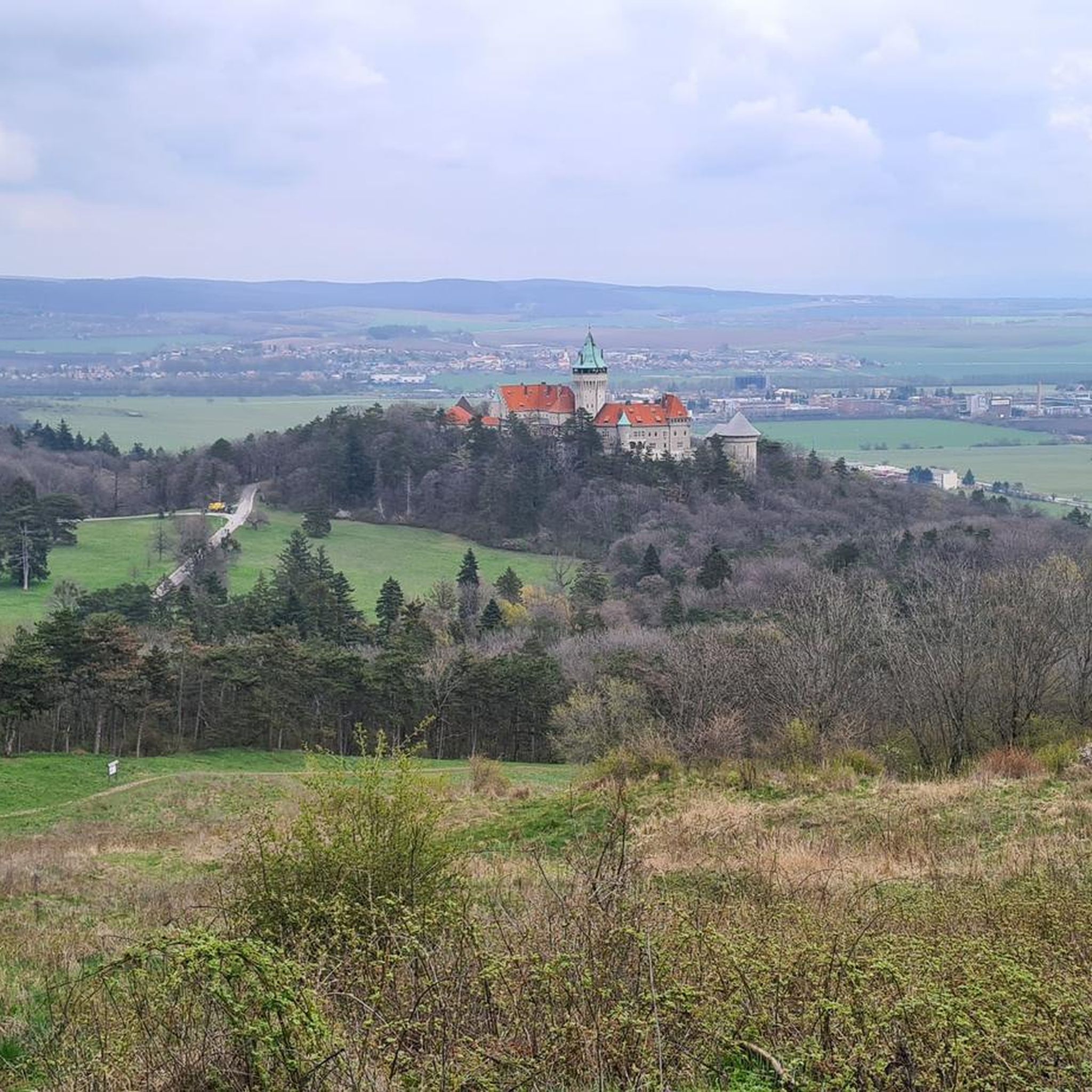
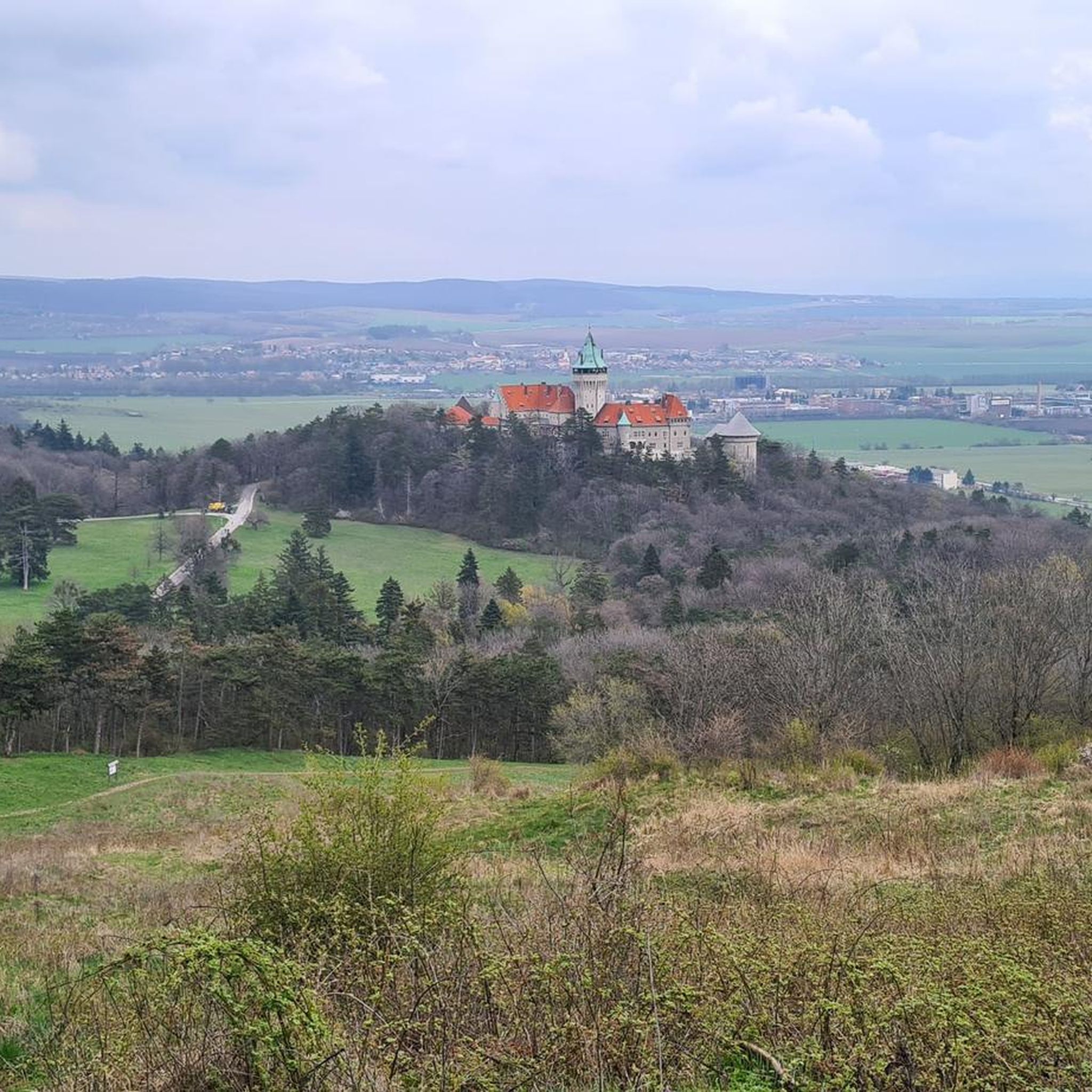
The region is rich in history. You can wander through Trnava Old Town, Main Square and City Tower, which offers panoramic views. Don't miss the picturesque Smolenice Castle, a fairytale-like reconstruction, or the atmospheric Ostrý Kameň Castle Ruins, which provide great views and a sense of ancient history. The preserved sections of the medieval City Fortification in Trnava are also worth exploring.
Are there any significant religious sites to visit in Trnava?
Trnava, often called 'Little Rome,' boasts numerous churches. Key religious sites include the impressive St. Nicholas Basilica (Trnava), a Gothic masterpiece, and the Church of St. Helena, the oldest standing church in Trnava. The Cathedral of St. John the Baptist is also notable as Slovakia's first completely Baroque building. For a unique cultural experience, visit the Orthodox Synagogue Trnava, which now serves as a Center of Contemporary Art.
Where can I find natural beauty and outdoor activities in the region?
The Little Carpathians mountain range provides a stunning backdrop for outdoor enthusiasts, offering numerous hiking trails. You can visit the unique water and swamp biotope of the Trnava Ponds, known for its ornithological significance, or discover the scenic Hlbočiansky Waterfall near Smolenice. The Driny Cave, one of the few accessible caves in the Little Carpathians, is another natural wonder. For a relaxing stroll, Bernolákov Park and Kamenný Mlyn Recreation Area offer peaceful green spaces.
What are some family-friendly attractions in okres Trnava?
Families can enjoy exploring the historic Trnava Old Town and its City Tower. The View of Smolenice Castle is also a popular spot for all ages. For sports enthusiasts, the City Arena – Anton Malatinský Stadium offers a modern football experience. Additionally, the region features parks like Bernolákov Park and Ružový Park, perfect for leisurely walks and picnics.
Are there good hiking trails near these attractions?
Yes, the region offers a variety of hiking trails, especially in the Little Carpathians. You can find routes that lead to historical sites like the Ruins of Katarínka Monastery and Church or challenging ascents to the Záruby Summit Cross, the highest point of the Little Carpathians. For more options, explore the waterfall hikes around okres Trnava, which include routes like the 'Záruby Summit Cross – Havrania Skala loop from Smolenice'.
What cycling opportunities are available in okres Trnava?
Cyclists can enjoy various routes throughout the district. The natural area of Štrky features cycling paths around a lake, ideal for a leisurely ride. For those seeking more adventure, there are several gravel biking routes. You can find detailed options, including the 'Trnava Ponds – Railway Crossing loop from Hrnčiarovce nad Parnou', in the gravel biking guide around okres Trnava.
What is the best time to visit okres Trnava?
The region is enjoyable throughout the year, but spring and autumn offer pleasant weather for exploring historical sites and natural landscapes. Summer is ideal for outdoor activities like hiking and cycling, though it can be warmer. Winter brings a different charm, especially for those interested in crisp walks and fewer crowds.
Can I find viewpoints with scenic vistas in the area?
Absolutely. The City Tower in Trnava provides panoramic views of the city and the surrounding Little Carpathians. The Ostrý Kameň Castle Ruins also offer excellent vantage points. For natural vistas, the Záruby Summit Cross, while a challenging ascent, rewards hikers with a sense of accomplishment at the highest point of the Little Carpathians.
Are there any unique cultural or art attractions?
Beyond the historical churches, the Orthodox Synagogue Trnava, now a Center of Contemporary Art, is a unique cultural gem showcasing modern art in a stunning Moorish-Byzantine building. The Western Slovakia Museum (Západoslovenské múzeum) offers deep insights into the region's history, customs, and folk art, while the Ján Koniarek Gallery focuses on modern and contemporary art exhibitions.
What are some lesser-known or 'hidden gem' attractions?
For those looking beyond the main highlights, the Ruins of Katarínka Monastery and Church offer a serene and historically rich hiking destination. The newly opened Archeopark Cífer – Pác provides a fascinating glimpse into Roman-Germanic and early medieval life with reconstructed historical buildings. The Water Edge-Runner Mill Jelka is another charming historical point of interest.
What do visitors enjoy most about the attractions in okres Trnava?
Visitors frequently praise the historical depth and architectural beauty of the region. Many enjoy the challenge and rewarding views from places like the Záruby Summit Cross and the atmospheric Ostrý Kameň Castle Ruins. The monumental interior of St. Nicholas Basilica also leaves a lasting impression, with its rich history and intricate details.
Most popular routes around okres Trnava
Most popular attractions around okres Trnava

Get inspired with the komoot mobile app


Didn’t find what you were looking for?
Are you keen on exploring more awesome places nearby? Browse our guides:
Explore more
Still not found the Highlight you’re looking for? See guides of the top attractions in other regions:
