The best MTB trails around okres Trnava
4.5
(15)
221
riders
24
rides
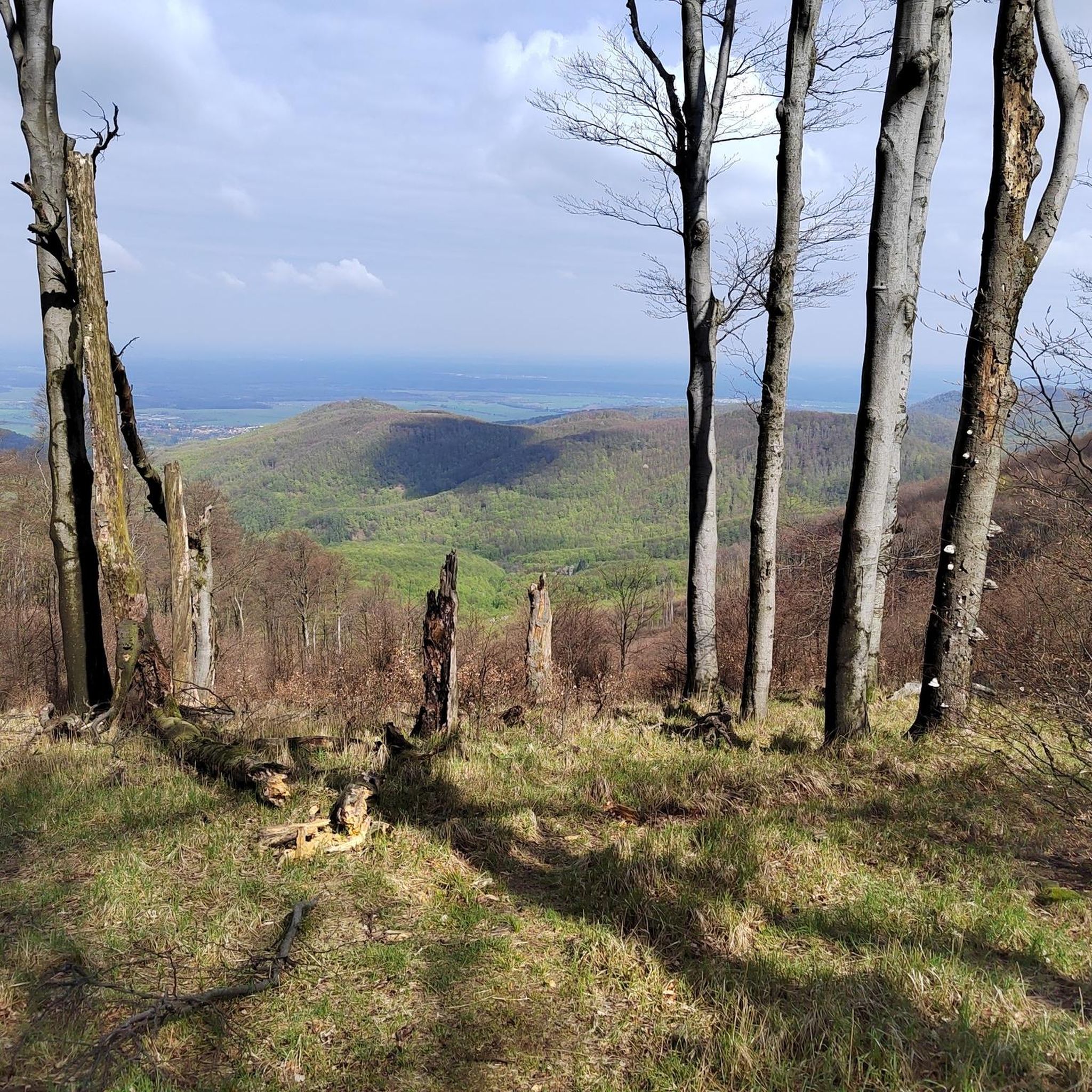
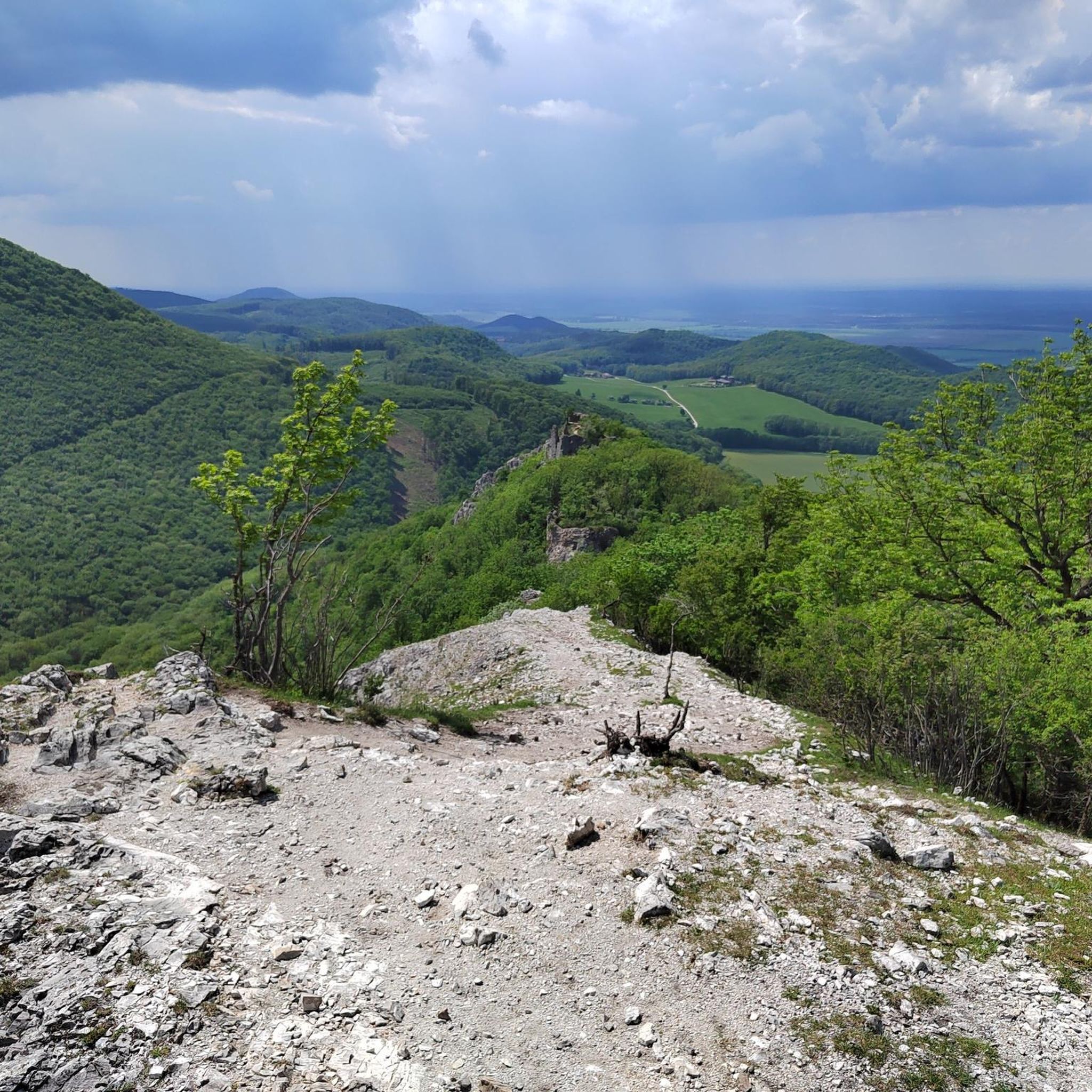
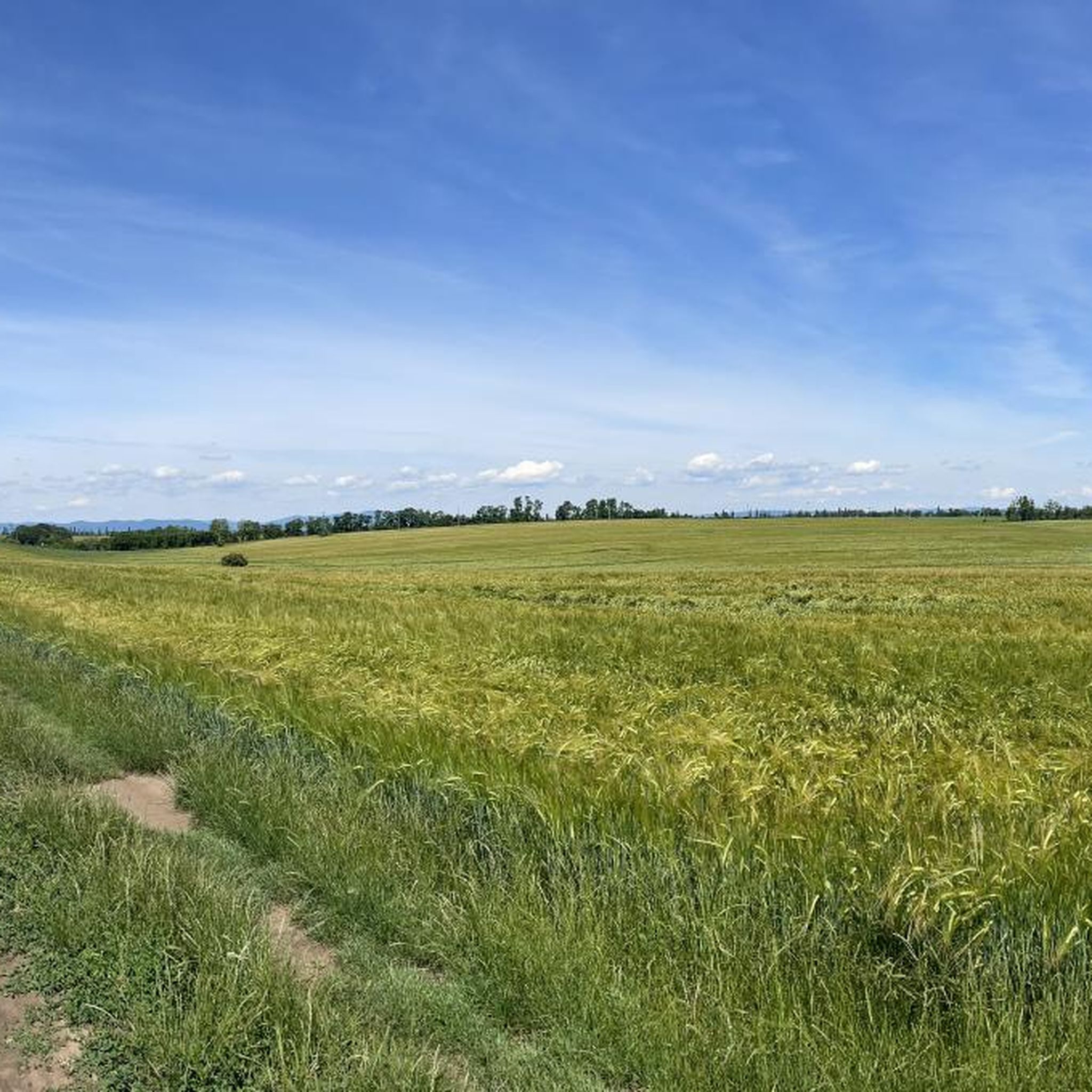
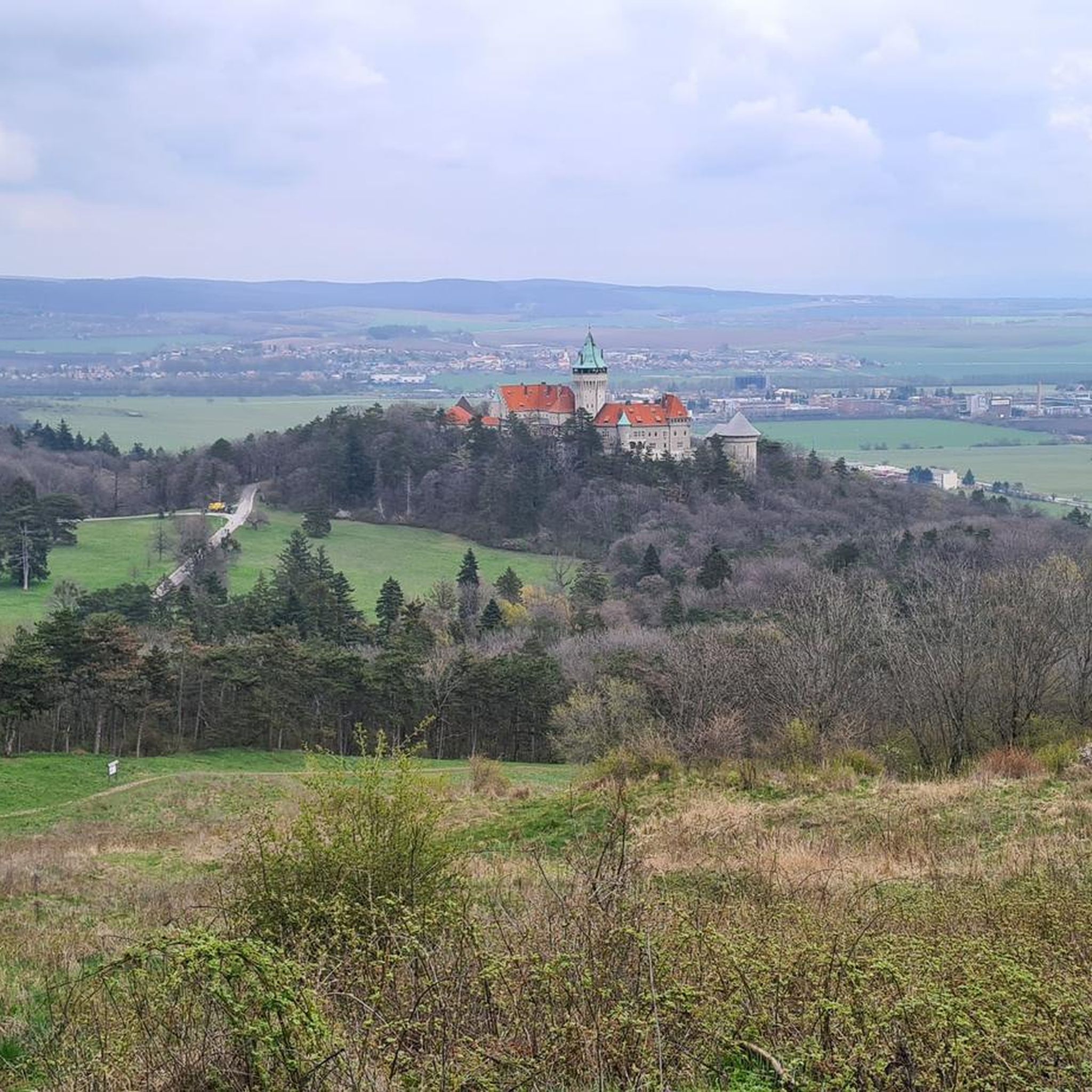
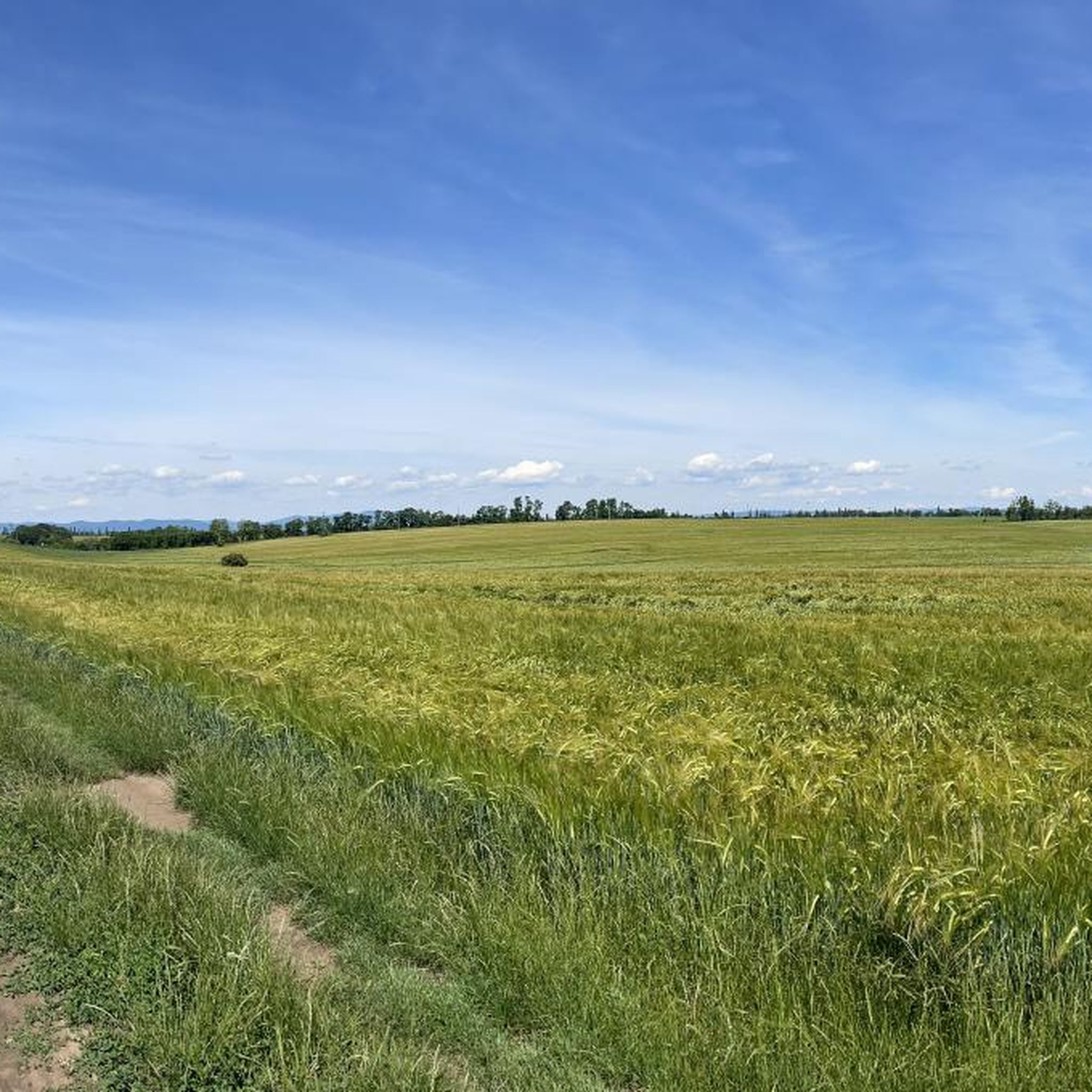
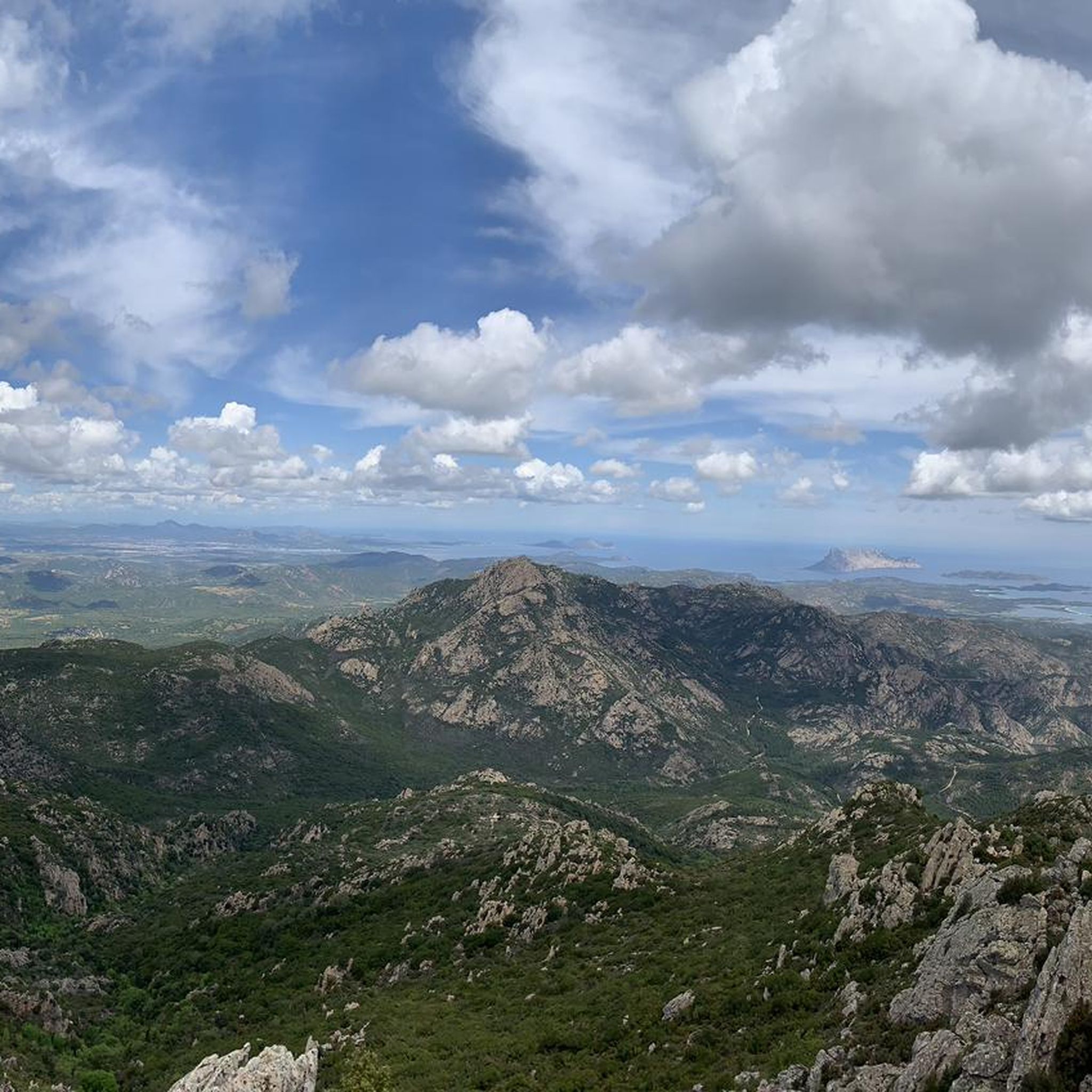
Mountain biking around okres Trnava offers diverse terrain across western Slovakia. The region features rolling hills and fertile plains, providing varied landscapes for mountain biking. Forested areas, such as those near Kamenný Mlyn, offer shaded trails, while the proximity to the Malé Karpaty mountain range suggests access to more rugged and challenging routes. This blend of natural features caters to a wide range of mountain biking experiences.
Best mountain bike trails around okres Trnava
- The most popular mountain bike trail…
Last updated: July 1, 2026
5.0
(2)
27
riders
51.3km
03:14
80m
80m
Moderate mountain bike ride. Good fitness required. Suitable for all skill levels.
3.7
(3)
23
riders
20.6km
02:02
490m
490m
Moderate mountain bike ride. Good fitness required. Suitable for all skill levels.

Sign up for free
13
riders
Easy mountain bike ride. Great for any fitness level. Suitable for all skill levels.
4.0
(2)
8
riders
Easy mountain bike ride. Great for any fitness level. Suitable for all skill levels.
5.0
(1)
8
riders
27.1km
01:59
390m
390m
Moderate mountain bike ride. Good fitness required. Suitable for all skill levels.
8
riders
45.5km
03:04
320m
320m
Moderate mountain bike ride. Good fitness required. Advanced riding skills necessary.
5
riders
26.6km
02:11
460m
460m
Moderate mountain bike ride. Good fitness required. Suitable for all skill levels.
6
riders
53.9km
04:40
1,150m
1,150m
Hard mountain bike ride. Very good fitness required. Advanced riding skills necessary.
1
riders
50.4km
04:21
1,080m
1,080m
Hard mountain bike ride. Very good fitness required. Suitable for all skill levels.
4
riders
13.4km
01:05
250m
250m
Easy mountain bike ride. Great for any fitness level. Suitable for all skill levels.
Get access to more routes and recommendations from other explorers.
Sign up for free
Already have an account?
Our route recommendations are based on thousands of hikes, rides, and runs completed by other people on komoot.
Start today with a free account
Your next adventure awaits.
Login or Signup
Tips from the Community

Today there is a great cafe in the old synagogue. You can sit either under the old vault or in one of the "booths" in the side aisles.
0
0

The Jewish communities in Europe, whose centuries-old tradition is often only evidenced by memorial plaques or monuments, have – especially in these difficult times with a strongly growing, openly expressed antisemitism – been honored by the awarding of the "International Charlemagne Prize of Aachen" to the President of the Conference of European Rabbis, Chief Rabbi Pinchas Goldschmidt, and the Jewish communities in Europe. "In recognition of his outstanding work for peace, the self-determination of peoples and European values, for tolerance, pluralism and understanding, and in recognition of his significant commitment to interreligious and intercultural dialogue, the Directorate of the Society for the Awarding of the International Charlemagne Prize of Aachen in 2024 honors the President of the Conference of European Rabbis, Chief Rabbi Pinchas Goldschmidt, and together with him the Jewish communities in Europe. With this award, the Charlemagne Prize Directorate wants to send the signal that Jewish life is naturally part of Europe and that there must be no place for antisemitism in Europe. Jewish life is an important part of European history and the present – now and in the future. (...) With the President of the Conference of European Rabbis, Chief Rabbi Pinchas Goldschmidt, and the Jewish communities in Europe, the Directorate of the Society for the Awarding of the International Charlemagne Prize of Aachen in 2024 honors the outstanding representative of European Jewry and Jewish life in Europe, which has enriched our continent for centuries and will always have and must have its place here."
0
0

Trnava arose at the crossroads of old trade routes with evidence of settlement since prehistoric times. Finds from the Old Bronze Age and the Celtic period are particularly numerous. Today's town arose from a place that continued to develop even after the collapse of Great Moravia. In the 13th century, the Slavic settlement was repopulated by German settlers, whose share gradually decreased again as a result. The city was first mentioned in writing in 1211 (see below). The title of Royal Free City was granted in 1238 by the Hungarian King Béla IV. Due to more favorable trading conditions, the agricultural town developed into a center of trade and crafts. Its importance was further increased by the market right to hold eight large annual markets. In 1418 the city was conquered by the Hussites, who stayed here until 1425. After the Hungarian defeat at the Battle of Mohács in 1526 and the Ottoman occupation of Gran in 1543, the archbishop's headquarters and chapter were moved to Tyrnau and was the seat of the Archdiocese of Gran until 1820 (it was once again its own archdiocese from 1978). Thus the city became the ecclesiastical and cultural center of Ottoman-unoccupied Royal Hungary, which included modern-day Slovakia, Burgenland, western Hungary and Croatia, in contrast to Pressburg, which became the political center. In the long period of the Turkish wars, the city lost a large part of its inhabitants, on the other hand, many Hungarians were added.
0
0

Milan Rastislav Štefánik Hill is located on Bradlo Hill, which rises at an altitude of 543 m between the town of Brezová pod Bradlom and the village of Košariská. The hill is 96 m long and 70 m wide. Its lower terrace, which measures 93 mx 62 m and has two stairs, is closed off in the corners by fire chambers. On the upper terrace, which is 45 mx 32 m in size and also has two stairs, there are four 12.5 m high obelisks. The obelisks symbolize the four victims of the plane crash and at the same time the four countries in which Štefánik was active. The top of the hill is formed by a grave (tombstone) and there are inscriptions on its sides.
0
0
Milan Rastislav Štefánik Hill is located on Bradlo Hill, which rises at an altitude of 543 m between the town of Brezová pod Bradlom and the village of Košariská. The hill is 96 m long and 70 m wide. Its lower terrace, which measures 93 mx 62 m and has two stairs, is closed off in the corners by fire chambers. On the upper terrace, which is 45 mx 32 m in size and also has two stairs, there are four 12.5 m high obelisks. The obelisks symbolize the four victims of the plane crash and at the same time the four countries in which Štefánik was active. The top of the hill is formed by a grave (tombstone) and there are inscriptions on its sides
1
0
As one of the few cities in Slovakia, Trnava has two well-preserved synagogues, both dating from the end of the 19th century. After the National Congress in Budapest in 1868, after three Jewish currents – Status quo ante, Neologism and Orthodoxy – had formed, a group of the Eastern Church also separated from the original religious community in Trnava in 1881, wanting to live according to original Jewish principles. In the burgher house at the intersection of Kapitulská and Haulíková streets, they founded their own school, and later a synagogue on a plot behind the house. The exact year of construction is not known, but it is already marked on the city map from 1895, so it must have existed by this year at the latest. It is built, just like the Status quo synagogue, in accordance with the regulations at the time, in the depth of the plot, at a sufficient distance from the street line. The Orthodox Synagogue, also called the "Small Synagogue" due to its small dimensions, is a west-east oriented hall building without towers, with women's galleries supported by cast-iron columns in its interior. In addition to these, some original historicized art-craft details and remnants of the original painting have been preserved. The continuity of the Jewish community's existence was interrupted by the rise of fascism in 1939. After World War II, the synagogue was preserved only briefly, and its original function faded at the beginning of the 1950s. Since then, it has been used for various utilitarian purposes, mainly storage, and for many years it fell into disrepair. At the beginning of the 1990s, the village restored the synagogue, and finally it was sold into private ownership. It underwent a complete reconstruction, and after decades it is accessible to the public again. The revitalization of the synagogue, even if not with its original function, but with new cultural and social utilization, is a relatively unique achievement in a peripheral area, like the renewal of Jewish architectural monuments in Slovakia.
1
0
The city tower is located in the center of the old town on Trinity Square. It was built in the 16th century (Renaissance style). When the weather is nice, you have a good view of the nearby small Carpathians.
2
0

A found place for church friends, because there are more than 1 dozen of them. But the visitor also likes the beautifully renovated city center.
1
0
Frequently Asked Questions
How many mountain bike trails are available in okres Trnava?
There are over 20 mountain bike trails in okres Trnava, offering a variety of experiences for different skill levels. These include easy, moderate, and difficult routes.
Are there mountain bike trails suitable for beginners in okres Trnava?
Yes, okres Trnava offers several easy mountain bike trails. A good option is the Mountainbike loop from Trnava predmestie, which covers 32.2 km with minimal elevation gain, making it ideal for those new to mountain biking.
Where can I find more challenging mountain bike routes in the Trnava area?
For more challenging rides, consider routes that venture into the hiller parts of the region, closer to the Malé Karpaty. The Klenová – Dobra Voda Castle Ruins loop from Dolný Lopašov is a difficult 53.9 km trail with over 1150 meters of elevation gain, offering a significant test for experienced riders.
Are there any circular mountain bike routes near Trnava?
Many of the mountain bike trails in okres Trnava are designed as loops. For instance, the City Tower Trnava loop from Trnavská univerzita v Trnave is an 8.6 km circular route that takes you through urban and surrounding landscapes.
What kind of natural landscapes can I expect to see while mountain biking in okres Trnava?
Mountain biking in okres Trnava takes you through diverse landscapes, from rolling hills and fertile plains to shaded forests, particularly near areas like Kamenný Mlyn. You'll also find routes that pass by scenic waterways and offer views towards the Malé Karpaty mountain range.
What do other mountain bikers enjoy most about the trails in okres Trnava?
The mountain bike trails in okres Trnava are highly rated by the komoot community, with an average score of 4.6 stars. Riders often praise the varied terrain, which includes both flatter sections and more challenging ascents, as well as the natural beauty of the forested areas and open landscapes.
Are there any mountain bike trails that offer views or pass by interesting landmarks?
Yes, several trails offer scenic views or pass by historical sites. For example, the View from Šianec – Hlohovský Castle loop from Sereď provides views and passes by the historic Hlohovský Castle. You can also explore routes near the Ruins of Katarínka Monastery and Church for a blend of nature and history.
Are there any family-friendly mountain bike trails in okres Trnava?
For families looking for an easier ride, the Vod.nádrž Parina loop from Zabité is a good option. This 13.4 km easy trail offers a pleasant ride around the Vodná nádrž Parina reservoir with manageable elevation changes.
Are there mountain bike trails near water bodies or reservoirs?
Yes, you can find trails that incorporate water features. The Vod.nádrž Parina – Vodná nádrž Horné Orešany loop from Horné Orešany is a moderate 27.1 km route that takes you past two reservoirs, offering scenic views and a refreshing ride.
What is the best time of year for mountain biking in okres Trnava?
The spring and autumn months generally offer the most pleasant conditions for mountain biking in okres Trnava, with mild temperatures and vibrant natural scenery. Summer can also be enjoyable, especially on shaded forest trails, while winter riding is possible but requires checking weather conditions for snow or ice.
Are there any trails that lead to significant natural monuments or viewpoints?
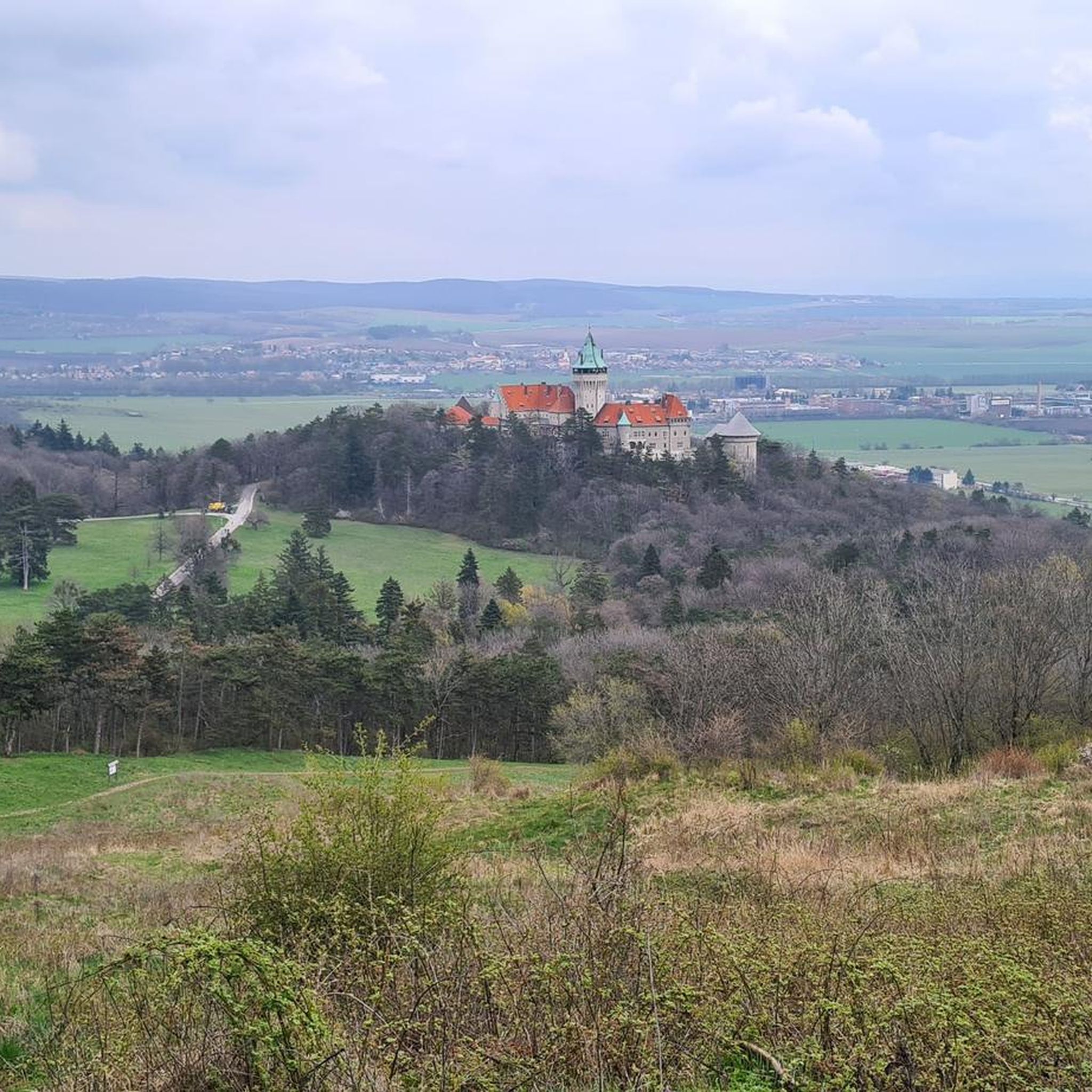
Absolutely. Some trails provide access to notable natural features. For instance, routes in the vicinity of Smolenice can lead towards areas like Havrania Skala or offer views of the Malé Karpaty Mountains. The region also features the Driny Cave, which can be a point of interest near some routes.
Most popular routes around okres Trnava
Most popular attractions around okres Trnava

Get inspired with the komoot mobile app


Didn’t find what you were looking for?
Check out more MTB trails throughout okres Trnava below and find the perfect route in your destination.
Explore more
Browse the best MTB trails in other regions.
