Top 20 Mountain Passes around Kartitsch
Mountain passes around Kartitsch are located in the Tyrolean Gailtal, bordered by the Lienz Dolomites to the north and the Carnic Alps to the south. This geographic position provides access to a variety of mountain passes, each offering distinct features. The village of Kartitsch, situated at 1,356 meters above sea level, serves as a base for exploring these routes and the surrounding natural landscape. This region is known for its high valleys and connections to significant mountain ranges.
Best mountain…
Last updated: October 13, 2026
Nemes Hut (Alpe Nemes)
Highlight • Mountain Hut
It is a popular and …
Translated by Google •
Tip by

Kreuzberg Pass (Passo Monte Croce di Comelico)
Highlight • Mountain Pass
Translated by Google •
Tip by

Sign up now to discover places like this
Get recommendations on the best single tracks, peaks, & plenty of other exciting outdoor places.
Demutspassage (Stoneman Dolomiti Trail)
Highlight (Segment) • Trail
to call it flowing, maybe you have to
Your name is Danny MacAskill? A good MTB‘ke
will be half the distance for sure …
Translated by Google •
Tip by

Stoneman checkpoint Passo Silvella
Highlight • Mountain Pass
Translated by Google •
Tip by

Sesto Dolomites
Highlight • Mountain Pass
Translated by Google •
Tip by

Sign up for free to discover even more mountain passes around Kartitsch.
Already have an account?
Start today with a free account
Your next adventure awaits.
Popular around Kartitsch
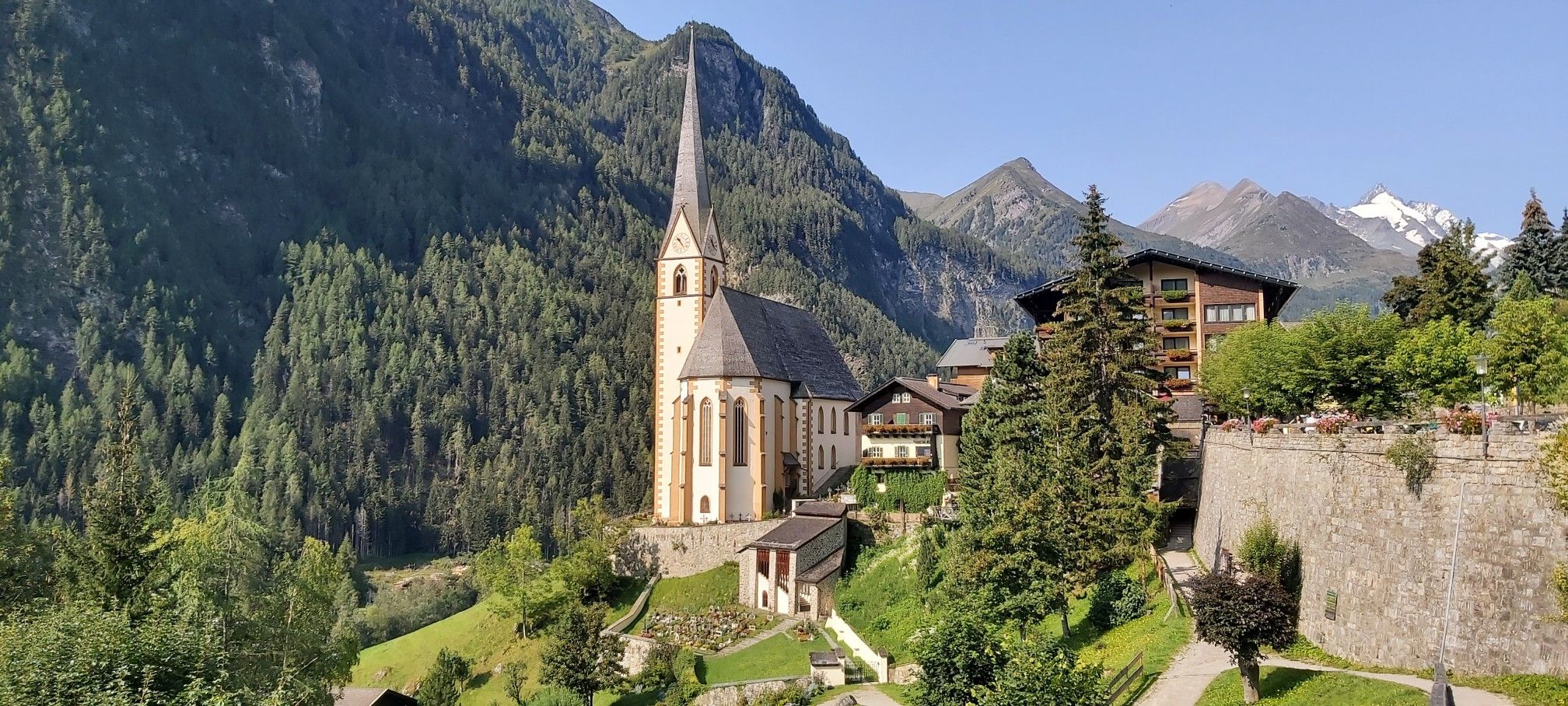
Austria's High & Holy Pilgrimage Trail – Walking across mountains and borders
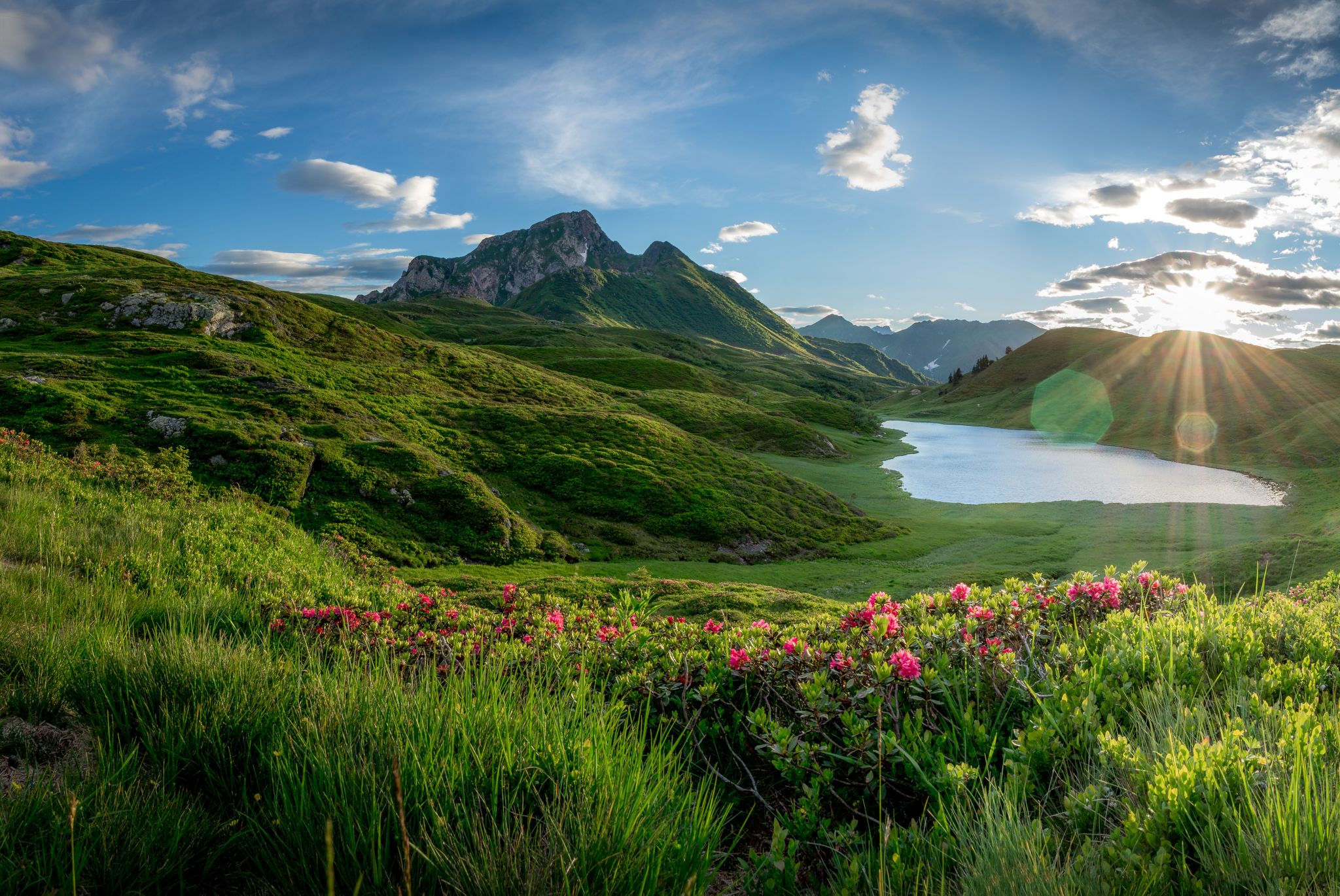
Southern Alpine Trail – Styrian vineyards and the Carnic Alps in Austria
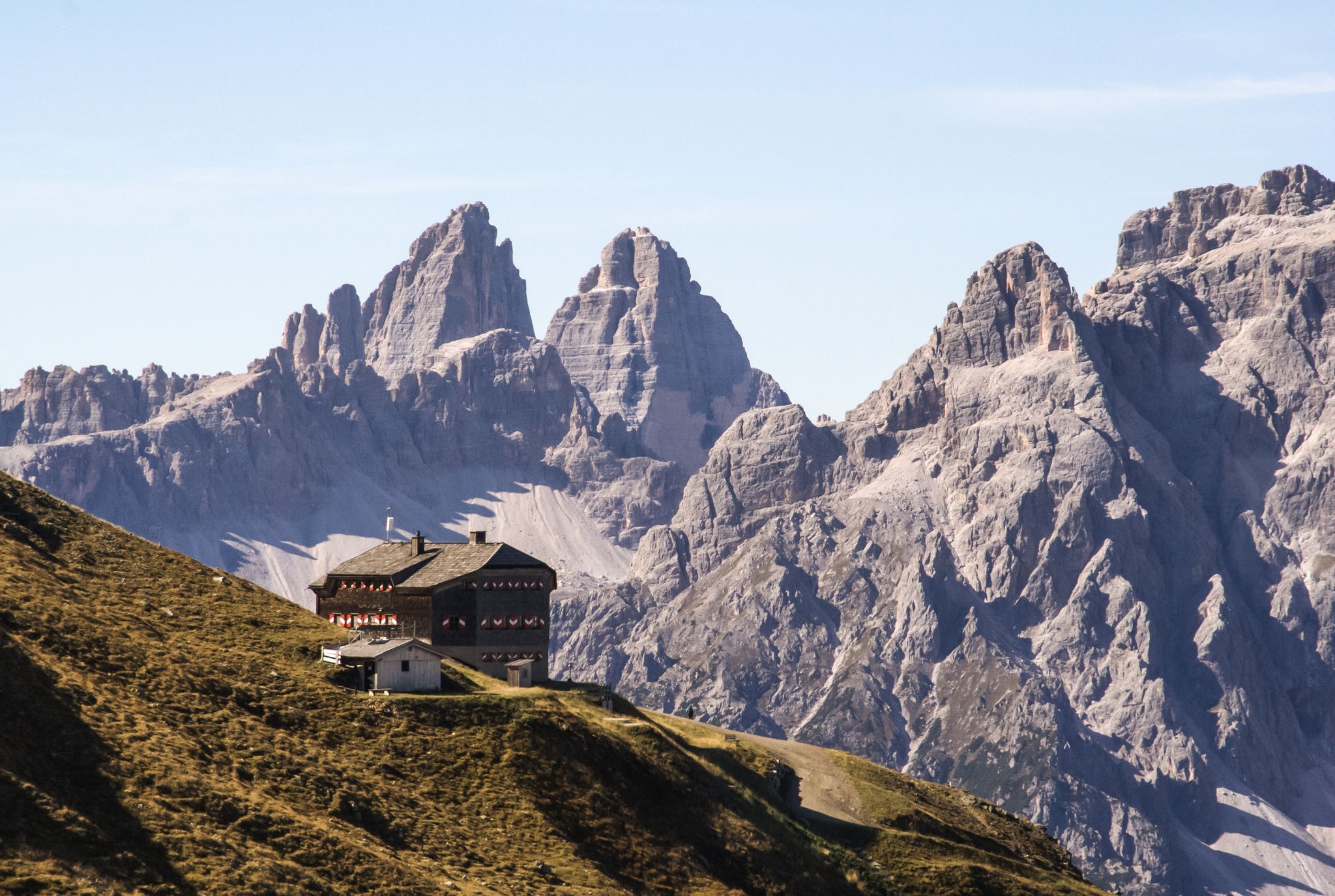
Alpine bliss on the long-distance hiking trails in East Tyrol
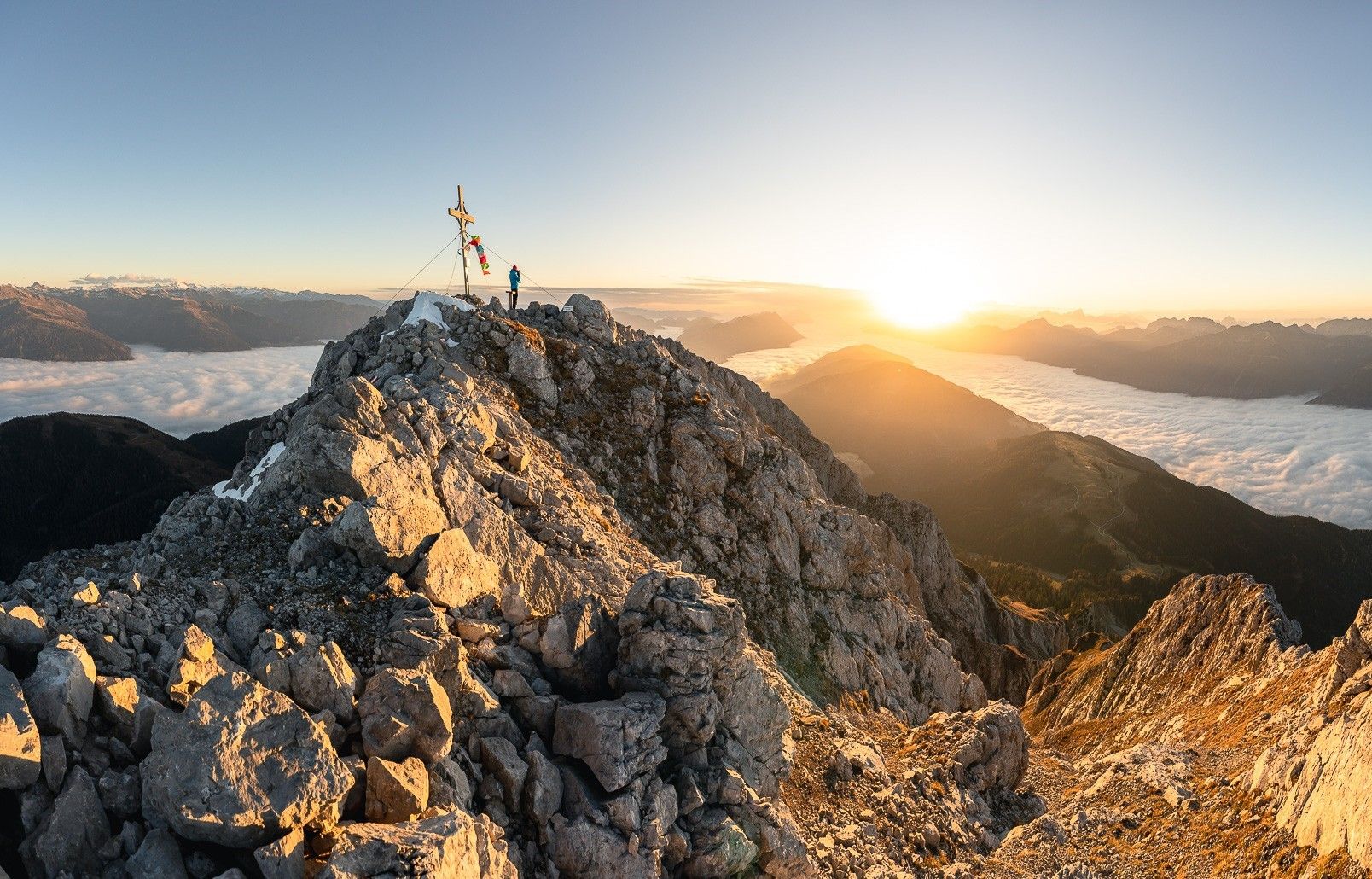
High up on the Gailtaler Höhenweg
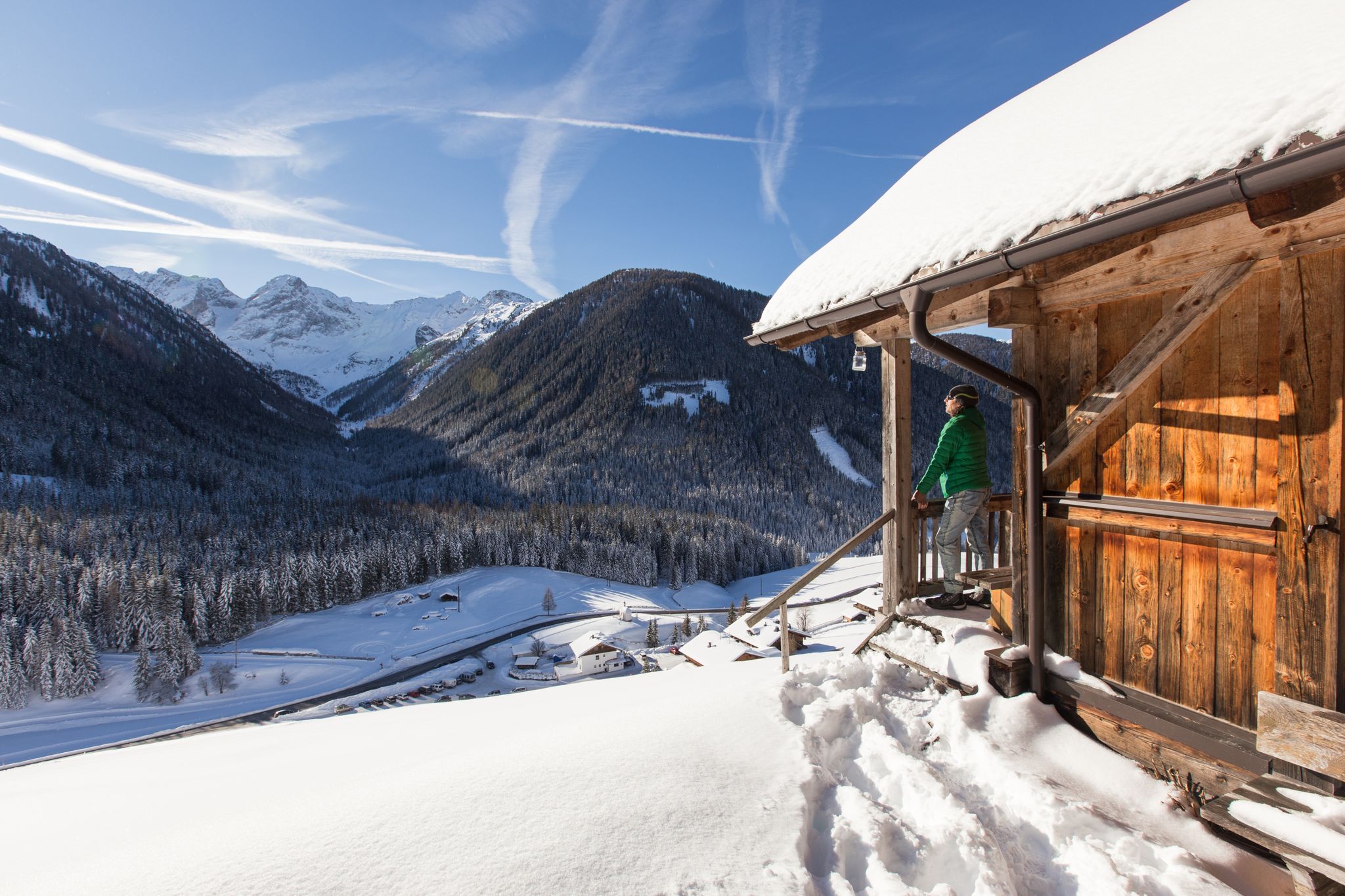
Winter highlights in Tyrol for everyone's taste
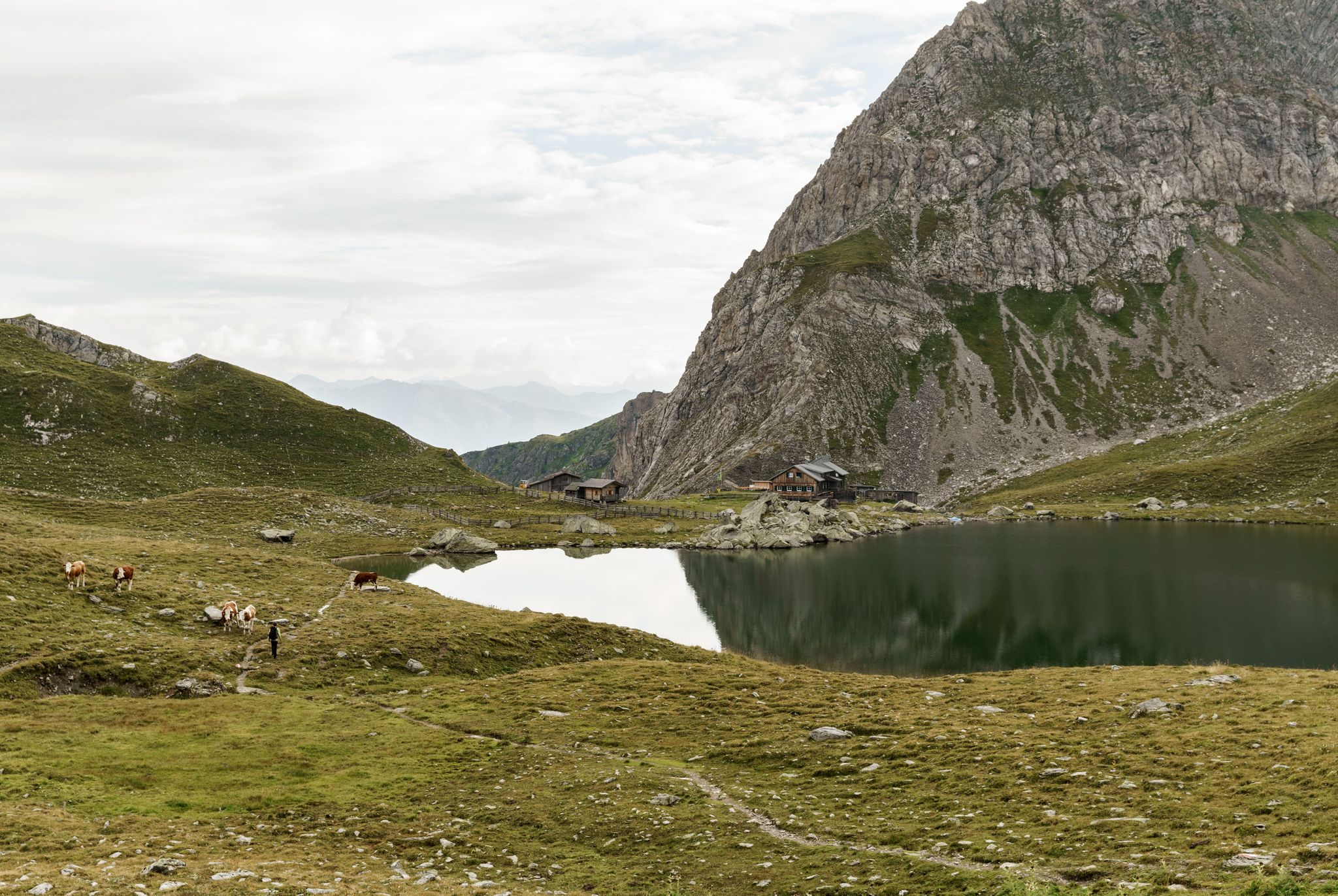
Ridge walking on the Carnic High Trail — Great Walks
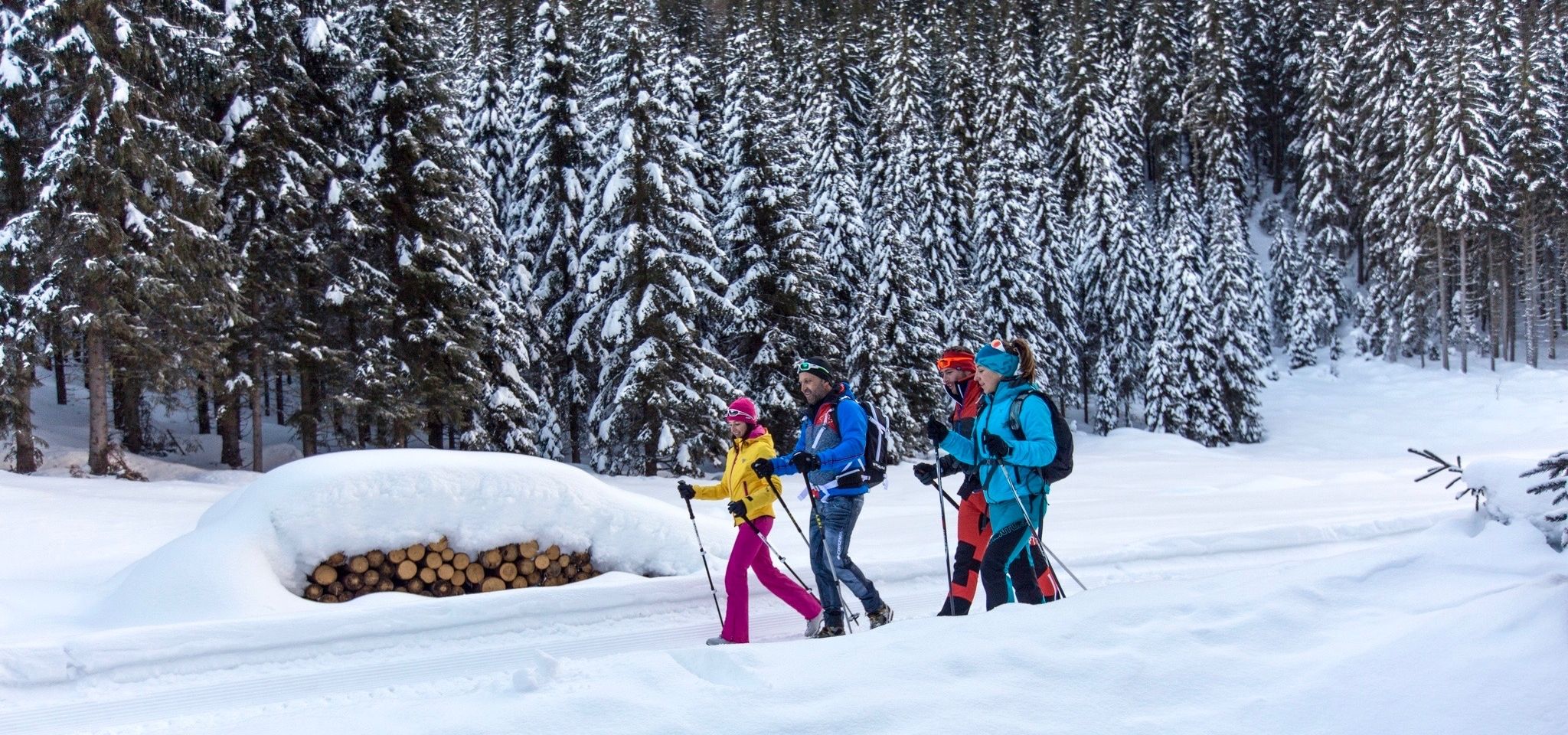
Nature experiences around the Winter Hiking Village Kartitsch
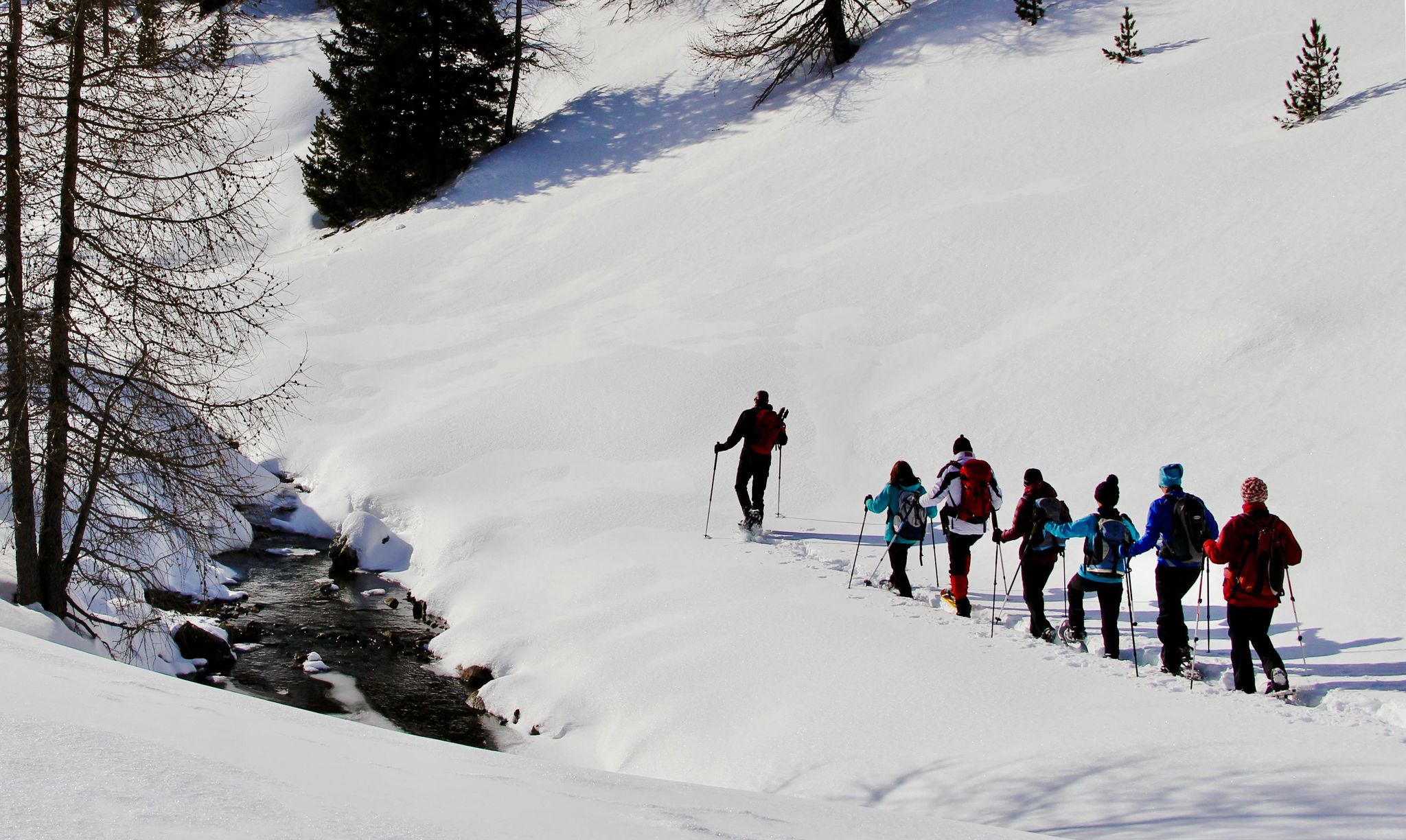
Snowshoe magic in East Tyrol
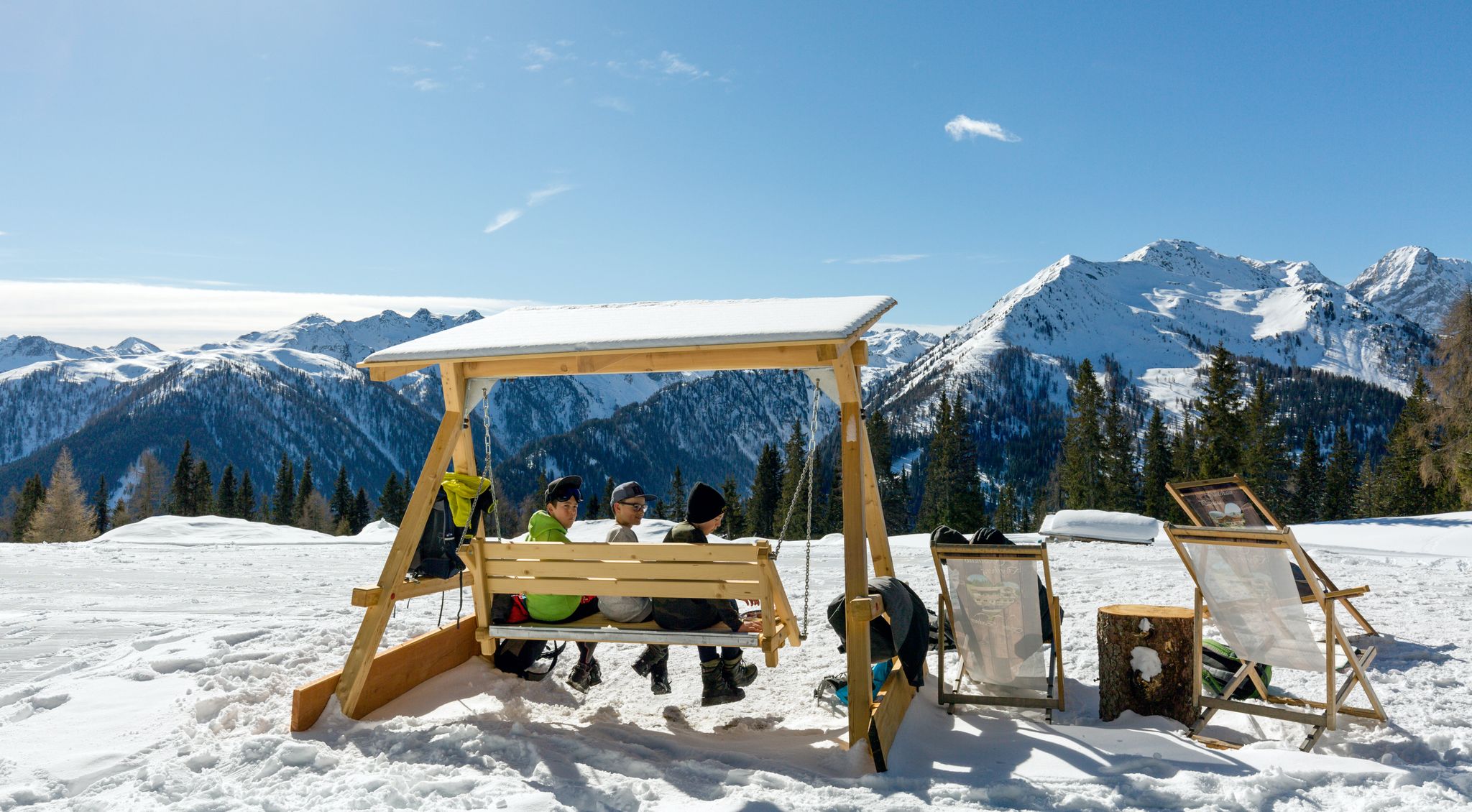
Herzliche Gastlichkeit & traditionelle Kulinarik – Winterwandern in Osttirol
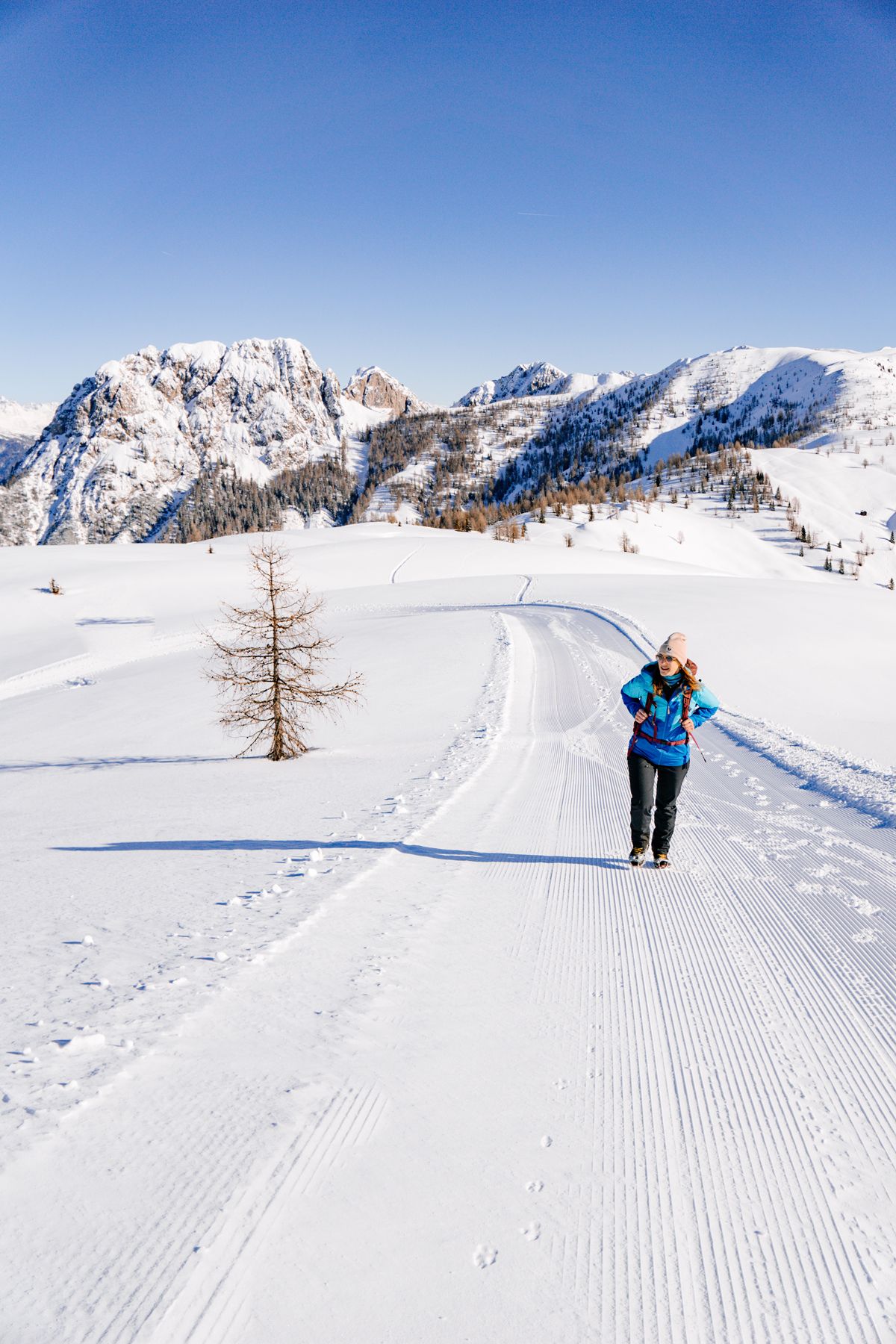
Winterwandertage – gemeinsam Osttirol erleben
Other adventures around Kartitsch


Tips from the Community

The Alpe Nemes Hut (Nemesalm) is located at an altitude of approximately 1,900 meters above the Kreuzberg Pass and is still a rustic, cozy hut. It is a popular and highly recommended alpine hut, known for its South Tyrolean specialties such as dumplings and apple strudel. The hut is open from May to November and also in winter from December to Easter, making it a perfect hiking or day trip destination year-round. It is not available for overnight stays; it serves as a day hut.
40
0

Anyone who thinks the climb is over here is wrong. Now there is another climb with quite loose ground... most people will probably have to push - me too 😉
3
0

Here is the Kreuzberg pass at 1636m, which also forms the border between South Tyrol and Veneto. The Alpine Pass connects the Sextental with the Cadore and is also a natural watershed.
5
0
One of the Stoneman control stations at 2,320 m. Take a breather, recharge your batteries and enjoy the view before continuing over the scree field.
7
0
The Nemesalm is a rustic hut with a great panoramic view of the Sesto Croda Rossa, a nice place for a break or rest. Super nice hosts and delicious food at fair prices. There is electricity for e-bikes to charge with your own charger.
4
0
The ascent from the Nemesalm to the Passo Silvella turns out to be a wonderful experience. Past horses and cows it goes through a beautiful mountain landscape with a great view of the mountains.
4
0
Very nice rustic hut with a great panoramic view of the Sesto Croda Rossa. Super nice hosts and delicious food at fair prices. There is electricity for e-bikes to charge with your own charger.
4
0

Frequently Asked Questions
What are some notable mountain passes accessible from Kartitsch?
Kartitsch is strategically located, offering access to several significant passes. The Kreuzberg Pass (Passo Monte Croce di Comelico) forms the border between South Tyrol and Veneto, connecting the Sextental with the Cadore. The Kartitsch Saddle itself is a crucial local pass, separating the Carnic Alps from the Lienz Dolomites and offering panoramic views. Other notable passes in the broader region include Plöcken Pass and Staller Saddle.
Are there any family-friendly mountain passes around Kartitsch?
Yes, the Kreuzberg Pass (Passo Monte Croce di Comelico) is noted as family-friendly. It offers a scenic drive and is accessible, making it suitable for visits with the family. The area around Kartitsch generally features beautiful high valleys that can be explored with varying levels of difficulty.
What kind of views can I expect from the mountain passes in the Kartitsch area?
The mountain passes around Kartitsch offer spectacular panoramas. For example, the Kartitsch Saddle provides stunning mountain views of both the Carnic Alps and the Lienz Dolomites. Passes like Demutspassage (Stoneman Dolomiti Trail) and Stoneman checkpoint Passo Silvella are known for their magnificent views at over 2,000 meters altitude, showcasing the bizarre backdrop of the Dolomites. The Sesto Dolomites also offer impressively beautiful vistas.
Are there challenging mountain passes for experienced hikers or cyclists?
Absolutely. Passes like Demutspassage (Stoneman Dolomiti Trail) and Stoneman checkpoint Passo Silvella are part of challenging trails, with sections that may require pushing a bike or navigating exposed terrain. The Carnic High Trail, which passes through the community area of Kartitsch, also offers extensive mountain tours with varying difficulty levels, including via ferratas and steep ascents.
What historical significance do the mountain passes near Kartitsch hold?
Many passes in the region have historical importance. For instance, the Tilliacher Pass (Forcella Dignas) was an important crossing point for timber trade in the 19th century and saw fierce fighting during World War I, with well-preserved attachment positions still visible. The Plöcken Pass also forms part of the Austrian-Italian border, a historically significant demarcation.
Can I find places to eat or rest near the mountain passes?
Yes, some passes offer facilities. The Kreuzberg Pass (Passo Monte Croce di Comelico) has restaurants and cafes. For longer hikes, the Carnic High Trail provides access to mountain huts like the Obstansersee Hut and Filmoor Hut, offering places to rest and refuel.
What outdoor activities can I do near the mountain passes around Kartitsch?
The region around Kartitsch is excellent for various outdoor activities. You can explore numerous hiking trails, including sections of the long-distance Carnic High Trail. Mountain biking is also popular, with routes like the Obertilliach – Mountain Meadows Trail loop. For more options, check out the MTB Trails around Kartitsch, Running Trails around Kartitsch, and Road Cycling Routes around Kartitsch guides.
When is the best time to visit the mountain passes around Kartitsch?
The best time to visit is generally during the warmer months, from late spring to early autumn (May to October), when the passes are free of snow and weather conditions are most favorable for hiking and cycling. Some high Alpine passes, like Staller Saddle, may have specific traffic regulations and seasonal closures, so it's always good to check current conditions.
Are there specific traffic regulations for mountain passes like Staller Saddle?
Yes, the Staller Saddle, which connects the Antholz valley in South Tyrol, Italy, with the Defreggen Valley in East Tyrol, Austria, is known for its specific traffic regulations. It often operates with alternating one-way traffic at certain times of the hour due to its narrow and winding nature. It's advisable to check local traffic information before planning your trip.
What makes the Kartitsch region unique for mountain pass exploration?
Kartitsch is situated in one of the most beautiful high valleys in the Alps, at 1,356 meters above sea level. Its location provides direct access to the Carnic Alps and the Lienz Dolomites, offering a diverse range of passes from local valley divides like the Kartitsch Saddle to high Alpine routes and sections of long-distance trails like the Carnic High Trail. This unique geography provides a blend of scenic beauty, challenging terrain, and historical significance.
Are there parking facilities available at the mountain passes?
Many mountain passes and trailheads in the region offer parking facilities. For example, the Kreuzberg Pass (Passo Monte Croce di Comelico) has parking available. It's generally recommended to check specific pass information or local guides for details on parking availability at your chosen starting point.
Most popular routes around Kartitsch
Most popular attractions around Kartitsch

Get inspired with the komoot mobile app


Explore more
See even more epic mountain passes by checking out these guides around Kartitsch:
