The best running trails in Twin Peaks Wilderness
4.0
(2)
1,557
runners
89
runs
Jogging in Twin Peaks Wilderness offers a variety of routes through mountainous terrain, characterized by significant elevation gains and alpine environments. The region features trails leading to high-altitude lakes and through forested canyons, providing diverse running experiences. Twin Peaks Wilderness running trail elevation gain can be substantial, with many routes ascending over 2,000 feet. The landscape provides a challenging yet rewarding setting for runners seeking natural beauty and physical exertion.
Best jogging routes in Twin Peaks Wilderness
- The most popular jogging route is Lake Blanche Trail, a 7.7 miles (12.4 km) trail that takes 2 hours 26 minutes to complete. This difficult route features a sustained climb to a scenic alpine lake.
- Another top favourite among local runners is Red Pine Lake Trail, a difficult 7.7 miles (12.4 km) path. This trail ascends through forested areas to another high-elevation lake.
- Local runners also love the White Pine Trail, a 10.3 miles (16.6 km) trail leading through mountain valleys and offering panoramic views, often completed in about 2 hours 51 minutes.
- Jogging in Twin Peaks Wilderness is defined by high alpine lakes, challenging mountain ascents, and forested canyons. The network offers options for various ability levels, from moderate to difficult routes.
- The guide includes highly-rated routes that showcase the best of the region's landscape. More than 1,700 runners have used komoot to explore Twin Peaks Wilderness's varied terrain.
Last updated: July 7, 2026
89
runners
12.4km
02:26
830m
830m
Hard run. Very good fitness required. Sure-footedness, sturdy shoes and alpine experience required.
58
runners
12.4km
02:08
630m
630m
Hard run. Very good fitness required. Sure-footedness, sturdy shoes and alpine experience required.

Sign up for free
26
runners
16.6km
02:51
820m
820m
Hard run. Very good fitness required. Sure-footedness, sturdy shoes and alpine experience required.
27
runners
10.3km
01:07
200m
200m
Moderate run. Good fitness required. Mostly paved surfaces. Suitable for all skill levels.
10
runners
7.55km
01:40
620m
620m
Hard run. Very good fitness required. Sure-footedness, sturdy shoes and alpine experience required.
Get access to more routes and recommendations from other explorers.
Sign up for free
Already have an account?
Our route recommendations are based on thousands of hikes, rides, and runs completed by other people on komoot.
Start today with a free account
Your next adventure awaits.
Login or Signup
Popular around Twin Peaks Wilderness
Tips from the Community

As far as alpine trail runs go, the trail to White Pine Lake isn't too bad. Most of the run is on wide track with relatively gradual elevation gain and some shade.
0
0
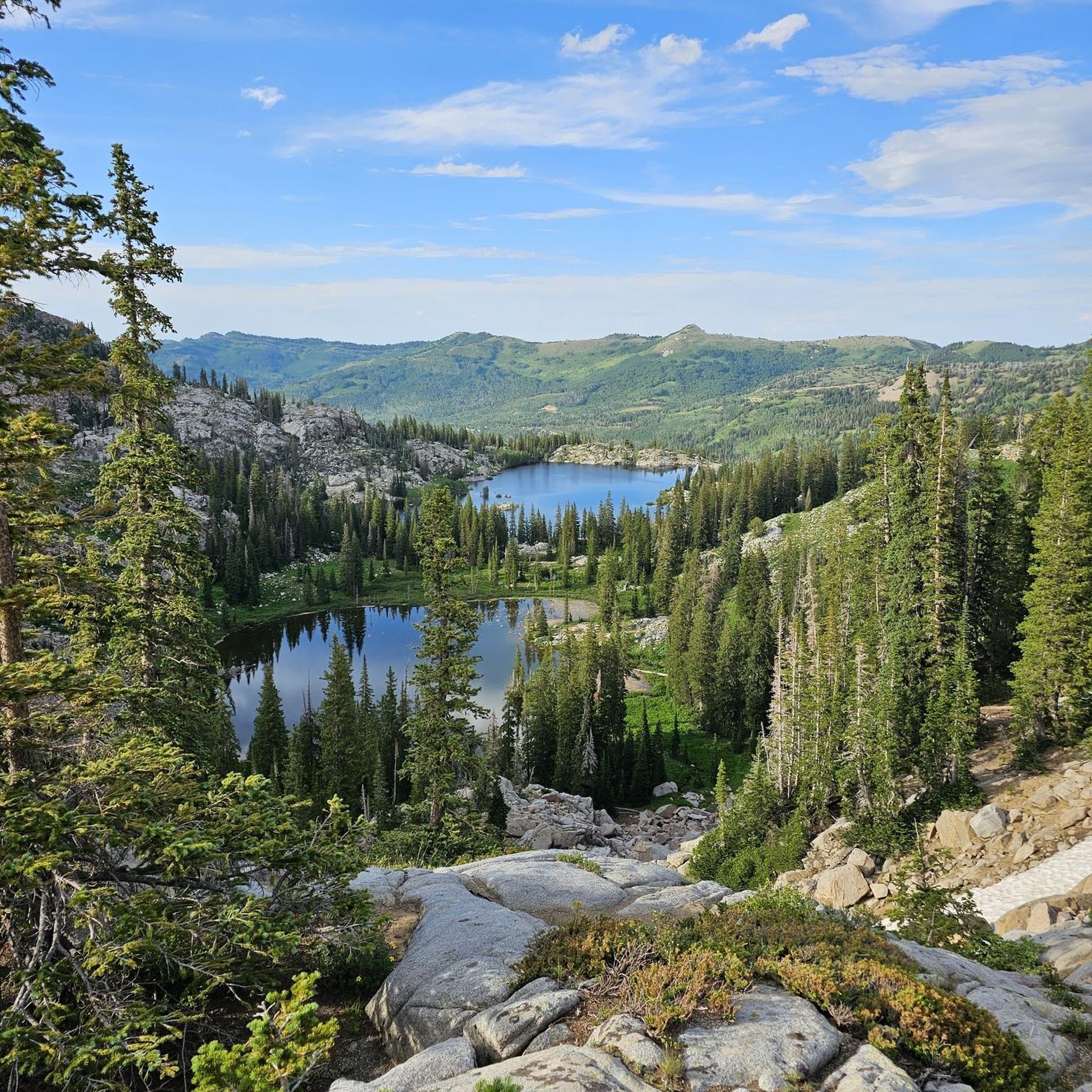
This is the third and last in a chain of high alpine lakes, well worth the jog to reach it if you have the juice.
0
0

An inviting park featuring restroom facilities, a convenient water-bottle filling station, a bike repair stand equipped with tools, and a spacious pavilion adorned with picnic tables. Additionally, cyclists can revel in the stunning vistas of the majestic Wasatch Mountains to the east, enhancing the overall park experience.
0
0

Red Pine Trail in the Lone Peak Wilderness is the epitome of wild, rugged nature. Enjoy lush forests, mountain views, and colorful fall foliage in the fall months.
0
0
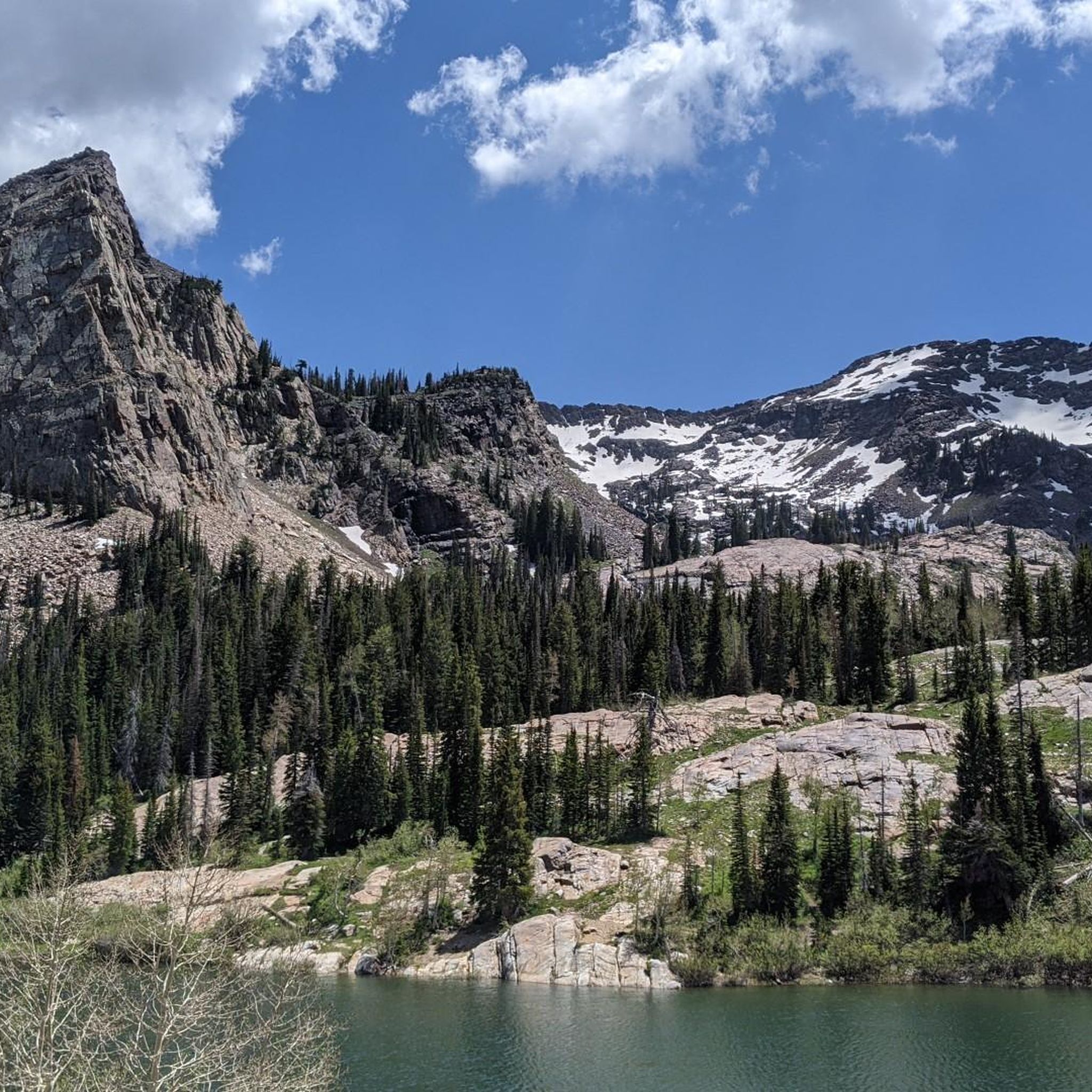
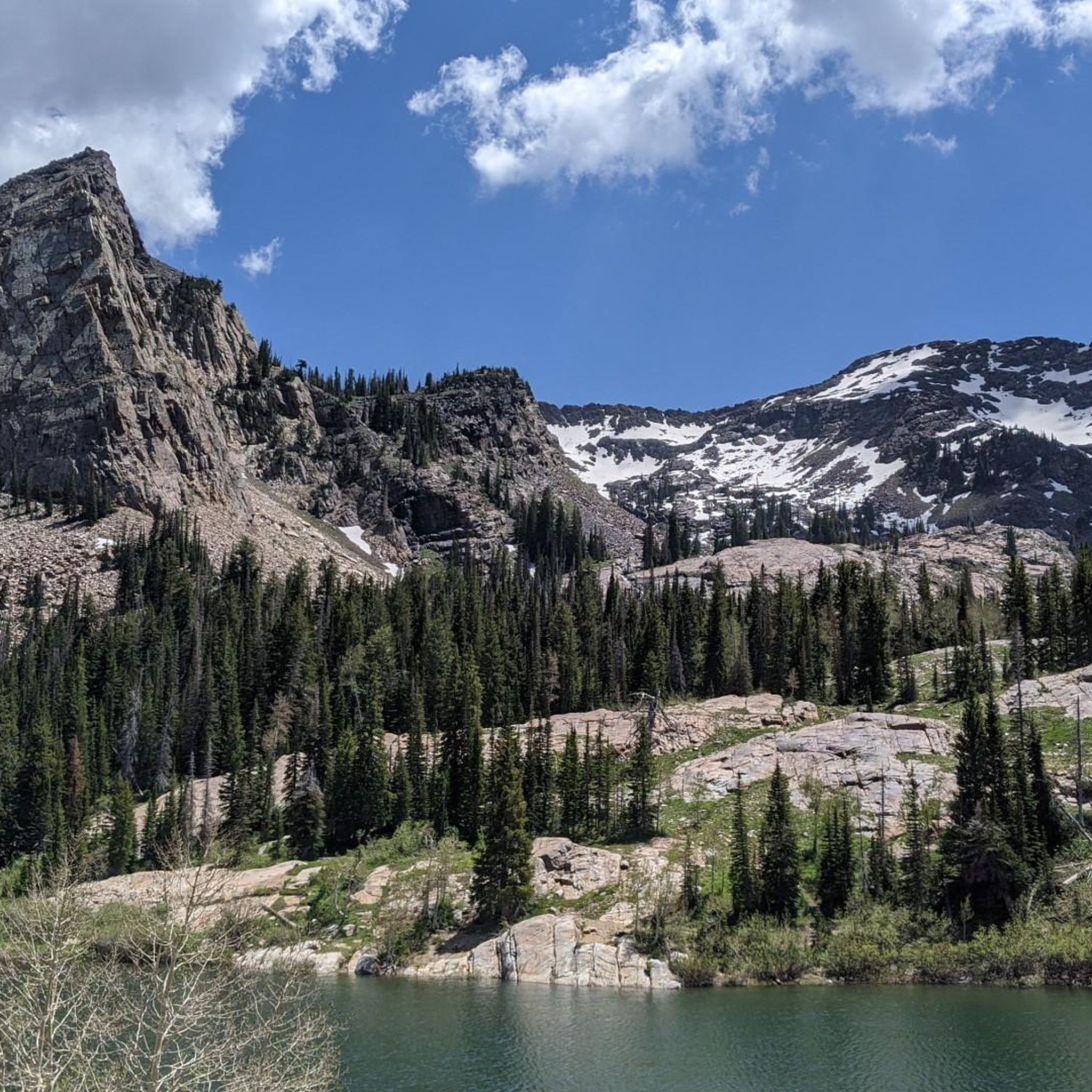
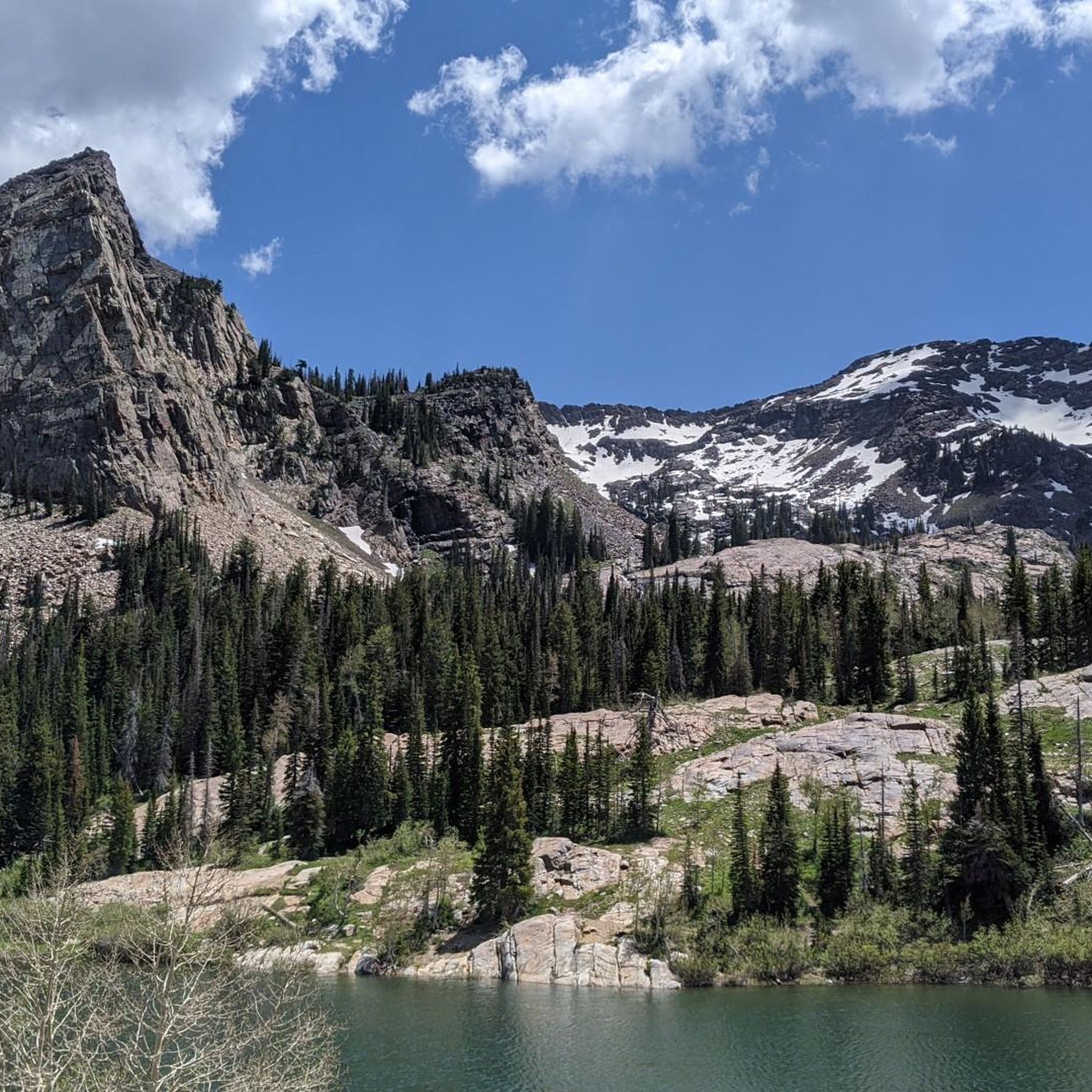
Lake Blanche is arguably one of the prettiest destinations in all of the Wasatch Mountains. Keep an eye out for the dramatically notched peak that towers over the lake; once you see it, you'll understand why it's known as the Sundial. You can visit the smaller, nearby lakes Florence and Lillian if you like, but Lake Blanche is the belle of this ball.
1
0
Picturesque twin lake to Red Pine Lake located at the end of White Pine Lake Trail. Swimming not allowed as the lake is a protected body of water, but do still visit to enjoy the serene views.
0
0
Absolutely picturesque high mountain lake located at the end of the White Pine Trail. Surrounded by large spruce trees, Red Pine Lake is an idyllic location to stop and enjoy the Utah wilderness. No swimming allowed, as the lake s a protected body of water.
0
0

A nice park with restrooms, a water-bottle filling station, a bike repair stand with tools, a large pavilion with picnic tables, and beautiful views of the Wasatch Mountains to the east.
1
0
Frequently Asked Questions
How many running routes are available in Twin Peaks Wilderness?
Twin Peaks Wilderness offers a wide selection of running routes, with over 80 different trails to explore. These range from moderate to difficult, providing options for various skill levels.
Are there any easy running routes suitable for beginners in Twin Peaks Wilderness?
While many routes in Twin Peaks Wilderness are challenging, there are a few easier options. The guide lists 2 routes categorized as easy, which can be a good starting point for beginners or those looking for a less strenuous run.
What are the most challenging running routes in Twin Peaks Wilderness?
For experienced runners seeking a challenge, Twin Peaks Wilderness features many difficult routes. The Hidden Peak loop from Snowbird is particularly demanding, covering over 17 miles with significant elevation gain. Other difficult options include the Lake Blanche Trail and the Red Pine Lake Trail, both known for sustained climbs to alpine lakes.
Are there any circular running routes in Twin Peaks Wilderness?
Yes, there are several loop trails available for runners who prefer not to retrace their steps. An example is the Broads Fork Trail loop from Hidden Falls, which offers a challenging 4.7-mile circuit with over 2,000 feet of elevation gain.
What kind of elevation gain can I expect on running trails in Twin Peaks Wilderness?
Running in Twin Peaks Wilderness is characterized by significant elevation gains. Many routes ascend over 2,000 feet, with some, like the Hidden Peak loop from Snowbird, climbing over 5,500 feet. Be prepared for sustained uphill sections and rewarding views.
When is the best time of year to go running in Twin Peaks Wilderness?
The best time for running in Twin Peaks Wilderness is typically from late spring through early autumn (June to October) when trails are clear of snow and weather conditions are generally mild. During these months, you can fully enjoy the high-altitude lakes and forested canyons.
What are the conditions like for winter running in Twin Peaks Wilderness?
Winter running in Twin Peaks Wilderness can be challenging due to heavy snowfall and icy conditions, especially at higher elevations. Many trails may require snowshoes or microspikes, and some may be inaccessible. Always check current weather and trail reports before heading out in winter.
Are dogs allowed on the running trails in Twin Peaks Wilderness?
Regulations regarding dogs can vary within the wilderness area and on specific trails. It's always best to check the specific trail rules or local forest service guidelines before bringing your dog. Generally, dogs are often allowed on leash, but some areas, especially around water sources, might have restrictions.
Is parking available at the trailheads in Twin Peaks Wilderness?
Most popular trailheads in Twin Peaks Wilderness, such as those for Lake Blanche, Red Pine Lake, and White Pine trails, have designated parking areas. However, these can fill up quickly, especially on weekends and during peak season. Arriving early is recommended.
Are there places to eat or get coffee near the Twin Peaks Wilderness trails?
While Twin Peaks Wilderness itself is a natural area, the canyons leading to the trailheads, such as Big Cottonwood Canyon, often have small general stores or cafes. For more extensive options, you'll find a variety of restaurants and coffee shops in the nearby towns and cities like Sandy or Cottonwood Heights, a short drive from the canyon entrances.
Can I find less crowded running trails in Twin Peaks Wilderness?
To avoid crowds, consider running on weekdays or during off-peak hours. Exploring some of the less-known routes or starting your run very early in the morning can also help you find more solitude. The White Pine Trail, while popular, can offer moments of quiet, especially further along the path.
What do other runners enjoy most about jogging in Twin Peaks Wilderness?
Runners frequently praise the stunning alpine scenery, including high-altitude lakes and panoramic mountain views. The challenging ascents are often cited as rewarding, offering a great workout amidst natural beauty. The diverse terrain, from forested canyons to open ridges, also contributes to a varied and engaging running experience.
Most popular routes in Twin Peaks Wilderness

Get inspired with the komoot mobile app


Explore more
Browse the best Running Trails & Routes in other regions.
