Attractions and Places To See in Holy Cross Wilderness - Top 14
Best attractions and places to see in Holy Cross Wilderness include rugged ridgelines, glacier-carved valleys, and over 160 alpine lakes across its 122,000 acres. The region features spruce-fir forests, cascading streams, and more than 150 miles of trails. Notable landmarks include the 14,005-foot Mount of the Holy Cross and historical mining remnants like Holy Cross City Ghost Town.
Best attractions and places to see in Holy Cross Wilderness
- The most popular attractions is Bear Lake, a lake that sits…
Last updated: June 29, 2026
Bear Lake
Highlight • Lake
Tip by

West Tennessee Lakes
Highlight • Lake
Tip by

Sign up now to discover places like this
Get recommendations on the best single tracks, peaks, & plenty of other exciting outdoor places.
Sign up for free
Saint Kevin Lake
Highlight • Lake
Tip by
4wd parking area
Highlight • Parking
Tip by
Fancy Pass
Highlight • Mountain Pass
Tip by
Sign up for free to discover even more attractions in Holy Cross Wilderness.
Sign up for free
Already have an account?
Start today with a free account
Your next adventure awaits.
Login or Signup
Tips from the Community

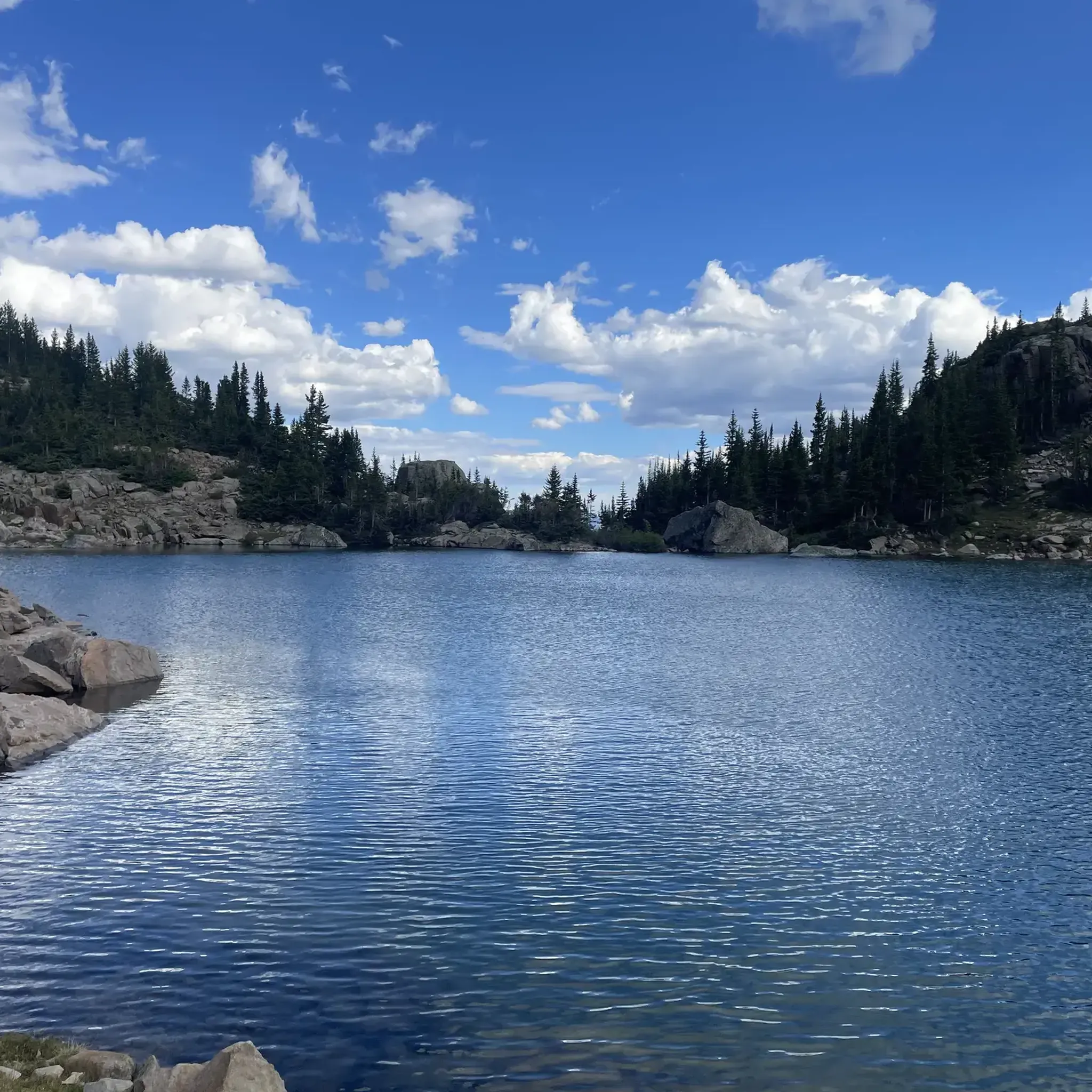
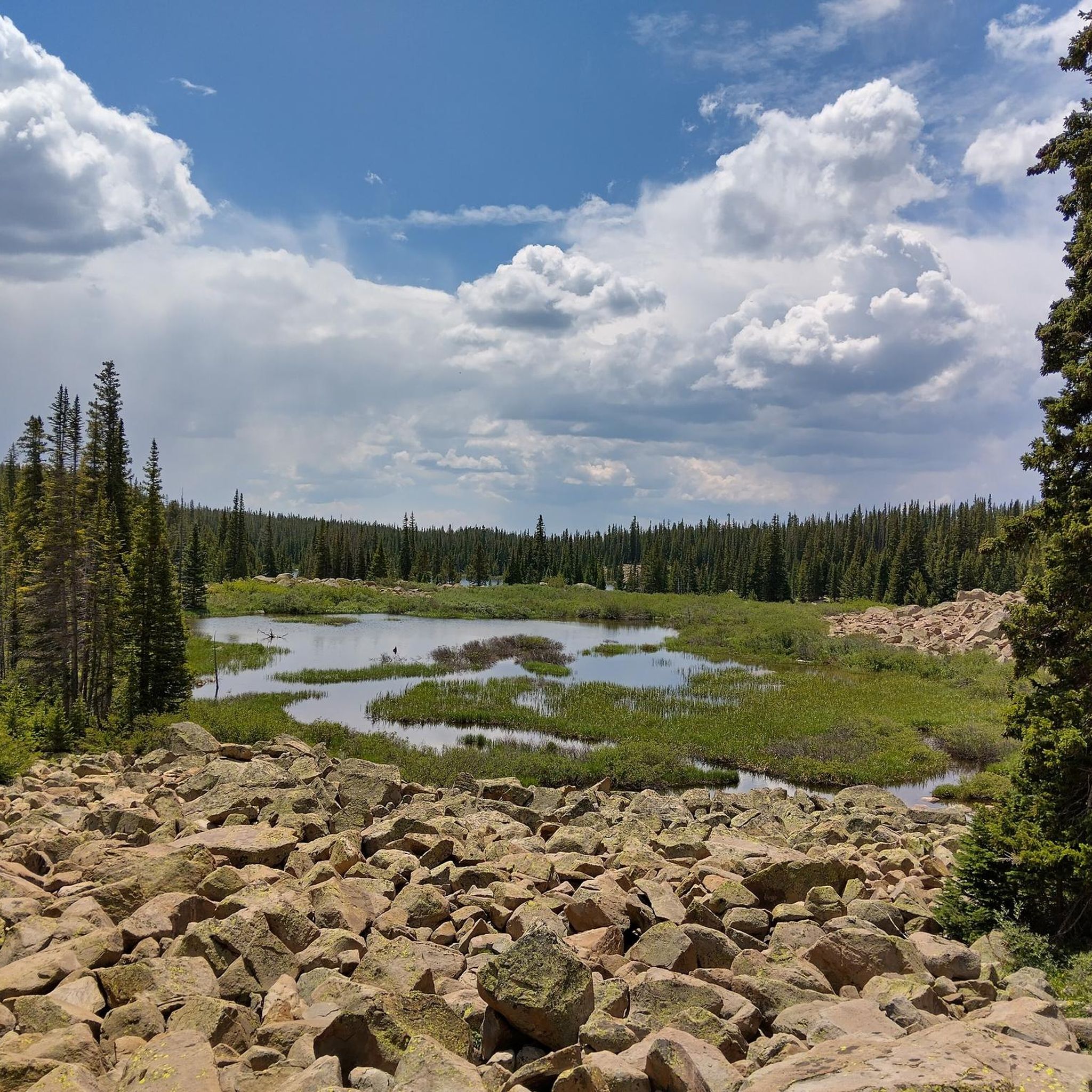
Bear Lake is a beautiful alpine lake close to the Colorado Trail and Continental Divide Trail. There is a spur trail running around the lake. It is a great spot to spend time and is also home to brook trouts.
3
0

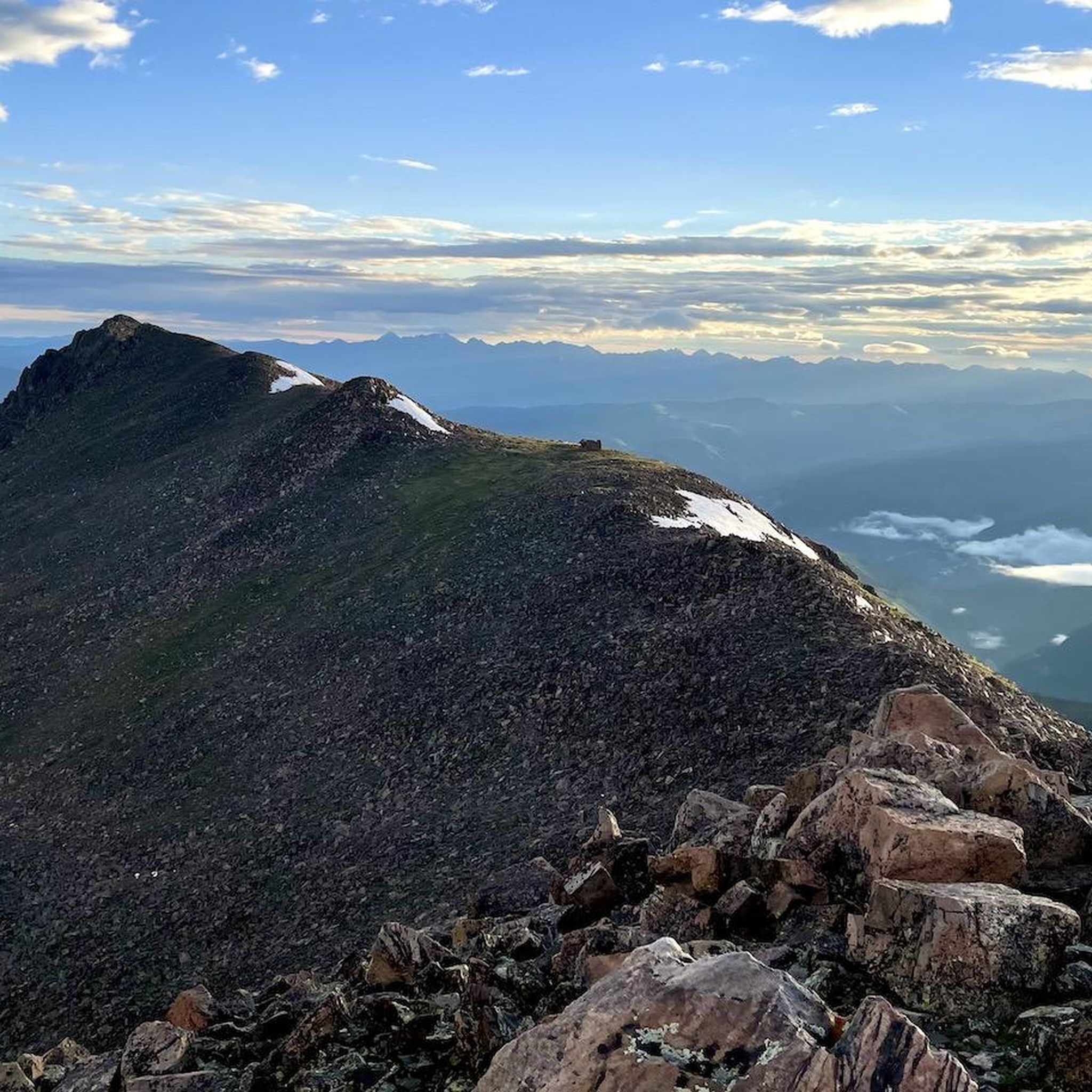
Those who connect the Fancy Lake Trail with the Missouri Lake Trail need good physical condition. However, you will be rewarded with a unique circuit (15 km long, 1500m up and down and all between 3000m-3750m), silence, marmots and beautiful nature. Anyone who dares should inquire about the snow conditions at the pass. If it's still there, it can be dangerous.
0
0
Every hiker should ask before crossing whether there is still snow. We hiked in July and there was still quite a bit of snow for a long time. Good equipment is recommended.
0
1

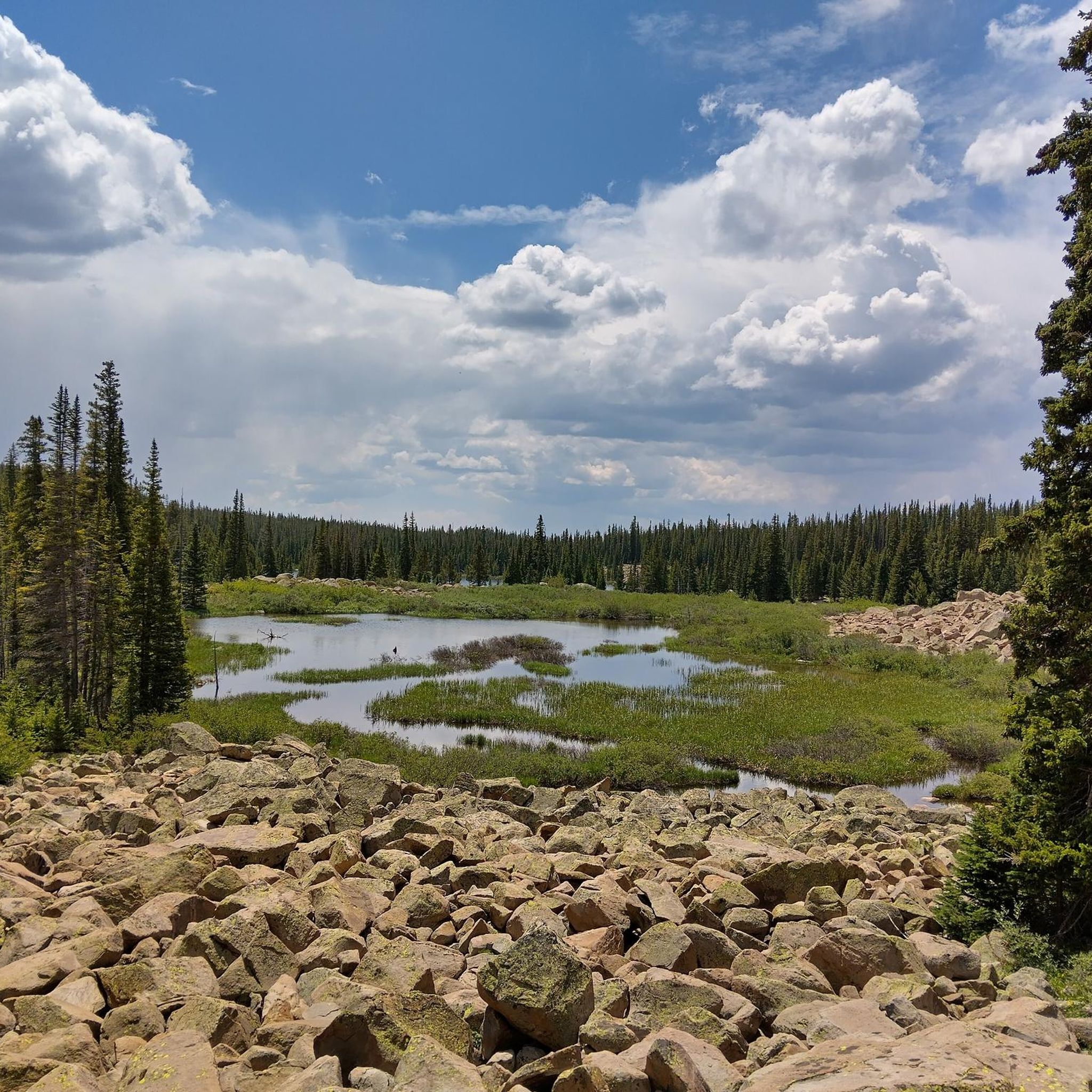
There are actually quite a few alpine lakes in the Holy Cross Wilderness, but the West Tennessee Lakes are some of the least visited. They are a beautiful collection of alpine lakes above treeline, but the primitive wilderness trail leading to the lakes can be overgrown and buggy in the warmer months when the trail is thawed out. The West Tennessee Lakes are actually a collection of three lakes. The first lake is much smaller than the upper lakes. To get to the highest (and biggest) lake, you can follow a sometimes visible goat trail and gain elevation quickly at the end of the official trail. It can be a wet journey to get to the upper lakes, but it is absolutely worth the work.
0
0
The road to Bear Lake Trailhead isn't too rough if you have 4wd, but it does get a bit bumpier the closer you get to the trailhead. The parking lot is less than a hundred feet from the Holy Cross Wilderness boundary, and there is some information posted at the trail kiosk about safe and proper LNT travel techniques in wilderness areas. It's only a short, uphill jog from this trailhead to the Colorado Trail junction.
0
0
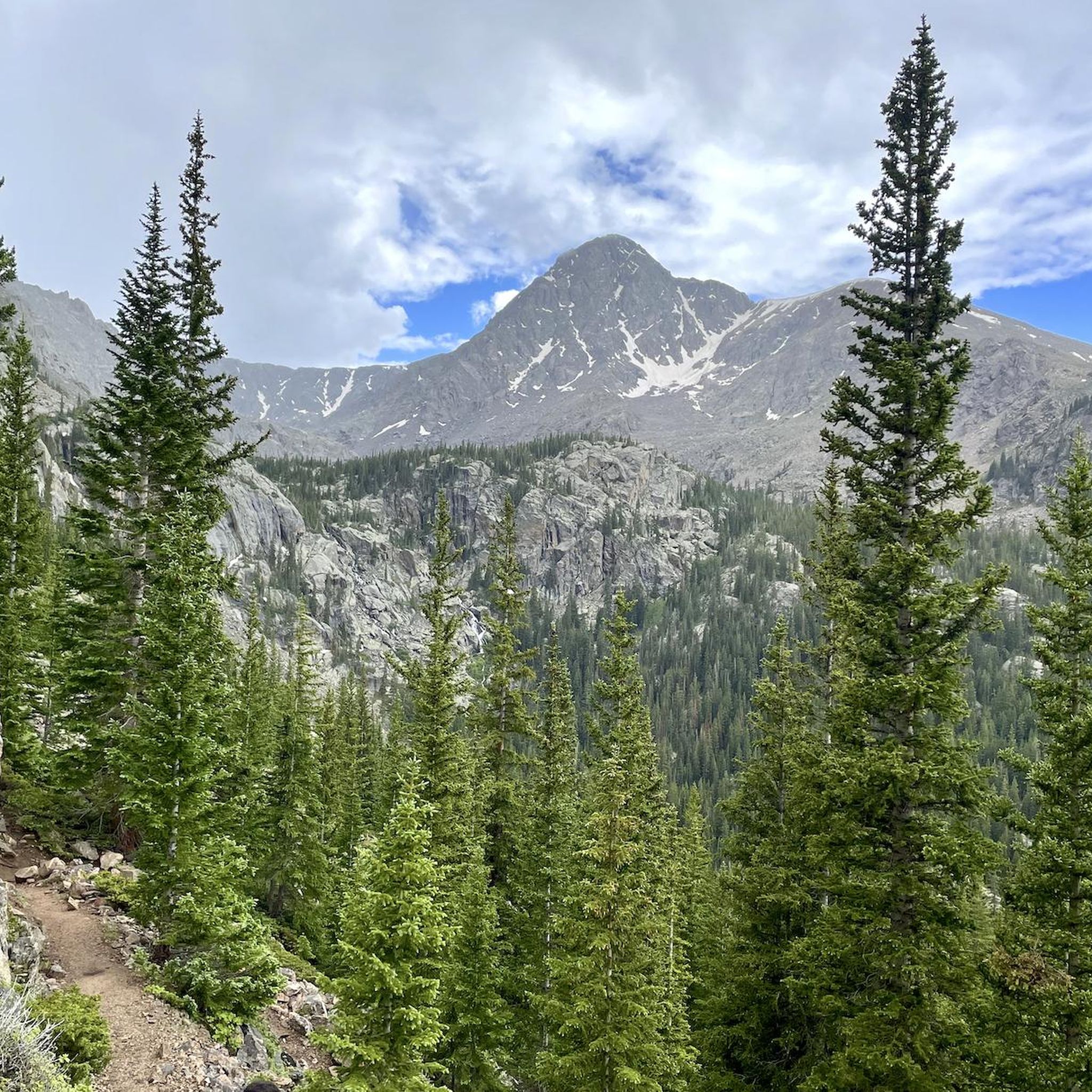
At just under 12,000 feet elevation, Saint Kevin Lake is one of the highest alpine lakes accessible by trail in the Holy Cross Wilderness. The lake is a bit off the beaten trail (There is still a trail leading to the lake from the Colorado Trail, but it is far less used than other trails in the area.) so you can expect a lot of privacy up at the lake. The last bit of trail is pretty steep, but it's well worth the power hike to get up there.
0
0
Bear Lake sits right at 11,070 feet elevation within the Holy Cross Wilderness. There are many ponds off the side of the Colorado Trail close to Bear Lake, but the actual lake is down the spur trail headed south. It's pretty rough terrain for running, but the Colorado Trail offers runnable terrain.
0
0
The road to Bear Lake Trailhead isn't too rough if you have 4wd, but it does get a bit bumpier the closer you get to the trailhead. The parking lot is less than a hundred feet from the Holy Cross Wilderness boundary, and there is some information posted at the trail kiosk about safe and proper LNT travel techniques in wilderness areas. It's only a short trek from this trailhead to the Colorado Trail junction.
0
0
Frequently Asked Questions
What unique natural features can I explore in Holy Cross Wilderness?
The Holy Cross Wilderness is renowned for its rugged ridgelines, glacier-carved valleys, and over 160 alpine lakes. You can discover cascading streams, spruce-fir forests, and numerous peaks exceeding 13,000 feet. A notable landmark is the iconic 14,005-foot Mount of the Holy Cross, famous for its distinctive cross-shaped snowfield.
Are there any historical sites or cultural points of interest in the wilderness?
Yes, the wilderness holds remnants of its mining past. You can visit the Holy Cross City Ghost Town, an abandoned mining camp at 11,500 feet, which once had 25 buildings. Other historical mining ruins can be found near Fancy Pass. Additionally, the Fulford Cave system, located near the southeastern boundary, offers interesting formations, though entry requires a free permit.
What are some of the most beautiful alpine lakes to visit?
The wilderness boasts many pristine alpine lakes. Some of the most spectacular include the West Tennessee Lakes, a collection of three remote alpine lakes above treeline. Saint Kevin Lake, at nearly 12,000 feet, offers privacy due to its less-used trail. Bear Lake is another beautiful alpine lake close to the Colorado Trail and Continental Divide Trail, known for its camping areas and brook trout.
What are the best trails for hiking in Holy Cross Wilderness?
The wilderness offers over 160 miles of trails. Popular options include the Half Moon Pass Trail, which is the standard route to Mount of the Holy Cross, and the Missouri Lakes Trail, accessing the stunning Missouri Lakes Basin. The Timberline Lake Trail is an excellent, relatively easy option, while the Fall Creek Trail leads to Lake Constantine and Fall Creek Pass. For more options, you can explore various easy hikes in Holy Cross Wilderness.
Are there any family-friendly hiking options in the area?
Yes, the Timberline Lake Trail is often recommended as a relatively easy and excellent option for families, leading to a pristine alpine lake. When planning, always check trail conditions and difficulty to ensure it suits your family's experience level.
What should I know about parking and access points for trails?
Access to many trails, such as the Bear Lake Trailhead, often involves roads that can be rough. A 4WD parking area is available near the Holy Cross Wilderness boundary, providing information on safe wilderness travel. It's advisable to check road conditions, especially for higher elevation trailheads.
Do I need a permit to enter Holy Cross Wilderness or specific attractions?
Generally, permits are not required for entry into the Holy Cross Wilderness for hiking or backpacking. However, if you plan to explore Fulford Cave, you will need a free permit from the Eagle-Holy Cross Ranger District. Always check with the local ranger district for the most current regulations before your visit.
What is the best time of year to visit Holy Cross Wilderness?
The warmer months, typically from late spring through early fall, are ideal for visiting when trails are thawed and accessible. During these months, you can experience stunning wildflower displays, especially in areas like the Missouri Lakes-Fancy Pass Loop. Some trails, particularly those leading to remote alpine lakes like the West Tennessee Lakes, can be overgrown and buggy in warmer months, so preparation is key.
What kind of outdoor activities can I do near the attractions?
Beyond hiking, the Holy Cross Wilderness area offers opportunities for various outdoor activities. While motorized and mechanized transportation, including bicycles, are prohibited within the wilderness itself, you can find options for cycling and road cycling in the surrounding regions. Many alpine lakes, including Bear Lake and Saint Kevin Lake, are known for fishing, particularly for native cutthroat trout.
What are some challenging routes for experienced hikers?
Experienced hikers can tackle the challenging Half Moon Pass Trail to summit Mount of the Holy Cross. The Missouri Lakes-Fancy Pass Loop is another renowned, strenuous option that rewards with unique panoramic views and solitude. When attempting such routes, especially those involving passes like Fancy Pass, it's crucial to inquire about snow conditions, even in summer, and be prepared with appropriate equipment.
What do visitors enjoy most about Holy Cross Wilderness?
Visitors frequently appreciate the profound sense of privacy and solitude offered by its less-traveled trails and remote alpine lakes. The stunning panoramic views from mountain passes like Fancy Pass, the beauty of the numerous alpine lakes, and the chance to observe wildlife like marmots are also highly valued experiences.
Most popular routes in Holy Cross Wilderness
Most popular attractions in Holy Cross Wilderness

Get inspired with the komoot mobile app


Explore more
Still not found the Highlight you’re looking for? See guides of the top attractions in other regions:
