Attractions and Places To See in Hoover Wilderness - Top 16
Best attractions and places to see in Hoover Wilderness include a rugged and scenic expanse celebrated for its pristine alpine environment. Spanning the Inyo and Humboldt-Toiyabe National Forests in California, this area features elevations ranging from approximately 7,000 to over 12,000 feet. It offers a variety of natural attractions, including numerous alpine lakes, prominent peaks, and extensive meadows. The wilderness is primarily recognized for its natural beauty and recreational opportunities within a preserved setting.
Best attractions and places to see in Hoover Wilderness
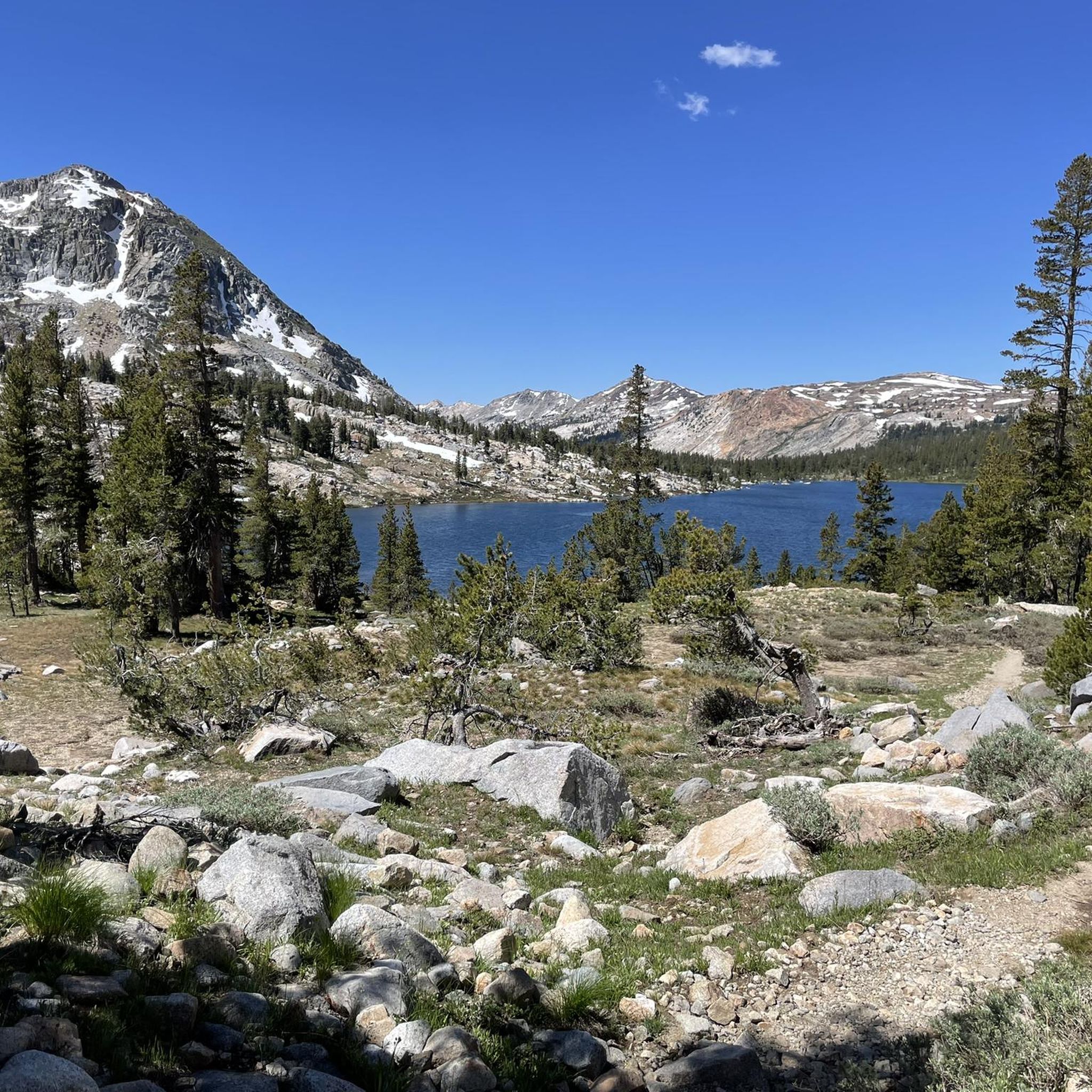
- The most popular attractions is Blue Lake (Hoover Wilderness), a lake that is the first of a series of three along an easy hike. It is set in a wooded area and provides views of Black Mountain.
- Another must-see spot is Cooney Lake, an alpine lake that appears to almost touch the mountain overlooking it. This lake is part of the scenic high-altitude landscape.
- Visitors also love Kennedy Canyon creek crossing - PCT water access, a river crossing that offers convenient direct water access along the Pacific Crest Trail. It is also noted as a suitable camp spot with several flat sites.
- Hoover Wilderness is known for its alpine lakes, rivers, and natural landscapes. Visitors can explore a variety of attractions, from serene lakes to important trail access points.
- The attractions in Hoover Wilderness are appreciated by the komoot community, with 4 upvotes and 6 photos shared by visitors.
Last updated: July 7, 2026
Blue Lake (Hoover Wilderness)
Highlight • Lake
Tip by

Kennedy Canyon creek crossing - PCT water access
Highlight • River
Tip by

Sign up now to discover places like this
Get recommendations on the best single tracks, peaks, & plenty of other exciting outdoor places.
Sign up for free
W Fork W Walker River Bridge - PCT-Upper Long Lake Trail Jct
Highlight • Bridge
Tip by
Cooney Lake
Highlight • Lake
Tip by
Walker Meadows
Highlight • Natural
Tip by
Sign up for free to discover even more attractions in Hoover Wilderness.
Sign up for free
Already have an account?
Start today with a free account
Your next adventure awaits.
Login or Signup
Tips from the Community

Blue Lake is the first lake along the Green Creek Trail. It is set in a beautiful wooded area and gives you a great view of Black Mountain. The banks of the lake are a great spot for a break to soak up the beauty of the area.
0
0

This second Alpine lake almost touches the mountain that overlooks it. At least that's the impression we get.
0
0
The Blue Lake is the first of a series of three that you will see during this easy hike.
0
0

Last convenient direct water access along the PCT for the next 10 miles til Sonora Pass, except for descending several hundred feet down to lakes. That also makes it a good camp spot, with several flat sites already frequently used.
2
0
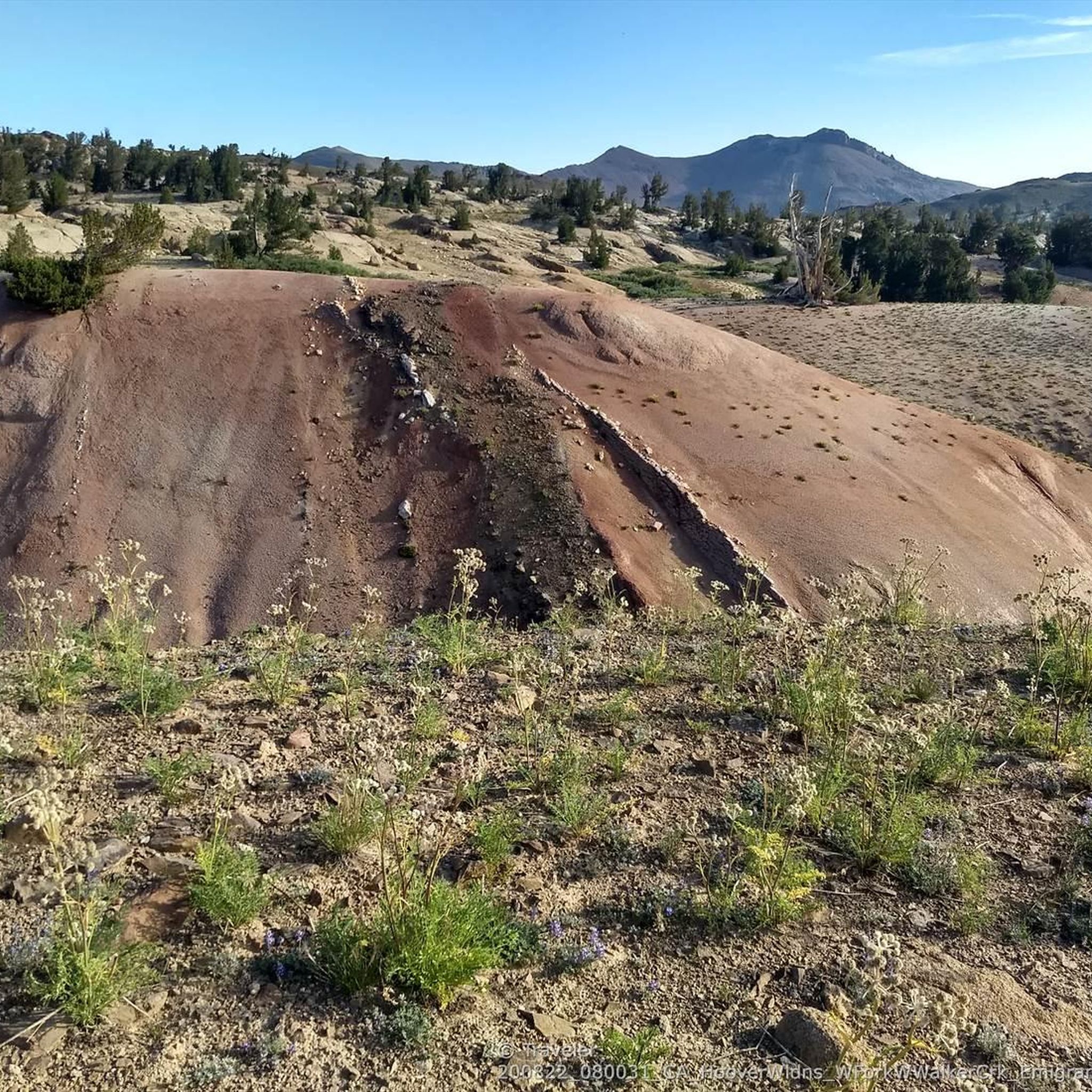
Large open meadow stretching between the PCT and the parallel old pack trail running on the other side, closer along West Walker River.
1
0
Just a short distance off the PCT to the east is a chain of lakes that make for wonderful camp or swim opportunities. For thru-hikers on limited time the river here offers quick access to water if they don't want to enjoy the lakes.
3
0
Frequently Asked Questions
What are some of the most notable natural features and landmarks in Hoover Wilderness?
The Hoover Wilderness is renowned for its rugged alpine environment. Key natural features include the dramatic Matterhorn Peak and the jagged Sawtooth Ridge. Visitors can also explore scenic areas like Lundy Canyon, known for its dramatic landscapes and one of the Eastern Sierra's largest aspen groves, and Green Creek Canyon, a stunning area popular for its vibrant fall colors.
Which alpine lakes are popular destinations in Hoover Wilderness?
The wilderness is dotted with numerous pristine alpine lakes. Popular spots include the Twenty Lakes Basin, accessible from Saddlebag Lake, featuring Greenstone and Conness Lakes. The Virginia Lakes Basin offers a 6.6-mile loop showcasing many lakes, with Blues Lake noted for its morning reflections. Other favorites are Blue Lake, the first along the Green Creek Trail, and Cooney Lake, an alpine lake that appears to almost touch the mountain overlooking it. Barney Lake, with its sandy beach, is also a picturesque spot.
Are there easy hiking trails suitable for beginners or families in Hoover Wilderness?
Yes, there are several easy hiking options. The Green Creek Trail to Blue Lake is an easy hike, set in a wooded area with views of Black Mountain. The Twenty Lakes Basin loop, while 8.4 miles, has minimal elevation gain, making it accessible. Barney Lake is reachable via an easy 4-mile hike from the Twin Lakes trailhead. For more options, you can explore the Easy hikes in Hoover Wilderness guide.
What kind of wildlife can I expect to see in Hoover Wilderness?
The Hoover Wilderness is home to a variety of wildlife. Visitors might encounter marmots, pikas, black bears, coyotes, bobcats, and deer. Occasionally, mountain lions are also sighted. The area's pristine environment provides a habitat for these animals, making wildlife viewing a rewarding experience.
When is the best time to visit Hoover Wilderness for outdoor activities?
The best time to visit Hoover Wilderness for most outdoor activities, especially hiking and backpacking, is typically from late spring through early fall (roughly June to October). During these months, trails are generally free of snow, and the weather is more favorable. Lundy Canyon is particularly stunning in the fall for its vibrant aspen colors.
What cycling opportunities are available in Hoover Wilderness?
The Hoover Wilderness offers various cycling routes for different preferences. You can find options for road cycling, such as routes from Tioga Pass to Olmsted Point, or touring bicycle routes like the Mono Lake loop from Lee Vining. For detailed routes and difficulty levels, refer to the Road Cycling Routes in Hoover Wilderness and Cycling in Hoover Wilderness guides.
Is fishing a popular activity in Hoover Wilderness?
Yes, fishing is a very popular activity in the Hoover Wilderness. Its alpine lakes are regularly stocked with various trout species, including brown, brook, rainbow, and golden trout, making it a prime destination for anglers. Roosevelt Lake and Lane Lake, accessible from Leavitt Meadows, are particularly known for good fishing.
Where can I find water access points along trails in Hoover Wilderness?
For hikers, especially those on longer treks like the Pacific Crest Trail (PCT), convenient water access points are crucial. The Kennedy Canyon creek crossing - PCT water access offers direct water access along the PCT and is also a suitable camp spot. The area near the W Fork W Walker River Bridge - PCT-Upper Long Lake Trail Jct also provides quick access to water for thru-hikers.
Are there opportunities for multi-day backpacking or longer treks in Hoover Wilderness?
Absolutely. The Hoover Wilderness is ideal for multi-day backpacking. Destinations like Peeler Lake, situated at the Sierra crest, are popular for overnight trips, especially when hiking from the Twin Lakes Basin. The wilderness also borders Yosemite National Park, offering opportunities for longer treks that can connect the two areas, such as the Benson Lake Trail.
What should I know about wilderness permits for Hoover Wilderness?
As a designated wilderness area, permits are generally required for overnight stays and sometimes for day use in certain areas, especially during peak season. It's essential to check with the Inyo National Forest or Humboldt-Toiyabe National Forest for the most current regulations regarding wilderness permits, quotas, and reservation procedures before planning your trip.
How does Hoover Wilderness compare to Yosemite for hiking?
While bordering Yosemite National Park, Hoover Wilderness offers a more rugged and untrammeled experience. It provides a pristine alpine environment with fewer crowds compared to Yosemite's more developed areas. Hikers seeking solitude, extensive backcountry, and a focus on natural, untouched landscapes often prefer the Hoover Wilderness, though both offer spectacular scenery.
Are there any unique natural phenomena or features to look out for?
Yes, Lundy Canyon is particularly notable for its dramatic landscapes, active beaver dams, and one of the Eastern Sierra's largest and most vibrant aspen groves, making it a spectacular destination in the fall. Green Creek Canyon also features a beaver pond and stunning fall colors. The Twenty Lakes Basin is a unique collection of alpine lakes in a relatively compact area.
Most popular attractions in Hoover Wilderness

Get inspired with the komoot mobile app


Explore more
Still not found the Highlight you’re looking for? See guides of the top attractions in other regions:
