The best cycling routes in Hoover Wilderness
89
riders
5
rides
Touring cycling in Hoover Wilderness features routes through high-elevation mountain passes, alongside pristine alpine lakes, and across varied terrain. The region is characterized by its dramatic Sierra Nevada landscapes, including granite peaks, glacial valleys, and expansive views. Routes often involve significant elevation changes, providing challenging climbs and rewarding descents. The area offers a mix of paved roads and well-maintained paths suitable for touring bicycles.
Best touring cycling routes in Hoover Wilderness
- The most popular touring cycling route is From Tioga…
Last updated: June 24, 2026
65
riders
55.7km
03:38
800m
800m
Hard bike ride. Very good fitness required. Mostly paved surfaces. Suitable for all skill levels.
1
riders
34.0km
02:37
270m
260m
Moderate bike ride. Good fitness required. Mostly paved surfaces. Suitable for all skill levels.

Sign up for free
36.7km
02:56
610m
610m
Hard bike ride. Very good fitness required. Mostly paved surfaces. Suitable for all skill levels.
20
riders
38.9km
03:00
950m
950m
Hard bike ride. Very good fitness required. Mostly paved surfaces. Suitable for all skill levels.
5
riders
27.2km
02:11
760m
750m
Hard bike ride. Very good fitness required. Mostly paved surfaces. Suitable for all skill levels.
Our route recommendations are based on thousands of hikes, rides, and runs completed by other people on komoot.
Start today with a free account
Your next adventure awaits.
Login or Signup
Popular around Hoover Wilderness
Tips from the Community

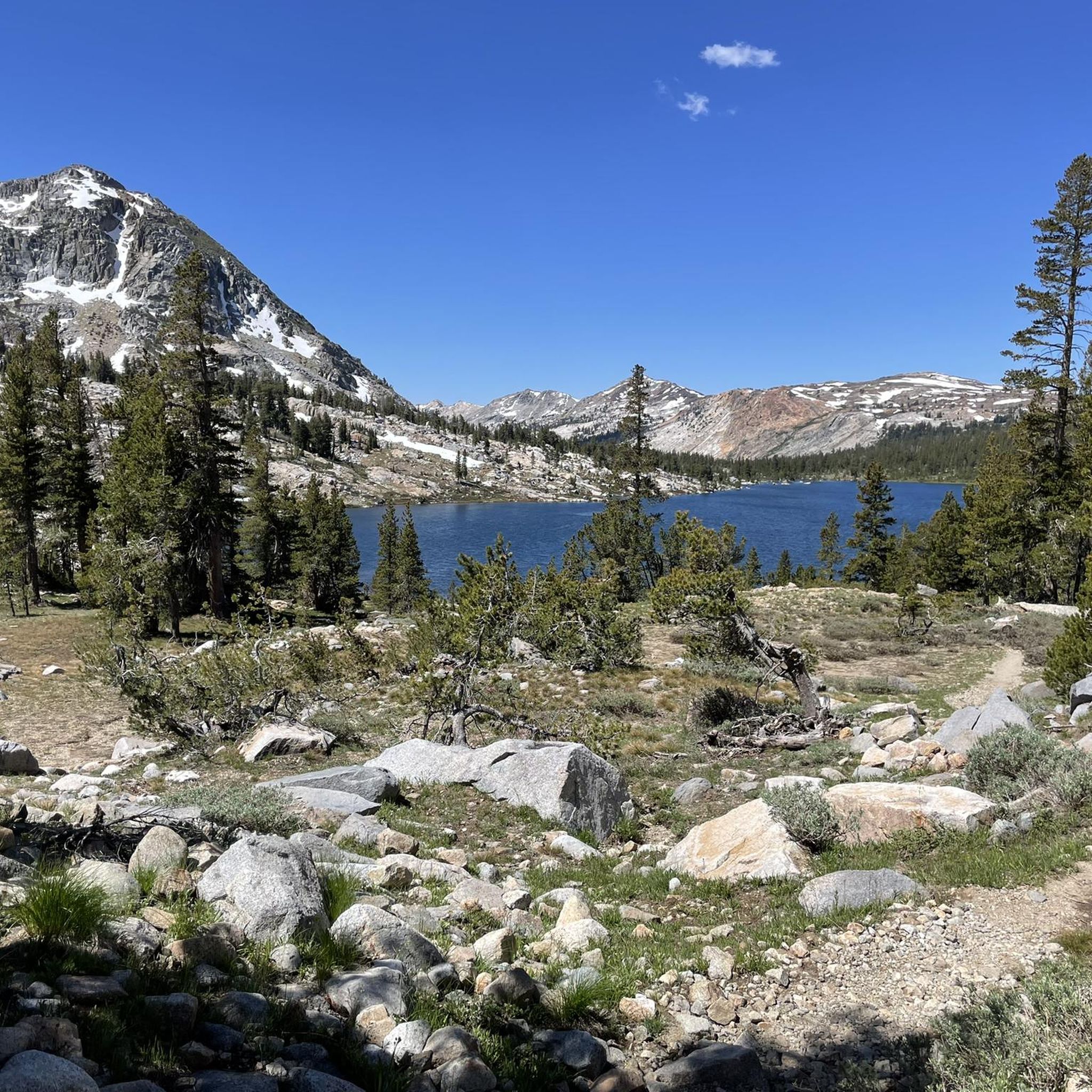
Located just outside of the East Entrance of Yosemite National Park, Ellery Lake is just a beautiful as any scenery you'll find inside the park. In addition to the amazing views there's also a campground with 12 sites and potable water.
0
0

Olmsted Point is a famous viewpoint of the north side of Half Dome, Tenaya Canyon, and Tenaya Lake to the east from Tioga Pass off State Highway 120 in Mariposa County. Olmsted Point is a must-see on the way over Tioga Pass. We admire the "erratic" boulders staggered around the granite slopes. These huge boulders were left behind when the last glacier broke through. Olmsted Point is named after landscape architects Frederick Law Olmsted and Frederick Law Olmsted, Jr. Olmsted was instrumental in protecting Yosemite National Park in the 1860s when he worked with Senator John Conness of California to declare Yosemite Valley and the Mariposa Big Tree Grove as public land under state protection. This was the first land set aside by Congress for public use and laid the foundation for what would become the National Parks.
4
0


At 650 years old, Panum Crater is a fairly young volcanic crater in the Mono Lake Area. A rim trail leads around, the short plug trail directly up to the maw.
0
0
The otherworldly tufa towers of Mono Lake are formed by the mixing of the heavily alkaline lake water with fresh natural spring water, bubbling up from below. The tufas and their surroundings are an important habitat for the 1-2 million birds feed, nest, or rest at Mono Lake each year.
0
0
Lee Vining is the gateway to Yosemite for those entering or exiting the park via Tioga Pass. This small town is well stocked and ready to deal with the hordes of tourists that make the trek to park each year. You'll find great food, interesting souvenirs, and a unique charm that is endemic to the Eastern Sierra.
0
0
Despite its proximity to the ever popular Yosemite National Park, Lundy Lake is usually a quiet escape from the crowds. If you're travelling along 395 and need a spot to rest for the night the nearby campgrounds & Lundy Lake Resort are great options.
0
0
Frequently Asked Questions
How many touring cycling routes are available in Hoover Wilderness?
There are 4 touring cycling routes documented on komoot for the Hoover Wilderness region. These routes offer a range of experiences, primarily featuring challenging climbs and rewarding descents through the Sierra Nevada landscape.
Are there any beginner-friendly touring cycling routes in Hoover Wilderness?
The Hoover Wilderness region is known for its challenging terrain. While most routes are rated difficult, there is one moderate route available: Mono Lake loop from Lee Vining, California. This 21.1-mile loop offers a less strenuous option while still showcasing the unique landscape around Mono Lake.
What options are there for experienced touring cyclists looking for a challenge?
Experienced touring cyclists will find plenty of challenging routes in Hoover Wilderness, characterized by significant elevation changes and high mountain passes. Routes like From Tioga Pass to Olmsted Point and back (34.6 miles, difficult) and Lee Vining to Lundy Lake (22.8 miles, difficult) offer demanding climbs and panoramic views of the high Sierra.
Are there any circular touring cycling routes in Hoover Wilderness?
Yes, there are circular routes available. The Mono Lake loop from Lee Vining, California is a popular 21.1-mile circular route that allows you to experience the unique tufa towers and saline waters of Mono Lake without retracing your path. Another loop option is Ellery Lake – Tioga Lake North overlook loop from Upper Horse Meadow.
When is the best time of year for touring cycling in Hoover Wilderness?
The best time for touring cycling in Hoover Wilderness is typically from late spring to early fall (roughly June through October). During this period, high mountain passes are usually clear of snow, and weather conditions are generally more stable. Always check current road and weather conditions before heading out, as high-elevation areas can experience unpredictable changes.
What kind of scenery can I expect on touring cycling routes in Hoover Wilderness?
Touring cycling in Hoover Wilderness offers dramatic Sierra Nevada landscapes. You can expect to ride through high-elevation mountain passes, alongside pristine alpine lakes, and past granite peaks and glacial valleys. Routes often provide expansive views, such as those found on the From Tioga Pass to Olmsted Point and back route.
Are there any notable landmarks or natural attractions along the cycling routes?
Yes, the Hoover Wilderness and surrounding areas are rich in natural beauty. Along or near the routes, you can find stunning alpine lakes like Blue Lake and Cooney Lake. The Mono Lake loop specifically takes you through the unique landscape surrounding Mono Lake, famous for its tufa formations.
What do other touring cyclists enjoy most about Hoover Wilderness?
The Hoover Wilderness is appreciated by the komoot community for its dramatic mountain scenery and challenging rides. Over 80 touring cyclists have used komoot to explore the varied terrain, often praising the panoramic views, pristine alpine lakes, and the sense of accomplishment from tackling the significant elevation changes.
Are there any multi-day touring cycling options in the Hoover Wilderness?
While individual routes listed are typically day trips, the challenging nature and interconnectedness of roads in the Sierra Nevada allow for multi-day touring. You could combine routes like Toulumne Meadows to Saddlebag Lake with other local roads to create longer adventures, requiring careful planning for accommodation and supplies in this remote region.
What should I know about permits for cycling in Hoover Wilderness?
While general road cycling typically doesn't require permits, specific areas within or adjacent to the Hoover Wilderness, especially those entering Yosemite National Park (like Tioga Pass), may have entrance fees or require reservations during peak seasons. Always check the official websites for Yosemite National Park or the Inyo National Forest for the latest permit and access requirements before your trip.
Is parking available near the touring cycling routes?
Parking is generally available at trailheads or designated areas near the start points of many routes, such as in Lee Vining for the Mono Lake loop or near Tioga Pass. However, during peak season, these areas can fill up quickly. It's advisable to arrive early, especially for popular routes, and always adhere to posted parking regulations.
Can I expect to see wildlife while cycling in Hoover Wilderness?
The Hoover Wilderness is home to diverse wildlife. While cycling, you might encounter deer, marmots, and various bird species. Keep an eye out, especially in quieter sections of the routes. Remember to maintain a respectful distance and never feed wild animals.
Most popular attractions in Hoover Wilderness

Get inspired with the komoot mobile app


Explore more
Browse the best Cycling routes in other regions.
