Top 15 Castles around Weikersdorf am Steinfelde
Best castles around Weikersdorf am Steinfelde are found within the Wiener Neustadt-Land district, offering a blend of historical significance and scenic viewpoints. The region, including areas like Piestingtal and the Hohe Wand nature park, features diverse terrain suitable for walking routes and hiking. These landmarks near Weikersdorf am Steinfelde provide insights into Lower Austria's past, set against a natural landscape.
Best castles around Weikersdorf am Steinfelde
- The most popular castles is Eichbüchl Castle, a historical site that is a…
Last updated: October 11, 2026
Theresian Military Academy, Wiener Neustadt
Highlight • Castle
Translated by Google •
Tip by

Eichbüchl Castle
Highlight • Castle
Translated by Google •
Tip by

Sign up now to discover places like this
Get recommendations on the best single tracks, peaks, & plenty of other exciting outdoor places.
Emmerberg Castle Ruins
Highlight • Castle
Around …
Translated by Google •
Tip by
Linsberg Castle
Highlight • Castle
Translated by Google •
Tip by

Mountain Church and Cave Church Pitten
Highlight • Religious Site
Translated by Google •
Tip by

Sign up for free to discover even more castles around Weikersdorf am Steinfelde.
Already have an account?
Start today with a free account
Your next adventure awaits.
Popular around Weikersdorf am Steinfelde
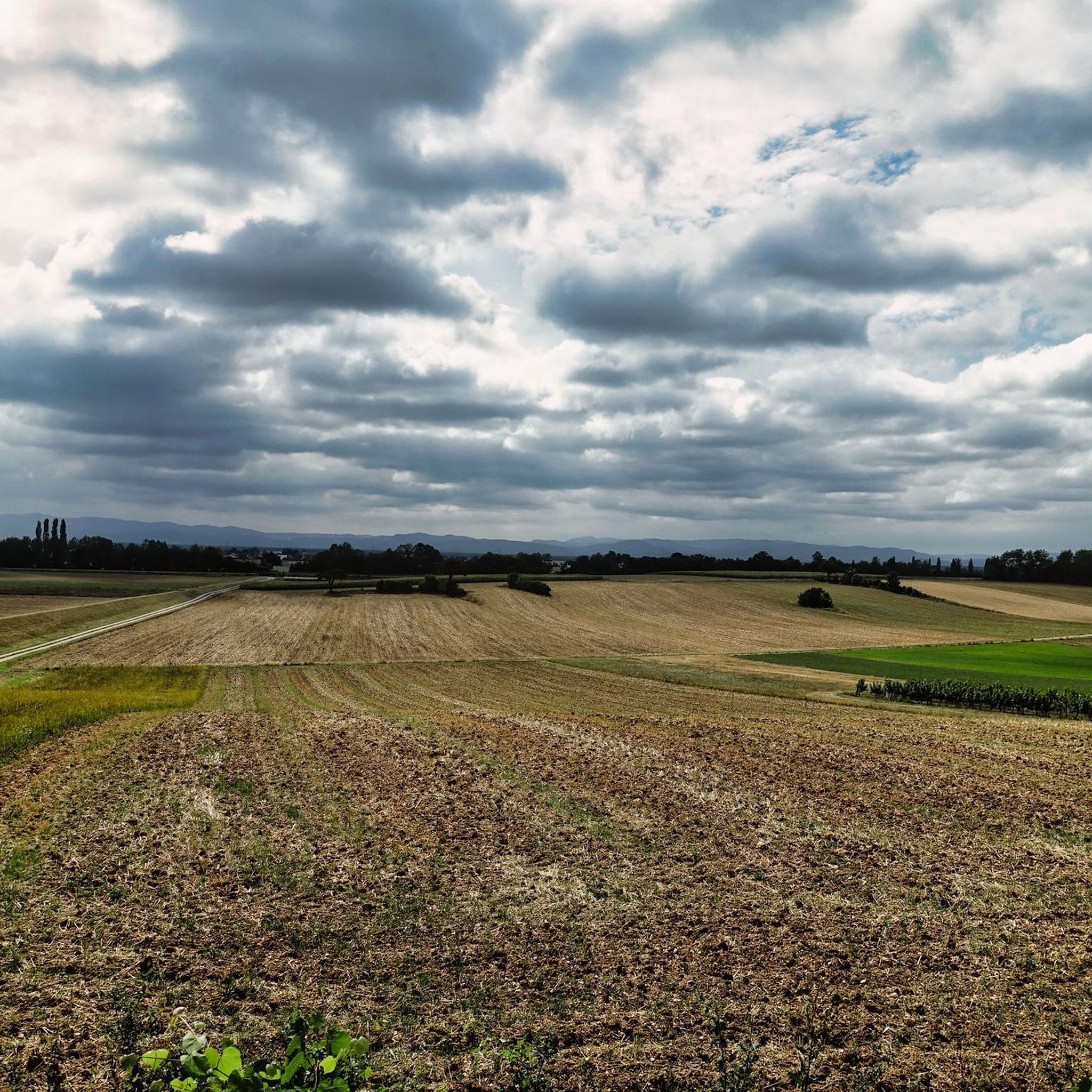
Road Cycling Routes around Weikersdorf am Steinfelde
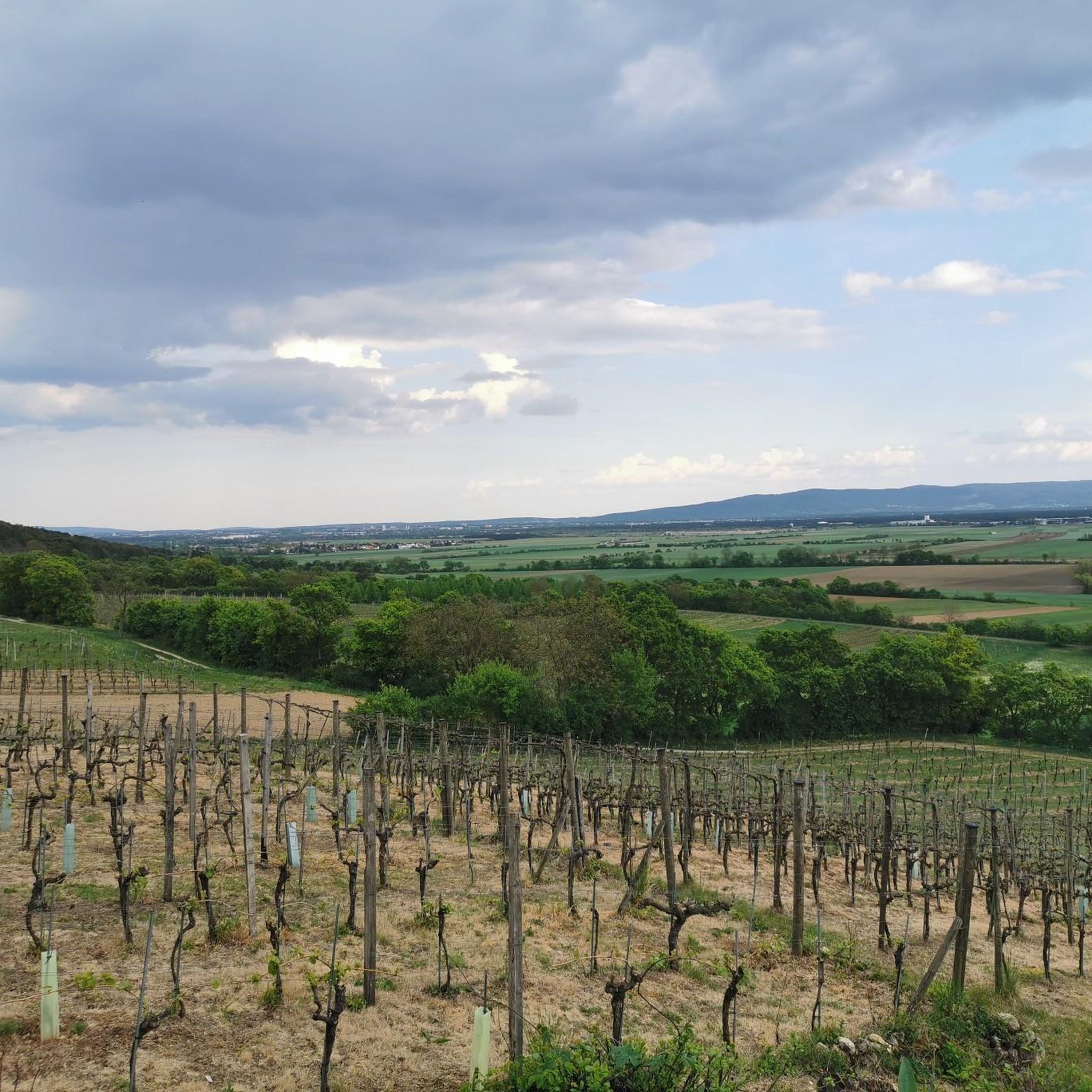
Hiking around Weikersdorf am Steinfelde
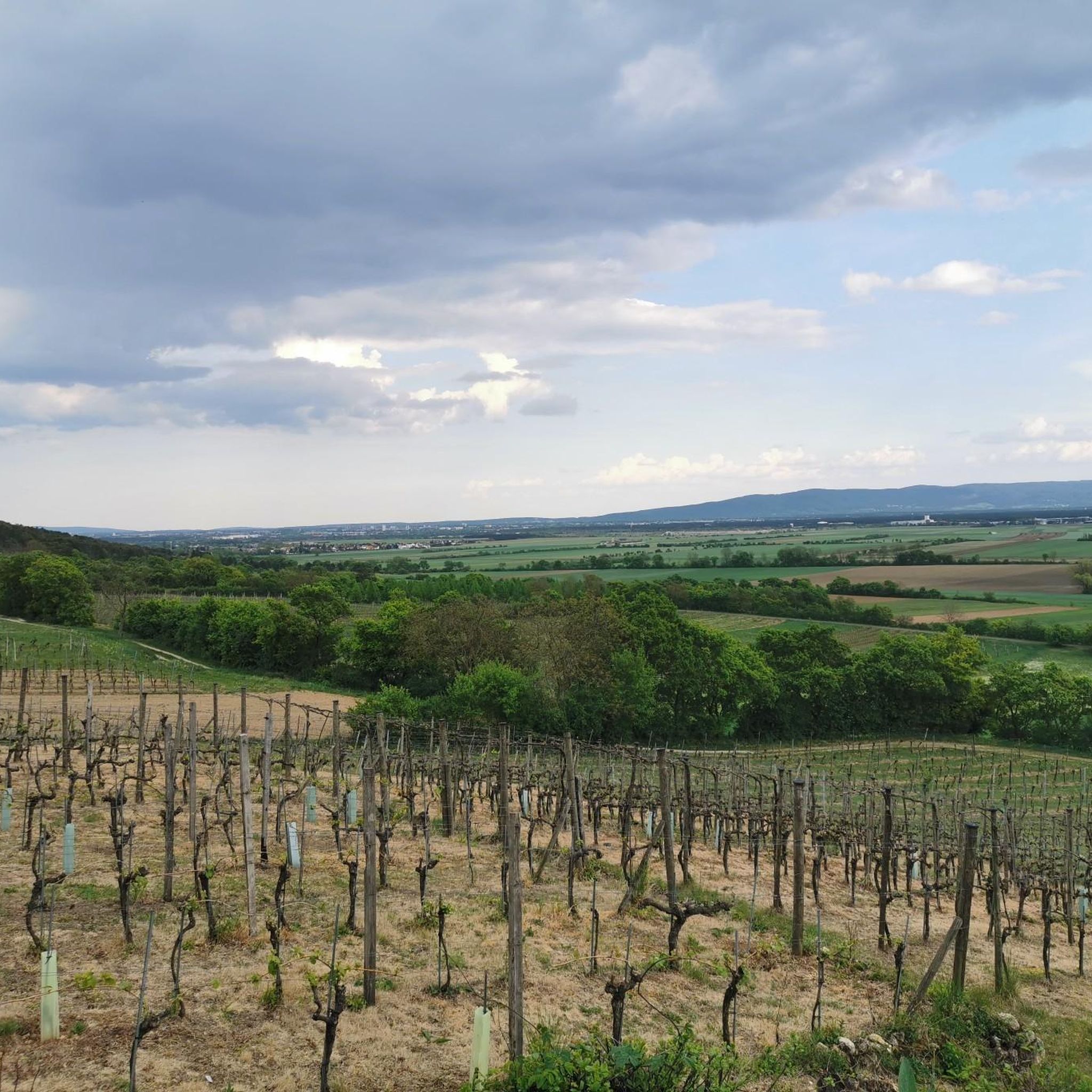
MTB Trails around Weikersdorf am Steinfelde
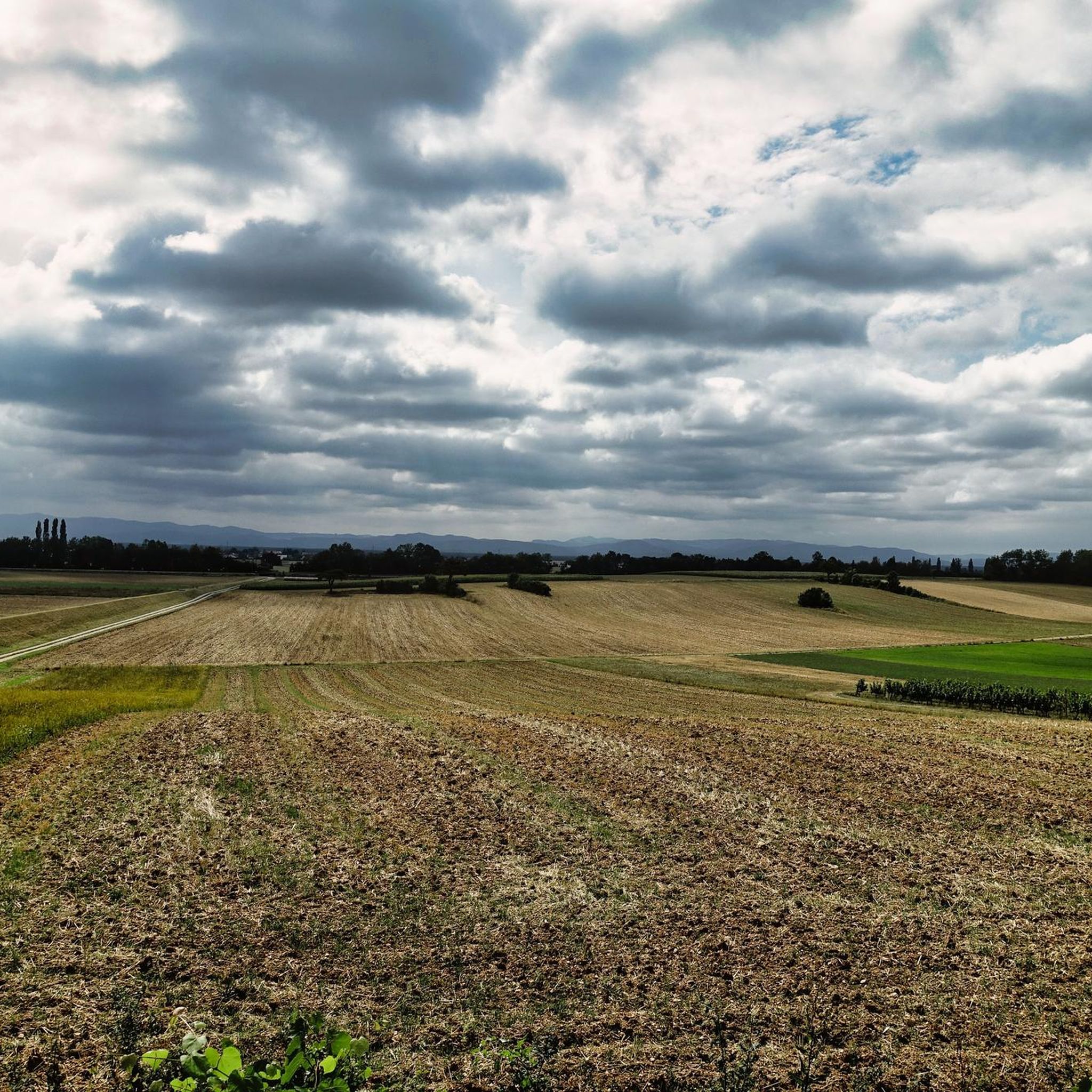
Running Trails around Weikersdorf am Steinfelde
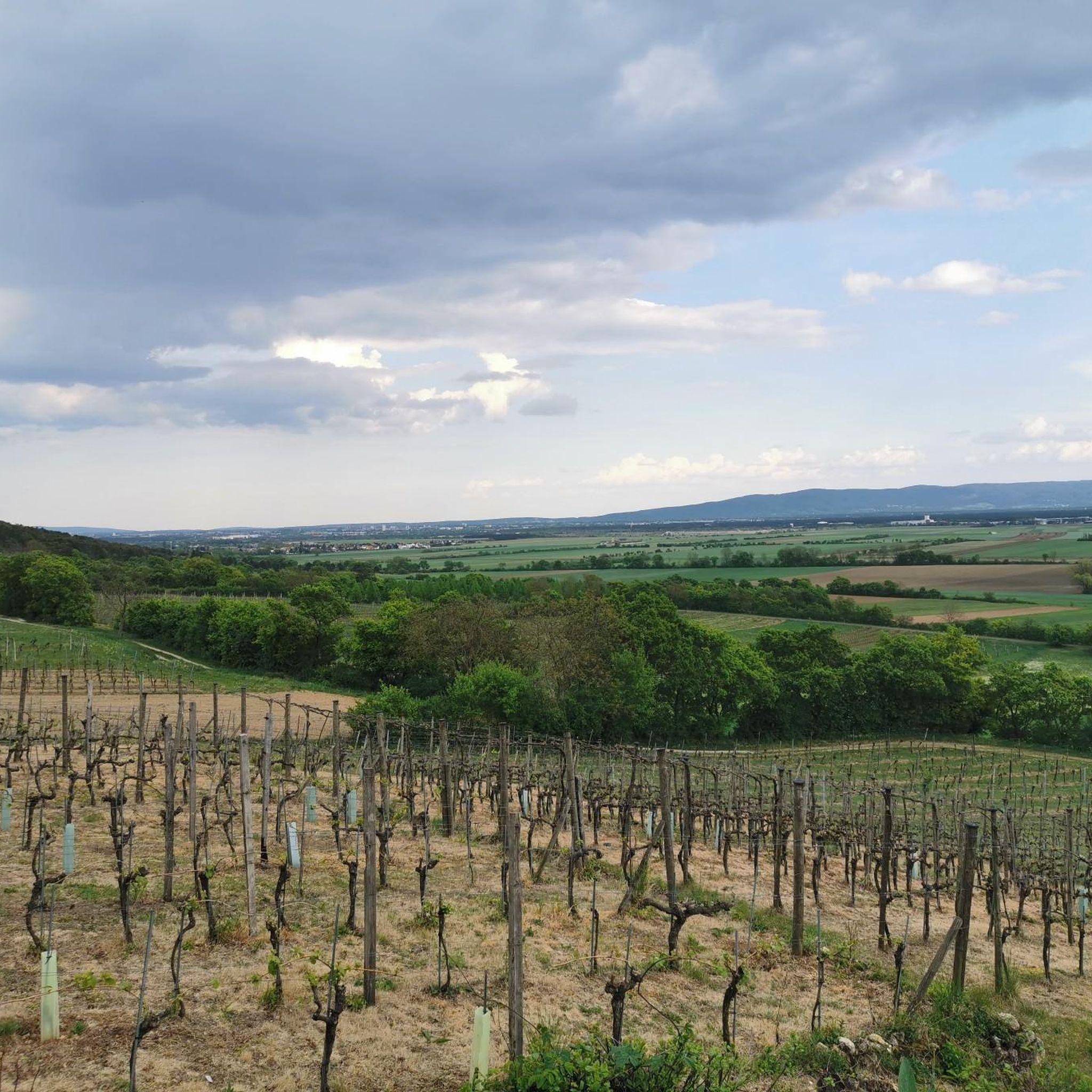
Cycling around Weikersdorf am Steinfelde
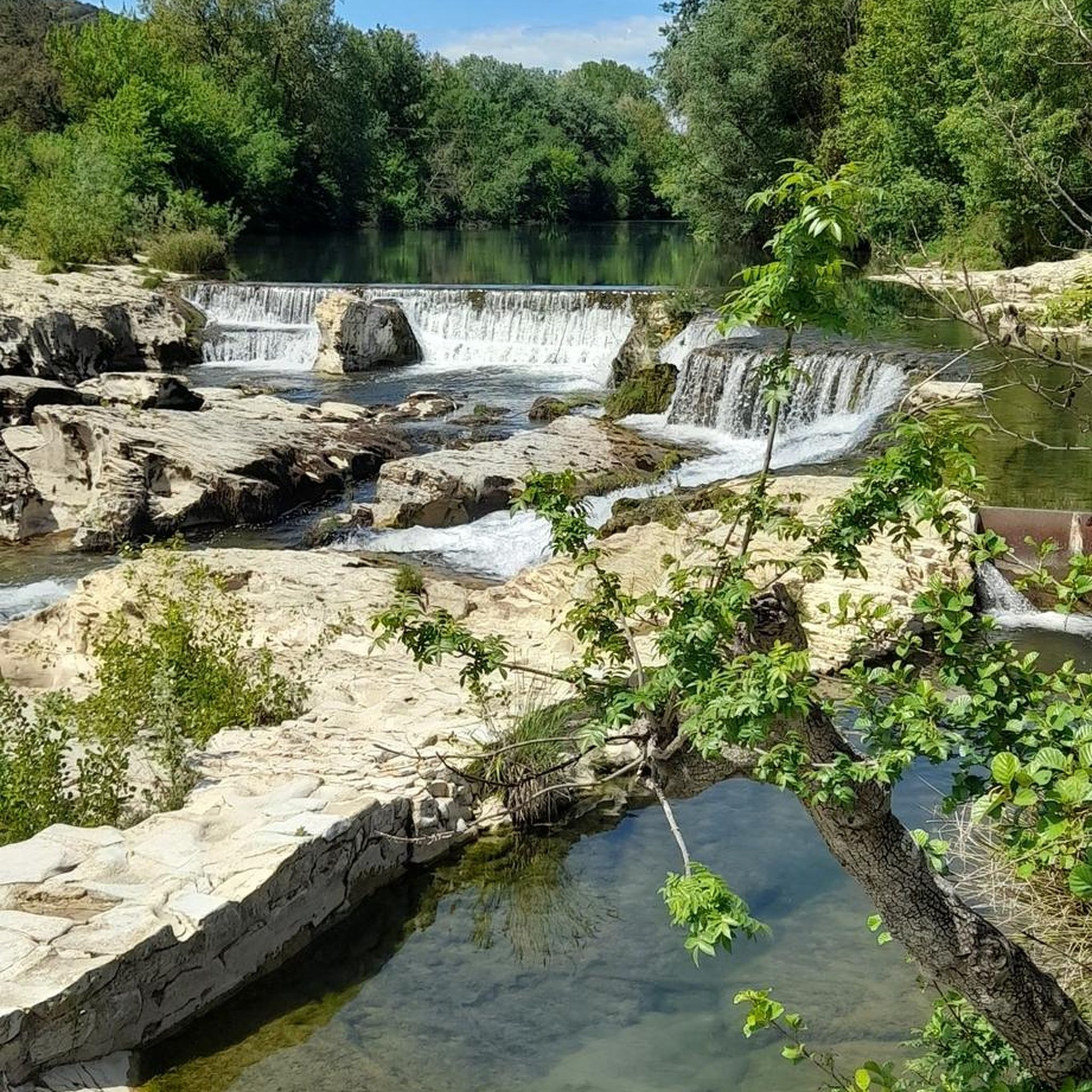
Mountain Hikes around Weikersdorf am Steinfelde
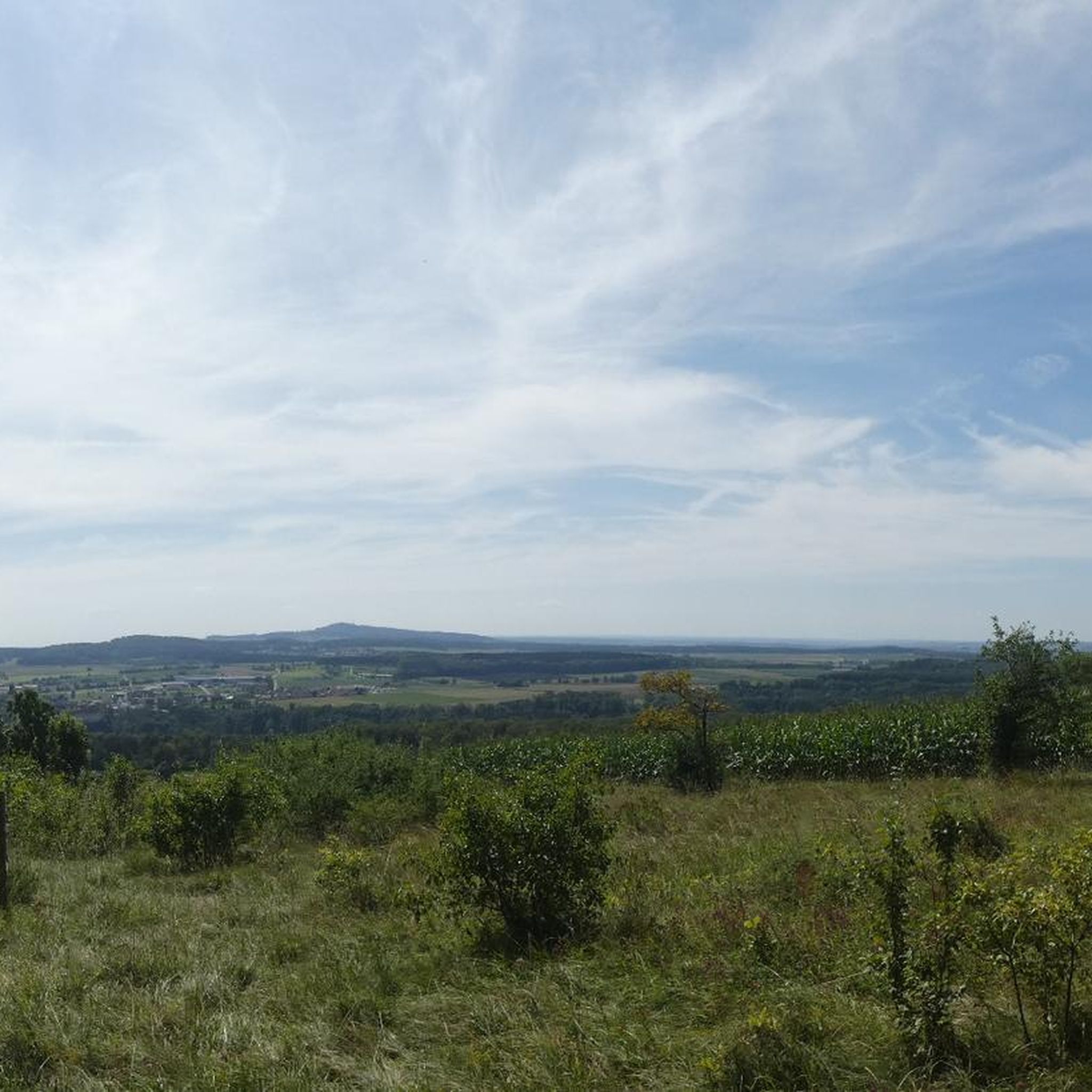
Gravel biking around Weikersdorf am Steinfelde
Tips from the Community

Founded in 1751 by Empress Maria Theresa, the educational institution is considered the world's oldest military academy still used for its original purpose. The historic Wiener Neustadt Castle, which previously served as the imperial residence of Frederick III and Maximilian I, among others, serves as the central campus. Today, the traditional institution, as part of the Austrian Armed Forces, is primarily dedicated to the in-depth training and further education of leaders and troop officers.
2
0
The Emmerberg castle ruins are a high medieval cliff castle in the market town of Winzendorf-Muthmannsdorf, which was first documented around 1170 and once served as an important fortification point on the northern border of the Carantanian March to guard the Prosset gorge. After more than six hundred years of use, the castle was abandoned at the end of the 18th century, after which the covering of the roofs to save building tax, as well as stone robbery, initiated its decay into ruins. Today, the facility, threatened by collapses, is privately owned and may not be entered for safety reasons.
2
0

Schloss Eichbüchl (Aichbüchl) was probably built in the 14th century by the Lords of Vierdung. According to other sources in Wiener Neustadt, it was supposedly only built between 1558 and 1566. It is possible that a first castle was destroyed during the First Turkish Siege in 1529 and that the current castle was rebuilt slightly off to the side.
1
0
A church below the castle ("sub castello") is first mentioned from 1000 AD onwards and is likely to be one of the oldest Christian places of worship in the region. The rock cave behind the mountain church is dedicated to Saints Peter and Paul.
1
0
The castle was built about 50 years after the founding of the city in 1192 as a military base for the last Babenberg, Frederick II the Quarrelsome. Over the centuries, it was continuously expanded and used for new purposes. Emperor Frederick III had the castle fundamentally rebuilt, giving it its present appearance for the most part. For Emperor Frederick III and his son Maximilian I, Wiener Neustadt was an important imperial residence. Emperor Maximilian I was born and baptized in the castle in Wiener Neustadt and spent his youth years here. From here, the Holy Roman Empire was expanded. It reached such great dimensions that "the sun never set". After the death of Maximilian I.
2
0

The Emmerberg Castle ruins are located on a ridge near the Prosset Gorge and are among the historic fortresses of Lower Austria. First mentioned around 1170, they served as an important defensive point on what was then the northern border of the Carantanian March. Although they were never militarily tested, they were inhabited until 1760 before they began to decay – triggered by the sale of the roof structure. Although the ruins are now inaccessible for safety reasons, their imposing remains and picturesque location make them a fascinating sight.
4
0

The castle's history dates back to the 14th century, but it is shaped by the fateful days of April 1945. Commissioned by Stalin, Dr. Karl Renner spent twelve busy days at Eichbüchl Castle developing the basic structures of the Second Republic. At the same time, he prepared the formation of a provisional government, and as its Chancellor, he finally announced Austria's declaration of independence in Vienna on April 27, 1945. Eichbüchl Castle thus found its indelible place in the history books as the birthplace of the Second Republic. More on the history: https://de.wikipedia.org/wiki/Schloss_Eichb%C3%BCchl
0
1
The complex is a medieval foundation that was expanded in the 15th and 16th centuries. In the first half of the 18th century, it was in poor structural condition. Its then owner, a court master of the Bishop of Wiener Neustadt, had it repaired and converted into a castle. He also gave it a uniform, baroque appearance. In the 19th century, various changes in the historicist style followed on both the main house and the complex of outbuildings. The castle and the associated castle park are privately owned. More on the history: https://de.wikipedia.org/wiki/Schloss_Linsberg
0
0
Frequently Asked Questions
What is the historical significance of castles in the Weikersdorf am Steinfelde region?
The castles around Weikersdorf am Steinfelde offer a rich tapestry of history, ranging from medieval defensive structures to imperial residences and cultural centers. They played roles in border fortifications, military education, and even significant national events. For example, Eichbüchl Castle is famously referred to as the birthplace of the Republic of Austria, while the Theresian Military Academy in Wiener Neustadt is the world's oldest military academy, housed in a historic castle.
Are there any castles with unique architectural features or historical roles?
Yes, several castles stand out. The Theresian Military Academy in Wiener Neustadt, for instance, features an ornate Wappenwand (coat of arms wall) and the imposing St. George's Cathedral. Schloss Fischau, though not a komoot highlight, is a 12th-century castle with Baroque renovations that now serves as a vibrant cultural center, hosting art exhibitions and musical events. Eichbüchl Castle is notable for its role in the re-establishment of the Second Republic of Austria.
Can I visit a military academy in the area?
Yes, the Theresian Military Academy in Wiener Neustadt offers guided tours. This allows visitors a rare glimpse behind the historic walls of the world's oldest military academy, where you can learn about Austrian military education and the notable figures who influenced the castle.
Are there any castle ruins to explore for history enthusiasts?
Absolutely. The Emmerberg Castle Ruins are the remains of a medieval mountain castle located on a ridge near the Prosset Gorge. First mentioned around 1170, these ruins offer insights into a sturdy defensive structure and provide views over the "Neue Welt" region. While access to some areas may be restricted due to falling rocks, the site remains a fascinating destination for those interested in medieval history and scenic views.
What kind of outdoor activities can I do near the castles around Weikersdorf am Steinfelde?
The region around Weikersdorf am Steinfelde offers diverse terrain for outdoor activities. You can find numerous road cycling routes, mountain hikes, and running trails. For example, there are road cycling routes like the 'Stixenstein Castle – Puchberg am Schneeberg loop' and mountain hikes such as the 'Kohlröserlhaus – Leiterlsteig (Hohe Wand Nature Park) loop'. You can explore more options on the Castles around Weikersdorf am Steinfelde guide page.
Are there good viewpoints or scenic spots near the castles?
Yes, several castles and nearby sites offer excellent views. The Emmerberg Castle Ruins provide scenic views over the "Neue Welt" region and part of the Steinfeld. Additionally, the Mountain Church and Cave Church Pitten, located on the Schlossberg high above Pitten, offer spectacular panoramic views over Hohe Wand, Schneeberg, Rax, Semmering, and Hochwechsel.
Are there hiking trails that connect to castles in the region?
Many hiking trails in the region allow you to explore the natural landscape while visiting historical sites. While specific trails directly connecting *to* every castle aren't detailed, the Mountain Hikes around Weikersdorf am Steinfelde guide offers routes like the 'Piestinger Cross – Drobilsteig loop' that immerse you in the surrounding nature, often with views of or proximity to historical landmarks. The Emmerberg Castle Ruins are particularly popular with hikers.
Are there family-friendly castles to visit around Weikersdorf am Steinfelde?
The Theresian Military Academy in Wiener Neustadt is listed as family-friendly and offers guided tours that can be engaging for older children interested in history. Schloss Fischau, with its cultural programs and serene park, also provides a pleasant environment for families. When planning, consider the specific interests and ages of your family members.
What is the best time of year to visit the castles in this region?
The region's castles can be enjoyed throughout the year, but spring and autumn often offer the most pleasant weather for exploring, especially for outdoor activities like hiking to ruins. During these seasons, the natural surroundings are particularly beautiful. Summer provides longer daylight hours for extensive visits, while winter can offer a unique, serene atmosphere, though some outdoor access might be limited.
Are there any castles that are privately owned and not accessible to the public?
Yes, some castles in the region are privately owned. For example, Linsberg Castle is a baroque palace complex that is privately owned, and its associated castle park is not accessible to the public. However, it can still be admired from the street, offering a glimpse of its historical architecture.
What do visitors enjoy most about the castles around Weikersdorf am Steinfelde?
Visitors frequently appreciate the blend of historical significance and scenic beauty. The opportunity to delve into Austrian history, from medieval fortifications to sites of national importance, is a major draw. Many also enjoy the integration of these historical sites with outdoor activities, such as hiking to castle ruins or cycling past historic structures, often accompanied by spectacular views of the surrounding landscape.
Is there a castle that functions as a cultural center?
Yes, Schloss Fischau, located in Bad Fischau very close to Weikersdorf am Steinfelde, has been partially renovated and now serves as a vibrant cultural center. It hosts a year-round program of exhibitions, musical events, readings, seminars, and workshops, making it ideal for those interested in art and culture within a historical setting. More information can be found on Wikipedia.
Most popular routes around Weikersdorf am Steinfelde
Most popular attractions around Weikersdorf am Steinfelde

Get inspired with the komoot mobile app


Explore more
Looking for the best castles somewhere else? Discover other guides around Weikersdorf am Steinfelde:
