Attractions and Places To See in India - Top 20
Best attractions and places to see in India include a diverse range of ancient landmarks, significant cultural sites, and varied natural landscapes. The country features vast mountain ranges like the Himalayas, extensive coastlines, and arid deserts. India's rich history is reflected in its numerous forts, palaces, and religious structures, alongside its unique natural features such as salt deserts and mangrove forests. This combination offers a wide array of exploration opportunities for visitors.
Best attractions and places to see in India
…Last updated: October 17, 2026
Taj Mahal
Highlight • Monument
It was commissioned in 1632 …
Tip by

Amer Fort
Highlight • Castle
Built in1592
Built by Raja Man singh
Materials = Sand Stone and Marble
Tip by
Sign up now to discover places like this
Get recommendations on the best single tracks, peaks, & plenty of other exciting outdoor places.
Humayun's Tomb
Highlight • Historical Site
Tip by

City Palace Udaipur
Highlight • Historical Site
Translated by Google •
Tip by

Hawa Mahal (Palace of Winds) Street Facade
Highlight • Monument
Translated by Google •
Tip by

Jagdish Temple
Highlight • Religious Site
Translated by Google •
Tip by

Jama Masjid
Highlight • Religious Site
Translated by Google •
Tip by

Mehrangarh Fort
Highlight • Historical Site
Translated by Google •
Tip by
Qutb Minar Complex
Highlight • Historical Site
Translated by Google •
Tip by

Red Fort
Highlight • Historical Site
Inside the fortress there …
Translated by Google •
Tip by
Sign up for free to discover even more attractions in India.
Already have an account?
Start today with a free account
Your next adventure awaits.
Popular around India
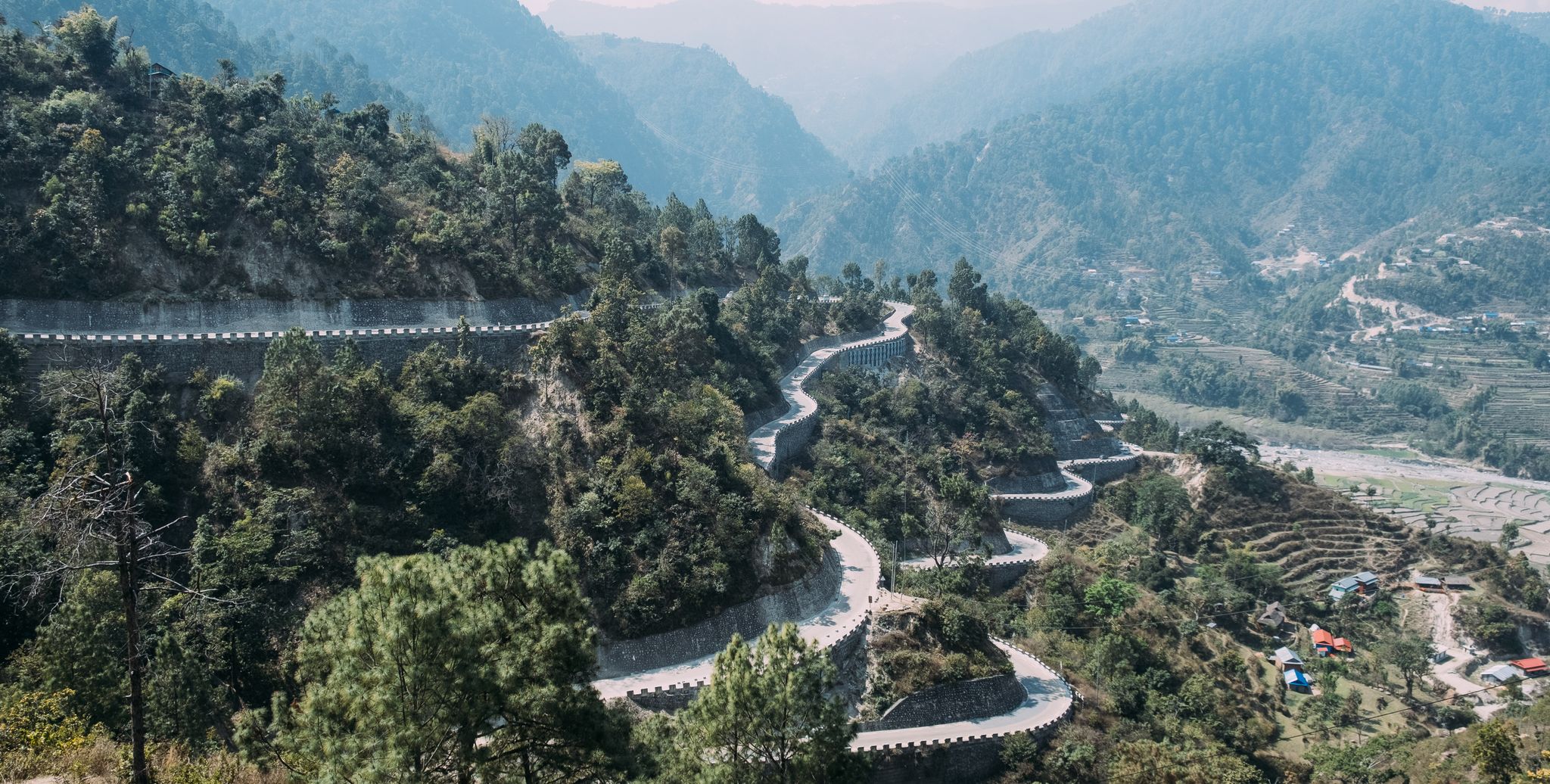
An unforeseen incredible journey – cycling from India to Nepal
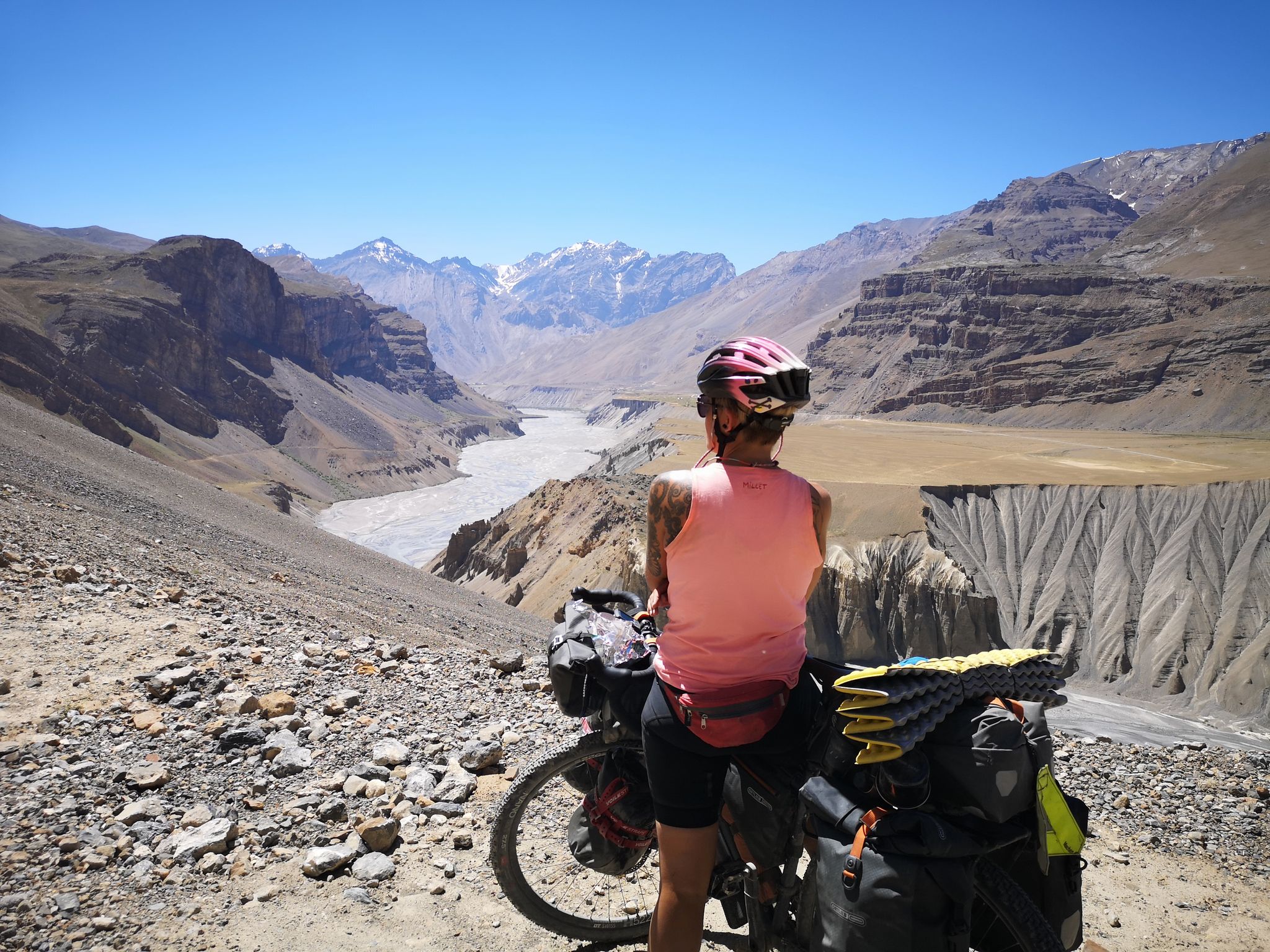
The Spiti Valley – Bikepacking in India
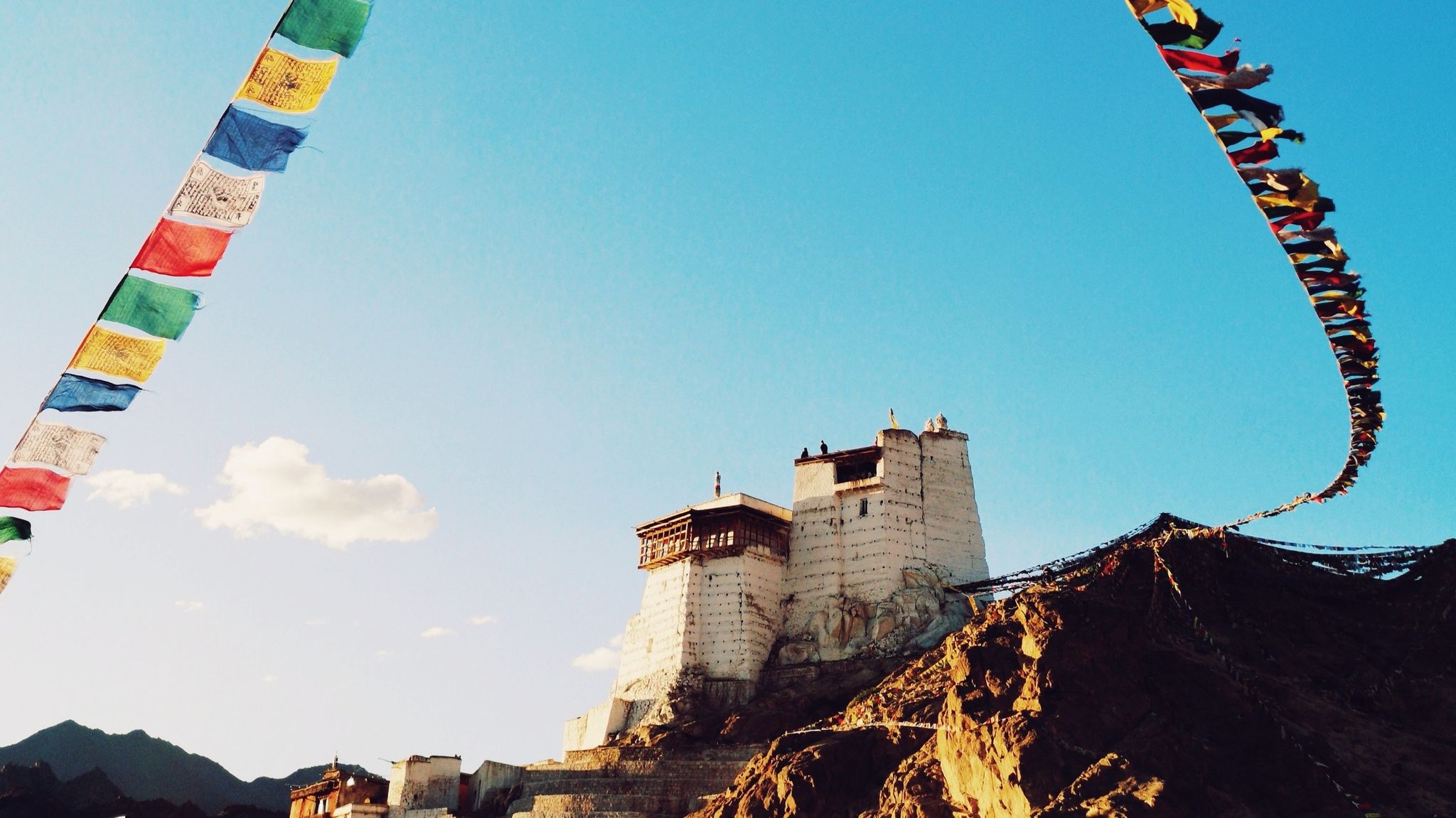
The Leh-Manali Highway – Cycling India

Discover India – an MTB adventure with Steffi Marth

India – Darjeeling: Riding between tea gardens, India & Nepal
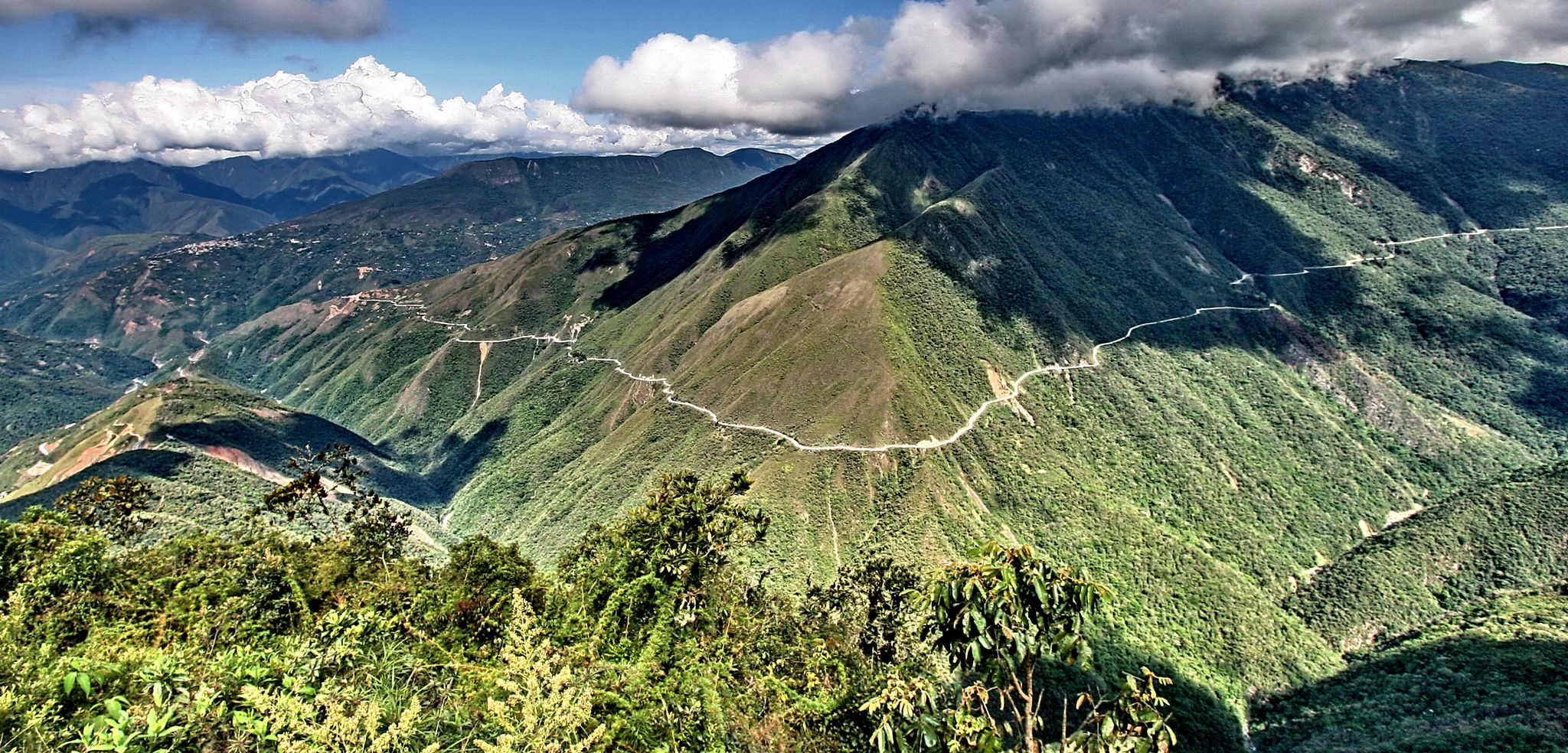
The world's most adventurous cycling passes
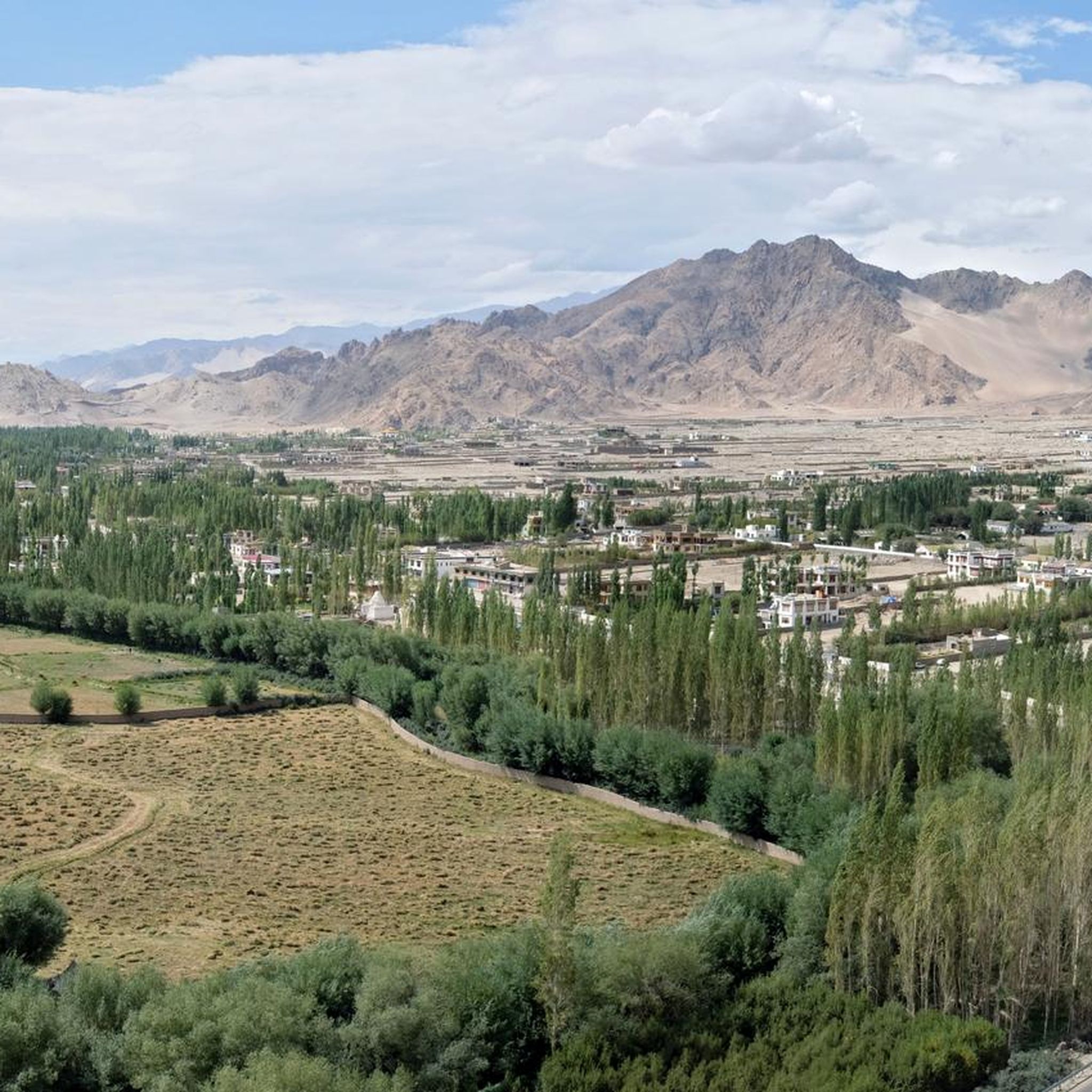
Running Trails in India
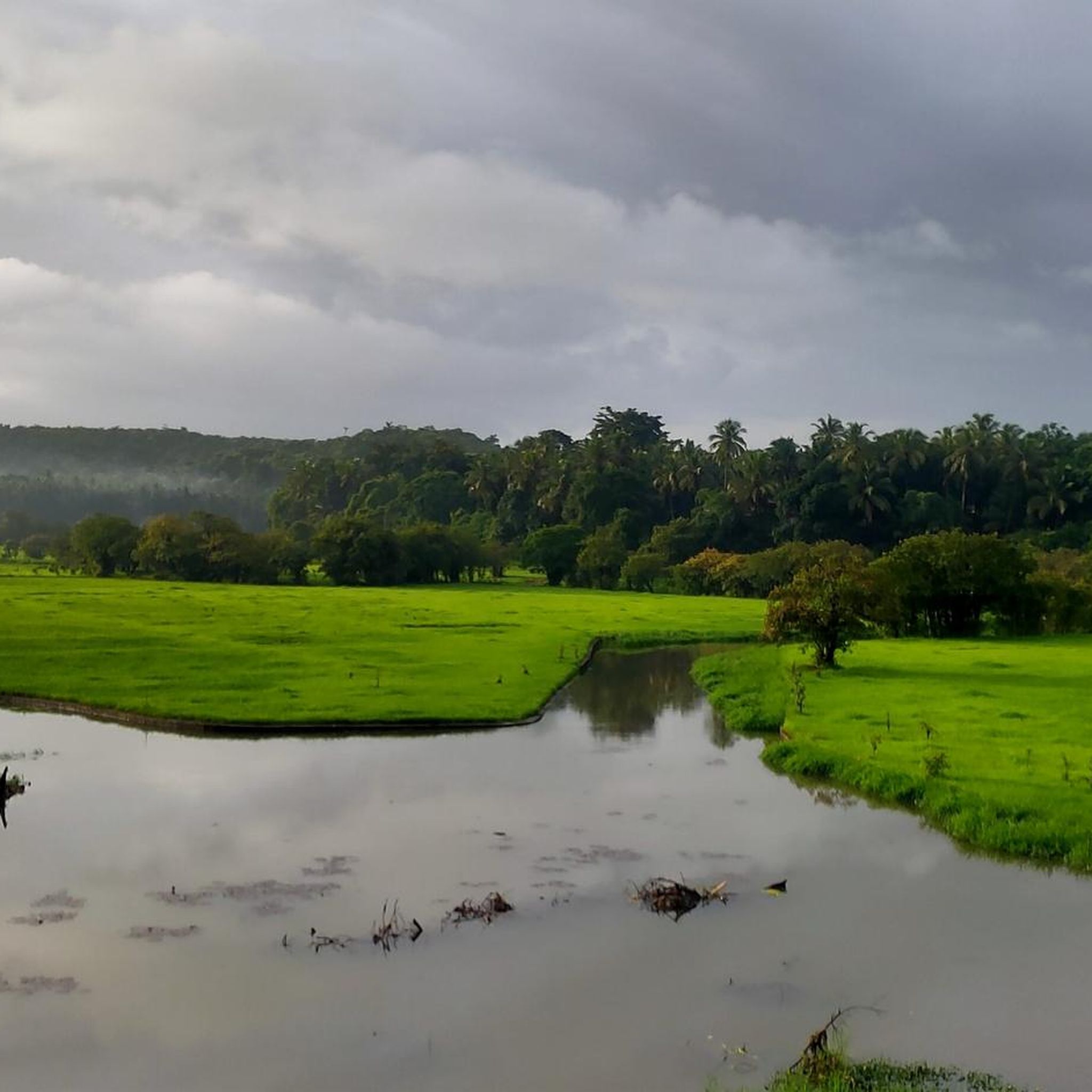
Hiking in India
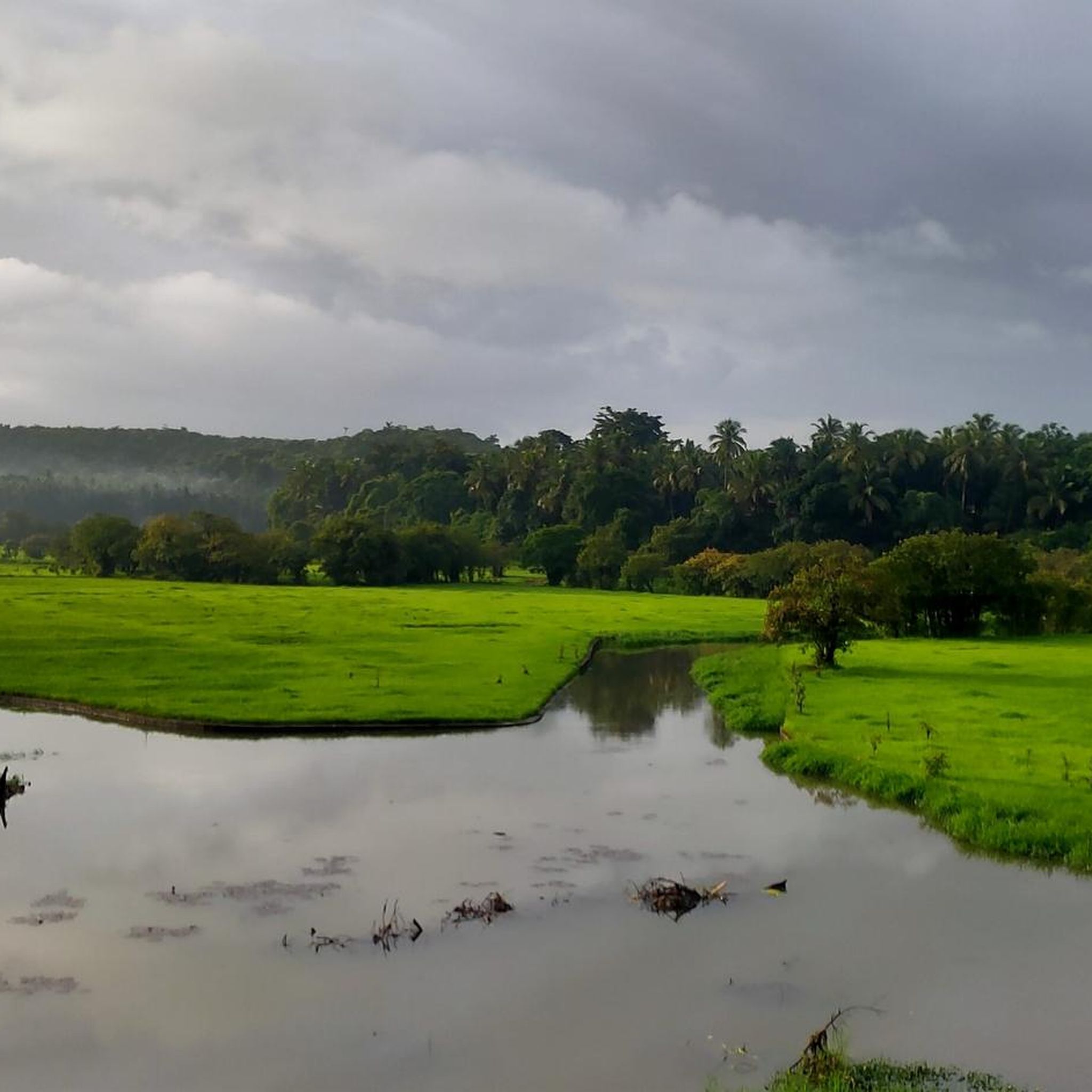
Road Cycling Routes in India
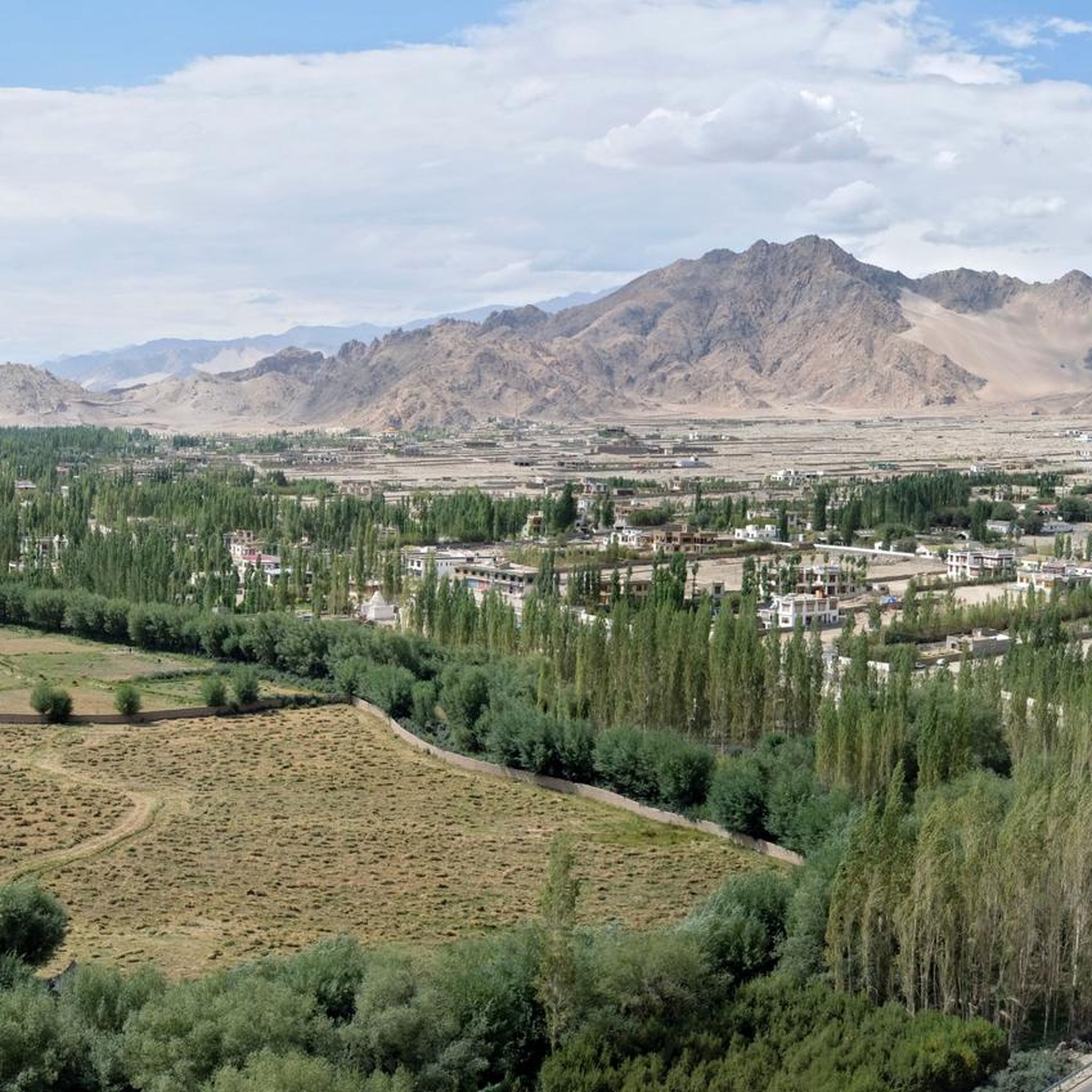
Cycling in India
Other adventures in India


Tips from the Community

You inevitably pass by here when exploring the city 😃
0
0

Built in the early 13th century a few kilometers south of Delhi, the red sandstone Qutb Minar stands 72.5 meters tall, tapering from a diameter of 2.75 meters at the top to 14.32 meters at the base. It features alternating angular and rounded fluting. The surrounding archaeological area includes tombs, among them the magnificent Alai Darwaza Gate, a masterpiece of Indo-Muslim art (built in 1311), and two mosques, including the Quwwatu'l-Islam Mosque, the oldest mosque in North India, constructed from reused materials from some 20 Brahmin temples. Source: https://whc.unesco.org/en/list/233/
3
0
Humayun's Tomb in Delhi, India, is the tomb of Nasiruddin Muhammad Humayun (1508–1556), the second ruler of the Mughal Empire of India after Babur; he reigned from 1530 to 1540 and again from 1555 to 1556. The complex has been a UNESCO World Heritage Site since 1993. Source: https://de.wikipedia.org/wiki/Humayun-Mausoleum
1
0
The Jama Masjid (also Jami Masjid; Urdu: جامع مسجد, in Devanagari: जामा मस्जिद, "Friday Mosque") in Delhi is the largest mosque in India and one of the largest in the Islamic world. The mosque is located on a hill, reaching up to 9 meters in height in places, in the center of Shahjahanabad, a district of Delhi named after the Mughal emperor Shah Jahan. It is only about 400 meters from the Red Fort. Construction took place at the behest of Shah Jahan between 1650 and 1656 (according to other sources, between 1644 and 1658) under the supervision of Allami Said Khan and Fazl Khan; approximately 5,000 craftsmen were involved in its construction. Source: https://de.wikipedia.org/wiki/Jama_Masjid_(Delhi)
0
0
Not far from the gardens of the Taj Mahal rises the important 16th-century Mughal monument, the Red Fort of Agra. This imposing fortress, built of red sandstone, encloses the former imperial city of the Mughal rulers within its 2.5 km long walls. It houses numerous magnificent palaces, such as the Jahangir Palace and the Khas Mahal, built by Shah Jahan, audience halls like the Diwan-i-Khas, and two beautiful mosques. Source: https://whc.unesco.org/en/list/251/
2
0


Humayun's Tomb grieving widow Hamida Banu Begum built the tomb of Emperor Humayun. Built before the Taj Mahal, this mausoleum stands on a 120 square meter platform and is 47 meters high. The mausoleum is the earliest example of Persian influence in Indian architecture and contains over 100 tombs of the Mughal family, earning it the name "Dormitory of the Mughals". This is an early example of red stone and white marble being used in such large quantities. Small umbrellas on the roof were covered with shiny blue tiles and the copper stupa on the white marble dome itself is 6 meters high.
0
0

Frequently Asked Questions
What are some significant historical sites to visit in India?
India is rich in history, offering numerous significant historical sites. Beyond the iconic Taj Mahal, you can explore Humayun's Tomb in Delhi, considered a precursor to the Taj Mahal. Jaipur features the impressive Amer Fort, a blend of red and white sandstone. Other notable sites include the Qutb Minar Complex and Red Fort in Delhi, Mehrangarh Fort in Jodhpur, and the grand City Palace Udaipur.
Are there family-friendly attractions in India?
Yes, many attractions in India are suitable for families. The Taj Mahal, Humayun's Tomb, Hawa Mahal, Qutb Minar Complex, Jama Masjid, and Red Fort are all categorized as family-friendly. These sites often offer spacious grounds for exploration and engaging historical narratives that can captivate visitors of all ages.
What kind of natural features can I explore in India?
India boasts a diverse range of natural features. You can find the majestic Himalayas in the north, offering snow-capped peaks and valleys like Zanskar. The country also has extensive coastlines, vast deserts such as the Thar Desert, and unique landscapes like the Rann of Kutch, one of the world's largest salt deserts. The Sundarbans Mangrove Forest in West Bengal is another significant natural reserve, home to diverse wildlife.
What are some notable architectural marvels in India, besides the Taj Mahal?
Beyond the Taj Mahal, India is home to many architectural wonders. The Hawa Mahal, or 'Palace of Winds,' in Jaipur, with its distinctive facade of 953 windows, is a prime example. Humayun's Tomb in Delhi showcases early Mughal architecture. The Amer Fort in Jaipur and City Palace Udaipur are also magnificent examples of Indian palace architecture.
Are there opportunities for outdoor activities or hiking near these attractions?
Yes, there are various outdoor activities and hiking opportunities. For easy hikes, you can find routes like the 'Taj Mahal – Taj Mahal loop' near Agra or 'Lodhi Gardens loop' in Delhi. More challenging options include 'View from the Third Peak – View of the Tea Plantations loop' near Munnar. For running, there are trails in cities like Bengaluru and Udaipur. You can explore these and more on the Easy hikes in India, Running Trails in India, and Waterfall hikes in India guide pages.
What are some important religious buildings to visit in India?
India is a land of diverse faiths, reflected in its many religious buildings. The Taj Mahal, while a mausoleum, is also considered a religious building. In Udaipur, the Jagdish Temple is a prominent Hindu temple. Delhi features the grand Jama Masjid, one of the largest mosques in India. The Golden Temple in Amritsar is a revered Sikh gurudwara, and the Mahabodhi Temple in Bodh Gaya is a significant Buddhist pilgrimage site.
What are some unique cultural experiences available in India?
India offers a wealth of unique cultural experiences. Visiting the rock-cut caves of Ajanta and Ellora in Maharashtra provides insight into ancient Indian artistry and religious traditions. The Khajuraho Group of Monuments in Madhya Pradesh are famous for their intricate temple carvings. Experiencing dawn on the River Ganges in Varanasi offers a profound spiritual and cultural immersion. The bustling markets across India, like Johri Bazar in Jaipur, also provide a vibrant cultural experience.
Are there any forts or castles worth visiting in India?
Absolutely. India is dotted with magnificent forts and castles. The Amer Fort near Jaipur is a stunning example, known for its fortified exterior and magnificent interior palaces. In Jodhpur, the Mehrangarh Fort towers over the city. Delhi's Red Fort is another significant historical fortress. The City Palace Udaipur also combines elements of a castle with its grand architecture.
What are some of the most impressive ancient monuments in India?
India is home to many impressive ancient monuments. The Qutb Minar Complex in Delhi, with its towering minaret and Indo-Islamic architecture, is a UNESCO World Heritage site. The ruins of Hampi in Karnataka, the former capital of the Vijayanagara Empire, are scattered across a dramatic landscape and include the iconic Stone Chariot. The Buddhist Monuments at Sanchi also showcase some of the greatest examples of Buddhist art and architecture in India.
Can I find wildlife sanctuaries or national parks in India?
Yes, India is renowned for its wildlife sanctuaries and national parks. Kaziranga National Park in Assam is famous for its Indian Rhinoceros population and high density of Bengal Tigers. Ranthambore National Park in Rajasthan is another popular destination for tiger sightings. Other notable parks include Sundarbans in West Bengal, Nagarhole in Karnataka, and Periyar in Kerala, offering diverse wildlife experiences.
What is the 'Golden Triangle' and what does it offer?
The 'Golden Triangle' is a popular tourist circuit in North India connecting Delhi, Agra, and Jaipur. It offers a comprehensive experience of India's iconic landmarks and cultural sites. Visitors can explore historical monuments like the Red Fort and Qutb Minar Complex in Delhi, witness the grandeur of the Taj Mahal in Agra, and discover the vibrant palaces and forts like Amer Fort and Hawa Mahal in Jaipur.
What do visitors enjoy most about the attractions in India?
Visitors frequently express awe at the architectural beauty and historical significance of India's attractions. For instance, the Taj Mahal is praised for its symmetry, intricate calligraphy, and the emotional story behind its creation. Humayun's Tomb is appreciated as a less crowded alternative to the Taj, offering a similar architectural style. The Amer Fort is admired for its magnificent interior palaces that contrast with its fortified exterior.
Most popular attractions in India

Get inspired with the komoot mobile app


Didn’t find what you were looking for?
Are you keen on exploring more awesome places nearby? Browse our guides:
Explore more
Still not found the Highlight you’re looking for? See guides of the top attractions in other regions:
