Top 20 Mountain Passes in Ireland
Mountain passes in Ireland traverse diverse landscapes, from the glaciated valleys of County Kerry to the heather-covered moors of the Wicklow Mountains. These routes often connect coastal regions with inland areas, providing access through mountainous terrain. The country's geology features ancient rock formations and varied elevations, shaping numerous passes that offer distinct experiences. Many passes are characterized by winding roads, steep ascents, and panoramic viewpoints.
Best mountain passes in Ireland
- The most popular mountain passes is Windy Gap Pass, a mountain_pass that offers views of the valleys of Glencar, the Reeks, and Caragh lake. This pass provides a vantage point for observing the Macgillycuddy's Reeks and Dingle Bay.
- Another must-see spot is Summit cross on Carrauntoohil, a summit. Carrauntoohil is the highest mountain in Ireland at over 1,038 meters, offering views of the mountain range and Killarney National Park.
- Visitors also love Moll's Gap, a mountain_pass located between Kenmare and Killarney. This pass is a known waypoint on the Ring of Kerry and provides views of the surrounding mountains.
- Ireland is known for its scenic road passes, challenging climbs, and hiking trails. The country offers a variety of mountain passes suitable for cycling, driving, and exploring natural features.
- The mountain passes in Ireland are appreciated by the komoot community, with more than 160 upvotes and over 120 photos shared.
Last updated: October 13, 2026
Summit cross on Carrauntoohil
Highlight • Summit
Tip by

Errigal
Highlight • Summit
Translated by Google •
Tip by

Sign up now to discover places like this
Get recommendations on the best single tracks, peaks, & plenty of other exciting outdoor places.
Caher
Highlight • Summit
Tip by

Devil's Ladder (Carrauntoohil Ascent Route)
Highlight • Climb
If you are used to walking in the Alps with everything that goes with it, you will find this mountain a bit "strange".
The Devil's Ladder is actually a water-bearing stream bed that is quite steep, and only "sure-footedness" does not adequately describe this climb (you can't imagine the descent). In the Alps, no one would attempt a climb like this without a helmet, that's where it starts, because everything is slippery and loose. When you have managed the Devil's Ladder, you are halfway up and still working your way through raised moor and rocky scree. There are no paths in the Alpine sense. This also means that there are no, really NO, markings of any kind. Instead, fog and low-hanging clouds quickly set in, making it impossible to find your way. You shouldn't do it without a Komoot tour on your phone (or similar), because there is no way to orient yourself and the paths are hardly recognizable as such, especially in the fog.
The summit cross at the top is cool, but you should be prepared for challenges on the way down.
At the parking lot below you should have 2 euros for the fee. The pub down there is nice. There is nothing on the mountain (just for the sake of completeness).
So if you're more into hiking than climbing, you should be prepared for a 5-6 hour challenge. Without high shoes you can hardly get up and then you have to carry half the raised moor down with you, because you have to climb into passages there. Being sure-footed and not afraid of heights is something to be taken seriously and literally. I wouldn't do it without a helmet again.
Translated by Google •
Tip by

Caha Pass
Highlight (Segment) • Mountain Pass
The pass offers breathtaking views and is known for its long, gradual climbs, making it a popular route for cyclists.
At the top you'll meet a series of rock-hewn cycling tunnels marking the border of County Cork and County Kerry.
Tip by

Healy Pass
Highlight (Segment) • Mountain Pass
The route presents a challenge from the start. Your speedometer counts kilometer by kilometer as you wind your way up through serpentines. A real climb that makes even experienced cyclists sweat. But with every meter you climb, an increasingly impressive panorama opens up.
The summit is not just a highlight for KOM hunters. Here, between rocky hills and lush green meadows, you have a breathtaking view of the rugged beauty of Ireland. The moment when you stop for a moment, take a breath and take in this view is priceless.
The descent, a thrilling experience, makes every sprinter's heart beat faster. The corners require skill and concentration, but they also offer the chance to fully enjoy the speed and dynamics of your bike.
There are many stops along the route that invite you to linger. Maybe a quick chat with other cyclists, an exchange of route tips or just a moment of silence to absorb the raw, untouched landscapes of County Cork.
And as the wind continues to blow through your hair and the sun slowly disappears behind the hills, you feel this deep sense of contentment. The feeling that you've just conquered one of Ireland's most impressive passes on two wheels.
You can find more highlights and tours in western County Cork here: komoot.de/collection/2437462/-county-cork-west.
Ireland snap - Caha Mountains #shorts
Translated by Google •
Tip by

Conor Pass
Highlight • Mountain Pass
Showing Translation
Tip by

Long Woman's Grave Memorial
Highlight • Monument
On the way up, you will encounter hardly any traffic, which allows you to focus entirely on nature and your own line in the curves. The fresh breeze and the smell of damp grass give the ascent that little bit extra. However, the roads are not always in the best condition – some sections definitely require attention, especially after a rain shower.
Once you reach the summit, there is a small rest area, ideal for catching your breath and refueling for the next stage. A perfect spot to take a short break before continuing with renewed momentum.
Showing Translation
Tip by
Ballaghbeama Gap
Highlight • Mountain Pass
Tip by

Coomanaspic Pass
Highlight • Mountain Pass
Translated by Google •
Tip by
Sign up for free to discover even more mountain passes in Ireland.
Already have an account?
Start today with a free account
Your next adventure awaits.
Popular around Ireland
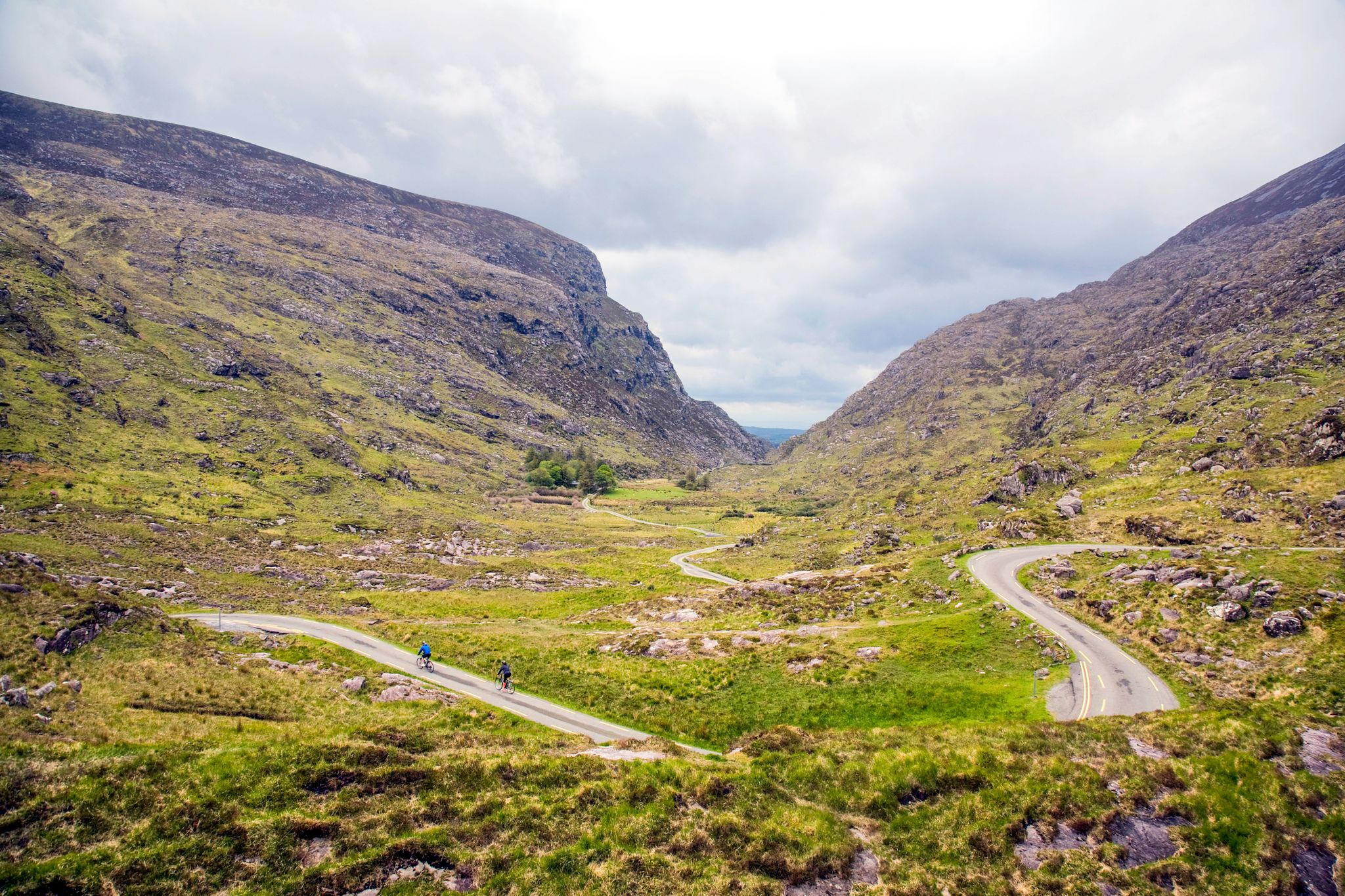
Incomparable Ireland Challenge: Reeks District Big Five
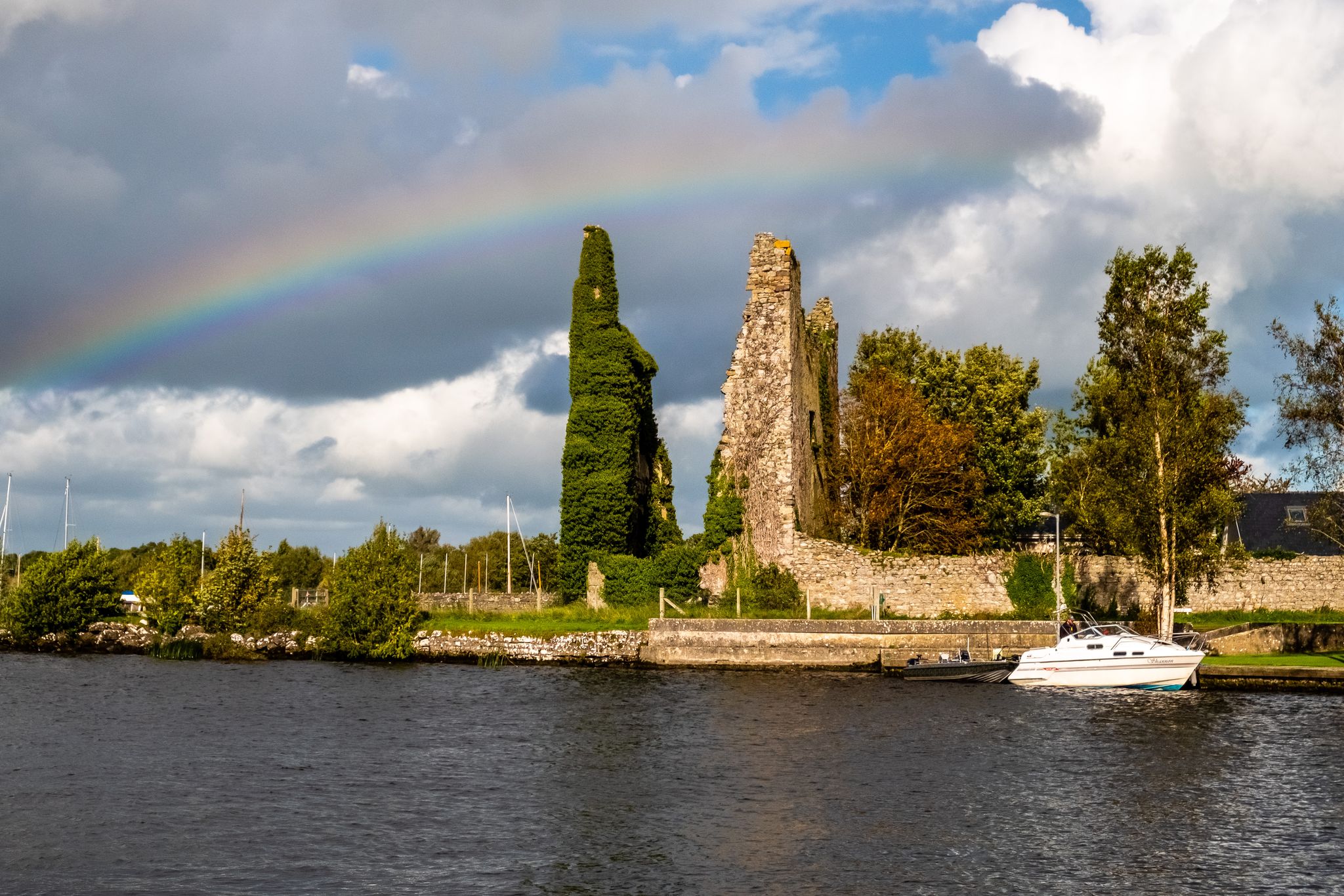
Lough Derg Way
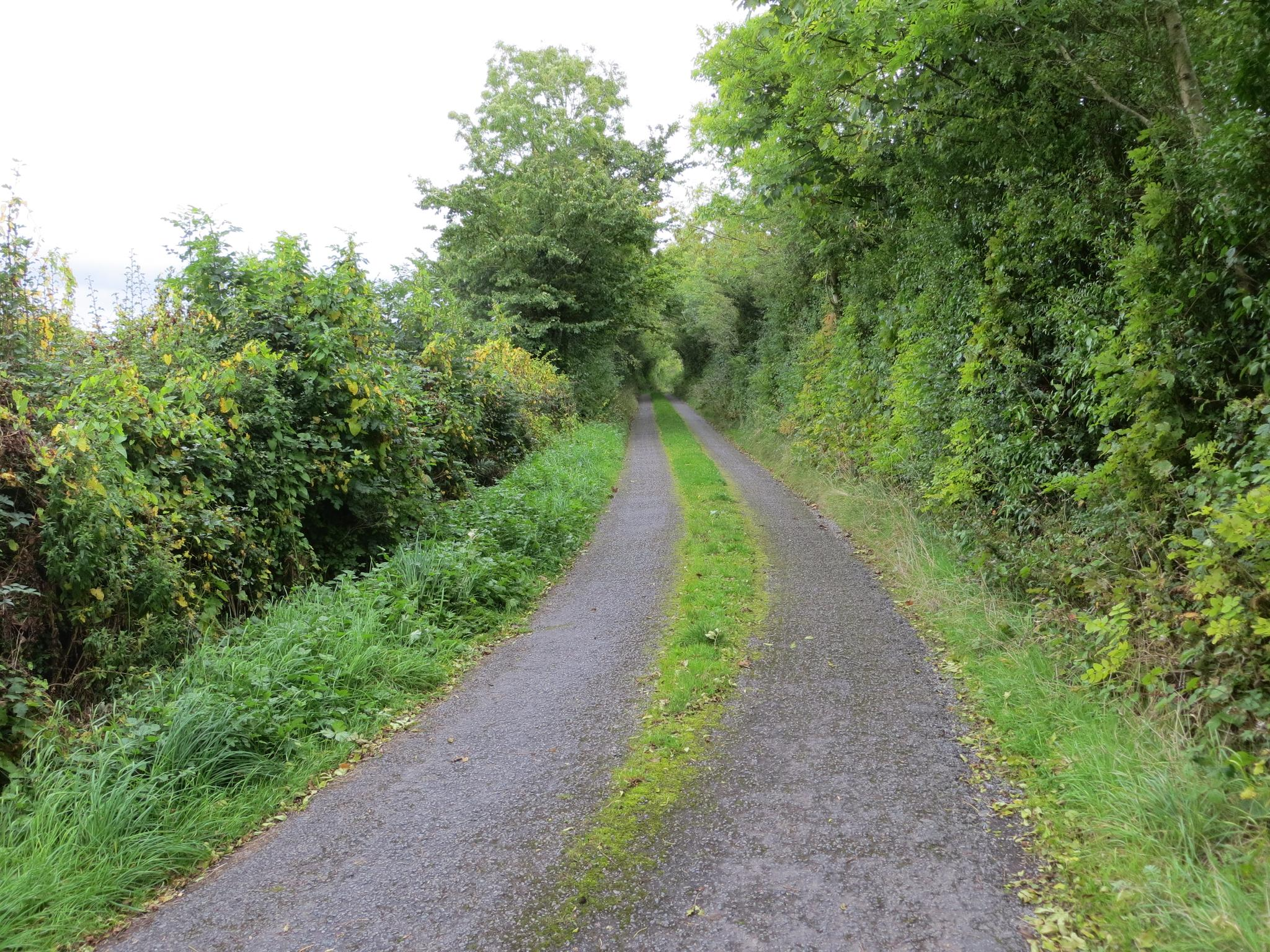
Suck Valley Way — Castles, Rivers & Rural Ireland
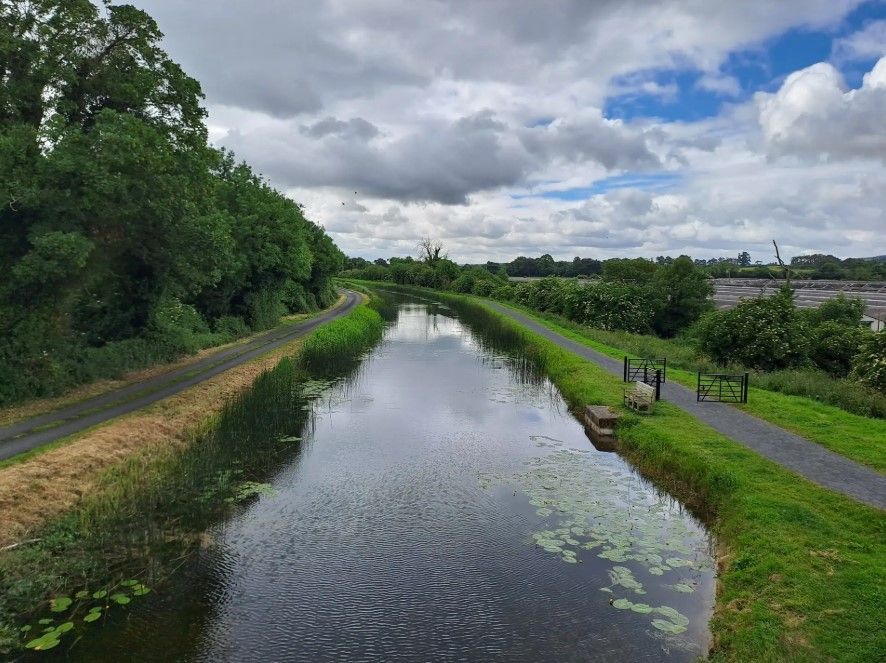
The Barrow Way — Walking Beside Quiet Waters
East Clare Way – exploring Ireland’s hidden heart
East Munster Way – Hiking the beautiful Suir, woodland and historic foothills
Running the Wicklow Way – From the city to the mountains
Run the Kerry Way – Around the rugged west coast of Ireland
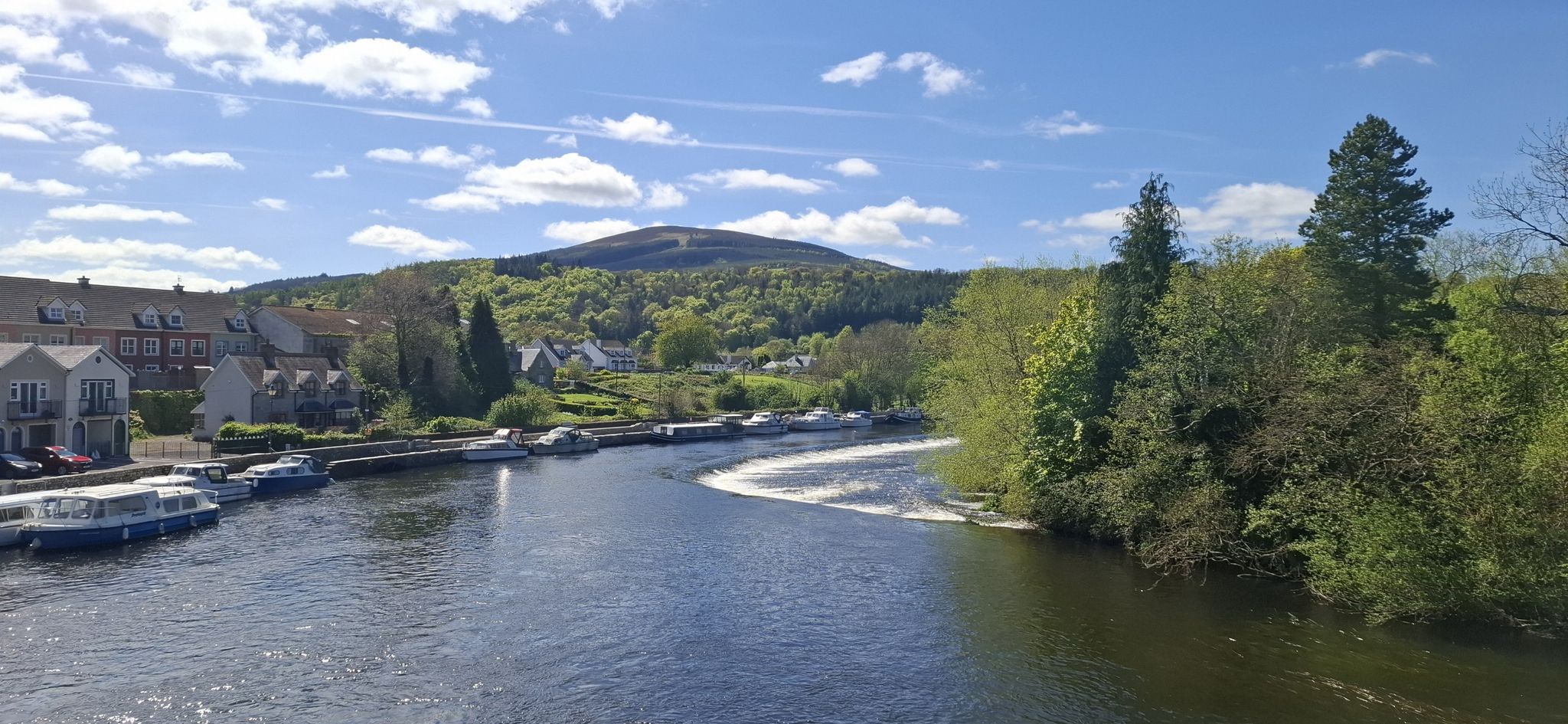
South Leinster Way – It's a long way to Tipperary
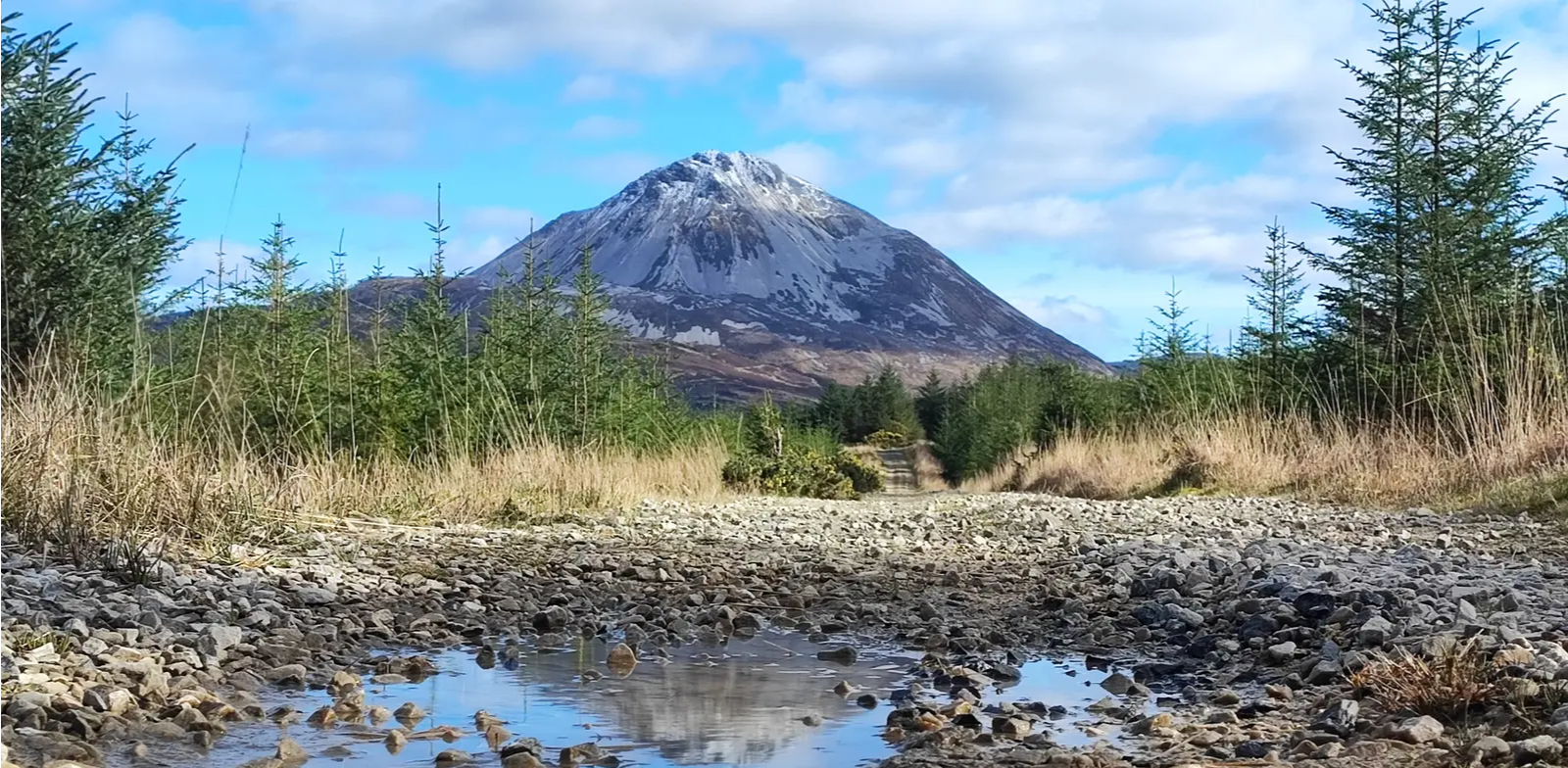
Slí An Earagail – An adventure between the Atlantic and Errigal
Other adventures in Ireland


Tips from the Community

On 30.5.2026, we rode over the pass in rain and fog with trekking bikes and full luggage. Very steep at the top, just managed without dismounting. Unfortunately, no visibility, but still an experience. When descending towards Portmagee, the Cliffs of Kerry are worth it, despite the 5 Euro entrance fee. And on Valentia Island, the detour (on foot) to Bray Head is recommended, where we suddenly had brilliant sunshine.
0
0

Conor Pass (An Chonair) is a narrow, rugged mountain pass where the climb from Dingle immediately settles into a steady rhythm: long stretches of 6–8% with a few shorter outliers towards 10%, as the road winds its way up along rock faces. The tarmac is good but narrow, with limited space to deviate and sometimes strong crosswinds that hit the flank from the valleys. As you gain height, the landscape opens up, and you see the lakes and peat slopes recede below you. The summit is windy and bare, but offers a wide panorama towards Brandon Bay — and a fast, technical descent on the north side where you ride through tight bends and open sections with variable wind pressure.
7
0
Following the steep, winding road between Portmagee and St. Finian’s Bay leads to the Coomanaspig Pass: a rugged mountain pass at an altitude of 185 meters, where the Atlantic Ocean and the Irish interior meet in a single panorama. From the summit, a 360-degree view unfolds—the pointed Skellig Islands on one side, the green valleys of the Iveragh Peninsula on the other. The climb itself, with gradients of up to 15% and sharp bends, feels like a mini expedition. At the top, where wind and clouds have free rein, you experience the Wild Atlantic Way in its purest form: grand, silent, and pristine.
5
0


Stunning views, very quiet roads, challenging hills. Amazing place!
3
0

Rising to 3,300 feet (1,000 m), Caher is Ireland's third highest peak, only topped by neighbouring Carrauntoohil and Beenkeragh. It's a high point on the classic Coomloughra Horseshoe, one of Ireland's most coveted mountain days. Its Irish name, Cathair na Féinne, means fortress of the Fianna, the mythical warriors and hunters of Irish legend.
0
0

The Long Woman's Grave car park is located right at the top of a gentle incline, offering you the perfect opportunity to let your gaze wander over the hilly landscape. Whether you are coming from the north or the south, the roads lead you through varied terrain that reveals new panoramas with every turn. It is worth taking a moment to read the story of the "Long Woman" at the monument – somehow this mystical atmosphere fits perfectly into the surroundings. On the way up, you will encounter hardly any traffic, which allows you to focus entirely on nature and your own line in the curves. The fresh breeze and the smell of damp grass give the ascent that little bit extra. However, the roads are not always in the best condition – some sections definitely require attention, especially after a rain shower. Once you reach the summit, there is a small rest area, ideal for catching your breath and refueling for the next stage. A perfect spot to take a short break before continuing with renewed momentum.
1
2
Frequently Asked Questions
What are some of the most scenic mountain passes in Ireland?
Ireland offers numerous scenic mountain passes. The Conor Pass on the Dingle Peninsula provides dramatic views of glaciated landscapes and corrie lakes. The Sally Gap in the Wicklow Mountains is known for its panoramic vistas over heather-covered moors. In County Kerry, Moll's Gap offers expansive views of the surrounding mountains and lakes, while Windy Gap Pass provides excellent vantage points of the valleys of Glencar, the Reeks, and Caragh Lake.
What kind of terrain and natural features can I expect on mountain passes in Ireland?
Irish mountain passes traverse diverse landscapes, from the glaciated valleys of County Kerry to the heather-covered moors of the Wicklow Mountains. You'll encounter rugged peaks, corrie lakes like Lough Doon near Conor Pass, and expansive valleys. Many passes feature winding roads, steep ascents, and dramatic rock formations, such as the rock-hewn tunnels on the Caha Pass.
Are there challenging mountain passes for experienced hikers or cyclists?
Yes, several passes offer challenging experiences. For hikers, the ascent to Carrauntoohil, Ireland's highest mountain, includes routes like the Devil's Ladder, which is very challenging. Cyclists often seek out passes like the Healy Pass and Caha Pass on the Beara Peninsula, known for their long, gradual climbs and exhilarating descents. The Conor Pass also presents a narrow, twisting road with steep sections.
Which mountain passes are suitable for a family outing?
While many passes involve challenging terrain, the Gap of Dunloe in Killarney National Park is particularly family-friendly due to its car-free section and captivating atmosphere with numerous waterfalls. The Sally Gap offers accessible scenic drives through the Wicklow Mountains, where families can enjoy panoramic views and spot wild deer.
What historical or cultural landmarks can be found near Ireland's mountain passes?
Near some passes, you can find unique landmarks. The Sally Gap is home to the iconic 'I Love You Bridge,' a popular spot for photographers. The Caha Pass features distinctive rock-hewn cycling tunnels that mark the border between County Cork and County Kerry. Additionally, the Mamore Gap on the Inishowen Peninsula has a small roadside shrine adding to its character. The Long Woman's Grave Memorial is another historical site with a viewpoint.
What is the best time of year to visit mountain passes in Ireland?
The best time to visit is generally from late spring to early autumn (May to September) when the weather is milder and days are longer. However, the landscape shifts dramatically with the weather, and even in summer, conditions can be unpredictable. Winter can bring ice and snow, especially on higher passes like the Sally Gap and Conor Pass, making some routes challenging or impassable. Always check local weather conditions before heading out.
Are there specific passes known for cycling?
Yes, Ireland's mountain passes are very popular with cyclists. The Healy Pass and Caha Pass on the Beara Peninsula are renowned for their challenging yet rewarding climbs and scenic routes. The Glengesh Pass is also a favorite route for bikers, celebrated for its scenic beauty and surrounding mountains.
What outdoor activities can I do near these mountain passes?
Beyond driving and cycling, you can find various outdoor activities. Many passes offer excellent hiking opportunities, from moderate walks to challenging climbs like the ascent to Carrauntoohil. For cycling, you can explore routes like the 'Moll's Gap, Lough Leane & the Gap of Dunloe loop from Killarney' or the 'Sally Gap loop from Dublin'. You can find more cycling routes in the Cycling in Ireland guide and specific road cycling routes in the Road Cycling Routes in Ireland guide.
Are there specific routes for gravel biking near mountain passes?
Yes, Ireland offers great opportunities for gravel biking near its mountain passes. You can find routes such as 'From Killarney to Gap of Dunloe loop' or 'From Roundwood to the Wicklow mountains loop'. For more options, refer to the Gravel biking in Ireland guide.
Where can I find amenities like cafes or pubs near mountain passes?
While many passes are remote, some popular ones have amenities nearby. For instance, at the top of Moll's Gap, there is an Avoca shop/cafe, which is a good spot for a break. In general, towns and villages at the start or end of a pass, such as Dingle town near Conor Pass or Killarney near the Gap of Dunloe, will offer a range of cafes, pubs, and accommodation options.
What are some less-known but equally rewarding mountain passes to explore?
Beyond the most famous, Ireland has several hidden gems. The Wicklow Gap in County Wicklow offers picturesque landscapes. The Vee Pass in County Tipperary is known for stunning viewpoints over the Golden Vale. For a truly adventurous drive and incredible views, consider Priests Leap, one of Ireland's highest and most remote passes. The Ballaghbeama Gap also offers a wild and rugged experience with dramatic scenery.
What do visitors enjoy most about Ireland's mountain passes?
Visitors consistently praise the breathtaking panoramic views, the sense of isolation and wild beauty, and the diverse landscapes that change with every turn. Many appreciate the challenging yet rewarding climbs for cyclists and hikers, and the unique natural features like glaciated valleys and rock-hewn tunnels. The opportunity to connect with nature and experience Ireland's rugged charm is a major draw, often highlighted by the ever-changing weather adding to the mystique.
Most popular routes in Ireland
Most popular attractions in Ireland

Get inspired with the komoot mobile app


Didn’t find what you were looking for?
Find even more amazing mountain passes in Ireland organized by region:
Explore more
See even more epic mountain passes by checking out these guides in Ireland:
