Top 20 Natural Monuments in Ireland
Best natural monuments in Ireland offer diverse landscapes, from dramatic coastal cliffs to ancient woodlands and towering mountain summits. The country's geology features unique formations like basalt columns and karst pavements, shaped over millions of years. These protected natural sites provide opportunities to explore varied ecosystems and historical landmarks. Ireland's natural environment is a significant draw for outdoor activities and nature observation.
Best natural monuments in Ireland
- The most popular natural monuments is Diamond Hill Summit, a summit that offers great views of the core range of the Twelve Bens and western Connemara. Its moderate size and well-walked paths make it a popular peak for visitors.
- Another must-see spot is Torc Waterfall, a waterfall located in the heart of Killarney National Park. This 20-meter high waterfall is easily accessible and is at its best after heavy rainfall.
- Visitors also love Croagh Patrick summit, a summit with a rich pre-Christian history. The challenging ascent is rewarded with grandiose nature and expansive views, though it can be windy at the top.
- Ireland is known for its diverse natural monuments, including waterfalls, mountain summits, and coastal trails. Visitors can explore a variety of natural monuments, from the dramatic Cliffs of Moher to the unique geological formations of the Giant's Causeway.
- The natural monuments in Ireland are appreciated by the komoot community, with more than 900 upvotes and over 400 photos shared by visitors.
Last updated: October 13, 2026
Torc Waterfall
Highlight • Waterfall
Translated by Google •
Tip by

Diamond Hill Summit
Highlight • Summit
connemaranationalpark.ie
Translated by Google •
Tip by

Sign up now to discover places like this
Get recommendations on the best single tracks, peaks, & plenty of other exciting outdoor places.
Cliffs of Moher Coastal Walk
Highlight (Segment) • Trail
Translated by Google •
Tip by

Upper Lake, Glendalough
Highlight • Lake
Translated by Google •
Tip by

Summit cross on Carrauntoohil
Highlight • Summit
Tip by

Croagh Patrick summit
Highlight • Summit
Translated by Google •
Tip by

View of Baily Lighthouse
Highlight • Viewpoint
Tip by
Djouce Summit
Highlight • Summit
Translated by Google •
Tip by

Queen Maeve's Grave (Knocknarea Cairn)
Highlight • Historical Site
Translated by Google •
Tip by

Lugnaquilla Summit
Highlight • Summit
The classic loop route to Lugnaquilla that starts at the Glen of Imaal crosses the Glen of Imaal firing range in two places known as Route 1 and Route 2. Do not continue if you see red flags or flashing red lights anywhere. Plan ahead by checking the Irish Defence Forces website for the schedule:
military.ie/en/public-information/glen-of-imaal-walking-route-closures
You can also call the Army Information range at the Glen of Imaal on 045-404653.
Also do not stray from the designated path in view of any unexploded ordnance that may be laying about.
...apart from that enjoy your hike!
Tip by

Sign up for free to discover even more natural monuments in Ireland.
Already have an account?
Start today with a free account
Your next adventure awaits.
Popular around Ireland
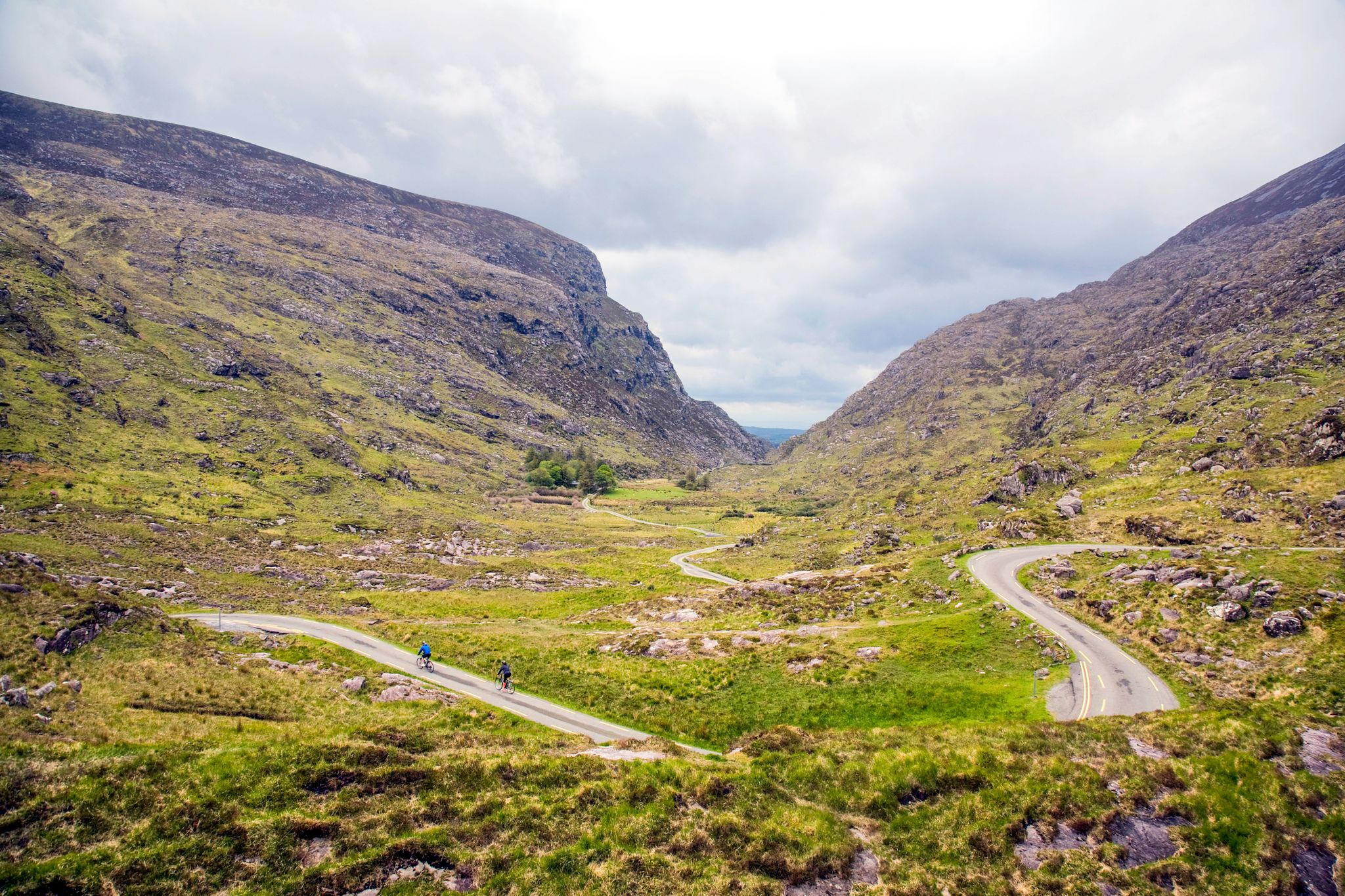
Incomparable Ireland Challenge: Reeks District Big Five
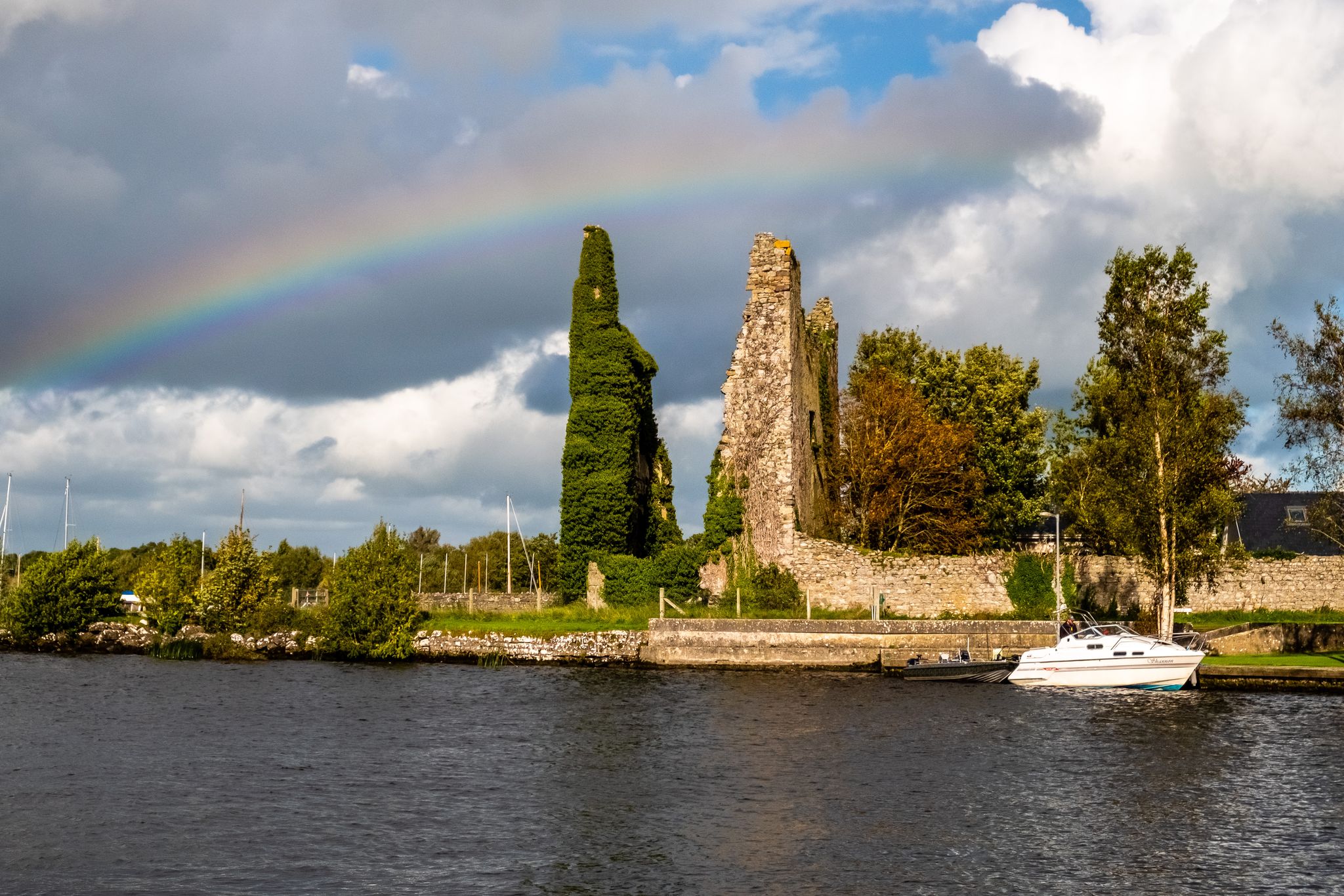
Lough Derg Way
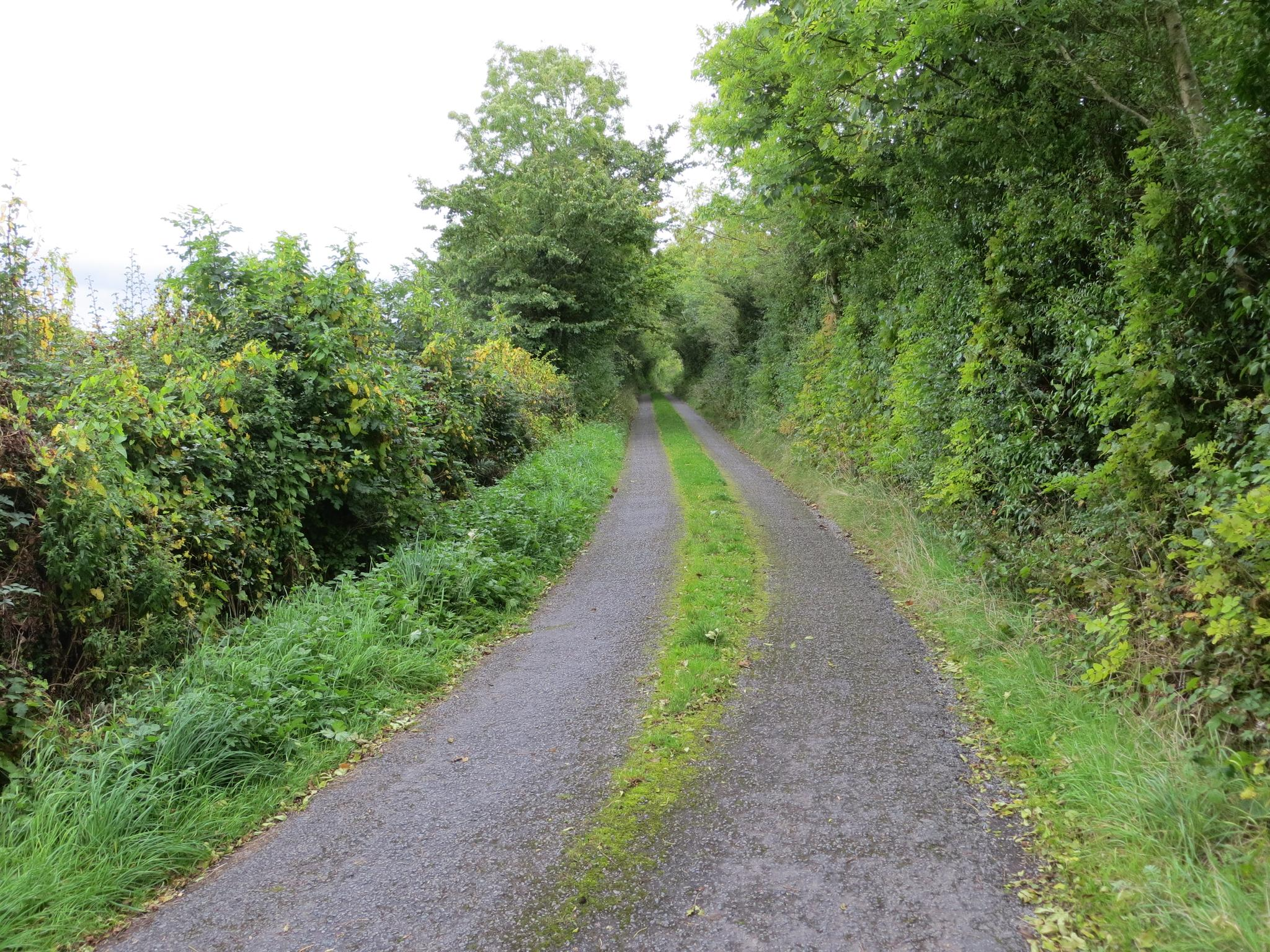
Suck Valley Way — Castles, Rivers & Rural Ireland
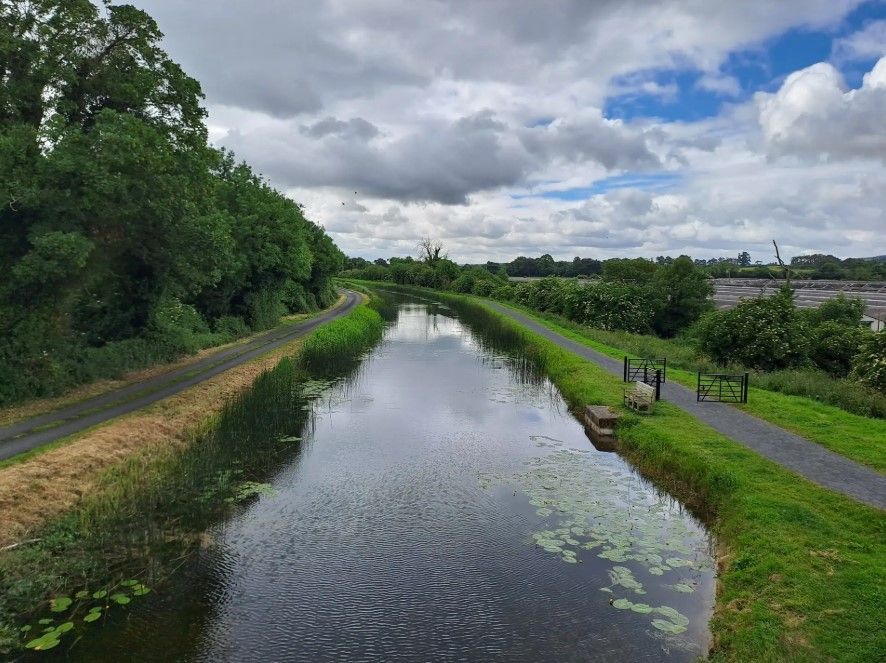
The Barrow Way — Walking Beside Quiet Waters
East Clare Way – exploring Ireland’s hidden heart
East Munster Way – Hiking the beautiful Suir, woodland and historic foothills
Running the Wicklow Way – From the city to the mountains
Run the Kerry Way – Around the rugged west coast of Ireland
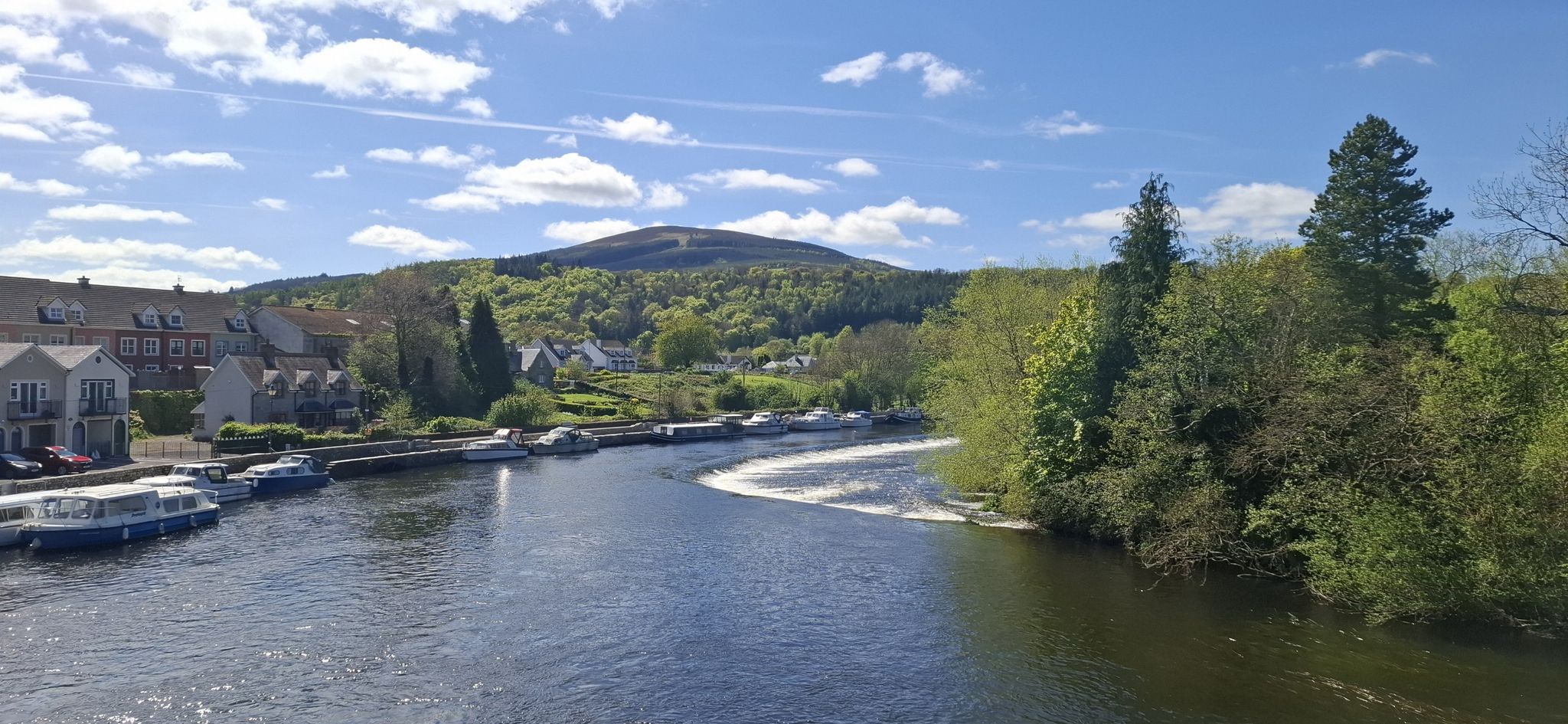
South Leinster Way – It's a long way to Tipperary
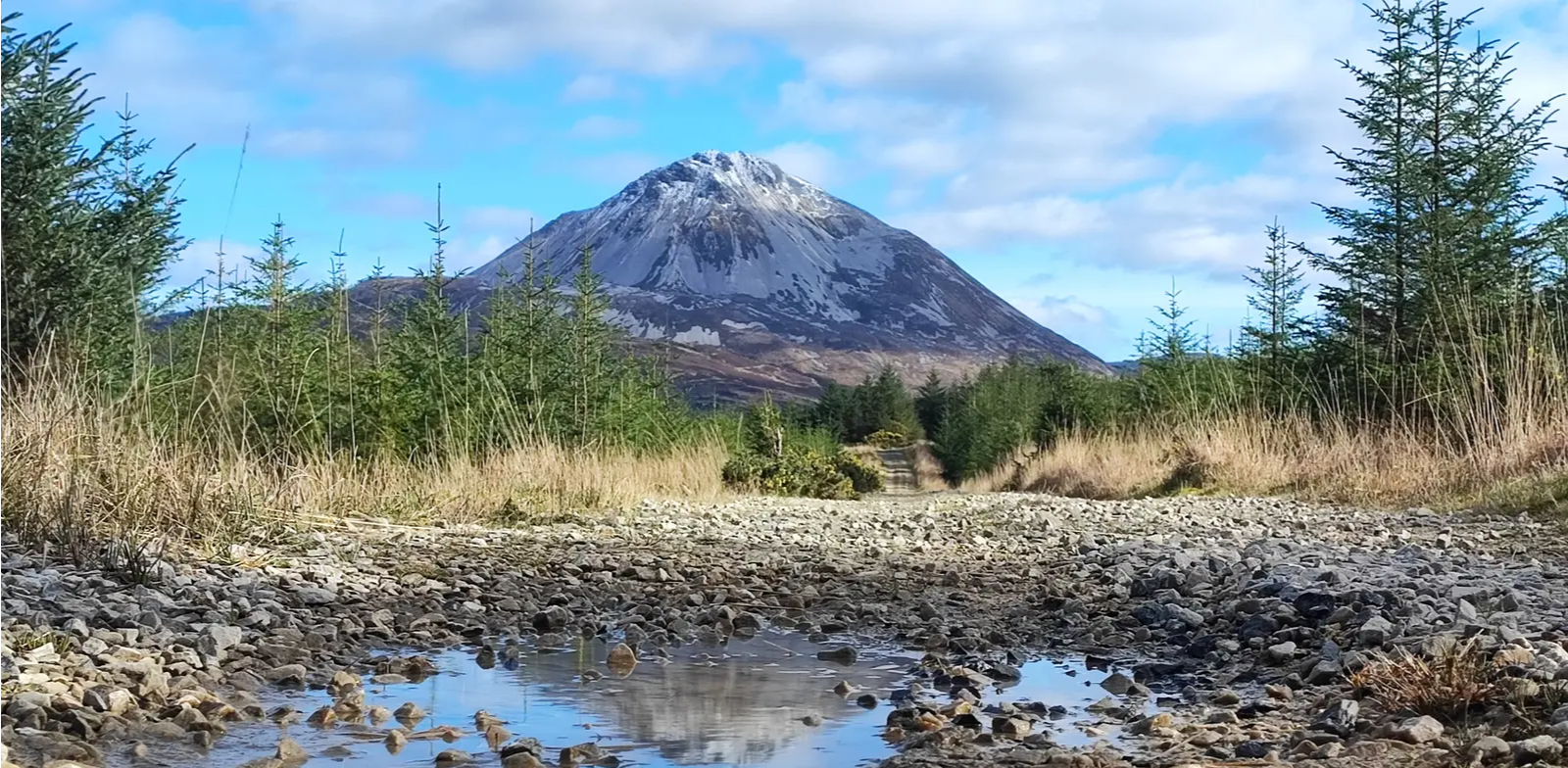
Slí An Earagail – An adventure between the Atlantic and Errigal
Other adventures in Ireland


Tips from the Community

Linear coastal path along the cliff edge, with continuous views of the entire cliff face. The route follows the natural contours of the coast and runs close to the edge, keeping the elevation changes and the vertical structure of the Cliffs of Moher clearly visible. The route forms the main connection between the southern tip at Hag’s Head and the northern part at Doolin.
5
0

Nice view (sometimes only on the 3rd attempt did I really get a view) can also be very windy with rain from the site
0
0
925m high mountain with great views of Ireland (climb not easy)
0
0

Djouce Peak in the Wicklow Mountains offers stunning panoramic views, making it a popular hiking destination for outdoor enthusiasts.
2
0

Beautiful views of the Wicklow Mountains region and valley. Plus, the stone on the rock is a cool photo spot!
1
0
Incredibly great panorama of the offshore island and the lighthouse. The mountain silhouettes in the background are simply magnificent. The best viewing spot during our round!
2
0

Here is a cool spot where you can also relax. But it can also be very crowded.
2
0

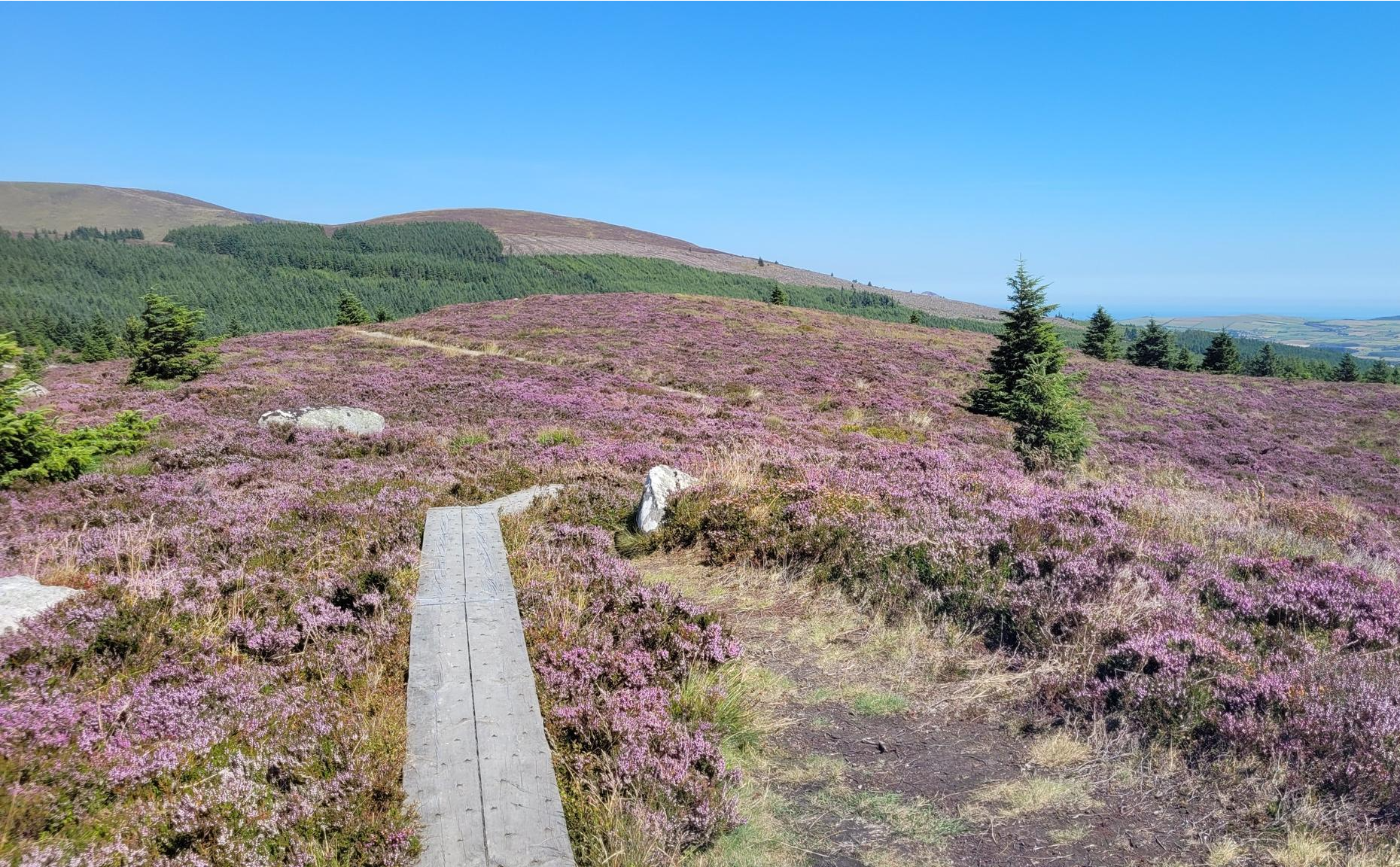
Diamond Hill, with its Irish name Binn Ghuaire, is a prominent peak in Connemara National Park in County Galway, Ireland. Although the mountain is not one of Ireland's highest peaks, at just 442 meters high, it still offers impressive views of the surrounding Connemara countryside and is particularly popular with walkers due to its well-maintained paths and relative ease of access. The walk to Diamond Hill is an experience that not only takes walkers through a variety of landscapes including heather, moorland, woodland and open spaces, but also breathtaking views of the sea, coast, neighboring Kylemore Abbey and the striking mountain range of the Twelve Bens offers. The well-marked trails and boardwalk system make the hike accessible to families with children and less experienced hikers. For those looking for a challenge, there are longer routes that cover multiple peaks, as well as the Diamond Hill Loop Trail, which is a more challenging option at 6.5 kilometers long with some steeper sections. Regardless of the route chosen, hikers should wear rain and windproof clothing and be prepared for changeable weather conditions, which can often occur in this region of Ireland. The best time to visit is in spring, when the gorse is in bloom and the landscape is bathed in a sea of yellow, or in summer, when the days are longer and the chance of good weather is higher. However, Diamond Hill offers unique views and experiences in every season. It should be noted that Diamond Hill is located in a protected area. Visitors should therefore adhere to local regulations, respect flora and fauna and not litter. Entry to Connemara National Park and parking are free, and the hike to Diamond Hill is an excellent way to experience the beauty of the Irish countryside while practicing a respectful approach to nature.
3
0
Frequently Asked Questions
What are some of the most popular natural monuments in Ireland?
Ireland offers a diverse range of natural monuments. Among the most popular are the dramatic Cliffs of Moher Coastal Walk, the geological wonder of the Giant's Causeway, and the scenic Torc Waterfall within Killarney National Park. Visitors also frequently explore Diamond Hill Summit for its panoramic views.
Are there family-friendly natural monuments in Ireland?
Yes, several natural monuments are suitable for families. Torc Waterfall in Killarney National Park is easily accessible with a short walk. Diamond Hill Summit offers well-walked paths, making it a popular choice for families seeking moderate hikes. The Upper Lake, Glendalough also provides a beautiful setting for family outings with its forest surroundings.
What unique geological features can I expect to see at Ireland's natural monuments?
Ireland's natural monuments showcase remarkable geology. The Giant's Causeway is famous for its approximately 40,000 interlocking hexagonal basalt columns, formed by ancient volcanic activity. The Burren features a unique karst landscape with vast limestone pavements, while the Cliffs of Moher display dramatic layers of shale and sandstone, revealing millions of years of geological history.
What outdoor activities can I do near these natural monuments?
Many natural monuments are excellent starting points for outdoor adventures. You can find numerous hiking trails, such as the challenging ascent to Croagh Patrick summit or the scenic Cliffs of Moher Coastal Walk. Killarney National Park offers opportunities for walking, cycling, boating, and fishing. For cycling enthusiasts, there are various gravel biking routes and road cycling routes, including the famous Ring of Kerry.
Are there historical or cultural sites integrated with Ireland's natural monuments?
Yes, many natural monuments have rich historical and cultural significance. Croagh Patrick summit has a deep pre-Christian history, attracting pilgrims for centuries. Killarney National Park is home to historical sites like Muckross House and Ross Castle. The Burren also contains evidence of human occupation dating back over 6,000 years, including ancient forts and burial mounds like Queen Maeve's Grave (Knocknarea Cairn).
What is the best time to visit Ireland's natural monuments?
The best time to visit Ireland's natural monuments generally depends on your preferences. Spring (April-May) and early autumn (September-October) often offer milder weather and fewer crowds. For birdwatching, especially to see puffins nesting at the Cliffs of Moher, May to July is ideal. During spring and summer, the Burren's unique flora is in full bloom, creating a striking contrast with the limestone landscape. Be prepared for changeable weather year-round.
What kind of wildlife can I observe at these sites?
Ireland's natural monuments are rich in wildlife. The Cliffs of Moher are a Special Protection Area for birds, hosting over 20 species of seabirds, including puffins, razorbills, and guillemots. Killarney National Park is home to native red deer, diverse birdlife, and unique flora. The Burren is renowned for its extraordinary biodiversity, supporting over 70% of Ireland's native flora species, including Arctic, Alpine, and Mediterranean plants, as well as a significant percentage of its orchid and butterfly species.
Are there challenging hikes or climbs available at Ireland's natural monuments?
For those seeking a challenge, Ireland offers several demanding ascents. Croagh Patrick summit is known for its challenging climb, rewarded with expansive views. Other challenging summits include Summit cross on Carrauntoohil, Djouce Summit, and Lugnaquilla Summit. These often involve scree fields and can be very windy, requiring appropriate footwear and preparation.
What do visitors enjoy most about exploring Ireland's natural monuments?
Visitors frequently praise the breathtaking panoramic views, especially from sites like the Cliffs of Moher and Diamond Hill Summit. The unique geological formations, such as the Giant's Causeway, are often described as fascinating. Many appreciate the opportunity for invigorating hikes and the chance to connect with Ireland's wild, untamed nature. The blend of natural beauty with historical context, as seen at places like Croagh Patrick, also leaves a lasting impression.
Where can I find more information about visiting the Cliffs of Moher or Giant's Causeway?
For detailed visitor information about the Cliffs of Moher, including planning your trip and what to expect, you can visit Nordic Visitor's guide. For insights into the Giant's Causeway, including its history and legends, Emerald Heritage provides a guide.
Are there any natural monuments that offer coastal views and trails?
Absolutely. The Cliffs of Moher Coastal Walk provides stunning views along Ireland's western coast. The Giant's Causeway is also situated on a rugged coastline, offering dramatic sea views and clifftop walks. Additionally, the Ring of Kerry is a picturesque route encompassing coastal cliffs and pristine beaches, with viewpoints like View of Baily Lighthouse offering spectacular vistas.
What are some notable waterfalls to visit in Ireland?
Ireland is home to beautiful waterfalls, with Torc Waterfall being a prominent example. Located in Killarney National Park, this 20-meter high waterfall is easily accessible and particularly impressive after heavy rainfall. You can explore it as part of various waterfall hikes in the region.
Most popular routes in Ireland
Most popular attractions in Ireland

Get inspired with the komoot mobile app


Didn’t find what you were looking for?
Find even more amazing natural monuments in Ireland by checking out the top Highlights region by region:
Explore more
Extend your search for the best caves by checking out these guides of the top ones in Ireland:
