Top 10 Caves around Frohnleiten
Best caves around Frohnleiten are found in Styria, Austria, offering access to diverse natural caves. The region features smaller, rugged geological formations on the Kugelstein and Austria's largest active water and stalactite cave, the Lurgrotte, located nearby. These underground formations provide insights into local geology and are often integrated into hiking routes. The area presents a range of caving experiences, from undeveloped natural systems to managed show caves.
Best caves around Frohnleiten
- The most popular caves is Drachenhöhle Mixnitz,…
Last updated: July 1, 2026
Drachenhöhle Mixnitz
Highlight • Cave
Translated by Google •
Tip by

Lurgrotte Cave Entrance
Highlight • Cave
Translated by Google •
Tip by

Sign up now to discover places like this
Get recommendations on the best single tracks, peaks, & plenty of other exciting outdoor places.
Sign up for free
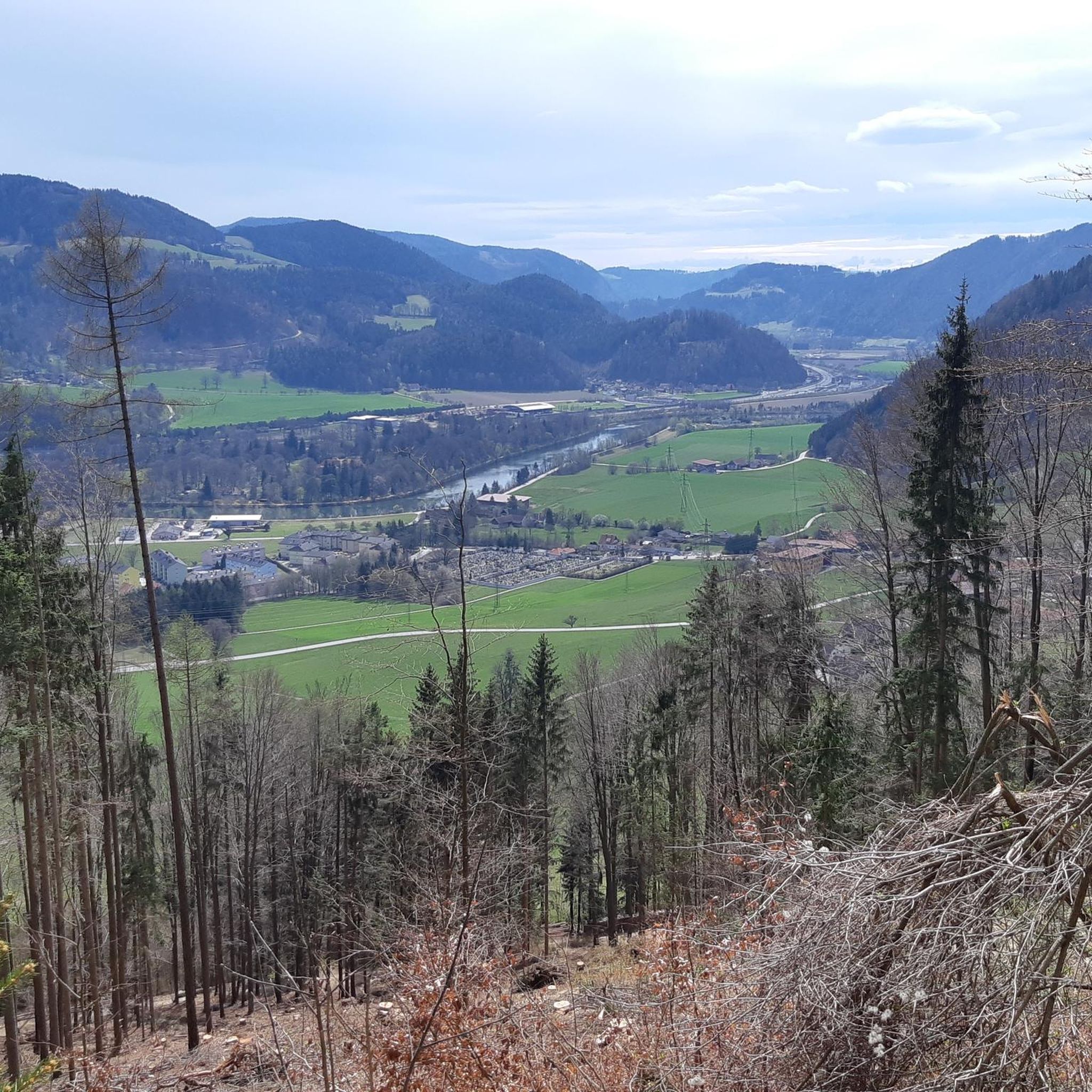
View of the Drachenhöhle and the surrounding mountains
Highlight • Viewpoint
Translated by Google •
Tip by

Bear Cave
Highlight • Cave
Translated by Google •
Tip by

Women's Cave
Highlight • Cave
Translated by Google •
Tip by
Sign up for free to discover even more caves around Frohnleiten.
Sign up for free
Already have an account?
Start today with a free account
Your next adventure awaits.
Login or Signup
Popular around Frohnleiten
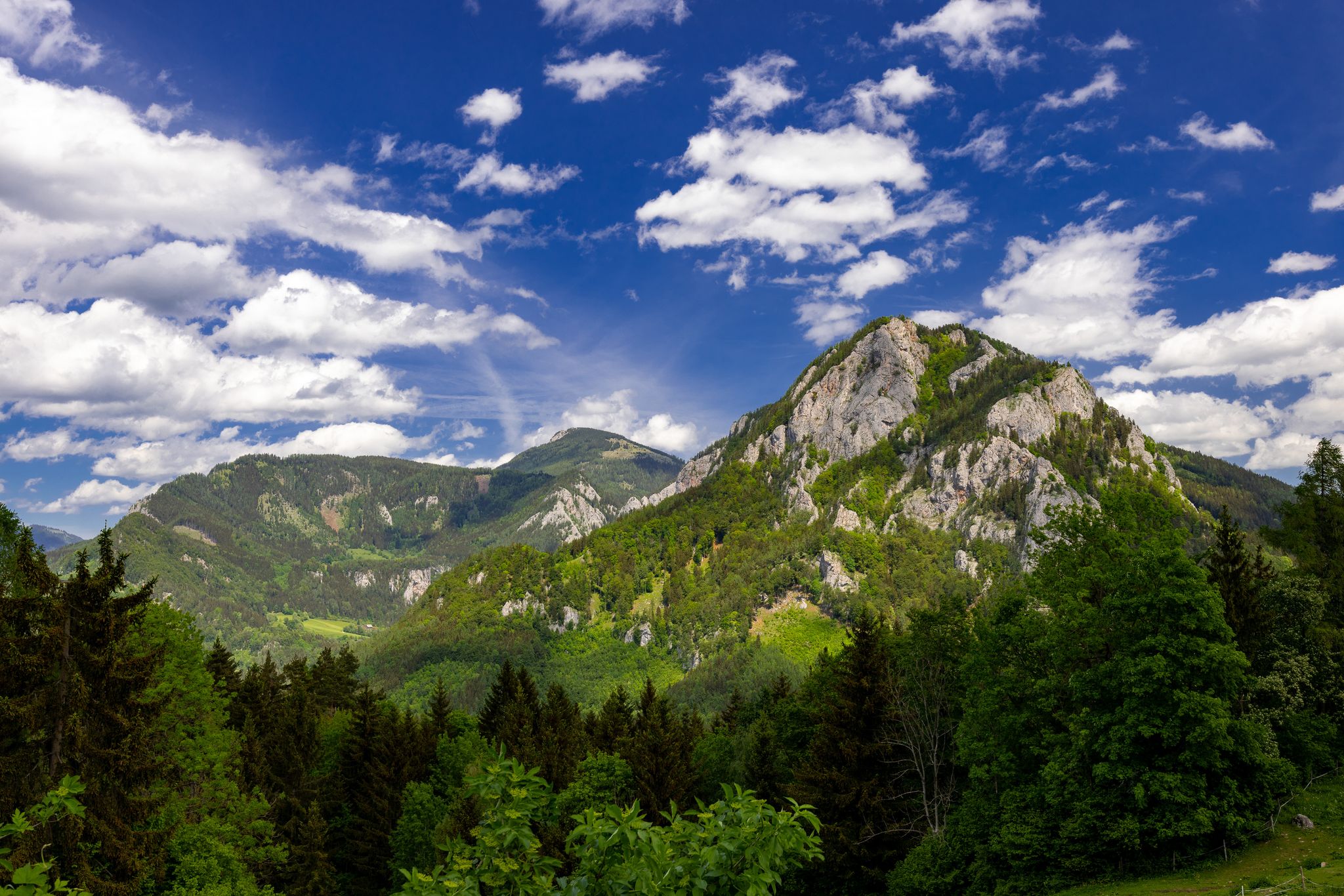
Discover Austria’s green heart – hike in the Graz adventure region
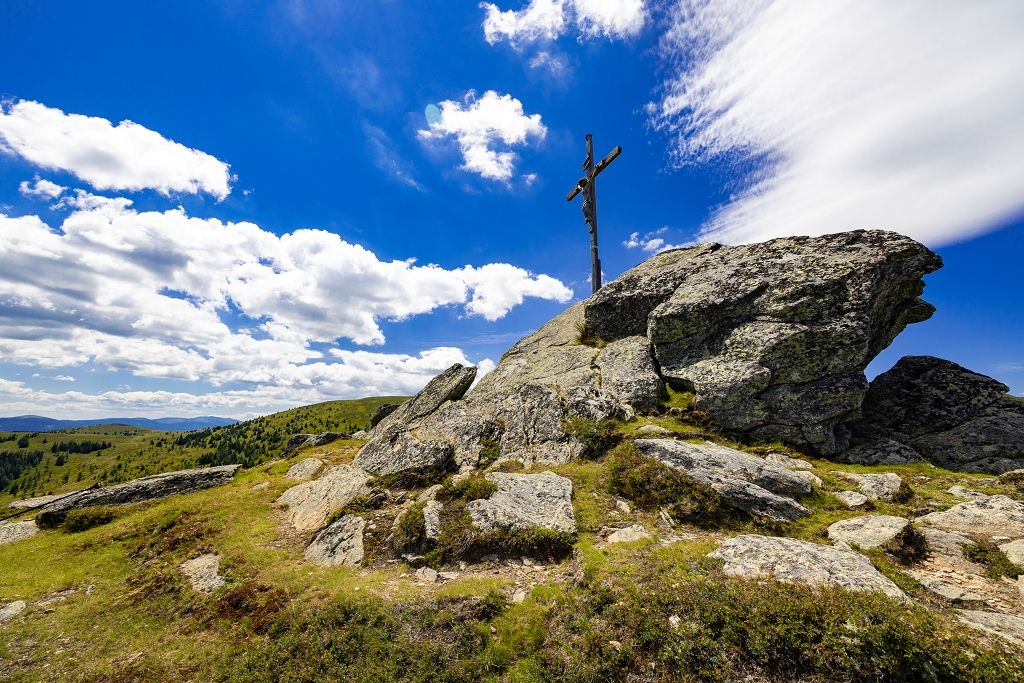
From the city to the countryside in ten minutes – hiking around Graz
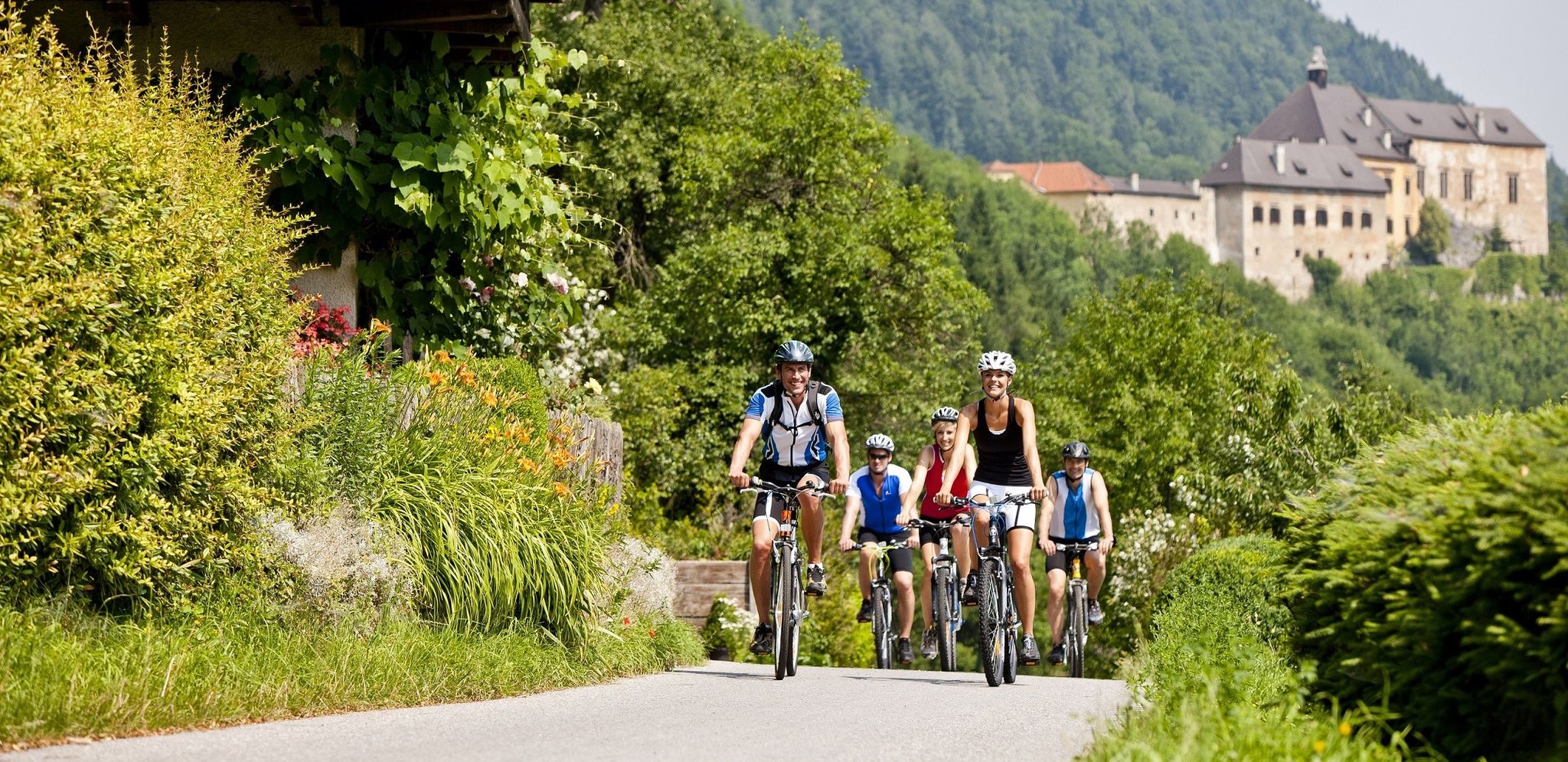
Have fun on two wheels – cycling in Austria’s Graz Adventure Region
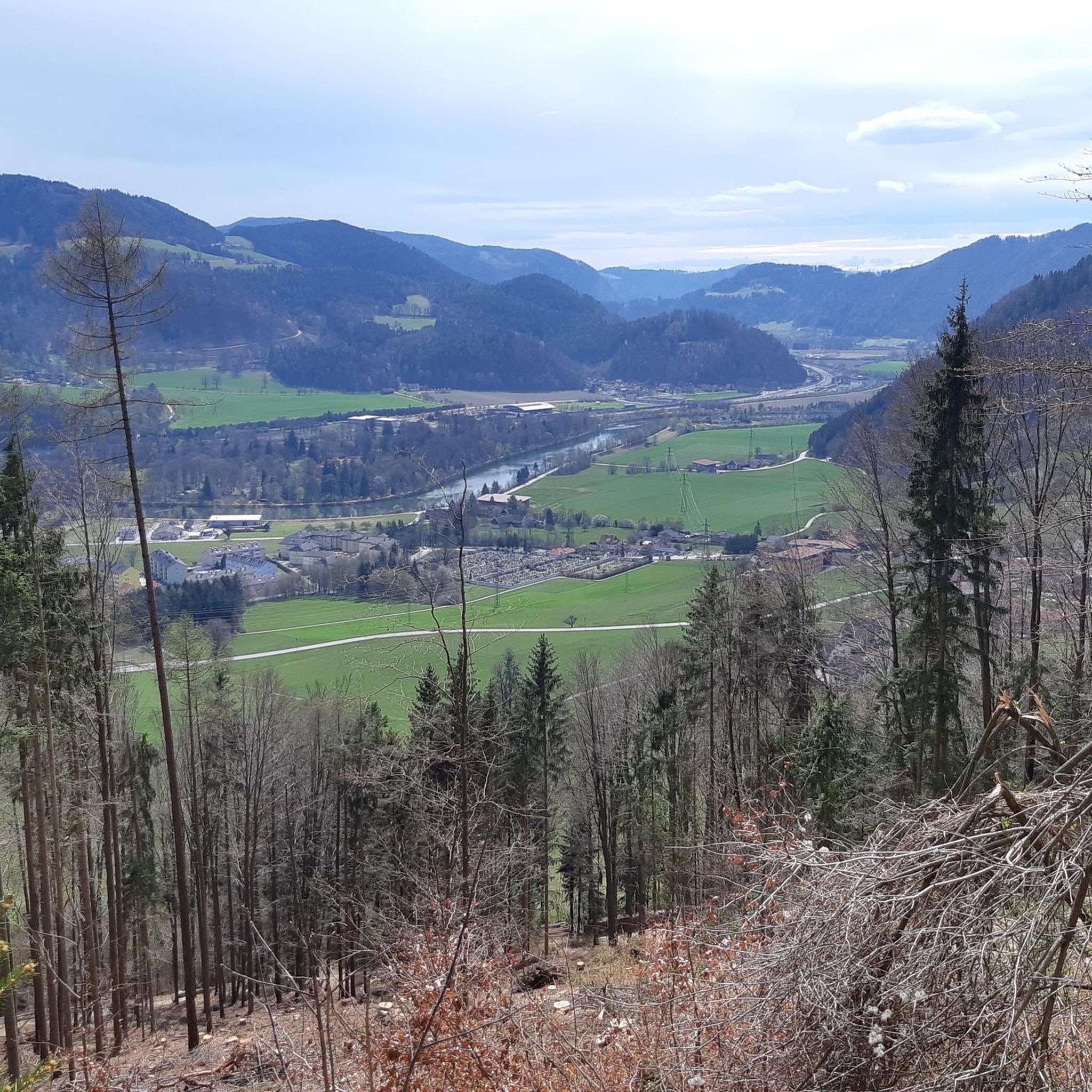
Hiking around Frohnleiten
Cycling around Frohnleiten
Road Cycling Routes around Frohnleiten
MTB Trails around Frohnleiten
Running Trails around Frohnleiten

Mountain Hikes around Frohnleiten

Gravel biking around Frohnleiten
Other adventures around Frohnleiten

Tips from the Community


The dragon cave or entrance is overwhelming. I have perhaps never seen such a large cave entrance. Entry is only permitted during guided tours. Maybe that will happen one day.
0
1


In front of the cave, which you can take a look at, there is a table and benches for a rest.
2
0

Small but nice grade hiking trail
1
0

Great views and wonderful cave, if you have acrophobia like myself, I would not recommend it at all, and would strongly advise you to not keep going up (believe or not the way you came up is the easiest way down), only pure fear and terror awaits if you go up and around the back to get down :)
0
0

Challenging but beautiful climb, well marked. Sure-footedness is an advantage, and you should also not be afraid of heights. Chamois can be seen just as much as ibexes
0
1
The path from car park P7 to the Drachenhöhle is steep, requires surefootedness and is not necessarily for people who are afraid of heights, but the path is very well marked. From then on, the path, which is not clearly visible, is not really marked. The blue dots on the trees or blue-yellow lines on the trees also help. The path is sometimes very steep. When you arrive at the summit, there is only a small "viewing platform" without a summit cross. A possibly provisional one is there along the way, but hardly any view of the surrounding area. Now does not make climbing the summit so attractive as such. The way back is the same for a short time up to a fence, but then the way becomes much easier to go because the ways are wider. Facit: I find this round well suited for athletic motivation, but if you want to enjoy it, this is not the right mountain.
1
1
Frequently Asked Questions
What types of caves can I explore around Frohnleiten?
The region offers a diverse range of caves. You can find smaller, natural, and undeveloped geological formations on the Kugelstein, such as the Steinplattenhöhle or Schichtfugenhöhle, which are often part of hiking routes. Additionally, the nearby Lurgrotte is Austria's largest active water and stalactite cave, offering extensive show cave experiences with guided tours.
Are there any family-friendly caves near Frohnleiten?
The Lurgrotte offers guided tours that are generally suitable for families, providing a well-managed and awe-inspiring journey into a vast underground world. For a more natural experience, the Bear Cave is part of a pleasant hiking trail and has a rest area at its entrance, making it accessible for a shorter exploration.
What is the Lurgrotte and what makes it special?
The Lurgrotte, located near Frohnleiten with entrances in Peggau and Semriach, is Austria's largest active water and stalactite cave. It's renowned for its extensive limestone formations, including the massive 'Great Dome' chamber and a forty-ton 'giant' stalactite. It also holds historical significance with archaeological discoveries of Neanderthal and cave bear remains. Guided tours are available, and adventure tours offer a more challenging experience.
Can I visit the caves on the Kugelstein?
Yes, the Kugelstein is home to several smaller caves like the Steinplattenhöhle, Überhangshöhle, Harnischhöhle, and Schichtfugenhöhle. These offer a more natural and less developed caving experience. They typically lack artificial lighting, so you should bring your own light source if you plan to enter. They are integral parts of scenic hiking trails.
What should I wear when visiting caves around Frohnleiten?
For show caves like the Lurgrotte, the temperature remains a constant +10°C year-round, so a light jacket or sweater is advisable. For undeveloped caves on the Kugelstein or more adventurous options like the Drachenhöhle Mixnitz, sturdy hiking boots, appropriate outdoor clothing, and a reliable headlamp are essential. Some adventure tours may also involve wading through water, so waterproof gear might be necessary.
Are there any challenging caving experiences available?
Yes, for a more challenging experience, the Lurgrotte offers adventurous guided winter tours from the Peggau side, leading up to 4 kilometers deep into the cave, sometimes involving crawling and wading through water. The Drachenhöhle Mixnitz also presents a challenge, requiring a climb to its entrance and exploration with a headlamp, including navigating two aluminum ladders.
What hiking opportunities are there near the caves?
Many caves, especially those on the Kugelstein, are integrated into hiking routes. For broader hiking options, you can explore various trails around Frohnleiten. For example, there are numerous Mountain Hikes around Frohnleiten, including challenging routes near the Drachenhöhle, offering great views of the Murtal.
Can I bring my dog to the caves?
The Bear Cave is noted as dog-friendly, offering a small natural feature and a rest area. For other caves, especially show caves like the Lurgrotte, it's best to check their specific pet policies in advance, as access might be restricted for safety and conservation reasons.
What is the best time to visit the caves around Frohnleiten?
The Lurgrotte is generally open for guided tours during the warmer months, with special adventure tours available in winter. For the undeveloped caves on the Kugelstein, spring and autumn offer pleasant hiking conditions. In spring, you might also see beautiful snowdrops around areas like the Drachenhöhle Mixnitz.
Are there any historical or archaeological aspects to the caves?
Yes, the Lurgrotte holds significant historical and archaeological importance. Discoveries within the cave indicate that Neanderthals and cave bears sought shelter in its outer parts approximately 50,000 years ago, adding a layer of ancient history to its natural wonders.
Are there any caves that are less developed or more 'hidden'?
The caves on the Kugelstein, such as the Steinplattenhöhle, Überhangshöhle, Harnischhöhle, and Schichtfugenhöhle, offer a more rugged and intimate experience as they are natural, undeveloped systems. The Women's Cave is also described as an inconspicuous cave by the wayside, requiring a climb with a rope to access.
What kind of geological formations can I expect to see?
The Lurgrotte is famous for its extensive limestone formations, including numerous stalactites and stalagmites, and a massive 'Great Dome' chamber. The Kugelstein caves, formed along bedding planes of Schöcklkalk limestone, also feature stalactites and earthy/loamy sediments, offering insights into the local geology.
Most popular routes around Frohnleiten
Most popular attractions around Frohnleiten

Get inspired with the komoot mobile app


Explore more
Extend your search for the best caves by checking out these guides of the top ones around Frohnleiten:
