Top 20 Castles around Wegberg
Best castles around Wegberg are often found within the scenic Schwalm-Nette Nature Park, characterized by its tranquil natural setting of ponds and forests. The region features historical sites, including water castles and remnants of medieval fortifications, offering a connection to centuries of regional history. These structures, often surrounded by moats and integrated with natural landscapes, provide insights into historical architecture and local heritage. The area around Wegberg presents a blend of cultural significance and natural beauty for exploration.
Best castles…
Last updated: October 9, 2026
Brüggen Castle
Highlight • Castle
In addition to a public toilet facility, there is a …
Translated by Google •
Tip by

Tüschenbroich Castle
Highlight • Castle
Translated by Google •
Tip by

Sign up now to discover places like this
Get recommendations on the best single tracks, peaks, & plenty of other exciting outdoor places.
Wickrath Castle Pond
Highlight • Lake
Translated by Google •
Tip by

Historic Old Town of Brüggen
Highlight • Historical Site
Translated by Google •
Tip by
Wickrath Castle Fountain and Gardens
Highlight • Castle
Translated by Google •
Tip by

Sign up for free to discover even more castles around Wegberg.
Already have an account?
Start today with a free account
Your next adventure awaits.
Popular around Wegberg
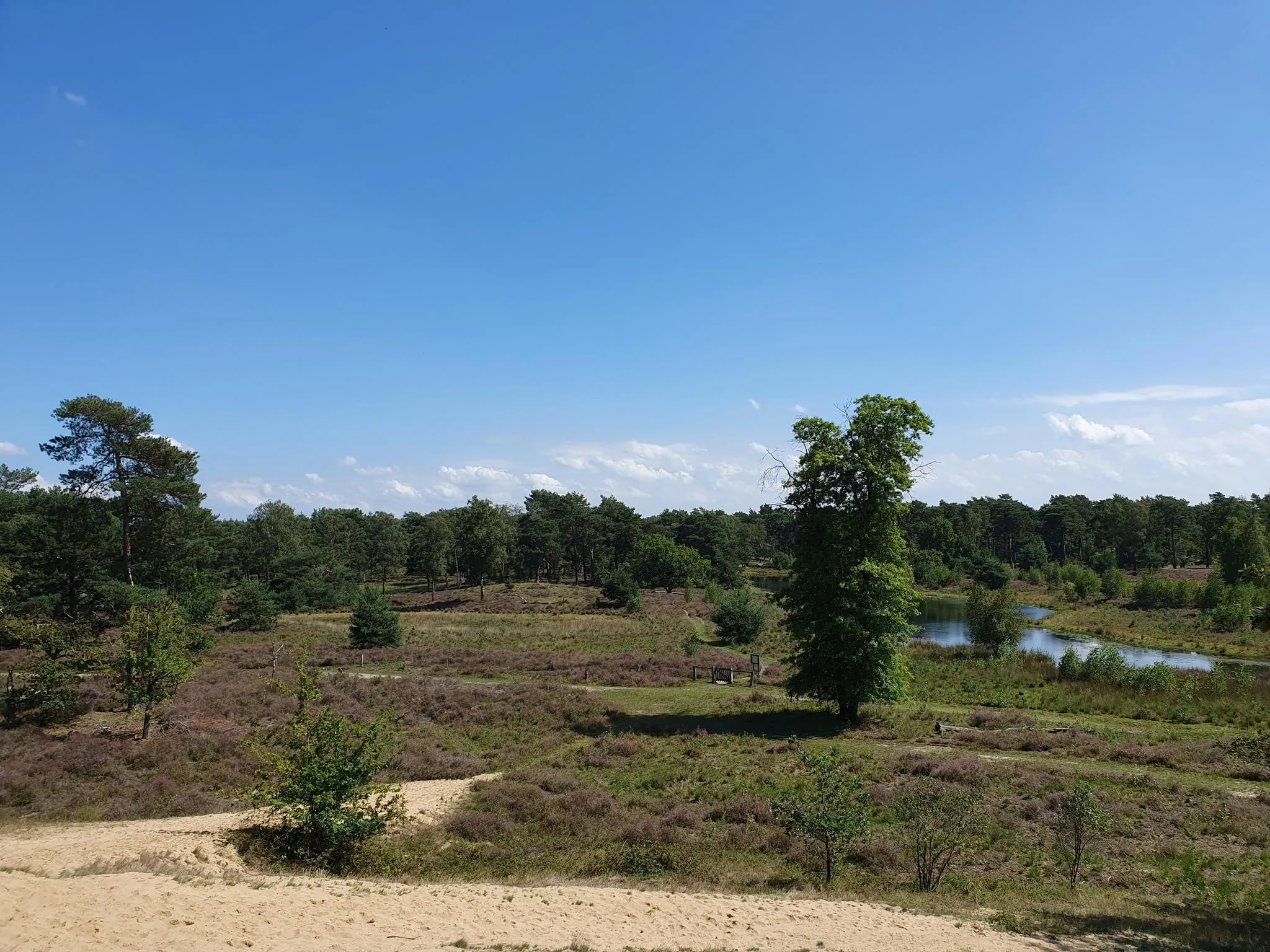
The Maas-Niederrhein Trail - Cross-border hiking in 19 stages
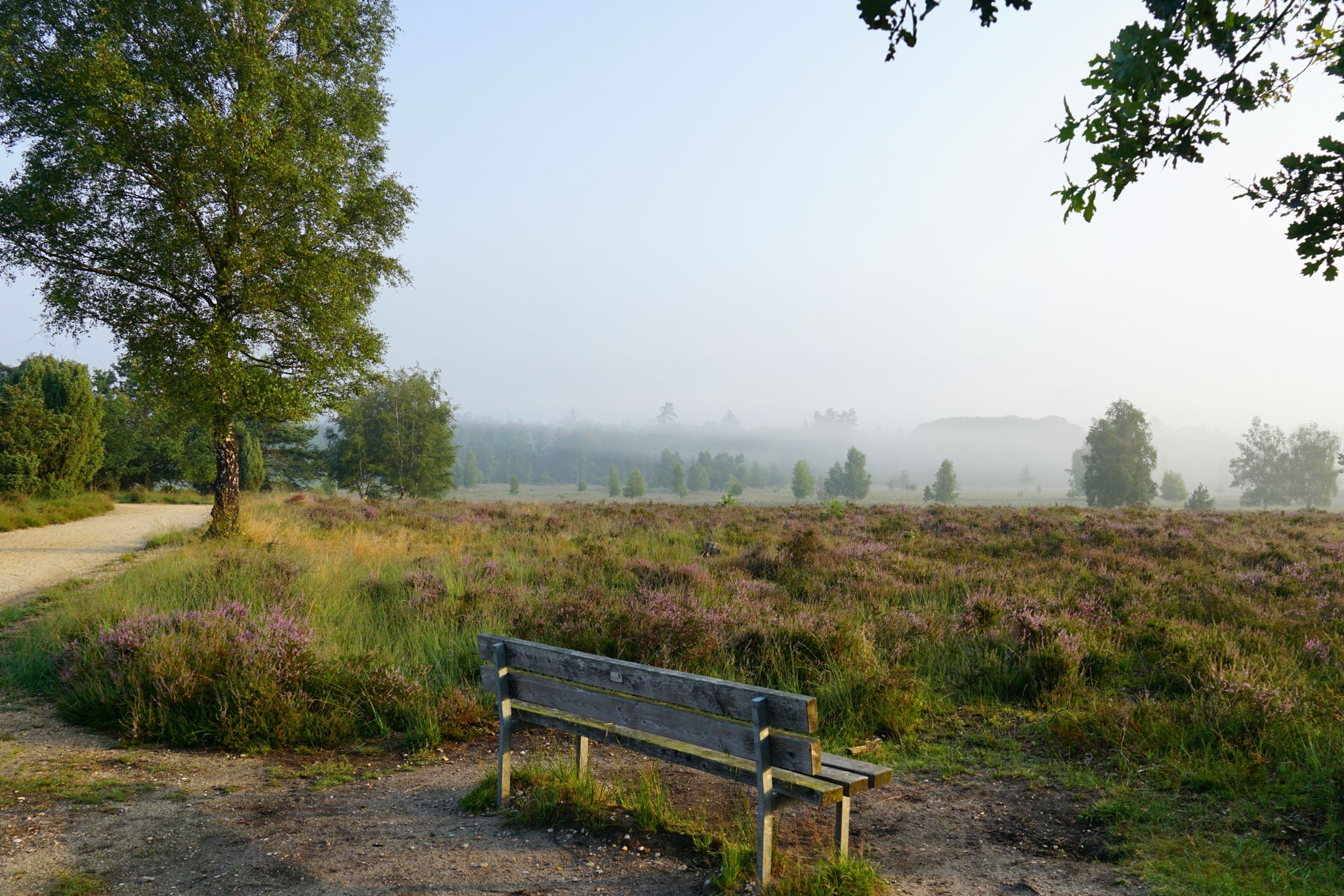
Leichte.Wander.Welt. - 10 barrier-free paths
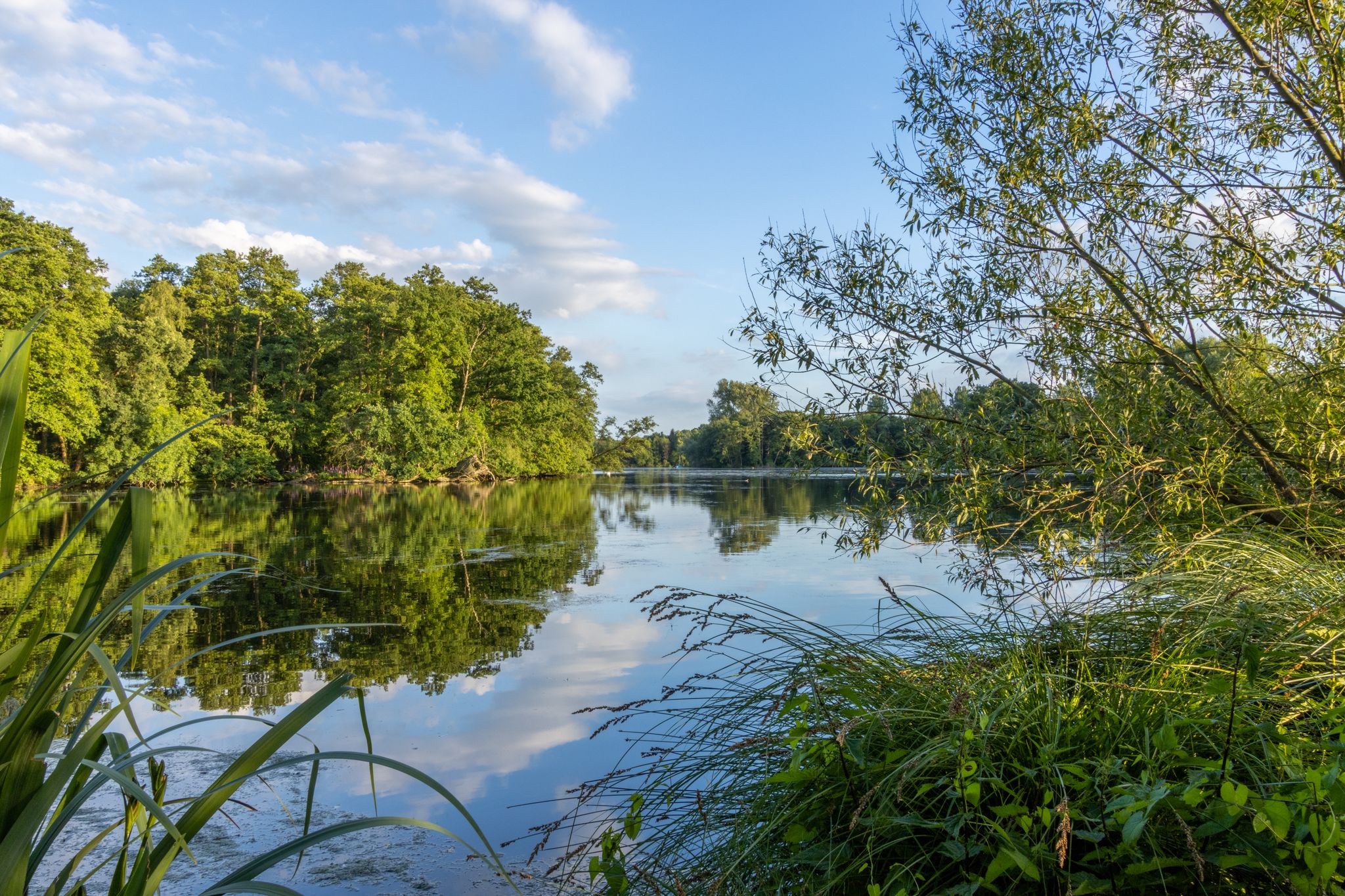
Water.Hike.World. - Premium Hiking Trails
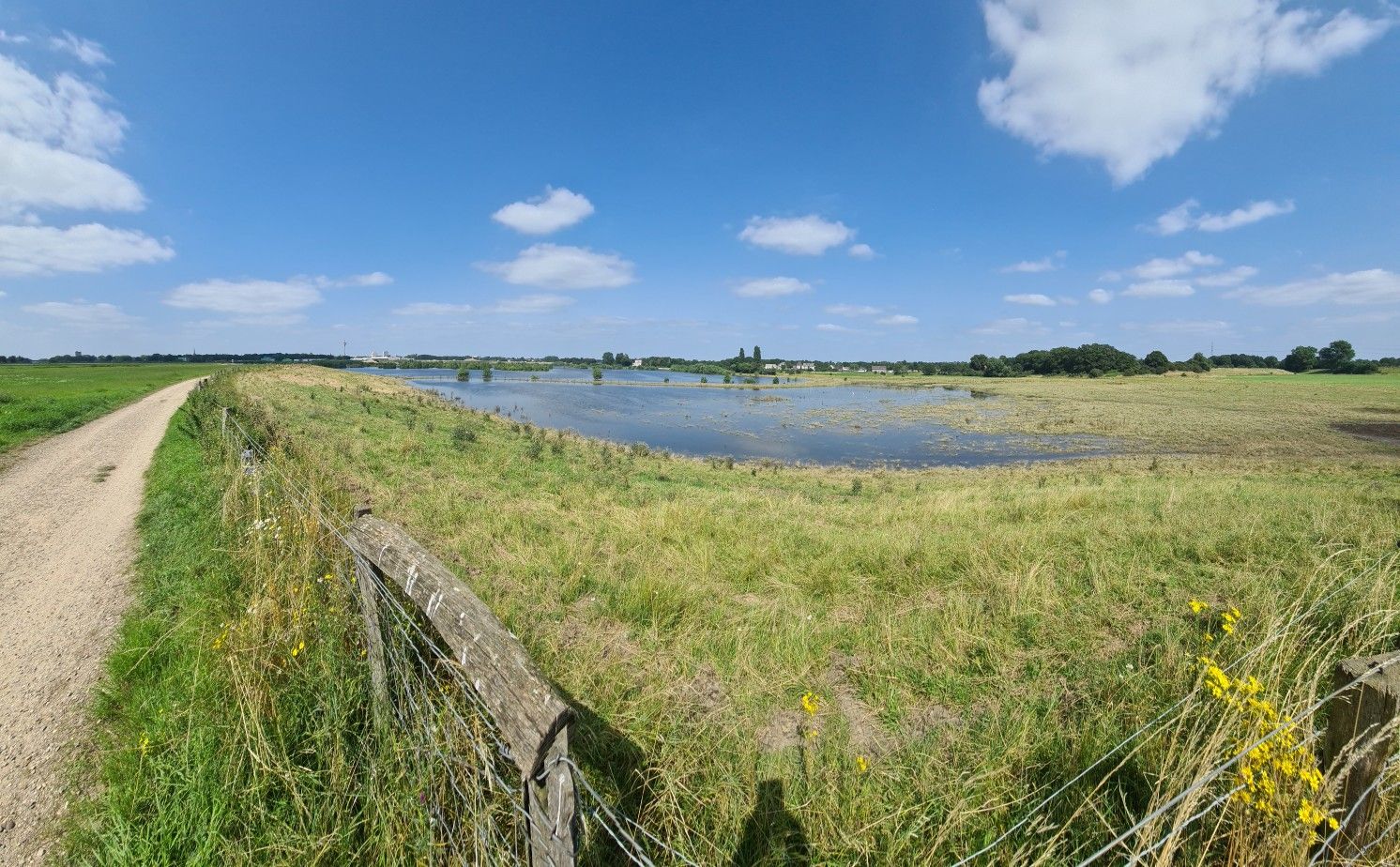
The way is the goal – Lower Rhein Route
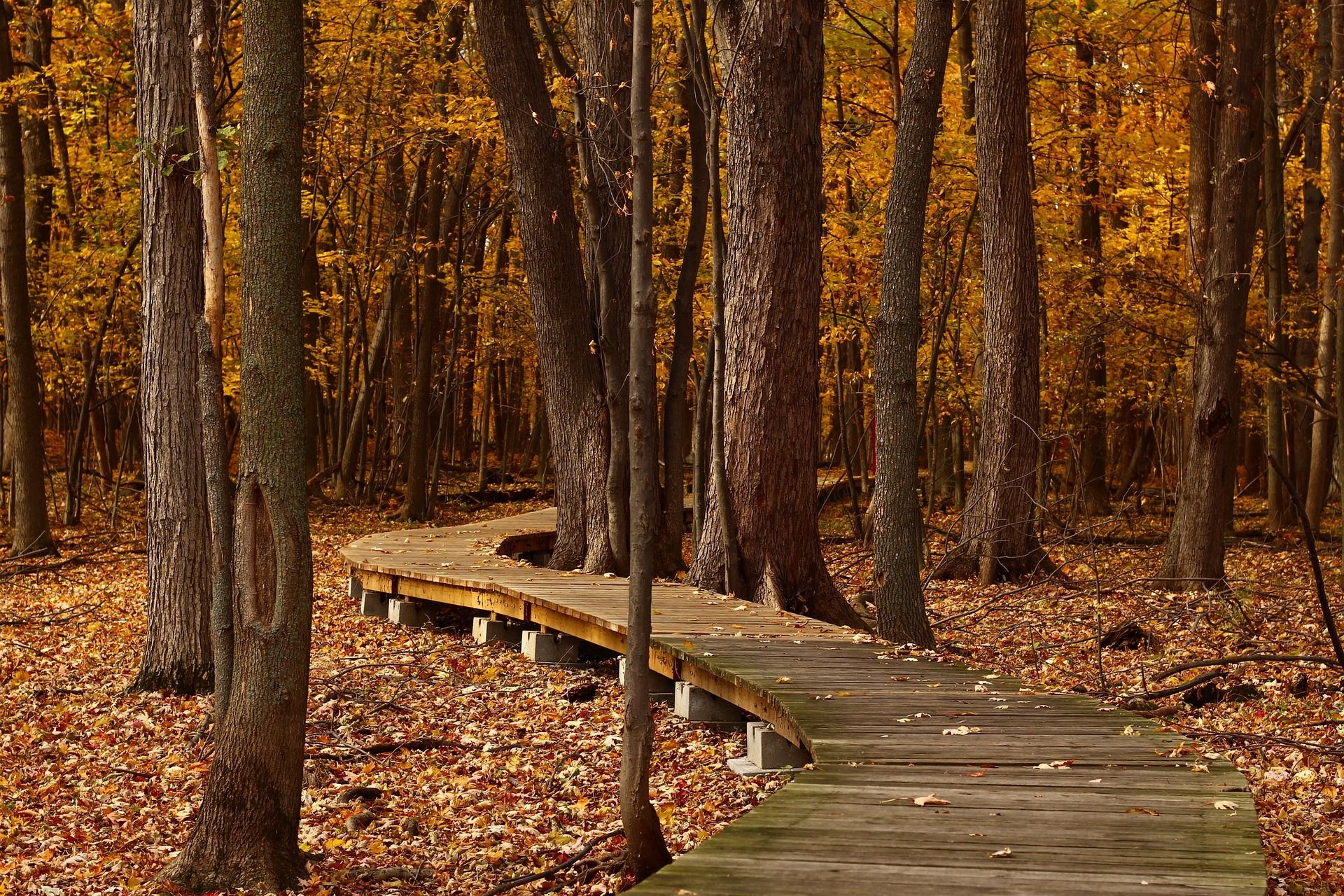
Top Hikes in Autumn - Ruhr Area and around Düsseldorf
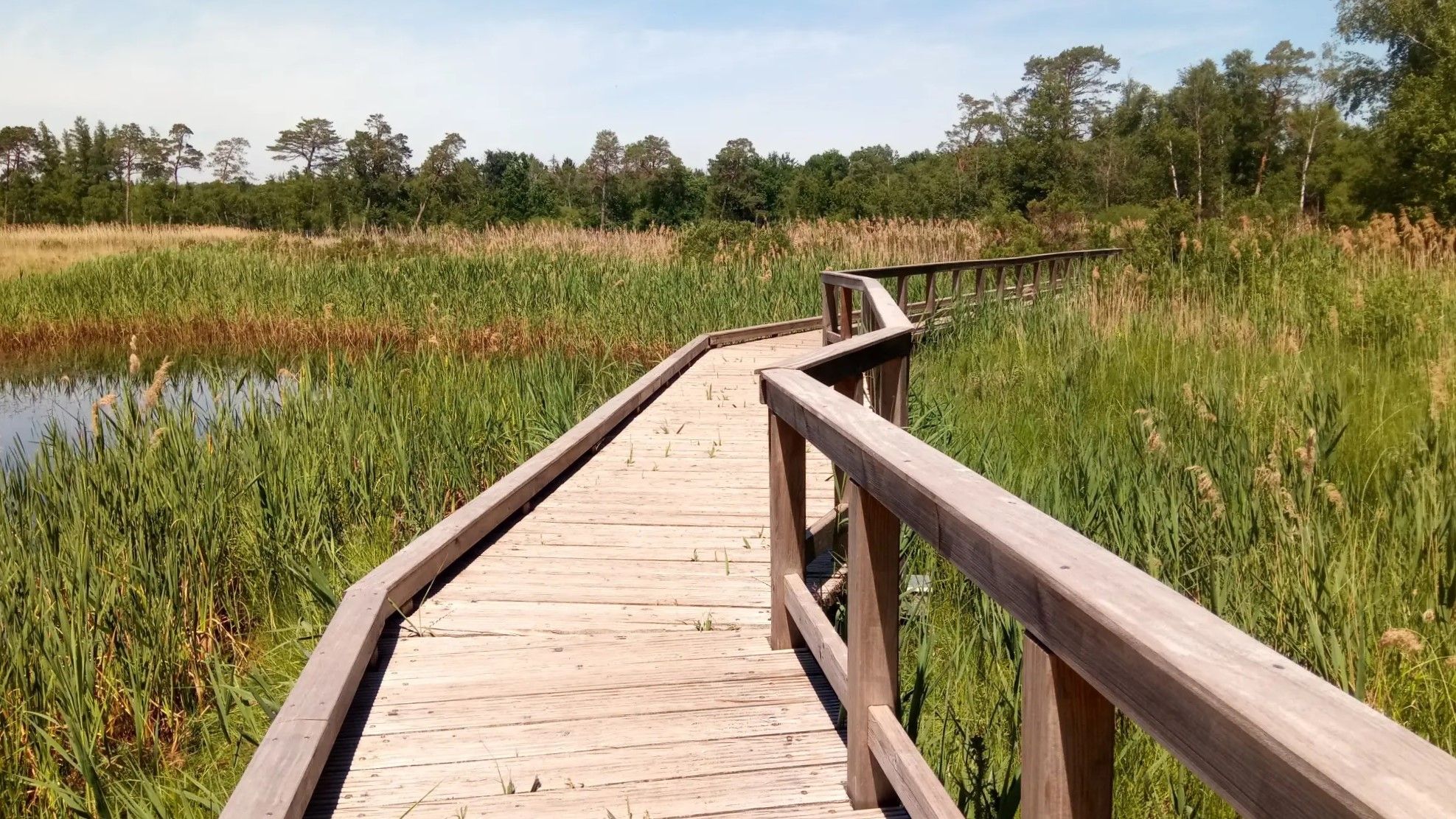
Wasser.Wander.Welt. – Premium-Spazierwanderwege
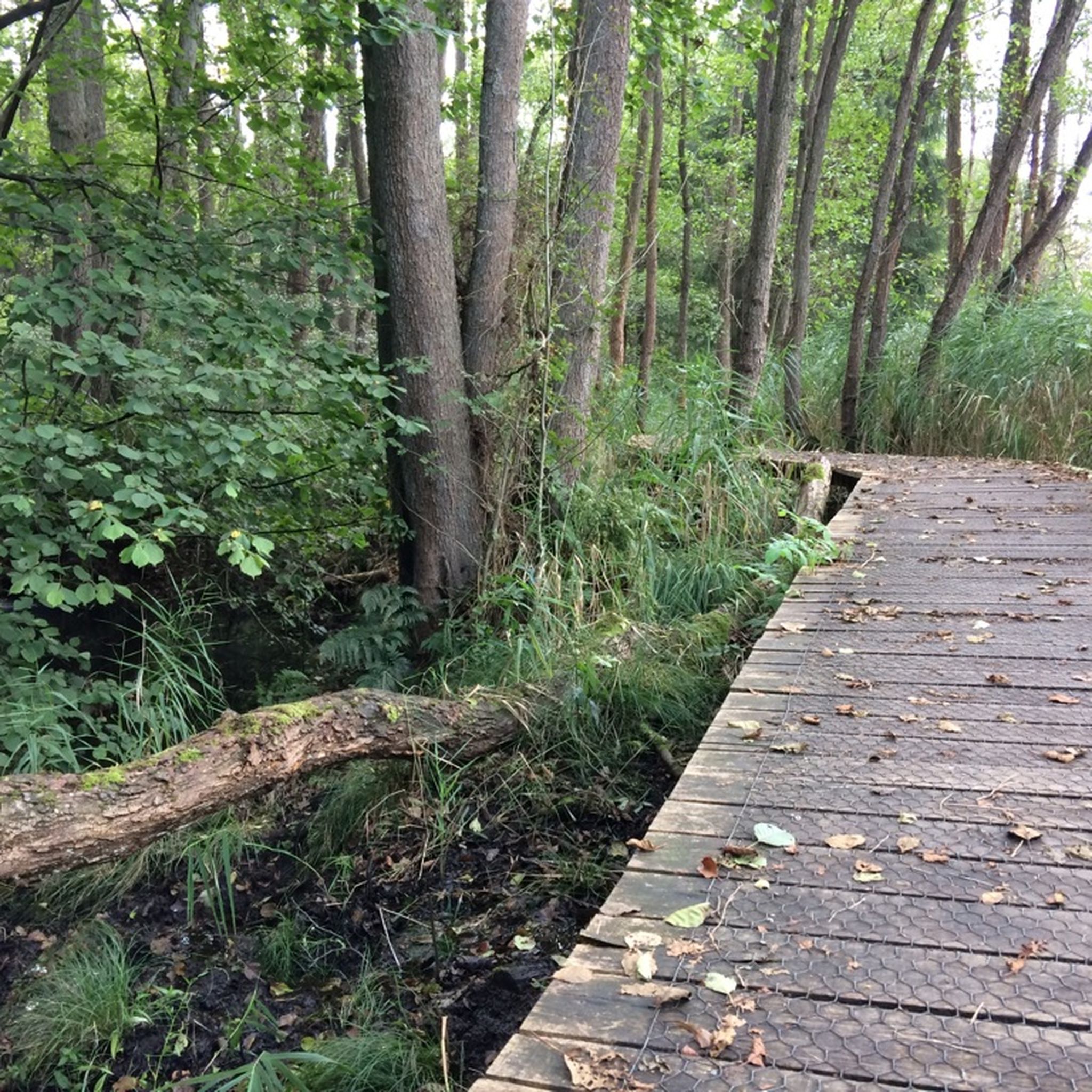
Hiking around Wegberg
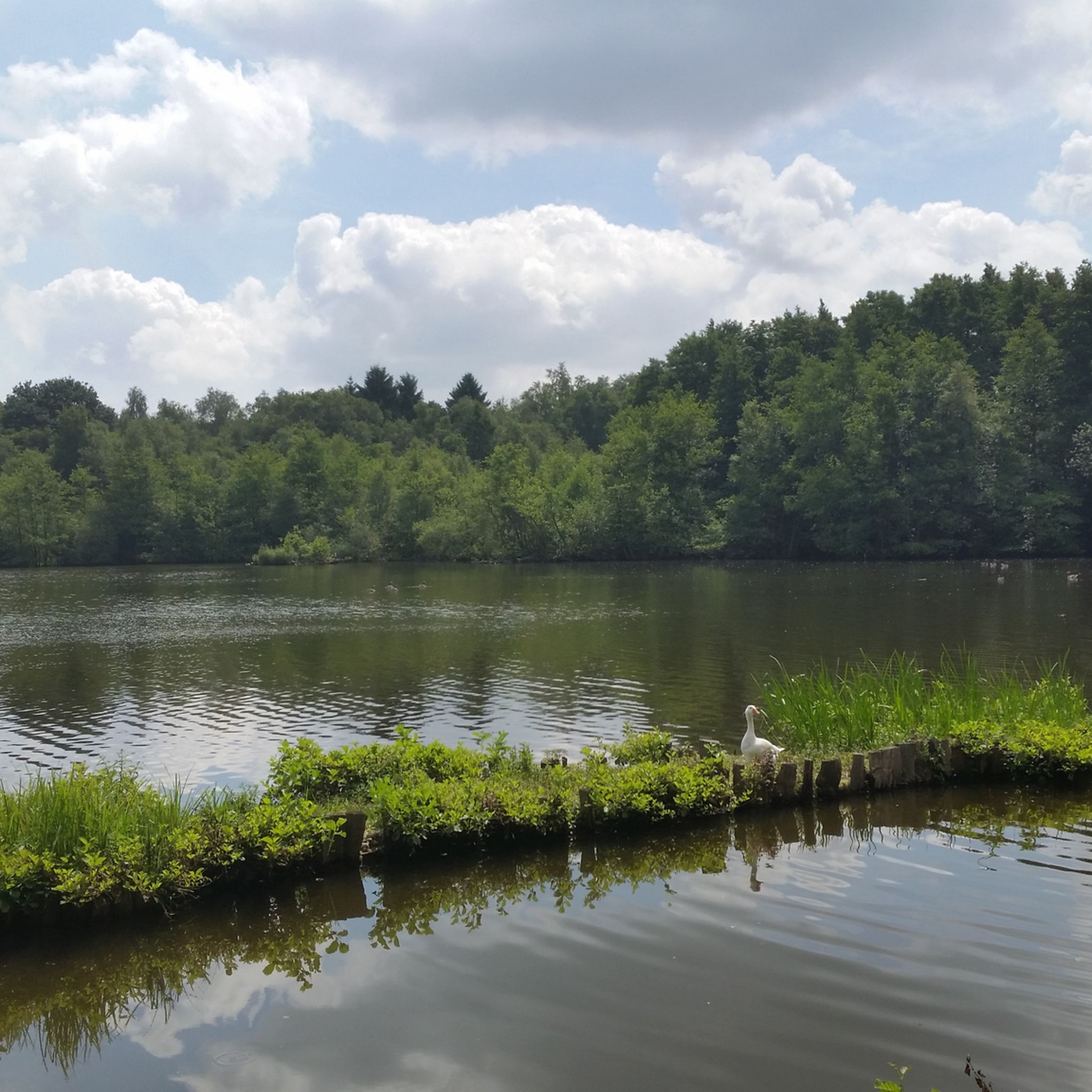
Cycling around Wegberg
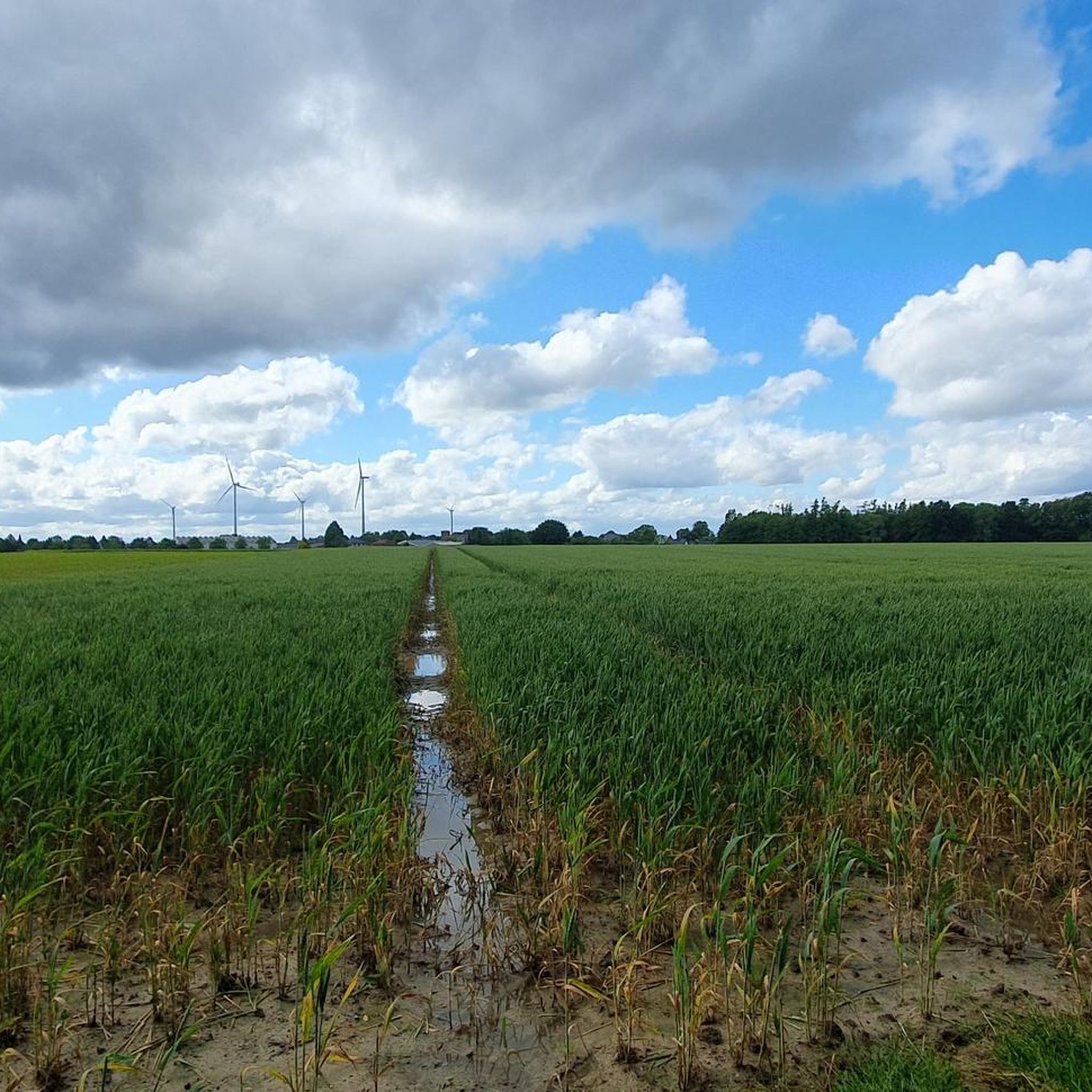
Running Trails around Wegberg
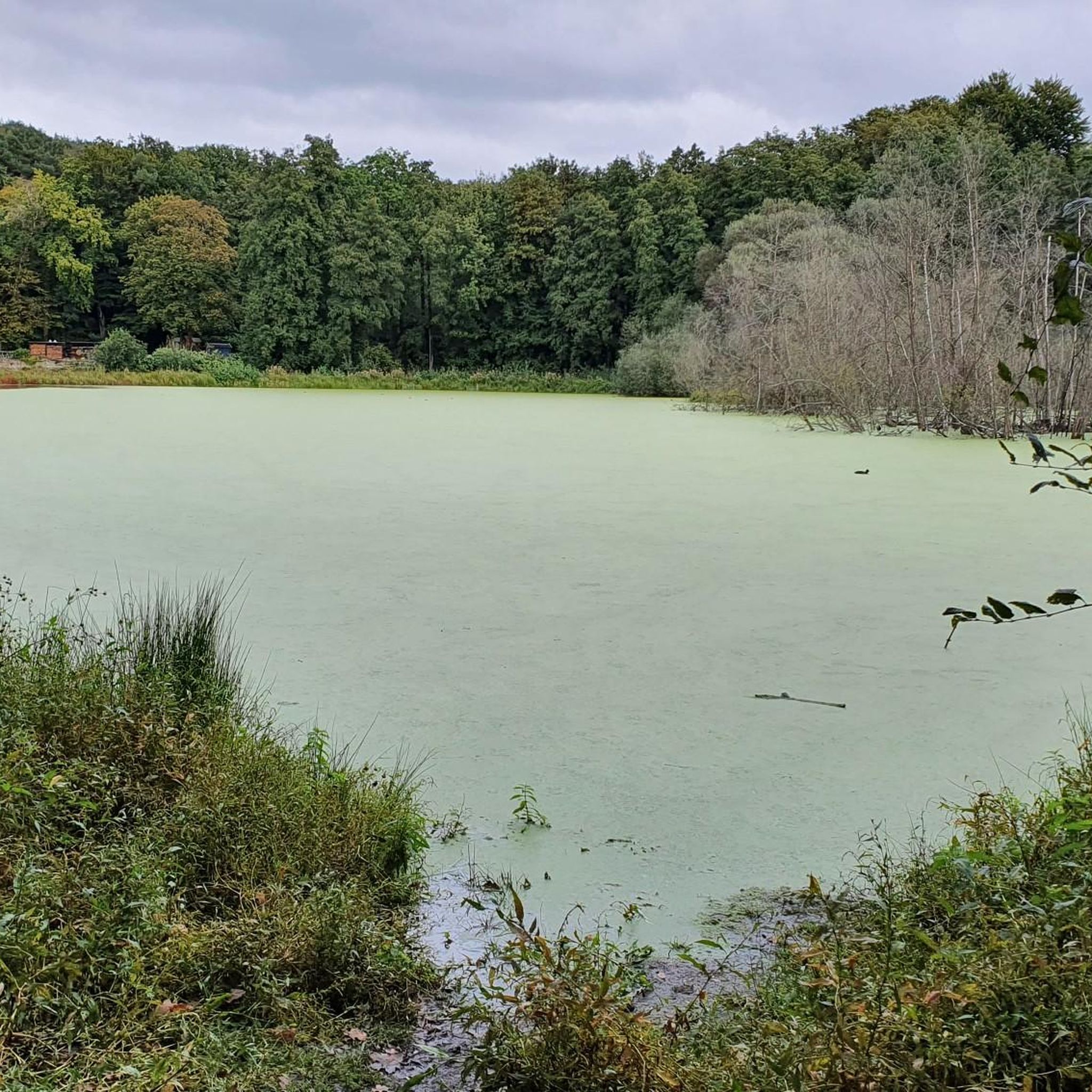
Road Cycling Routes around Wegberg
Other adventures around Wegberg


Tips from the Community

CYCLE TOUR WICKRATHER SCHLOSSTEICH The journey is the destination, and so 17 cyclists enjoyed a lovely day in Mönchengladbach's surroundings in what was at times a strong wind. The start was at 10:00 a.m. from the car park at Rheydt Castle. The route leads through the Volksgarten, the Neersbroicher Busch and the Hoppbruch to Haus Horst, from there past Steinhausen, Liedberg and Dyck Castle to Aldenhoven. Past the Jüchener Bach, we then went via Gierath and Jüchen to the edge of the open-cast lignite mine with a view into the big hole. Here we were showered heavily by the sprinklers that are supposed to bind the dust to protect the motorway. Shortly afterwards we reached the Wildenrath manor in Wanlo for a rest and refreshment. The route then went back along the Niers via Wickrath Castle, Beller Park and Zoppenbroich to Rheydt Castle.
9
0

There was no room available today
6
0

Classically beautiful and touristy castle town. Known nationally and correspondingly well attended.
5
1
The castle pond and the castle park are worth seeing.
7
0

The historical nucleus was the motte, now overgrown with trees, located in the middle of the mill pond. This motte, Tüschenbroich (an archaeological site on an island in the middle of the castle pond, probably separated from the mainland by a moat), was built as a moated castle and first mentioned in documents in 1172 as Thuschinbroc. The buildings burned down during the Thirty Years' War. Tüschenbroich belonged to Wassenberg and later to the Duchy of Jülich. In 1624, Franz von Spiering bought the war-damaged Tüschenbroich for 24,200 Reichstalers. He had the complex rebuilt as a baroque palace complex made of brick. The "Codex Welser," an illustrated inventory of all knightly fiefdoms in the Duchy of Jülich, shows both the main castle island and the outer bailey, parts of which are still preserved today, which later (after being destroyed) became the main castle. Tüschenbroich Castle seen from the motte. The castle was repaired in 1876 after being severely damaged in a storm. Tüschenbroich Castle is now privately owned.
7
0

The Tüschenbroicher Castle is located on the site of a former medieval fortification, a so-called moth. Tüschenbroich Castle in its current form dates from the 17th and 18th centuries. After the property was acquired by Franz Freiherr von Spiering, he had the former outer bailey converted into a palace according to his plans, which is now privately owned and can only be visited by appointment. The castle complex also includes a historic oil mill from the 18th century and a former grain mill, which is located on the opposite bank of the castle pond and now houses a restaurant. Also worth seeing is the baroque Ulrichskapelle, which is located in the Tüschenbroicher Forest and was built in the 17th century. The area around the castle with the local recreation area Tüschenbroicher Wald is a popular destination today. Whether cyclists, hikers or families in summer, everyone will find relaxation from the hustle and bustle of the big city. Source: https://kuhpfad.de/niederrhein-historische-bauwerke/burgen-schloesser-herrenhaeuser/wegberg-schloss-tueschenbroich/
8
1
The historical nucleus was the Motte, which is now overgrown by trees and located in the middle of the Mühlweiher. This motte Tüschenbroich (ground monument on an island in the middle of the castle pond, probably separated from the mainland by a ditch) was built as a moated castle and was first mentioned in documents in 1172 as Thuschinbroc. The buildings burned down during the Thirty Years' War. Tüschenbroich belonged to Wassenberg and later to the Duchy of Jülich. In 1624, Franz von Spiering bought Tüschenbroich, which had been destroyed in the war, for 24,200 Reichstaler. He had the complex rebuilt as a baroque palace complex in brick construction. The "Codex Welser", an illustrated inventory of all knightly fiefdoms in the Duchy of Jülich, from 1720 shows both the main castle island and the outer bailey complex, which is still partially preserved today and later mutated into the main castle after being destroyed.
8
1
Thanks to the renovation of the town center that began in 1964, Brüggen's historical character has been preserved. Winding alleys, romantic archways, picturesque mills and traditional buildings give Brüggen its special charm. It is fun to go on a discovery tour in Brüggen and visit the beautifully restored houses, old alleys, city walls and parks. The first mention of the castle and town of Brüggen can be found in a marriage certificate dated December 24, 1289. Around 1306, Brüggen Castle was inherited by the Counts of Jülich. In 1350, it was expanded into the Jülich state fortress. Around 1473, soldiers of the Burgundian King Charles the Bold (1433 - 1477) conquered and plundered the Brüggen fortress and castle. A year later, it was plundered again by the Counts of Gelderland. The castle, which had now been badly damaged, was repaired and a second floor was added. The Counts of Moers received Brüggen Castle as a pledge and around 1494 the Counts of Jülich-Berg bought it back. In 1526 the fortifications of the town and castle were renewed and enlarged. In the years 1561 - 1577, construction work was carried out again and the fortifications were adapted to the development of offensive weapons. The oldest surviving drawing of Brüggen Castle was created around 1623. It shows the castle as a closed structure with four towers (spire roofs). Around 1770 the Rentei was rebuilt by the ducal court architect Klees. The earthen ramparts at the castle were partially demolished. In 1794 Brüggen was occupied by French troops and the Brüggen office was dissolved. Source: https://www.rheinruhronline.de/niederrhein/niederrheinteil2/brueggen/burgbrueggen.htm
9
2
Frequently Asked Questions
What makes the castles around Wegberg unique?
The castles around Wegberg are primarily known for their historical significance as water castles and moated fortifications. Many, like Tüschenbroich Castle, feature ancient motte-and-bailey structures and are nestled within the scenic Schwalm-Nette Nature Park, surrounded by ponds and forests. This blend of historical architecture and natural beauty offers a distinct regional experience.
Are there family-friendly castles to visit near Wegberg?
Yes, several castles in the area are suitable for families. Brüggen Castle is known for its events and offers exploration of its preserved knife tower and casemates. Tüschenbroich Castle, with its unique ensemble of a castle, mill pond, and oil mill, provides an engaging historical setting. Wickrath Castle Fountain and Gardens also offers extensive park grounds for families to explore.
What kind of historical features can I expect to see at these castles?
You can expect to see a range of historical features. Tüschenbroich Castle, for instance, has roots in a Carolingian-era motte (a fortified mound) and features a baroque water castle built on the site of an earlier one. Brüggen Castle showcases well-preserved fortifications, including a knife tower and casemates. Many castles are moated, reflecting their defensive origins.
Can I find places to eat or drink near the castles?
Yes, there are options for refreshments. Tüschenbroich Castle historically included a grain mill that was converted into a restaurant (though it operated until the end of 2022, check local listings for current status). Wickrath Castle Fountain and Gardens has a cafe/restaurant on its grounds. The Historic Old Town of Brüggen, near Brüggen Castle, also offers various dining establishments.
What outdoor activities can I do near the castles?
The area around Wegberg, particularly within the Schwalm-Nette Nature Park, offers numerous outdoor activities. You can enjoy hiking on trails like the 'Oil mill path' or 'Holtmühlen-Pfad' near Tüschenbroich Castle. Cycling is also popular, with routes such as 'Lake Holtmühle – Tüschenbroich Castle loop from Wegberg'. For more options, explore the hiking and cycling guides around Wegberg.
Are there any easy walking trails around the castles?
Yes, the region is part of the 'Leichte Wanderwelt' (Easy Hiking World) project, making it accessible for various visitors. Near Tüschenbroich Castle, you can find easy trails like the 'Oil mill path' (1.3 km) and the 'Holtmühlen-Pfad' (1.3 km). These paths allow you to explore the natural surroundings and the castle grounds at a leisurely pace. For more details, refer to the hiking guide for Wegberg.
What natural features can I see when visiting castles in this region?
The castles are often integrated into beautiful natural landscapes. Tüschenbroich Castle is surrounded by three ponds and a large forest within the Schwalm-Nette Nature Park. Wickrath Castle Fountain and Gardens features extensive parkland with various bridges crossing the Niers river and its canals, as well as the picturesque Wickrath Castle Pond.
What do visitors enjoy most about the castles around Wegberg?
Visitors appreciate the blend of rich history and picturesque natural settings. The well-preserved historical elements, such as the motte at Tüschenbroich Castle and the fortifications at Brüggen Castle, offer a tangible connection to the past. The tranquil surroundings of ponds and forests, especially within the Schwalm-Nette Nature Park, also make for scenic walks and day trips.
Are there any hidden gems or less crowded castles to discover?
While the main castles are popular, the region's focus on water castles and historical sites within natural parks means many spots offer a serene experience. Exploring the grounds around Tüschenbroich Castle, including the secluded Ulrichskapelle in the surrounding forest, can feel like discovering a hidden gem. The overall atmosphere of the Schwalm-Nette Nature Park provides a peaceful backdrop away from major tourist crowds.
Is it possible to visit the interior of these castles?
Many castles in the region, including Tüschenbroich Castle, are privately owned and primarily viewable from the exterior. However, you can often explore the castle grounds, parks, and associated historical buildings. For example, Brüggen Castle allows visitors to explore its knife tower and casemates. Some renovated barns within the Tüschenbroich castle grounds are available for rent as apartments, offering a unique historical accommodation experience.
What is the best time of year to visit the castles around Wegberg?
The castles and their surrounding natural parks are enjoyable throughout the year. Spring and summer offer lush greenery and pleasant weather for exploring the extensive gardens and walking trails, with events often taking place. Autumn brings beautiful foliage, while winter can offer a serene, picturesque landscape, especially around the moated castles. Check local event calendars for specific activities or festivals.
Most popular routes around Wegberg
Most popular attractions around Wegberg

Get inspired with the komoot mobile app


Explore more
Looking for the best castles somewhere else? Discover other guides around Wegberg:
