Top 20 Castles around Weißenohe
Best castles around Weißenohe offers a journey through historical sites in the Franconian Switzerland region. The area features a mix of castle ruins and well-preserved structures, often situated on elevated points providing views of the surrounding landscape. Weißenohe itself has historical significance, including a former Benedictine monastery. The region's varied terrain provides a backdrop for exploring these historical landmarks.
Best castles around Weißenohe
- The most popular castles is Hohenstein Castle, a castle that is the highest point in the…
Last updated: June 22, 2026
Hohenstein Castle
Highlight • Castle
In winter, when there …
Translated by Google •
Tip by

Egloffstein — Village and Castle
Highlight • Castle
Translated by Google •
Tip by

Sign up now to discover places like this
Get recommendations on the best single tracks, peaks, & plenty of other exciting outdoor places.
Sign up for free
Ruins of Thuisbrunn Castle
Highlight • Castle
Translated by Google •
Tip by
Rothenberg Fortress
Highlight • Historical Site
Guided tours are only available during the summer …
Translated by Google •
Tip by

Stierberg Castle Ruins
Highlight • Castle
Translated by Google •
Tip by

Sign up for free to discover even more castles around Weißenohe.
Sign up for free
Already have an account?
Start today with a free account
Your next adventure awaits.
Login or Signup
Popular around Weißenohe
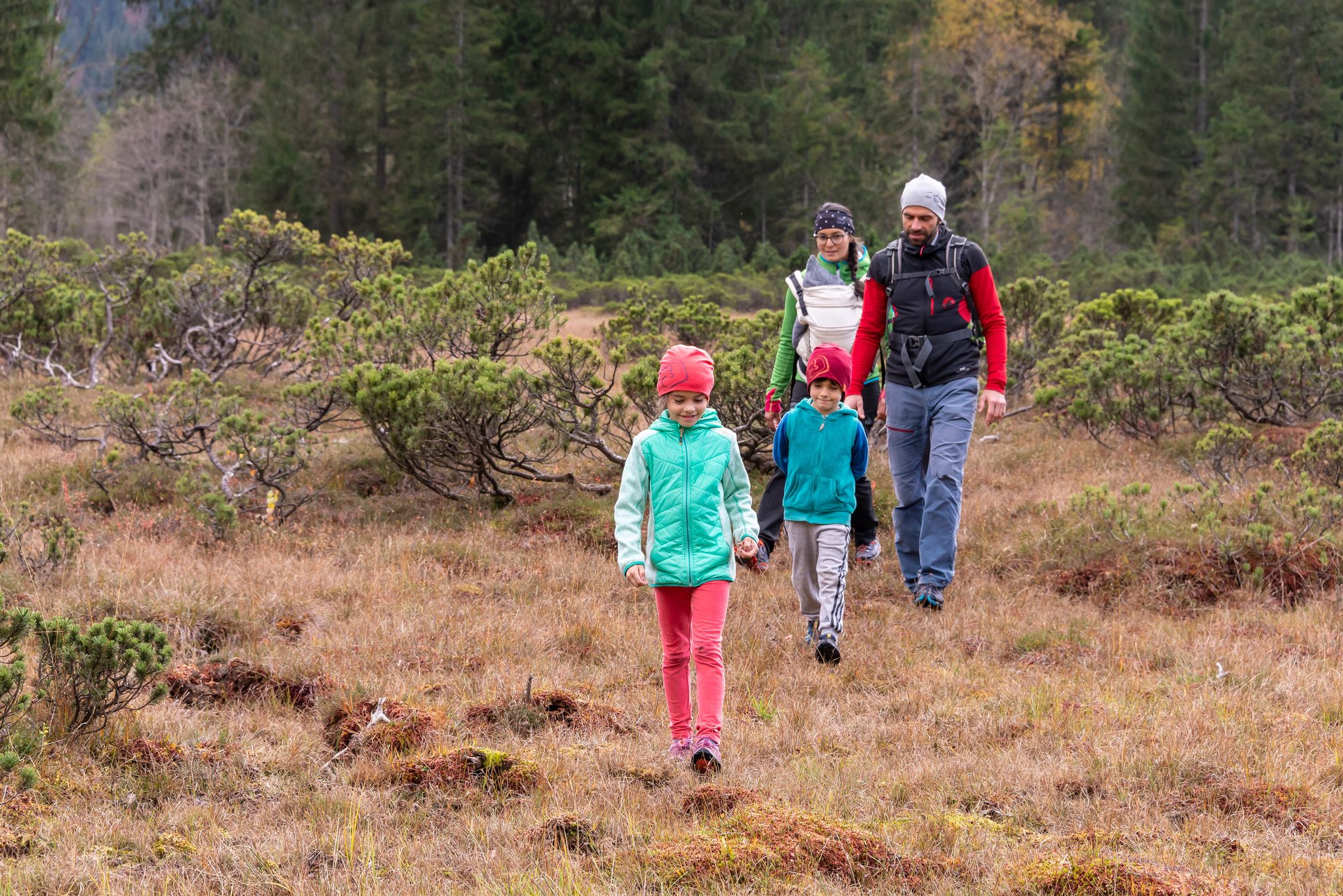
No time for boredom – family hikes with a fun factor in Bayern
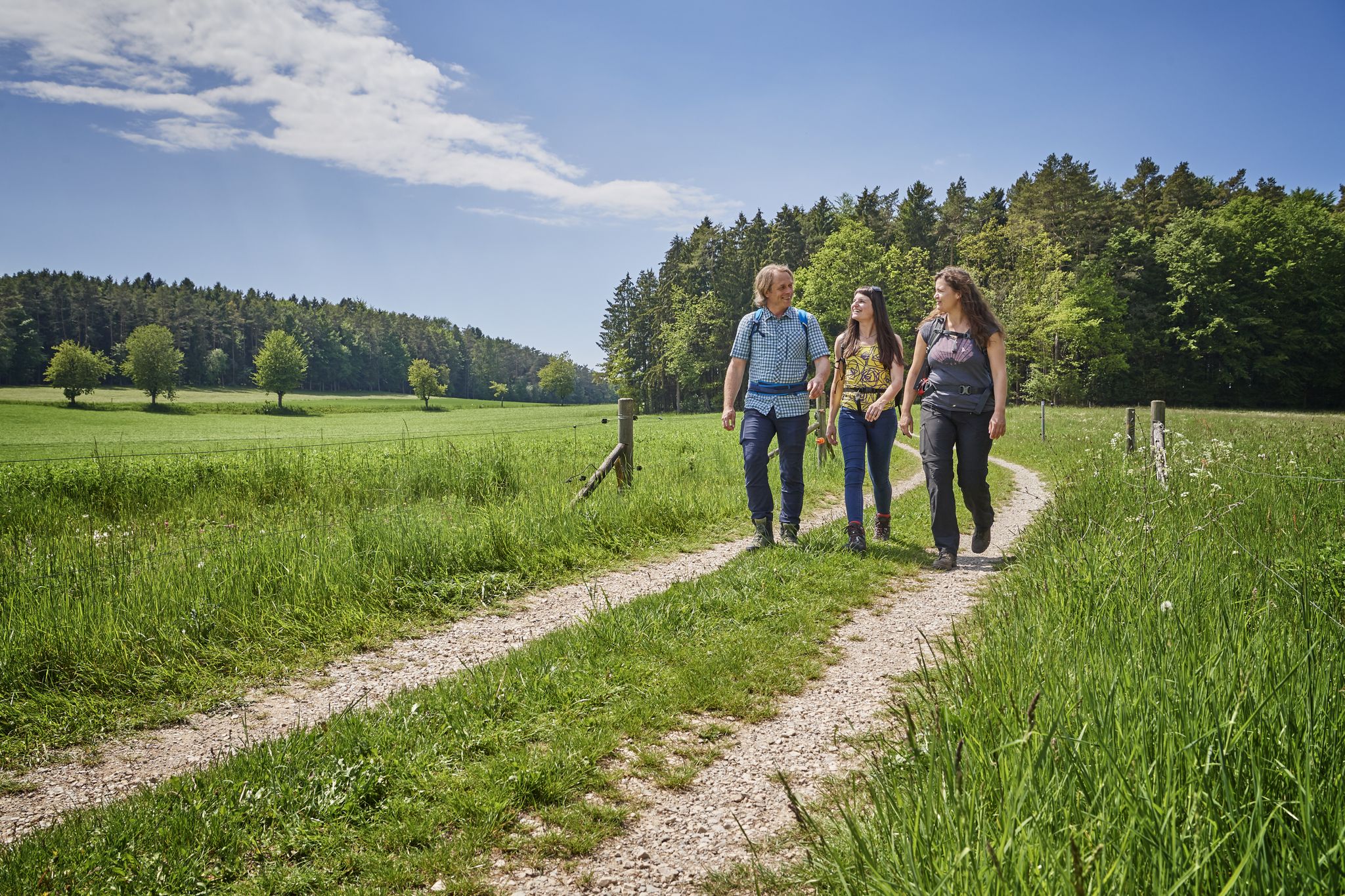
Hops, barley & beer — hiking with VGN leisure tips through Franconia
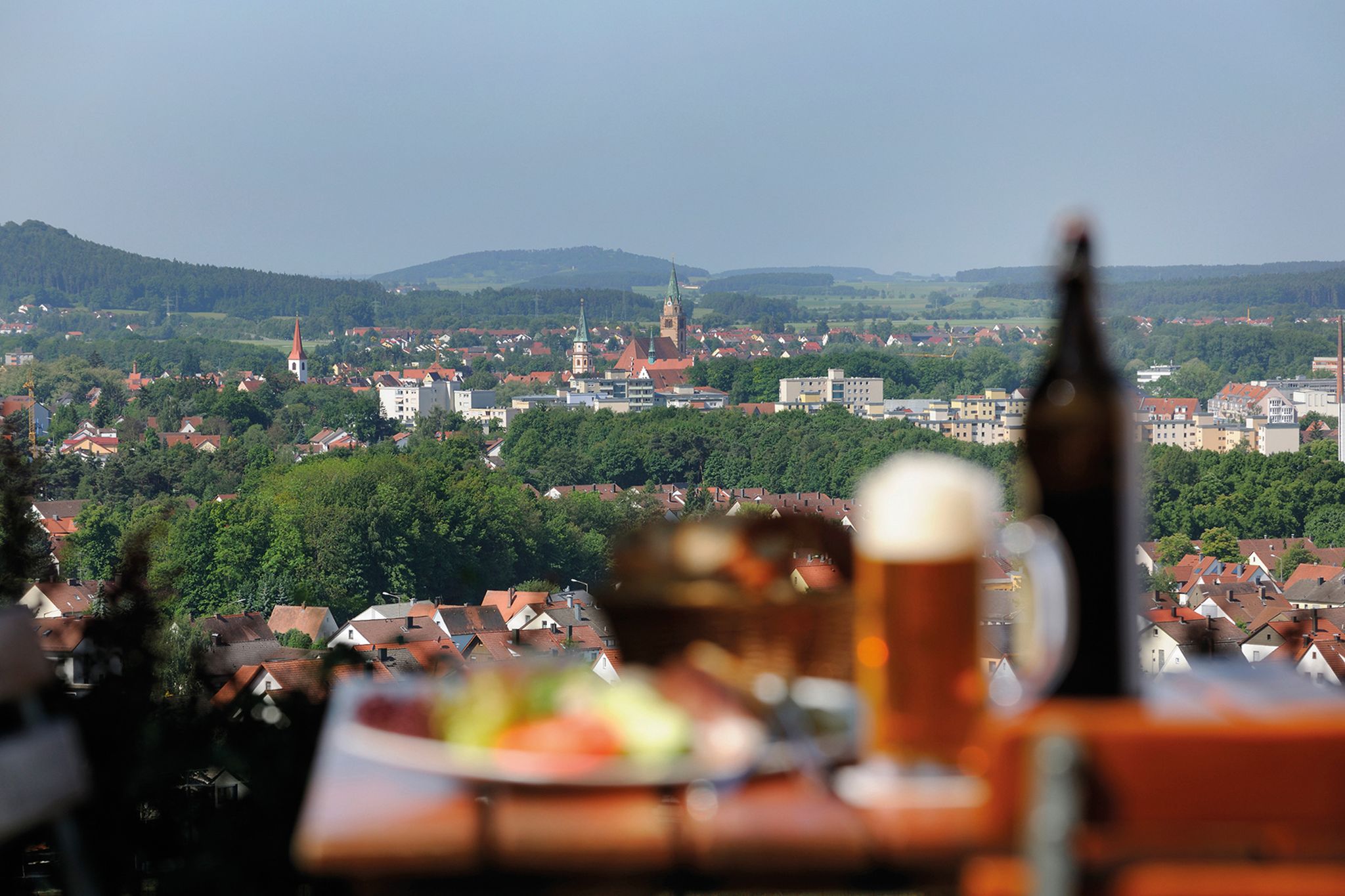
Hike & Beer in Franconia and Upper Palatinate — the VGN leisure tips
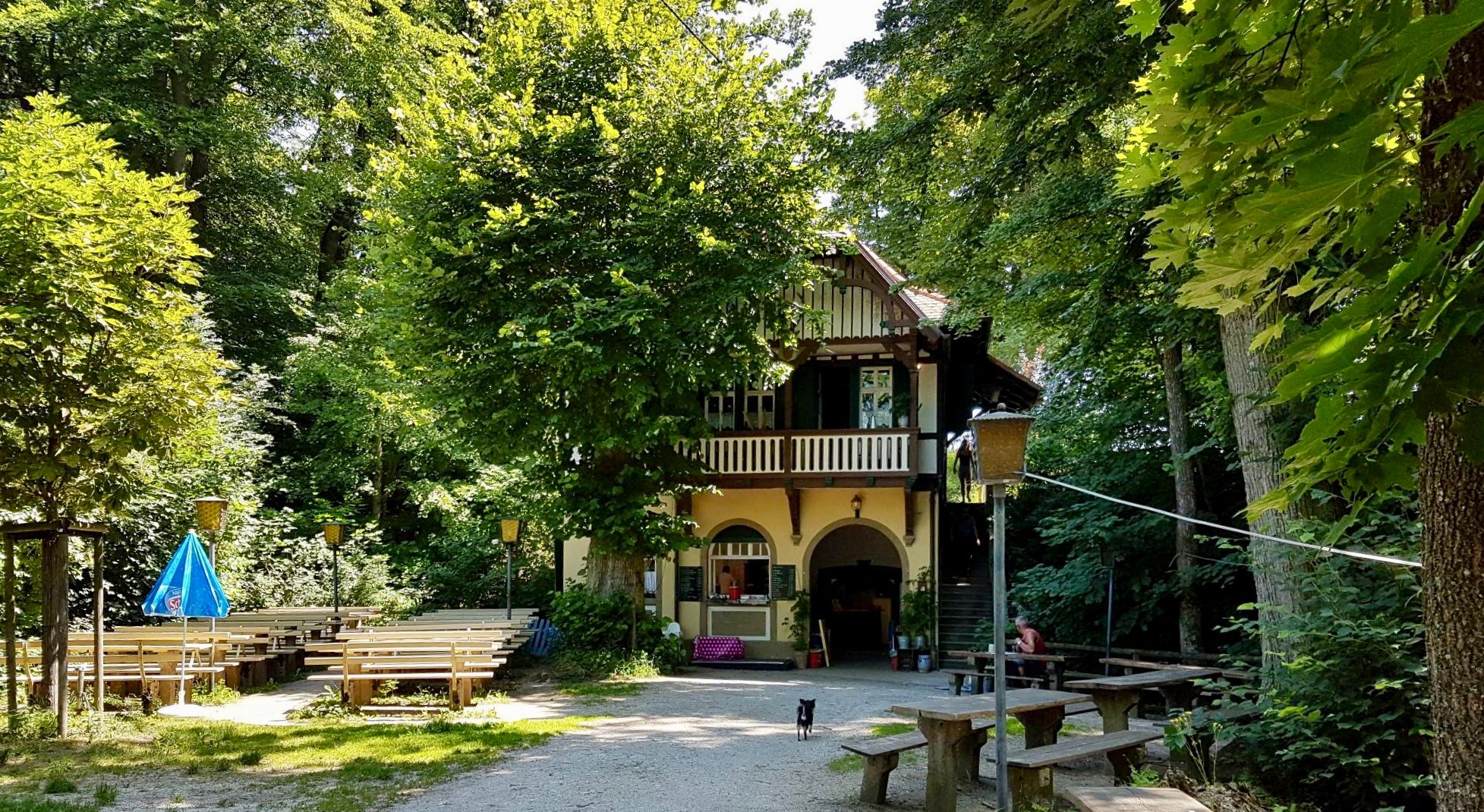
Franconian Switzerland — on the trace of the Purity Law
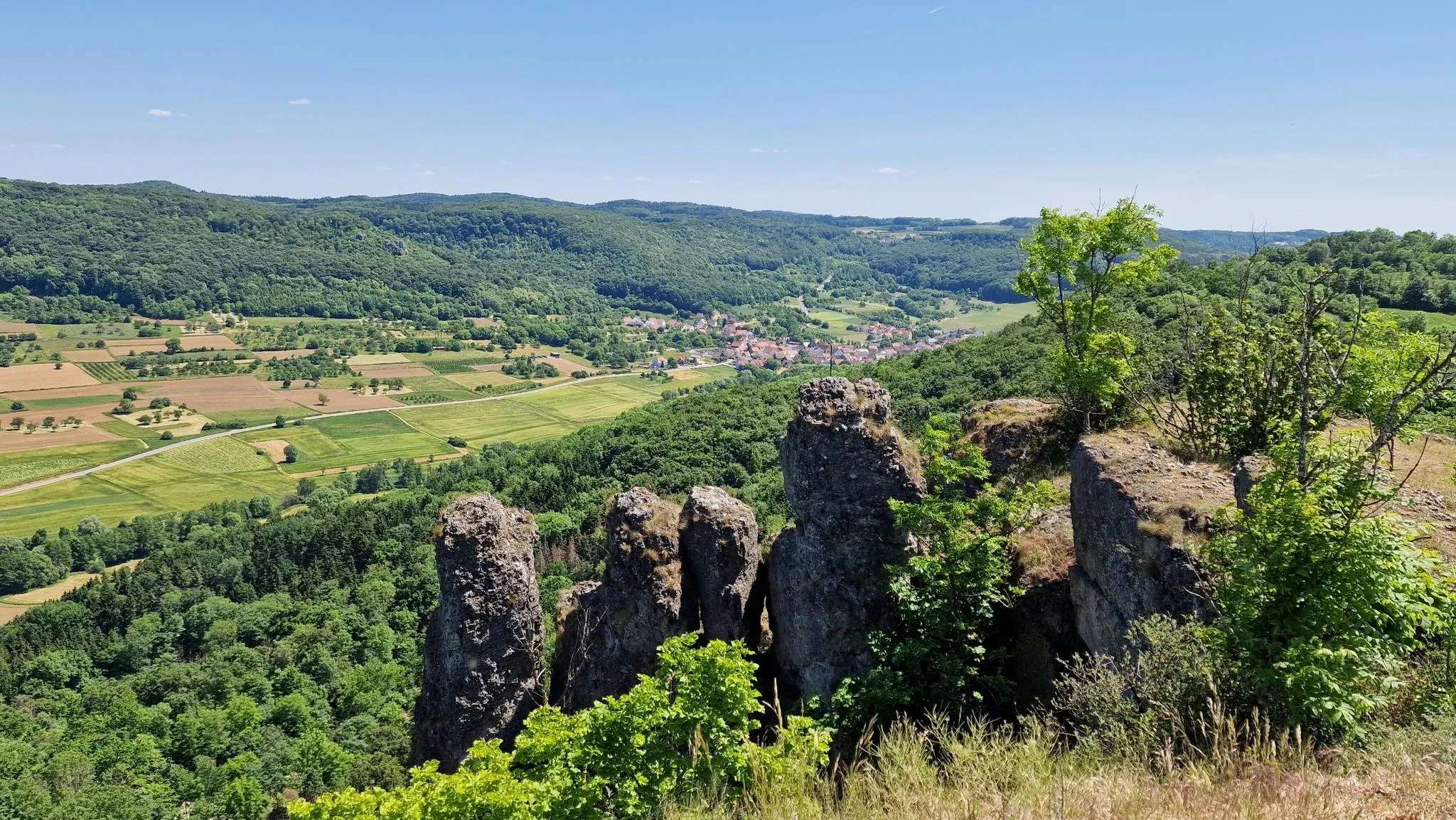
Delightful hiking in Franconian Switzerland
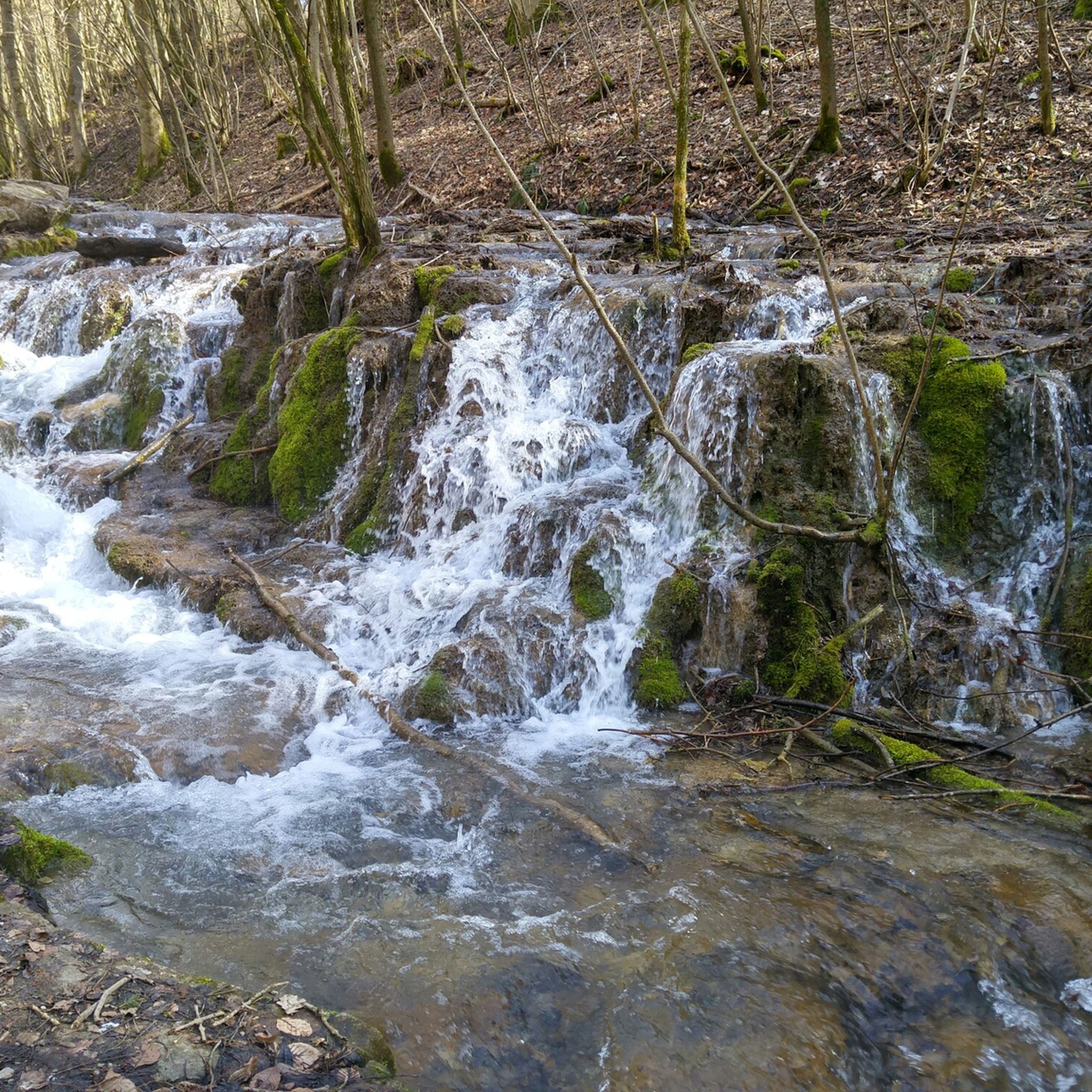
Hiking around Weißenohe
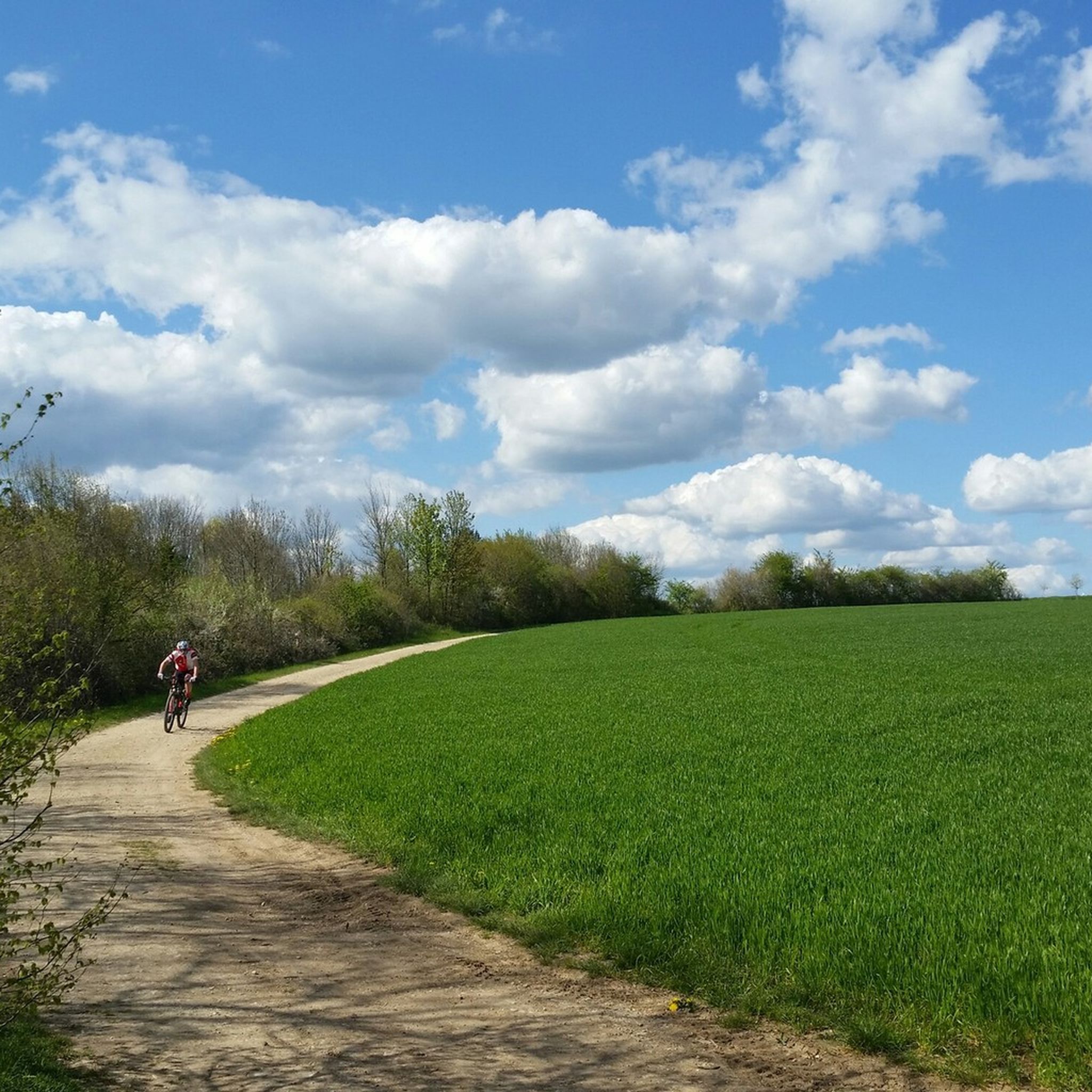
MTB Trails around Weißenohe
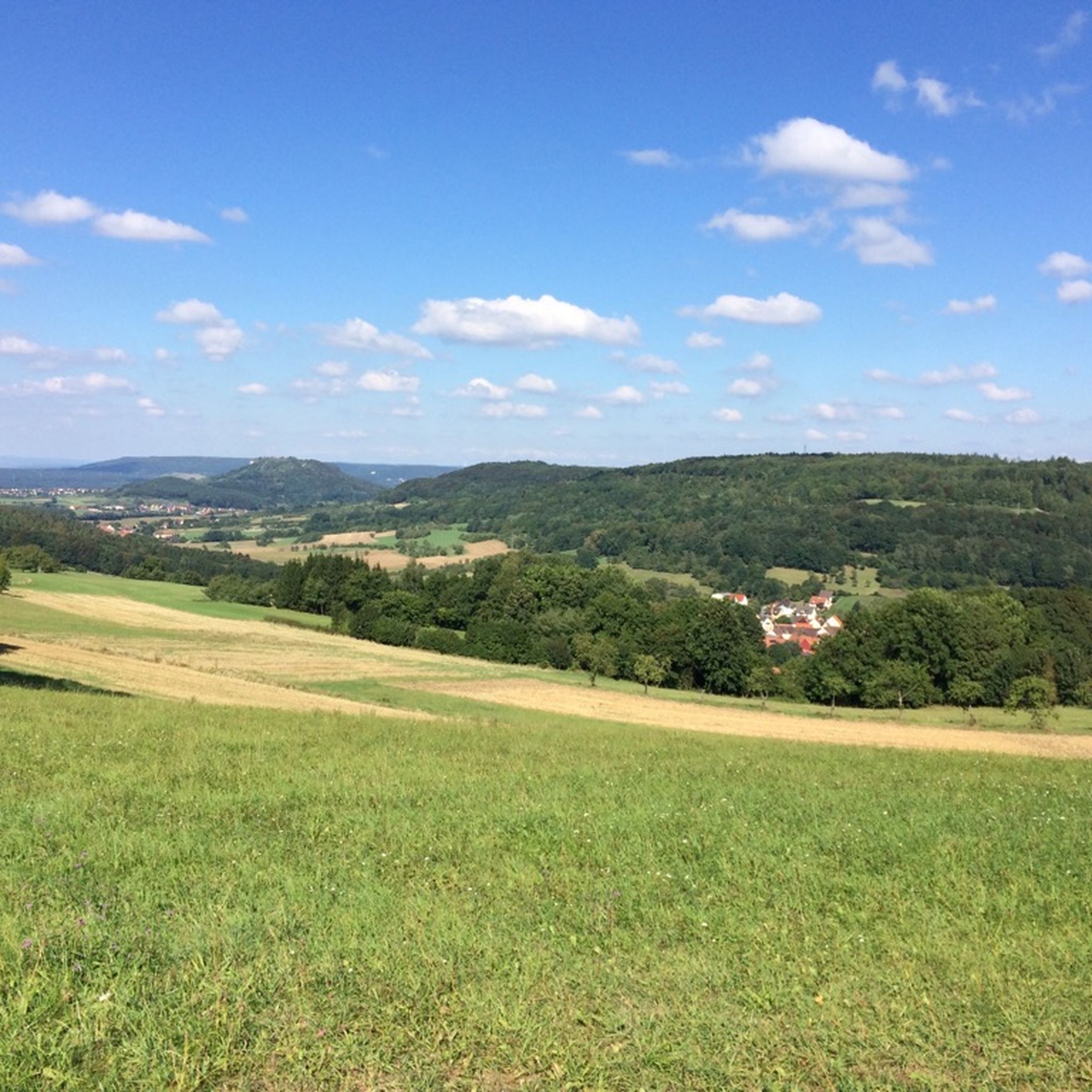
Cycling around Weißenohe
Road Cycling Routes around Weißenohe
Gravel biking around Weißenohe
Other adventures around Weißenohe


Tips from the Community

Egloffstein is absolutely worth seeing and has a lot to offer
2
1

Stierberg castle ruins The castle and the town at its feet owed their importance to the junction here from the high road, the section of the “via imperii” between Nuremberg and Bayreuth. This north-south axis crossed in Stierberg with the Altstrasse, which ran from west to east. The name Stierberg first appeared in 1187 with the mention of Otnand de Stierberc and in 1188 by a Poppo von Stierberch, both of which were ministerial offices of the Bishopric of Bamberg. Before 1308, the castle, which was later owned by the diocese, passed to the noble lords of Schlüsselberg. In 1306, Landgrave Ulrich von Leuchtenberg entrusted the castle to the Bishopric of Trier. In 1356 the property passed as a fief to Emperor Charles IV and thus to Bohemia. In 1417 Stierberg was sold to John of Bavaria by Landgrave Leopold. After the Landshut War of Succession, Stierberg fell into the hands of the Nurembergs without a fight in 1504 and thus to the Free Imperial City of Nuremberg. Then regained in the same year by the Palatinate under Ludwig von Eyb, but apparently significantly damaged during these fighting. Retaken by the Nuremberg troops in 1505, Stierberg and Betzenstein became part of the imperial city of Nuremberg. In the second federal war in 1553, the village and Stierberg Castle were shelled and captured by margrave troops, and the castle burned down completely. The castle ruins lie on a dolomite rock reef that slopes down on three sides. The upper main castle (southwest of the natural cut) only has a few remains of walls. You can see a piece of wall about 8 meters high and 1.3 meters thick and, at the highest elevation, wall rubble and remains of the foundation wall. To the north of the cutting there is a well-preserved, extended round tower on an isolated rock, 6 meters high and with quarry stone walls up to 1.8 meters thick. To the southeast at a height of around 2 meters there is an arched entrance opening. The top of the wall is covered with cement and bears a restoration inscription from 1914. The former bailiwick house, built in 1778/79, stands on the sloping slope. Behind the house is access to a partly artificial cave that runs through the entire castle rock in a southwesterly direction. Source: information board
4
0

Before 1180, Egloffstein Castle can be identified as the ancestral home of the Lords of Egloffstein. However, the first documented mentions only come from the years 1180 and 1184, in which Salmann was called “Henricus de Hegelofuesten” or “Heinricus de Agilulfi lapide” (from Latin lapide, stone). In 1509 the castle became a fiefdom of the bishops of Bamberg, but it remained in the possession of the von Egloffstein family to this day. In 1525 the town of Egloffstein was burned down in the Peasants' War, and in 1561 the Reformation gained a foothold in Egloffstein. The place was burned down twice during the Thirty Years' War. He came to Bavaria in the course of secularization in Bavaria. The associated town of Bieberbach was temporarily held by Hans von Streitberg in the second half of the 16th century.[4][5] 20th and 21st centuries In 1956 the title of climatic health resort was awarded and three years later Egloffstein was declared a market town. Source: Wikipedia
7
2

Beautiful, well-preserved castle, which you can walk around just below the walls. You can also visit the inside for a fee of €2.50 for adults. The castle is open from March to November (weather permitting). The castle is open on Sundays and public holidays from 11 a.m. to 5 p.m It is closed on Mondays and Tuesdays.
6
0

Castle is accessible and can be visited. You have a great view. Between the floors there is a beautiful herb garden. A part is integrated into a rock. A newer building, the "long house", houses, among other things, holiday apartments.
6
1


Castle ruins above Stierberg without inspection. From Stierberg there are steep steps and on the other side you can descend to the Way of St. James from Betzenstein to Hiltpoltstein.
2
0

The castle is privately owned and cannot be visited, only the tower and the former Vogthaus still exist. At the tower itself there is a small viewing platform with information boards about the 14th century castle, you have to walk about 50m. You can see the castle very well from the cemetery.
3
0
Frequently Asked Questions
What types of castles and historical sites can I explore around Weißenohe?
The region around Weißenohe offers a diverse range of historical sites, from well-preserved structures to extensive ruins. You can find impressive fortresses like Rothenberg Fortress, which boasts casemates up to 10 meters high, and picturesque castles such as Egloffstein Castle, crowning a rocky slope. There are also significant ruins like Ruins of Thuisbrunn Castle and Stierberg Castle Ruins, offering glimpses into medieval history.
Which castles offer the most impressive views of the surrounding landscape?
For breathtaking panoramic views, Hohenstein Castle is highly recommended, situated at the highest point in the Nuremberg region. Rothenberg Fortress also provides great vistas from its 580-meter altitude. Even the ruins of Weißenohe Castle, though mostly dilapidated, are noted for their beautiful views of the surrounding area.
Are there any family-friendly castles or activities for children?
While specific child-focused activities vary, exploring the grounds of Egloffstein Castle and its idyllic village can be a pleasant experience for families. Many of the castle sites are integrated into hiking trails, offering an adventurous way for families to discover history together. Always check individual castle websites for specific family programs or accessibility information.
What historical significance does Weißenohe itself hold beyond its castle ruins?
Weißenohe has a rich history, primarily centered around its Benedictine monastery, which was founded in 1109. While the original Weißenohe Castle is mostly in ruins, the surviving premises of the abbey are still in use today, housing offices, cafés, and a brewery beer garden. This historical context adds depth to any visit to the area.
Can I take guided tours at any of the castles?
Yes, guided tours are available at Rothenberg Fortress during the summer months. These tours offer insights into its impressive casemates and thick outer walls. It's advisable to check their official website for current schedules and booking information before your visit.
What hiking opportunities are available near the castles?
The region offers numerous hiking trails that often incorporate castle visits. For example, there are many hiking possibilities around Egloffstein Castle, including the Waalweg and routes through the Todtsfelder Tal. You can find detailed routes and guides for hiking around Weißenohe, including trails like the 'Weißenohe Blue Diamond Trail' or the 'Lillach Valley Trail', on komoot's Hiking around Weißenohe guide.
Are there other outdoor activities besides hiking near these castles?
Absolutely! Beyond hiking, the area around Weißenohe is great for other outdoor sports. You can find various running trails, such as the 'Lillach Valley Trail' loop, detailed in komoot's Running Trails around Weißenohe guide. For mountain biking enthusiasts, there are challenging routes like the 'Devil's Table on Eberhardsberg' loop, available in the MTB Trails around Weißenohe guide.
What is the best time of year to visit the castles around Weißenohe?
The summer months are ideal for visiting, especially if you plan to take guided tours at sites like Rothenberg Fortress, as they are closed in winter for bat protection. However, the region's castles and ruins offer unique charm in every season, with autumn foliage and spring blooms adding to the scenic beauty. In winter, Hohenstein Castle even has a nearby ski lift and toboggan run.
Are there places to eat or drink near the castles?
Yes, several castles are close to towns or villages with dining options. For instance, the town near Hohenstein Castle has restaurants known for their cream puffs. In Weißenohe itself, the former abbey premises now host cafés and a brewery beer garden, offering a chance to enjoy local refreshments in a historic setting.
How accessible are the castles around Weißenohe?
Accessibility varies greatly among the sites. Some castles, like Hohenstein Castle, require some off-road mobility to visit. Many castle ruins are situated on elevated, rocky terrain, which may involve uneven paths or stairs. It's best to research specific castle details if accessibility is a concern.
What do visitors enjoy most about exploring the castles in this region?
Visitors frequently praise the stunning views from elevated castle sites, the historical insights offered by both well-preserved structures and ruins, and the opportunity to combine castle visits with outdoor activities like hiking. The unique architecture, such as the casemates of Rothenberg Fortress, and the serene, idyllic settings of places like Egloffstein Castle, are also highly appreciated.
How can I get to the castles around Weißenohe using public transport?
While specific public transport routes to every individual castle can be complex due to their often remote locations, Weißenohe itself has bus connections. From Weißenohe, you might need to combine bus travel with walking or local taxis to reach some of the more distant castle sites. Planning your route in advance using local transport apps or websites is recommended.
Is parking available near the castles?
Parking availability varies by location. Larger, more popular sites like Rothenberg Fortress typically have designated parking areas. For smaller ruins or those integrated into hiking trails, you might find parking at nearby trailheads or in the closest village. Always check local signage for parking regulations.
Most popular routes around Weißenohe
Most popular attractions around Weißenohe

Get inspired with the komoot mobile app


Explore more
Looking for the best castles somewhere else? Discover other guides around Weißenohe:
