Top 20 Castles around Nittenau
Best castles around Nittenau offer a glimpse into the region's rich history and diverse landscape. This charming Bavarian town is surrounded by historical sites, including impressive castles and castle ruins. These landmarks are often situated on scenic hillsides or overlooking rivers, providing both historical context and natural beauty. Visitors can explore various architectural styles and learn about the area's past through these well-preserved structures.
Best castles around Nittenau
- The most popular castles is Lobenstein Castle Ruins, a castle and…
Last updated: June 22, 2026
Stockenfels Castle Ruins
Highlight • Castle
Translated by Google •
Tip by

Ramspau Castle
Highlight • Castle
Translated by Google •
Tip by

Sign up now to discover places like this
Get recommendations on the best single tracks, peaks, & plenty of other exciting outdoor places.
Sign up for free
Hirschling Castle and site of the former castle
Highlight • Castle
The castle is a Gothic gabled, stilted, rectangular and three-story late medieval gable roof building with stepped gables, ridge turret and a castle chapel of St. Dionysius renovated …
Translated by Google •
Tip by

Stefling Castle
Highlight • Castle
Translated by Google •
Tip by

Lobenstein Castle Ruins
Highlight • Castle
Translated by Google •
Tip by

Sign up for free to discover even more castles around Nittenau.
Sign up for free
Already have an account?
Start today with a free account
Your next adventure awaits.
Login or Signup
Popular around Nittenau
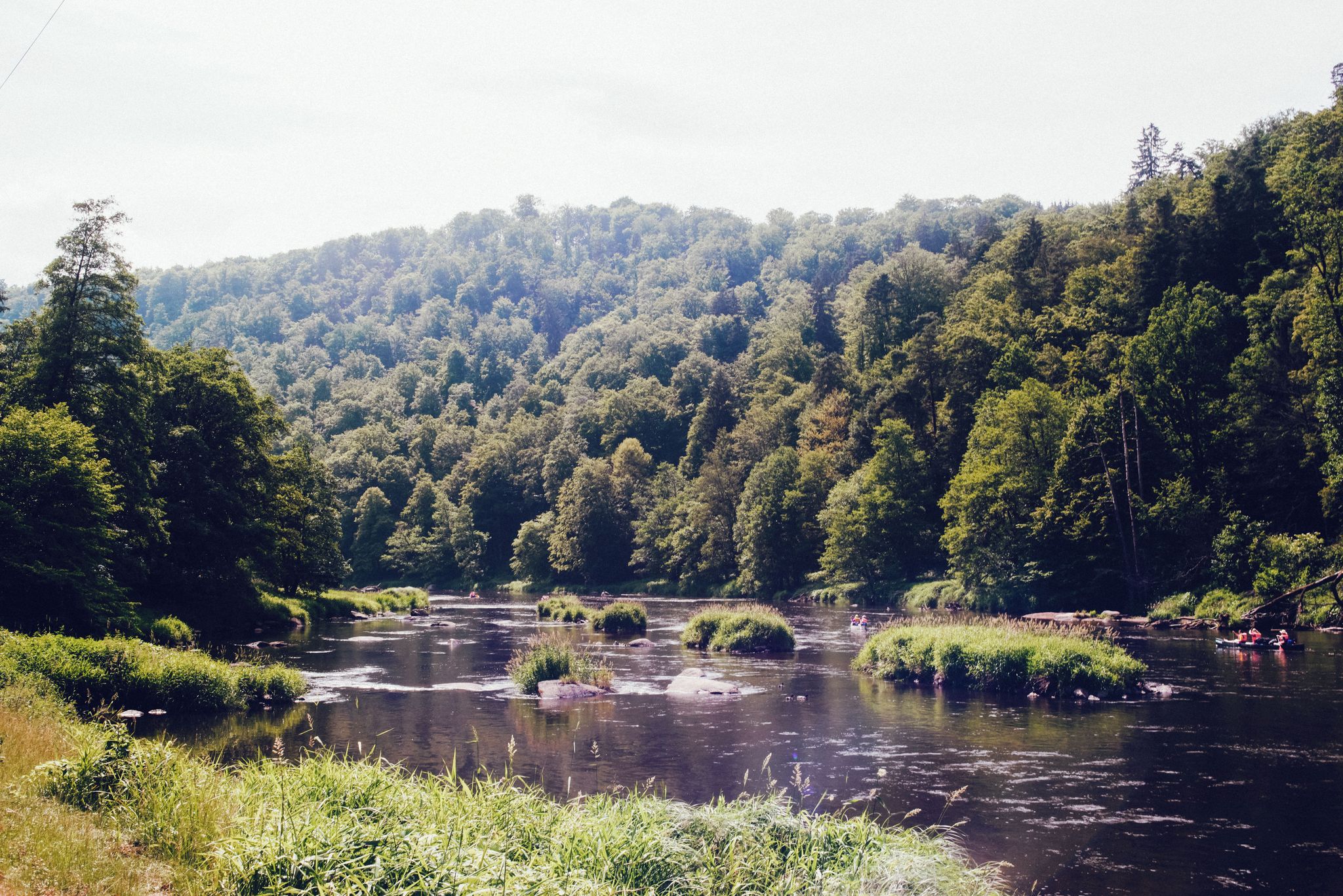
The Rain valley cycle path — 4 days through the Bavarian Forest
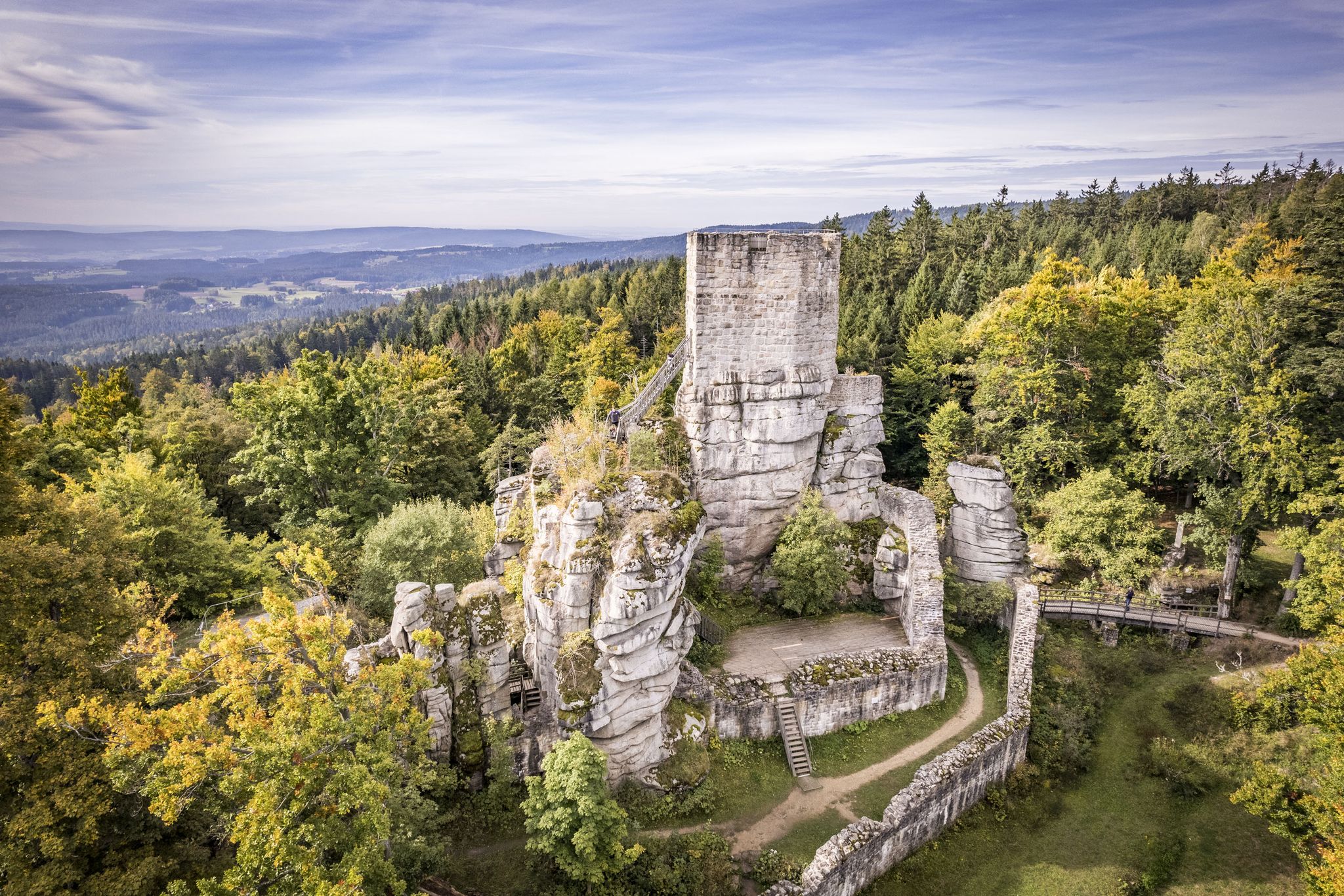
On the 'Kultouren' through the Upper Palatine Forest
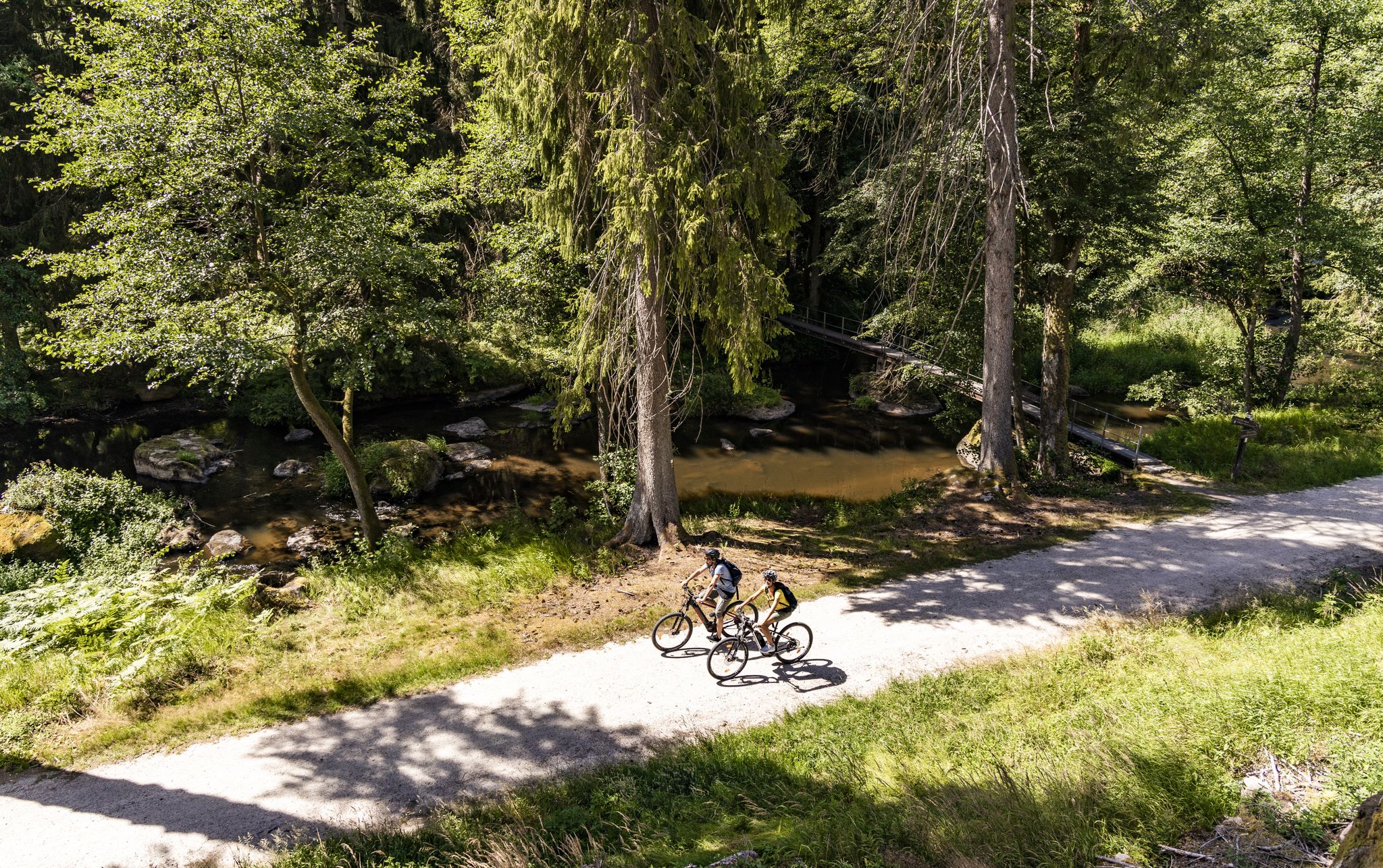
Your cycling adventure in the Upper Palatinate – Oberpfälzer Radl-Welt
Hiking around Nittenau
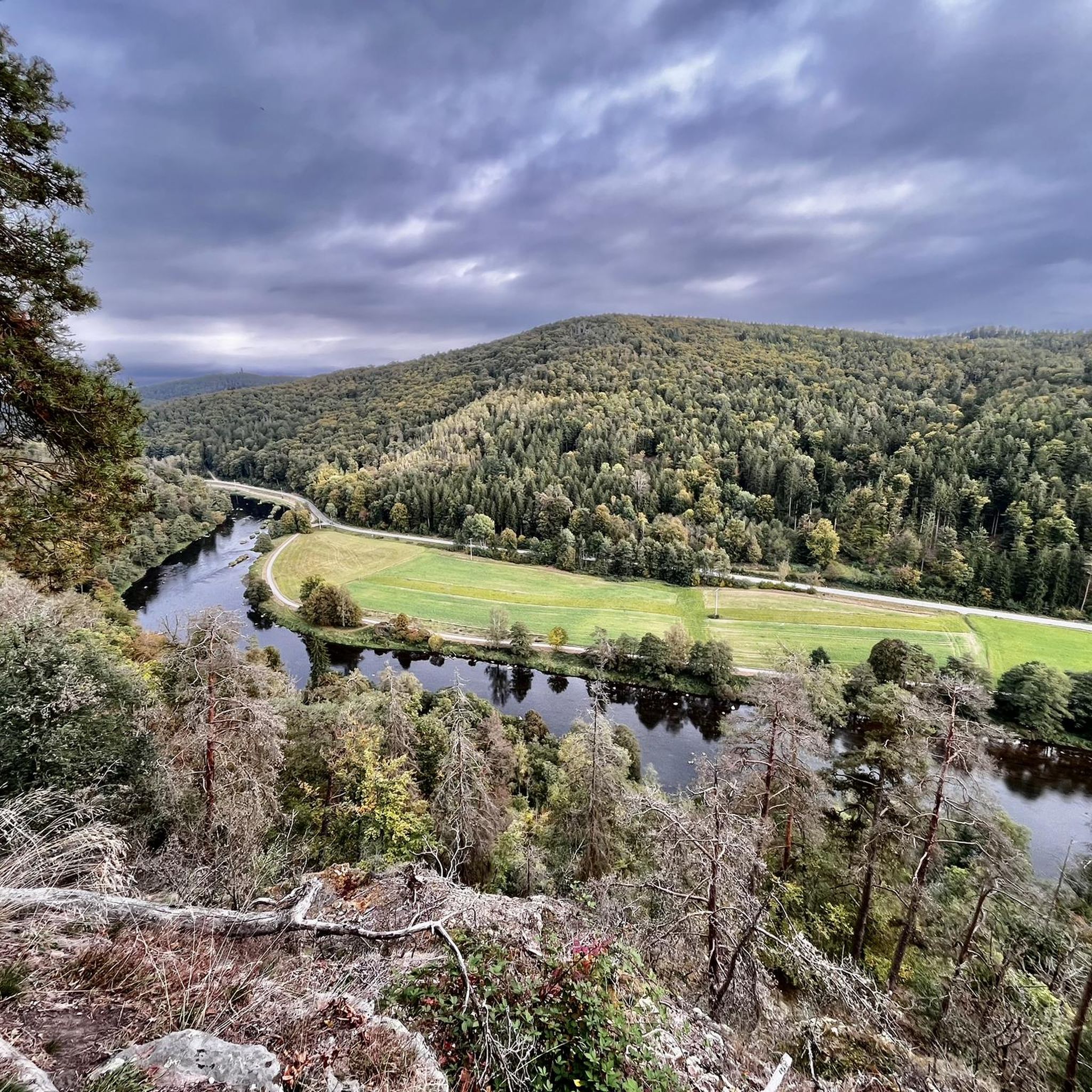
Cycling around Nittenau
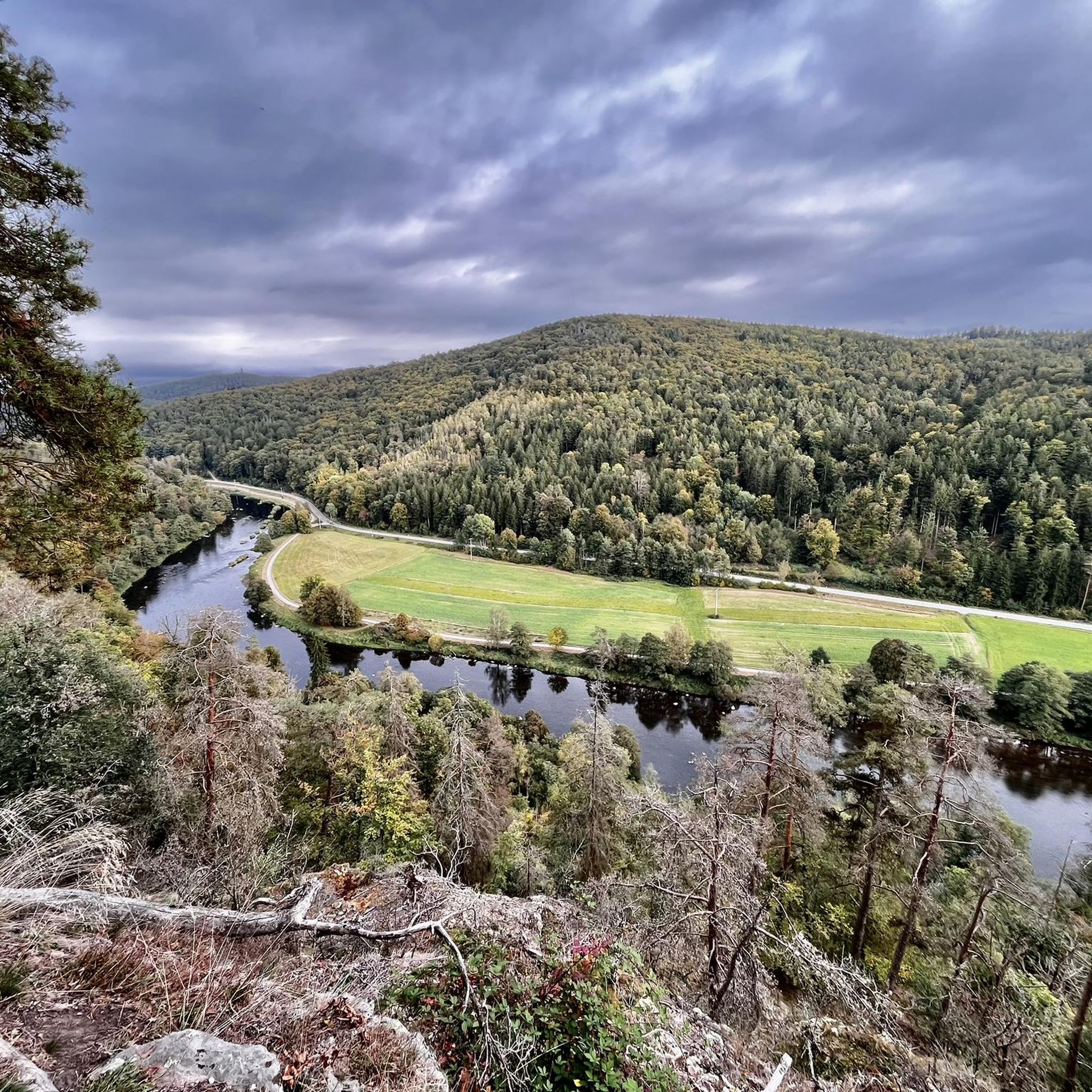
MTB Trails around Nittenau
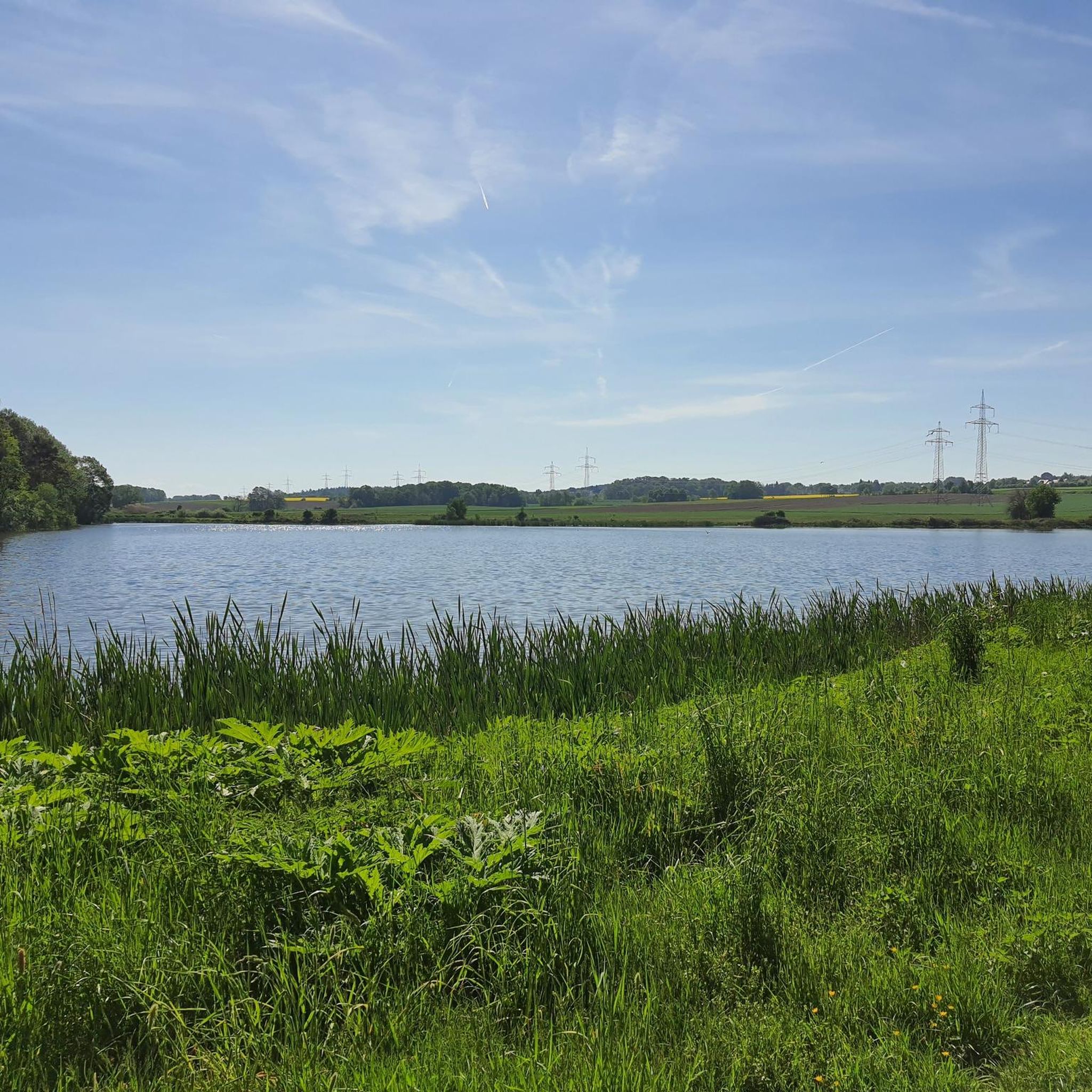
Road Cycling Routes around Nittenau
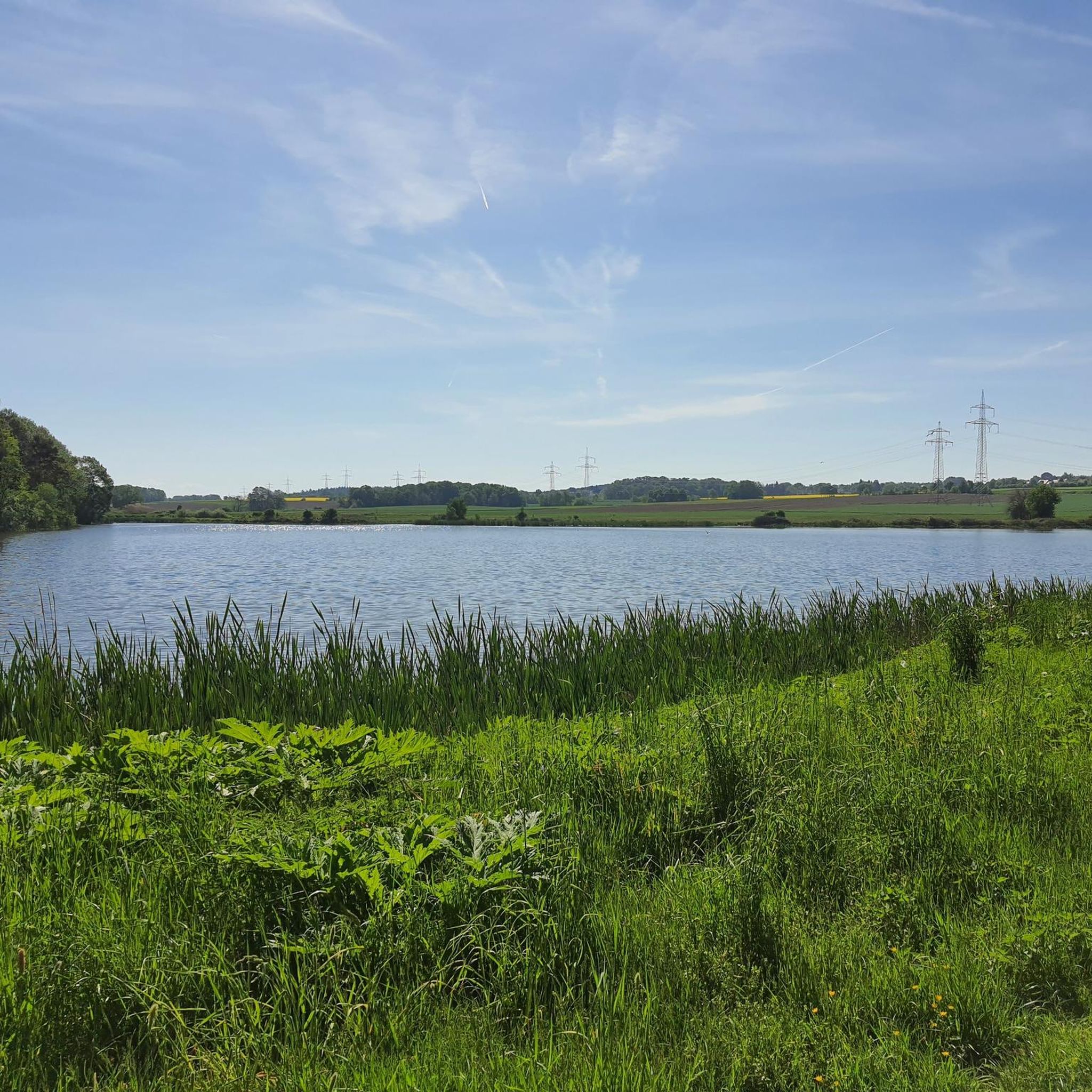
Running Trails around Nittenau
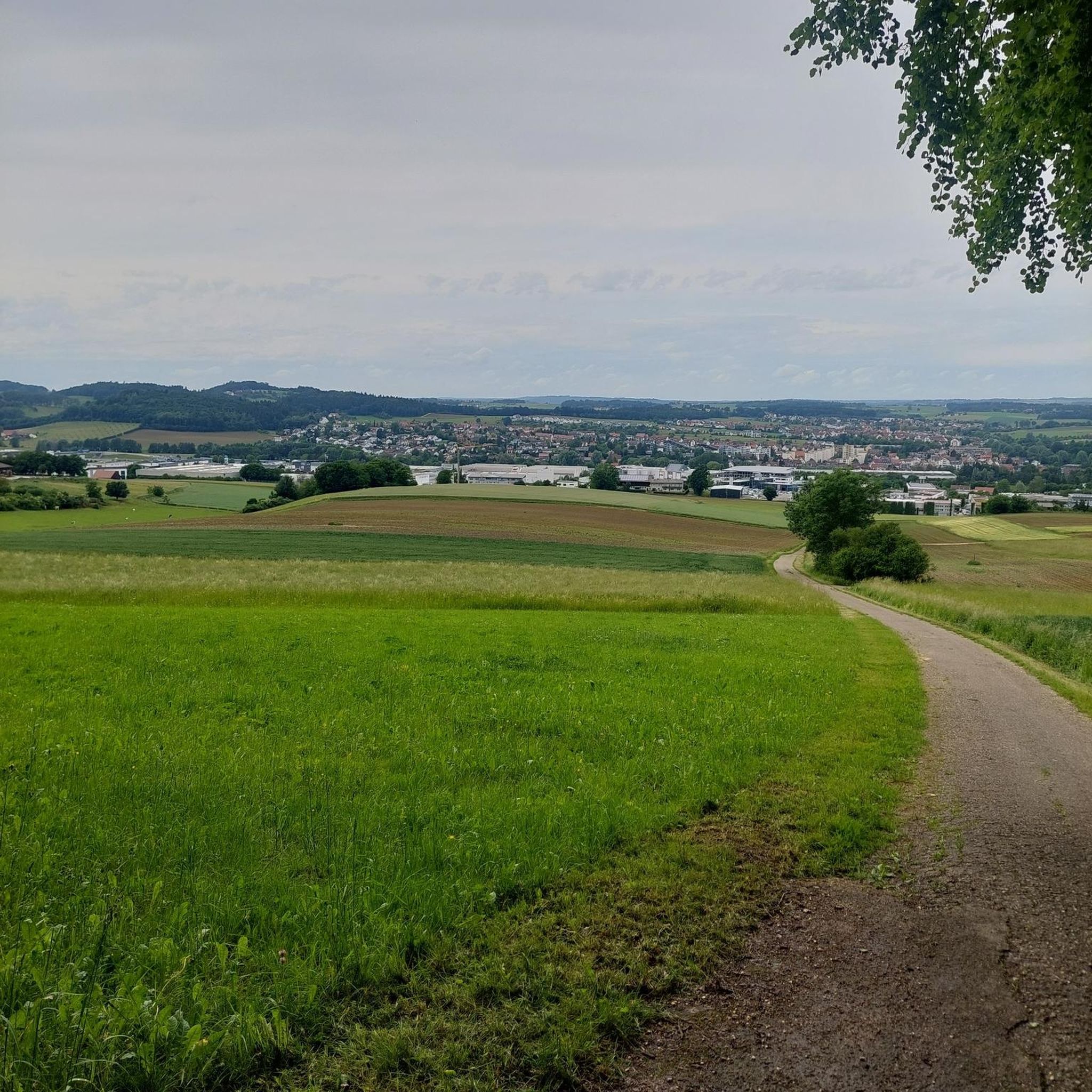
Gravel biking around Nittenau
Other adventures around Nittenau


Tips from the Community

Burgstall and Castle in Hirschling
0
0

Lobenstein Castle Ruins Around 1150, Othmar and Rizman von Lobeneck appear in local documents as ministerials of the Margrave of Cham. It is uncertain whether the nobility was referring to the later Lobenstein Castle. We are on safe ground in 1340, when Eberhard von Hof buys an existing "purkstal near Zelle" from Eiban von Peilstein and receives permission from Emperor Ludwig the Bavarian to build there in return for the right to open it. From 1342, Eberhard calls himself Hofer von Lobenstein. He manages a Hofmark in Zell for Bavaria and appoints judges there. After the castle is destroyed by the Hussites at the beginning of the 15th century, the Hofers run into financial difficulties and become robber barons. In 1443, Duke Albrecht III of Bavaria occupied the castle because Degenhard Hofer had killed some of his subjects. Hans Hofer's part of the castle was taken away from him by Count Palatine Otto II in 1468 for similar crimes. From 1489, Dietrich Hofer was a member of the Löwler Knights' League, which opposed the Bavarian Duke. He conquered the castle and only returned it to Dietrich's son Wolf in 1507. In 1530, Lobenstein became part of the Palatinate, but after the damage it was probably never properly inhabited again. The Hofers remained the owners because nobody wanted to buy the ruins. The last Hofer to live in Lobenstein was Hans Georg, who had to leave his domain in 1629 because of his Protestant faith. The Bavarian-occupied Lobenstein Castle was probably finally destroyed by the Swedes in 1633. It has remained a ruin ever since. All that is left of Lobenstein Castle today is the residential tower, which seems to literally grow out of the stone of the granite rock tower. The slightly raised entrance was protected by a round wall tower on the southeast corner. Instead of simple beamed ceilings, barrel vaults were built on Lobenstein with plaster that is still clearly visible today. The residential tower has 3 floors and is 18 m high with a wall thickness of 2.5 m. The walls are built from rough rubble stone and the corners are made of ashlars. In the lower regions between these rocks, remains of walls can still be found that stand out clearly from the rest and could have come from the previous castle. In the basement there are a few narrow light slits, while the larger windows on the upper floors have comfortable seating niches. On the northwest corner of the second floor, the consoles of a toilet bay can still be seen. Source: Excerpts from www.burgenseite.de
3
0

Archaeological findings in the area of the former Hirschling Castle prove the location of a castle. The builders of the castle in the 12th century were the Lords of Heresing (Hirschling). Rudigerus de Heresingni is mentioned in documents around 1134. The castle is still privately owned today.
1
0

Definitely high if you're in the area. Very nice.
3
0
A highlight, of course. Definitely go up to the Schlossberg.
2
0

Small idyllic village on the rain.
0
0
Next to the castle there is a large free car park with rest areas and toilets.
0
0
Ramspau Castle Around 1694, Ramspau Castle and the town that belonged to it came into the possession of Count Johann Siegmund Anton Franz von Reisach, who was the main caretaker of the Kurbavarian market town of Regenstauf. After 1700, he had large parts of the castle removed and used as building material for a new castle in the valley. The palace was built as a two-storey baroque complex with a hipped roof and four round corner towers with octagonal tops, which in turn are surmounted by onion domes. Construction was completed around 1726. In 1803 the barons of Pfetten came into possession, and since 1995 it has belonged to the Count of Ledebur-Wichten. He had the farm buildings renovated in 1999, some of which are now holiday homes. Source: Wikipedia
2
0
Frequently Asked Questions
What are the most popular castles and ruins to visit around Nittenau?
Among the most popular sites are the Lobenstein Castle Ruins, which offer a beautiful vantage point from a lookout tower, and the Stockenfels Castle Ruins, known for their extensive exploration opportunities and scenic location overlooking the Regen river. Visitors also appreciate Ramspau Castle for its architectural beauty.
Are there family-friendly castles or ruins suitable for children?
Yes, several castles around Nittenau are considered family-friendly. The Lobenstein Castle Ruins and Hirschling Castle and site of the former castle are both noted as suitable for families. Exploring ruins can be an engaging activity for children, offering a glimpse into history in an outdoor setting.
What kind of historical insights can I gain from visiting these castles?
The castles and ruins around Nittenau offer a deep dive into the region's past. For example, Hirschling Castle, originally built by the Lords of Heresing in the 12th century, showcases centuries of architectural evolution and ownership changes. The Stockenfels Castle Ruins, constructed around 1300, are steeped in local legends and have been extensively renovated, preserving their historical essence. Many sites, like Burg Hof am Regen, feature impressive late Gothic wall paintings and serve as cultural centers today.
Are there good viewpoints or natural features near the castles?
Absolutely. Many castles are strategically located to offer stunning views. The Lobenstein Castle Ruins provide a beautiful vantage point from its lookout tower at 564 meters. Schloss Stefling, though privately owned, stands majestically on a steep hillside, offering spectacular views over the Regental valley. The Stockenfels Castle Ruins are situated on a granite hill overlooking the Regen river, providing picturesque scenery.
What outdoor activities can I combine with a castle visit?
The Nittenau area is excellent for outdoor enthusiasts. You can find numerous MTB trails, running routes, and gravel biking opportunities. For example, you can explore the 'Sagensteig Trail' for MTB or the 'Fitness trail' for running. Many routes, like those found in the MTB Trails around Nittenau guide or the Running Trails around Nittenau guide, pass by or near these historical sites, allowing you to combine history with active exploration.
Are there any lesser-known or 'hidden gem' castles worth exploring?
While not as widely known as the main highlights, Münchshofen Castle is a unique site. It's one of the rare monuments in the Upper Palatinate that fully embraces the Renaissance style, directly connected to a former castle chapel. Although privately owned and viewable only from the outside, its distinct architecture and historical significance make it a hidden gem for those interested in specific architectural periods.
What do visitors enjoy most about the castles around Nittenau?
Visitors frequently highlight the blend of history and natural beauty. Many appreciate the opportunity to relax and ponder the past at sites like the Lobenstein Castle Ruins, enjoying the peaceful atmosphere and scenic views. The extensive exploration opportunities at places like Stockenfels Castle Ruins are also a big draw, with many finding 'a lot to discover' within the ancient walls.
Can I find walking or cycling routes that incorporate castle visits?
Yes, the region offers many routes that allow you to visit castles while walking or cycling. The area around Hirschling Castle is noted as a good starting point for extensive cycling and hiking tours in the beautiful Regental. You can find various options in guides like MTB Trails around Nittenau or Gravel biking around Nittenau, which often feature routes passing by historical landmarks.
What is the significance of Burg Hof am Regen?
Burg Hof am Regen is a lovingly restored 12th-century castle that was the ancestral seat of the influential Hofer family. Its chapel is particularly notable for impressive late Gothic wall and ceiling paintings from around 1470. Today, it serves as an information center for the Upper Bavarian Forest Nature Park and is a popular venue for civil weddings, making it a vibrant historical and community hub.
Are there any castles that are still privately owned and not fully accessible?
Yes, some castles remain in private hands. Schloss Stefling, for instance, is privately owned and generally not open for interior visits, though its exterior and scenic surroundings are still a sight to behold. Similarly, Münchshofen Castle is privately owned and can only be viewed from the outside, offering a glimpse of its unique Renaissance architecture.
What kind of architecture can I expect to see among the castles?
The castles around Nittenau showcase a range of architectural styles reflecting different historical periods. You'll find late medieval structures like the Gothic-gabled Hirschling Castle, which also features Baroque renovations. Ramspau Castle is a beautiful baroque example, while Münchshofen Castle stands out with its complete Renaissance style. Many ruins, like Stockenfels Castle Ruins, retain their original medieval layouts.
Most popular routes around Nittenau
Most popular attractions around Nittenau

Get inspired with the komoot mobile app


Explore more
Looking for the best castles somewhere else? Discover other guides around Nittenau:
