The 3 Most Amazing Peaks around Sandia Heights
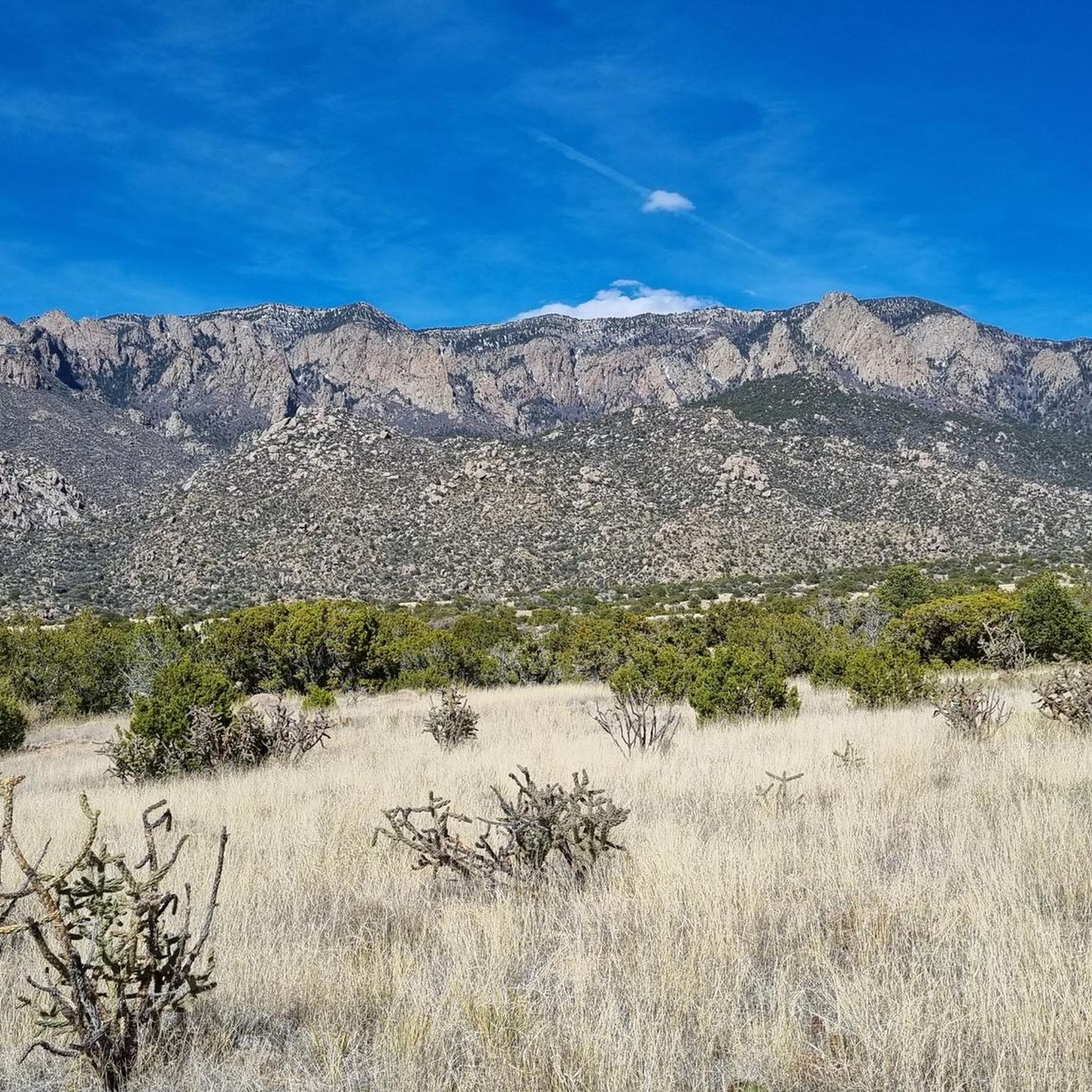
Best mountain peaks around Sandia Heights are part of the Sandia Mountains, which form the eastern backdrop to Albuquerque. This region is characterized by its dramatic western face, featuring steep cliffs and rock walls, while the eastern side presents a more gradual slope. The mountains are primarily composed of granite, which gives them a distinctive reddish-pink hue at sunset, inspiring their name "Sandia," meaning "watermelon" in Spanish. The area holds cultural significance for Indigenous communities and offers diverse ecosystems.
Best…
Last updated: October 12, 2026
View of the Sandia Mountains
Highlight (Segment) • Viewpoint
Tip by

North Sandia Peak
Highlight • Summit
Tip by
Sign up now to discover places like this
Get recommendations on the best single tracks, peaks, & plenty of other exciting outdoor places.
Tecolote Peak
Highlight • Summit
Tip by
U-Mound
Highlight • Summit
Tip by

South Sandia Peak View
Highlight • Summit
Tip by
Start today with a free account
Your next adventure awaits.

Tips from the Community


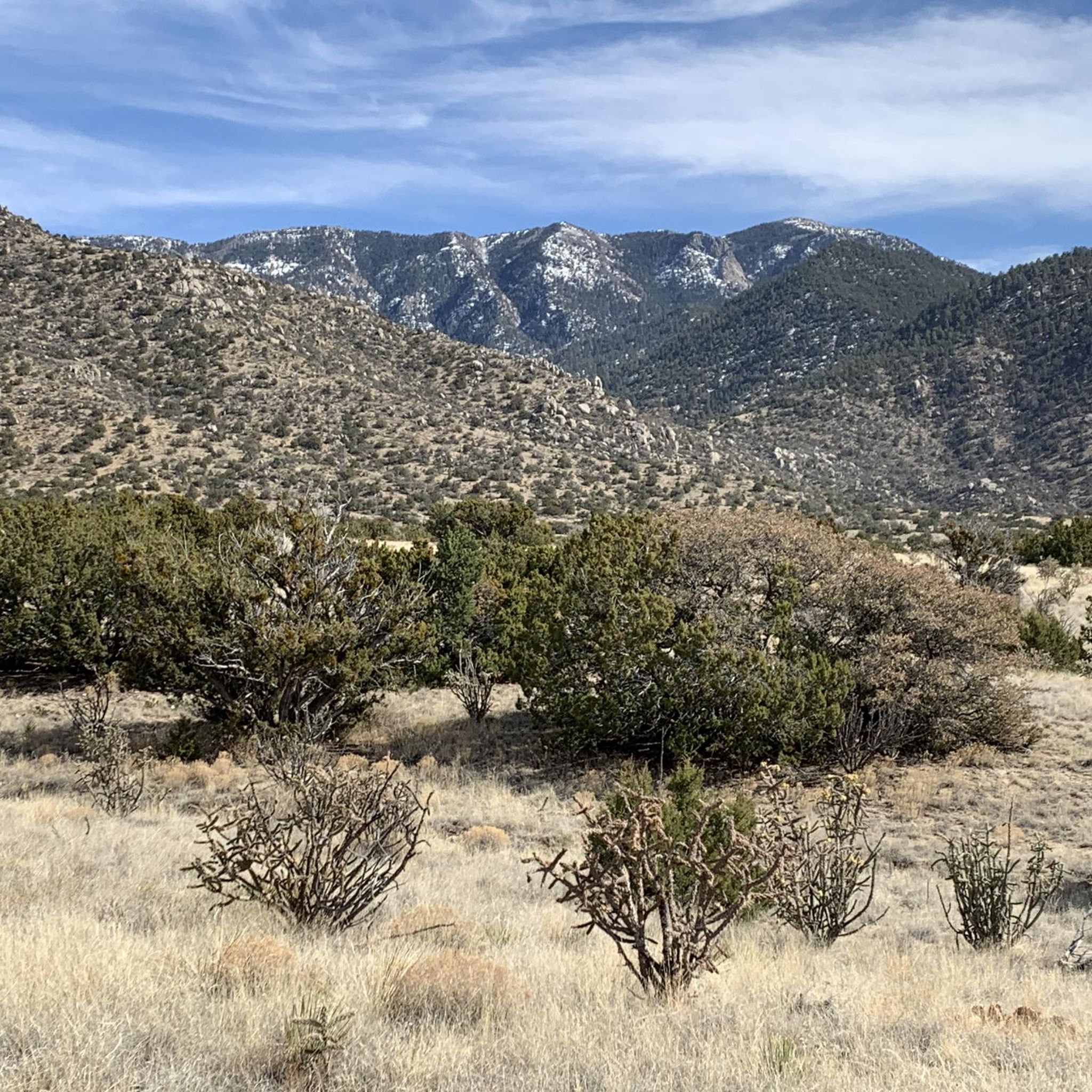
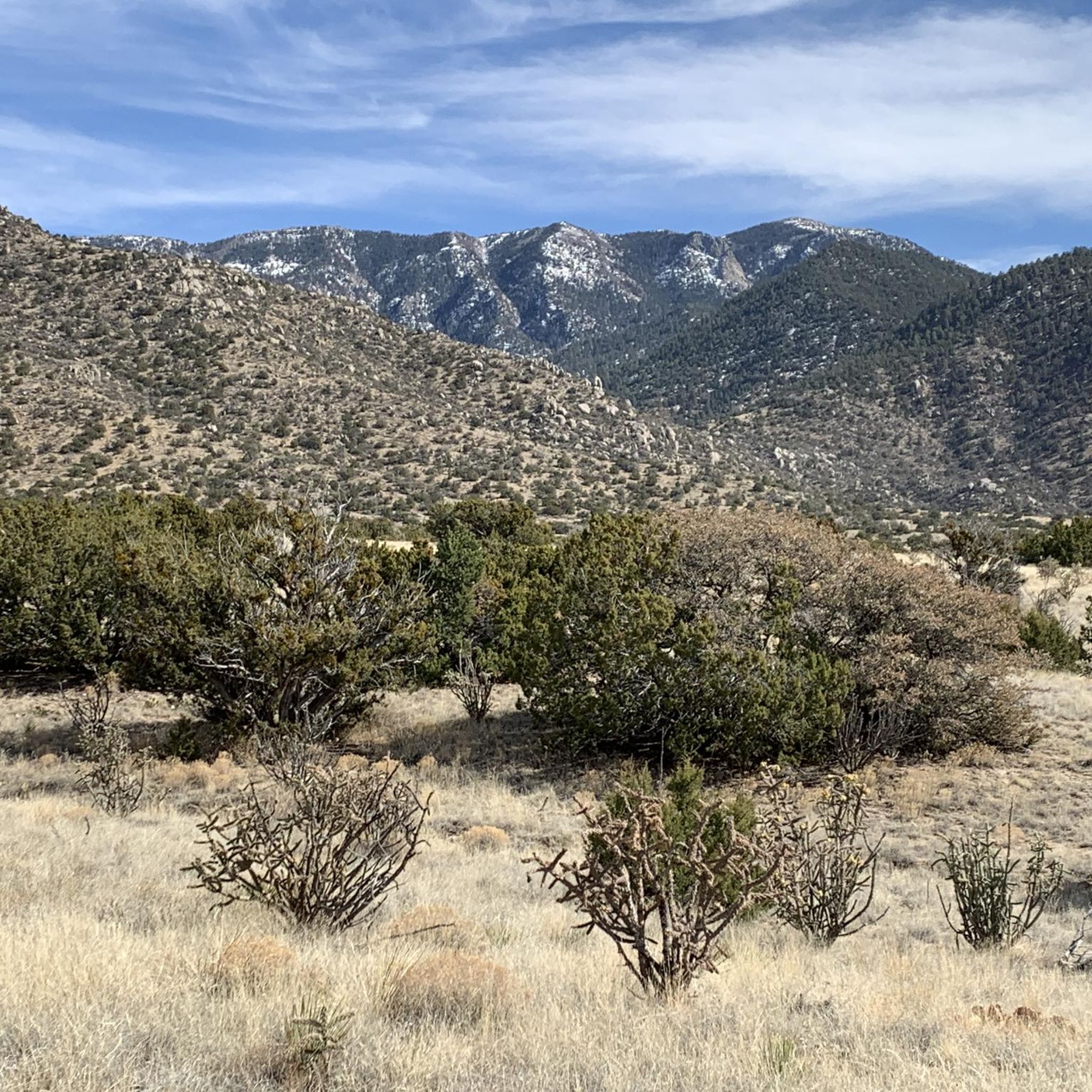
From the top of Tecolote Peak at 8,835 feet, you get unobstructed panoramic views of the Sandia Mountains from up close. The trail to the top is labeled as a "blue" in terms of difficulty and is easily rideable by intermediate cyclists.
0
0

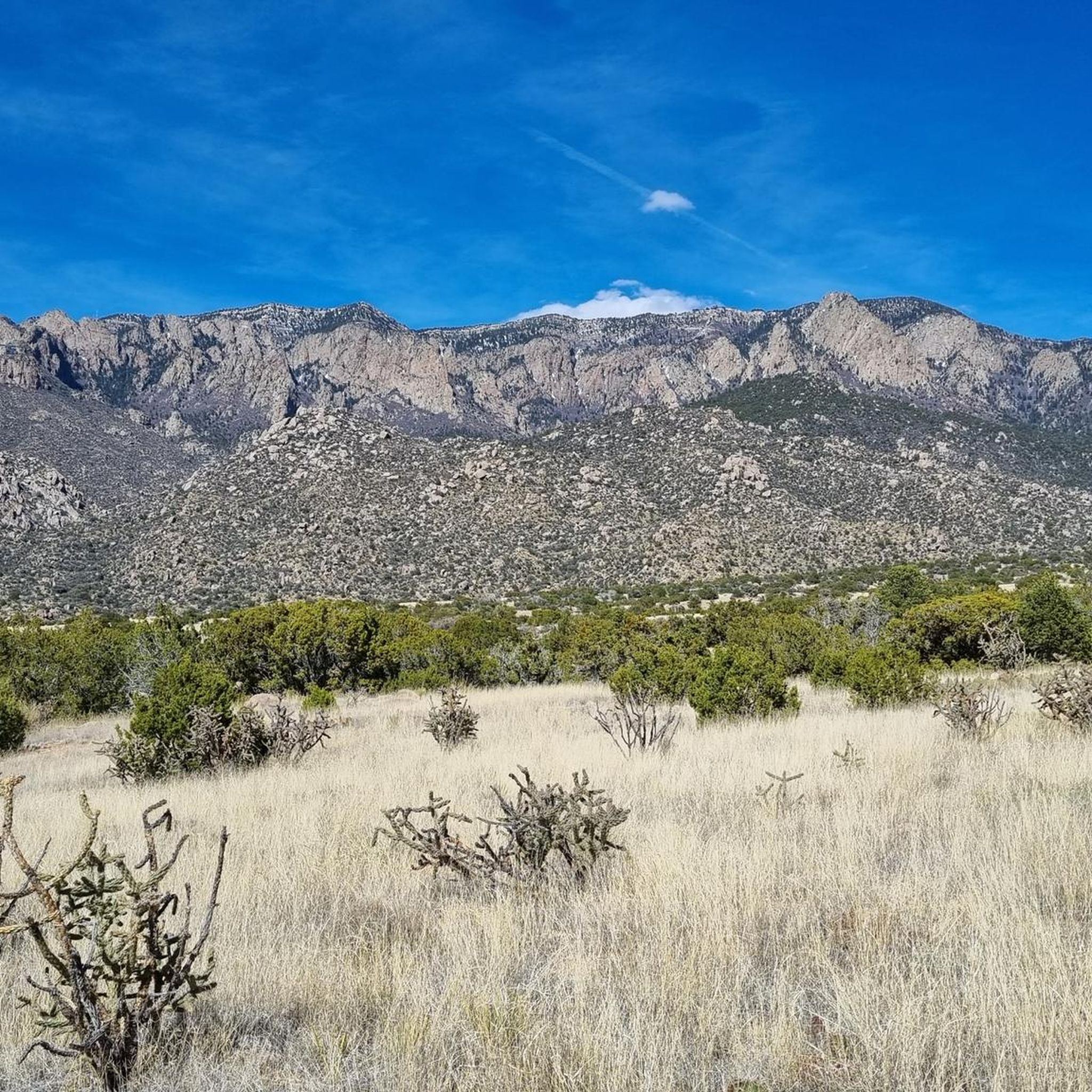
At an elevation of 10,446 feet, this peak marks the northernmost summit in the Sandia Mountain wilderness over 10,000 feet. The views from this vantage point are truly breathtaking, offering a panoramic vista of the Albuquerque area.
1
0


The North Sandia Peak is a 3184-meter high peak in the Sandia Mountains. The North Sandia Peak Trail, as it name suggests, takes you right to this beautiful mountain.
1
0
You can get a beautiful panoramic view from the southeast side of the Tecolote Peak (2684 m).
0
0
La Luz Trail offers breathtaking views of the Sandia Mountains, famous for the pink shade their granite rock formations take at sunset.
0
0
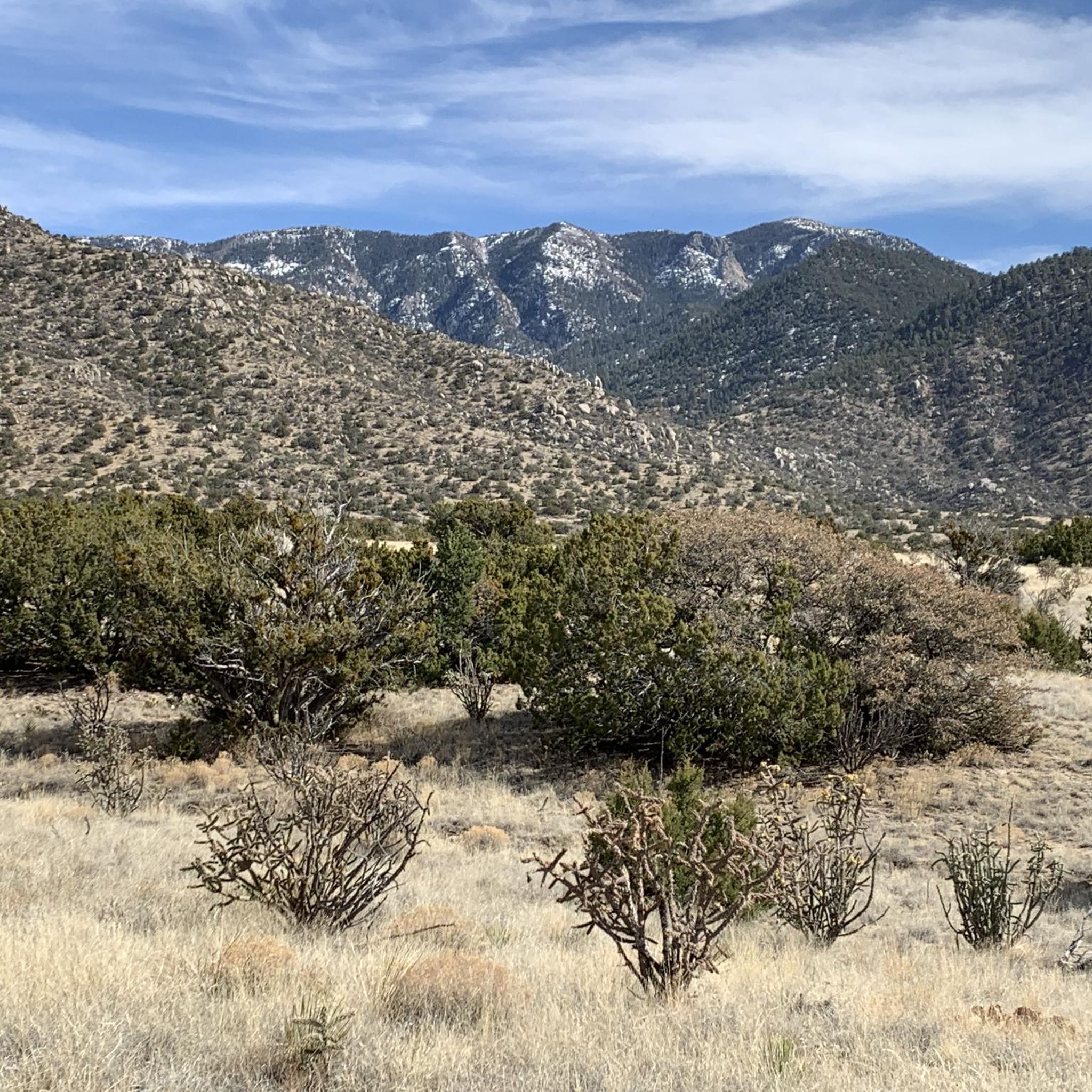
The South Sandia Peak is one of the major summits of the Sandia Mountains. 'Sandía' means 'watermelon' in Spanish, a reference to the beautiful color the mountain takes at sunset.
0
0
Frequently Asked Questions
What are the most prominent mountain peaks to visit around Sandia Heights?
The most prominent peak is Sandia Crest, which reaches 10,678 feet (3,255 meters) and offers expansive panoramic views. Other notable peaks include North Sandia Peak, the northernmost summit over 10,000 feet, and South Sandia Peak, known for its beautiful sunset colors.
Are there family-friendly mountain peaks or viewpoints in the Sandia Mountains?
Yes, Sunset View from Sandia Crest is considered family-friendly. You can reach the top via the Sandia Peak Tramway, which offers a unique experience and stunning views without a strenuous hike. At the crest, there's a visitor center and gift shop, making it accessible for all ages.
What kind of views can I expect from the mountain peaks in this region?
From peaks like Sandia Crest, you can expect breathtaking panoramic views of the Albuquerque Basin and the Rio Grande Valley. The western face of the mountains features dramatic cliffs, while the eastern side offers a more gradual slope. The granite composition of the mountains also creates a distinctive reddish-pink hue at sunset, inspiring their name 'Sandia,' meaning 'watermelon' in Spanish.
What outdoor activities can I do near the mountain peaks around Sandia Heights?
The Sandia Mountains are a hub for various outdoor activities. You can enjoy extensive hiking on trails like La Luz Trail, Pino Trail, and Domingo Baca Trail. There are also opportunities for climbing, skiing at Sandia Peak Ski Area in winter, and mountain biking. For cycling enthusiasts, check out the Gravel biking around Sandia Heights and MTB Trails around Sandia Heights guides for route ideas.
Are there hiking trails suitable for different skill levels in the Sandia Mountains?
Yes, the Sandia Mountains offer a variety of trails. While some, like the La Luz Trail, are challenging with significant elevation gain, others are more moderate. For example, the trail to Tecolote Peak is considered intermediate, and U-Mound offers a short, 0.7-mile jaunt to the top, making it a great spot for a quick break or an easier hike.
What is the best time to visit the Sandia Mountains for hiking and views?
The Sandia Mountains offer beauty year-round. For hiking, spring and fall generally provide pleasant temperatures. However, the changing colors of the mountains, especially at sunset, are a major draw, giving them their 'watermelon' appearance. Winter offers skiing opportunities at Sandia Peak Ski Area, typically from November to April. Be aware that higher elevations, like Sandia Crest, can be windy and much colder due to exposure.
What unique natural features can I observe in the Sandia Mountains?
The Sandia Mountains are geologically significant, formed by fault-block uplift millions of years ago, and are part of the Rocky Mountain chain. You can observe granite, limestone, and sedimentary rock formations. The mountains also boast diverse ecosystems, transitioning from arid foothills with piñon-juniper woodlands to higher elevations with ponderosa pine, Douglas fir, and aspen groves. They are also an ecological crossroads, supporting a wide array of wildlife.
What cultural or historical significance do the Sandia Mountains hold?
The Sandia Mountains hold deep cultural and spiritual significance for Indigenous communities, including the Sandia Pueblo. Archaeological sites and petroglyphs provide evidence of early human presence in the area. The mountains also played a role in historical events, such as the Navajo 'Long Walk'.
Can I find running trails near the mountain peaks around Sandia Heights?
Absolutely! The area around Sandia Heights offers several running trails. You can find various routes, ranging from easy to moderate difficulty. For detailed options and routes, refer to the Running Trails around Sandia Heights guide.
What makes the Sandia Mountains unique compared to other mountain ranges?
The Sandia Mountains are unique for several reasons. They are part of the larger Sandia–Manzano Mountains and are characterized by a dramatic western face with steep cliffs dropping over 4,000 feet to the Rio Grande Valley, contrasting with a more gradual eastern slope. Their granite composition gives them a distinctive reddish-pink hue at sunset, leading to their 'watermelon' name. Additionally, Sandia Crest is a long ridgeline rather than a singular, sharp summit, and the Sandia Peak Tramway is the second-longest in the world, offering unparalleled aerial views.
What kind of wildlife can I expect to see in the Sandia Mountains?
The Sandia Mountains are an ecological crossroads, supporting a wide array of wildlife. Visitors might spot black bears, mule deer, bobcats, and numerous bird species. The mountains also serve as a crucial migratory path for birds, making them a great spot for birdwatching.
Most popular attractions around Sandia Heights

Get inspired with the komoot mobile app


Explore more
See even more amazing summits around Sandia Heights with these guides:
