Attractions and Places To See in Basilicata - Top 20
Attractions and places to see in Basilicata include a diverse range of historical, cultural, and natural sites across Southern Italy. The region features ancient cave dwellings, rugged mountains, and a significant coastline. Basilicata offers varied landscapes from the Ionian and Tyrrhenian coasts to the Lucanian Dolomites and Pollino National Park. This area provides insights into ancient history, unique geological formations, and traditional Italian culture.
Best attractions and places to see in Basilicata
- The most popular attractions is Matera Cathedral (Cathedral of the Madonna of the Bruna and Saint Eustace), a religious building that towers high above the city of Matera. Completed in 1270, it stands at the highest and most visible point in the city.
- Another must-see spot is Suspension bridge over the Gravina, a bridge suspended over the Torrente Gravina river. This Tibetan bridge offers views of Matera and holds historical and cultural value.
- Visitors also love Church of Saints Peter and Paul (San Pietro Caveoso), Matera, a religious building with a baroque facade. The church dates back to the 13th and early 14th centuries and houses numerous artistic elements.
- Basilicata is known for its historical sites, religious buildings, and natural monuments. Visitors can explore ancient settlements, unique rock formations, and significant architectural structures.
- The attractions in Basilicata are appreciated by the komoot community, with more than 330 upvotes and 280 photos shared across over 420 highlights.
Last updated: October 9, 2026
Matera Cathedral (Cathedral of the Madonna of the Bruna and Saint Eustace)
Highlight • Religious Site
Translated by Google •
Tip by

Suspension bridge over the Gravina
Highlight • Bridge
Translated by Google •
Tip by

Sign up now to discover places like this
Get recommendations on the best single tracks, peaks, & plenty of other exciting outdoor places.
Church of Saints Peter and Paul (San Pietro Caveoso), Matera
Highlight • Religious Site
Translated by Google •
Tip by

Church of San Francesco d'Assisi and Dalí sculpture, Matera
Highlight • Religious Site
Francis became a role model for many people, they joined him, and the "Order of Friars Minor" (Ordo Fratrum Minorum) of Francis of Assisi was created.
Translated by Google •
Tip by

Sassi of Matera
Highlight • Historical Site
Translated by Google •
Tip by

Colle dell'Impiso
Highlight • Mountain Pass
Translated by Google •
Tip by
Castelmezzano
Highlight • Settlement
Translated by Google •
Tip by

Rock Church of Santa Rita
Highlight • Religious Site
Translated by Google •
Tip by
Sanctuary of the Black Madonna of Viggiano
Highlight • Religious Site
Translated by Google •
Tip by
Casa Grotta in the Sassi of Matera
Highlight • Cave
Translated by Google •
Tip by

Sign up for free to discover even more attractions in Basilicata.
Already have an account?
Start today with a free account
Your next adventure awaits.
Popular around Basilicata
Basilicata by bike – discover itineraries in this unique land
Among olive trees and white stone - Via Peuceta
The Apennine Cycleway (Part 2) - From Umbria to Calabria
Between nature, history and the sea - Gravel round through Basilicata
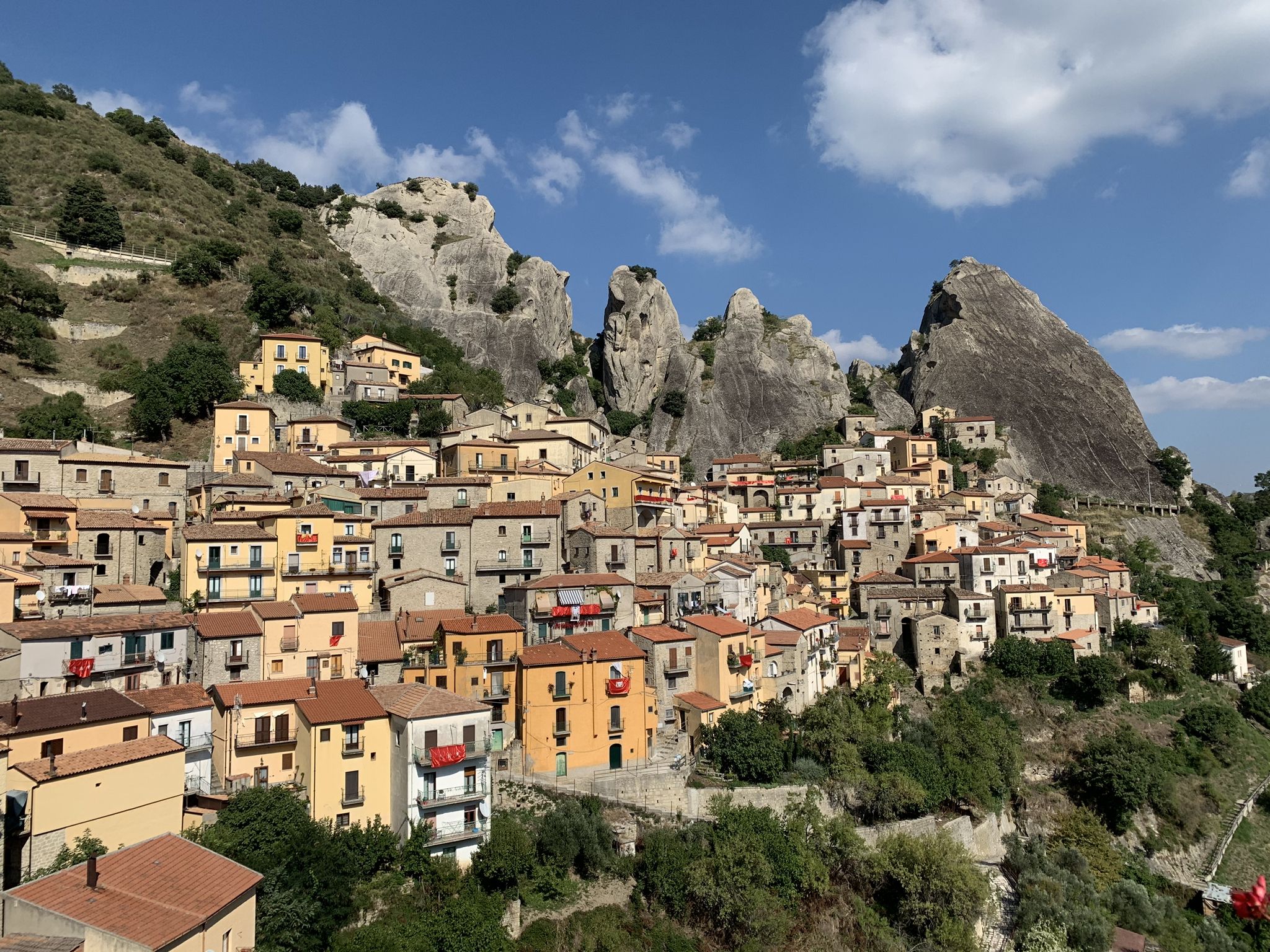
A bike Tour through Italy’s Dolomiti Lucane mountains
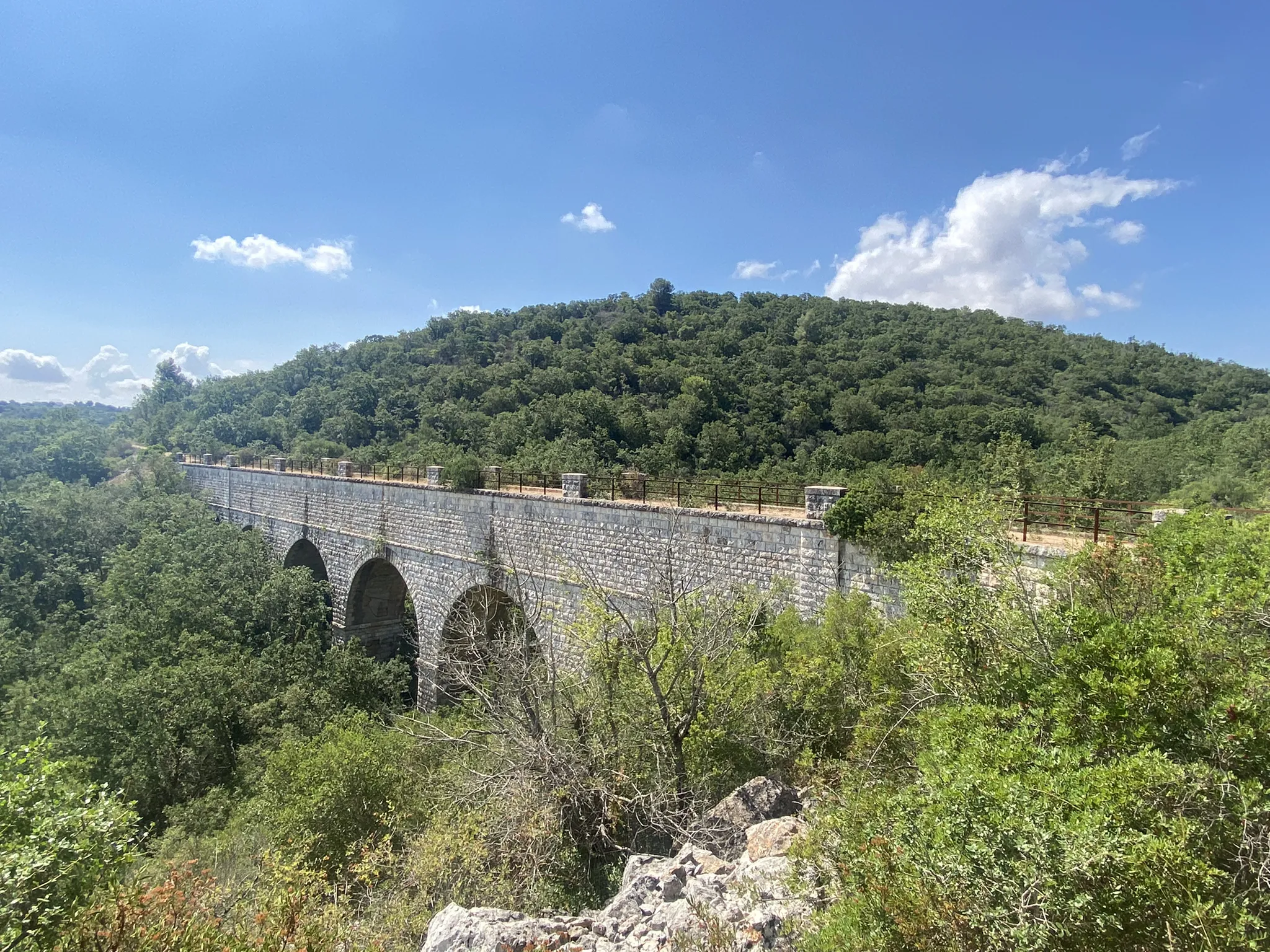
Caposele to Santa Maria di Leuca – Apulian Aqueduct Cycle Route
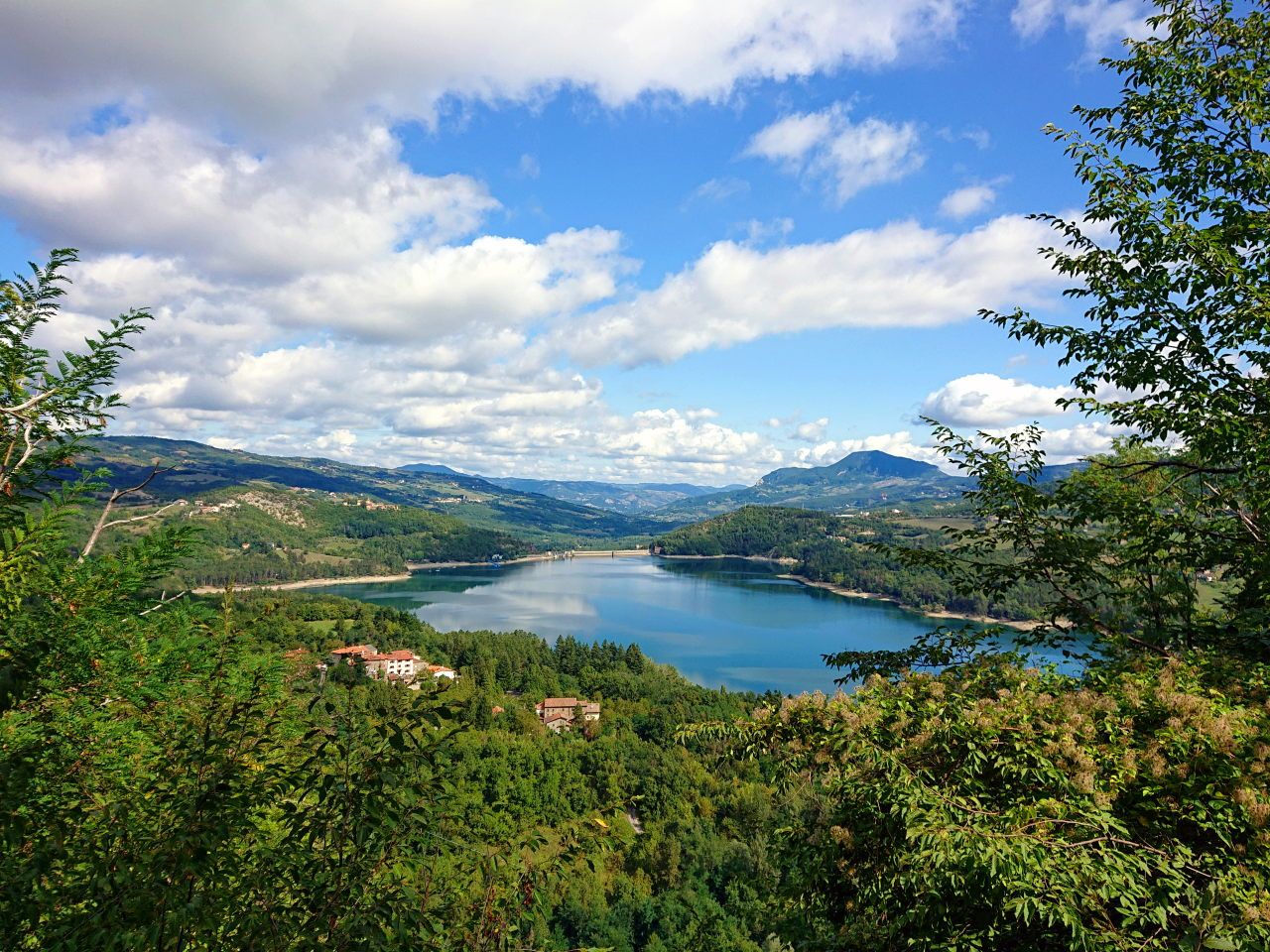
Interiora - A Journey into the Remote Areas of Italy
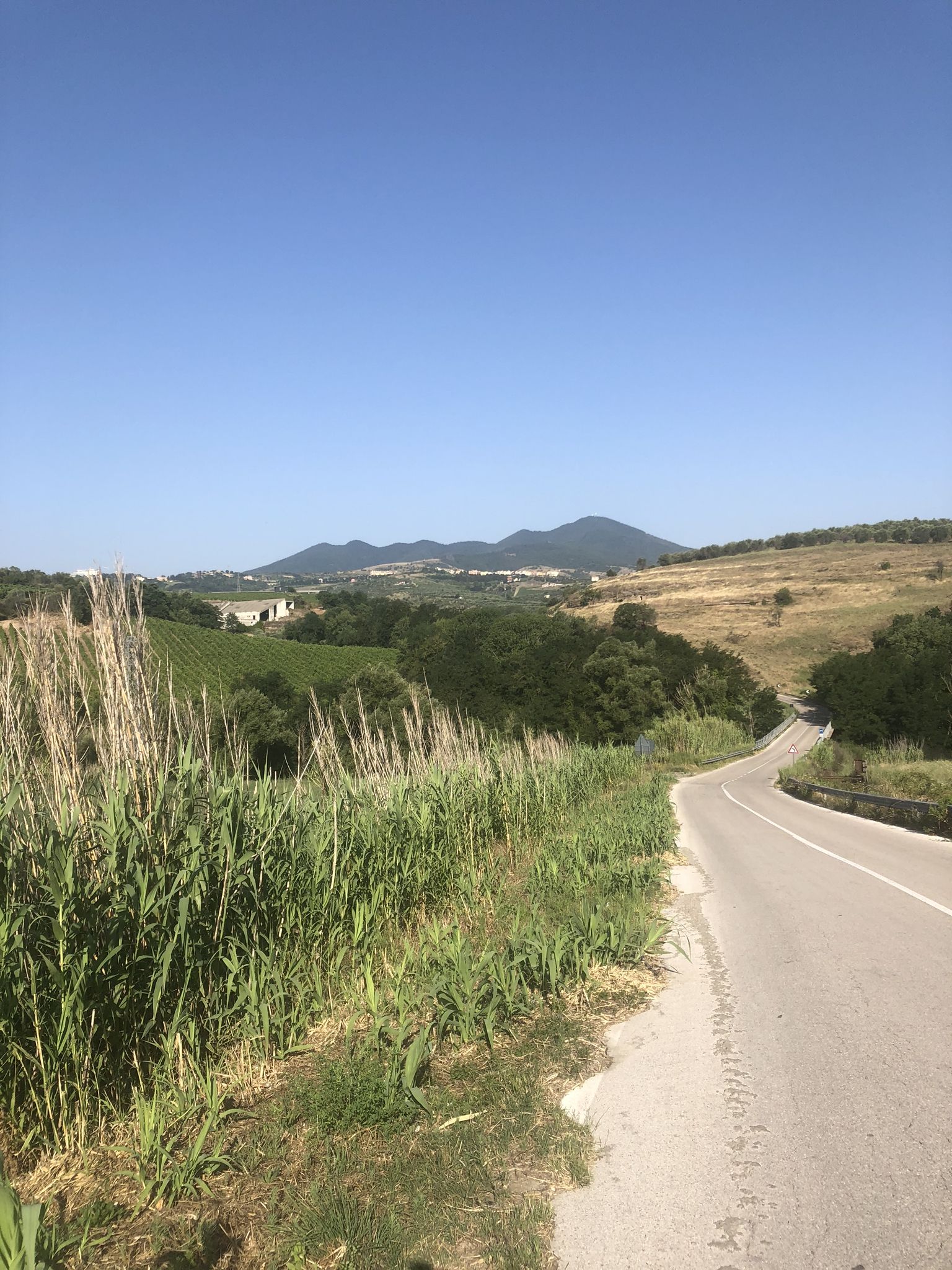
Pedalling in Italy’s far south – Ciclovia dei Borbone
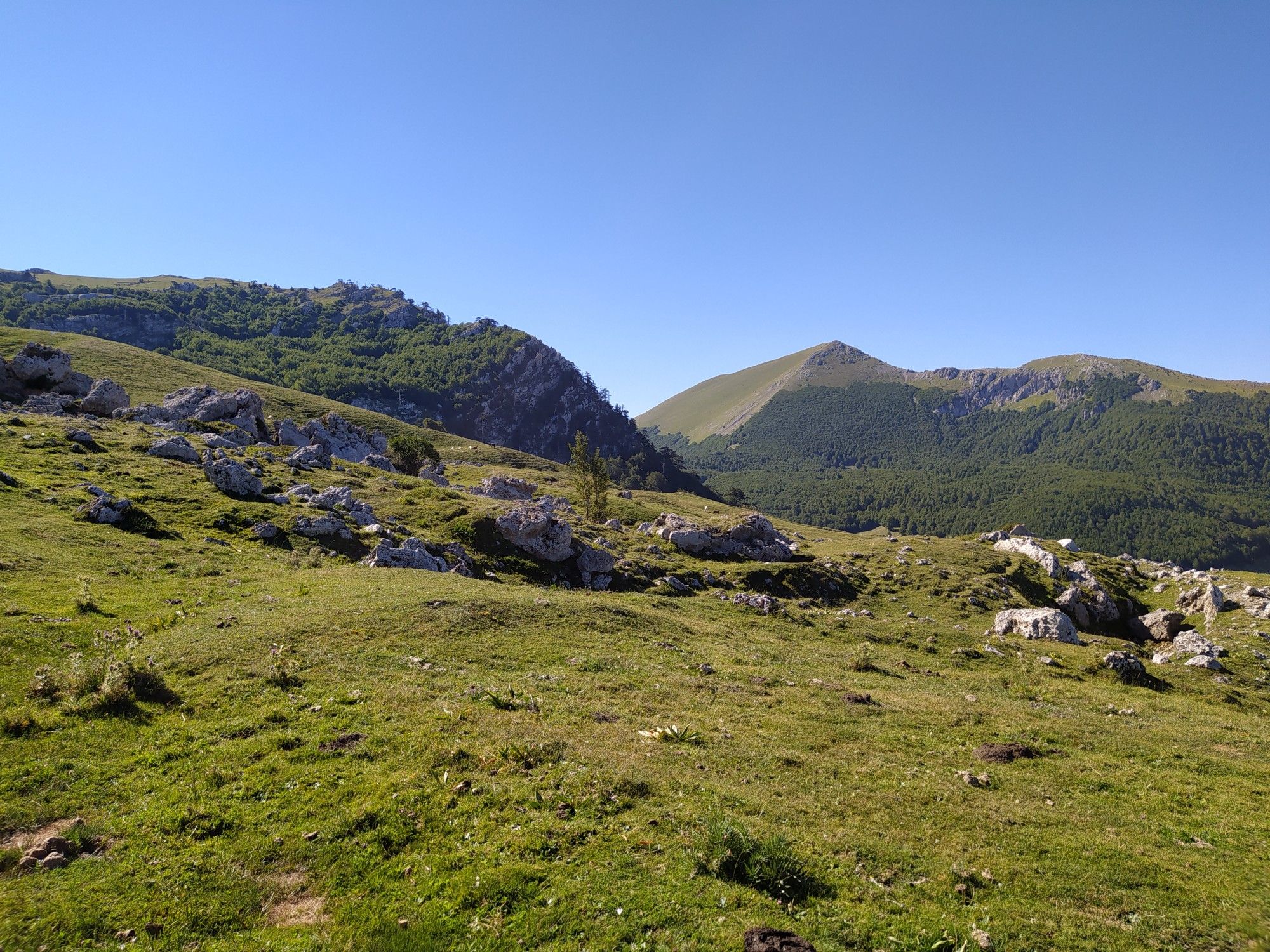
Among the ancient villages and lush forests – Sentiero Italia
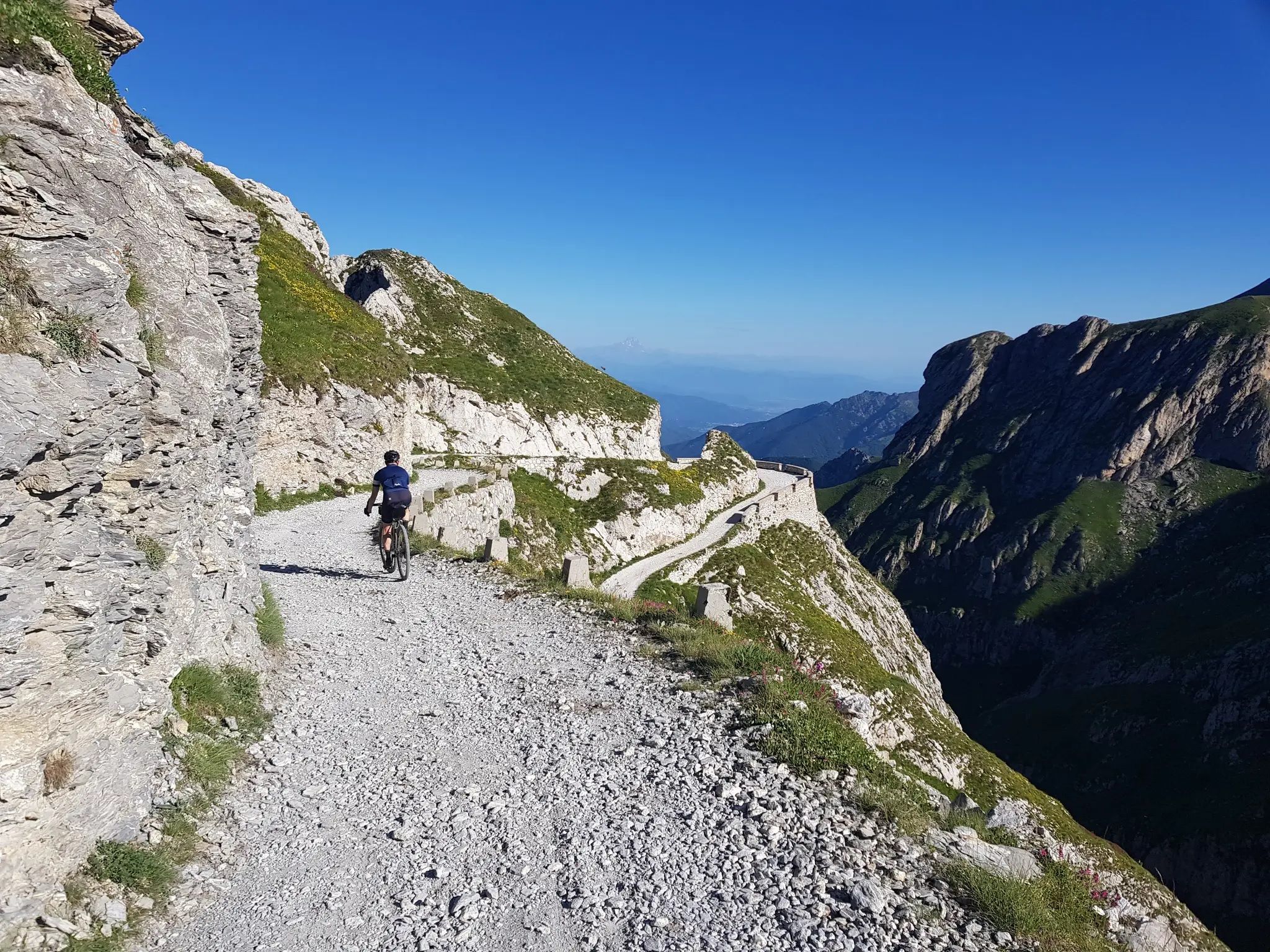
From the boot’s toe to the heel – the most beautiful cycling Tours in Italy
Other adventures in Basilicata


Tips from the Community

Carved entirely into the rock of the Murgecchia plateau, the rock-hewn Church of the Madonna delle Vergini has medieval origins. The facade, embedded in the stone, is from the 18th century. The simple and intimate interior shows signs of some renovations that have partially altered the original hypogeal structure. It preserves an altar of painted tuff, a depiction of the Virgin, and a 19th-century wooden statue of the Madonna and Child. A short corridor leads to another, small hypogeal room. Interesting is the floor of local terracotta decorated with a row of majolica tiles. As per centuries-old tradition, the Madonna's feast is celebrated here on the last Sunday of May.
0
0

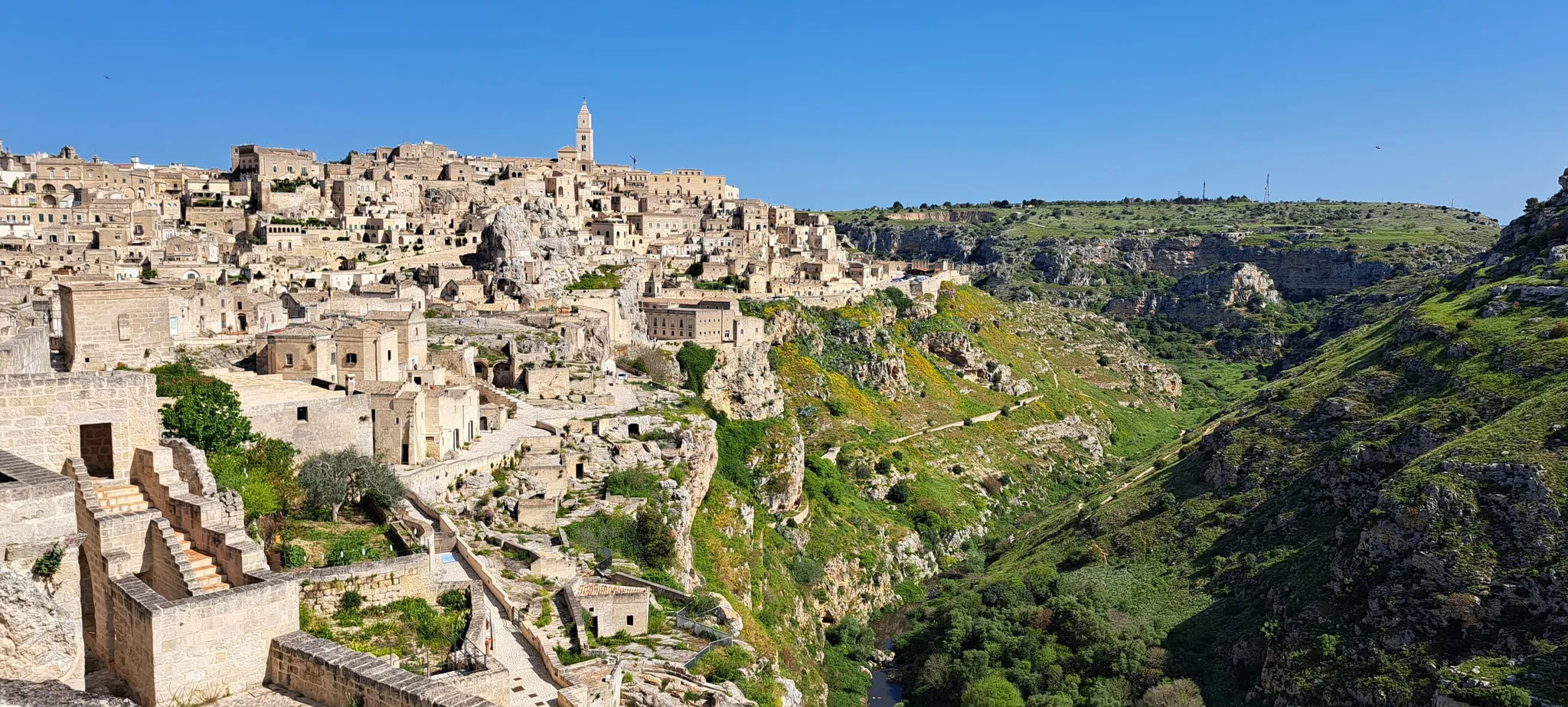
The southern Italian city of Matera is impressive and attractive, but at the same time also mysterious and a bit rough. It looks more like a labyrinth of stone houses, steep staircases and narrow streets. The Sassi di Matera, or Stones of Matera, is full of caves that were once inhabited and were therefore a disgrace to Italy. Times have changed suddenly, and today the Sassi di Matera are the pride not only of the city, but also of the entire Basilicata region, in which Matera is located.
1
1
The southern Italian city of Matera is impressive and attractive, but at the same time also mysterious and a bit rough. It looks more like a labyrinth of stone houses, steep staircases and narrow streets. The Sassi di Matera, or Stones of Matera, is full of caves that were once inhabited and were therefore a disgrace to Italy. Times have changed suddenly, and today the Sassi di Matera are the pride not only of the city, but also of the entire Basilicata region, in which Matera is located.
3
1
Matera is an Italian city in the Basilicata region, the capital of the province of the same name. It lies on the edge of the Murgia plateau. Its surroundings are home to the most important caveman settlements in the Mediterranean region. Since 1993, the "Sassi di Matera" (Stones of Matera), the oldest part of the city, have been a UNESCO World Heritage Site.
2
0
Matera is an Italian city in the Basilicata region, the capital of the province of the same name. It lies on the edge of the Murgia plateau. Its surroundings are home to the most important caveman settlements in the Mediterranean region. Since 1993, the "Sassi di Matera" (Stones of Matera), the oldest part of the city, have been a UNESCO World Heritage Site.
4
0

The Cathedral of Matera (Italian: Cattedrale della Madonna della Bruna e di Sant'Eustachio) is a Roman Catholic church in Matera, Italy. The cathedral of the Archdiocese of Matera-Irsina bears the title of a minor basilica. The church was built in the 13th century in the Apulian Romanesque style and stands on the highest point of the city between the two Sassi. Source and further information can be found at: https://de.m.wikipedia.org/wiki/Kathedrale_von_Matera
2
0
Metera with its Sassi and rock churches is impressive.
2
0

the hike is marked but not enough, but let's say it's very easy to orient yourself just go straight. it's a fairly open path, only a small stretch covered by trees, so when it's hot it's better to bring a hat. bring something to eat because I don't think there were any refreshment points. fantastic place with a peaceful atmosphere. the day I went, which was June, there were a few insects, but they were harmless.
0
0
Frequently Asked Questions
What historical and cultural sites should I visit in Basilicata?
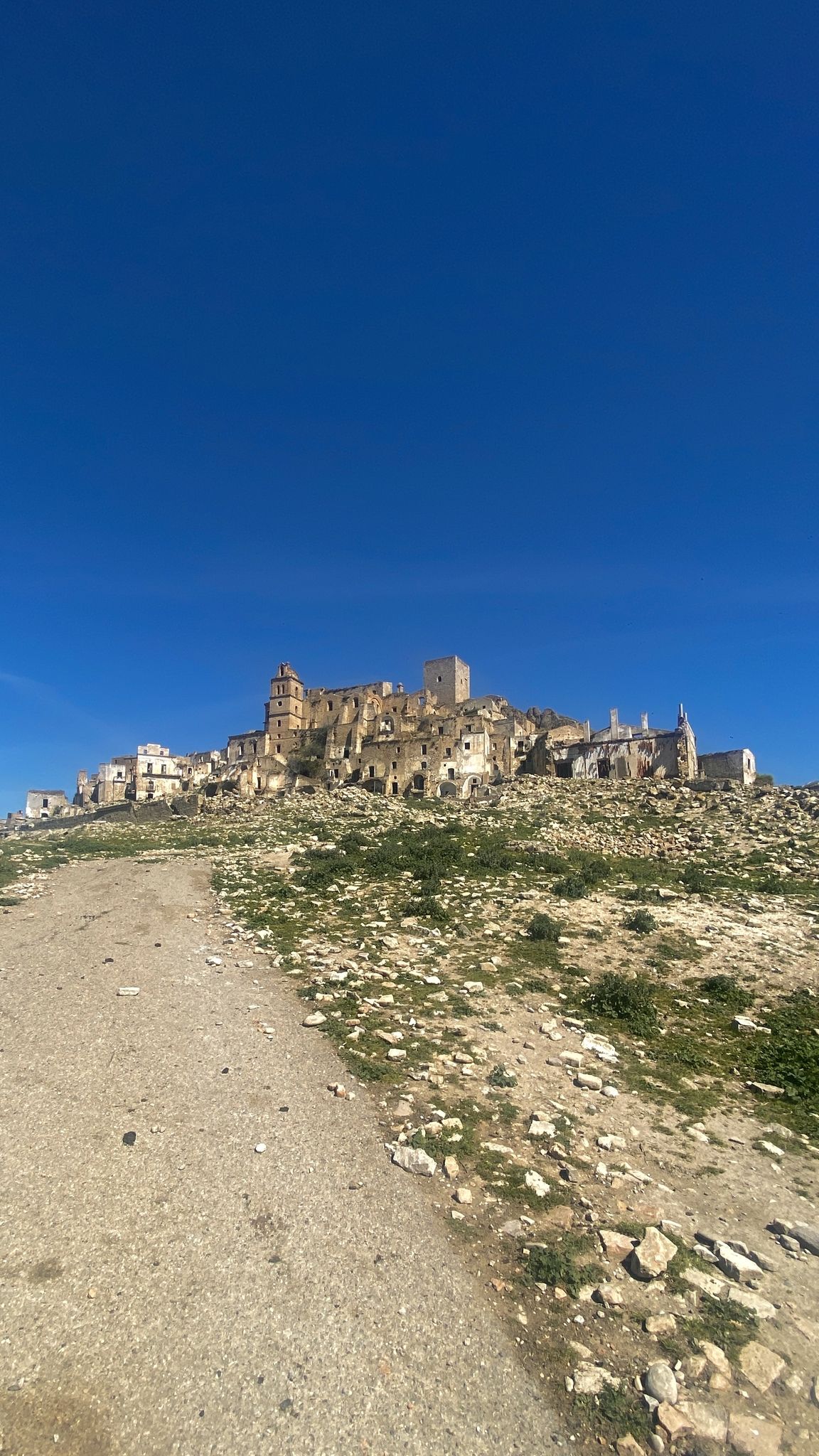
Basilicata is rich in history. A must-see is the ancient city of Matera Cathedral, a UNESCO World Heritage site known for its Sassi cave dwellings, which have been continuously inhabited for millennia. You can also explore the ghost town of Craco, an abandoned ancient settlement with an evocative atmosphere, or the Metaponto Archaeological Park, featuring ruins of ancient Greek temples. Melfi Castle, an 11th-century Norman fortress, also offers significant historical insights.
Are there any unique natural attractions in Basilicata?
Absolutely. The region boasts the dramatic Dolomiti Lucane, with their bizarre rock spires, where you can experience the thrilling 'Volo dell'Angelo' zipline between Pietrapertosa and Castelmezzano. Another unique natural feature is the Calanchi di Aliano, otherworldly badlands formed by erosion. You can also visit Monte Vulture, an extinct volcano featuring forests and the two volcanic lakes of Monticchio.
What outdoor activities can I do in Basilicata?
Basilicata offers diverse outdoor activities. You can explore Italy's largest natural park, Pollino National Park, which is ideal for hiking, mountain biking, and rafting. The Lucanian Dolomites provide opportunities for hiking and the 'Volo dell'Angelo' zipline. For hiking enthusiasts, there are numerous routes, including a scenic walk around Matera or challenging trails in Pollino National Park like the one from Colle dell’Impiso to Monte Pollino.
Where can I find beautiful coastal areas in Basilicata?
Basilicata has two distinct coastlines. The Ionian Coast offers a 30-km stretch of beaches, particularly at Metaponto and Policoro, known for clean waters and activities like sunbathing and snorkeling. The Tyrrhenian Coast, centered around Maratea, is often called 'The Pearl of the Tyrrhenian Sea' for its beautiful beaches, majestic cliffs, and stunning views. Here, you'll also find the impressive Cristo Redentor statue on Monte San Biagio.
Are there family-friendly attractions in Basilicata?
Yes, many attractions in Basilicata are suitable for families. Exploring the Sassi di Matera, including a visit to a Casa Grotta to understand ancient life, can be fascinating. The Pollino National Park offers gentle trails and opportunities for wildlife spotting. The beaches along the Ionian and Tyrrhenian coasts are also great for family fun. Many religious sites like the Church of Saints Peter and Paul in Matera are also listed as family-friendly.
What is the best time to visit Basilicata for sightseeing and outdoor activities?
The best time to visit Basilicata generally depends on your preferred activities. Spring (April-May) and early autumn (September-October) offer pleasant temperatures ideal for exploring historical sites and hiking in areas like Pollino National Park or the Lucanian Dolomites. Summers can be hot, especially inland, but are perfect for enjoying the coastal beaches and water activities in Maratea or Metaponto.
Can I find unique cultural experiences or traditions in Basilicata?
Basilicata offers unique cultural experiences. Beyond the Sassi di Matera, which was a European Capital of Culture, you can explore the rupestrian churches with their ancient frescoes. The region is also known for its folklore events and popular festivals, such as the Festa della Bruna in Matera (early July) and the Maggio di Accettura, which celebrate local traditions and provide a glimpse into the region's vibrant heritage.
Are there any notable viewpoints in Basilicata?
Basilicata offers several breathtaking viewpoints. The Suspension bridge over the Gravina provides stunning panoramic views of Matera. The Cristo Redentor statue in Maratea, perched on Monte San Biagio, offers expansive vistas of the Tyrrhenian coastline. Additionally, the villages of Castelmezzano and Pietrapertosa in the Lucanian Dolomites provide picturesque mountain views.
What are some lesser-known or 'hidden gems' in Basilicata?
Beyond the famous Sassi, consider visiting the abandoned ghost town of Craco for its unique, eerie beauty. The Calanchi di Aliano offer a surreal, eroded landscape that feels otherworldly. For a taste of local life, explore charming villages like Pisticci, known as 'the amphitheater on the Ionian Sea' for its distinctive S-shaped layout and historic center.
Where can I find ancient Greek ruins in Basilicata?
To explore ancient Greek history, head to the Metaponto Archaeological Park. Here, you can see the ruins of Doric Greek temples dedicated to deities like Athena, Apollo, and Hera. A highlight is the Tavole Palatine, where 15 of the original 32 Doric columns still stand, offering a tangible connection to Magna Graecia.
Are there opportunities for wine tasting in Basilicata?
Yes, Basilicata is known for its wine production, particularly the Aglianico del Vulture wines. The region offers opportunities to visit local wine cellars and vineyards, especially around the Monte Vulture area, where you can sample these distinctive wines and learn about the winemaking process.
What kind of religious sites can I visit in Basilicata?
Basilicata features numerous significant religious sites. The Matera Cathedral is a prominent landmark. You can also visit the Sanctuary of the Black Madonna of Viggiano, an important regional pilgrimage site. The Sassi area also contains many rupestrian churches carved into the rock, such as the Rock Church of Santa Rita, showcasing ancient religious art and architecture.
Most popular routes in Basilicata
Most popular attractions in Basilicata

Get inspired with the komoot mobile app


Didn’t find what you were looking for?
Are you keen on exploring more awesome places nearby? Browse our guides:
Explore more
Still not found the Highlight you’re looking for? See guides of the top attractions in other regions:
