Top 20 Caves in Apulia
Best caves in Apulia offers a diverse underground landscape in southern Italy. This region is characterized by significant karst systems, ancient dwellings, and sea caves. Its subterranean environments showcase rich natural formations and historical heritage, providing varied experiences for visitors.
Best caves in Apulia
- The most popular caves is Porto Badisco Bay, a beach location known for its caves and archaeological significance. It is home to the Grotta dei Cervi, which contains extensive Neolithic rock paintings.
- Another must-see spot…
Last updated: October 4, 2026
Ciolo Bridge
Highlight • Bridge
Translated by Google •
Tip by

Porto Badisco Bay
Highlight • Beach
Translated by Google •
Tip by

Sign up now to discover places like this
Get recommendations on the best single tracks, peaks, & plenty of other exciting outdoor places.
Pulo of Altamura
Highlight • Canyon
This created a more or less …
Translated by Google •
Tip by

Rock Church Sanctuary of San Biagio
Highlight • Religious Site
Translated by Google •
Tip by

Church of Santa Marina di Stigliano and Ruins, Serrano
Highlight • Religious Site
The church, traditionally linked to the …
Translated by Google •
Tip by

Monte Calvo
Highlight • Summit
Translated by Google •
Tip by

Sanctuary of Saint Michael the Archangel
Highlight • Religious Site
Translated by Google •
Tip by

Villanova Harbour and Castle
Highlight • Castle
Translated by Google •
Tip by

Lamacornola Rock Settlement and Caves
Highlight (Segment) • Historical Site
Translated by Google •
Tip by
Rock Church of San Biagio
Highlight • Religious Site
Translated by Google •
Tip by

Sign up for free to discover even more caves in Apulia.
Already have an account?
Start today with a free account
Your next adventure awaits.
Popular around Apulia
Tratturo Magno – On the roads of transhumance
The Tratturo Magno – From the Apennines to the TavoIiere, 300 kilometers
Sentiero Italia – On the tracks of the Samnites and Romans in Molise
Discovering Puglia by bike – essential rides
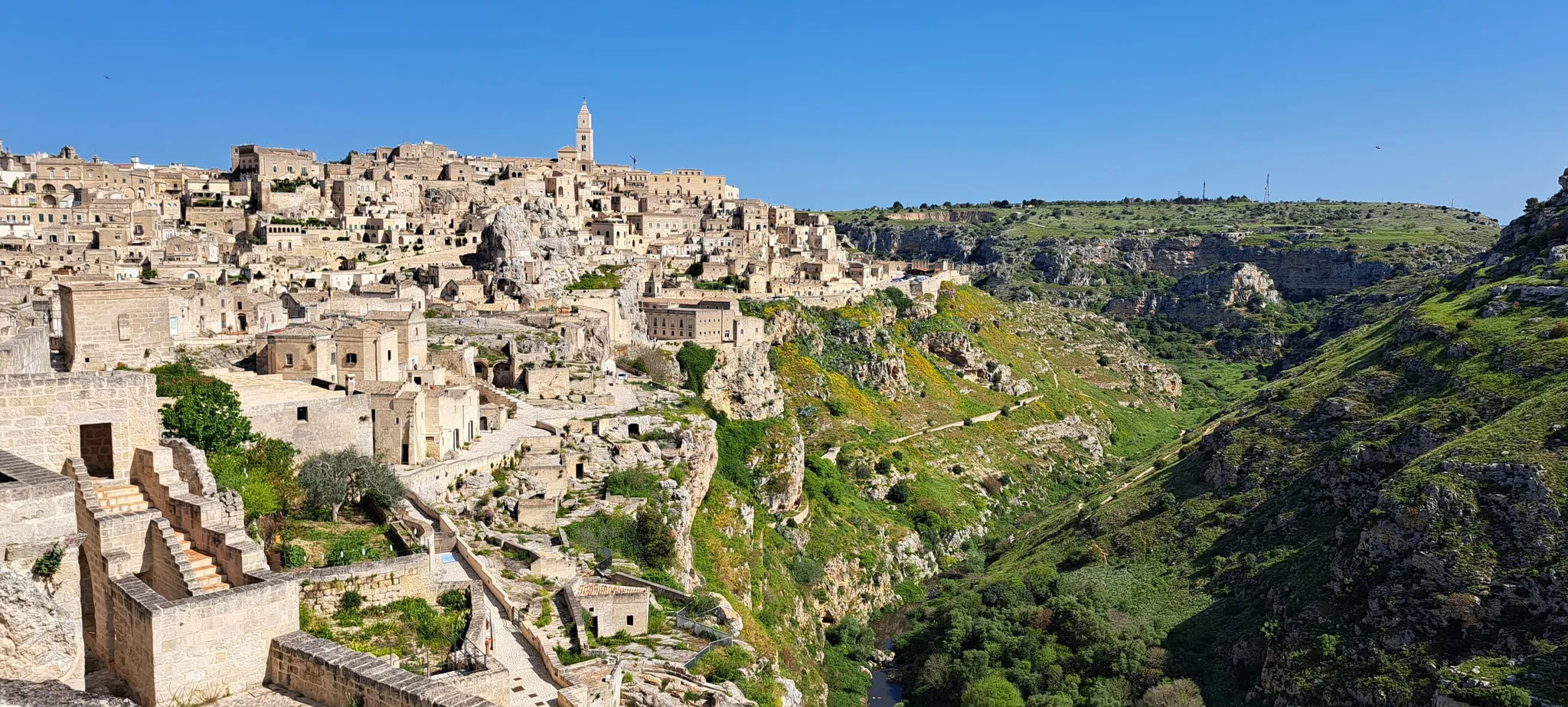
Among olive trees and white stone - Via Peuceta
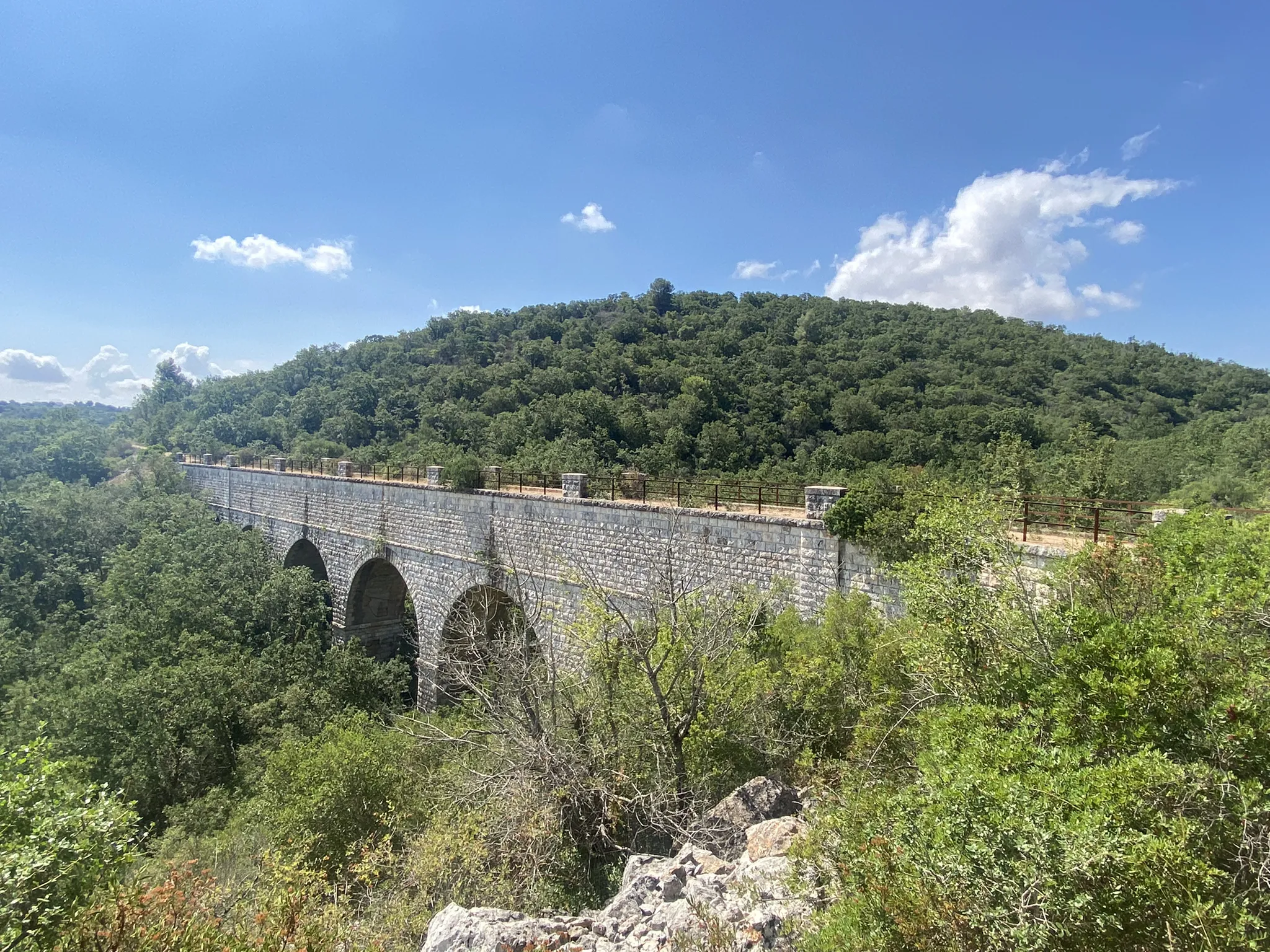
Caposele to Santa Maria di Leuca – Apulian Aqueduct Cycle Route
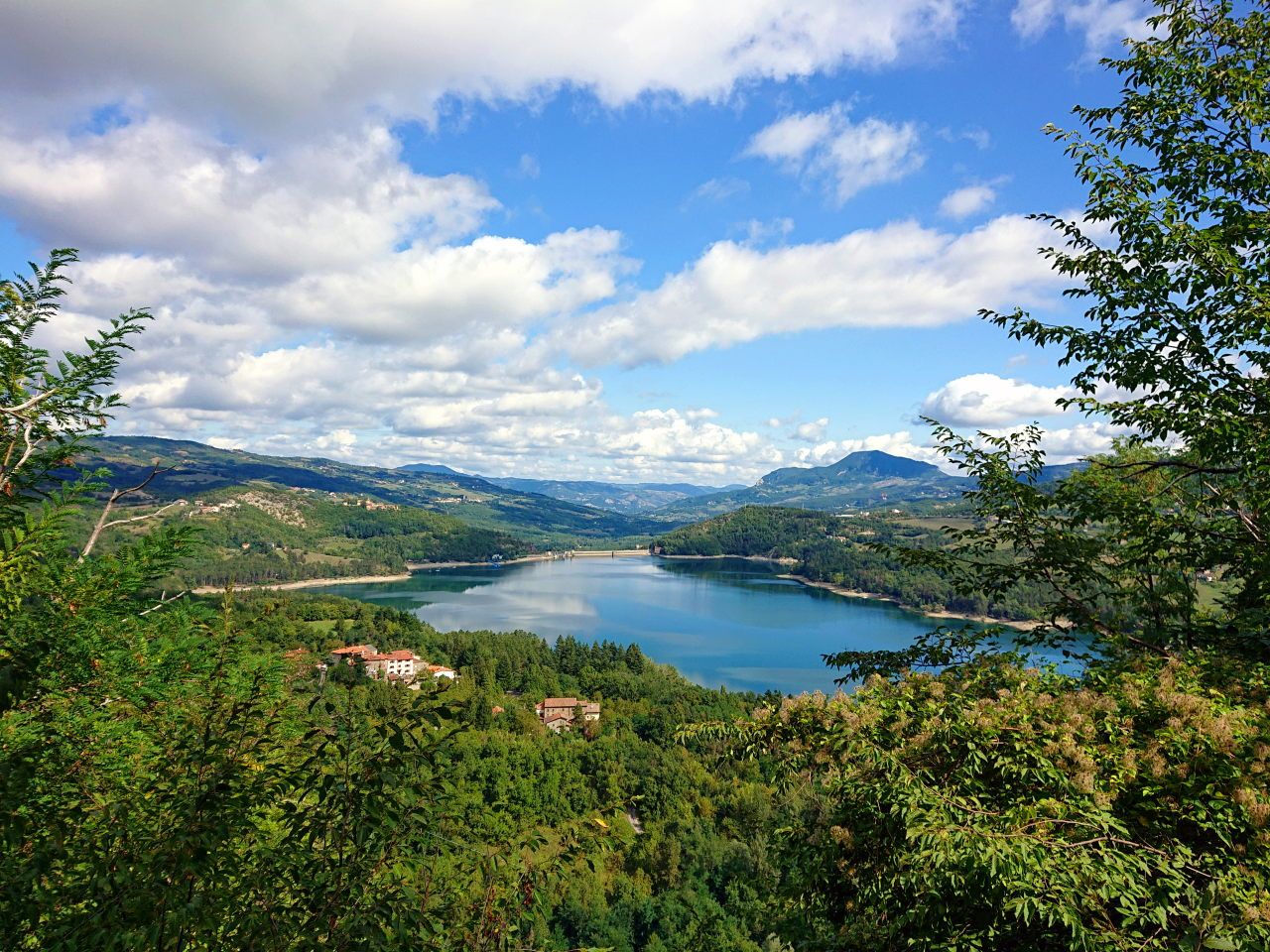
Interiora - A Journey into the Remote Areas of Italy
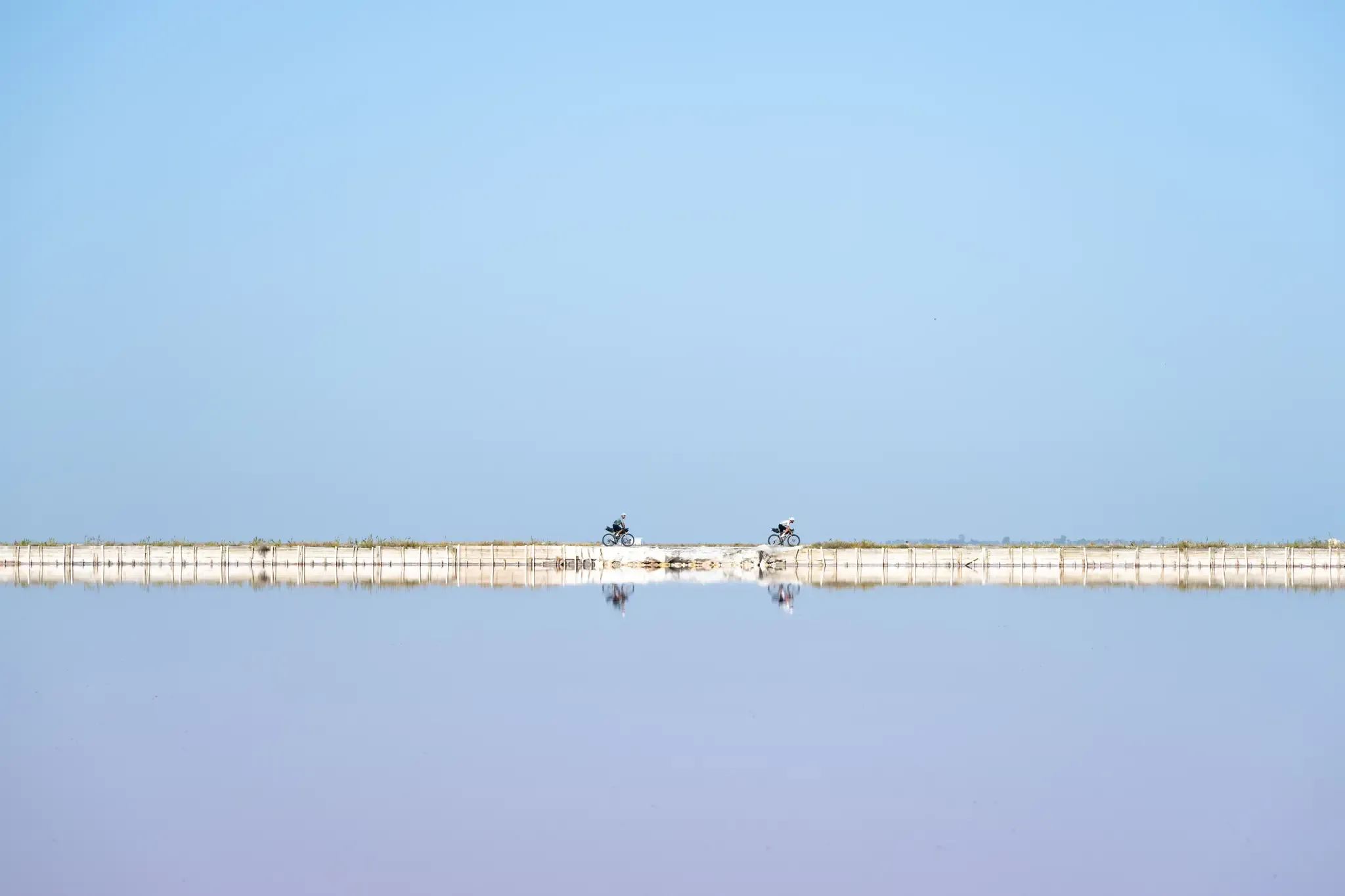
Trieste to Santa Maria di Leuca – the Adriatic Cycle Route
Pedalling in Italy’s far south – Ciclovia dei Borbone
Triangle of Wonders – Salento Ring from Gallipoli
Other adventures in Apulia


Tips from the Community

On Monte Calvo, it's best to ascend from the east by mountain bike, despite the numerous unnecessary stone steps that clutter the initial section. The trail, which descends west from the summit to connect with the Sentiero delle Anguille, would be less rideable and much more difficult overall.
1
0

A wonderful hike along the sea. The view is breathtaking. Highly recommended. Ideal in the early morning hours when it's not so warm in summer.
0
0

A stroll along the seafront in the center of the Villanova marina
1
0

San Michele – the main church of Monte Sant'Angelo – is a grotto church, a church type particularly favored by the Normans in their newly conquered territories. All that can be seen at the top of the mountain is the church's octagonal bell tower (1273/74) and the two-part entrance hall (1395). The church itself is located inside the mountain. San Michele is a pilgrimage church dedicated to the Archangel Michael. Source: https://de.m.wikipedia.org/wiki/Monte_Sant%E2%80%99Angelo
2
0

In 1278 the walls of Villanova were built, and about 20 years later the castle was built by the Angevins, who took over the domination of Ostuni from the Swabian-Normans, who were responsible for the intensification of olive cultivation. From surviving documents, demonstrating its strategic importance, it appears that around the 15th century the castle was a fully active defensive structure. In fact, the city of Ostuni under Aragonese domination, thanks also to the castle and the small port of Villanova, managed to maintain the status of a state city, therefore free from feudal duties. Due to the various destructions over time, little remains of the original 14th-century construction. Currently the castle is made up of three bodies that act as square towers with a sloped base. Around the building, at the height of the first floor, runs a tubular torus and from the roof of the building rises a turret modeled on the prototype of a lighthouse. Ref. https://fondoambiente.it/luoghi/castello-del-porto-turistico-di-villanova-ostuni
4
0
it is a tourist port protected by two piers: the eastern pier 70 m long with quayside and bollards and the western pier 280 m long. Inside the dock there are some docks reserved for pleasure boats
4
0
The 12th century church of San Biagio in Rialbo opens onto a natural cave. It is best to reach it from the Strada dei Colli rather than from the valley if you are a beginner MTB rider.
2
0

Ruins of a farmhouse built in ancient times next to the church of Santa Marina di Stigliano. Probably destroyed during the numerous Saracen raids
0
0
Frequently Asked Questions
Which caves in Apulia are known for their historical or archaeological significance?
Apulia's caves offer a rich historical journey. The Porto Badisco Bay is home to the Grotta dei Cervi, globally significant for its extensive Neolithic rock paintings depicting hunting scenes and abstract drawings dating back 8,000 years. The Pulo of Altamura, a large karst sinkhole, features caves and ravines that were inhabited since prehistoric times. Grotta Zinzulusa also holds significant archaeological value, with Neolithic, Paleolithic, and Roman artifacts discovered inside.
Are there any caves in Apulia where I can have a unique dining experience?
Yes, Grotta Palazzese in Polignano a Mare offers a truly unique experience. This sea cave hosts a high-end restaurant where you can dine overlooking the water and rocky cliffs, continuing its historical use as a grand entertaining space from the 1700s.
What kind of geological formations can I expect to see in Apulia's caves?
Apulia's caves showcase diverse geological wonders. The Caves of Castellana are renowned for their dramatic stalactites, stalagmites, and unique chambers like the 'White Cave' (Grotta Bianca) with its pure white alabaster formations, and the 'Black Cavern' (Caverna Nera) with its dark, dramatic rock formations. You can also find large karst sinkholes like the Pulo of Altamura, and impressive sea caves carved by water erosion.
Are there family-friendly caves to visit in Apulia?
Many caves in Apulia are suitable for families. The guided tours at the Caves of Castellana are engaging for various ages, offering a journey through fascinating geological formations. Porto Badisco Bay, with its beach and nearby Grotta dei Cervi, is also considered family-friendly, offering a mix of relaxation and exploration.
What outdoor activities can I do near the caves in Apulia?
Near many of Apulia's caves, you can find various outdoor activities. For cycling enthusiasts, there are routes like the 'Gargano Coast Loop' or 'Itria Valley Trulli and Aqueduct Loop' mentioned in the Cycling in Apulia guide. Running trails are also available, such as the 'Sentiero Italia: Gravina di Laterza Loop' from the Running Trails in Apulia guide. The area around Ciolo Bridge is popular for swimming and exploring the Ciolo cave.
Which caves are best for exploring marine life or clear waters?
Grotta Zinzulusa is celebrated for its exceptional biodiversity and crystal-clear, icy waters, home to rare marine life and endemic species. The Ciolo Bridge area is known for its clear waters and the Ciolo cave, while Grotta della Poesia is a stunning natural pool perfect for swimming.
What is the best time to visit the caves in Apulia?
The consistent cool temperatures inside many of Apulia's caves, such as the Caves of Castellana, make them a pleasant escape even during the hot summer months. However, spring and autumn offer milder weather for exploring the surrounding regions and sea caves by boat.
Are there any sacred or religious cave sites in Apulia?
Yes, the Cave of San Michele in Monte Sant'Angelo is a significant sacred pilgrimage site located at the foot of the Gargano, known for its religious importance and peaceful ambiance. Additionally, the Rock Church Sanctuary of San Biagio near Ostuni is a fascinating 12th-century rock church nestled in a rocky ridge.
Which caves offer impressive viewpoints or scenic surroundings?
The Ciolo Bridge overlooks a cove with nearby caves, offering breathtaking views of the deep ravine and clear waters. Grotta Palazzese provides stunning views of the Adriatic Sea from its unique restaurant setting. The Pulo of Altamura, a large sinkhole, also offers a dramatic natural landscape.
Can I find caves that are less crowded or considered hidden gems?
While popular sites like the Caves of Castellana attract many visitors, exploring areas like Gravina di Riggio near Grottaglie can offer a more secluded experience. This deep valley features natural and man-made caves, a waterfall, and historical relics, including a visible cave village and ancient frescoes, providing a unique blend of nature and history away from the main tourist routes.
What should I wear when visiting caves in Apulia?
For most cave tours, especially those like the Caves of Castellana, it's advisable to wear comfortable walking shoes with good grip, as paths can be uneven or damp. Even in summer, the internal temperature of the caves remains cool, so bringing a light jacket or sweater is recommended.
Most popular routes in Apulia
Most popular attractions in Apulia

Get inspired with the komoot mobile app


Didn’t find what you were looking for?
Discover more caves in Apulia region by region:
Explore more
Extend your search for the best caves by checking out these guides of the top ones in Apulia:
