Top 20 Mountain Passes in Nature Park Tiroler Lech
Best mountain passes in Nature Park Tiroler Lech are found within the Lechtal and Allgäu Alps, characterized by pristine river landscapes and diverse flora and fauna. This region offers spectacular mountain panoramas and high-alpine crossings. The passes provide access to dramatic scenery and are integral to experiencing the area's natural environment. Visitors can explore a range of terrain, from challenging alpine routes to scenic drives.
Best mountain passes in Nature Park Tiroler Lech
- The most popular mountain passes is Kaiserjochhaus, a hut located at an altitude of 2,310 meters on the Kaiserjoch, a pass between the Lechtal and Stanzer Tal in the Lechtal Alps. The hut is known for its cozy atmosphere and tasty food.
- Another must-see spot is Schrofen Pass, a mountain pass where broken sections are secured with steel cables and two aluminum bridges. It is a popular route for mountain bikers for alpine cross-country skiing.
- Visitors also love Mädelejoch Pass (Bavaria–Tyrol border), a mountain pass located at 1,973 meters on the border of Bavaria and Tyrol. It offers expansive views of the surrounding valleys and towering mountains.
- Nature Park Tiroler Lech is known for high-alpine crossings, challenging trails, and scenic drives. The region offers a variety of mountain passes to see and explore, catering to different activity levels.
- The mountain passes in Nature Park Tiroler Lech are appreciated by the komoot community, with over 340 upvotes and 160 photos shared.
Last updated: July 10, 2026
Kaiserjochhaus
Highlight • Mountain Hut
The hut is very cozy, there is a warming tiled stove in the middle of the dining room. The food is very tasty. 😋
Translated by Google •
Tip by

Mädelejoch Pass (Bavaria–Tyrol border)
Highlight • Mountain Pass
The Mädelejoch is at 1,973 m. The ascent from the Kemptener Hütte took about 30 minutes.
Better weather next time please. 👍🏼
Translated by Google •
Tip by

Sign up now to discover places like this
Get recommendations on the best single tracks, peaks, & plenty of other exciting outdoor places.
Sign up for free
Schrofen Pass
Highlight • Mountain Pass
Translated by Google •
Tip by

Rauhkopfscharte
Highlight • Mountain Pass
Translated by Google •
Tip by

Namlos Saddle (Namloser Sattel)
Highlight (Segment) • Mountain Pass
Translated by Google •
Tip by

Sign up for free to discover even more mountain passes in Nature Park Tiroler Lech.
Sign up for free
Already have an account?
Start today with a free account
Your next adventure awaits.
Login or Signup
Popular around Nature Park Tiroler Lech
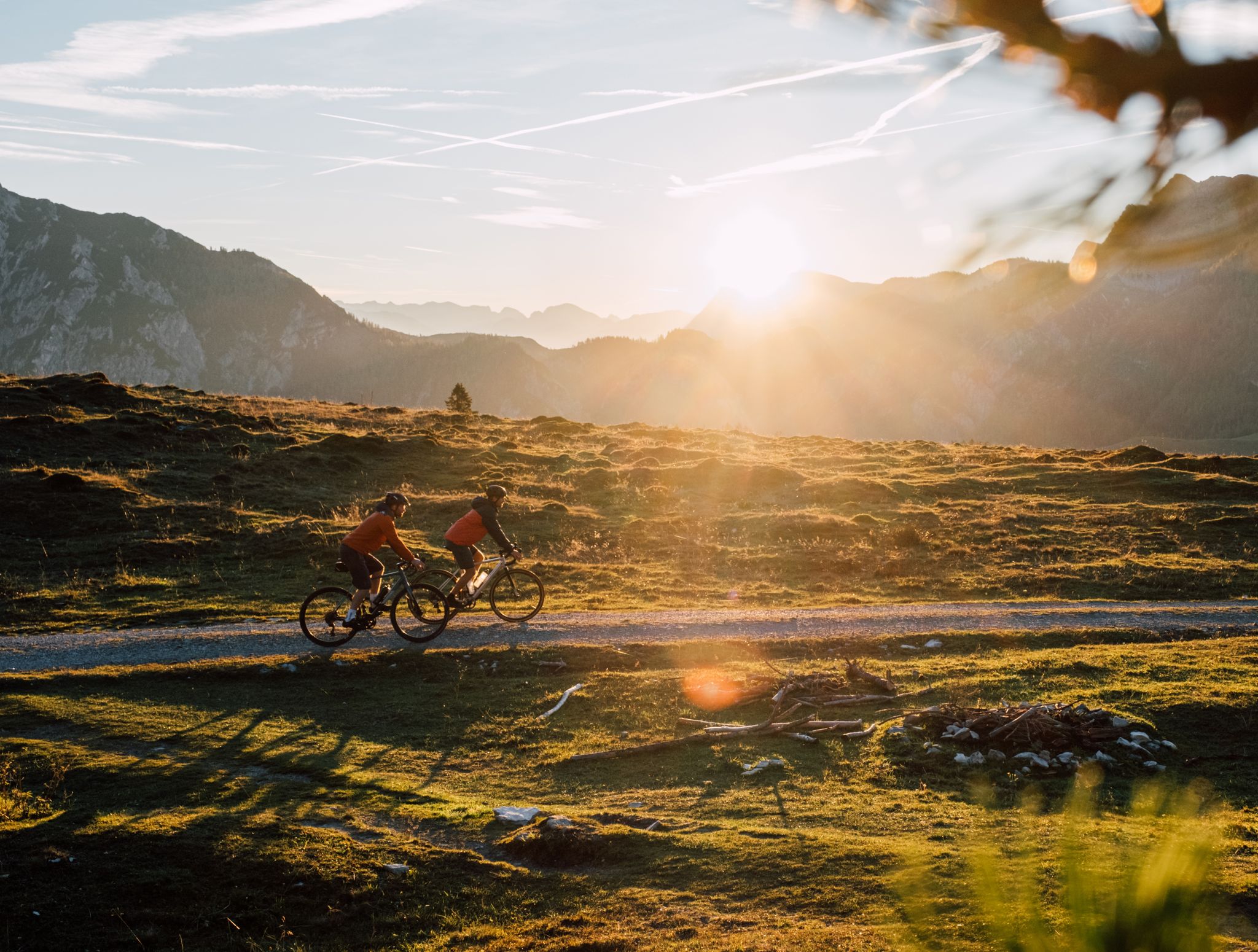
Beyond the pavement – explore Austria's wild nature on a gravel bike
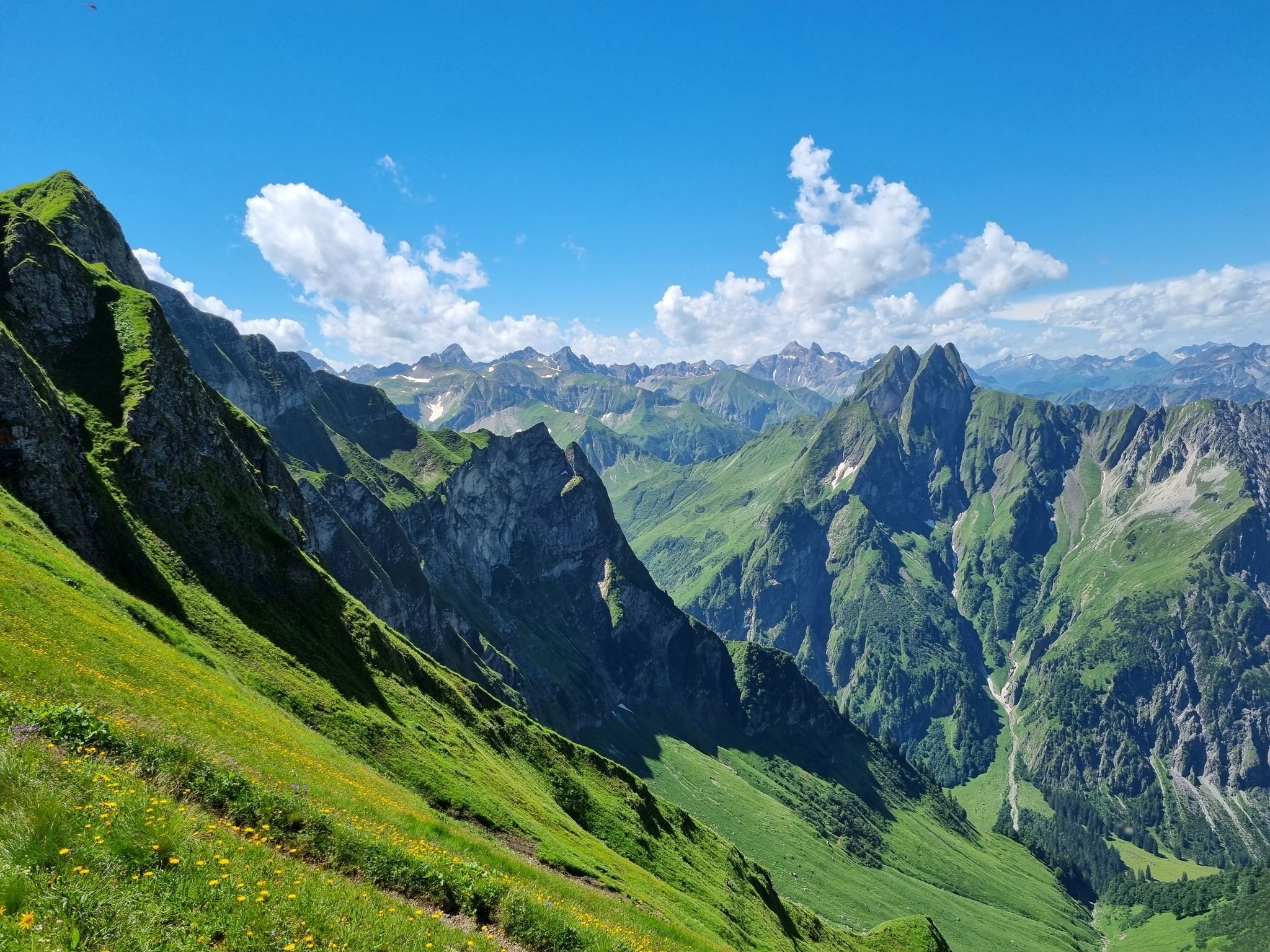
Ibex Tour extended – Crossing the Allgäu Alps
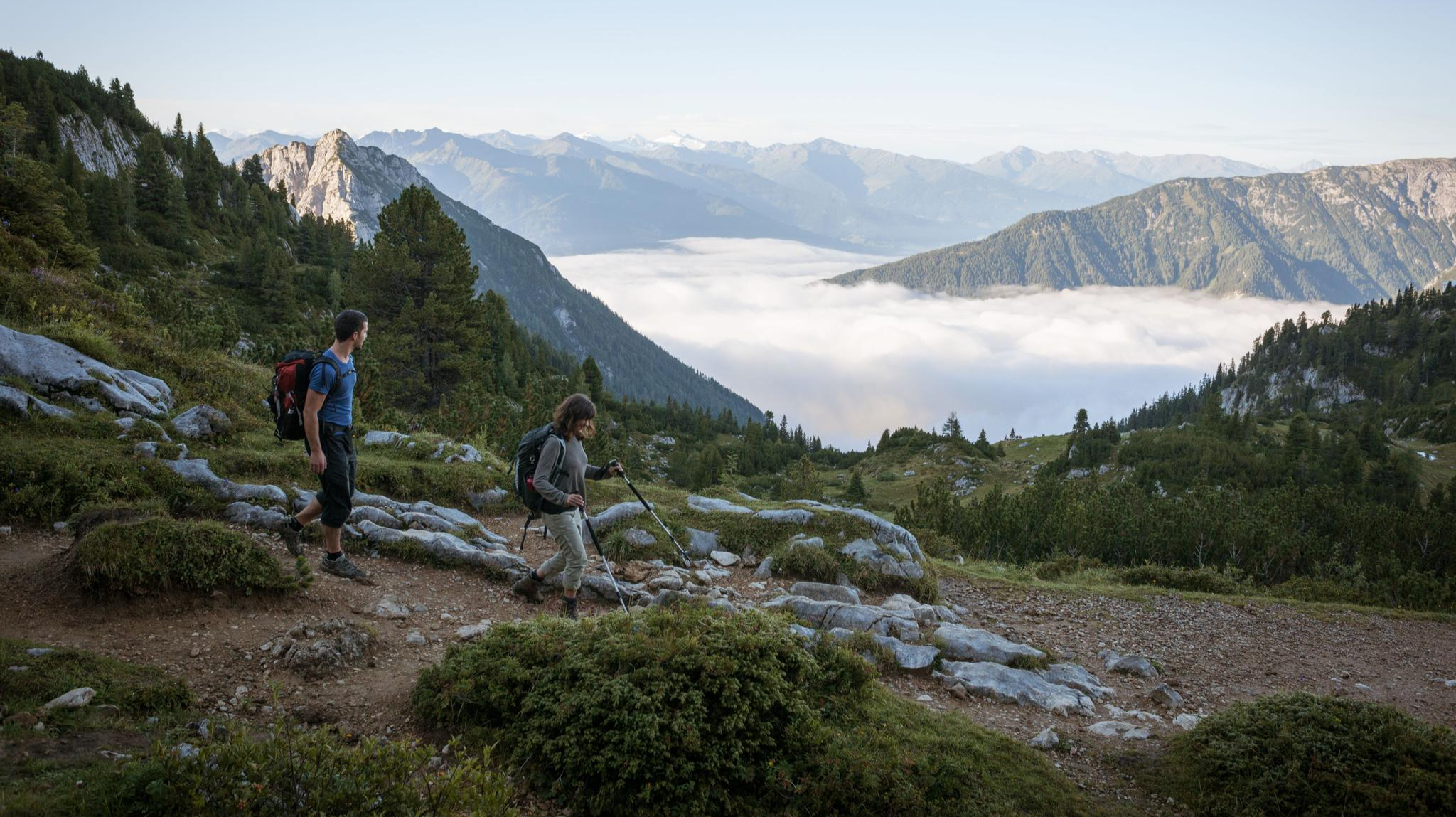
Eagle Walk – Majestic hiking along Tirol's trail
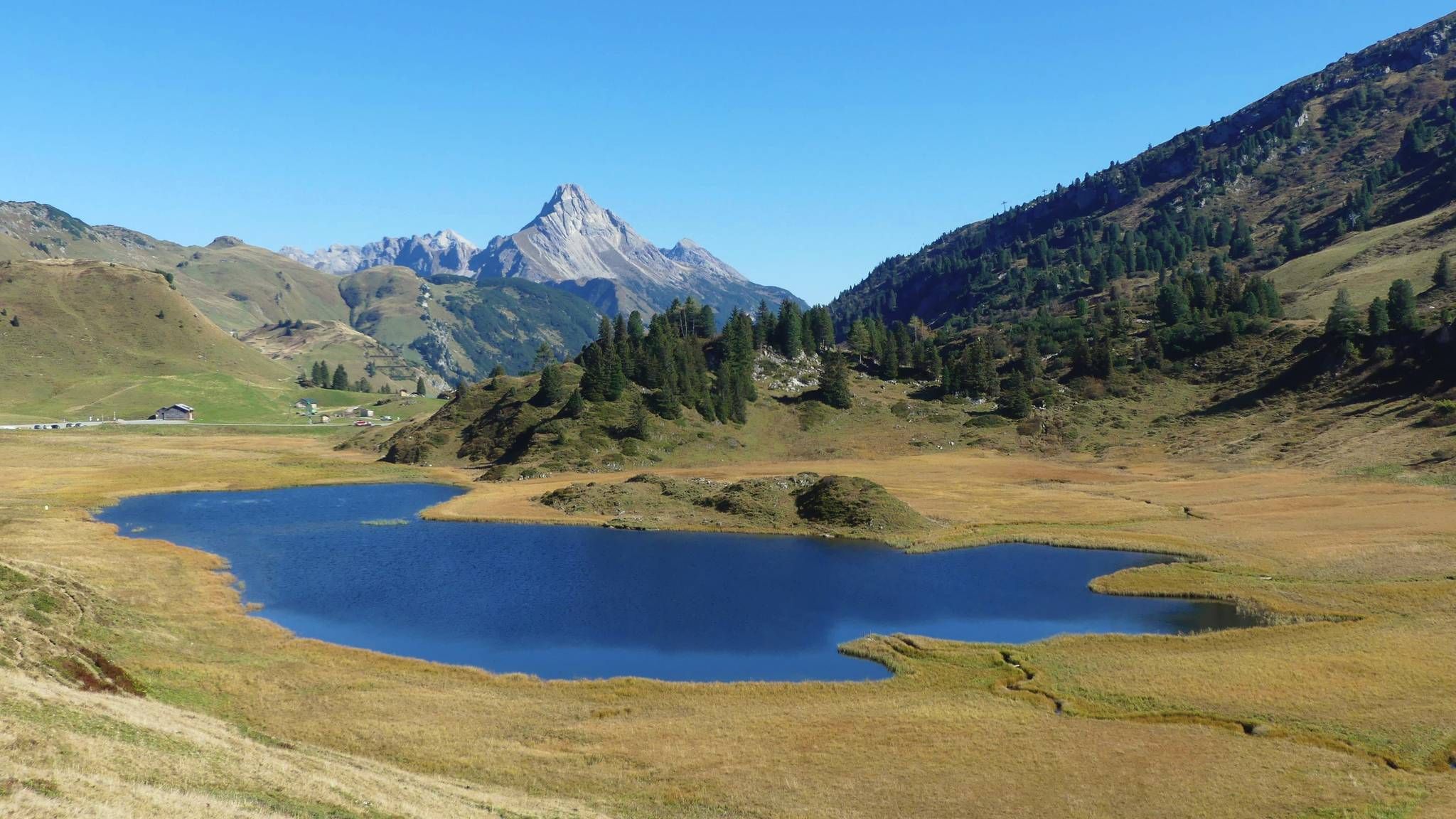
Min Weag long-distance hiking trail – From Lake Constance to the Alps
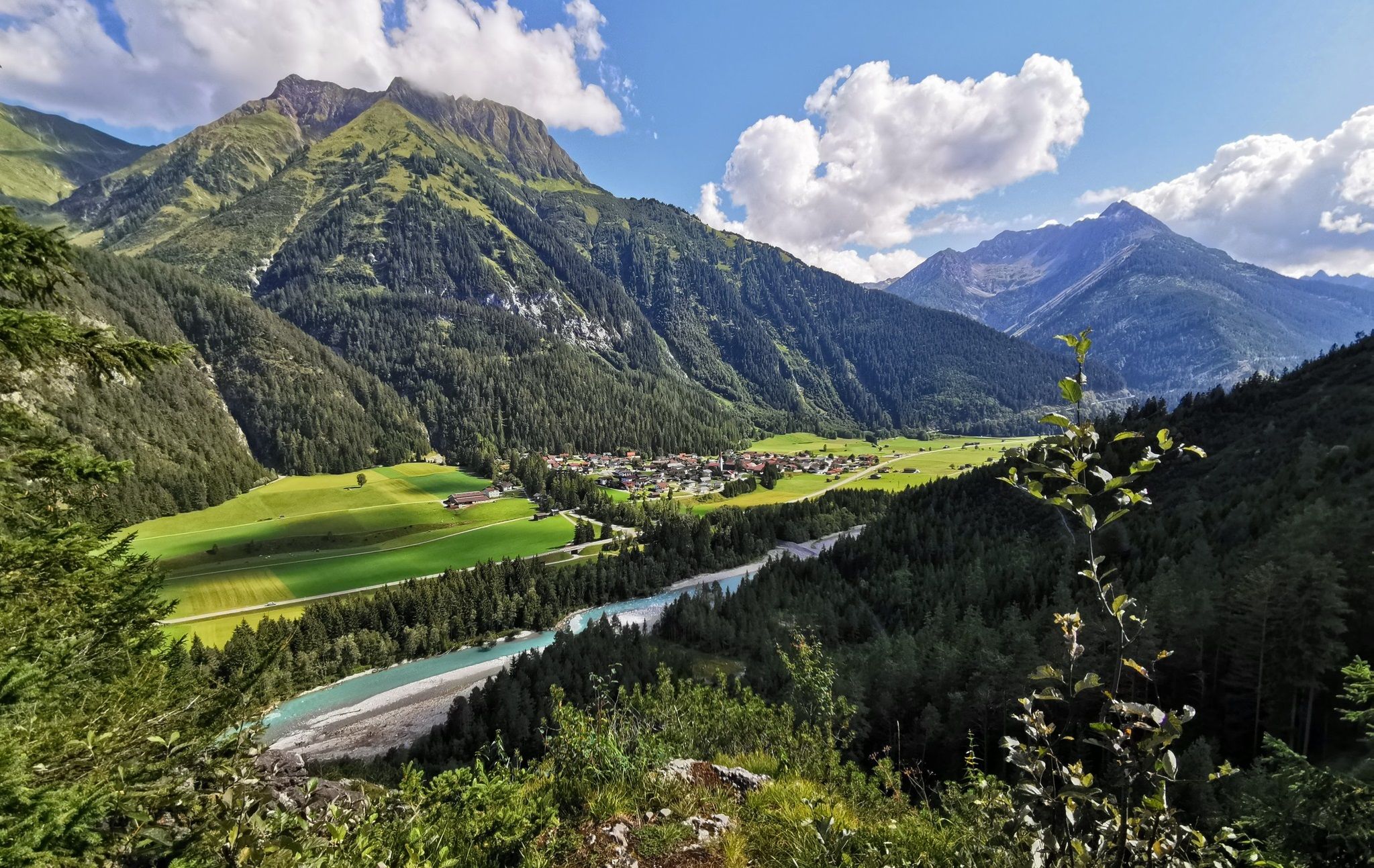
The Lechweg — eight days on Austria's wildest river
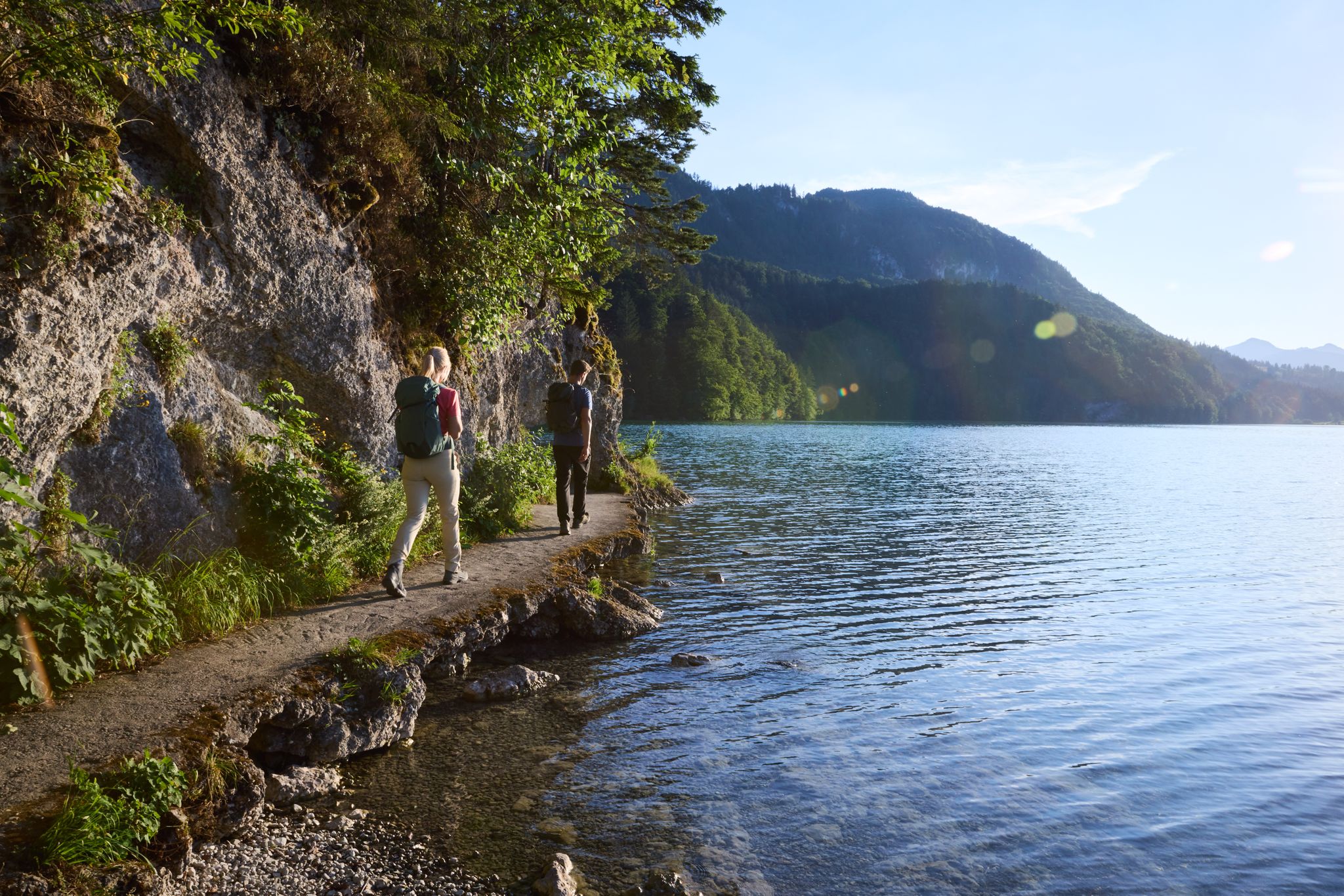
Lechloops – wonderful hiking along the wild Lech
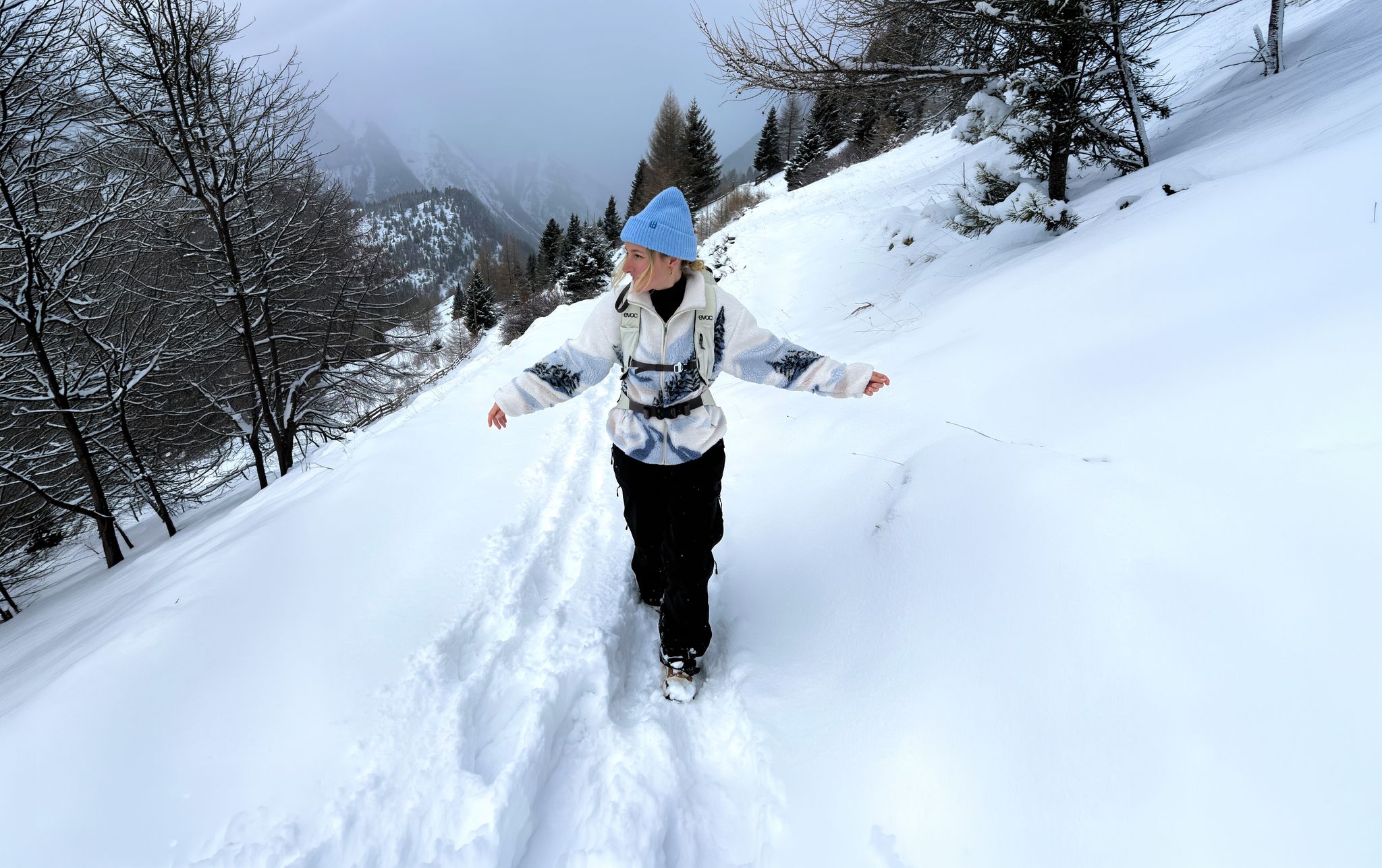
Scenic Winter Hikes around Austria
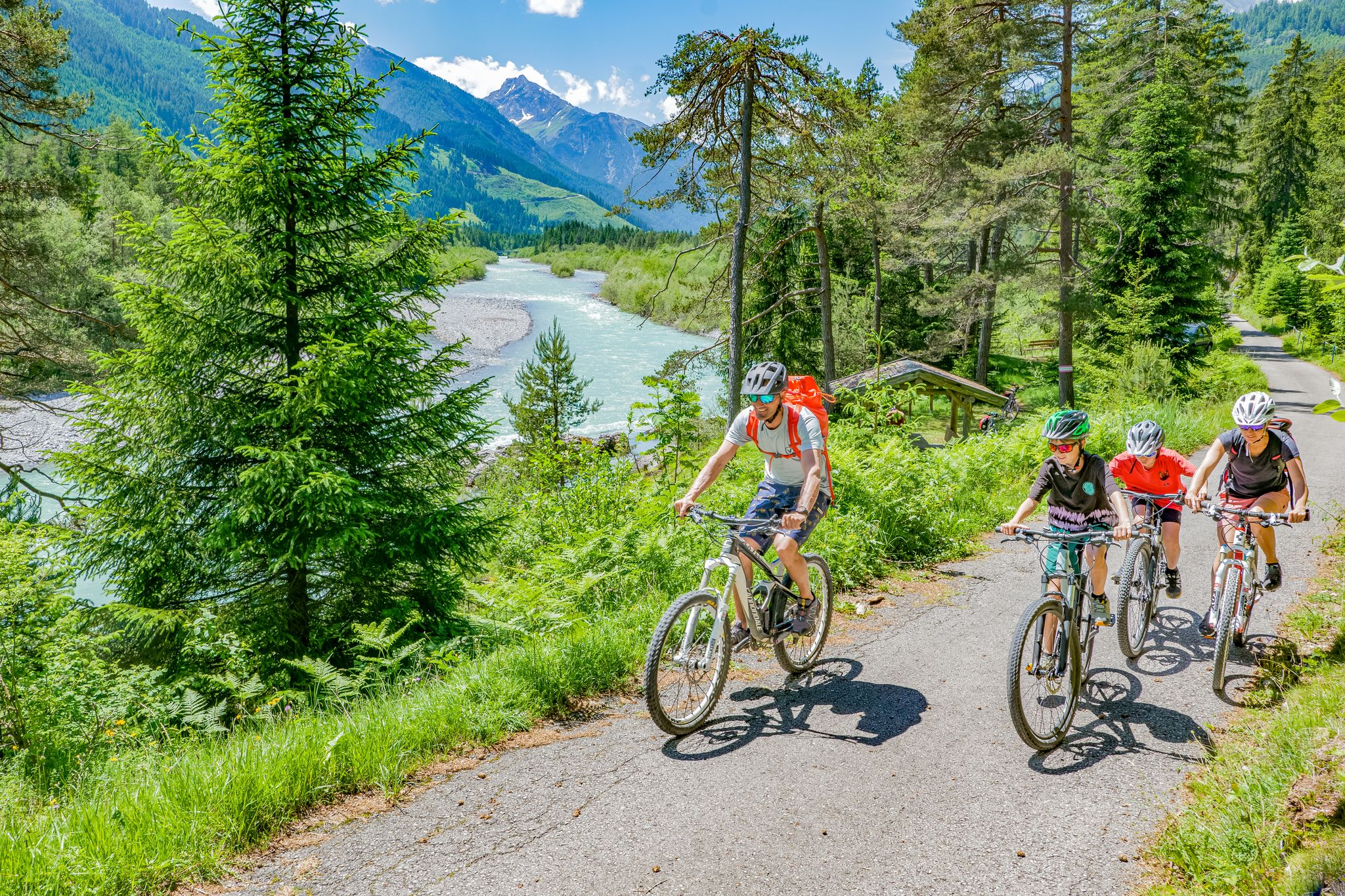
Cycling in the Tyrolean Lech Valley – 10 varied routes along the wild Lech river
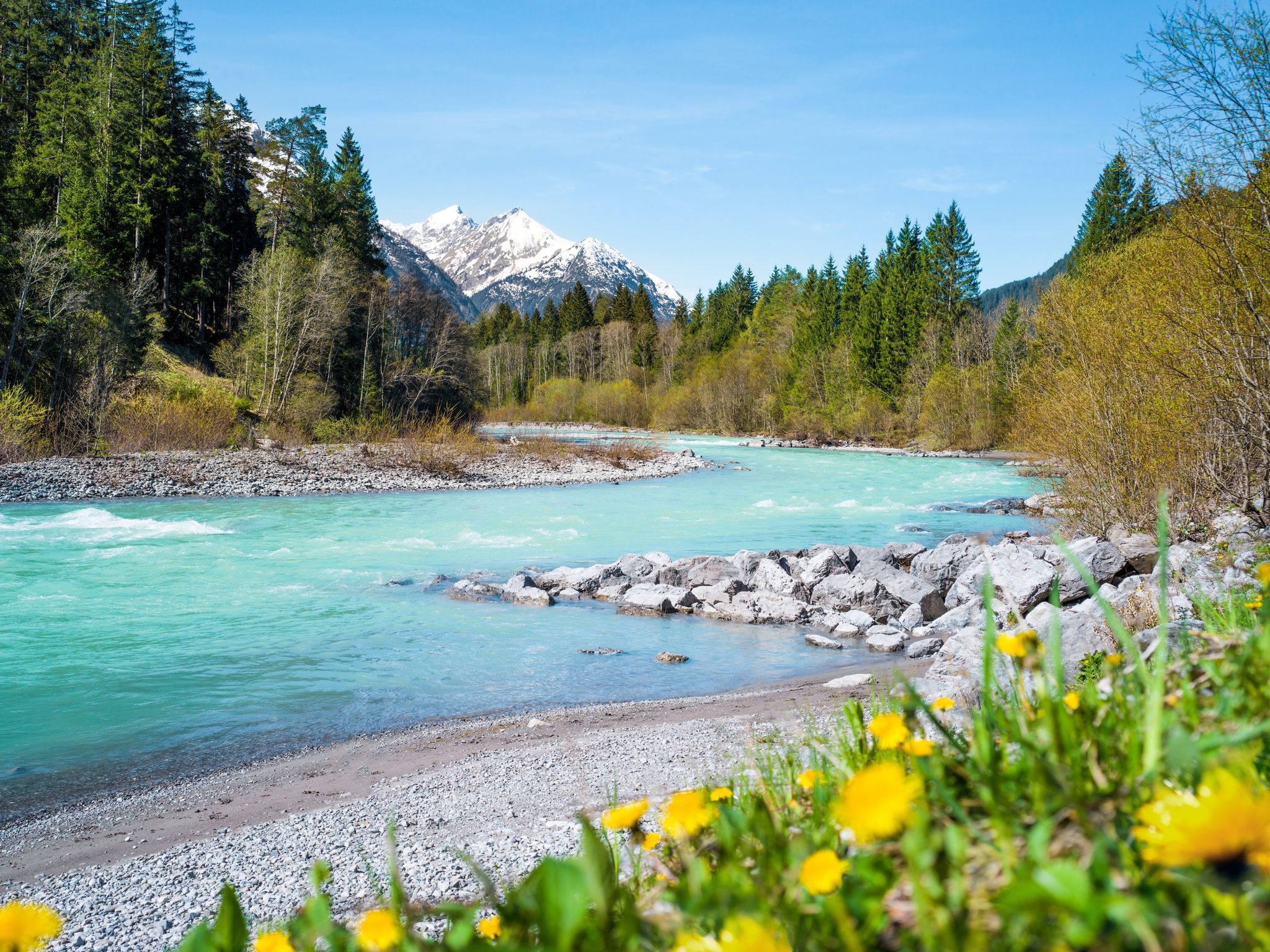
Multi-day hiking against the flow – the Lechweg in reverse
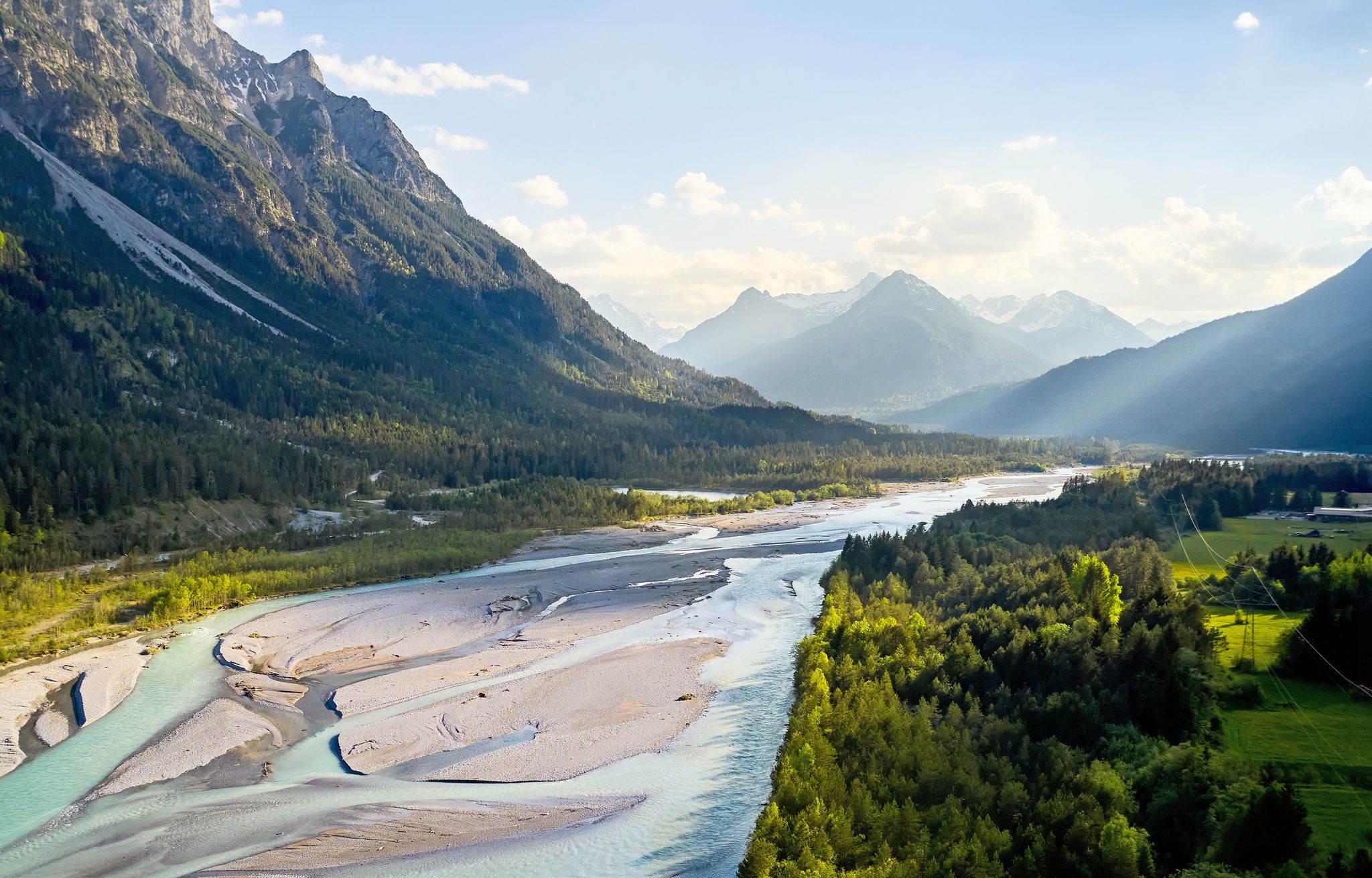
Lechweg – follow the wild river through the mountains
Other adventures in Nature Park Tiroler Lech


Tips from the Community

The hut is maintained by the German Alpine Club (DAV) Leutkirch section, as is the nearby Leutkircher Hut. Given increasing hygiene and environmental requirements, which normally require significant investments, this is a great honor.
0
0


We've arrived at over 2,400 meters. It's rocky and, as the name suggests, rough here. However, the views in both directions on the border between Vorarlberg and Tyrol are impressive.
0
0

If you're lucky you can sometimes see/hear marmots and ibexes here.
1
0

The Schrofenpass has some visually dramatic spots, but if you walk carefully it is actually not dangerous. There is a rope in places where there is a risk of falling.
5
2

The Kaiserjochhaus (2,310 m) is located directly on the main ridge of the Lechtal Alps in the Northern Limestone Alps. Located between Kaisers in the Lechtal and Pettneu in the Stanzertal on the Arlberg, on the meadows of the Kaiserjoch, it offers an impressive panorama with peaks such as the Grieskopf or the Malatschkopf. The diverse types of rock and the varied flora and fauna make the Kaiserjochhaus in Tyrol particularly attractive for nature lovers, connoisseurs and explorers.
3
0
The Kaiserjochhaus is located at an altitude of 2,310 meters on the Kaiserjoch, a pass between the Lechtal and Stanzer Tal in the Lechtal Alps. The hut is very cozy, there is a warming tiled stove in the middle of the dining room. The food is very tasty. 😋
9
1
The Kaiserjochhaus is located at an altitude of 2,310 m on the Kaiserjoch, a pass between the Lechtal and Stanzer Tal in the Lechtal Alps. The hut is very cozy, there is a warming tiled stove in the middle of the dining room. The food is very tasty. 😋
8
0
Frequently Asked Questions
What are some of the most notable high-alpine crossings in Nature Park Tiroler Lech?
The region offers several significant high-alpine crossings. The Kaiserjochhaus, situated at 2,310 meters on the Kaiserjoch, is a key point on the Lechtaler Höhenweg and Adlerweg, offering impressive panoramic views. Another is the Mädelejoch Pass at 1,973 meters, located on the border of Bavaria and Tyrol, known for its expansive views. For experienced hikers, the Brunnenauscharte in the Allgäu Alps presents a challenging trail with secured sections and rugged landscapes.
How challenging are the mountain passes in Nature Park Tiroler Lech?
The difficulty varies significantly. Some passes, like the Brunnenauscharte or sections of the Schrofen Pass, involve challenging alpine hiking with secured sections requiring sure-footedness and a head for heights. Others, such as the Fidere Col, offer high-alpine trekking with easy rope protection. There are also more accessible options like the Namlos Saddle, which provides a very nice, less steep climb suitable for enjoying the surroundings.
What kind of natural features and views can I expect to see from these mountain passes?
You can expect spectacular mountain panoramas, diverse flora and fauna, and pristine river landscapes. From high-alpine crossings like the Kaiserjoch, you'll see rocky peaks like Grieskopf and Malatschkopf. The Mädelejoch Pass offers expansive views across two Alpine regions, while the Brunnenauscharte provides access to rugged, natural monument-like landscapes. The Rauhkopfscharte, for instance, offers wonderful views at the Tyrol/Vorarlberg state border, with chances to spot ibex.
When is the best time of year to visit the mountain passes in Nature Park Tiroler Lech?
The best time for hiking and experiencing the high-alpine passes is generally from late spring to early autumn (June to September), when trails are mostly free of snow and weather conditions are more stable. For scenic drives, the Oberjoch Pass is enjoyable throughout the warmer months. Always check current weather and trail conditions before heading out, especially for higher elevations.
Are there any family-friendly mountain passes or easier options for beginners?
While many high-alpine passes are challenging, the broader region offers more accessible ways to experience the mountain landscape. The Oberjoch Pass, for example, is renowned for its scenic winding road, making it a great option for families to enjoy panoramic views by car or bicycle without demanding alpine hiking. For easier climbs, the Namlos Saddle is noted as not too steep, allowing for a pleasant experience.
Can I bring my dog on the trails around the mountain passes?
Generally, dogs are allowed on trails in the Nature Park Tiroler Lech, but it's crucial to keep them on a leash, especially in nature protection zones and near grazing livestock. Be aware that some high-alpine routes or secured sections might be unsuitable or dangerous for dogs. Always check specific regulations for the area you plan to visit and ensure your dog is accustomed to mountain terrain.
Are there huts or places to stop for refreshments and accommodation near the mountain passes?
Yes, several mountain huts offer refreshments and overnight stays. The Kaiserjochhaus is known for its cozy atmosphere and tasty food, making it a welcoming stop for hikers. The Fiderepasshütte, situated at 2,067 meters, also provides panoramic views and serves as a vital base for trekkers. These huts are excellent places to rest and refuel during multi-day tours.
How can I access the trailheads for the mountain passes, and are there parking options?
Access points vary depending on the specific pass. Many trailheads are reachable by car, with designated parking areas available in nearby villages or at the start of popular routes. For example, ascents to Kaiserjoch often begin from Kaisers in the Lechtal Valley. Public transport options, such as regional buses, also serve some of the main valleys, allowing access to various starting points for hikes.
What other outdoor activities can I enjoy near the mountain passes in Nature Park Tiroler Lech?
Beyond exploring the passes, the Nature Park Tiroler Lech offers a wide range of outdoor activities. You can find numerous hiking opportunities, including waterfall hikes like those detailed in the Waterfall hikes in Nature Park Tiroler Lech guide. The region is also popular for running, with various trails available as highlighted in the Running Trails in Nature Park Tiroler Lech guide. For cyclists, there are excellent gravel biking routes, which you can explore in the Gravel biking in Nature Park Tiroler Lech guide.
What do visitors enjoy most about the mountain passes in Nature Park Tiroler Lech?
Visitors frequently praise the stunning high-alpine scenery, the challenging yet rewarding hiking experiences, and the unique geographical perspectives offered by passes like the Mädelejoch Pass on the border. The traditional hut experiences, such as at the Kaiserjochhaus, are also highly valued for their cozy atmosphere and delicious food after a long trek. The dynamic driving experience and panoramic views from passes like Oberjoch are also a big draw.
Are there any historical aspects associated with the mountain passes in this region?
Yes, some passes have historical significance. For instance, the Oberjoch Pass, while primarily known today for its winding road, historically served as an important salt trade route. These passes were crucial for connecting valleys and regions, facilitating trade and movement across the Alps for centuries.
Most popular routes in Nature Park Tiroler Lech
Most popular attractions in Nature Park Tiroler Lech

Get inspired with the komoot mobile app


Explore more
See even more epic mountain passes by checking out these guides in Nature Park Tiroler Lech:
