The 20 Most Amazing Peaks in Nature Park Tiroler Lech
Best mountain peaks in Nature Park Tiroler Lech are found within the majestic Lechtal and Allgäu Alps, which flank this pristine natural area. The park itself is renowned for its wild river landscape along the Lech River and diverse ecosystems. These surrounding mountain ranges offer a variety of alpine experiences, from challenging mountaineering routes to more moderate hikes. The region provides expansive views of the valley and rugged Alpine scenery.
Best mountain peaks in Nature Park Tiroler Lech
- The most…
Last updated: July 6, 2026
Valluga
Highlight • Summit
Translated by Google •
Tip by

Bockkarkopf Summit
Highlight • Summit
There is space for a comfortable break.
Translated by Google •
Tip by

Sign up now to discover places like this
Get recommendations on the best single tracks, peaks, & plenty of other exciting outdoor places.
Sign up for free
Biberkopf Peak
Highlight • Summit
Translated by Google •
Tip by

Mädelegabel
Highlight • Summit
Translated by Google •
Tip by

Großer Krottenkopf
Highlight • Summit
Translated by Google •
Tip by
Sign up for free to discover even more peaks in Nature Park Tiroler Lech.
Sign up for free
Already have an account?
Start today with a free account
Your next adventure awaits.
Login or Signup
Popular around Nature Park Tiroler Lech
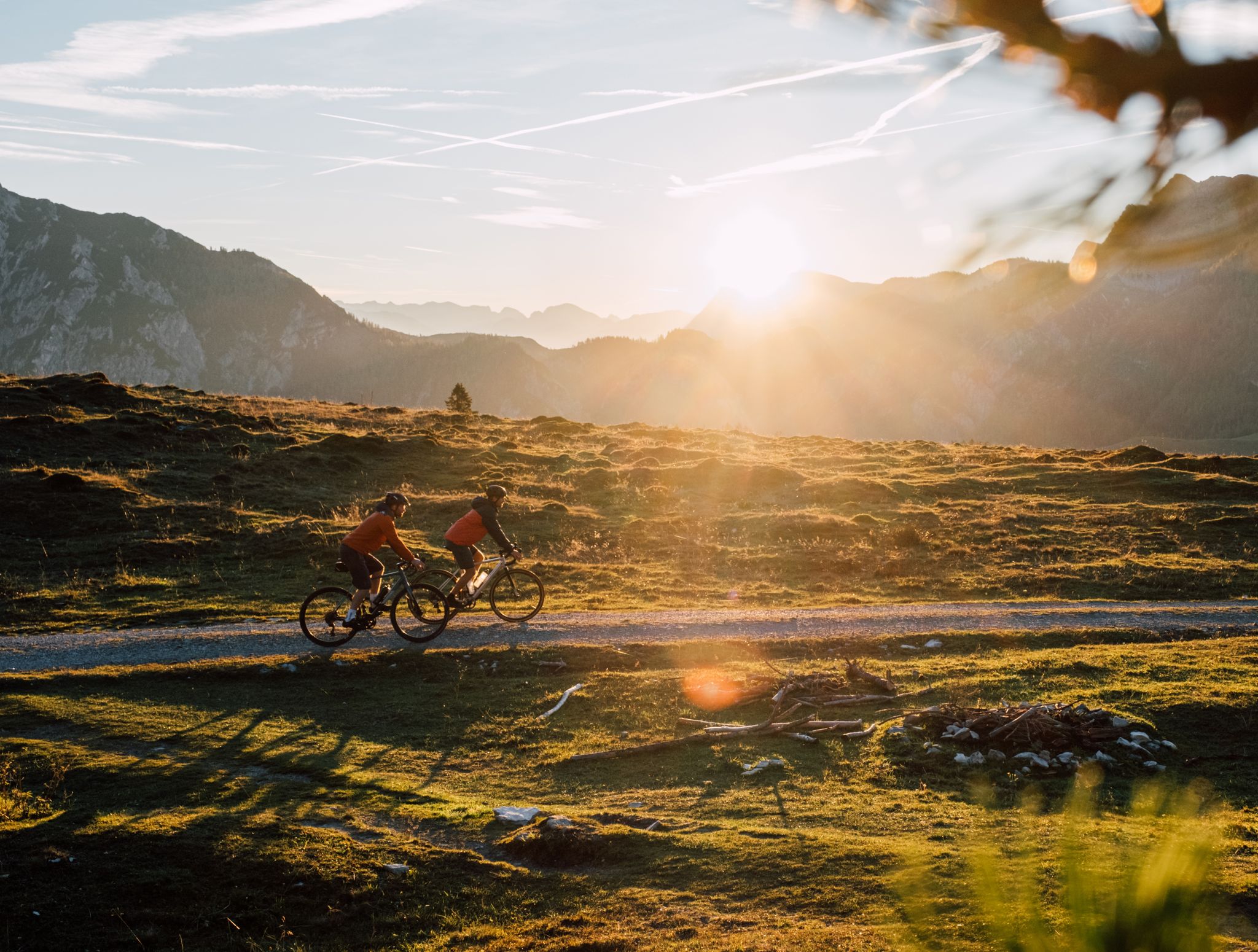
Beyond the pavement – explore Austria's wild nature on a gravel bike
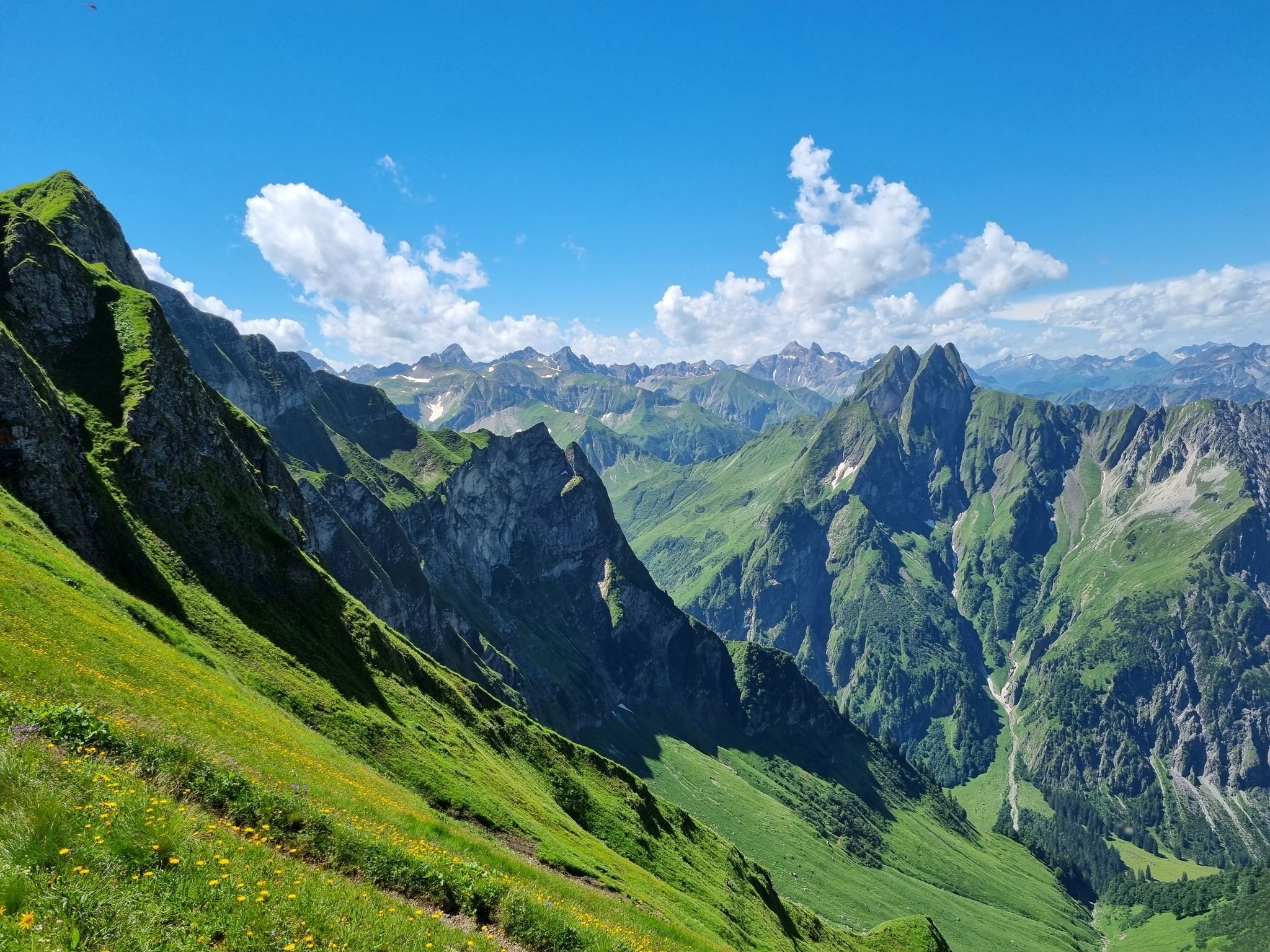
Ibex Tour extended – Crossing the Allgäu Alps
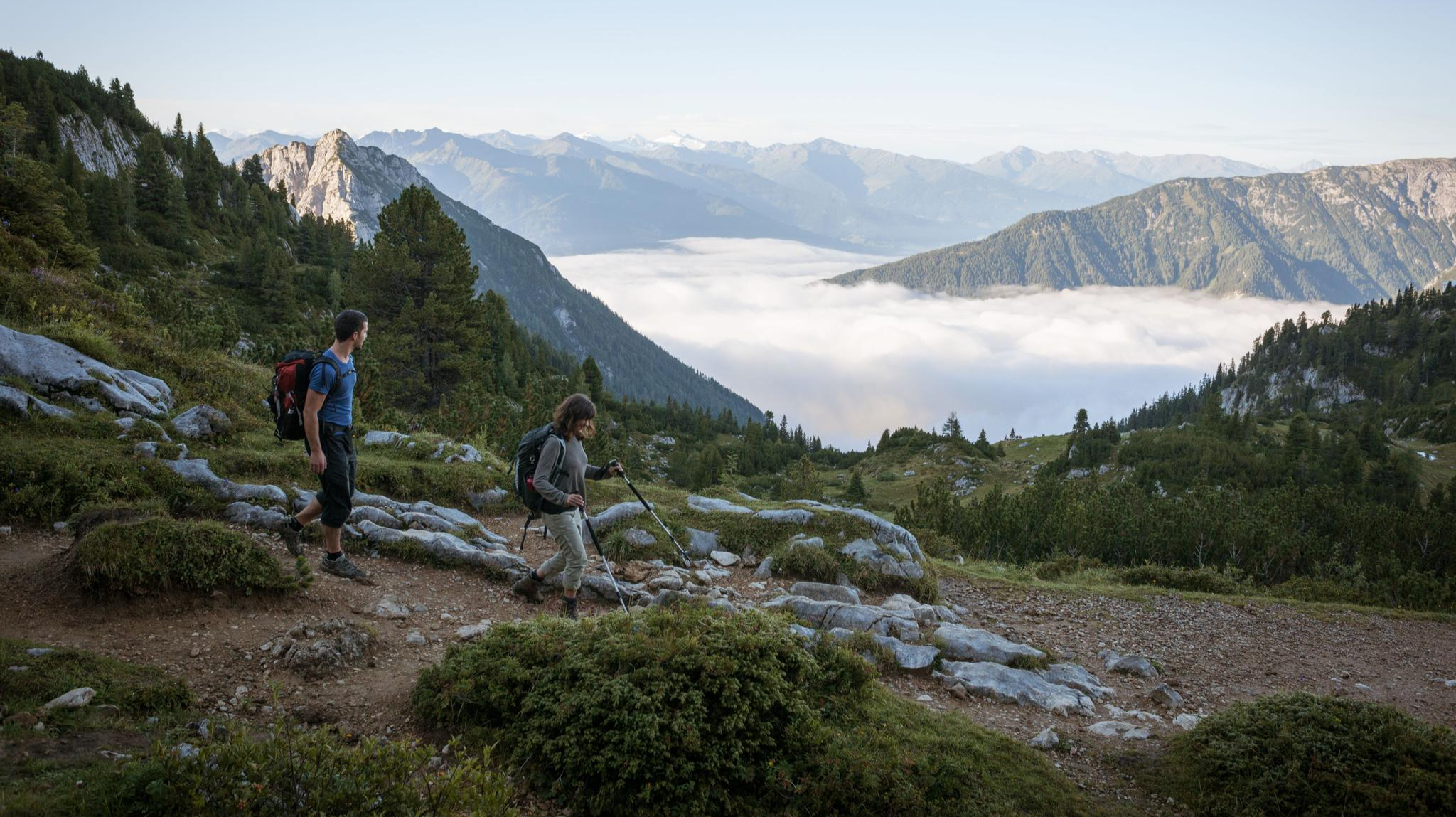
Eagle Walk – Majestic hiking along Tirol's trail
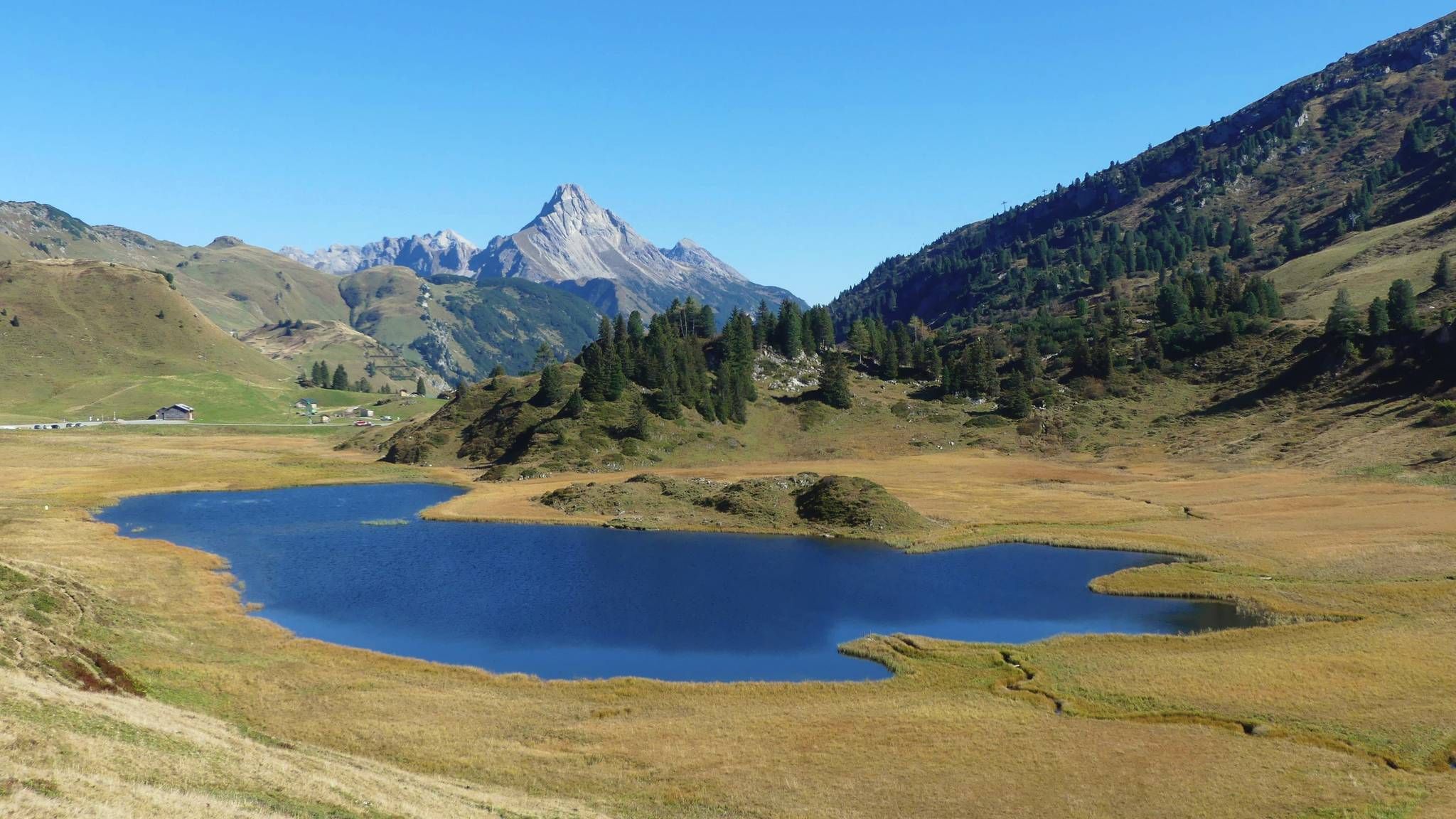
Min Weag long-distance hiking trail – From Lake Constance to the Alps
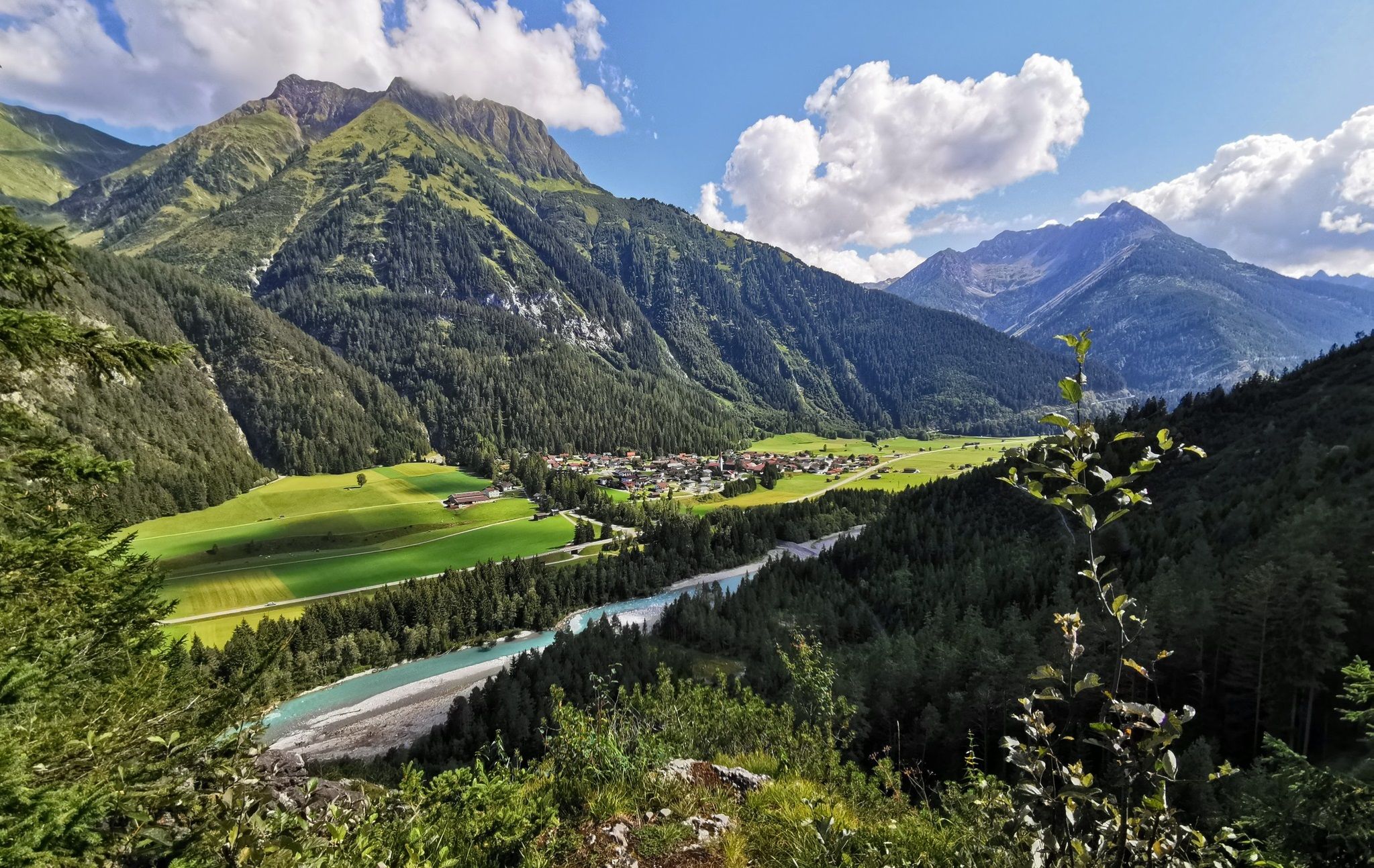
The Lechweg — eight days on Austria's wildest river
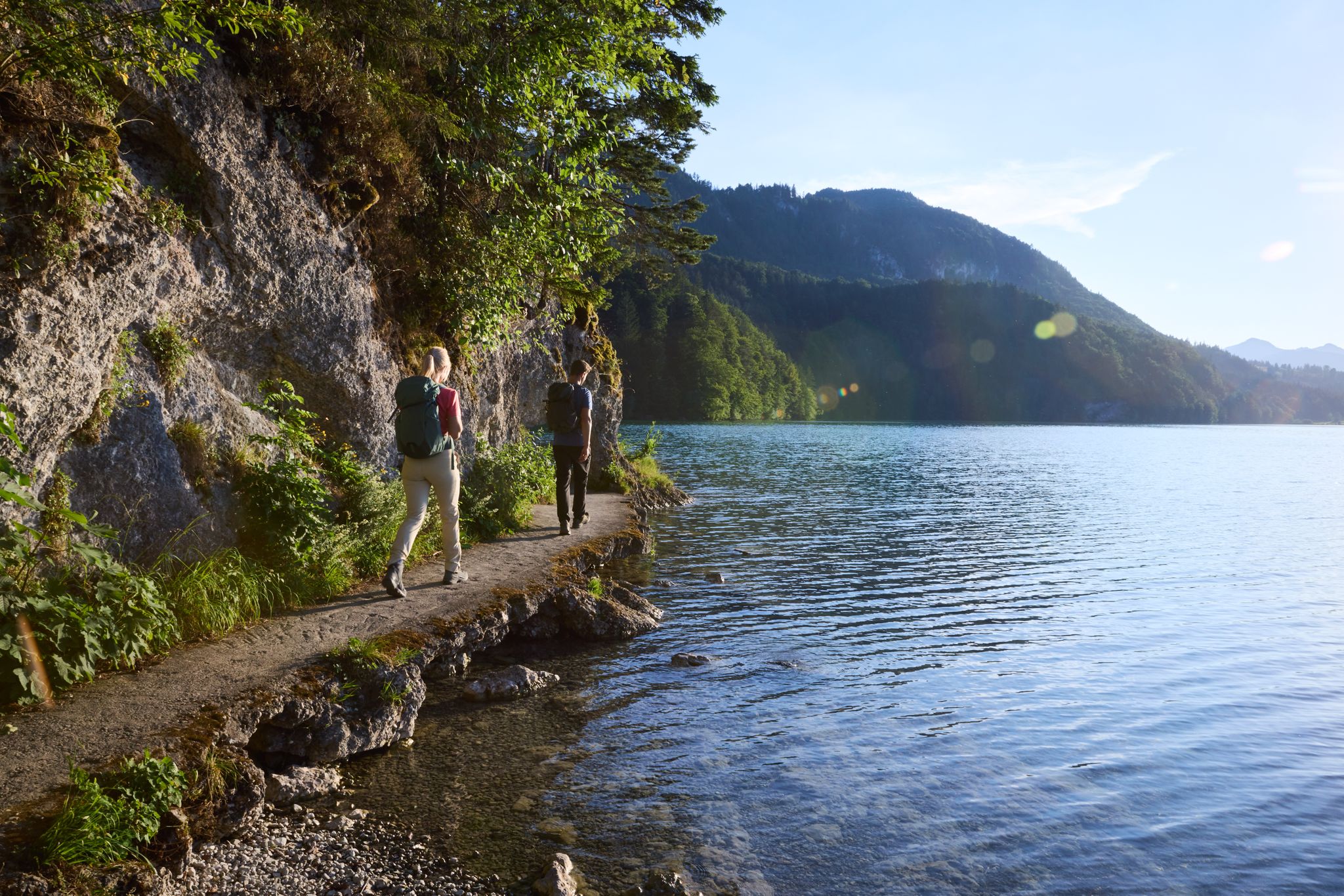
Lechloops – wonderful hiking along the wild Lech
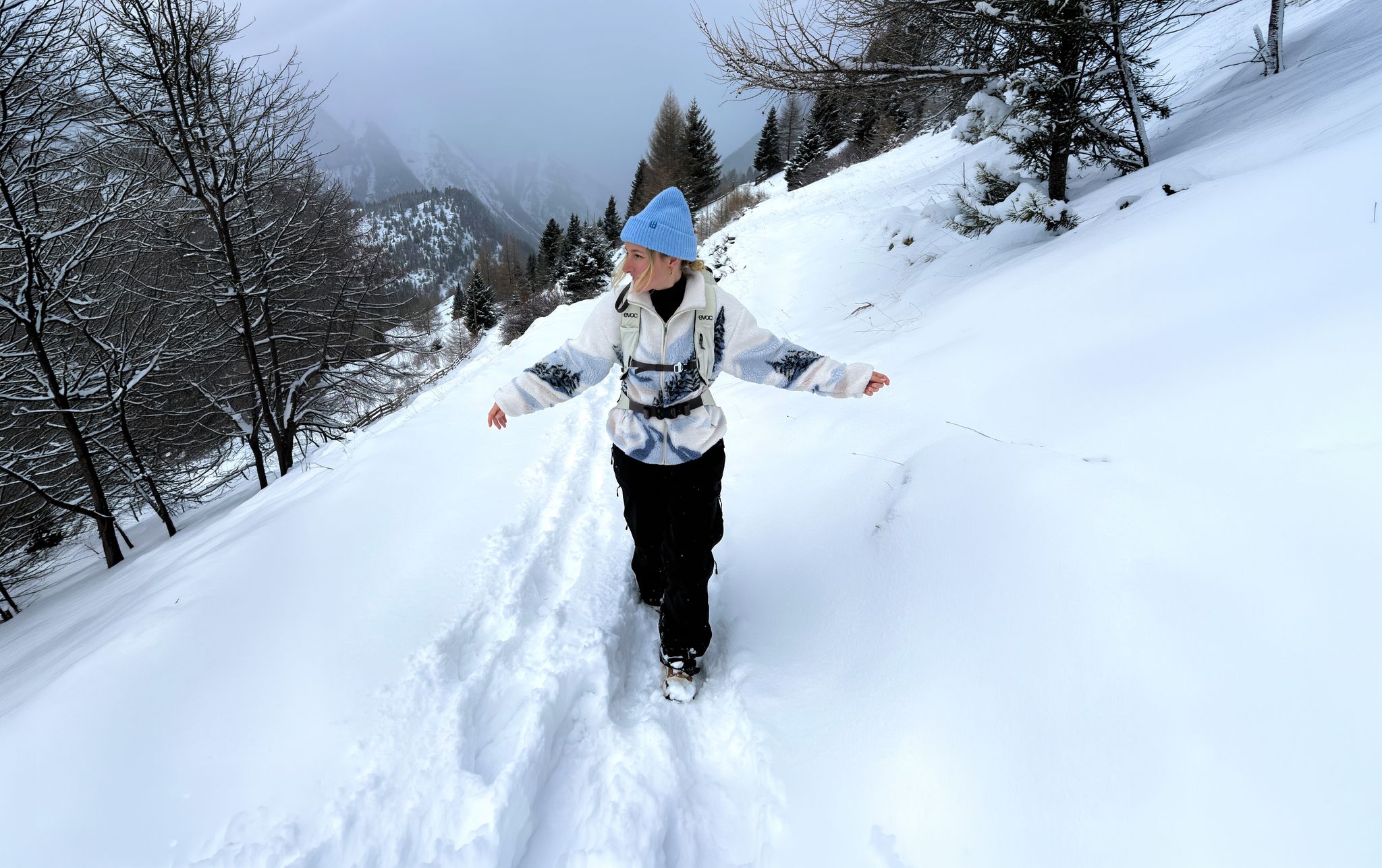
Scenic Winter Hikes around Austria
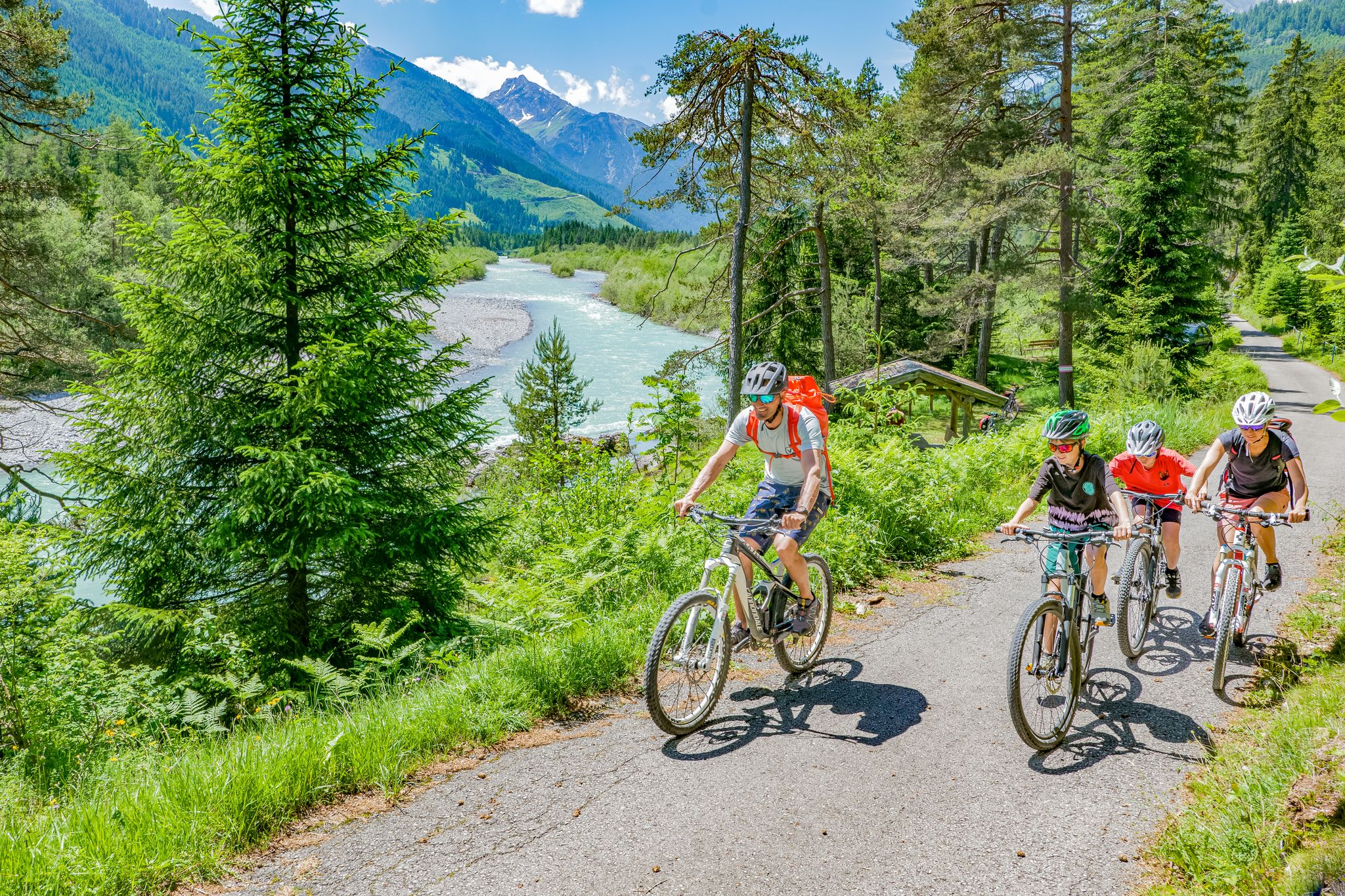
Cycling in the Tyrolean Lech Valley – 10 varied routes along the wild Lech river
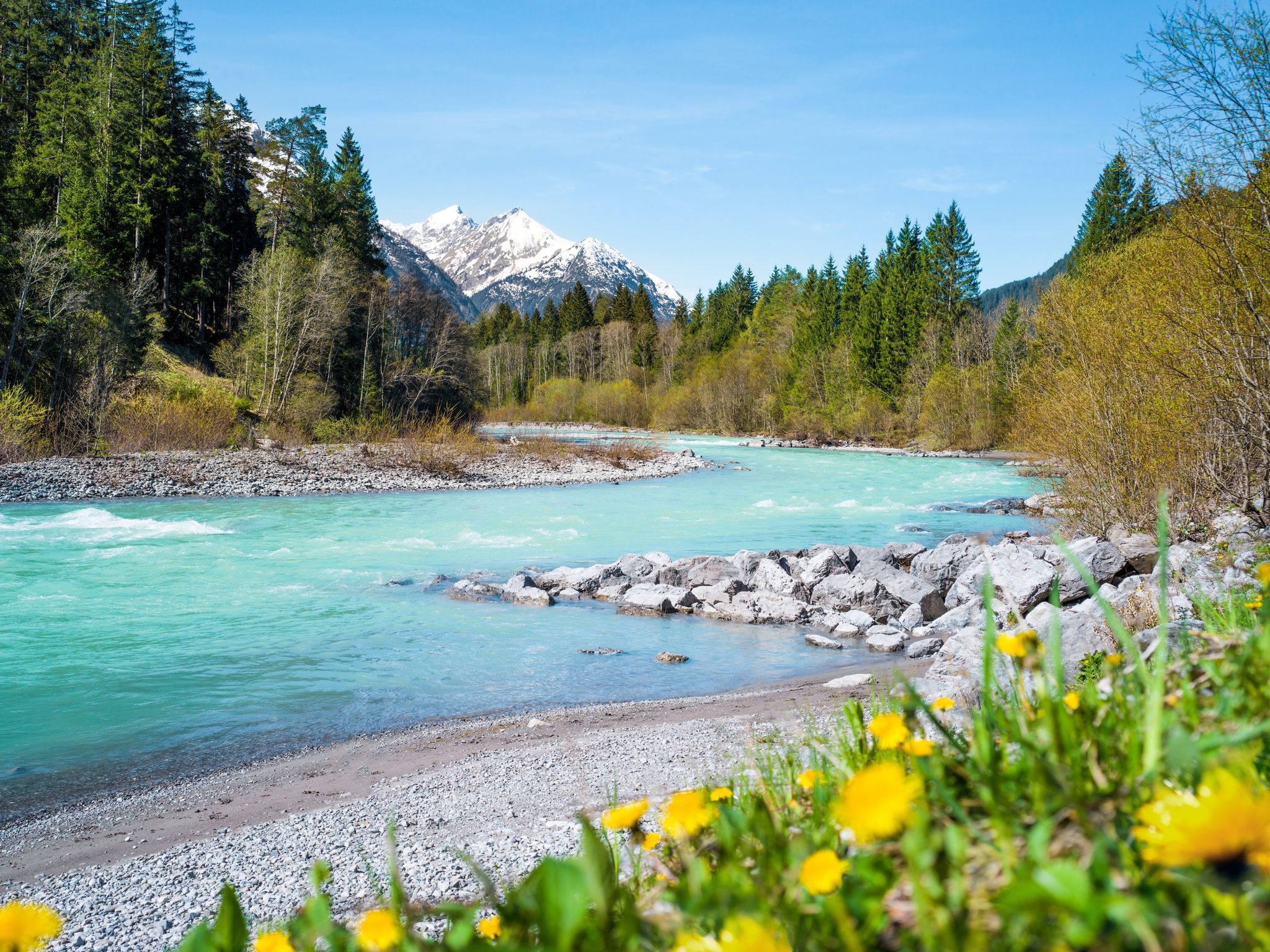
Multi-day hiking against the flow – the Lechweg in reverse
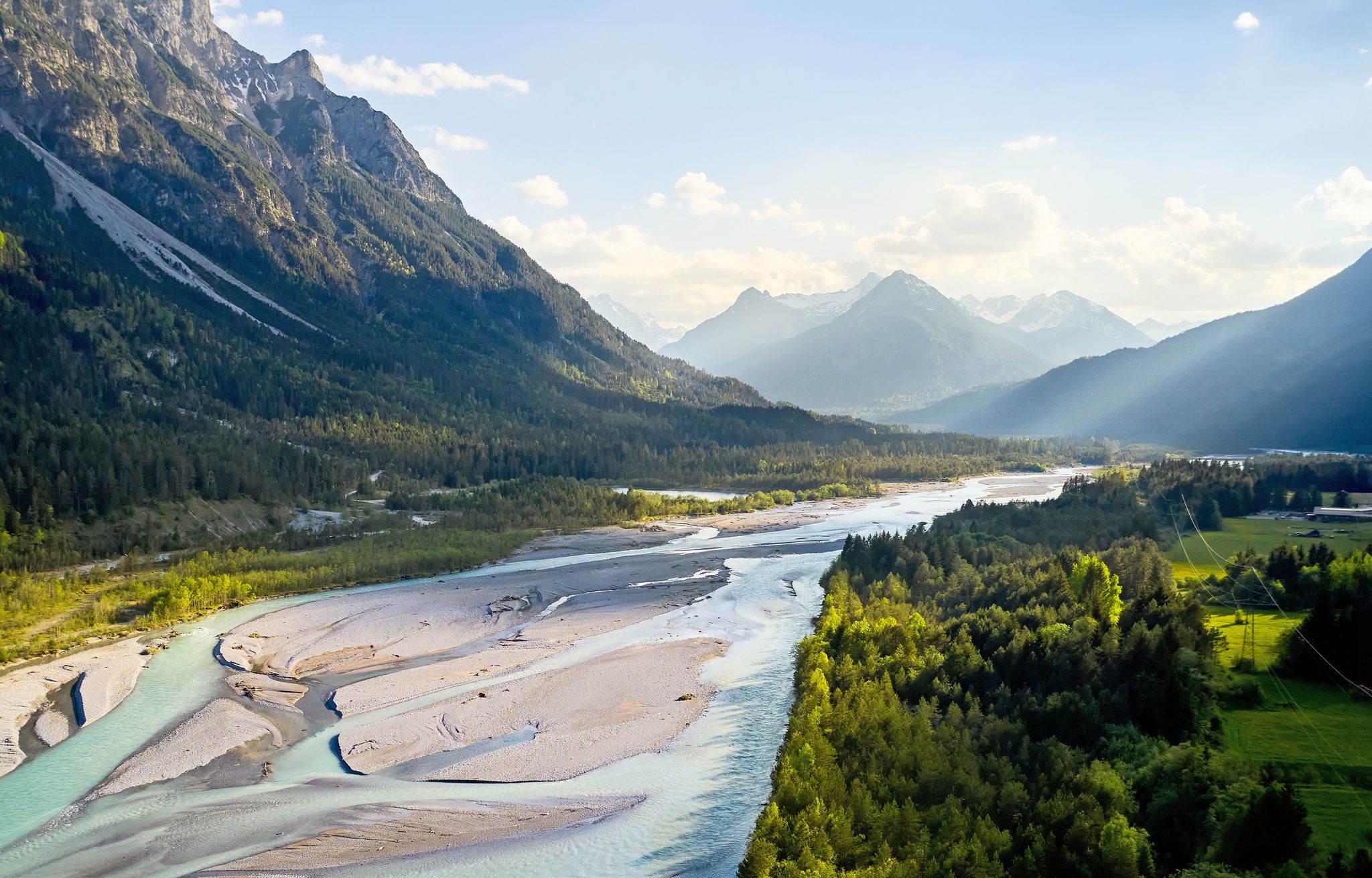
Lechweg – follow the wild river through the mountains
Other adventures in Nature Park Tiroler Lech


Tips from the Community

The view is fantastic. However, the ascent requires some mountaineering experience, and some climbing is required. The summit is only accessible via one path.
0
0


We first hiked to our overnight accommodation, the Kemptner Hut in Spielmannsau, and there we deposited everything from our backpacks except for food and drink. A few kilos lighter, we then headed for the big Krottenkopf. The climb is sweaty 🥵 and you should have enough water with you. We refilled our bottles at a stream that came from the mountain. The water was delicious and easy to digest 😋. It goes up many bends until the path finally turns into a scree field. There it was a bit confusing where the hiking trail continued. Shortly before the last climb we took a break. And we also left our backpacks behind us at the fork in the road. The magnificent view 🔭👀 is worth the effort of the climb 👍🏼
1
2

You have to ride the Valluga 1 and 2 once in your life. Great view from the platform on the Valluga summit.
2
0


The 2,609 m high Bockkarkopf is the highest point on the actual Heilbronner Weg and offers a fantastic all-round view. There is space for a comfortable break.
9
0

Nice all-round visibility, manageable scrambling, sure-footedness required
0
0

One of the TOP MOUNTAINS in the Allgäu -- but ATTENTION: you should be a little practiced when you go to these steep rocks. - Danger of falling almost from the foot to the summit.....
1
0
Frequently Asked Questions
Which are some of the most popular mountain peaks in Nature Park Tiroler Lech?
Some of the most popular peaks include Bockkarkopf Summit, known as the highest point on the Heilbronner Weg with fantastic all-round views. Another favorite is Biberkopf Peak, offering panoramic views over countless Lechtal and Allgäu mountains. Valluga, the highest peak in the Arlberg area, is also highly regarded for its impressive views and comfortable cable car access.
What are the most challenging mountain peaks for experienced mountaineers in the region?
For experienced mountaineers, the Großer Krottenkopf, the highest peak in the Allgäu Alps, offers a demanding climb. The Parseierspitze, as the highest mountain in the entire Northern Limestone Alps, presents serious alpine undertakings with sections requiring UIAA grade II climbing. These peaks demand sure-footedness, alpine experience, and a head for heights.
Are there any family-friendly mountain peaks or easier hikes available?
While many peaks in the region are challenging, there are more moderate options. The Thaneller, for instance, offers a more moderate ascent on its southern slopes, providing excellent panoramas without extreme difficulty. For easier hikes, you can explore routes like the Hängebrücken-Runde or the Holzgau Suspension Bridge loop, which are part of the Easy hikes in Nature Park Tiroler Lech guide.
What natural features and viewpoints can I expect from the mountain peaks?
The mountain peaks consistently offer stunning panoramic views of the wild Lech River, the valley, and the rugged Alpine landscape. From Biberkopf Peak, you can see as far as Lech-Zürs and the Bregenzerwald. From Großer Krottenkopf, on clear days, you might even spot Lake Constance. You may also encounter wildlife such as marmots near Krottenkopfscharte and Mädelejoch, and ibexes in the Vorderes Bockkar area near Mädelegabel.
What is the best time of year to hike the mountain peaks in Nature Park Tiroler Lech?
The best time to hike the mountain peaks is generally during the warmer months, from late spring to early autumn, when trails are free of snow and weather conditions are more stable. However, some peaks like Hochvogel may still have snowfields requiring crampons in early summer. Always check local weather forecasts and trail conditions before heading out, especially for high-alpine routes.
Are there mountain huts available for overnight stays near the peaks?
Yes, the region is well-equipped with traditional mountain huts that provide essential refuges, warm meals, and overnight stays. Notable examples include the Augsburger Hütte for Parseierspitze, the Hermann von Barth Hut near Großer Krottenkopf, and the Kemptner Hütte and Rappenseehütte along the Heilbronner Weg near Mädelegabel. These huts enhance the high-alpine experience.
What kind of outdoor activities can I do near these mountain peaks besides summiting?
Beyond summiting, the area offers diverse outdoor activities. You can explore various hiking trails, including those featured in the Waterfall hikes in Nature Park Tiroler Lech guide. For cyclists, there are gravel biking opportunities, with routes like the Lechtal loop gravel bike Tour, detailed in the Gravel biking in Nature Park Tiroler Lech guide.
How accessible are the mountain peaks by public transport or car?
Many peaks are accessible from villages within the Lech Valley, such as Holzgau, Bach, Elbigenalp, Häselgehr, and Hinterhornbach. For some peaks like Valluga, cable cars provide a comfortable ascent. While specific parking details vary by trailhead, these villages often serve as starting points for hikes and can be reached by public transport or car.
What is the Lechtaler Höhenweg and how does it relate to the peaks?
The Lechtaler Höhenweg (Lechtal High Trail) is a demanding multi-day trek that traverses the main ridge of the Lechtal Alps. It connects 13 mountain huts and offers breathtaking experiences at altitudes between 2,000 and 2,500 meters. This trail provides an immersive way to experience many of the region's peaks and is part of the longer European long-distance hiking trail E4 and the Eagle Walk.
Are there any specific peaks known for ski touring in winter?
Yes, some peaks are popular for ski touring in stable winter conditions. The Bretterspitze, for example, is a highlight for ski touring. However, winter alpine activities require specialized knowledge, equipment, and careful assessment of avalanche risks.
What do visitors enjoy most about the mountain peaks in Nature Park Tiroler Lech?
Visitors consistently praise the incredible 360-degree panoramic views from the summits, the sense of remoteness, and the diverse hiking opportunities. Many appreciate the chance to spot wildlife like marmots and ibexes, and the convenience of mountain huts for breaks and overnight stays. The challenging yet rewarding nature of the climbs and the pristine natural environment are frequently highlighted.
Which peak is the highest in the Allgäu Alps and what does it offer?
The highest peak in the Allgäu Alps is Großer Krottenkopf, standing at 2,656 meters. Summiting it offers a spectacular view of the Allgäu Alps and, on clear days, even as far as Lake Constance. Hikers might also spot marmots in the area between Krottenkopfscharte and Mädelejoch, making it a rewarding destination for experienced hikers.
Most popular routes in Nature Park Tiroler Lech
Most popular attractions in Nature Park Tiroler Lech

Get inspired with the komoot mobile app


Explore more
See even more amazing summits in Nature Park Tiroler Lech with these guides:
