The best walks and hikes around Ham Lake
4.7
(3)
63
hikers
22
hikes
If you've ever tried to plan hiking around Ham Lake, you know how quickly the options can feel overwhelming. With so many trails, it's tough to tell which ones are genuinely worth your time and which are just filler. That's where we come in: our komoot community has explored, mapped, and reviewed these routes, so we've done the legwork to bring you a curated shortlist of the very best.
Hiking around Ham Lake offers a unique blend of landscapes, shaped…
Last updated: May 31, 2026
5
hikers
7.11km
01:48
10m
10m
The Blaine Wetland Sanctuary Path and Boardwalk offers a unique opportunity to immerse yourself in Minnesota's diverse ecosystems. You'll find yourself strolling along an extensive boardwalk system that floats above…
4
hikers
4.13km
01:03
20m
20m
The Coon Rapids Loop offers a delightful and easy hiking experience, guiding you through a wooded oasis and restored prairie sections right along the Mississippi River. You'll enjoy refreshing riverside…

2
hikers
10.4km
02:36
10m
10m
The Carlos Avery WMA South Unit Loop offers a wonderfully varied hiking experience, immersing you in a landscape of extensive wetlands, dense hardwood forests, and open meadows. You'll traverse sections…
1
hikers
15.4km
03:56
40m
50m
The Centerville Lake via Golf Course Loop offers a delightful and accessible hike within the expansive Rice Creek Chain of Lakes Park Reserve. You'll enjoy consistent views of Centerville Lake,…
5.14km
01:18
10m
20m
The Bunker Hills Rustic Loop Campground trail offers a delightful journey through Minnesota's unique landscape, where you'll encounter everything from rare oak savannas to ancient sand dunes. The scenery constantly…
Get access to more routes and recommendations from other explorers.
Already have an account?
Our route recommendations are based on thousands of hikes, rides, and runs completed by other people on komoot.
Start today with a free account
Your next adventure awaits.



Tips from the Community

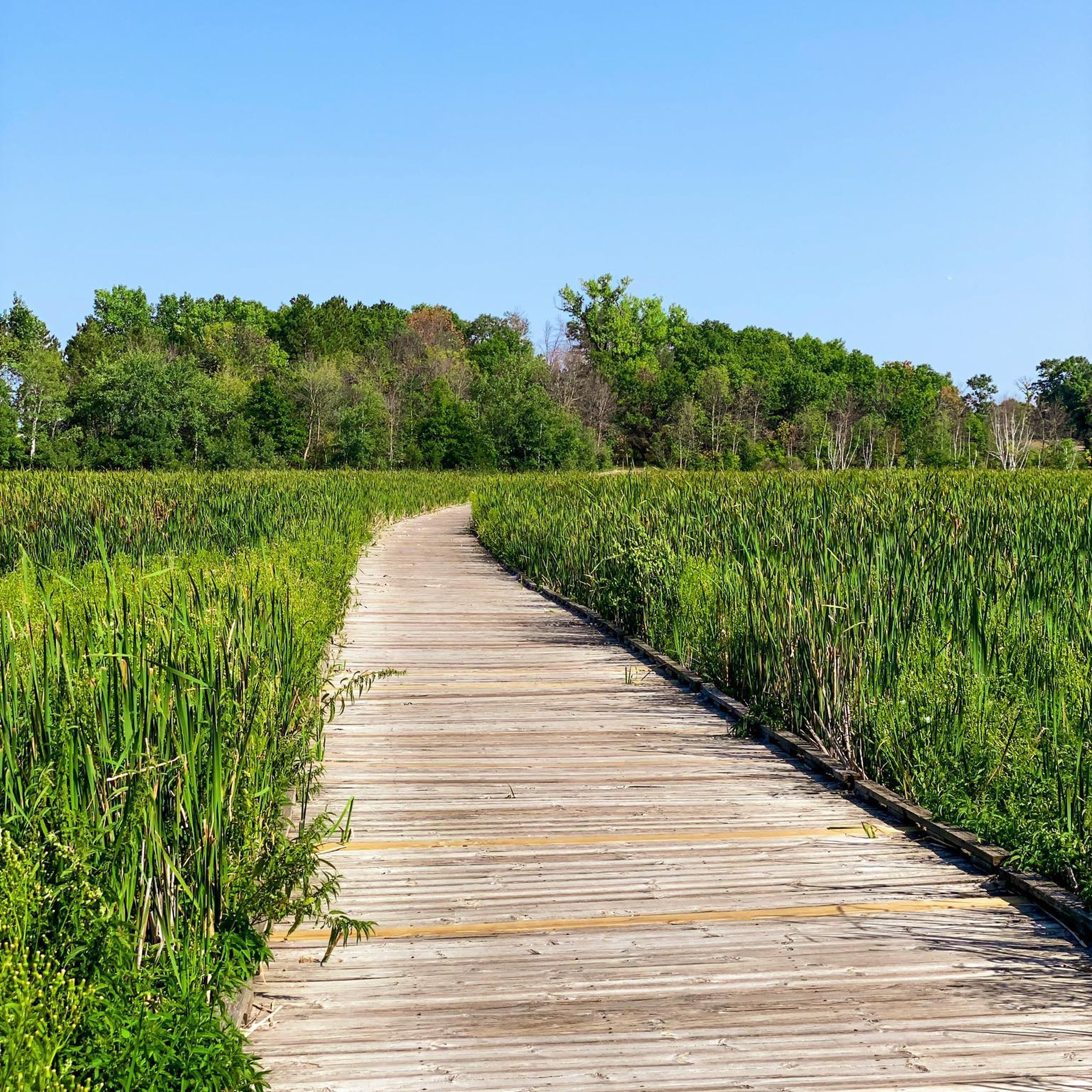
Over 500 acres of wetlands are protected in this sanctuary, with an extensive boardwalk trail that runs through it. There is access to the boardwalk trail directly via Lexington Avenue or through the hard trail that starts on the east end of East Lake Park.
0
0

Located near the Bunker Hills Veteran Memorial, this tank is an M41 Walker Bulldog. It was named for Gen. Walton Walker, who was killed in a jeep accident in Korea in November 1950. The tank saw action in both the Korean and Vietnam wars. It had a crew of four. Its primary armament was a 76 mm M32 gun. It had an operational range of 100 miles at a speed of 45 mph.
4
0


With a campground, fishing piers, hiking and biking trails, and playgrounds, this 5,500 acre park has something for everyone. Its proximity to the Twin Cities means it does get busy, but its size means you can usually find a quiet spot if you look for one.
0
0
Frequently Asked Questions
How many hiking trails are available around Ham Lake?
There are over 10 hiking routes around Ham Lake, with the majority being easy and suitable for various fitness levels. You'll find a mix of wooded areas, lake views, and trails that traverse unique ecosystems shaped by glacial activity.
What is the best time of year to go hiking in Ham Lake?
The Ham Lake area offers pleasant hiking conditions through spring, summer, and fall, allowing you to experience the transition between tallgrass prairie and eastern deciduous forests. While specific winter conditions vary, many trails remain accessible for those prepared for colder weather.
Are there easy hiking trails suitable for beginners or families?
Yes, the majority of hiking trails around Ham Lake are considered easy, making them ideal for beginners and families. For example, the Mississippi River Trail loop from Little Free Library is an easy 2.2-mile path that offers a gentle introduction to the area's natural beauty.
Can I bring my dog on the hiking trails in Ham Lake?
While the guide does not specify leash rules for every trail, many parks in the Anoka County system, which includes areas accessible from Ham Lake, generally allow dogs on trails provided they are kept on a leash. It's always best to check specific park regulations before heading out. Ham Lake Park itself is a popular spot for locals and their pets.
Are there any circular hiking routes around Ham Lake?
Yes, many of the routes around Ham Lake are circular, offering convenient starting and ending points. An example is the Coon Rapids Dam – Coon Rapids Dam loop from Dunn Island, an easy 3.6-mile circular path that provides views of the Mississippi River.
What kind of natural landscapes can I expect to see while hiking?
Hikers in the Ham Lake area can expect diverse landscapes shaped by glacial activity. Trails often feature wooded areas, views of Ham Lake, and a transition zone between tallgrass prairie and eastern deciduous forests. You'll encounter gently rolling topography and natural beauty, offering opportunities for wildlife observation.
What do other hikers enjoy most about the trails in Ham Lake?
The trails around Ham Lake are highly rated by the komoot community, with an average score of 4.7 stars. Hikers often praise the tranquil natural surroundings, the varied terrain that includes both wooded sections and open areas, and the accessibility of the trails for different skill levels.
Are there any interesting landmarks or attractions near the hiking trails?
Yes, there are several points of interest nearby. You can explore the Coon Rapids Dam, which offers scenic views along the Mississippi River, or visit Bunker Hills Regional Park for more extensive natural areas. The Rum River Regional Trail also provides additional outdoor exploration opportunities.
Is parking available at the trailheads?
Yes, parking is generally available at or near the trailheads for routes around Ham Lake. For instance, the Blaine Wetland Sanctuary loop from Lexington Athletic Complex starts near a facility that typically offers parking. Ham Lake Park also provides ample parking for visitors.
How long do hikes typically take around Ham Lake?
Hike durations vary depending on the route and your pace. For example, an easy 3.0-mile loop like the Blaine Wetland Sanctuary loop from Bridgewood Community Church typically takes about 1 hour and 15 minutes. Longer routes, such as the 5.3-mile Blaine Wetland Sanctuary loop from Lexington Athletic Complex, can take around 2 hours and 10 minutes.
Can I reach the hiking trails by public transport?
While specific public transport options directly to every trailhead may be limited, the Ham Lake area is part of Anoka County, which has some public transit services. However, for direct access to many trailheads and parks, driving is often the most convenient option. It's advisable to check local transit schedules for routes that might serve specific park entrances.
Are there any facilities or amenities at Ham Lake Park?
Yes, Ham Lake Park, a key attraction for hikers, offers more than just trails. It provides amenities such as a swimming area with a sandy beach, picnic shelters, and a disc golf course, making it a versatile spot for a day out in nature. You can find more information about the park on the official Ham Lake city website.
Most popular routes around Ham Lake
Most popular attractions around Ham Lake

Get inspired with the komoot mobile app


Explore more
Browse the best Hikes in other regions.
