The best cycling routes around St. Louis Park
4.5
(87)
596
riders
18
rides
Touring cycling routes around St. Louis Park, Minnesota, traverse a landscape characterized by extensive green spaces, numerous parks, and interconnected trail systems. The area features a mix of wooded hills, restored prairies, and natural water bodies, providing varied scenery for cyclists. The city's integration into a broader regional trail network offers diverse routes, from urban paths with skyline views to trails winding through natural preserves.
Best touring cycling routes around St. Louis Park
- The most popular touring cycling route is…
Last updated: October 16, 2026
5.0
(1)
14
riders
76.1km
04:30
310m
310m
Moderate bike ride. Good fitness required. Mostly paved surfaces. Suitable for all skill levels.
4.0
(2)
24
riders
Moderate bike ride. Good fitness required. Mostly paved surfaces. Suitable for all skill levels.

21
riders
13.9km
00:48
60m
60m
Easy bike ride. Great for any fitness level. Mostly paved surfaces. Suitable for all skill levels.
17
riders
13.0km
00:47
50m
50m
Easy bike ride. Great for any fitness level. Mostly paved surfaces. Suitable for all skill levels.
10
riders
27.4km
01:42
140m
140m
Easy bike ride. Great for any fitness level. Mostly paved surfaces. Suitable for all skill levels.
Get access to more routes and recommendations from other explorers.
Already have an account?
Our route recommendations are based on thousands of hikes, rides, and runs completed by other people on komoot.
Start today with a free account
Your next adventure awaits.

Tips from the Community

Added some pictures of the interesting bike sculpture and "stars in the sky" picnic area that I think is supposed to look like you can see the stars above you on a sunny day.
0
0
Caught glimpses of it today like you say Matthew. Guessing it pops out more in the fall/winter.
2
0
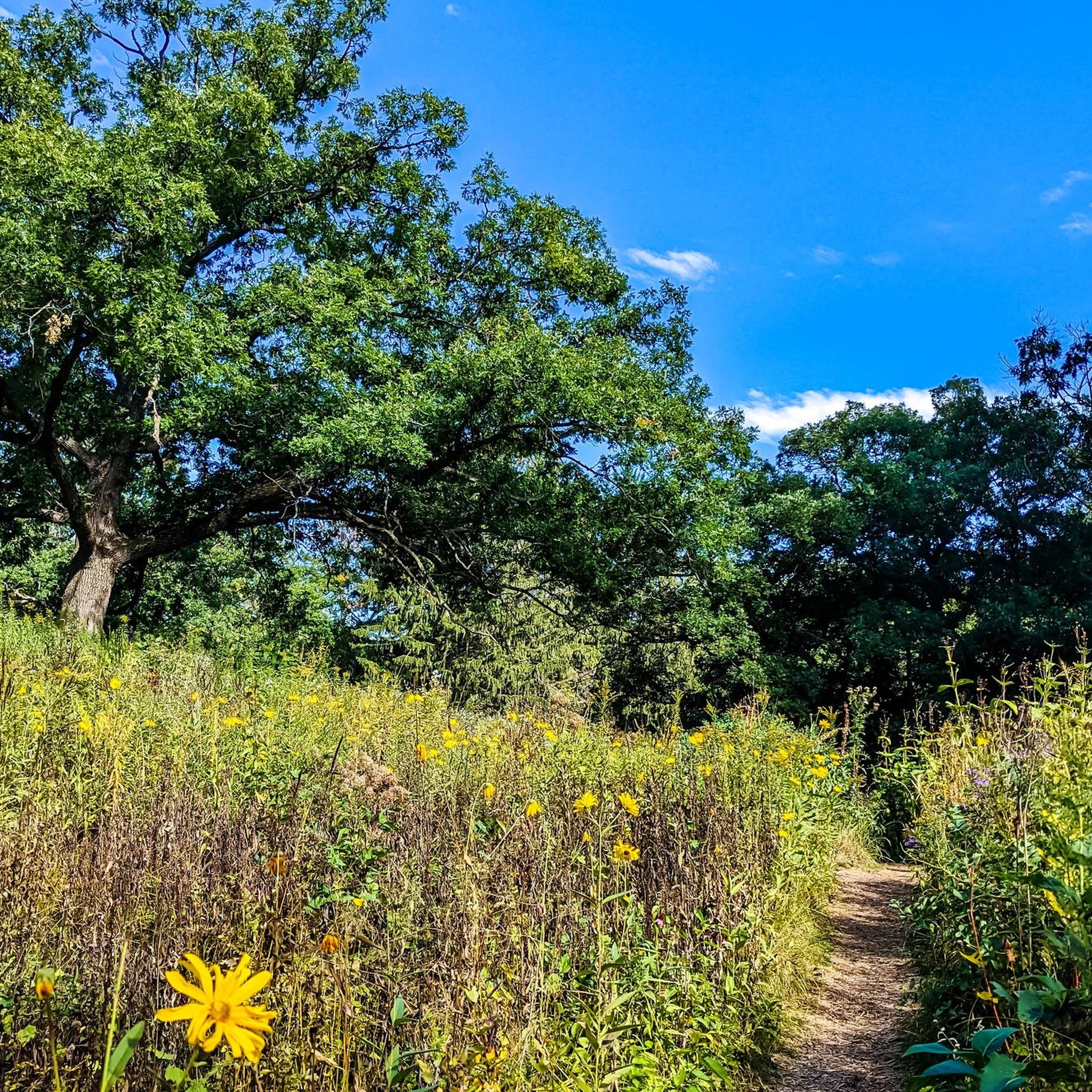
Carver is a great park, and it connects to the Lake Minnetonka LRT Regional Trail, the gravel one seen in some of these pictures. The main trails for biking in Carver are all paved or single track for mountain biking. They also groom for fat biking in the winter along with having great cross country skiing.
2
0
Great place to stop for a quick beer, it was there several year birthday today!
0
0
Neat intersection, great beer at the brewery
0
0
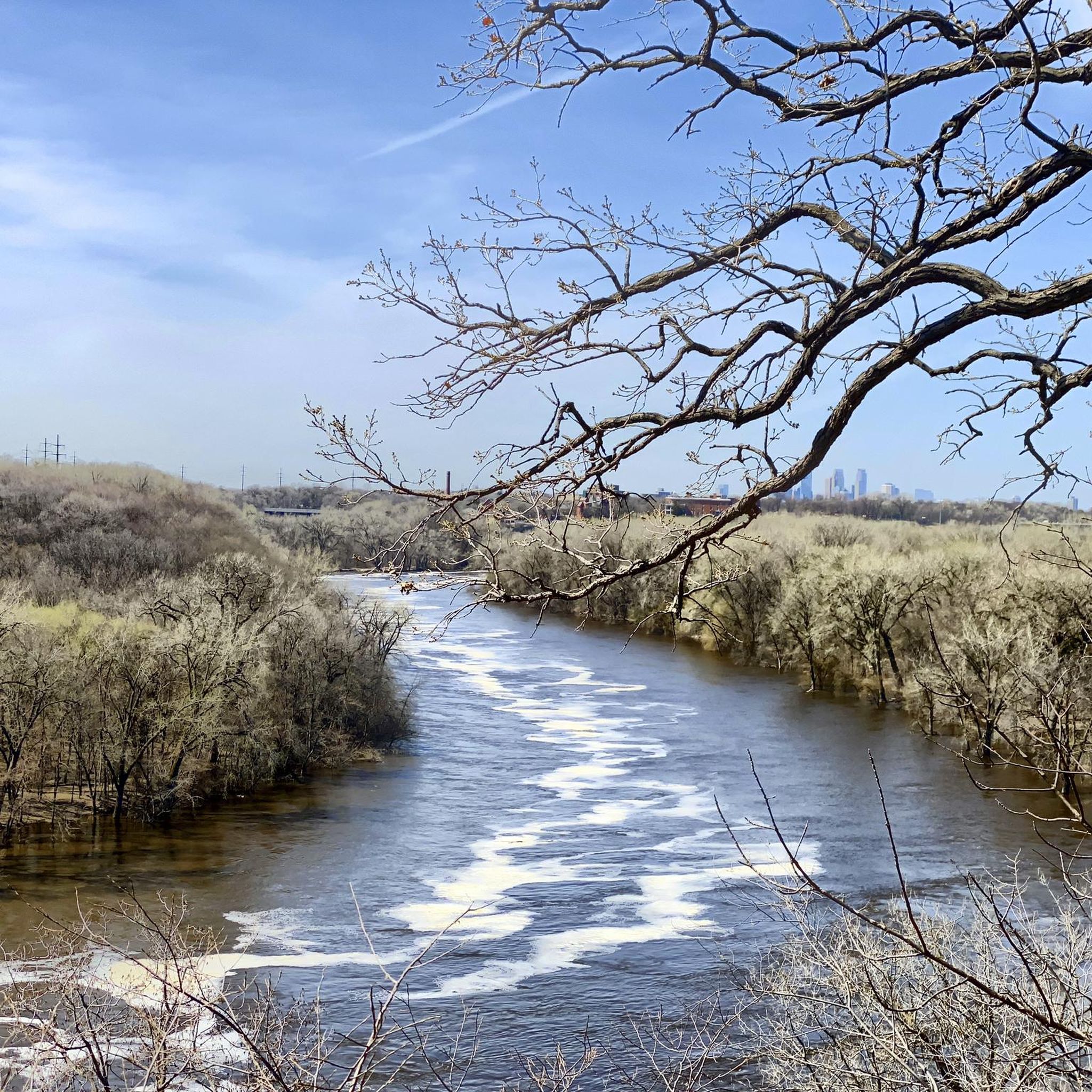
Welcome to Hopkins along the Minnesota River Bluffs LRT Regional Trail
0
0

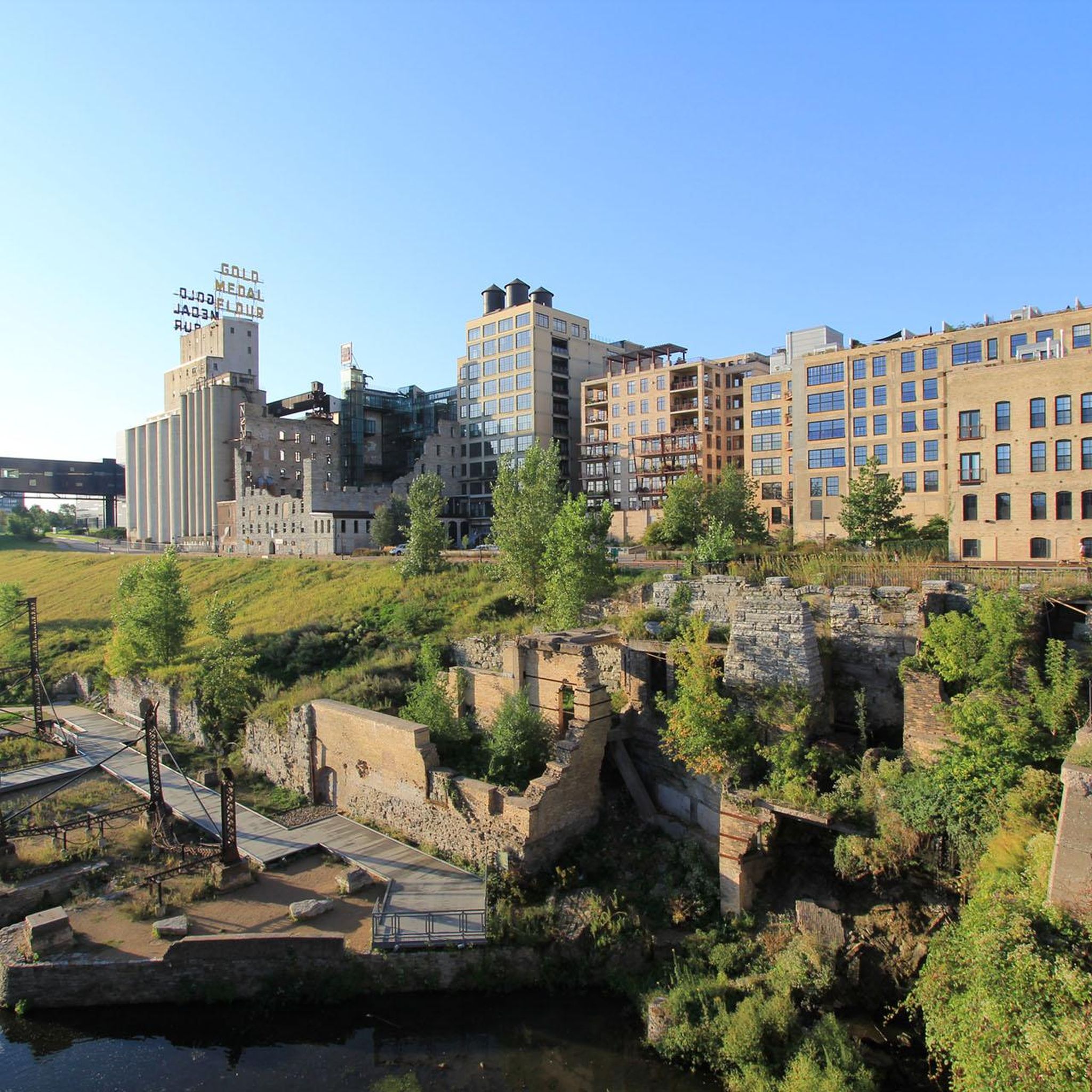
From here, you can see the Water Power Park on the Mississippi River’s East Channel—an impressive structure that harnesses the power of this mighty river.
0
0

The Minneapolis Sculpture Garden is a publicly accessible art park in Minnesota. Opened in 1988, it is one of the largest of its kind in the United States, with more than 40 sculptures. It is directly adjacent to the Walker Art Center, with which it is jointly operated. The monumental sculpture "Spoonbridge and Cherry" is particularly well-known.
1
0
Frequently Asked Questions
How many touring cycling routes are available in St. Louis Park?
St. Louis Park offers a diverse selection of over 25 touring cycling routes. These routes traverse a landscape rich in green spaces, parks, and interconnected trail systems, providing varied scenery for cyclists.
What do other touring cyclists say about the routes in St. Louis Park?
The touring cycling routes in St. Louis Park are highly regarded by the komoot community, boasting an average rating of 4.6 stars from over 100 reviews. Cyclists frequently praise the well-maintained, interconnected trail systems and the scenic beauty of the urban lakes and natural preserves.
What is the best time of year to go touring cycling in St. Louis Park?
The warmer months, from spring through fall, are ideal for touring cycling in St. Louis Park. During this time, the trails are fully accessible, and the natural areas like Westwood Hills Nature Center and Bass Lake Preserve are vibrant with wildlife and lush scenery. While winter biking is possible, conditions can vary, and some trails may be affected by snow and ice.
Are there touring cycling routes suitable for beginners or families in St. Louis Park?
Yes, St. Louis Park is very accommodating for beginners and families. Out of the 25 available routes, 20 are classified as easy. These routes often feature paved paths and gentle terrain, such as the Cedar Lake – Bde Maka Ska loop from Saint Louis Park, which offers scenic lake views on a relatively flat path.
Are there any touring cycling routes that offer scenic lake views?
Absolutely. St. Louis Park is home to 28 water bodies, and many touring cycling routes incorporate beautiful lake views. Popular options include the Cedar Lake – Bde Maka Ska loop from Saint Louis Park and the Lake of the Isles – Cedar Lake loop from Saint Louis Park, both of which connect multiple urban lakes and provide picturesque vistas.
Can I find routes that pass through natural preserves or offer wildlife viewing opportunities?
Yes, St. Louis Park's commitment to preserving natural areas means several routes offer opportunities to experience nature and spot wildlife. The Westwood Hills Nature Center, a 160-acre natural area with marshes, wooded hills, and restored prairies, is a prime location for wildlife viewing, including deer, turtles, and various bird species. While specific routes through the center are for walking, the broader interconnected trail system often skirts these natural havens.
Are there any waterfalls or notable landmarks along the touring cycling routes?
While St. Louis Park itself is not known for large waterfalls directly on its cycling routes, the broader Minneapolis area, easily accessible via the interconnected trail system, features impressive sights. You can find highlights like Minnehaha Falls and Saint-Anthony-Falls within a reasonable cycling distance. Notable landmarks within St. Louis Park's immediate vicinity include the George Haun Trail in Bass Lake Preserve and the Arcola Trestle Bridge, which is part of the Arcola Trestle Bridge – Carver Park Reserve Trail loop from Louisiana Avenue.
Are there circular touring cycling routes available in St. Louis Park?
Yes, many of the touring cycling routes in St. Louis Park are designed as loops, offering convenient circular journeys. Examples include the popular Cedar Lake – Bde Maka Ska loop from Saint Louis Park and the Cedar Lake – Cedar Lake loop from Metropolitan Council, allowing cyclists to start and end at the same point without retracing their path.
Where can I park my car when accessing touring cycling trails in St. Louis Park?
St. Louis Park offers various parking options near its extensive trail network. Many parks, such as Blackstone Park and Dakota Park, provide parking facilities. For regional trails like the North Cedar Lake Regional Trail, there are designated access points with parking. It's advisable to check specific trailheads for the most convenient parking locations.
Is public transport an option to reach the touring cycling trails?
Yes, St. Louis Park's trail system is well-integrated into the broader Minneapolis metro area, which has public transport options. While direct access to every trailhead via public transport might vary, many parts of the regional trail system, including those passing through St. Louis Park, are accessible via bus routes, making it possible to combine cycling with public transit.
Are the touring cycling trails in St. Louis Park dog-friendly?
Many of St. Louis Park's trails are dog-friendly, allowing leashed dogs to accompany cyclists. However, specific rules may vary by park or trail section, especially within nature preserves like Westwood Hills. It's always best to keep dogs on a leash and be mindful of other trail users. Always check local signage for any specific restrictions.
What is the longest touring cycling route available in St. Louis Park?
One of the longer and more challenging touring cycling routes is the Arcola Trestle Bridge – Carver Park Reserve Trail loop from Louisiana Avenue. This route spans approximately 47.3 miles (76.1 km) and leads through varied natural areas, offering a more extensive cycling experience for those looking for a longer ride.
Most popular routes around St. Louis Park
Most popular attractions around St. Louis Park

Get inspired with the komoot mobile app


Explore more
Browse the best Cycling routes in other regions.
