Top 20 Castles around Wolfenbüttel
Best castles around Wolfenbüttel are located in Lower Saxony, Germany, a region characterized by its historical significance and diverse landscapes. The town of Wolfenbüttel is notable for its ducal history, with Schloss Wolfenbüttel serving as a prominent example of architectural evolution and a former ducal residence. The surrounding area offers a variety of historical sites, including ancient ruins and well-preserved structures. These sites provide insights into the region's past, often integrated into natural settings.
Best castles around Wolfenbüttel
- The most…
Last updated: October 9, 2026
Asseburg Ruins
Highlight • Historical Site
Translated by Google •
Tip by

Kaiserpfalz Werla Archaeological Park
Highlight • Historical Site
Translated by Google •
Tip by

Sign up now to discover places like this
Get recommendations on the best single tracks, peaks, & plenty of other exciting outdoor places.
Hornburg Old Town and Castle
Highlight • Historical Site
Translated by Google •
Tip by

Oelber Castle
Highlight • Castle
Translated by Google •
Tip by

Veltheim Manor
Highlight • Historical Site
Translated by Google •
Tip by

Wolfenbüttel Castle and Castle Square
Highlight • Castle
Translated by Google •
Tip by

Destedt Castle
Highlight • Historical Site
Translated by Google •
Tip by
Casemates and Villa in Seeliger Park, Wolfenbüttel
Highlight • Historical Site
Translated by Google •
Tip by
Schliestedt Castle
Highlight • Castle
Translated by Google •
Tip by
Oberburg Destedt and St. Stephen's Church
Highlight • Historical Site
Translated by Google •
Tip by
Sign up for free to discover even more castles around Wolfenbüttel.
Already have an account?
Start today with a free account
Your next adventure awaits.
Popular around Wolfenbüttel
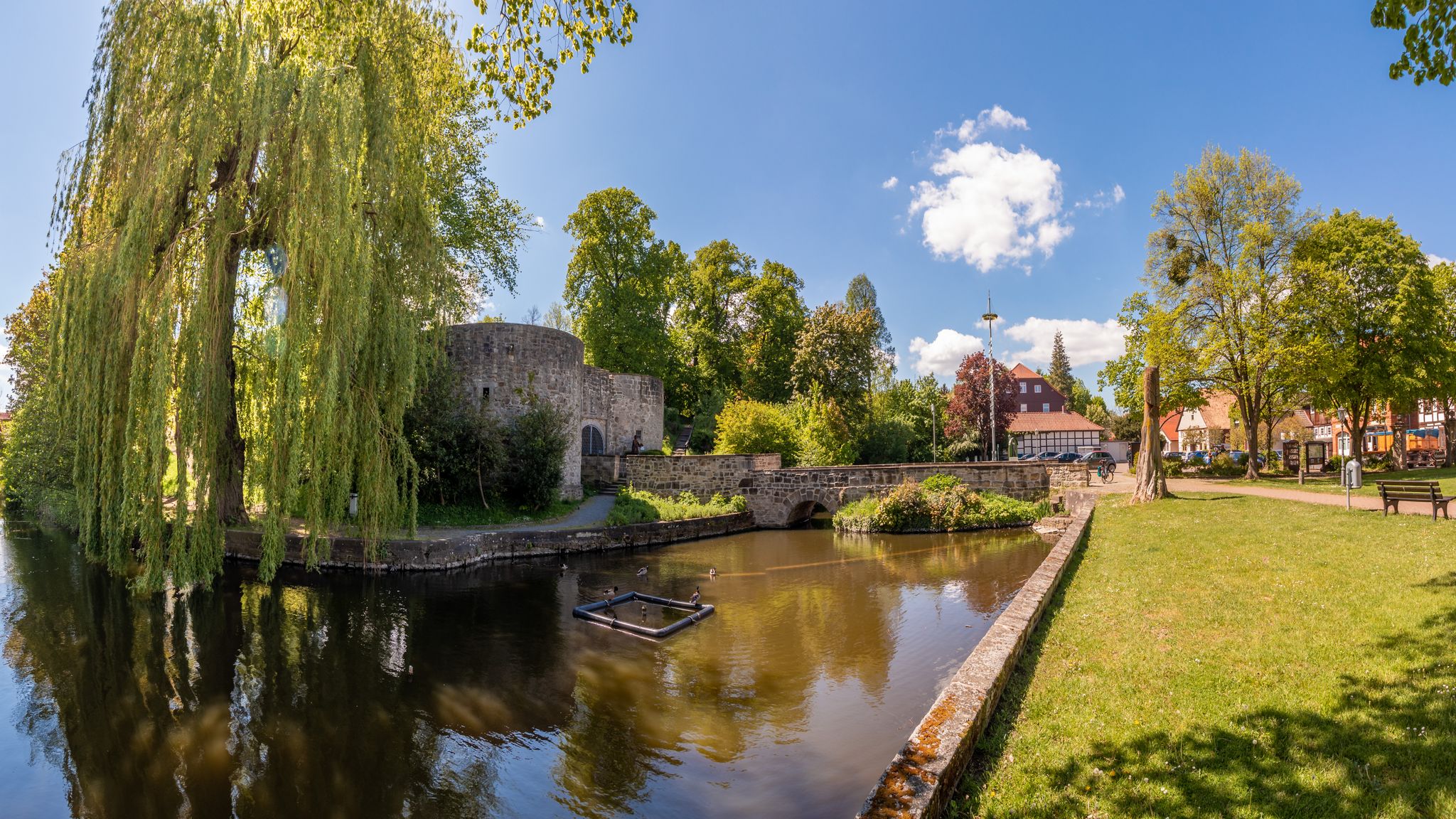
Berlin-Hameln Cycle Route – From West to East
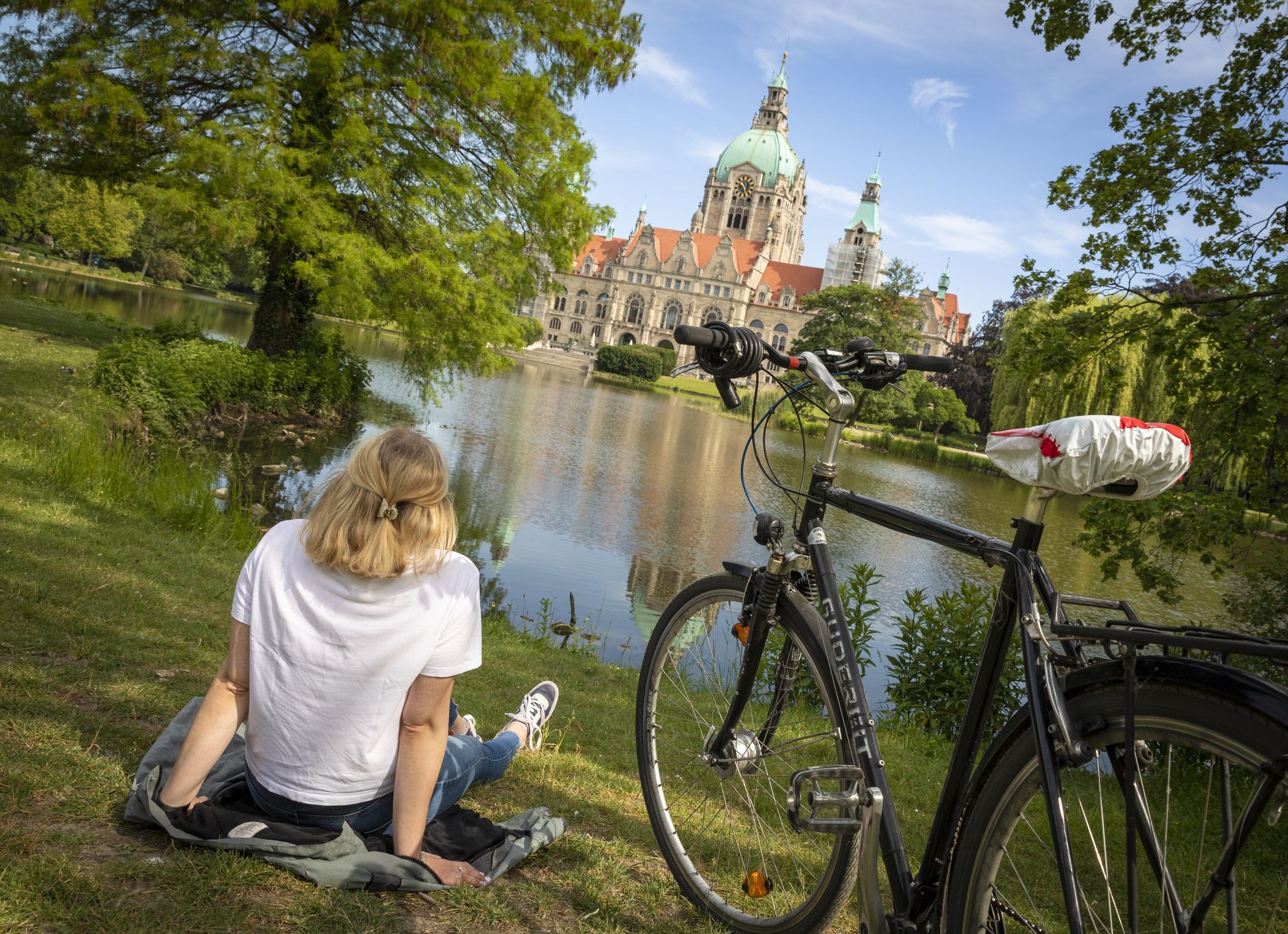
On two wheels - 9 cities + 2 in Lower Saxony
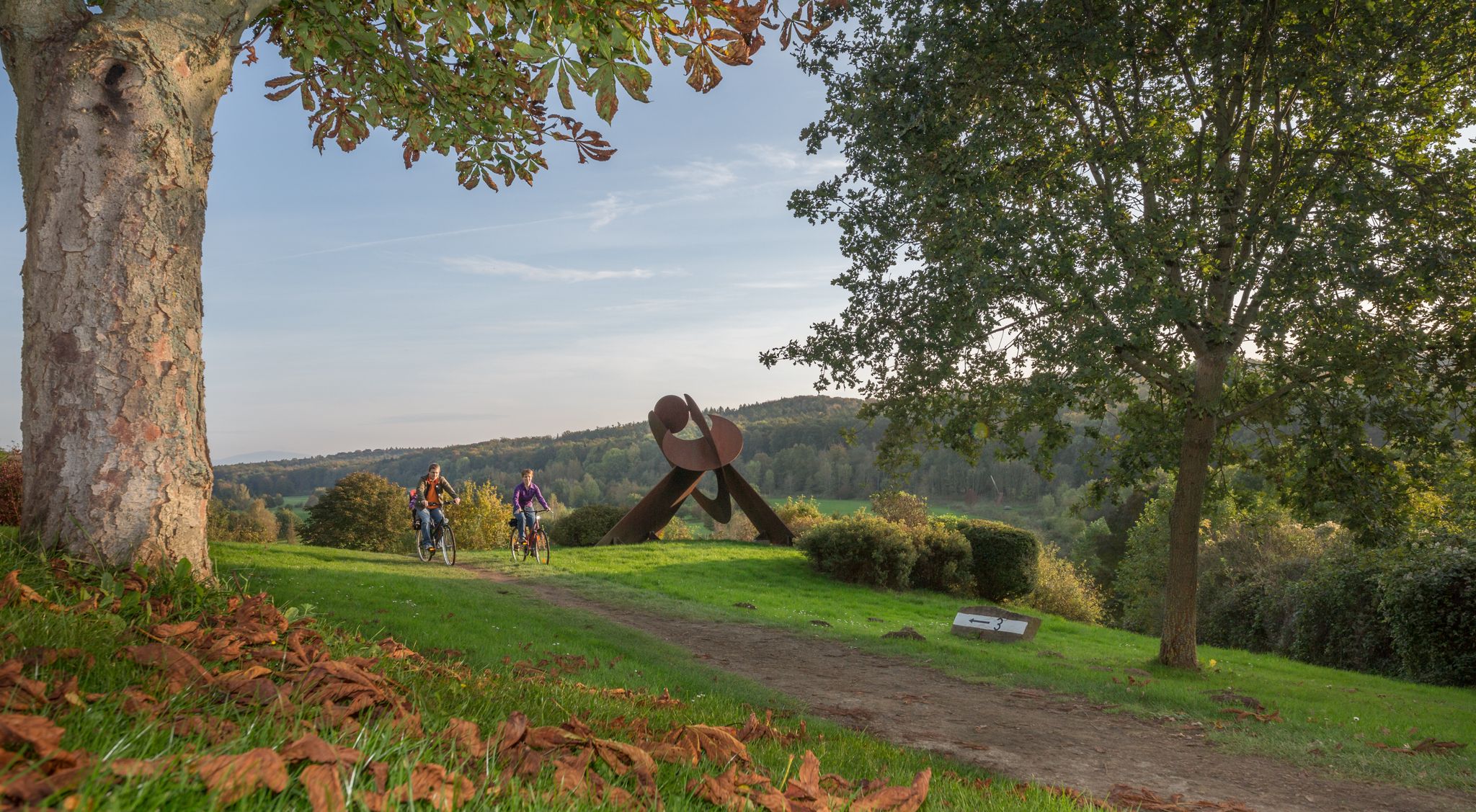
Between knights, industry and rivers – cycling in Salzgitter in Lower Saxony
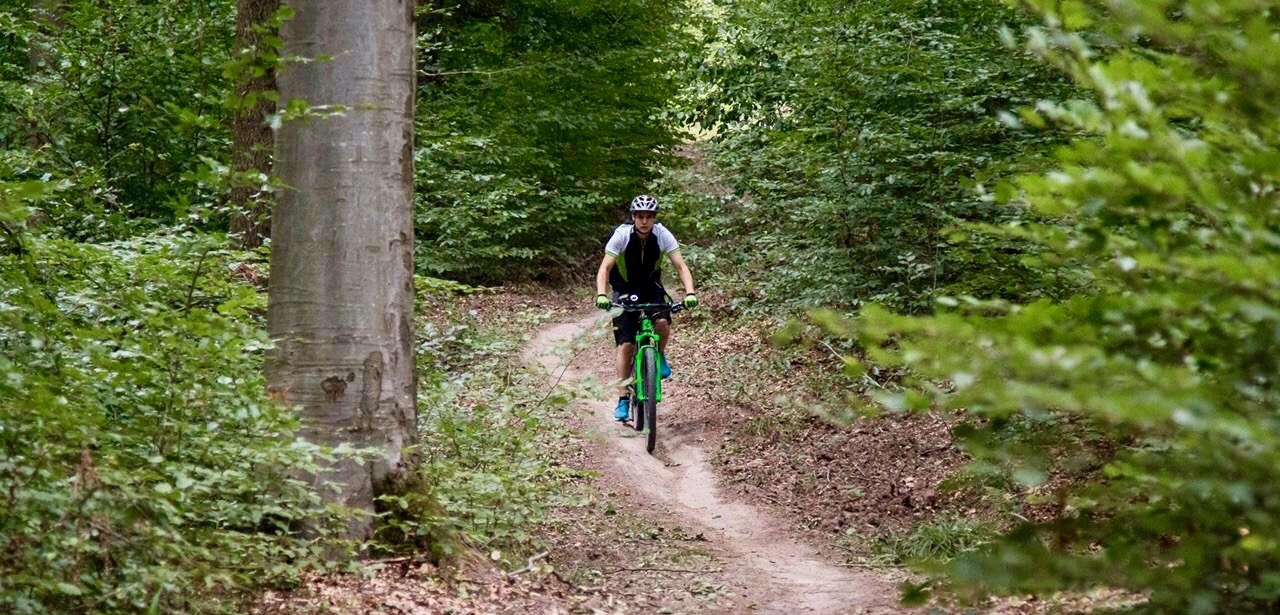
33 MTB trails through German forests
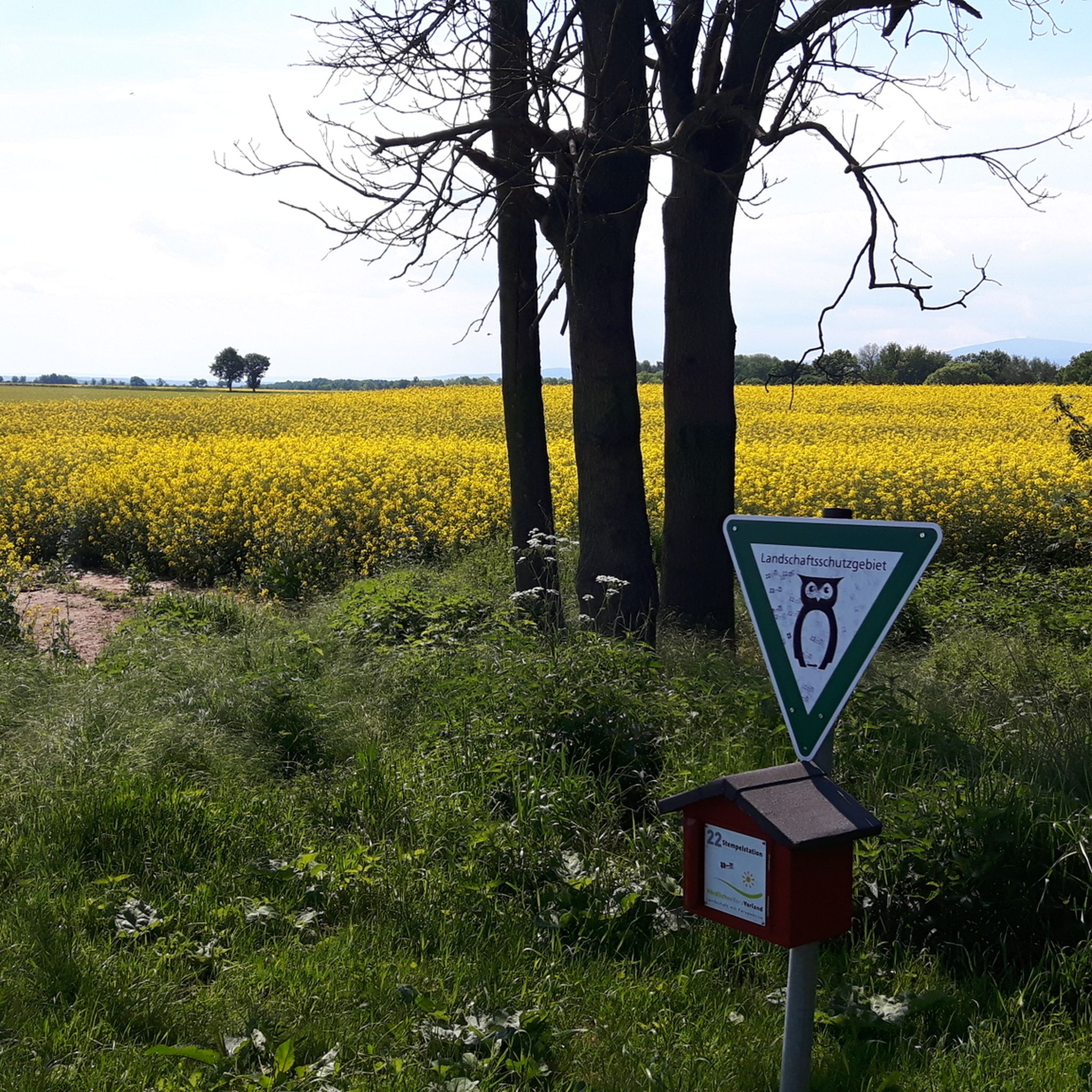
Hiking around Wolfenbüttel
Cycling around Wolfenbüttel
Road Cycling Routes around Wolfenbüttel
Running Trails around Wolfenbüttel
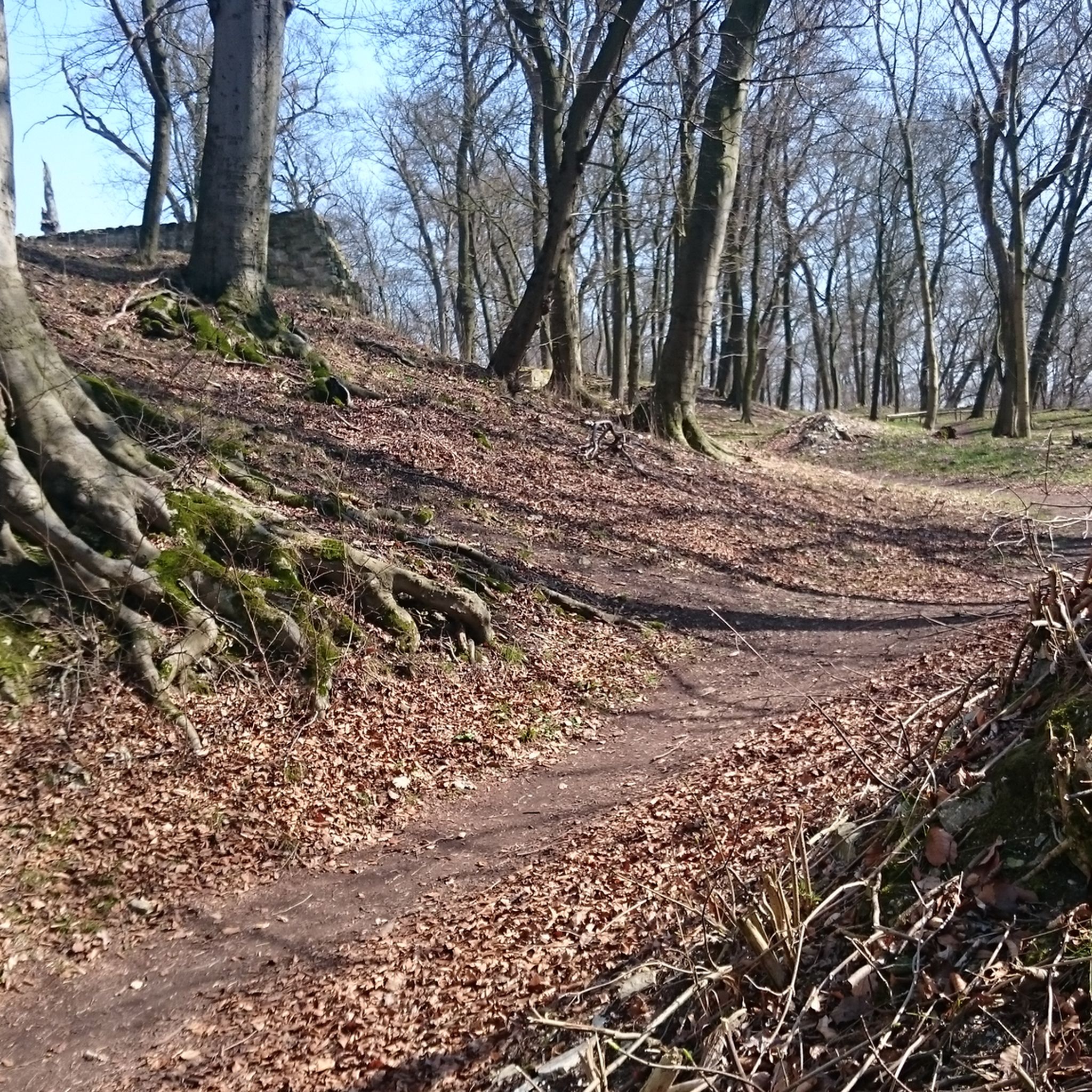
MTB Trails around Wolfenbüttel
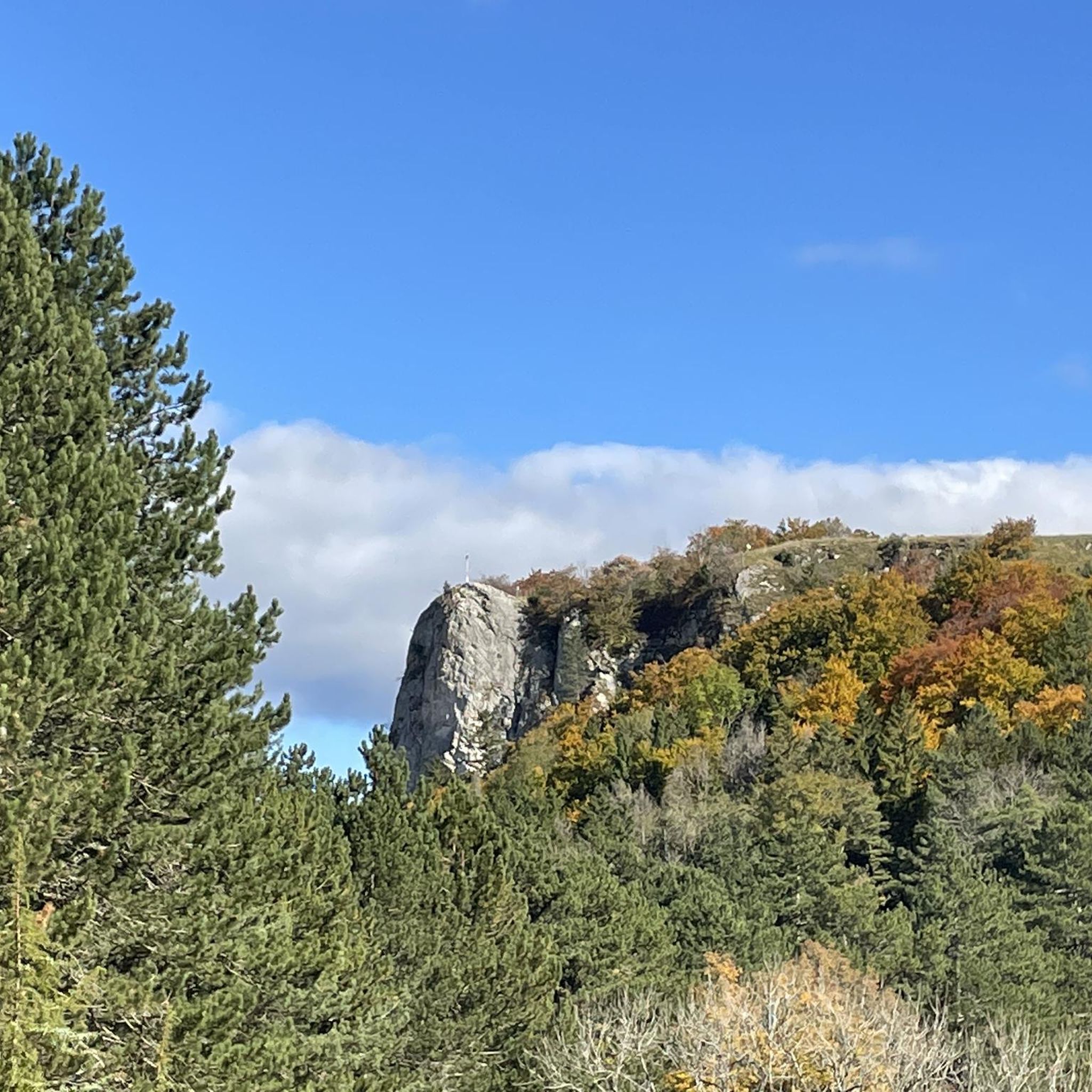
Gravel biking around Wolfenbüttel
Other adventures around Wolfenbüttel


Tips from the Community

Schliestedt Palace is a palace in Schliestedt, in the district of Wolfenbüttel, Lower Saxony. It was built between 1748 and 1760 in the Rococo style on the site of a castle belonging to the von Schliestedt family. The palace is considered the most significant example of Rococo architecture in the Brunswick region. The palace's predecessor was a castle whose construction date is unknown. It was the seat of the von Schliestedt family, whose line died out in 1613. A copper engraving by Merian from 1654 shows the complex, consisting of a main building with a half-timbered upper story and an annex with a stone gatehouse. According to his description, the castle was already very old at that time, had a square shape, and was surrounded by a moat. As early as 1449, the Lords of Schliestedt (landowners from approximately 1147 to 1562) relinquished the castle to the Duke of Brunswick. The castle was owned by four noble families until 1527, after which it was granted as a fief to a chancellor of the Duke of Brunswick. The castle came into the possession of the von der Streithorst family as a ducal fief in 1562. They were followed by the von Badendorff family (1663–1733), Lowisen (Luise) von der Planitz, widow of von Badendorff (1734–1741), and in 1747, Heinrich Bernhard Schrader von Schliestedt, with the permission of Duke Karl I, purchased the castle complex. He demolished it and, not far from the castle site, built the two-story Rococo palace that stands today, according to plans by Martin Peltier de Belfort. The owners subsequently included the von Bülow family (1777–1846), the von Schwicheldt family, and the von Adelebsen family (1846–1929). After various changes of ownership and different uses, Schliestedt Palace has been a retirement home since 1950.
0
0
Schliestedt Palace was built between 1748 and 1760 in the Rococo style on the site of a castle belonging to the von Schliestedt family. The palace is considered the most significant example of Rococo architecture in the Brunswick region. The palace's predecessor was a castle whose construction date is unknown. It was the seat of the von Schliestedt family, whose line died out in 1613. An engraving by Merian from 1654 depicts the complex, consisting of a main building with a half-timbered upper story and an annex with a stone gatehouse. According to his description, the castle was already very old at that time, had a square shape, and was surrounded by a moat. As early as 1449, the Lords of Schliestedt (landowners from approximately 1147 to 1562) relinquished the castle to the Duke of Brunswick. The castle was owned by four noble families until 1527, after which it was granted as a fief to a chancellor of the Duke of Brunswick. The castle came into the possession of the von der Streithorst family as a ducal fief in 1562. They were followed by the von Badendorff family (1663–1733), Lowisen (Luise) von der Planitz, widow of von Badendorff (1734–1741), and in 1747, Heinrich Bernhard Schrader von Schliestedt, with the permission of Duke Karl I, purchased the castle complex. He demolished it and, not far from the castle site, built the two-story Rococo palace that stands today, according to plans by Martin Peltier de Belfort. The owners subsequently included the von Bülow family (1777–1846), the von Schwicheldt family, and the von Adelebsen family (1846–1929). After various changes of ownership and different uses, Schliestedt Palace has been a retirement home since 1950.
0
0

The visit to the castle is very informative
10
0

Unfortunately, the castle complex in Destedt is not accessible.
0
0

great, historic property and photo stop 🤗
2
0

If you have the time, you shouldn't miss this gem.
2
0

Christmas market and many other events ... https://www.schloss-oelber.de/ ... occupied in 1626 by the Danes, who defeated Count Tilly in the Battle of Lutter am Barenberge on August 27, 1626.
1
0

I didn't know it until yesterday. Very beautiful castle with a bridge to the main entrance over the former moat. I found the gravestone of the house dog "Dame" from 1808 impressive.
1
2
Frequently Asked Questions
What is the most significant castle to visit directly in Wolfenbüttel?
The premier castle in Wolfenbüttel is Schloss Wolfenbüttel. It served as the main residence for the rulers of the Principality of Brunswick-Wolfenbüttel for over three centuries and is the second-largest surviving palace in Lower Saxony. Today, it houses a museum with well-preserved Baroque state apartments, a high school, and the Federal Academy of Arts Education. You can find more historical context about it on Wikipedia.
Are there any family-friendly castles or historical sites around Wolfenbüttel?
Yes, several sites are suitable for families. The Kaiserpfalz Werla Archaeological Park is a large archaeological park with information panels, offering views to the Harz Mountains. Hornburg Old Town and Castle features a well-preserved half-timbered town and a hill castle. Additionally, Oelber Castle and Destedt Castle are also noted as family-friendly.
What kind of historical insights can I gain from visiting castles in the Wolfenbüttel region?
The castles in the Wolfenbüttel region offer a deep dive into centuries of history, from medieval fortifications to ducal residences. Schloss Wolfenbüttel, for instance, was a center of arts and science, attracting figures like philosopher Gottfried Leibniz and playwright Gotthold Ephraim Lessing. Sites like the Kaiserpfalz Werla Archaeological Park provide insights into early medieval imperial history, while Hornburg Old Town and Castle showcases a rich inventory of half-timbered houses and a historic hill castle.
Are there hiking or cycling routes near the castles around Wolfenbüttel?
Yes, the region offers various outdoor activities. For hiking, you can explore routes like the 'Eilumer Horn Summit Cross – View of the Reitling Valley loop' or the 'View of the Reitling Valley – Reitling Inn in the Elm loop'. Cycling enthusiasts can enjoy routes such as the 'Path Along the Oker – Kleiner Fallstein Singletrail loop' or the 'Philosophenweg Trail – Bismarck Tower Wittmar loop'. You can find more details on these and other routes in the Hiking around Wolfenbüttel and Gravel biking around Wolfenbüttel guides.
What do visitors particularly enjoy about the castles and historical sites in the Wolfenbüttel area?
Visitors appreciate the immersive historical experience, especially at sites like Asseburg Castle Ruins, where trails run directly through the beautiful old ruins. The well-preserved half-timbered town and dominating hill castle at Hornburg Old Town and Castle are also highly praised. Many enjoy the combination of historical exploration with scenic views, such as those of the Harz Mountains from the Kaiserpfalz Werla Archaeological Park.
Can I visit the Herzog August Library or Lessinghaus when exploring Schloss Wolfenbüttel?
Yes, the world-famous Herzog August Library and the Lessinghaus are located in the immediate vicinity of Schloss Wolfenbüttel. These sites are integral to the town's cultural and historical landscape, offering further insights into the intellectual life of the ducal court, particularly during the time of Gotthold Ephraim Lessing, who served as the ducal librarian.
Are there any castles or historical sites in the region that are wheelchair accessible?
Yes, Schliestedt Castle is noted as being wheelchair accessible, making it a suitable option for visitors with mobility needs.
What is the best time of year to visit the castles around Wolfenbüttel?
While castles can be visited year-round, spring and autumn offer pleasant weather for exploring both indoor and outdoor sites, including castle ruins and archaeological parks. Summer provides longer daylight hours and opportunities for outdoor activities like hiking and cycling around the sites. Visiting in winter can offer a unique, quieter experience, though some outdoor areas might be less accessible depending on weather conditions.
Are there any lesser-known or 'hidden gem' castles worth visiting near Wolfenbüttel?
While not widely publicized, Veltheim Manor, often referred to as Wasserburg, is a Renaissance-style castle that served as a fortification in the Middle Ages. It's located at the entrance to Elm and offers guided tours by arrangement. Casemates and Villa in Seeliger Park, Wolfenbüttel also offers a unique historical experience within the town itself.
What are the options for parking and public transport to reach castles in the Wolfenbüttel area?
For Asseburg Castle Ruins, you can reach the site from the Asseparkplatz in Wittmar. For castles directly in Wolfenbüttel, such as Schloss Wolfenbüttel, the town offers various parking facilities. Public transport options are available within Wolfenbüttel and to nearby towns, but specific routes to individual, more remote castle ruins may require checking local bus schedules or planning for a combination of transport and walking.
Are there cafes or restaurants near the castles for visitors?
In Wolfenbüttel itself, there are numerous cafes and restaurants close to Schloss Wolfenbüttel and the surrounding historical district. For sites like Veltheim Manor, there's a pleasant beer/café garden available in the summer. When visiting more remote castle ruins or archaeological parks, it's advisable to check for nearby dining options in advance or bring your own refreshments.
Most popular routes around Wolfenbüttel
Most popular attractions around Wolfenbüttel

Get inspired with the komoot mobile app


Didn’t find what you were looking for?
Explore Wolfenbüttel’s best castles region by region:
Explore more
Looking for the best castles somewhere else? Discover other guides around Wolfenbüttel:
