Attractions and Places To See around Chemnitz - Top 20
Best attractions and places to see around Chemnitz include a diverse range of historical landmarks, cultural institutions, and natural areas. The city, designated as a European Capital of Culture in 2025, features significant industrial heritage alongside modern developments. Visitors can explore various sites, from ancient castles to extensive parklands and unique natural phenomena. The region offers opportunities for both urban exploration and outdoor activities.
Best attractions and places to see around Chemnitz
- The most popular attractions is Klaffenbach Water Castle, a castle that features a museum, restaurant, cafe, and showroom. This preserved Renaissance and Baroque moated castle from the 16th century is located in the countryside south of the city.
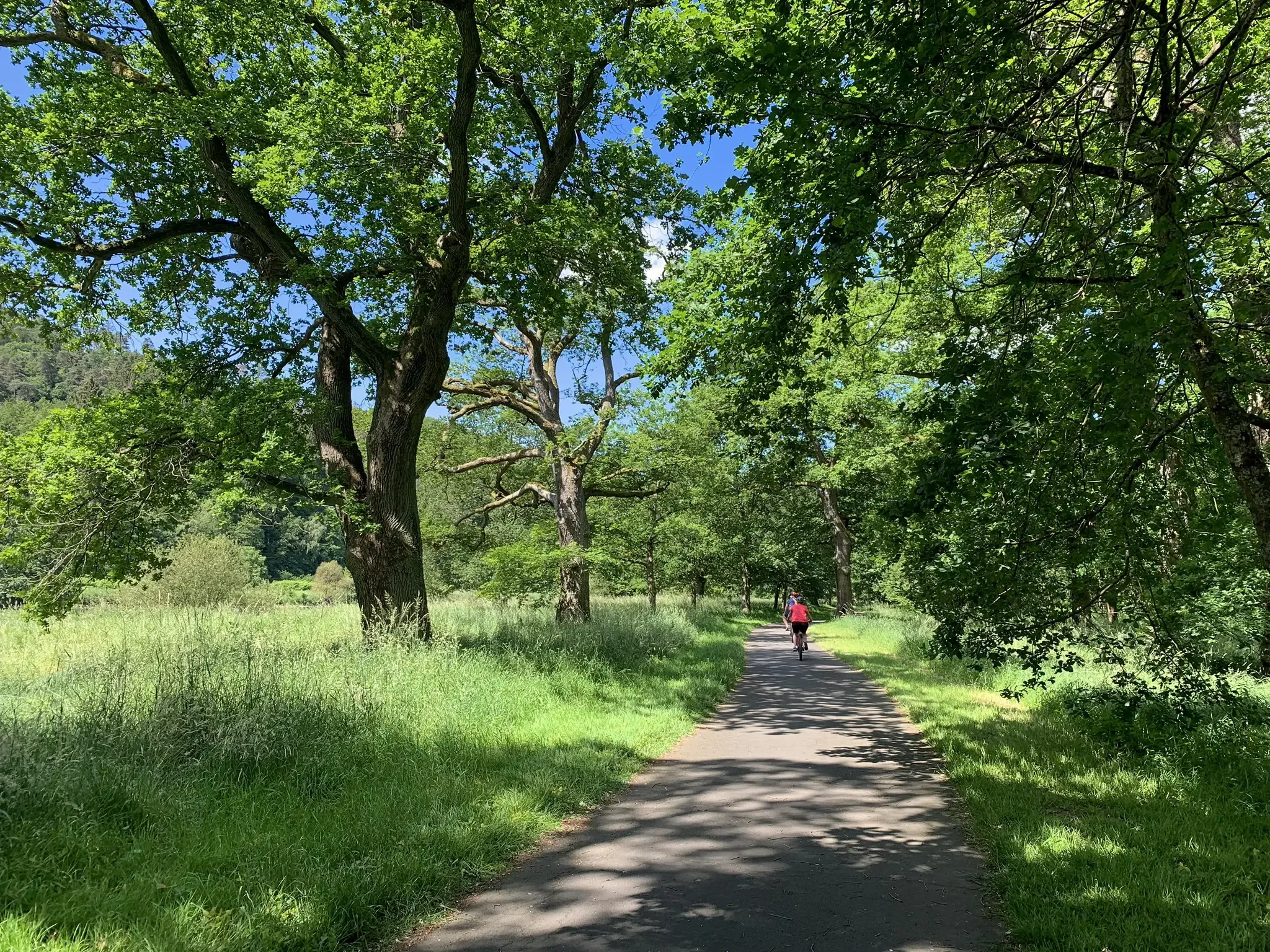
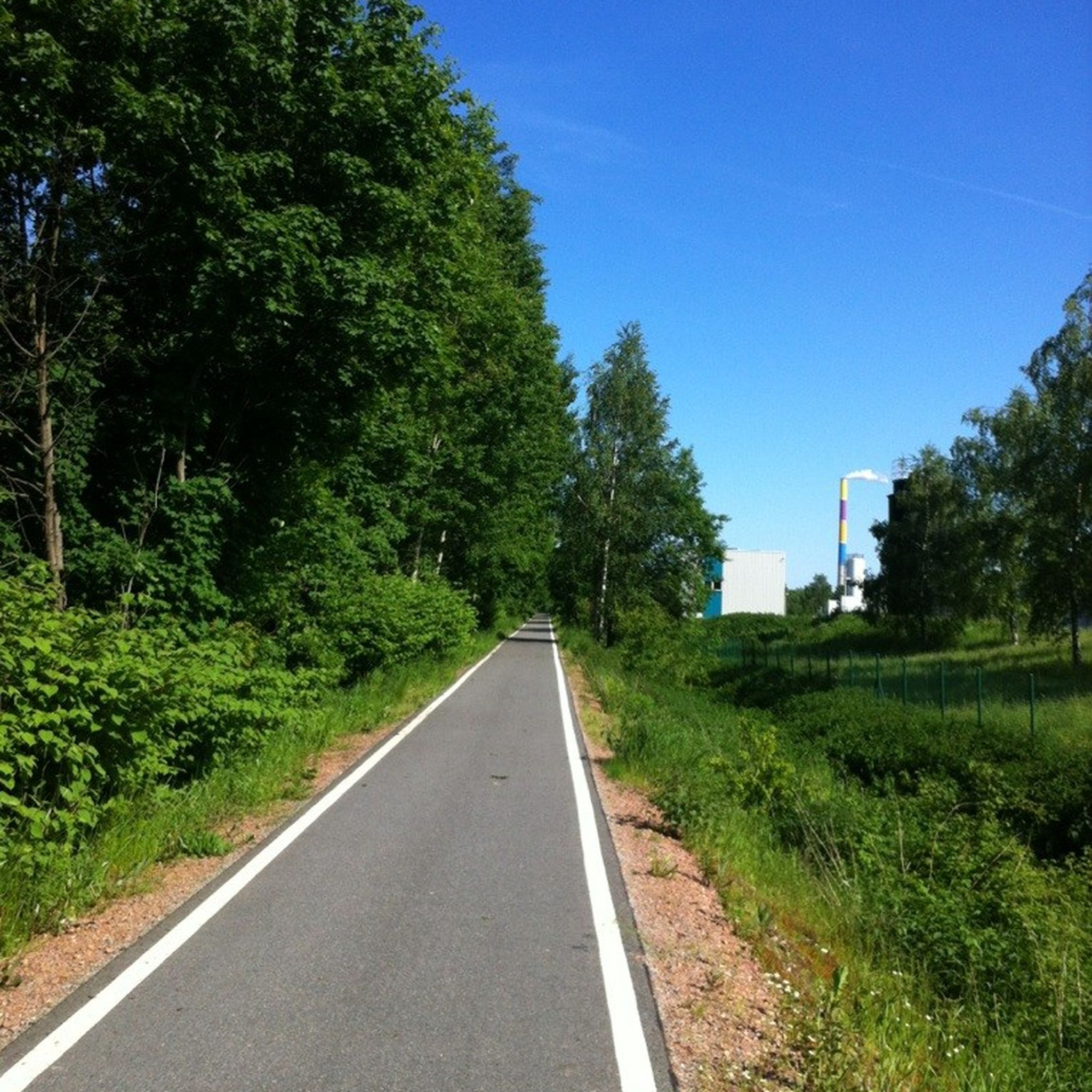
- Another must-see spot is Chemnitztal Cycle Path, a cycle way that is completely paved and includes a tunnel and a large bridge. It offers a well-maintained path suitable for various skill levels.
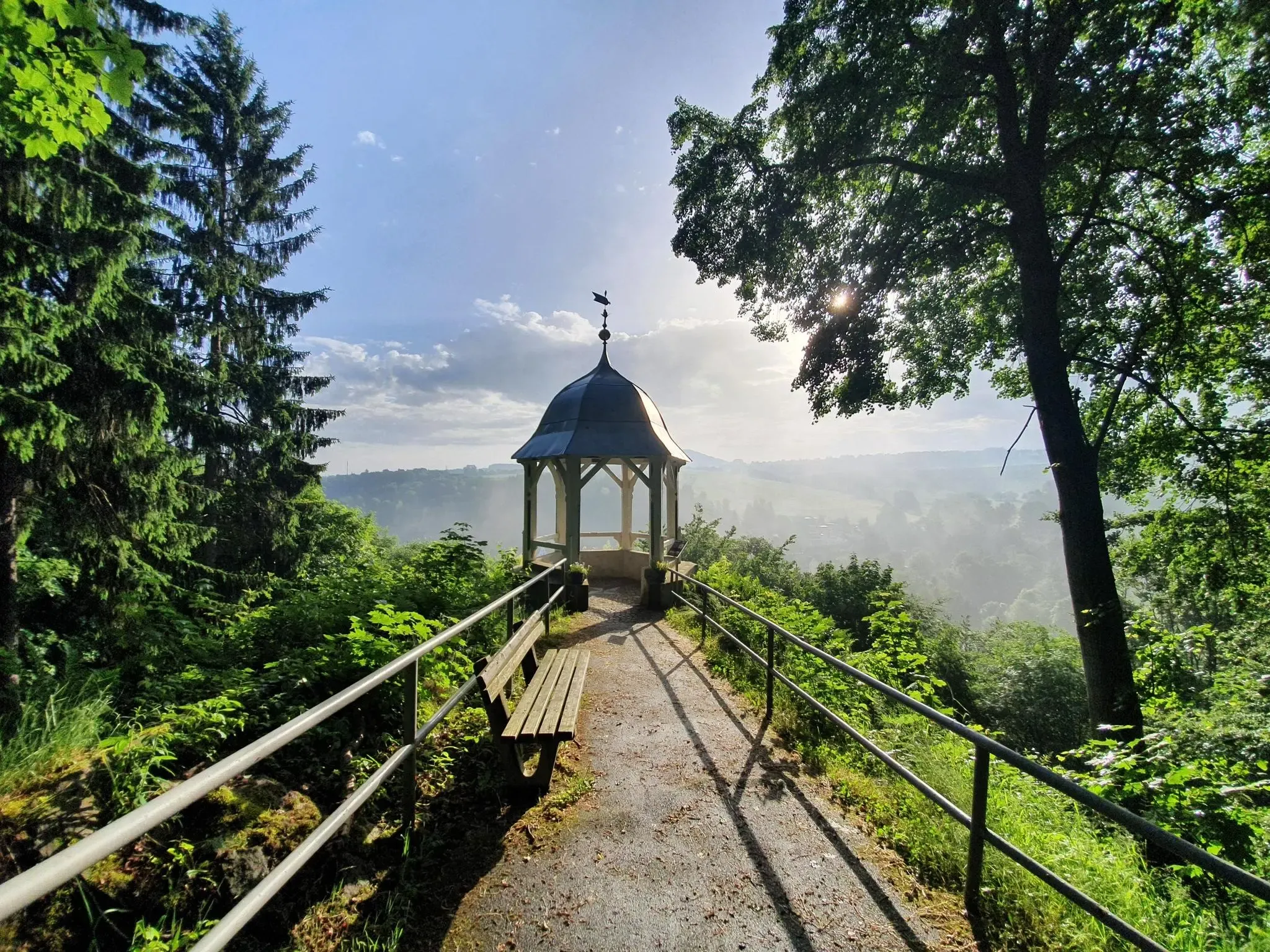
- Visitors also love Maria Josepha Tower (Totenstein) Observation Tower, an observation tower offering views. Visitors can climb its spiral staircase for panoramic vistas.
- Chemnitz is known for its historical sites, natural features, and cultural institutions. The city offers a variety of attractions to see and explore, including castles, museums, and parks.
- The attractions around Chemnitz are appreciated by the komoot community, with more than 2100 upvotes and over 220 photos shared across 747 highlights.
Last updated: June 24, 2026
Chemnitztal Cycle Path
Highlight (Segment) • Cycleway
Translated by Google •
Tip by

Chemnitz Valley Cycle Path Between Heinersdorf and Wittgensdorf
Highlight (Segment) • Cycleway
Translated by Google •
Tip by

Sign up now to discover places like this
Get recommendations on the best single tracks, peaks, & plenty of other exciting outdoor places.
Sign up for free
Klaffenbach Water Castle
Highlight • Castle
Translated by Google •
Tip by

Maria Josepha Tower
Highlight • Viewpoint
Translated by Google •
Tip by
Chemnitz City Park
Highlight • Natural
Translated by Google •
Tip by

Maria Josepha Tower (Totenstein) Observation Tower
Highlight • Viewpoint
Translated by Google •
Tip by

Rabenstein Castle
Highlight • Castle
Translated by Google •
Tip by

Castle Pond, Chemnitz
Highlight • Lake
Translated by Google •
Tip by

Colorful Chimney at the Chemnitz-Nord Power Plant
Highlight • Monument
You can see it clearly from the Chemnitztal cycle path.
The building shines in all its splendor, especially in the evening sun.
Translated by Google •
Tip by

Pelzmühle Pond
Highlight • Lake
Translated by Google •
Tip by
Sign up for free to discover even more attractions around Chemnitz.
Sign up for free
Already have an account?
Start today with a free account
Your next adventure awaits.
Login or Signup
Popular around Chemnitz
#GoFurther – discover the views of Germany!
D-Route 4: Mittelland Route
Weekend tours in the Ore Mountains
Slipstreaming the legends
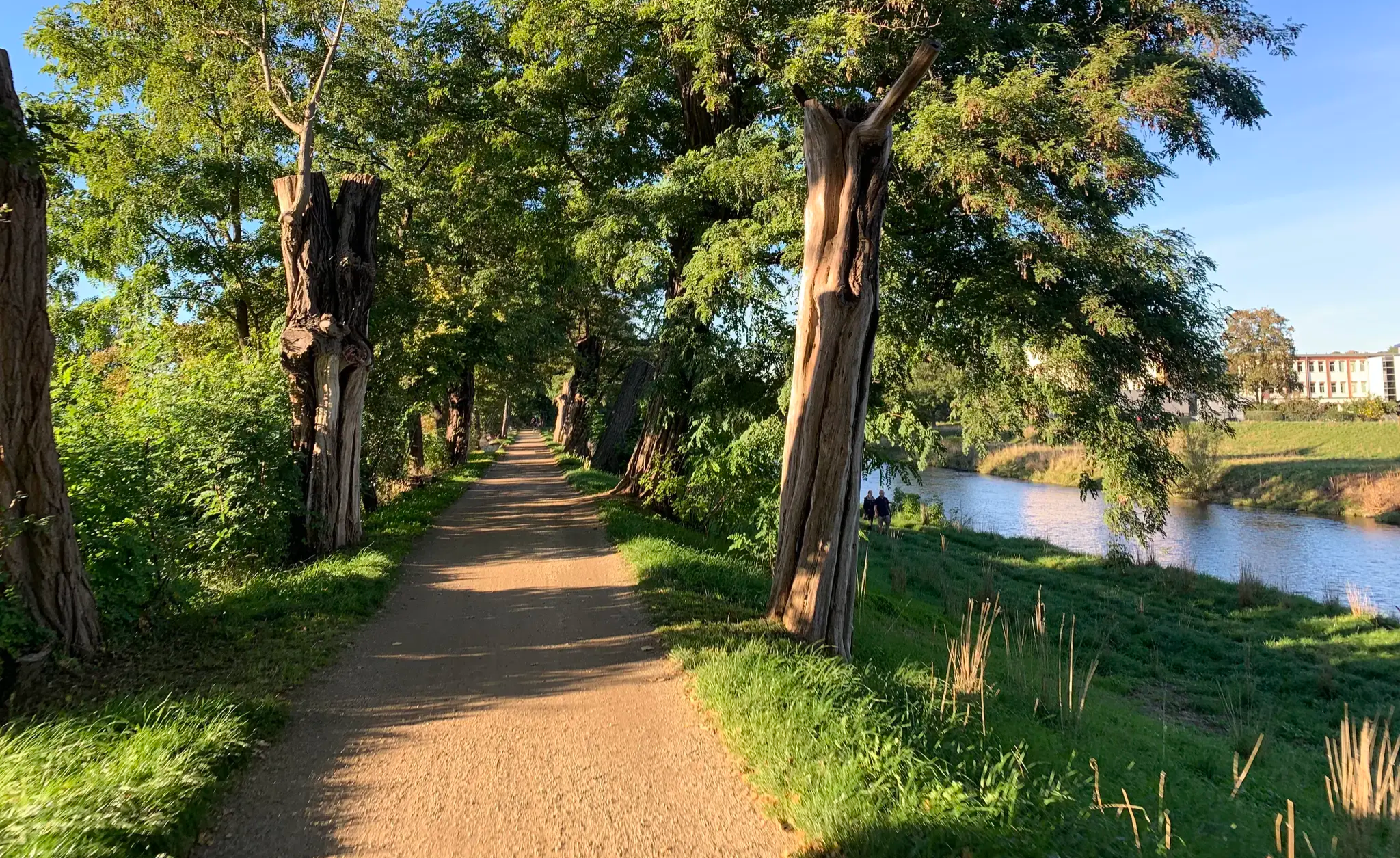
Durchatmen auf zwei Rädern – Mittagspausen in Sachsen
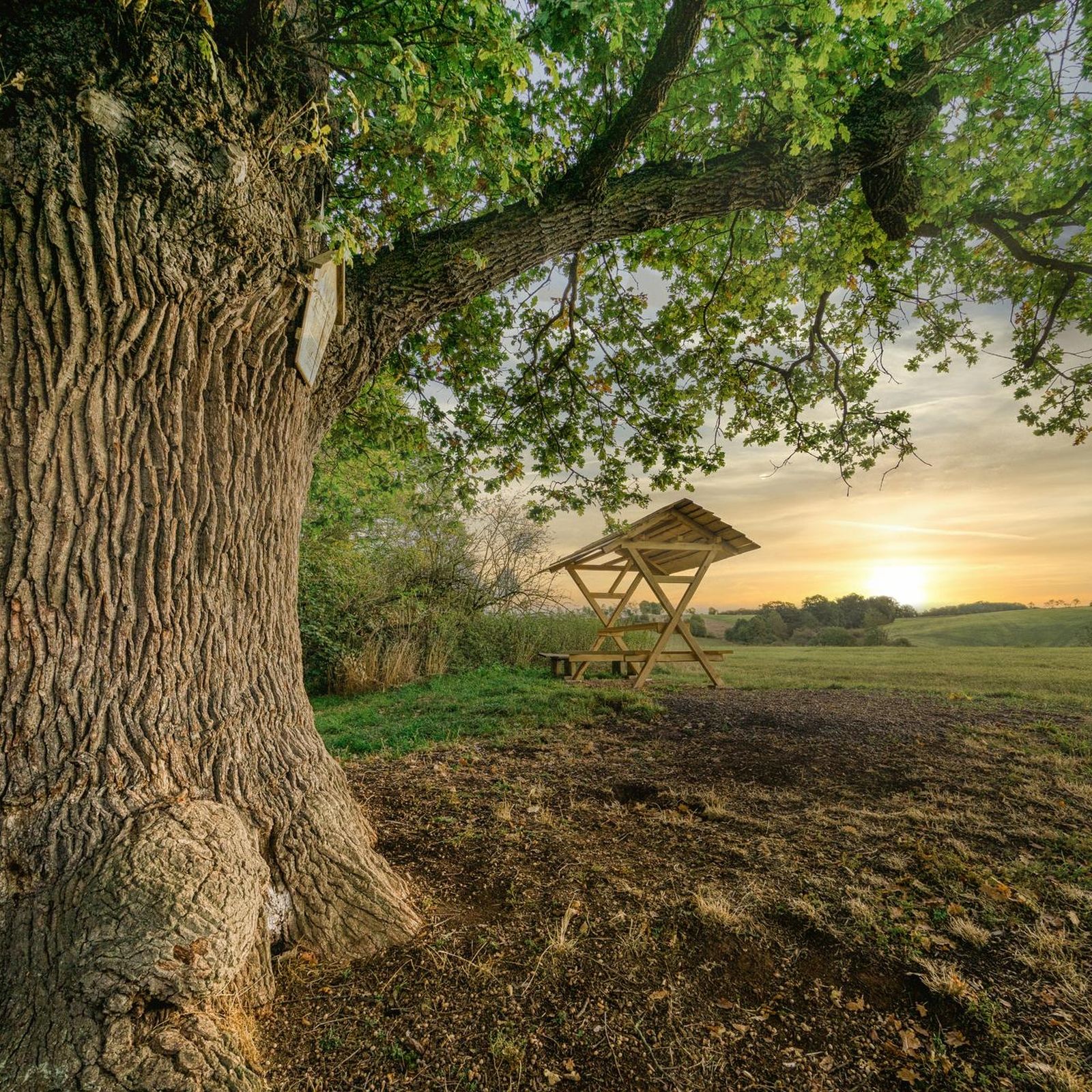
Mindful Hiking 2.2 – Aktivieren & Auftanken
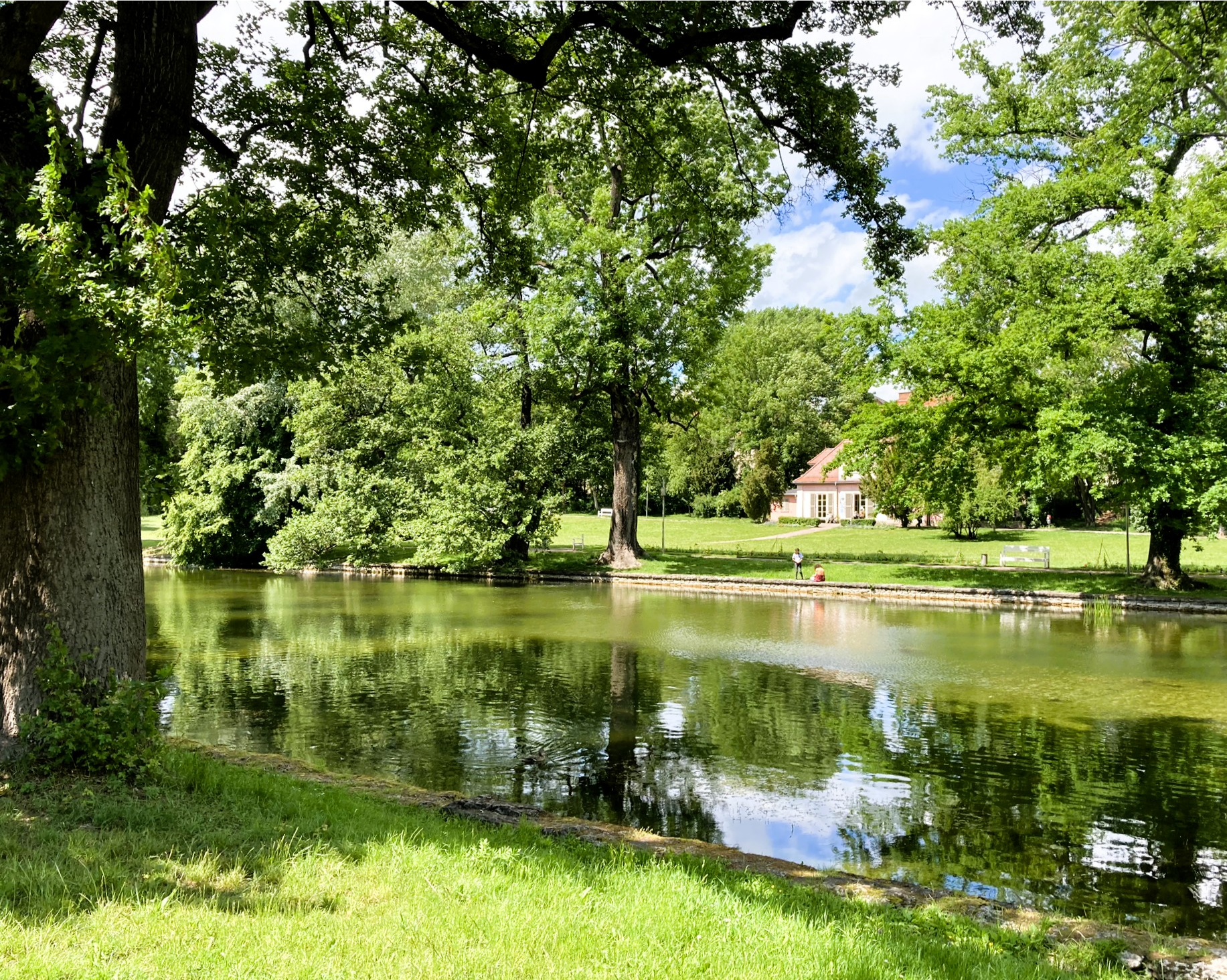
Das Rascheln der Blätter – Natur trifft Kultur zur Buchmesse
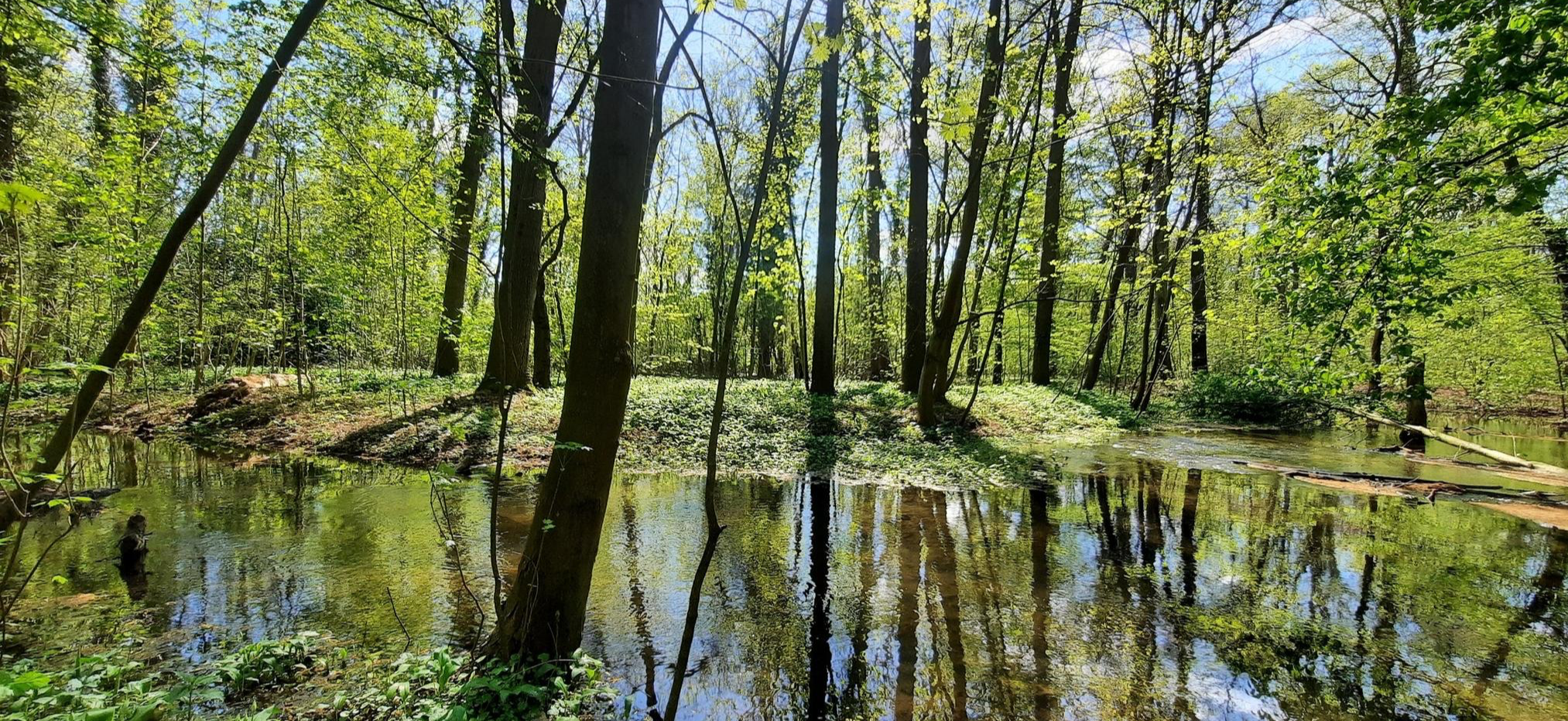
Mindful Hiking 2.0 – Runterfahren & zur Ruhe kommen
Mindful Hiking 2.1 – Abstand gewinnen
Cycling around Chemnitz
Other adventures around Chemnitz


Tips from the Community

Like the neighboring villages of Neukirchen and Burkhardtsdorf, Klaffenbach was a tributary village to the Benedictine Abbey of St. Mary in Chemnitz. These villages were sold in 1543 (according to other sources, 1547) to the wealthy Annaberg citizen Wolff Hühnerkopf, owner of several silver mines and master of the mint. He had the moated castle, now known as "Klaffenbach Water Castle" (older name "Neukirchen Castle"), built around 1557. After several changes of ownership, the castle came into the possession of Baron Dietrich von Taube, a court marshal of the Electorate from the Baltic region, in 1615. The castle's current appearance is said to be the result of the reconstruction under Taube beginning in 1616. The castle remained in the possession of the von Taube family for over 200 years. In 1819, the factory owner, merchant, and trader Carl Heinrich Hähnel from Schneeberg acquired the castle complex. The castle subsequently changed hands several times. In 1926, the municipality of Klaffenbach became owner of the manor (the moated castle's farmyard), and from 1934 onward, the moated castle as well. Subsequently, it was used by the Reich Labor Service (from 1935 to 1945) and as a youth correctional facility (1947-1989). After extensive renovation in the 1990s, the castle and its adjacent farmyard were converted into a cultural meeting place. Other buildings in the farmyard housed a hotel and a restaurant.
11
3

Nice destination, above Grüna.
8
0

A nice place for young and old 🦊🙏
12
1

Beautiful pond and park to relax and walk 👍
5
1
Beautiful Chemnitz area for walking 👍
5
1


The 302 meter high chimney is the largest structure in Saxony and is part of the Chemnitz thermal power plant. Wind, rain and frost had damaged the reinforced concrete over the last 30 years. Therefore, the 18,000 square meter outer shell had to be renovated. A renovation of the tallest building in Saxony became necessary to ensure continued operations. Therefore, the loose smaller parts of the outer shell were roughly removed first. Special workers who were skilled at heights then prepared the surfaces for subsequent repairs. The surface was then treated or filled with a synthetic resin-bound concrete. After priming, the workers applied the colorful industrial paint as the final step of the renovation, which protected the structure from wind and weather and gave it an individual coat of paint. Remediation steps The 302 meter high chimney is the largest structure in Saxony and is part of the Chemnitz thermal power station. Wind, rain and frost had damaged the reinforced concrete over the last 30 years. Therefore, the 18,000 square meter outer shell had to be renovated. A renovation of the tallest building in Saxony became necessary to ensure continued operations. Therefore, the loose smaller parts of the outer shell were roughly removed first. Special workers who were skilled at heights then prepared the surfaces for subsequent repairs. The surface was then treated or filled with a synthetic resin-bound concrete. After priming, the workers applied the colorful industrial paint as the final step of the renovation, which protected the structure from wind and weather and gave it an individual coat of paint. Color design: For the last step of the renovation work, someone came up with something very special. The 18,000 square meter outer shell was designed according to a design by the French artist Daniel Buren, which envisages seven colored sections of approximately the same size. When choosing the colors, it was important to the artist that the chimney stood out well from its surroundings, even from a distance. This is how the idea came about to use seven contrasting, cheerful colors for the seven segments of the chimney. (https://www.eins.de/ueber-eins/industriekultur/schornstein)
2
0
Frequently Asked Questions
What historical landmarks can I explore in Chemnitz?
Chemnitz offers a rich array of historical landmarks. You can visit the city's oldest surviving building, the Red Tower, which dates back to the late 12th century. The Old Town Hall features a Renaissance portal and offers views from its High Tower. Don't miss the impressive Klaffenbach Water Castle, a preserved Renaissance and Baroque moated castle, or Rabenstein Castle, the smallest castle in Saxony, which offers tours.
Are there any natural attractions or parks to visit in Chemnitz?
Yes, Chemnitz has several natural attractions and green spaces. The Petrified Forest, located in the courtyard of Kulturkaufhaus Tietz, showcases unique 291-million-year-old petrified trees. You can also explore the Botanischer Garten Chemnitz, a 12-hectare municipal botanical garden, or relax at the Chemnitz City Park, which hosts cultural festivals in summer. The Rabenstein Nature Area includes rock domes and a reservoir lake, offering opportunities for cave tours.
What cultural institutions and museums are available in Chemnitz?
Chemnitz, with its industrial heritage and designation as a European Capital of Culture in 2025, boasts numerous cultural sites. The Chemnitz Industrial Museum provides insights into Saxony's industrial history. The State Museum of Archaeology Chemnitz (SMAC), housed in an Art Deco building, covers 300,000 years of human history. Art enthusiasts will appreciate the Museum Gunzenhauser and the Kunstsammlungen Chemnitz, focusing on German Expressionism. The Kulturkaufhaus Tietz is a cultural center housing the Museum of Natural History and the City Library.
Are there family-friendly activities or attractions in Chemnitz?
Chemnitz offers several family-friendly options. The Klaffenbach Water Castle has a large playground on its outer wall. The Chemnitz Zoo is a cozy zoo with approximately 200 animals and a children's petting area. Many parks, such as the Chemnitz City Park and the Castle Pond, Chemnitz, are great for leisurely strolls with children.
Where can I find good viewpoints or panoramic vistas in the Chemnitz area?
For panoramic views, you can climb the Maria Josepha Tower (Totenstein) Observation Tower, which offers extensive vistas. The High Tower of the Old Town Hall also provides idyllic views of the market square and city rooftops. Additionally, the Rabenstein Castle area offers scenic views.
What outdoor activities, like cycling or hiking, can I do near Chemnitz?
The Chemnitz region is excellent for outdoor activities. The Chemnitztal Cycle Path is a popular, well-maintained route suitable for various skill levels, featuring a tunnel and a large bridge. For more cycling adventures, explore the gravel biking routes around Chemnitz, which you can find in the Gravel biking around Chemnitz guide. If you prefer running, check out the Running Trails around Chemnitz guide for routes like the Chemnitz City Park Pond loop.
Are there any specific hiking or walking trails recommended near Chemnitz attractions?
While specific hiking trails directly linked to attractions aren't detailed, many attractions are situated in areas conducive to walking. For example, the area around Rabenstein Castle and the Rabenstein Nature Area offers opportunities for walks. You can find various running and walking routes, including those around the Castle Pond, Chemnitz, in the Running Trails around Chemnitz guide.
What is the significance of the Karl Marx Monument in Chemnitz?
The Karl Marx Monument, a massive 7.1-meter-tall bust, is a prominent symbol of Chemnitz's past as Karl-Marx-Stadt. Despite Marx never visiting the city, the monument remains an iconic landmark reflecting a significant period in the city's history and identity.
Can I find places to eat or drink near the attractions?
Yes, several attractions have dining options or are located near establishments. Klaffenbach Water Castle features a restaurant and cafe. The Kassberg Neighborhood, known for its Gründerzeit architecture, also offers an extensive network of pubs and restaurants. The Pelzmühle Pond also has facilities including a restaurant.
What is the Chemnitz Industrial Museum and why is it important?
The Chemnitz Industrial Museum is an Anchor Point of ERIH (European Route of Industrial Heritage). It's important because it provides a comprehensive exhibition on Saxony's industrial heritage, showcasing machines, historic cars, and insights into industrial history, highlighting Chemnitz's role as the 'Saxon Manchester' during its industrial development.
What is the Kassberg Neighborhood known for?
The Kassberg Neighborhood is renowned for its beautiful 18th and 19th-century Gründerzeit architecture. It is considered one of Europe's largest and most beautiful 19th-century districts, featuring an extensive network of vaulted cellars and numerous pubs and restaurants, making it a charming area to explore.
Is there a place to see steam locomotives or historical trains in Chemnitz?
Yes, the Saxon Railway Museum is the place to go. Here you can admire a collection of steam locomotives and GDR-era trains, including those developed by Richard Hartmann, a local locomotive manufacturer, offering a glimpse into the region's rich railway history.
Most popular routes around Chemnitz
Most popular attractions around Chemnitz

Get inspired with the komoot mobile app


Didn’t find what you were looking for?
Are you keen on exploring more awesome places nearby? Browse our guides:
Explore more
Still not found the Highlight you’re looking for? See guides of the top attractions in other regions:
