The 20 Most Amazing Peaks in the Canary Islands
Best mountain peaks in the Canary Islands are found across an archipelago of volcanic origin, offering diverse landscapes. These islands feature a range of geographic formations, from ancient forests to volcanic terrains. The region is characterized by its unique natural features and significant elevation changes. Visitors can explore various mountain peaks, each presenting distinct characteristics and views.
Best mountain peaks in the Canary Islands
- The most popular mountain peaks is Roque Nublo, a natural_monument considered the symbol of Gran…
Last updated: October 9, 2026
Roque Nublo
Highlight • Natural Monument
Showing Translation
Tip by

Pico de las Nieves summit
Highlight • Summit
Translated by Google •
Tip by

Sign up now to discover places like this
Get recommendations on the best single tracks, peaks, & plenty of other exciting outdoor places.
Roque Cinchado
Highlight • Natural Monument
Translated by Google •
Tip by

Pico de la Zarza summit
Highlight • Summit
Translated by Google •
Tip by

Roque de los Muchachos
Highlight • Summit
Translated by Google •
Tip by
Alto de Garajonay
Highlight • Summit
Translated by Google •
Tip by

Caldera Blanca
Highlight • Volcano
Translated by Google •
Tip by

Guajara
Highlight • Summit
Tip by

Roque de Agando
Highlight • Natural Monument
Translated by Google •
Tip by

Mount Teide summit
Highlight • Summit
This dormant volcano offers absolutely unique panoramas …
Translated by Google •
Tip by

Sign up for free to discover even more peaks in the Canary Islands.
Already have an account?
Start today with a free account
Your next adventure awaits.
Popular around Canary Islands
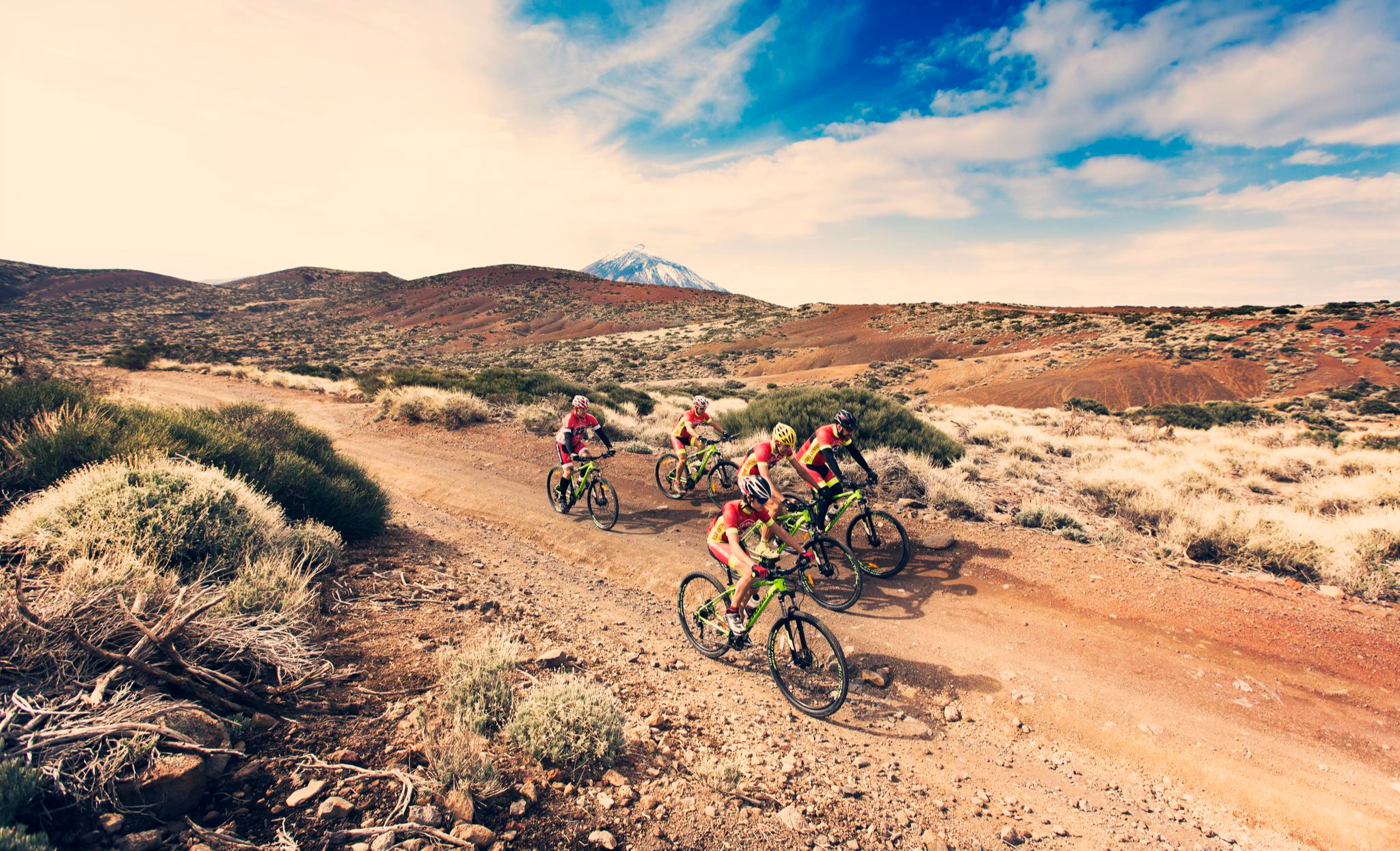
Mountain biking through the wild heart of Tenerife
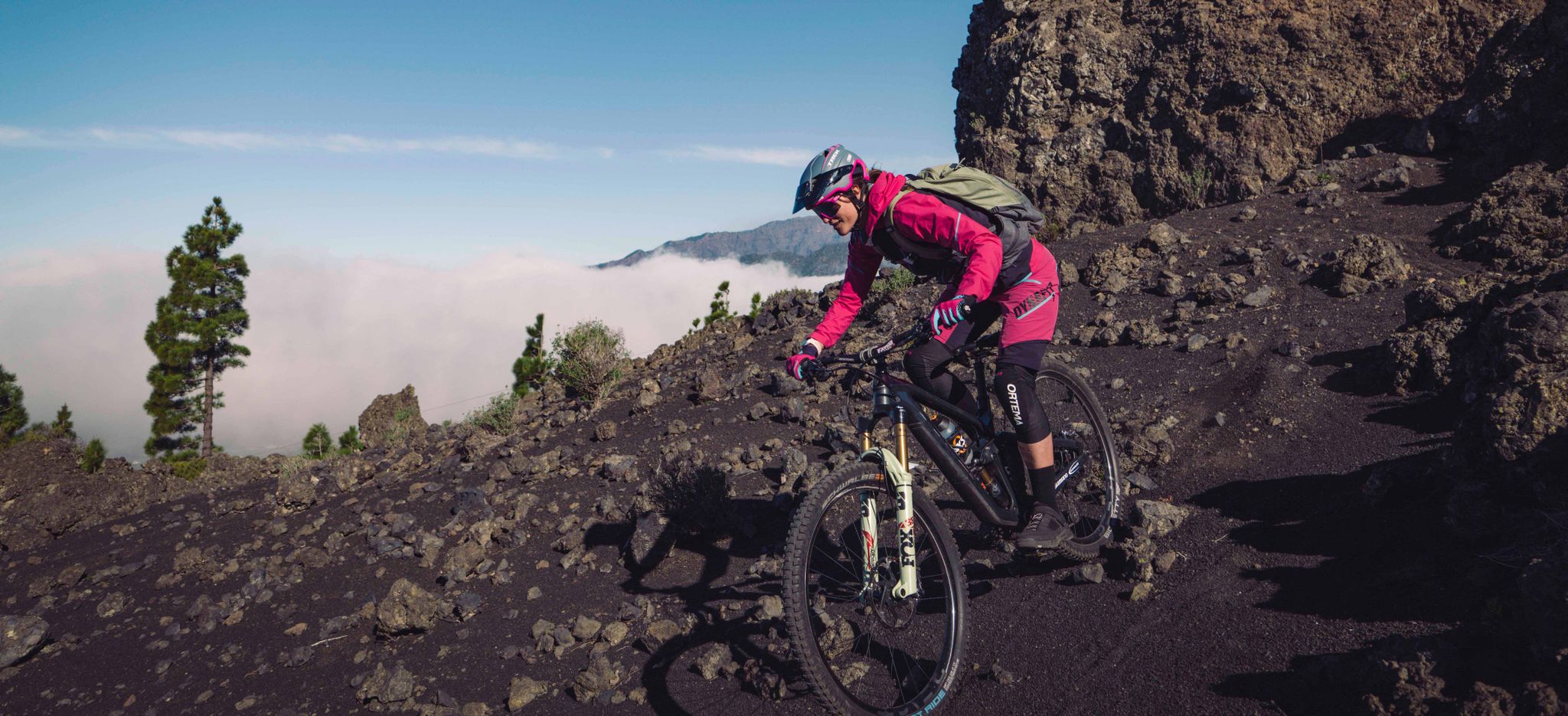
La Palma – my favourite Tours on the Canary Islands’ Isla Bonita
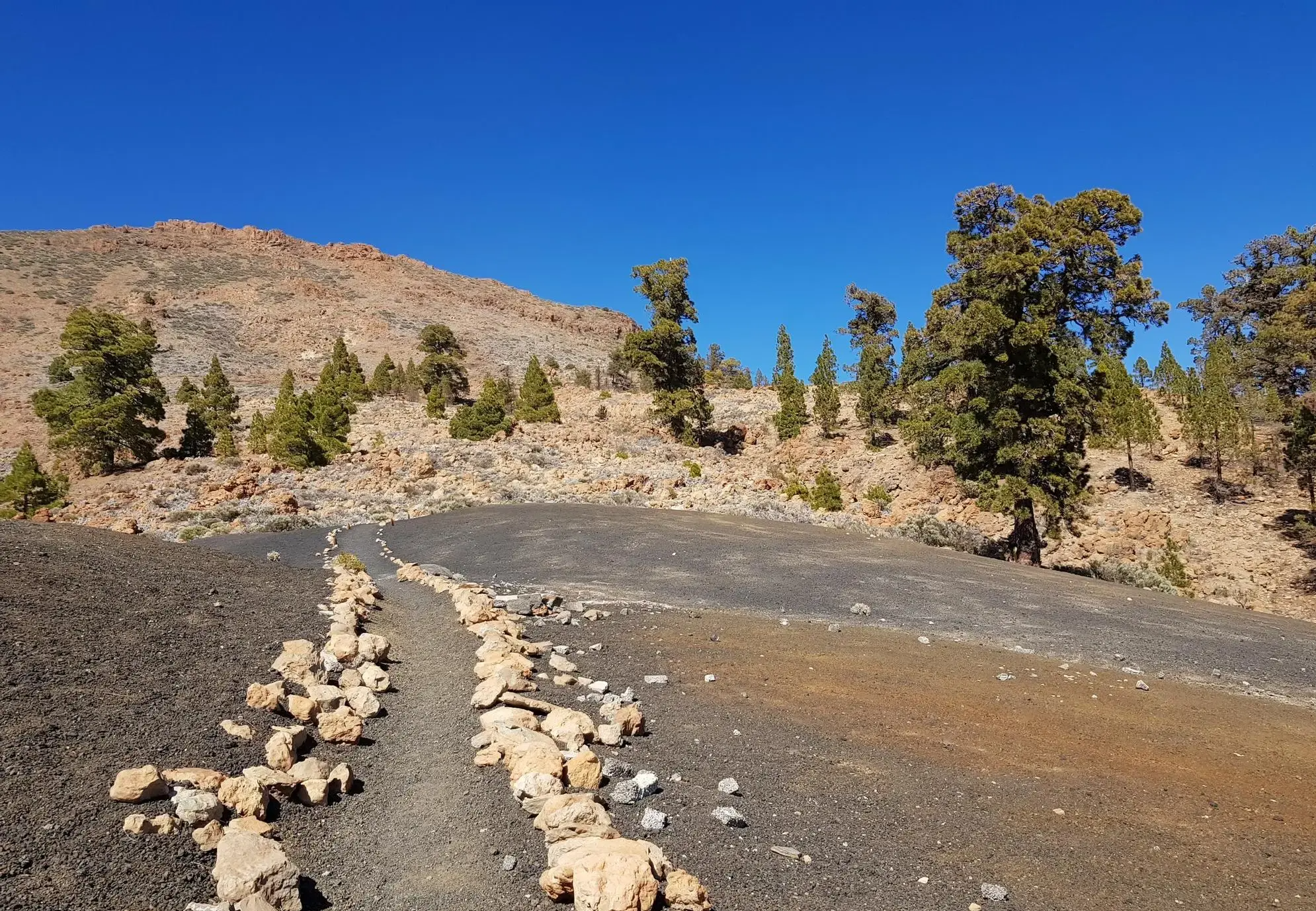
From the coast to the Teide - Tenerife Bluetrail by UTMB
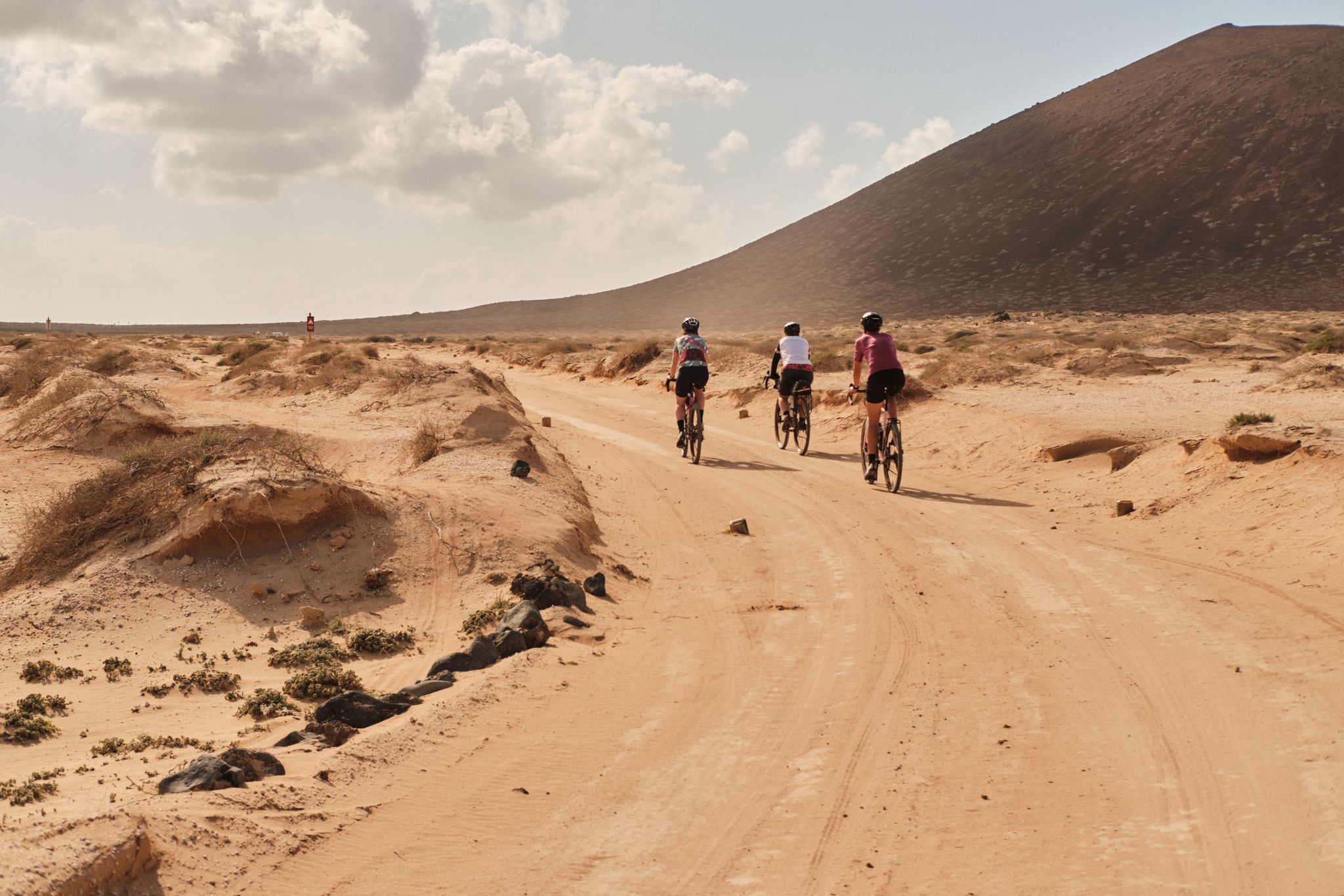
GranGuanche gravel – Komoot women's rally 2023
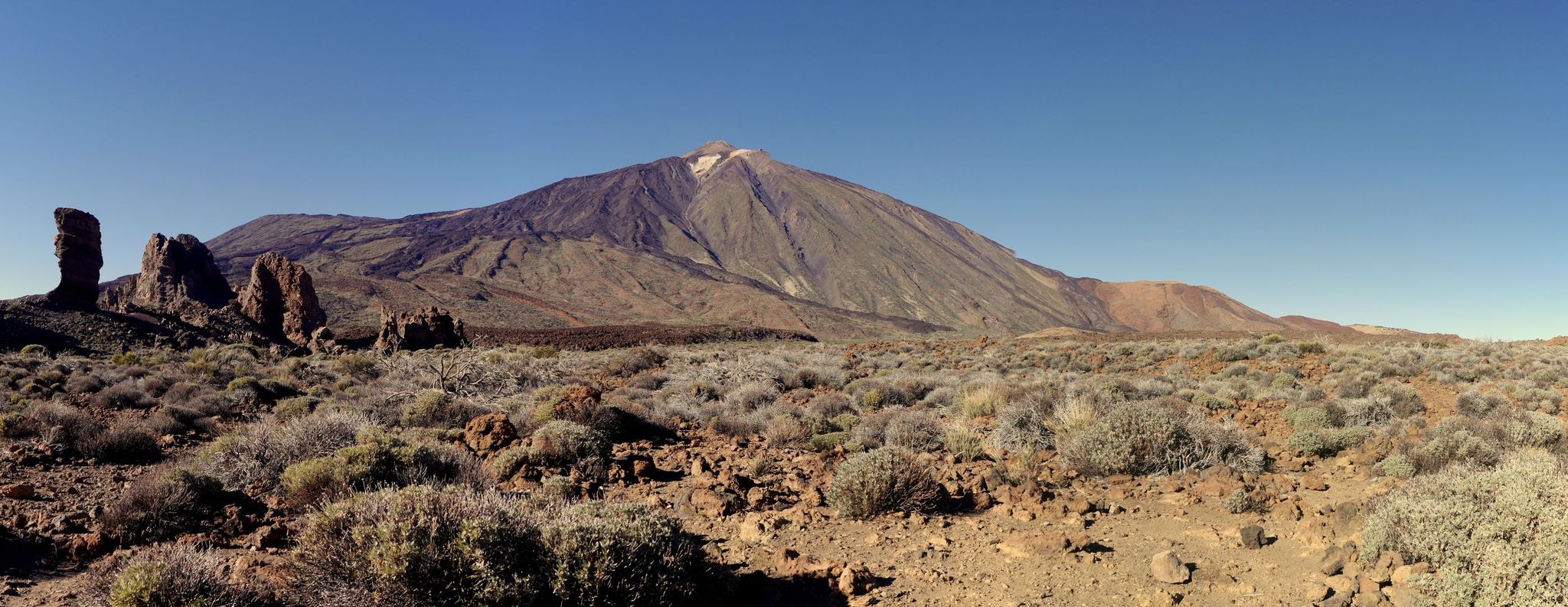
The giant of Tenerife — around Teide by road bike
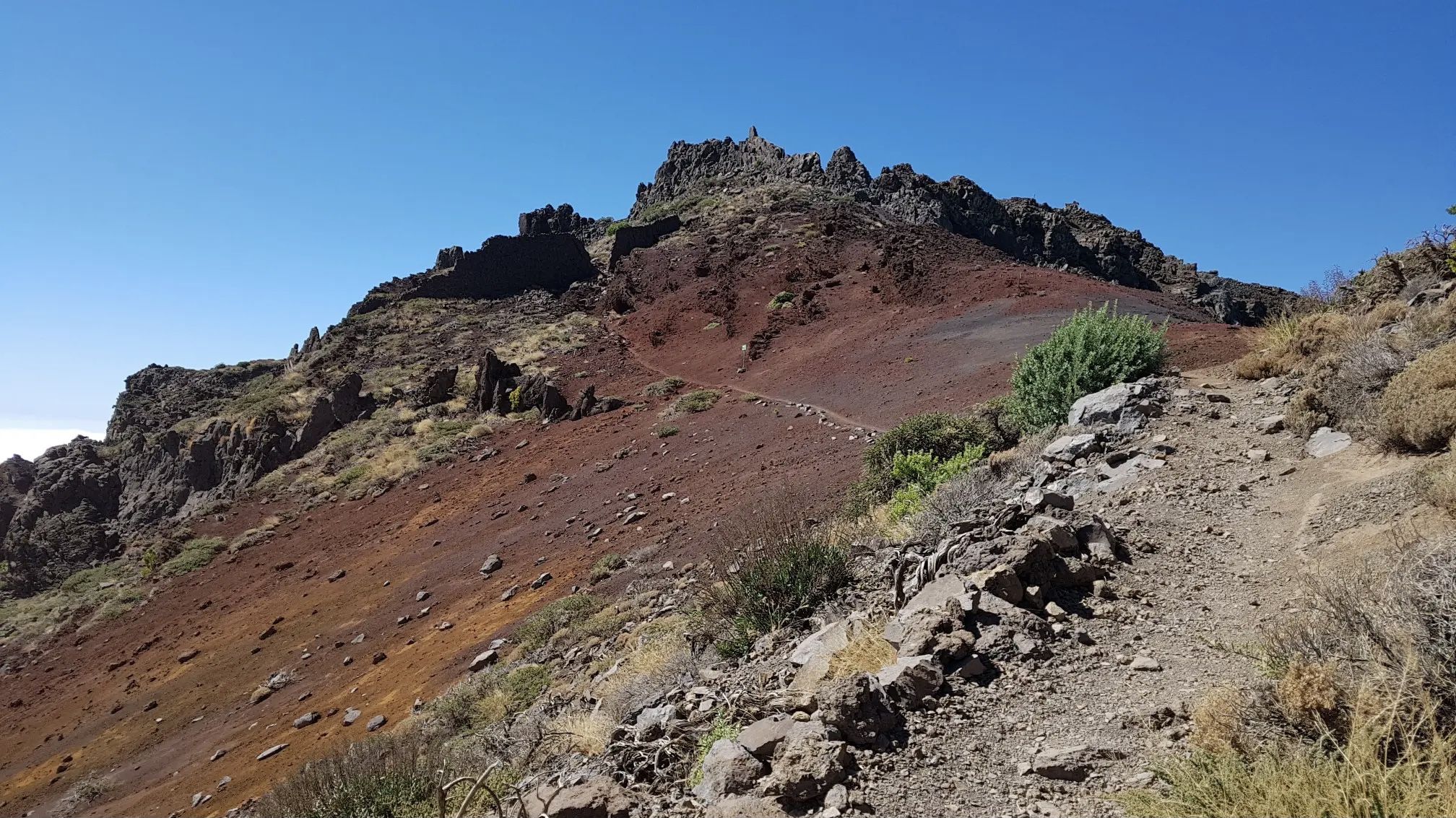
GR 131 El Bastón – La Palma in all its splendour
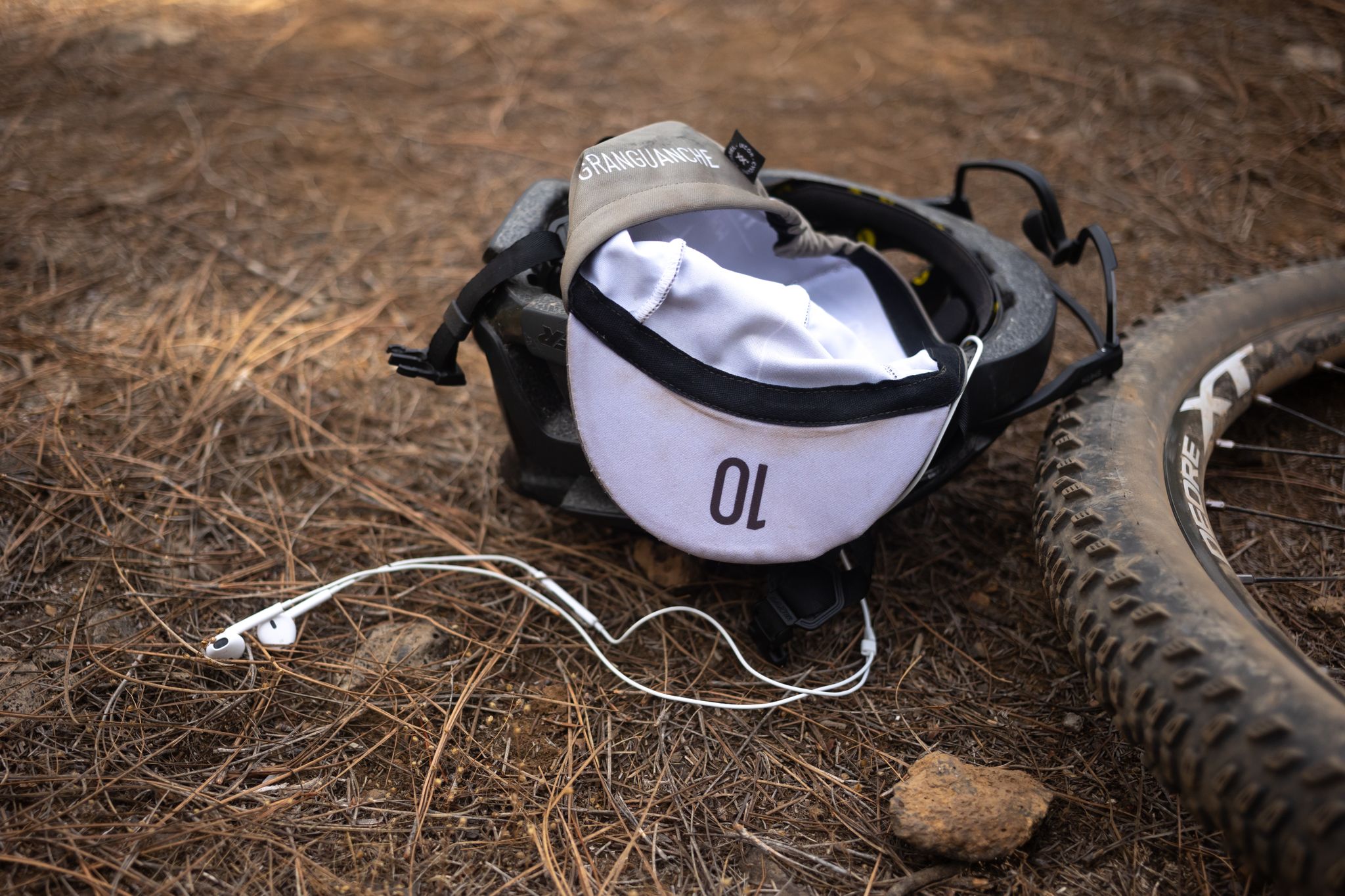
GranGuanche Audax Trail – my first ultra race on the Canary Islands
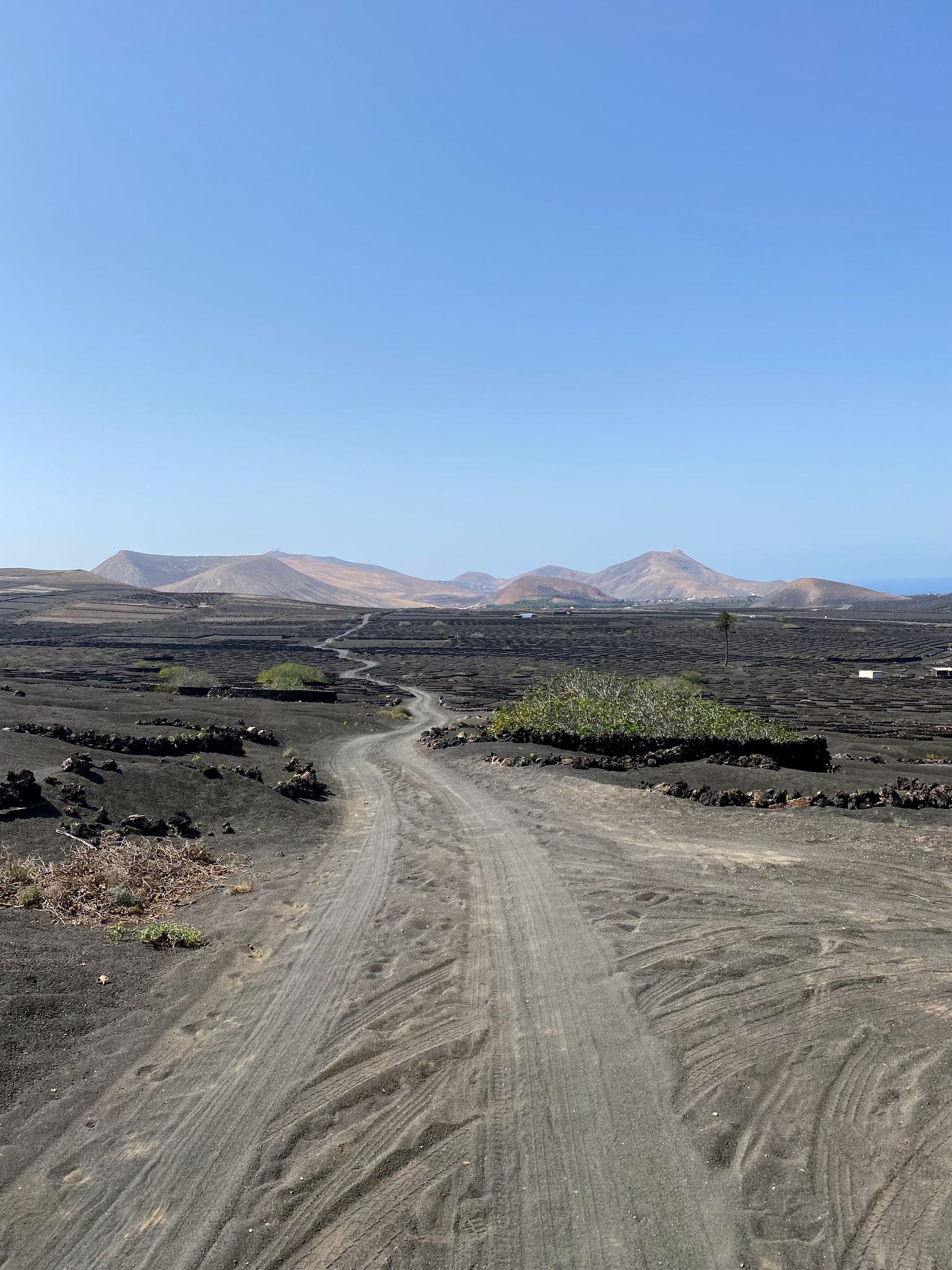
Bikepack in the Canary Islands – surprising adventures in the sun
GR 132 – Up and down on an island loop of La Gomera
Canary Islands at a slow pace – six hikes immersed in nature
Other adventures in the Canary Islands


Tips from the Community

A tip? Unfortunately, it is overcrowded on weekends and holidays due to the nearby car park. If you only drive to the car park and then walk to the summit in 10 minutes and then don't take a circular hike up here into the forests of the north and the maquis of the south, you haven't gotten to know the island...
4
0

It is very worthwhile to climb up to Roque Nublo not only to see the rock formation itself, but also to enjoy the spectacular views it offers from above. The sunsets are incredible.
3
1

This special rock wall towers above the green valley. Unique view from this point.
1
0

You can see this impressive rock while descending to San Sebastián la Gomera, there is a viewpoint worth the stop to feel the immensity of the valley
1
0

Every vacationer on La Gomera must have seen the Roque de Agando!
1
2

On a day with visibility you will see the nearby islands. Don't miss the sunset, the colors are different here. The temperature changes constantly, don't forget your windbreak
7
0

Teide is a volcano on the Spanish island of Tenerife. The highest point in Spain, it rises to 3,715 meters above sea level. This dormant volcano offers absolutely unique panoramas over the whole island. Access to its summit remains subject to a daily quota of authorizations that must be reserved sufficiently in childhood. You can find more information on the park's website: https://www.reservasparquesnacionales.es/real/parquesnac/usu/html/listado-actividades-oapn.aspx?ii=1ES&cen=2
0
1

Thanks to the Roque de los Muchachos, the island of La Palma is the second highest island in the archipelago after Tenerife. The top of El Roque reaches 2,428 meters in height and is one of the most emblematic natural monuments on the entire island. The name comes from its shape, since there are 3 small rocks together that seem to be 3 people together.
1
0
Frequently Asked Questions
Which mountain peaks offer the most iconic views in the Canary Islands?
For truly iconic views, Roque Nublo on Gran Canaria is a must-see, offering panoramic vistas and cultural significance. On Tenerife, the area around Roque Cinchado provides spectacular views of the Teide volcano and its unique rock formations.
What is the highest point in the Canary Islands and what makes it special?
The highest peak in the Canary Islands, and indeed all of Spain, is Teide (Pico del Teide) on Tenerife, standing at 3,715 meters. It's a stratovolcano within Teide National Park, a UNESCO World Heritage site, known for its otherworldly rock formations and panoramic views. Hiking to the summit requires a free permit.
Are there any mountain peaks suitable for stargazing in the Canary Islands?
Yes, Roque de los Muchachos on La Palma, at 2,426 meters, is an excellent spot for stargazing. It's home to one of the largest groups of astronomical observatories in the world due to its high altitude and exceptionally clear skies.
Which mountain peaks are easily accessible by car for panoramic views?
On Gran Canaria, Pico de las Nieves summit is easily accessible by car, offering exceptional viewpoints across the island. On clear days, you can even see Mount Teide in the distance.
What kind of unique natural features can I expect to see around the mountain peaks?
The Canary Islands' peaks showcase diverse natural features. You can find volcanic monoliths like Roque Nublo, ancient laurisilva forests around Alto de Garajonay on La Gomera, and dramatic volcanic craters such as Caldera Blanca on Lanzarote.
Are there family-friendly mountain walks in the Canary Islands?
Yes, several areas offer family-friendly options. The circular hike around the Roques de García near Teide National Park is considered easy and offers impressive views. The area around Pico de las Nieves summit also has accessible viewpoints.
What are some challenging mountain peaks for experienced hikers?
For experienced hikers, the ascent to the summit of Teide (Pico del Teide) on Tenerife is challenging and rewarding. On La Palma, exploring the rugged landscapes around Roque de los Muchachos within the Caldera de Taburiente National Park offers demanding trails.
Which mountain peaks have historical or cultural significance?
Roque Nublo on Gran Canaria was a sacred mountain for the ancient Guanches, who built a place of worship at its foot. On La Gomera, Alto de Garajonay is located within a UNESCO World Heritage site known for its ancient laurisilva forests, a relic from the Tertiary period.
What outdoor activities can I do near the mountain peaks in the Canary Islands?
The Canary Islands offer a wide range of outdoor activities. You can find excellent road cycling routes, including challenging climbs to Pico de las Nieves on Gran Canaria. For hiking, explore the diverse trails in Teide National Park or the lush forests around Garajonay National Park. Discover more options in our guides for Road Cycling Routes and Mountain Hikes in the Canary Islands.
Which island is home to Pico de la Zarza, and what is its significance?
Pico de la Zarza summit is the highest point on Fuerteventura, standing at 807 meters. It's the remnant of a stratovolcano that emerged from the sea millions of years ago, offering scenic views of the island's unique geological history.
What is the highest peak on La Gomera and what kind of environment does it offer?
The highest peak on La Gomera is Alto de Garajonay, located within Garajonay National Park. This park is a UNESCO World Heritage Site, famous for its rare and ancient laurisilva forests, providing a unique ecological experience with peaceful hikes through lush, misty woodlands.
Most popular routes in the Canary Islands
Most popular attractions in the Canary Islands

Get inspired with the komoot mobile app


Didn’t find what you were looking for?
Discover Canary Islands’s best peaks and summits by region:
Explore more
See even more amazing summits in the Canary Islands with these guides:
