The best walks and hikes around St Leonard's Forest
4.5
(1215)
7,399
hikers
27
hikes
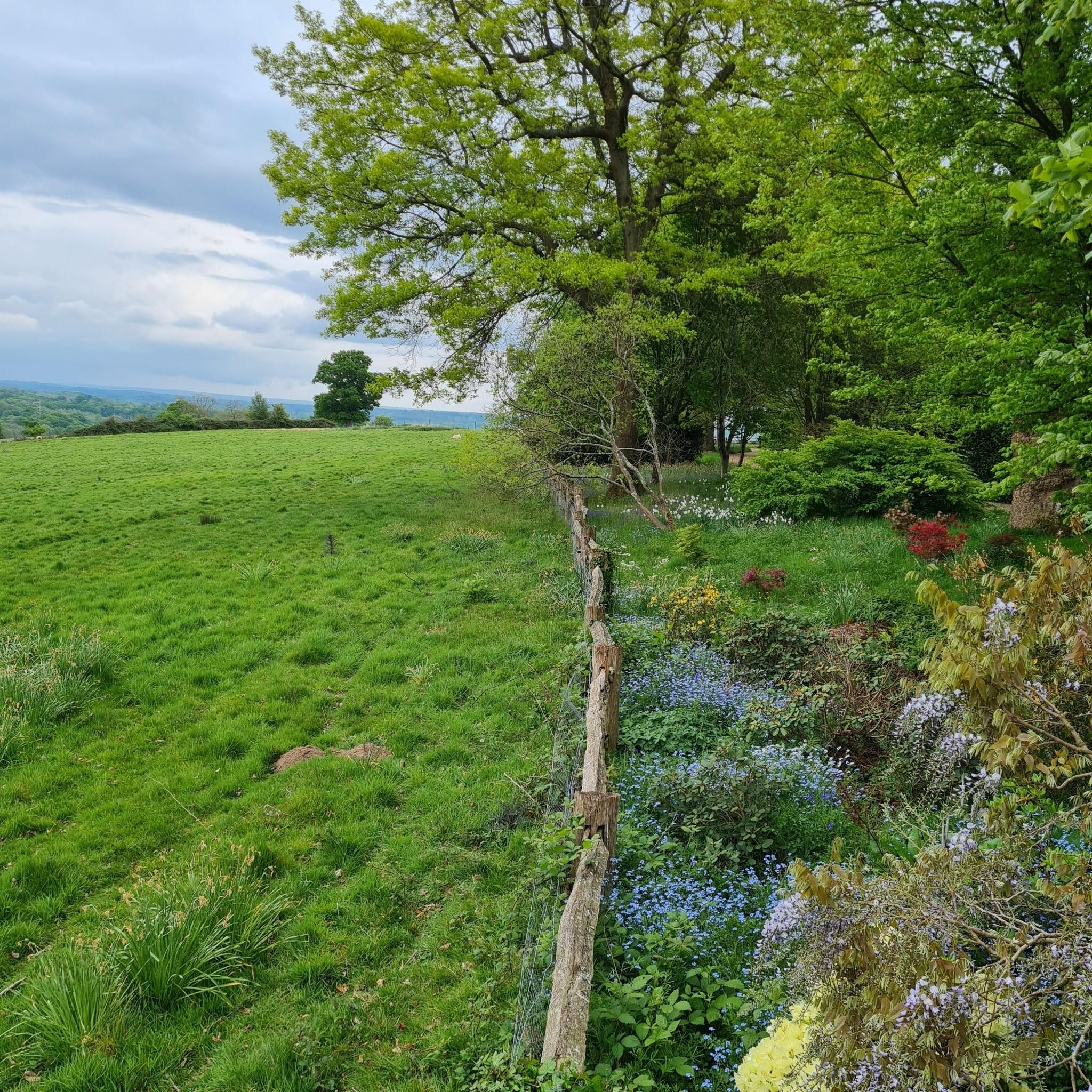
Hiking around St Leonard's Forest offers routes through an expansive woodland area located east of Horsham. The region is part of the High Weald Area of Outstanding Natural Beauty and is characterized by a mix of deciduous and coniferous woodland, open glades, and steep-sided ravines known as ghylls. Several ponds and streams, such as Whitevane Pond and Sheepwash Gill, are features of the landscape.
Best hiking trails around St Leonard's Forest
- The most popular hiking route is St Leonard's Forest…
Last updated: July 1, 2026
4.5
(6)
75
hikers
Easy hike. Great for any fitness level. Easily-accessible paths. Suitable for all skill levels.
4.4
(5)
54
hikers
6.97km
01:55
110m
110m
Easy hike. Great for any fitness level. Easily-accessible paths. Suitable for all skill levels.

Sign up for free
4.8
(5)
25
hikers
5.26km
01:27
80m
80m
Easy hike. Great for any fitness level. Easily-accessible paths. Suitable for all skill levels.
4.8
(5)
17
hikers
9.75km
02:36
110m
110m
Moderate hike. Good fitness required. Easily-accessible paths. Suitable for all skill levels.
4.0
(2)
27
hikers
Easy hike. Great for any fitness level. Easily-accessible paths. Suitable for all skill levels.
Get access to more routes and recommendations from other explorers.
Sign up for free
Already have an account?
Our route recommendations are based on thousands of hikes, rides, and runs completed by other people on komoot.
Start today with a free account
Your next adventure awaits.
Login or Signup
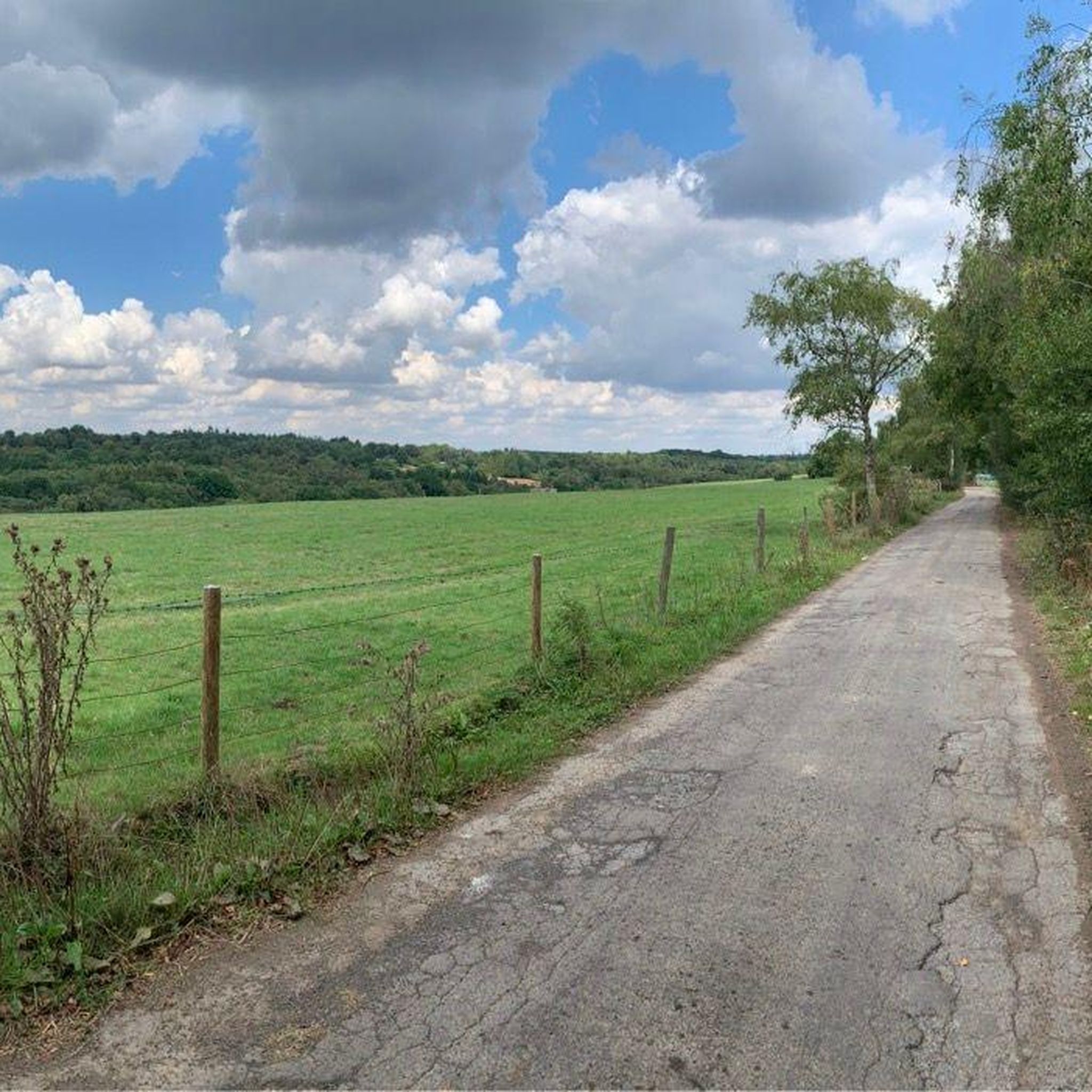
Tips from the Community

St. Leonard is famous for fighting and killing a dragon in the forest. This bench with a beautifully carved dragon serves as a reminder of the story.
0
0
This small wildlife hospital is dedicated to giving a second chance and caring for all those animals that are sick, injured, and orphaned. You can find more information about their work on their website: https://rangerslodgewildlifehospital.wordpress.com/
0
0


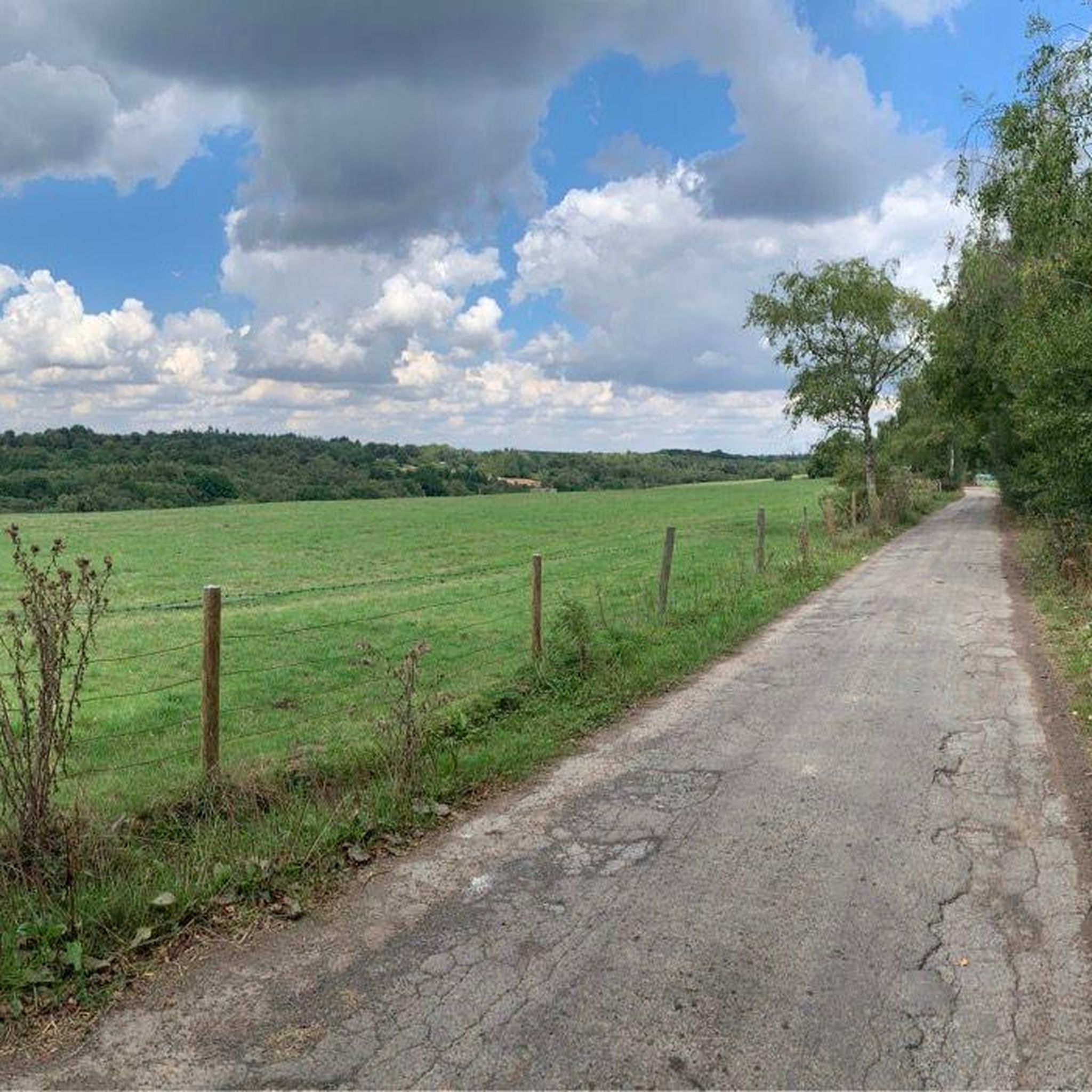
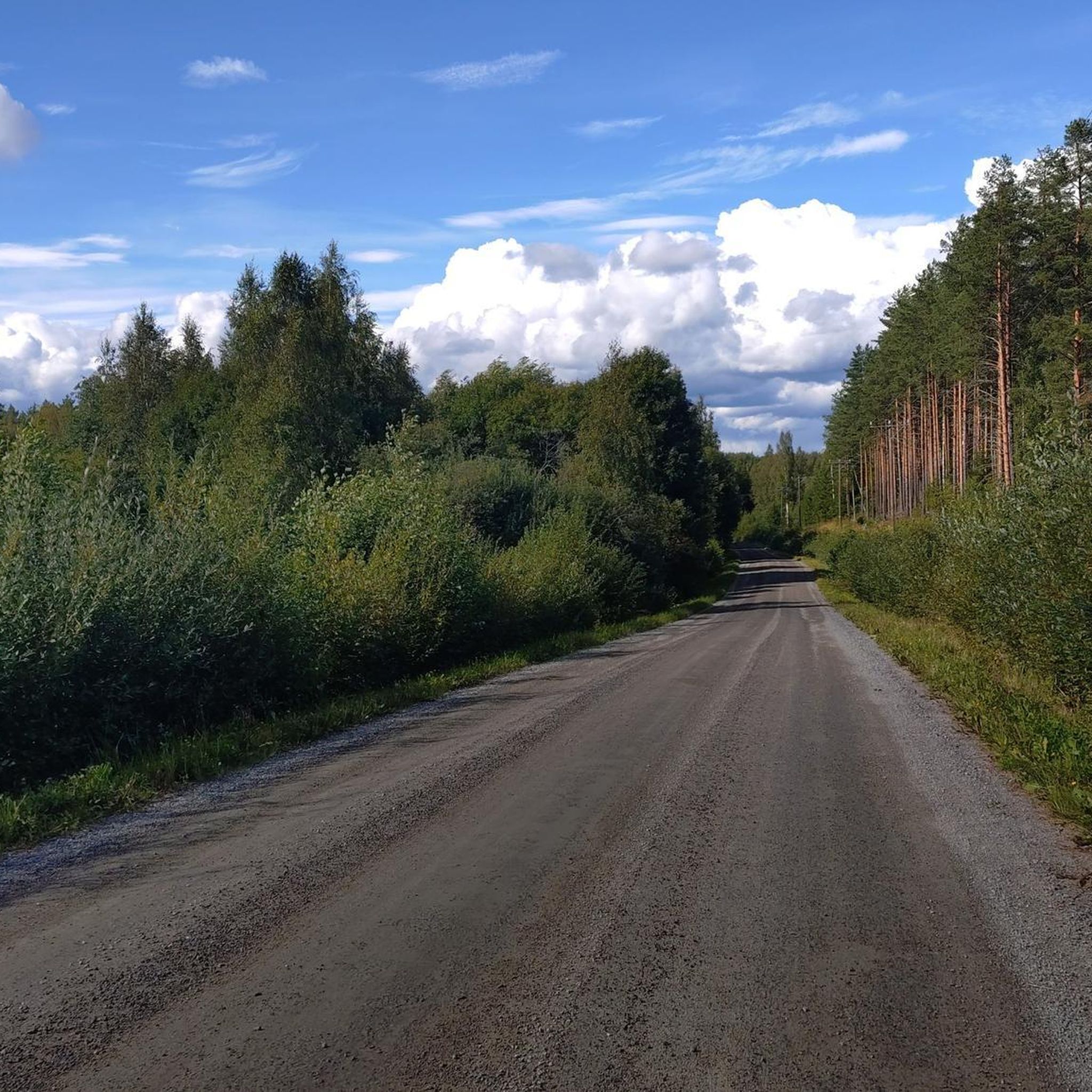
Hard pack gravel - can get some decent speed. Best taken in daylight
0
0

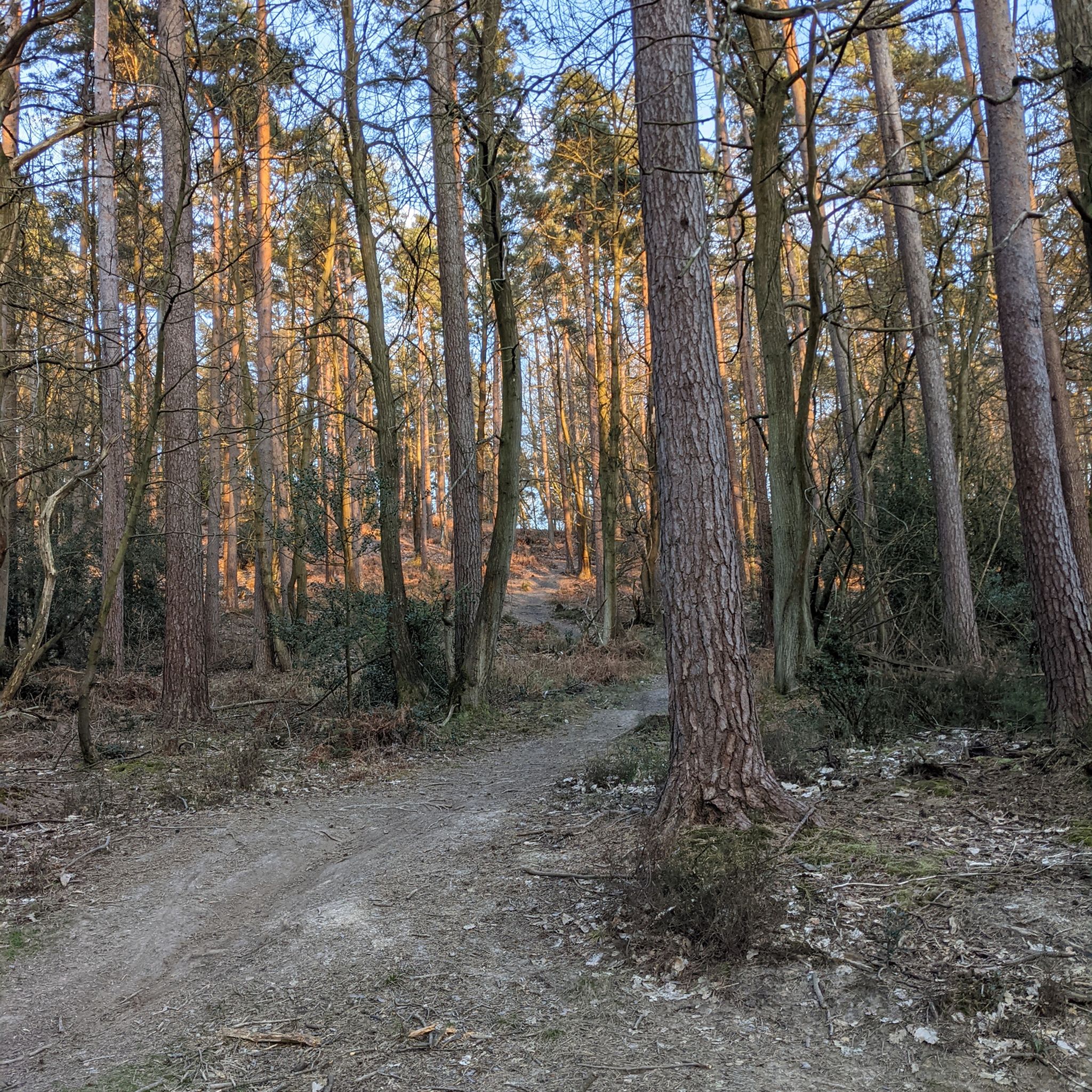
St Leonard's Forest is an extensive woodland that affords cultural history, wildlife spotting opportunities and peaceful walking. The 12 square mile (31 km2) Forestry Commission woodland is part of the High Weald Area of Outstanding Natural Beauty. According to legend, a French hermit lived in the woodland in the 6th century and slayed a dragon amid the ancient trees. It is after him, St Leonard, that the forest is named.
1
0

Frequently Asked Questions
Are dogs allowed in St. Leonard's Forest?
Yes, St. Leonard's Forest is very dog-friendly. The area offers numerous bridleways and footpaths where dogs can explore. Many trails feature streams, which are great for dogs to cool off in, especially during warmer months. The popular RoostHole area is particularly well-regarded by dog walkers.
Where can I park to go hiking in St. Leonard's Forest?
The main car park for accessing the central part of the forest is the Roosthole Car Park on Hammerpond Road. It's a popular starting point for many trails, including the Roosthole Car Park – Roosthole Forest Path loop. Be aware that it can get busy, especially on weekends.
Are there any easy, family-friendly walks?
Absolutely. The forest has many gentle paths suitable for families. The nearby Saint Leonard's Park is a great option, featuring well-maintained decked paths that are easy for all ages. For a pleasant walk through the woods, consider the Blindman's Wood loop from Colgate, which is an easy and relatively short circular route.
What is the terrain like in St. Leonard's Forest?
The landscape is quite varied. You'll find a mix of wide, flat bridleways and narrower, more rugged footpaths. The forest is known for its 'ghylls', which are steep-sided ravines carved by streams, so some trails will have short, sharp climbs and descents. Most routes, however, are considered easy to moderate.
Can I get to St. Leonard's Forest using public transport?
Accessing the forest directly by public transport can be challenging as there are no bus stops or train stations at the main trailheads. The nearest major town is Horsham, which has a train station. From there, you would likely need to take a taxi to one of the car parks, such as Roosthole.
Are there any long-distance trails that pass through the forest?
Yes, two major long-distance paths cross through sections of St. Leonard's Forest. Both the High Weald Landscape Trail and the Sussex Ouse Valley Way traverse parts of the woodland, offering opportunities to incorporate the forest into a much longer trek.
What is the best time of year to visit?
St. Leonard's Forest is beautiful year-round, but it is particularly stunning in spring. During this time, the forest floor is famously carpeted with bluebells, and you might also spot the rare lily of the valley, which is tied to the forest's local legends.
Are there any pubs or cafes near the walking trails?
The forest itself is a natural woodland area without facilities. However, the surrounding villages like Colgate, Mannings Heath, and Lower Beeding have several traditional pubs that are a short drive from the main trailheads, making them a perfect stop for a post-hike meal or drink.
What makes St. Leonard's Forest historically significant?
The forest is steeped in history and folklore. It is named after a 6th-century hermit, St. Leonard, who legend says slayed a dragon here. It was also a key site in England's iron industry, and you can still see remnants of this past in the form of 'hammer ponds' scattered throughout the woods.
Are there any waterfalls in the forest?
While there are no large waterfalls, the forest's ghylls (ravines) feature small, charming cascades. The most notable is Sheepwash Ghyll, where water tumbles over a sandstone bed, creating a picturesque and tranquil spot, especially after rainfall.
How many hiking trails are in St. Leonard's Forest?
There are over 25 designated hiking routes to explore around St. Leonard's Forest. The majority of these are easy walks suitable for a wide range of fitness levels, with a smaller number of more moderate trails that involve steeper sections.
What do other hikers say about the trails?
The area is highly rated by the komoot community. Hikers often praise the beautiful mix of deciduous and coniferous woodland, the well-defined paths, and the peaceful atmosphere. The stunning bluebell displays in spring are a frequently mentioned highlight in reviews.
Most popular routes around St Leonard's Forest

Get inspired with the komoot mobile app


Explore more
Browse the best Hikes in other regions.
