Top 6 Lakes around Cahokia
Best lakes around Cahokia are found in the broader St. Louis metropolitan area, offering diverse natural and recreational experiences. The region is characterized by its proximity to the Mississippi River, which has shaped its landscape, including ancient oxbow lakes. These areas provide opportunities for outdoor activities such as hiking, fishing, and boating. The natural environment supports various wildlife, particularly birds, making it a notable destination for nature observation.
Best lakes around Cahokia
- The most popular lakes is Forest Park,…
Last updated: June 25, 2026
Forest Park
Highlight • Forest
Tip by

Post-Dispatch Lake, Forest Park
Highlight • Lake
Tip by

Sign up now to discover places like this
Get recommendations on the best single tracks, peaks, & plenty of other exciting outdoor places.
Sign up for free
Jefferson Lake
Highlight • Lake
Tip by
Boathouse Lake Pavilion
Highlight • Lake
Tip by

Horseshoe Lake in Carondelet Park
Highlight • Lake
Tip by

Sign up for free to discover even more lakes around Cahokia.
Sign up for free
Already have an account?
Start today with a free account
Your next adventure awaits.
Login or Signup


Tips from the Community

Forest Park is a huge recreational park in the heart of St. Louis. The park is perfect for relaxing, biking, golfing, and exploring the various cultural offerings at the Museum of History, St. Louis Zoo, Art Museum, or Planetarium. It's also easily accessible by metro.
0
0

The bike lanes here are wonderful. The connectors could be improved though!
0
0

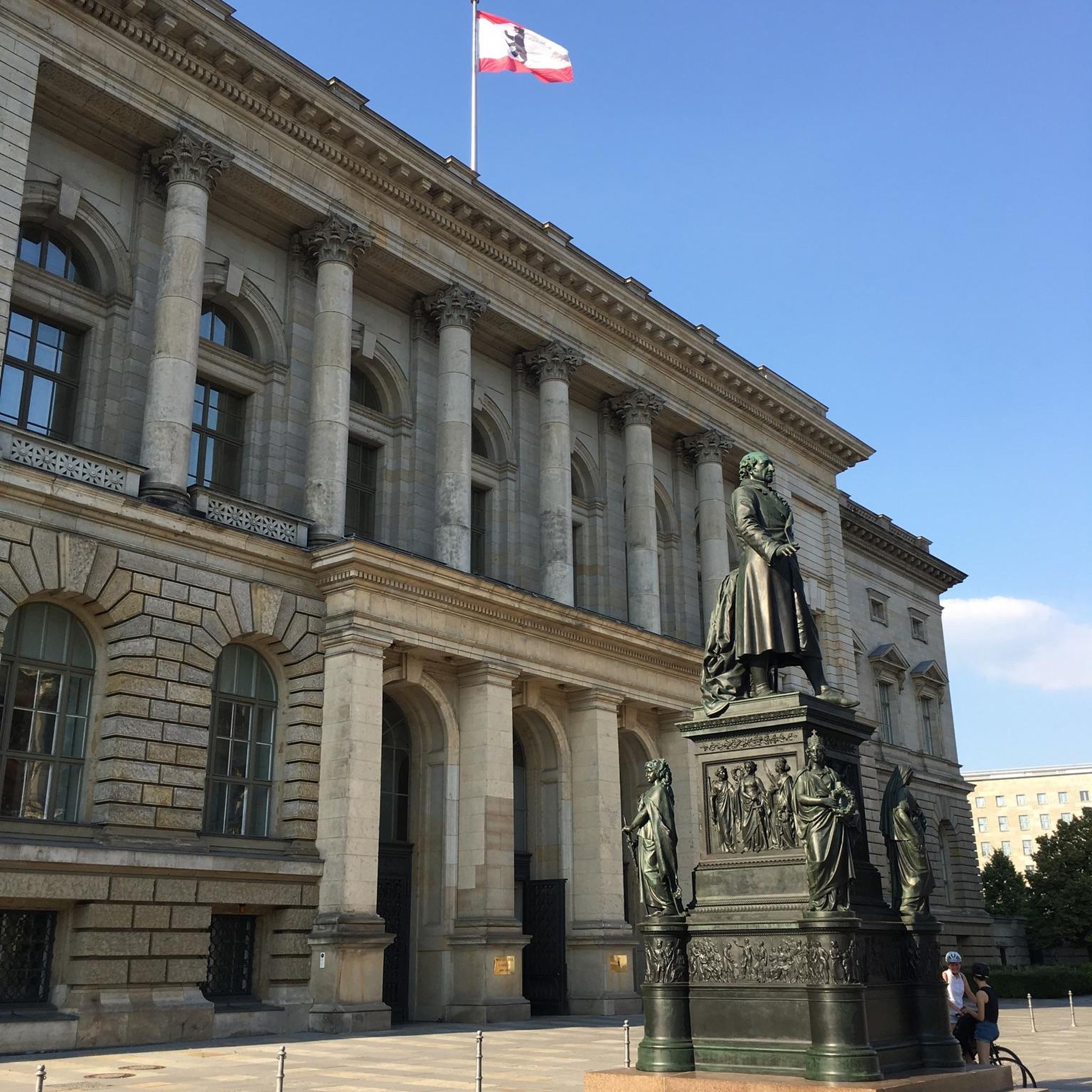
This lake, in addition to its picturesque surroundings and beautiful fountain, stands out for its lovely building, which has somehow become an icon of the park.
1
0
Horseshoe Lake is one of the two lakes within Carondelet Park, St. Louis' third-largest park. In addition to relaxing by the shore of this lake known to fishing enthusiasts, you can explore a well-established network of trails that encircle the park and visit its other lake.
1
0

Forest Park in St. Louis is a sprawling urban park spanning 1,371 acres, making it one of the largest urban parks in the United States. It offers a wide range of attractions, including the Saint Louis Art Museum, the Saint Louis Zoo, and the Missouri History Museum.
1
0

Forest Park, with 1,326 acres, is considered one of the premier urban public parks in the US. It features beautiful landscapes sprinkled with forests, ecosystems, nature reserves, and lakes and streams. It als contains cultural institutions including the St Louis Zoo, Art Museum, Missouri History Museum, Science Center, and Muny Opera.
0
0

Jefferson Lake is situated in the very east of the huge Forest Park in St. Louis. There are multiple picnic areas around the lake to enjoy a great natural setting in the city. The lake is a famous spot for fishing and the paths leading around the lake (and the rest of the park), are perfect for jogging.
0
0

One of two small lakes in Carondelet Park, this one is named after the lovely boathouse on its banks. You can actually walk all the way around the lake, too.
1
0
Frequently Asked Questions
What types of lakes can I find around Cahokia?
The region around Cahokia features a diverse range of lakes, including ancient oxbow lakes formed by the Mississippi River, glacial lakes, and larger man-made reservoirs. This variety offers different natural settings and recreational opportunities.
Are there any lakes with historical significance near Cahokia?
Yes, Horseshoe Lake near Granite City is an ancient oxbow lake with significant historical ties to the Cahokia Mounds. The area has been inhabited by various Native American groups for millennia, with the lake serving as a crucial food source for the Cahokia Mounds civilization. An earthen platform mound built by this civilization is still present within the park boundaries.
What activities are available at Horseshoe Lake State Park?
Horseshoe Lake State Park offers a wide range of activities. You can enjoy fishing and boating (with a 50-horsepower limit), picnicking, and camping at one of its 26 sites from May to September. The park also features four miles of hiking trails and is excellent for wildlife viewing, especially birdwatching during fall migration.
Can I go fishing at the lakes around Cahokia?
Yes, many lakes in the area are popular for fishing. Lily Lake is known for Largemouth bass. Horseshoe Lake is home to channel catfish, bass, crappie, bluegill, carp, and buffalo. Further afield, Carlyle Lake, Rend Lake, and Lake of Egypt are also prime fishing destinations. Within St. Louis, Jefferson Lake in Forest Park is stocked with bass, catfish, crappie, and carp, requiring a valid MO fishing license.
Are there family-friendly lakes near Cahokia?
Yes, several lakes offer family-friendly environments. Horseshoe Lake State Park provides picnic areas, playgrounds, and camping. Within St. Louis, Forest Park, including Post-Dispatch Lake and Jefferson Lake, is highly family-friendly with pedal boats, canoes, and various cultural attractions. Boathouse Lake Pavilion and Horseshoe Lake in Carondelet Park also offer pleasant settings for families.
What are the best lakes for boating near Cahokia?
For boating, Horseshoe Lake State Park allows boat fishing with a 50-horsepower limit and has two public boat ramps. Lily Lake also permits small engine boating. For larger vessels and extensive water sports, Carlyle Lake, the largest man-made lake in Illinois, is a premier destination, particularly for sailing. Rend Lake and Lake of Egypt also offer excellent boating opportunities.
Where can I find hiking trails near these lakes?
Horseshoe Lake State Park features four miles of hiking trails. For more options, you can explore various hiking routes around the region. For easy hikes, check out the Easy hikes around Cahokia guide, or for more general hiking, the Hiking around Cahokia guide. Within St. Louis, Forest Park offers extensive paths for jogging and walking around its lakes.
Are there opportunities for birdwatching or wildlife viewing?
Yes, the wetland environment of Horseshoe Lake State Park supports abundant wildlife, making it an excellent spot for birdwatching. Snowy egrets and blue herons are particularly plentiful in July and August. The broader region, shaped by the Mississippi River, is a notable destination for nature observation.
Can I camp near the lakes in the Cahokia area?
Yes, Horseshoe Lake State Park offers 26 tent or trailer campsites, which are open seasonally from May 1 to September 30. Further away, Carlyle Lake and Rend Lake also provide extensive camping areas.
What is the best time to visit the lakes around Cahokia?
The best time to visit depends on your preferred activities. For birdwatching, July and August are ideal at Horseshoe Lake State Park for seeing egrets and herons, and fall migration offers many waterfowl. Camping is available from May to September. Summer is popular for boating and water sports, while spring and fall offer pleasant temperatures for hiking and exploring.
Are there any lakes suitable for swimming near Cahokia?
Lily Lake within Cahokia offers opportunities for swimming. Further south, Lake of Egypt is known for its tranquility and is ideal for swimming and other water sports like jet skiing and waterskiing. Carlyle Lake also features sand beaches for swimming.
What are some unique features of Lily Lake in Cahokia?
Lily Lake is an 89.3-acre glacial lake within Cahokia, primarily known for fishing, especially Largemouth bass. It also allows swimming and small engine boating. The Illinois Department of Natural Resources recognizes it as an Advanced Identification (ADID) wetland, highlighting its exceptional biological and stormwater management value.
Are there any large recreational lakes within a reasonable driving distance from Cahokia?
Yes, several large recreational lakes are within a reasonable driving distance. Carlyle Lake is Illinois' largest man-made lake, offering 26,000 acres of water. Rend Lake provides over 40,000 acres of water and land, and Lake of Egypt is a 2,300-acre reservoir with 93 miles of shoreline, all offering extensive outdoor activities.
Most popular routes around Cahokia
Most popular attractions around Cahokia

Get inspired with the komoot mobile app


Explore more
Still not found your perfect lake around Cahokia? Check out the guides of these regions to see even more beautiful places.
