The best running trails around Coniston Water
4.5
(137)
11,447
runners
13
runs
Jogging routes around Coniston Water are set within the Lake District National Park, offering diverse terrain for runners. The region features Coniston Water itself, a 5-mile long ribbon lake surrounded by volcanic and limestone formations. Landscapes range from gentle lakeside paths and extensive woodlands in Grizedale Forest to challenging mountain trails, including the prominent Old Man of Coniston. This variety provides options for different fitness levels.
Best jogging routes around Coniston Water
- The most popular jogging route is The Old Man, Weatherlam & the Coppermines loop from Coniston — Lake District National Park, a 10.3 miles (16.6 km) trail that takes 2 hours 18 minutes to complete. This route offers significant elevation gain and panoramic views from the fells.
- Another top favourite among local runners is Coniston Copper Mines loop from Coniston, a difficult 9.5 miles (15.3 km) path. This trail navigates through historic mining landscapes with varied terrain.
- Local runners also love the Coniston Shore Bridleway – Coniston Water loop from Coniston, an 8.7 miles (14.0 km) trail leading through lakeside paths, often completed in about 1 hour 31 minutes.
- Jogging around Coniston Water is defined by serene lakeside paths, dense woodlands, and challenging mountain trails. The network offers options for both relaxed jogs and demanding fell runs.
- The routes in Coniston Water are highly rated by the komoot community with an average score of 4.5 stars from over 100 reviews. More than 11,000 runners have used komoot to explore Coniston Water's varied terrain.
Last updated: October 2, 2026
4.7
(3)
123
runners
This challenging 10.3-mile (16.6 km) jogging loop around The Old Man, Wetherlam, and the Coppermines from Coniston will test your fitness with a significant 3106 feet (947 metres) of elevation gain, typically taking around 2 hours and 17 minutes to complete. You'll navigate predominantly mountainous, rough, and often steep terrain, including a gruelling ascent to the Old Man of Coniston where the gradient intensifies after Miners Bridge. Expect to encounter historic remnants of slate quarrying and copper mining, with derelict buildings and rusting machinery scattered along the path. The route offers expansive views from the summits, stretching across the southern Lake District fells and even to the Irish Sea on clear days. Be prepared for sections near Levers Water that can be boggy, requiring careful footing.
This difficult route is best suited for experienced fell runners or hikers with very good fitness, rather than casual jogging, due to its demanding nature. Navigation can be tricky in low cloud conditions, even with clear paths and large cairns, so always check the weather forecast before you go. You will find some paved sections, but most of the trail is unpaved, with gravel also present. Appropriate footwear is essential for the varied and often uneven surfaces you will encounter.
This classic Lake District route offers a full traverse of prominent fells, blending natural beauty with the area's industrial heritage. You will pass high tarns like Low Water and Levers Water, providing scenic spots for a break. The distinct character of each peak, from the industry-scarred Old Man to the rugged crag of Wetherlam, adds to the trail's appeal. This horseshoe route around the Coppermines valley ensures continuous impressive views throughout your journey.
5.0
(1)
195
runners
15.3km
01:52
380m
380m
Hard run. Very good fitness required. Sure-footedness, sturdy shoes and alpine experience required.

14
runners
5.74km
00:37
70m
70m
Moderate run. Good fitness required. Mostly paved surfaces. Suitable for all skill levels.
5.0
(1)
11
runners
Hard run. Very good fitness required. Mostly accessible paths. Some sure footedness required.
33
runners
10.3km
01:11
230m
230m
Moderate run. Good fitness required. Mostly paved surfaces. Suitable for all skill levels.
Get access to more routes and recommendations from other explorers.
Already have an account?
Our route recommendations are based on thousands of hikes, rides, and runs completed by other people on komoot.
Start today with a free account
Your next adventure awaits.
Popular around Coniston Water
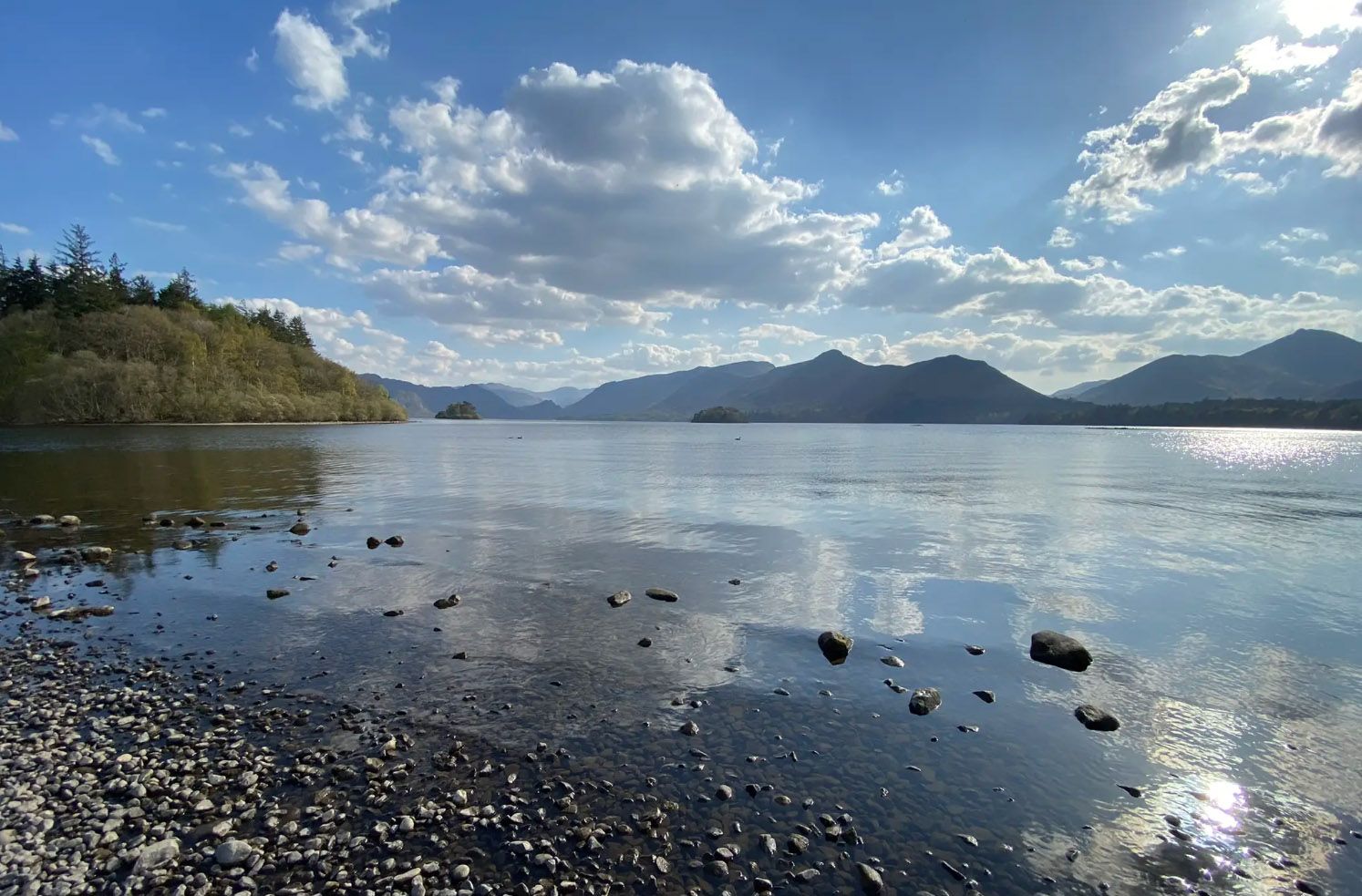
Cumbria Way — An epic hike through the beating heart of Lakeland
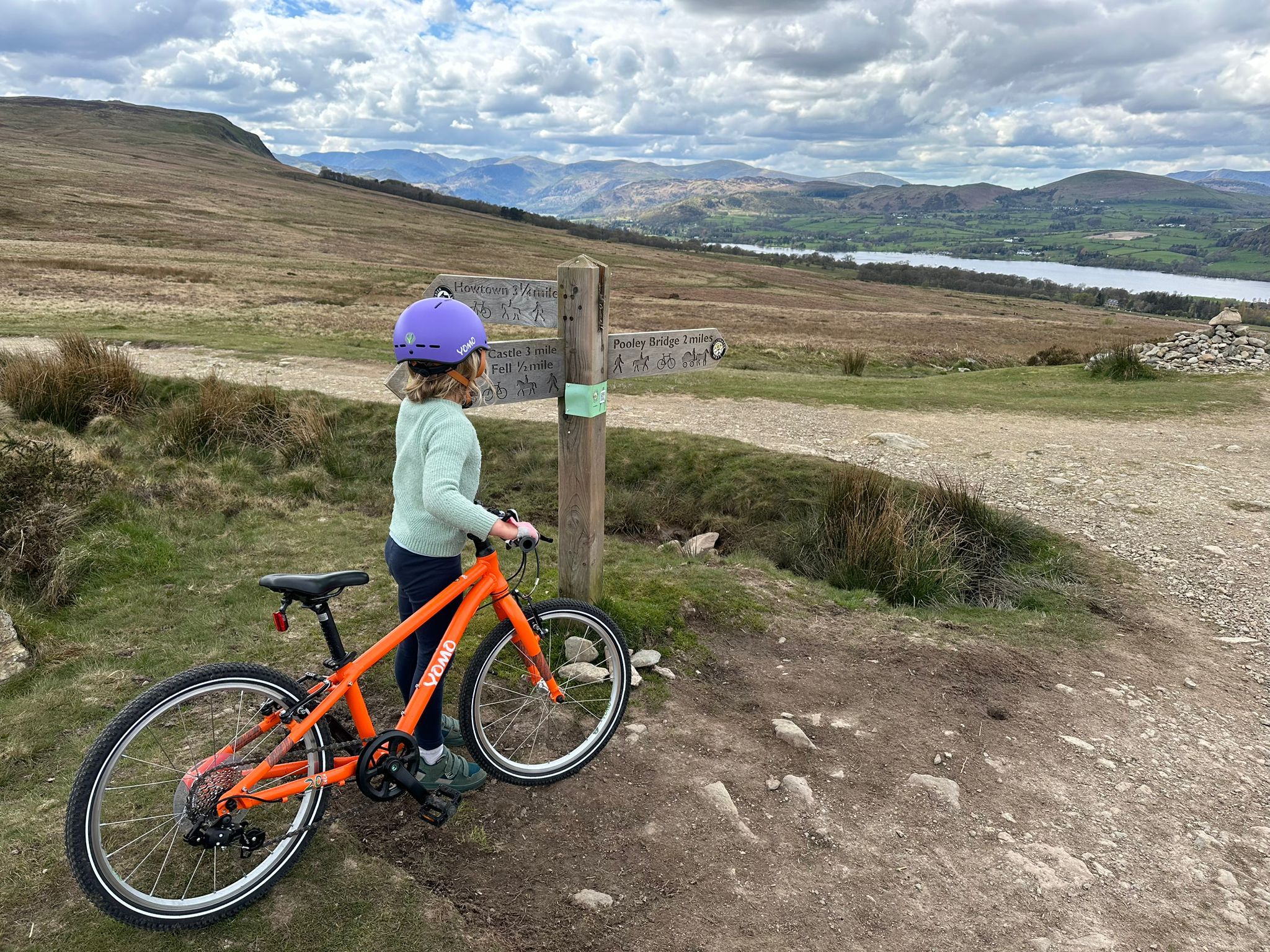
The best family-friendly bike rides in the Lake District
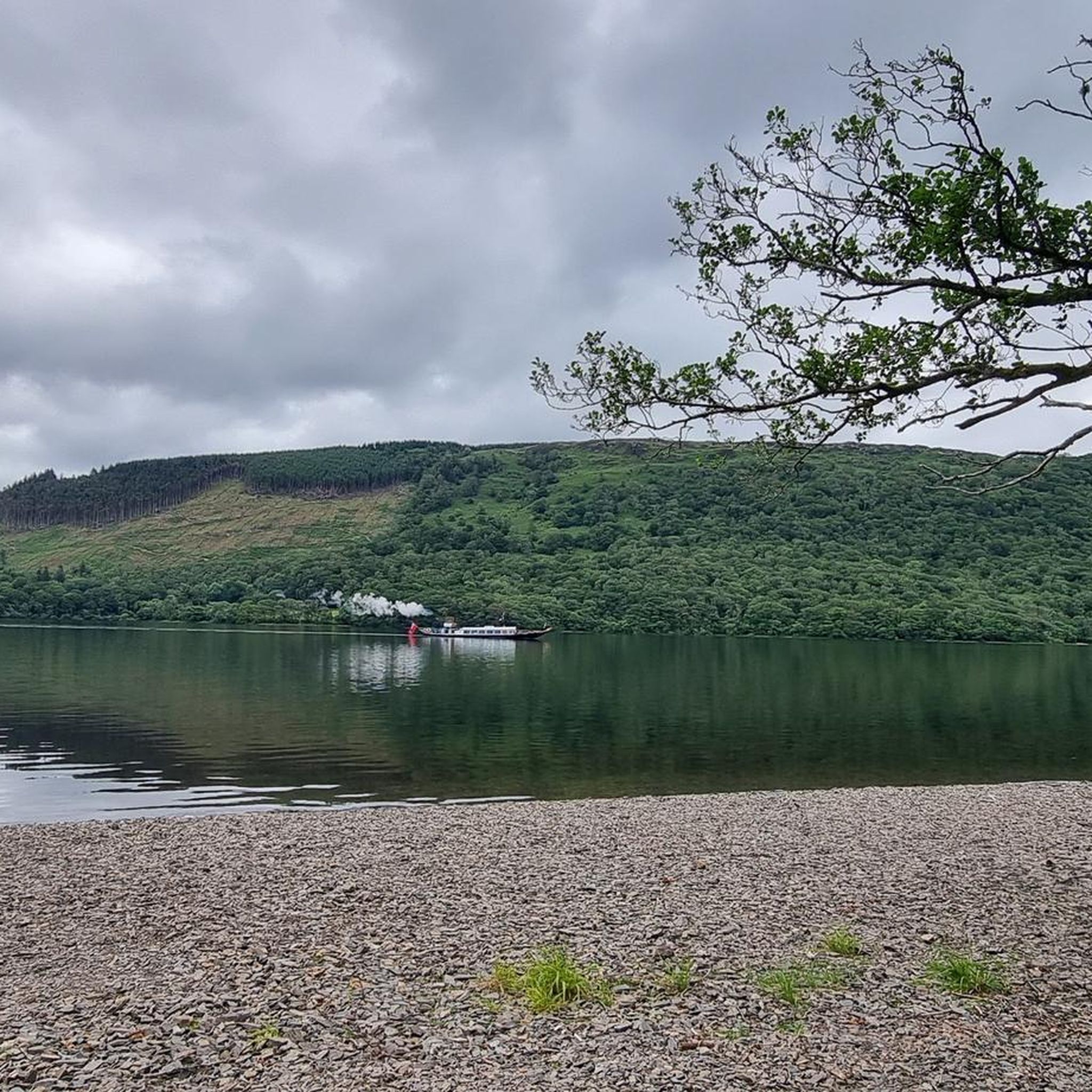
Cycling around Coniston Water
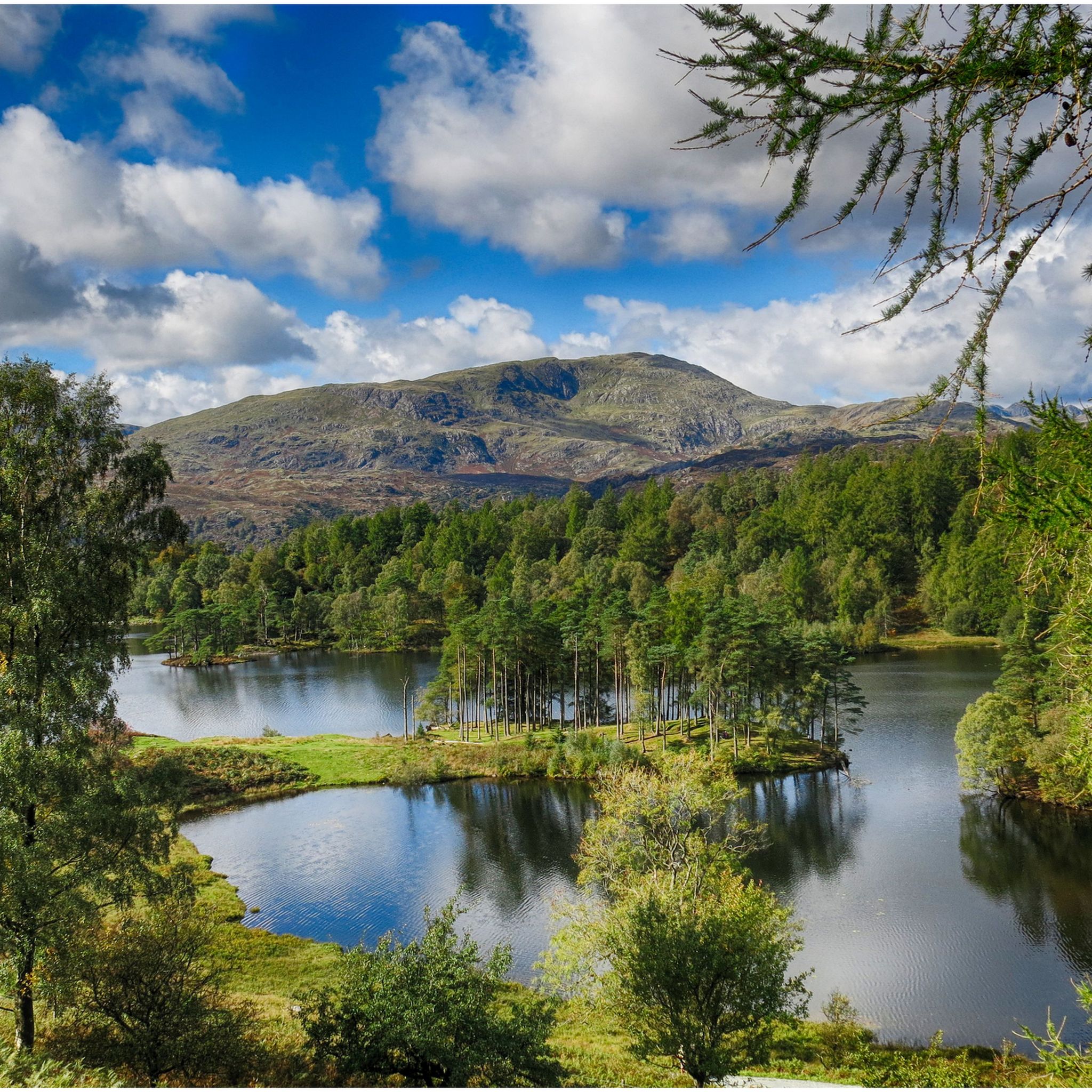
Hiking around Coniston Water
MTB Trails around Coniston Water
Road Cycling Routes around Coniston Water
Gravel biking around Coniston Water
Mountain Hikes around Coniston Water


Tips from the Community

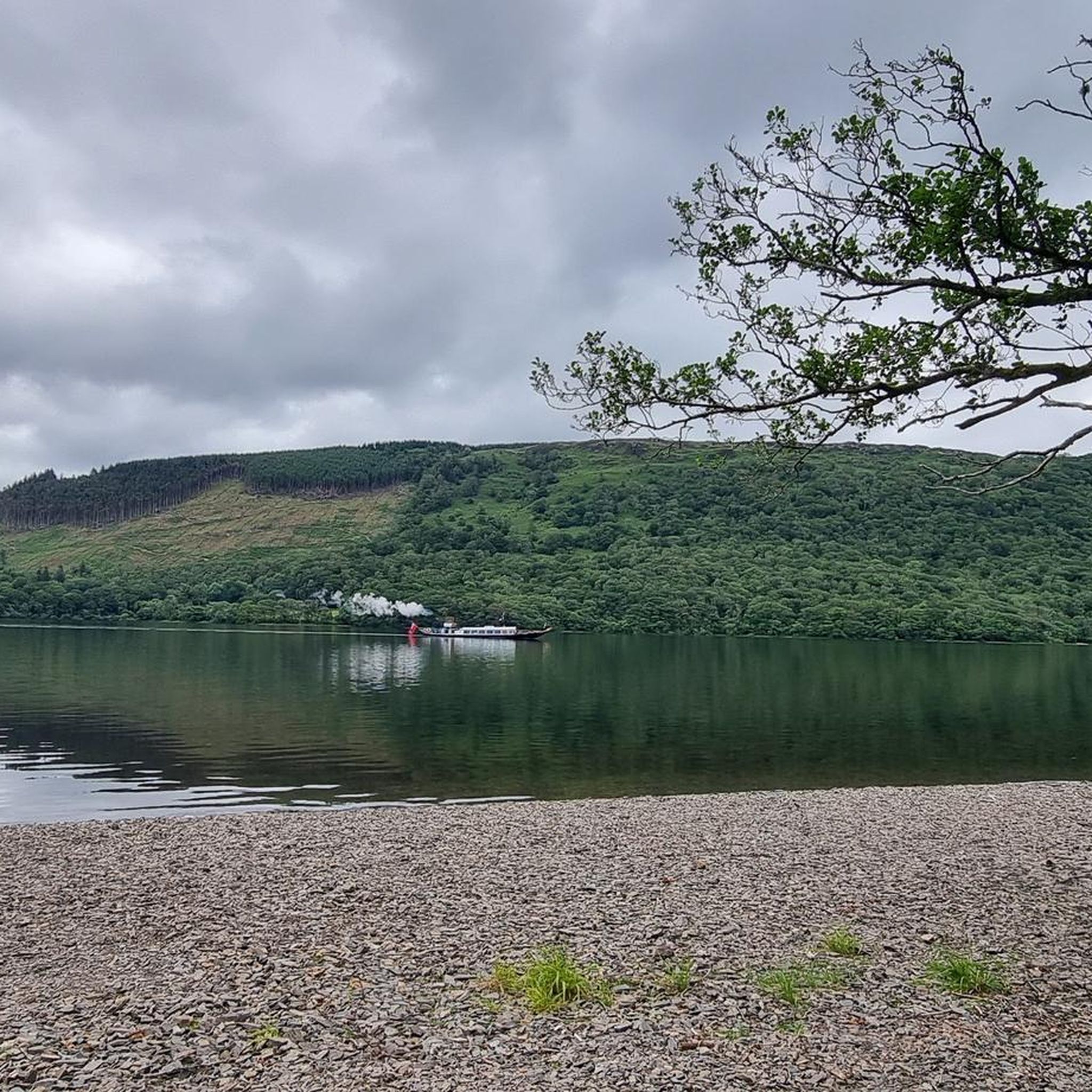
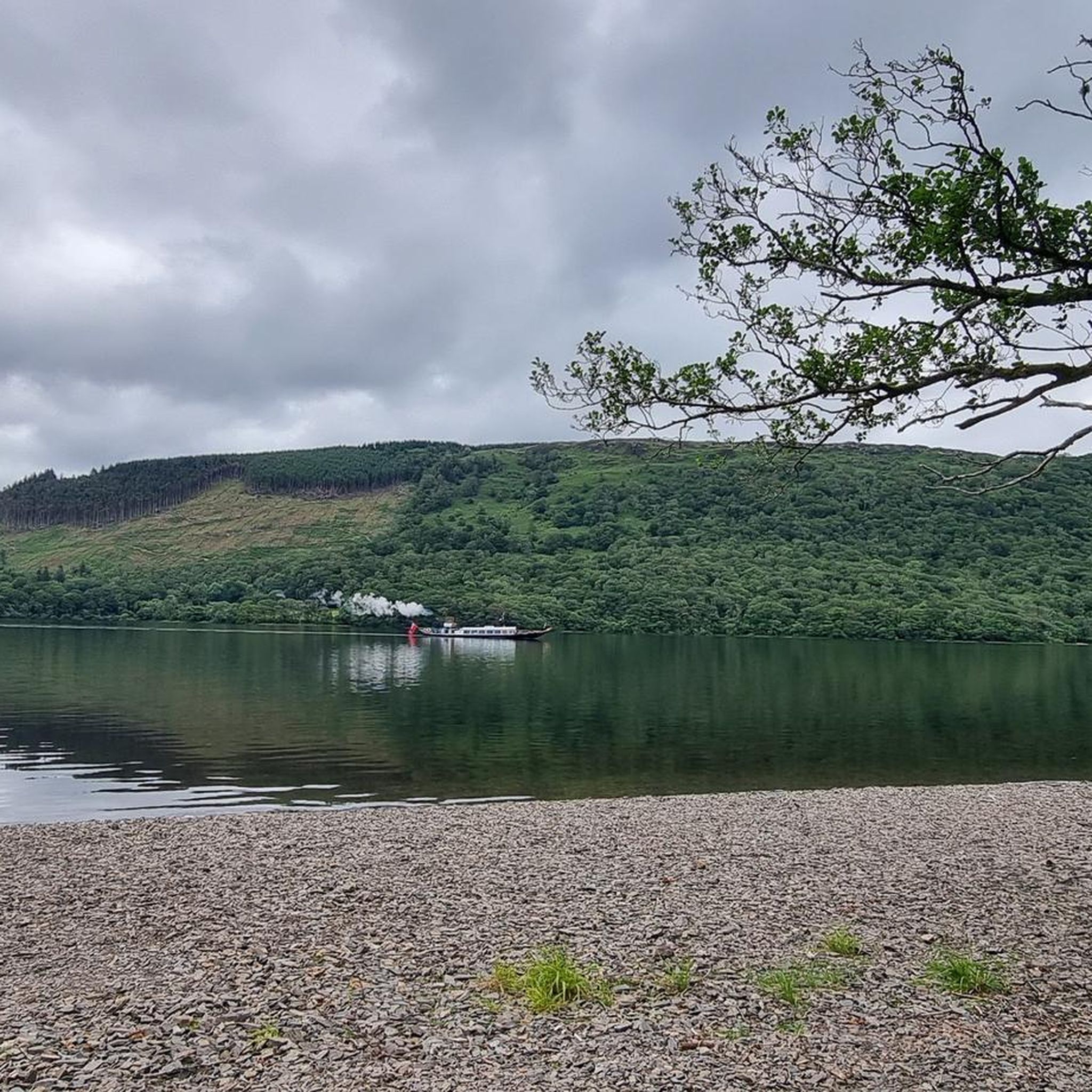
Coniston is located at the northern end of the third largest lake in the Lake District: Coniston Water. Steam yacht cruises are offered on this lake. Coniston is said to be derived from the Old Norse words Konigs Tun or king's settlement. That king is said to have been Thorstein, a Viking who gave his name to Thurstinii Watra, the old name of Coniston Water. (Wikipedia)
5
0
Around 1590, the Company of Mines Royal began extracting copper from the Coniston copper veins. The first work was carried out entirely by hand. With brute force, the rock face was broken and tunnels were excavated very slowly. Only enough rock was removed to allow one person to pass through the tunnel, and these access tunnels are called 'coffin levels' because of their characteristic coffin shape. Excavating a 17th-century tunnel like Cobbler's Level could still take three years. The Elizabethan Company of Mines Royal was led by German experts from the Tyrol and Bavaria. Their mines penetrated more than 55 metres into the earth. Work continued after the English Civil War, but perhaps not to a great extent. At the end of the 17th century, gunpowder was introduced, which changed everything. Work went much faster and mines could go much deeper than before, up to more than 90 metres below the surface. The charges were placed in a hole drilled into the rock using 'jumpers', iron rods made on site. You can still see hand-drilled shot holes. Gunpowder was replaced by dynamite in 1877 and jumpers by compressed air drills in 1883. (Lake district national park)
5
0
To describe this mountain, here is a quote: "Although cruelly scarred and disfigured by the quarries, the Old Man has retained a dignified bearing and still lifts his proud and venerable head to the sky. His tears flow quietly into Low Water and Goats Water, two beautiful mountain tarns, whence they eventually... find their way to Coniston Water, bathing his ancient feet." Alfred Wainwright, "A Pictorial Guide to the Lakeland Fells, Book Four: The Southern Fells"
5
0
Little Langdale Tarn lies at the foot of the Wrynose Pass and although there is no public access, it is easily visible from the road or from the public bridleway along the southern shore. (Visit Cumbria)
9
0
To cross the river via the bridge, you also have to climb a number of steps to reach the bridge. This can cause problems with the bicycle when it is heavy.
7
0

Very much one of the iconic mountains of the Lake District, Wetherlam is a rugged 763-metre (2,502 ft) mountain top, and getting here is pretty hard work from any direction. It has a rocky summit plateau, and the views across towards the Coniston group are super nice. Now for the big decent!
0
0

A little glimpse into the history of the area, worth a quick peep.
0
0

With a summit height of 2,502 feet (763 m), Wetherlam offers a truly rewarding hiking experience amidst the stunning mountain scenery of the Lake District. From the top, enjoy expansive views of the Coniston Fells, Little Langdale, and the picturesque patchwork of green valleys that give the region its timeless charm. https://www.tellpopeyes.it.com
0
0
Frequently Asked Questions
How many running routes are available around Coniston Water?
There are over a dozen dedicated running routes around Coniston Water, offering a variety of experiences from gentle lakeside paths to challenging fell runs. The komoot community has explored over 11,000 routes in the area, highlighting its popularity among runners.
Are there any easy or family-friendly jogging routes near Coniston Water?
Yes, for easier runs, consider the serene lakeside paths, such as sections of the Coniston Shore Bridleway – Coniston Water loop from Coniston. The region also features 'Miles Without Stiles' routes like the Tarn Hows circuit, which is mostly flat and accessible, making it ideal for families or those seeking a less strenuous jog. Grizedale Forest also offers sheltered paths suitable for varied fitness levels.
What kind of terrain can I expect on the running trails around Coniston Water?
The terrain around Coniston Water is incredibly diverse. You'll find everything from smooth, gentle lakeside paths perfect for a relaxed jog, to varied tracks within Grizedale Forest, and challenging, steep ascents on the fells like the Old Man of Coniston. Some routes, such as the Coniston Copper Mines loop from Coniston, navigate through historic mining landscapes with varied surfaces.
Are there any circular running routes around Coniston Water?
Yes, many of the running routes around Coniston Water are circular, allowing you to start and finish in the same location. A popular option is the Coniston Shore Bridleway – Coniston Water loop from Coniston, which offers beautiful lakeside views. For a more challenging circular route with significant elevation, consider The Old Man, Weatherlam & the Coppermines loop from Coniston.
What do other runners say about jogging in Coniston Water?
The running routes in Coniston Water are highly rated by the komoot community, with an average score of 4.5 stars from over 100 reviews. Runners often praise the stunning natural beauty, the variety of terrain catering to different fitness levels, and the peaceful atmosphere of the lakeside and woodland paths.
Are there any notable landmarks or attractions to see while running around Coniston Water?
Absolutely! As you run, you can enjoy views of the dramatic Coniston Water itself, with its surrounding fells. You might pass by historic sites like Coniston Hall, or catch glimpses of Brantwood Pier, near John Ruskin's former home. Grizedale Forest trails also feature unique art sculptures along the way, adding an artistic touch to your run.
Can I find routes with scenic viewpoints for running in the Coniston Water area?
Coniston Water is renowned for its scenic beauty, and many running routes offer spectacular viewpoints. The challenging fell runs, such as those ascending the Old Man of Coniston, provide panoramic vistas across the Lake District. Even moderate routes like the Coniston Water – View of the Coniston Fells loop from Coniston offer beautiful perspectives of the lake and surrounding fells.
Are there any dog-friendly running trails around Coniston Water?
Many trails around Coniston Water are suitable for running with dogs, especially the numerous paths through Grizedale Forest and the less strenuous lakeside routes. However, it's always advisable to keep dogs under control, particularly in areas with livestock, and to check for any specific local restrictions or signage.
Where can I find parking for running routes near Coniston Water?
Parking is available in and around Coniston Village, which serves as a common starting point for many routes. There are also various car parks located near popular trailheads, including those providing access to Grizedale Forest and other key areas around the lake. It's recommended to arrive early during peak seasons.
Are there any routes that pass by waterfalls or other natural features?
While not explicitly listed in all route descriptions, the region's varied landscape means you may encounter natural features like small waterfalls, especially after rainfall. The area around Coniston Water is known for its dramatic natural backdrop, including the prominent Old Man of Coniston and the serene ribbon lake itself, formed by glacial action.
What is the best time of year to go jogging around Coniston Water?
Coniston Water offers beautiful running conditions throughout the year, each season providing a unique experience. Spring and autumn often bring pleasant temperatures and stunning foliage. Summer is popular but can be busy, while winter offers crisp air and dramatic, quieter landscapes, though some higher fell routes may require more caution due to weather conditions.
Are there any less crowded running routes available?
To avoid crowds, especially during peak season, consider exploring the extensive network of paths within Grizedale Forest on the eastern side of the lake. These trails offer sheltered and varied terrain, and while popular, they can feel less congested than the immediate lakeside paths or major fell ascents. Early mornings or late afternoons can also offer a quieter experience on any route.
Most popular routes around Coniston Water
Most popular attractions around Coniston Water

Get inspired with the komoot mobile app


Explore more
Browse the best Running Trails & Routes in other regions.
