The best cycling routes around Lough Veagh
4.3
(8)
120
riders
15
rides
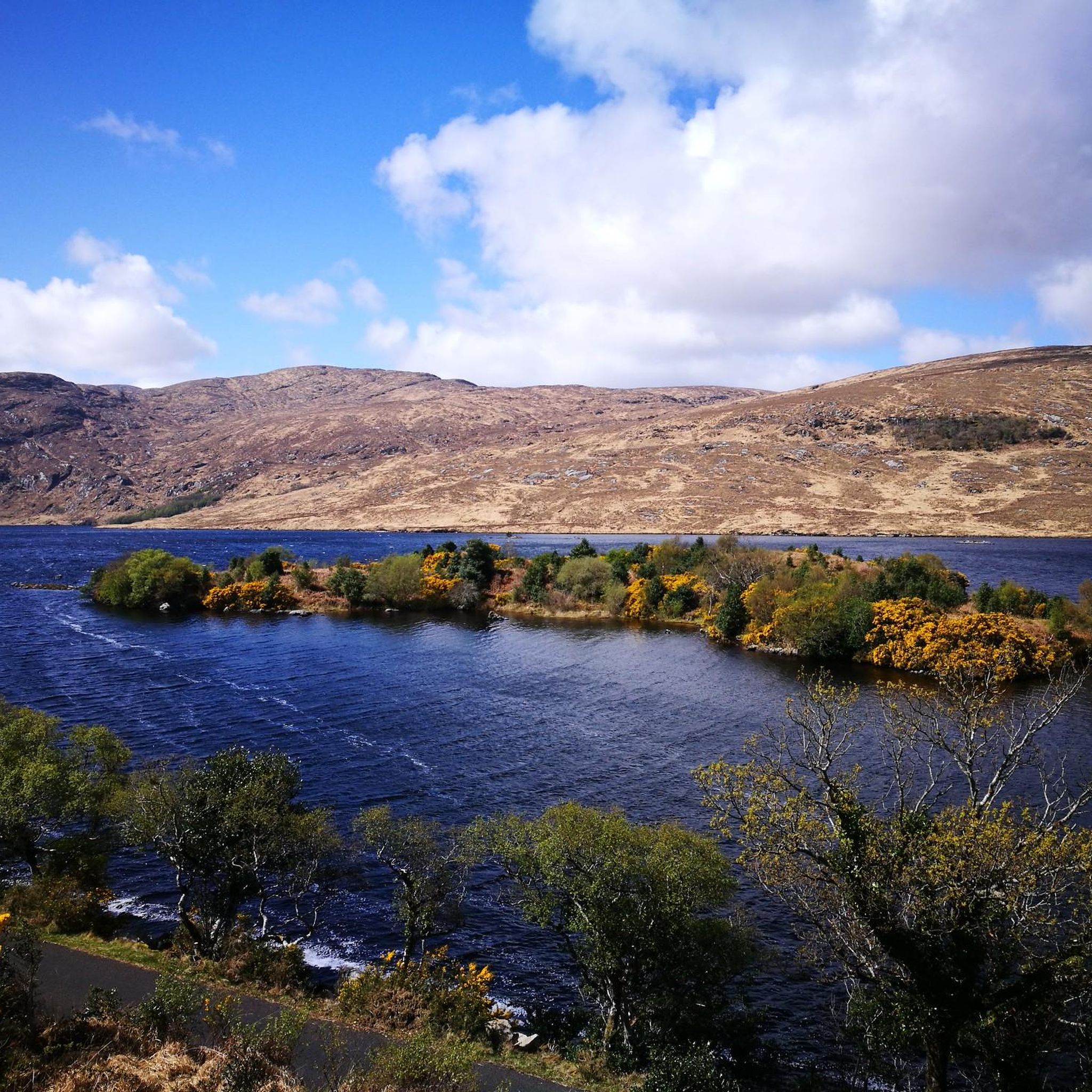
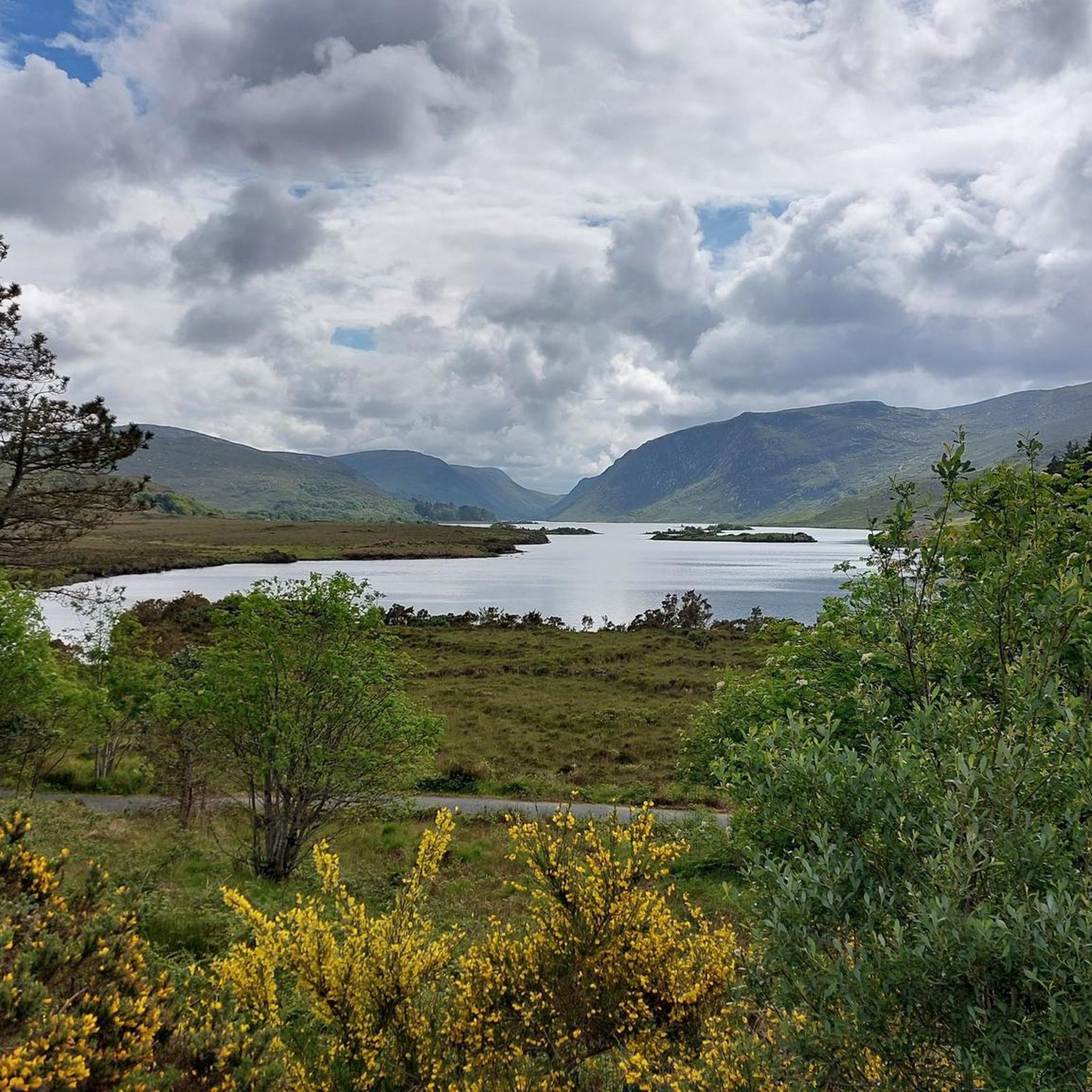
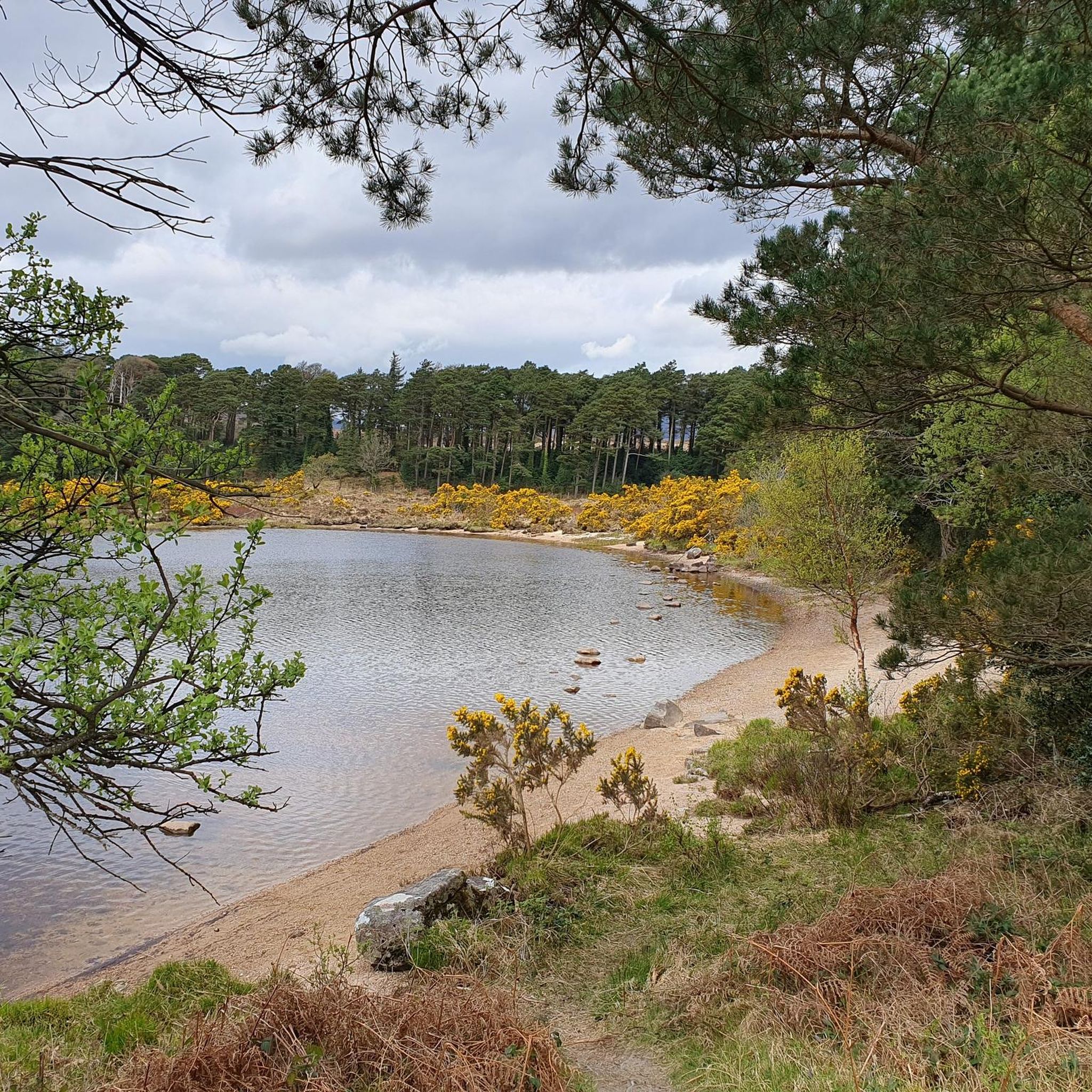
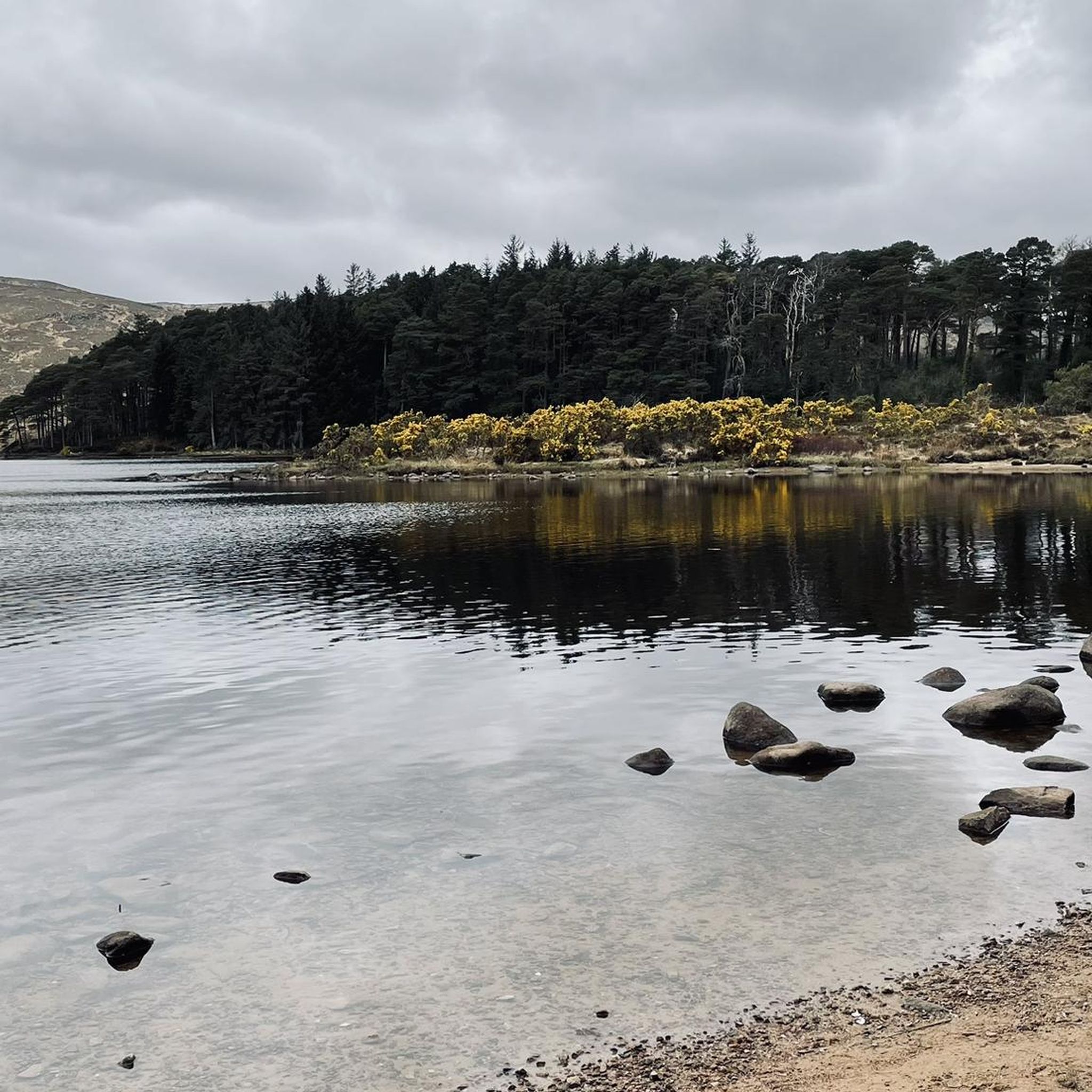
Touring cycling around Lough Veagh offers routes through a dramatic glacial valley, flanked by the Derryveagh Mountains and Mount Errigal. The landscape features steep granite cliffs, extensive blanket bog, and native oak woodlands. Lough Veagh itself is a central feature, providing lakeside paths and views of its scattered islets. This region within Glenveagh National Park provides a blend of rugged wilderness and accessible trails.
Best touring cycling routes around Lough Veagh
- The most popular touring cycling route is Gravel loop…
Last updated: June 25, 2026
5.0
(5)
54
riders
32.7km
02:36
460m
460m
Hard bike ride. Very good fitness required. Some segments of this route may be unpaved and difficult to ride.
5.0
(2)
19
riders
7.59km
00:29
60m
60m
Easy bike ride. Great for any fitness level. Mostly paved surfaces. Suitable for all skill levels.

Sign up for free
4
riders
Hard bike ride. Very good fitness required. Mostly paved surfaces. Suitable for all skill levels.
11
riders
37.1km
02:38
560m
560m
Hard bike ride. Very good fitness required. Mostly paved surfaces. Suitable for all skill levels.
7
riders
42.6km
02:47
520m
520m
Hard bike ride. Very good fitness required. Mostly paved surfaces. Suitable for all skill levels.
Get access to more routes and recommendations from other explorers.
Sign up for free
Already have an account?
Our route recommendations are based on thousands of hikes, rides, and runs completed by other people on komoot.
Start today with a free account
Your next adventure awaits.
Login or Signup
Tips from the Community

The Harry Blaney Bridge is not only an engineering feat but also one of the most spectacular viewpoints along the Wild Atlantic Way. This 340-meter-long bridge was opened in 2009 and replaced a ferry connection that had been out of service since the 1960s. As you cross Mulroy Bay, you will enjoy a sweeping panorama of the bay, the surrounding islands, and the distant mountains of Donegal. For cyclists and walkers, it is an absolute must to stop at the official viewpoint on the north side (Fanad side) for the best photo opportunities.
6
0
From this high point, you look out over Tranarossan Bay, a quiet, semi-circular inlet on the north coast of Rosguill. The view combines clear turquoise water, light sandy beaches, and the rugged rock heads that are so typical of this part of the Wild Atlantic Way. In good light, you can see how the bay looks almost Caribbean, while the rugged hills behind preserve the pure Donegal character.
6
0

From this quiet footpath, the view opens beautifully across Dunfanaghy, its coastline and the surrounding Donegal hills. The village, whose name comes from the Irish Dún Fionnachaidh meaning “fort of the fair field,” has long been shaped by the Atlantic and the dramatic landscape around Horn Head.
0
0

The route out of the valley is not recommended with heavy equipment, but it is possible, but it is extremely strenuous and only possible if you push the bike. With lighter luggage and the right bike, it is more likely to be possible.
0
0

Opened in May 2009, the bridge was constructed to reduce the travel time between the peninsulas of Fanad and Rossguill. The two peninsulas were previously connected by a ferry service, but this halted in the mid 1960s.
1
0

Glenveagh National Park is located in the heart of County Donegal, amidst the wild and rugged landscape of the Derryveagh Mountains. Its pristine habitats and protected wildlife, as well as the stunning Victorian castle and gardens along Lough Veagh, make Glenveagh an ideal retreat for nature lovers.
2
0
"Where the mountains rise to the oft-changing skies, And the castle stands stately and gray; Where the still lake still lies, beneath that wild, rugged hill, In the vale of lovely Glenveagh..." By: Herbert W.K. Sterritt
2
0

The lookout is rather unspectacular. The magnificent coastal landscape is worth seeing.
0
0
Frequently Asked Questions
How many touring cycling routes are available around Lough Veagh?
There are around 16 touring cycling routes available in the Lough Veagh area, offering a variety of experiences for different skill levels. These routes are highly rated by the komoot community, with an average score of 4.25 stars.
What are the different difficulty levels for touring cycling routes in Lough Veagh?
The routes around Lough Veagh cater to various fitness levels. You'll find 1 easy route, 5 moderate routes, and 10 difficult routes. This range allows for everything from leisurely lakeside rides to challenging mountain loops through the Derryveagh Mountains.
What kind of terrain can I expect on touring cycling routes around Lough Veagh?
The terrain around Lough Veagh is diverse, ranging from paved surfaces to more challenging gravel paths. You'll cycle through a dramatic glacial valley, flanked by imposing granite cliffs and the majestic Mount Errigal. Expect to encounter extensive blanket bog, native oak woodlands, and stunning lakeside paths with views of Lough Veagh's scattered islets.
Are there any easy touring cycling routes suitable for beginners or families?
Yes, there is an easy route perfect for beginners or families. The Glenveagh Castle from the Glenveagh National Park Visitors Centre route is 4.7 miles (7.6 km) long and offers scenic views across Lough Veagh to Glenveagh Castle. It's a great way to experience the park's beauty without significant elevation gain.
Can I find challenging touring cycling routes with significant elevation around Lough Veagh?
Absolutely. For those seeking a challenge, there are 10 difficult routes available. An example is the Gravel loop of Glenveagh National Park/Páirc Naisiúnta Ghleann Bheatha, which covers 20.3 miles (32.7 km) with an elevation gain of over 450 meters, exploring the diverse and rugged terrain of the national park.
What natural features and landmarks can I see while cycling around Lough Veagh?
While cycling, you'll be surrounded by the stunning landscapes of Glenveagh National Park. Key natural features include the Derryveagh Mountains, Mount Errigal, steep granite cliffs, and the expansive Lough Veagh itself. You can also visit the historic Glenveagh Castle with its beautiful gardens, and the Glenveagh National Park Visitor Centre, which provides insights into the park's ecology and history.
Are there circular touring cycling routes available?
Yes, many routes are designed as loops, allowing you to start and finish in the same location. For example, the challenging Horn Head Cliffs loop from Creeslough offers a 22.7-mile (36.6 km) journey through coastal landscapes. Another option is the Duntally Wood Nature Reserve loop from Creeslough, a moderate 18.7-mile (30.1 km) route.
When is the best time of year to go touring cycling around Lough Veagh?
The best time to cycle around Lough Veagh is generally during the spring, summer, and early autumn months (April to October) when the weather is milder and daylight hours are longer. This period offers the most pleasant conditions for enjoying the park's natural beauty and diverse landscapes.
Is bike rental available at Glenveagh National Park?
Yes, bike rental services are readily available at the Glenveagh National Park Visitor Centre car park. You can rent standard and electric bikes, making it convenient to explore the vast park. Ability Bikes are also offered free of charge for those with mobility challenges, promoting an eco-friendly and accessible way to experience the area.
Are there any cafes or places to eat near the cycling routes?
While specific cafes directly on every route are not listed, the Glenveagh National Park Visitor Centre typically has facilities for refreshments. Additionally, nearby towns like Dunfanaghy and Creeslough, which serve as starting points for some routes, offer cafes, pubs, and accommodation options.
Can I bring my dog on the cycling routes in Glenveagh National Park?
Glenveagh National Park generally welcomes dogs, but they must be kept on a leash at all times to protect wildlife, especially the red deer and various bird species. It's always advisable to check the latest park regulations regarding pets before your visit.
What wildlife might I encounter while cycling in the area?
Glenveagh National Park is rich in wildlife. You might spot red deer roaming freely across the hills. The park is also known for its diverse birdlife, including the reintroduced golden eagle. Lough Veagh itself is home to fish species such as brown trout, Arctic char, salmon, and minnow.
How does Lough Veagh connect to the Wild Atlantic Way?
Glenveagh National Park, encompassing Lough Veagh, is a significant highlight along the Wild Atlantic Way, Ireland's scenic coastal route. This connection enhances its appeal for touring cyclists looking to explore a broader region of exceptional beauty, offering a blend of inland wilderness and coastal vistas.

Get inspired with the komoot mobile app


Explore more
Browse the best Cycling routes in other regions.
