The best walks and hikes around Monterey
4.8
(76)
995
hikers
42
hikes
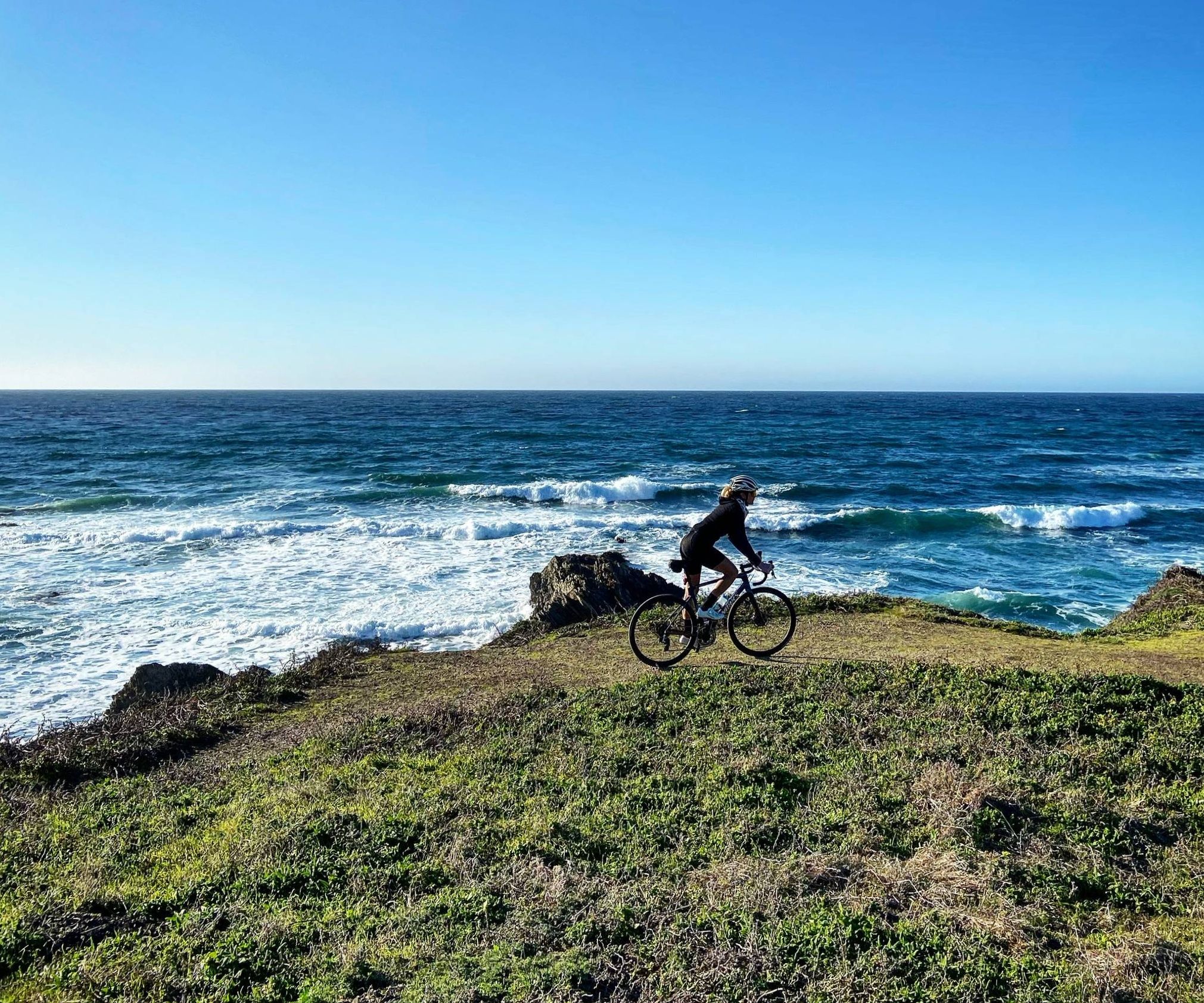
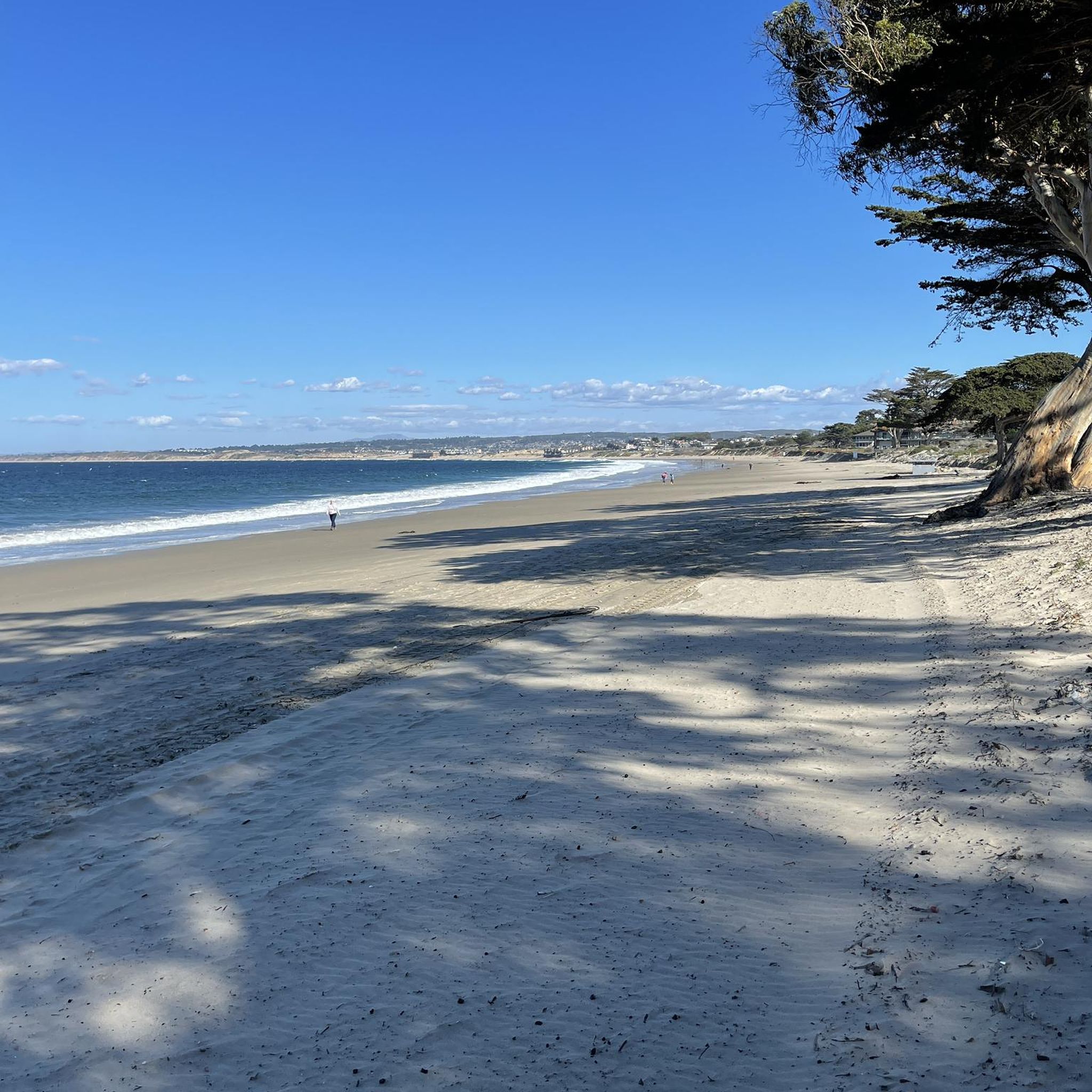
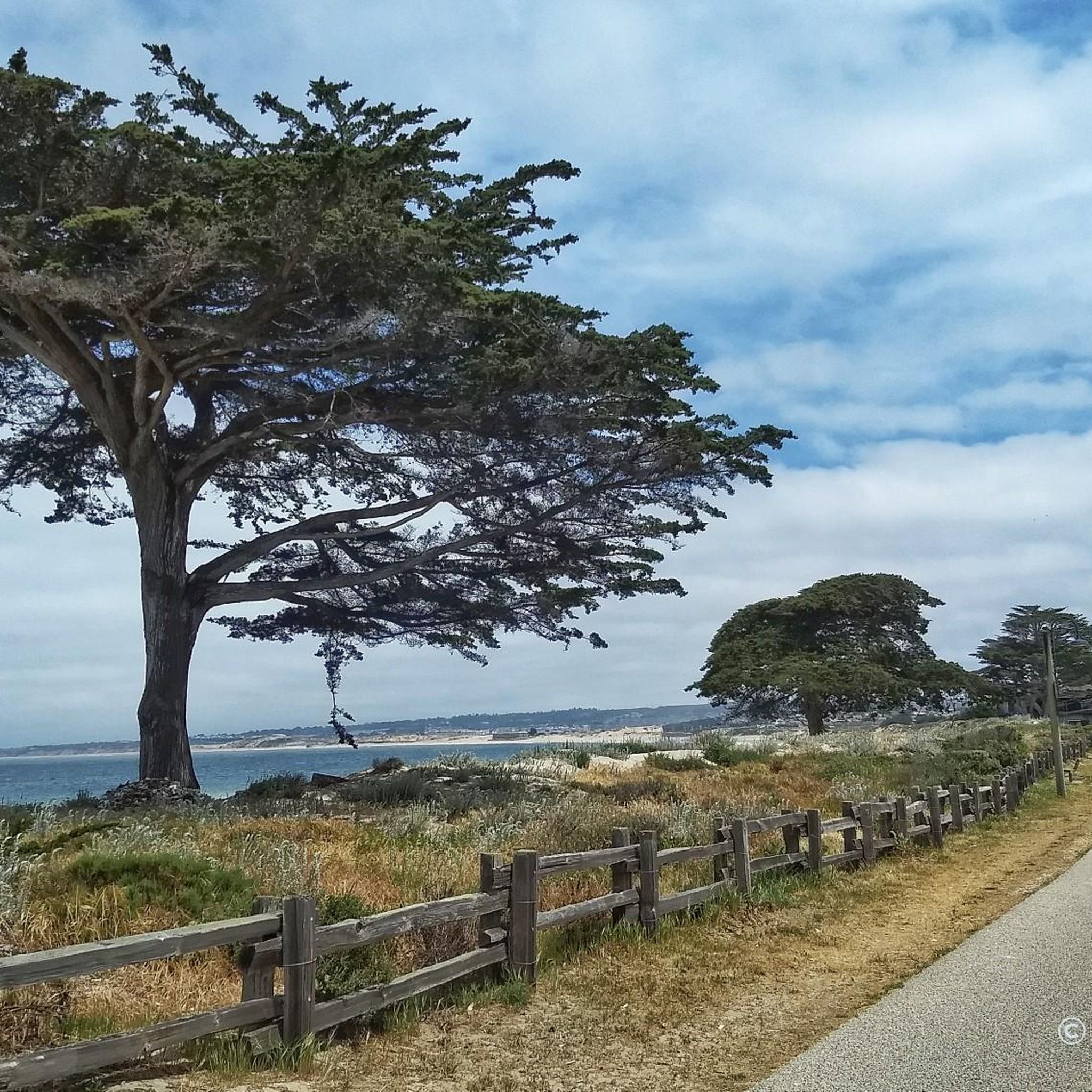
Hiking around Monterey offers diverse natural landscapes, ranging from rugged coastal paths with ocean views to tranquil redwood forests and inland hills. The region is characterized by dramatic cliffs, pristine beaches, and expansive bay views along the Pacific coastline. Further inland, hikers encounter lush oak woodlands, chaparral, and rolling hills, providing varied terrain for exploration. This blend of coastal and forested environments defines the hiking experience in Monterey.
Best hiking trails around Monterey
- The most popular hiking route is Monterey…
Last updated: October 11, 2026
4.0
(1)
3
hikers
12.2km
03:07
50m
40m
Moderate hike. Good fitness required. Easily-accessible paths. Suitable for all skill levels.
7
hikers
5.24km
01:25
70m
70m
Easy hike. Great for any fitness level. Easily-accessible paths. Suitable for all skill levels.

4.5
(6)
205
hikers
5.39km
01:24
30m
30m
Easy hike. Great for any fitness level. Easily-accessible paths. Suitable for all skill levels.
4.6
(5)
161
hikers
Easy hike. Great for any fitness level. Easily-accessible paths. Suitable for all skill levels.
5.0
(4)
63
hikers
10.5km
02:45
80m
80m
Moderate hike. Good fitness required. Easily-accessible paths. Suitable for all skill levels.
Get access to more routes and recommendations from other explorers.
Already have an account?
Our route recommendations are based on thousands of hikes, rides, and runs completed by other people on komoot.
Start today with a free account
Your next adventure awaits.

Other adventures around Monterey

Tips from the Community

A lovely wharf you should see
0
0

Nice flat run on footpath to aquarium.
0
0


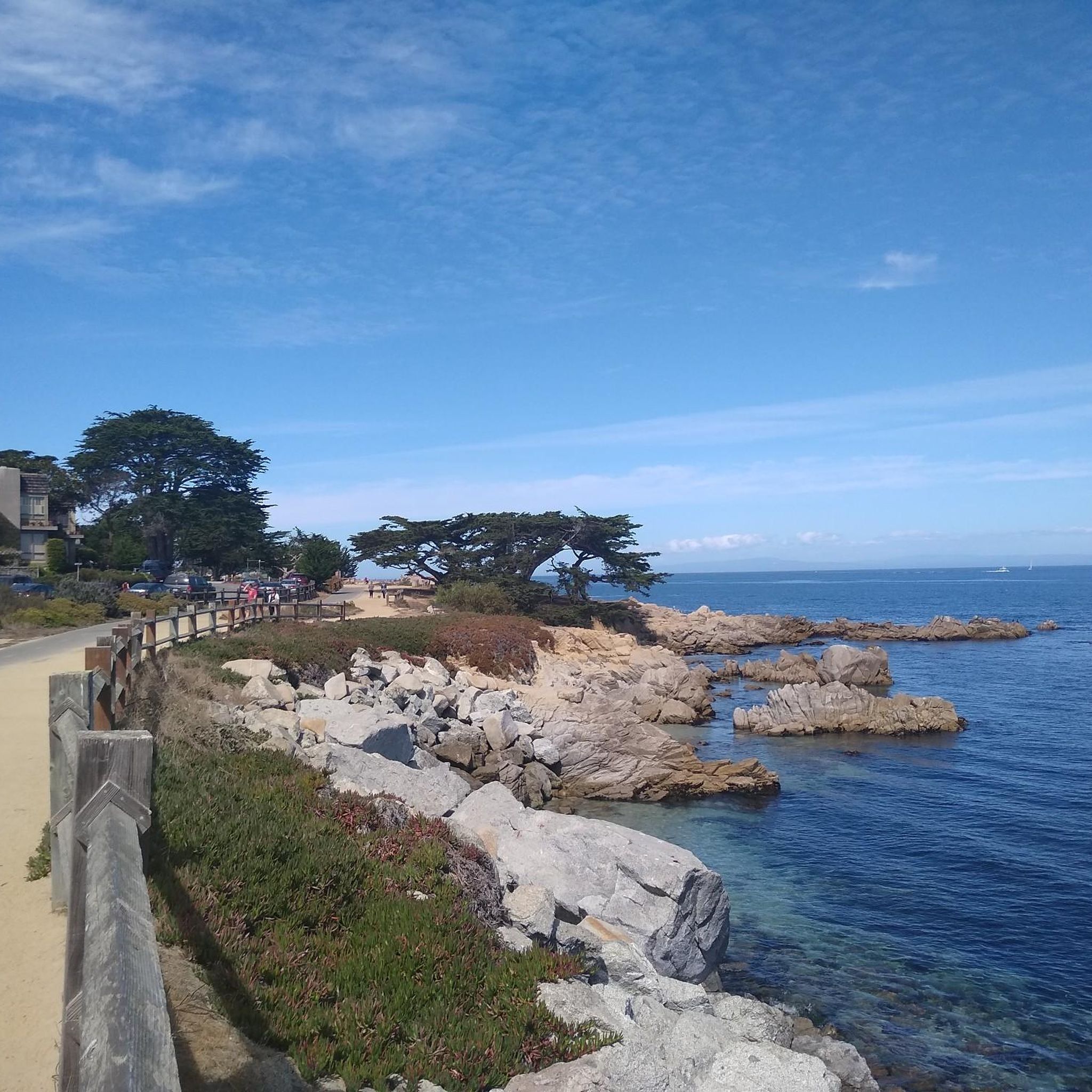
Great paved trail that runs along the Pacific Ocean. You get wonderful views of the water and will pass through several popular cultural attractions in the area.
0
0

Kalisa Moore, known as the “Queen of Cannery Row,” was born in Latvia and came to America after World War II. She bridged the eras, opening her fine dining restaurant when most canneries had already closed. Over the years, “Kalisa’s” evolved into a bohemian coffeehouse where artists, writers and poets “hung out.” Her weekend cabaret was filled with musicians, dancers and the occasional celebrity from the Monterey Jazz Festival. As time went on and Cannery Row was reborn, Kalisa became a major factor in preserving memories of Steinbeck’s era and promoted tourism and commerce as president of the Cannery Row Foundation. For fifty years, she was a friend to the famous and a mother to the needy with a local following that knew and loved her. Kalisa's La Ida Cafe was a very special time and place, and Kalisa will always be remembered as the "Queen of Cannery Row."
3
0
Cannery Row, the waterfront district that boomed in the 1850s - For thousands of years it was home to the Ohlone, Esselen and Salinas tribes, and in the 19th century immigrants from Europe and Asia settled here to fish the waters, especially for sardines. Thanks to the canneries that resulted, Monterey became known as the "Sardine Capital of the World." John Steinbeck, born and raised in nearby Salinas, immortalized this era in his 1945 novel Cannery Row, and the name stuck.
3
0
Bruce Ariss Way is a narrow alley, the pedestrian-only continuation of Irving Avenue between Wave Street and Cannery Row. What was once an unofficial walkway between the residential area of the row, across the railroad tracks, and the waterfront canneries has been converted into a small park. In the early 1990s, the City of Monterey relocated three worker's shacks from 866 Wave Street to this site and opened them to the public. They are interpreted as being occupied by a Japanese, a Filipino, and a Spanish family, respectively, alluding to the cultural mix that characterized cosmopolitan Cannery Row and representing the living conditions of workers between the 1920s and 1950s. There were many shacks like this in the neighborhood in the early 20th century, but these are the only remaining remnants of this housing type on Cannery Row.
3
0

Nice, small (and free!) museum just before Fisherman's Wharf in Monterey. Nice exhibition.
1
0
Frequently Asked Questions
How many hiking trails are available around Monterey?
Monterey offers over 30 hiking trails, catering to various skill levels. The majority, more than 25, are classified as easy, making the region very accessible for casual walkers and families.
What kind of landscapes can I expect to see on hikes in Monterey?
Hiking in Monterey provides a diverse range of landscapes. You can explore rugged coastal paths with dramatic ocean views, tranquil redwood forests, lush oak woodlands, and rolling inland hills. Notable areas include the dramatic cliffs and pristine beaches of the Monterey coastline, and the serene forests found further inland.
Are there any family-friendly hiking options in Monterey?
Yes, Monterey has many family-friendly options. The Monterey State Historic Park via Monterey City trail is an easy 3.3-mile route connecting historic sites with urban and bay views. The Monterey Bay Coastal Recreation Trail is also a flat, paved path ideal for leisurely walks with children, offering easy access to attractions like the Monterey Bay Aquarium.
Where can I find trails with ocean views in Monterey?
For stunning ocean views, explore coastal areas like Point Lobos State Natural Reserve, which features shoreline trails with breathtaking Pacific Ocean vistas. Garrapata State Park also offers rugged coastal paths with expansive views. The Cannery Row – Cannery Row, Monterey loop from Monterey is another excellent choice, following the historic waterfront with views of Monterey Bay.
Are there any challenging hikes in the Monterey area?
While most trails are easy to moderate, you can find more challenging options in the inland hills. Toro Park, near Salinas, offers over 20 miles of trails, including the challenging Joaquin Murrieta Trail to the summit of Mount Toro, which features an 1,800-foot elevation gain and sweeping views of the Santa Lucia Mountains and Salinas Valley.
What are some notable natural attractions or landmarks to see while hiking?
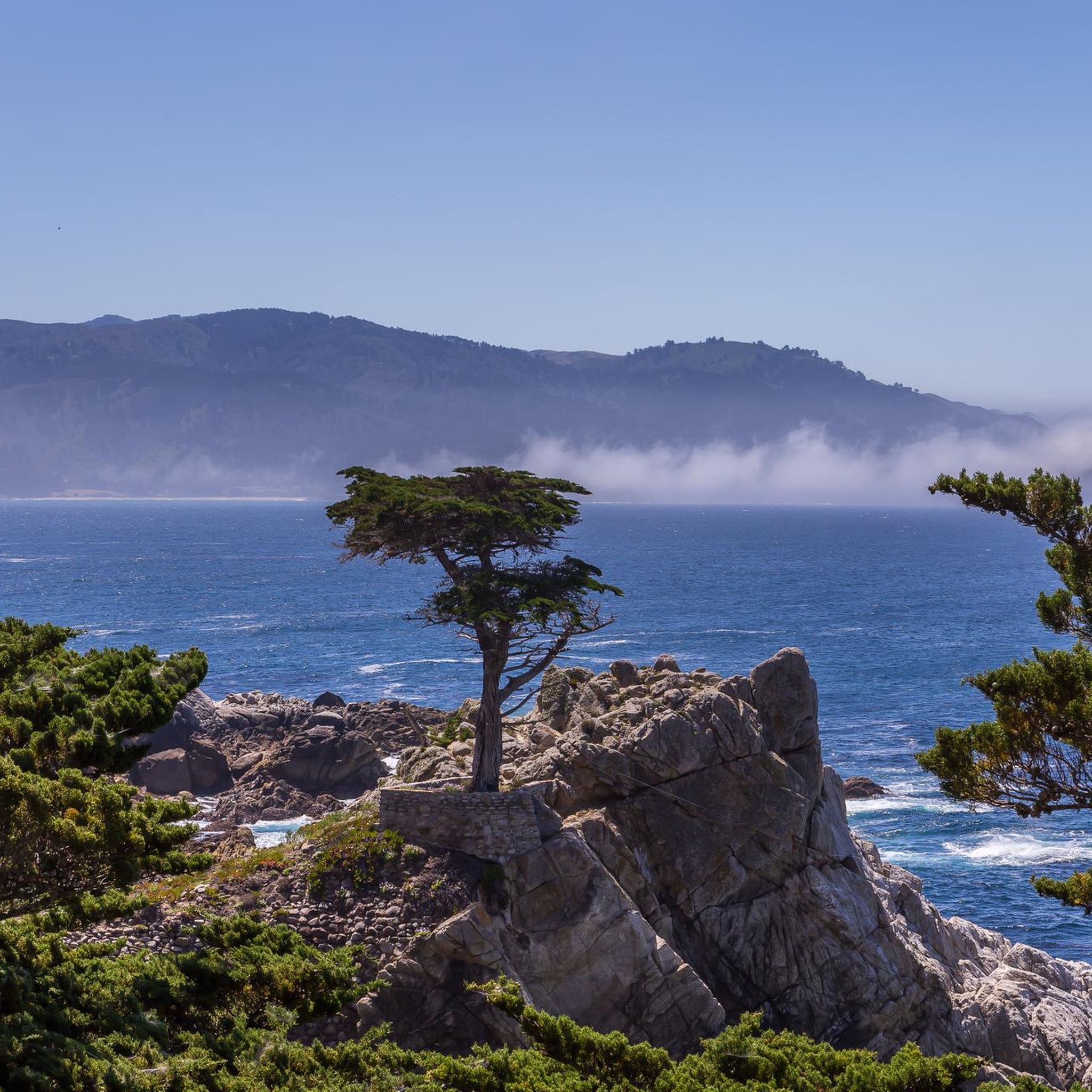
Monterey is rich in natural attractions. You can visit Sea Lion Point for marine wildlife viewing, or explore the iconic Point Lobos State Natural Reserve. The Lone Cypress Tree is another famous landmark. Inland, Jacks Peak County Park offers ridge-top vistas overlooking Monterey Bay and Carmel Valley.
Are there any circular hiking routes in Monterey?
Yes, many trails in Monterey are designed as loops. For example, the Monterey Beach – Old Fisherman's Wharf loop from Del Monte is a 4.6-mile trail that takes you through coastal areas and along the beach. Within Point Lobos State Natural Reserve, the Cypress Grove Loop is a popular circular path.
Can I bring my dog on the hiking trails in Monterey?
Dog policies vary by park and trail in Monterey. While some state parks have restrictions, many regional parks and specific trails are dog-friendly. For instance, Garland Ranch Regional Park in Carmel Valley generally allows dogs on leash. Always check specific park regulations before heading out with your pet.
Are there any trails that feature waterfalls?
Yes, if you venture slightly south into the Big Sur region, Pfeiffer Big Sur State Park is home to the Pfeiffer Falls Loop. This easy path winds through a redwood grove and leads to a beautiful waterfall viewpoint, offering a refreshing natural spectacle.
What do other hikers enjoy most about hiking in Monterey?
The hiking experience in Monterey is highly rated by the komoot community, with an average score of 4.8 stars. Hikers often praise the diverse natural landscapes, from rugged coastal paths to serene redwood forests, and the variety of options for all ability levels.
Is there public transport access to hiking trails in Monterey?
Public transport options to trailheads can be limited for some of the more remote parks. However, trails within Monterey city, such as those along the Monterey Bay Coastal Recreation Trail or near Cannery Row, are generally accessible via local bus services. For state parks and regional reserves, driving is often the most convenient option.
Where can I find parking for popular hiking spots?
Most major parks and reserves in the Monterey area, such as Point Lobos State Natural Reserve, Garrapata State Park, and Jacks Peak County Park, offer designated parking lots, though fees may apply and spaces can fill up quickly during peak times. For urban trails, street parking or public garages are available.
Are there any trails through redwood forests near Monterey?
Yes, you can experience redwood forests inland from the coast. Jacks Peak County Park features trails winding through 'cathedral-like forests' of Monterey pine, and further south, Pfeiffer Big Sur State Park offers paths through magnificent redwood groves.
Most popular routes around Monterey
Most popular attractions around Monterey

Get inspired with the komoot mobile app


Explore more
Browse the best Hikes in other regions.
