Attractions and Places To See in Colville National Forest - Top 12
Best attractions and places to see in Colville National Forest span nearly 1.5 million acres in northeastern Washington, offering a diverse landscape of mountains, rivers, and dense woodlands. This region is characterized by major river valleys carved by Ice Age glaciers and features the Kettle River Range and Selkirk Mountains. It provides numerous natural attractions, notable landmarks, and cultural sites for outdoor enthusiasts and history buffs. The forest contains 102 lakes, ponds, and reservoirs, with 46 being fishable.
Best attractions and places to see in Colville National Forest
- The most popular attractions is Salmo-Priest Wilderness, a forest region spanning 41,335 acres reaching up to 6,828 feet above sea level. Hikers can encounter mule deer, elk, black bears, cougars, and moose within its forests of subalpine fir, western red cedar, and Douglas fir.
- Another must-see spot is Metaline Falls, a settlement on the Pend Oreille River surrounded by the Selkirk Mountains. This area features several structures listed on the National Register of Historic Places, including the Lewis P. Larson House, the Washington Hotel, and the Cutter Theatre.
- Visitors also love Snow Peak Cabin, a rustic log cabin constructed in 1995. It is available for rent year-round, offering opportunities for skiing, hunting, and exploration among mountains like Sherman Peak, Snow Peak, and Bald Mountain.
- Colville National Forest is known for its wilderness areas, historic sites, and natural features. The region offers a variety of attractions to see and explore, from mountain summits to cultural landmarks.
- The attractions in Colville National Forest are appreciated by the komoot community, with 1 upvote and 3 photos contributed by visitors.
Last updated: July 8, 2026
Pasayten Wilderness
Highlight • Forest
Tip by

Metaline Falls
Highlight • Settlement
Tip by
Sign up now to discover places like this
Get recommendations on the best single tracks, peaks, & plenty of other exciting outdoor places.
Sign up for free
Snow Peak Cabin
Highlight • Mountain Hut
Tip by

Salmo-Priest Wilderness
Highlight • Forest
Tip by
Abercrombie Mountain
Highlight • Summit
Tip by
Sign up for free to discover even more attractions in Colville National Forest.
Sign up for free
Already have an account?
Start today with a free account
Your next adventure awaits.
Login or Signup
Other adventures in Colville National Forest

Tips from the Community

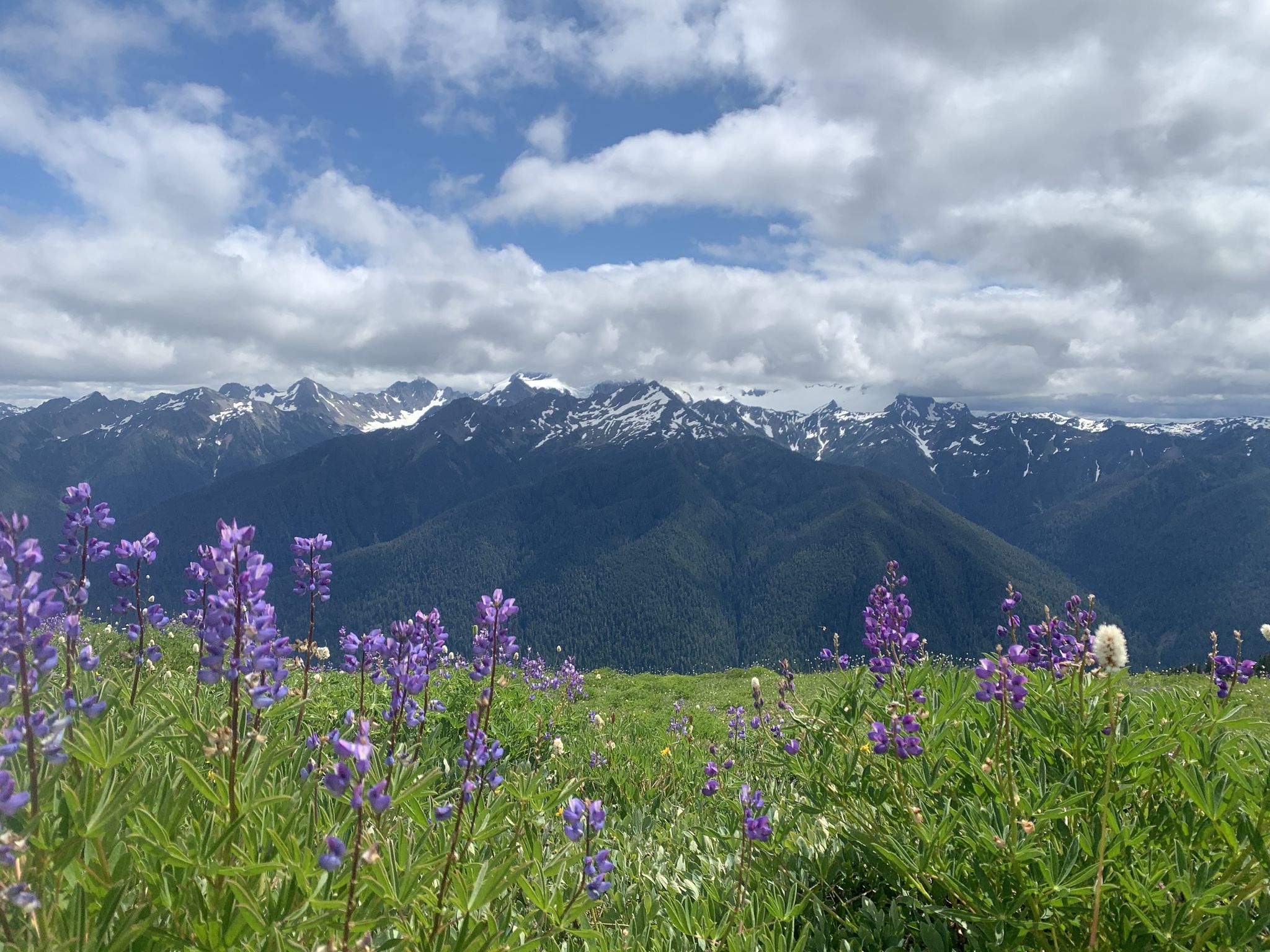
The Pasayten Wilderness is a vast and remote wild area covering 531,000 acres within the Okanogan-Wenatchee and Mount Baker National Forests. It greets the Canada border for over 50 miles and has over 150 peaks above 7,500 feet, including Jack Mountain (9,075 ft), the highest point in the wilderness. Forests are made up of fir, cedar, and western hemlock in the west to fir, pine, and larch in the east, teeming with deer, moose, mountain goats, bighorn sheep, gray wolves, and the largest population of Canada lynx in the Lower 48.
0
0
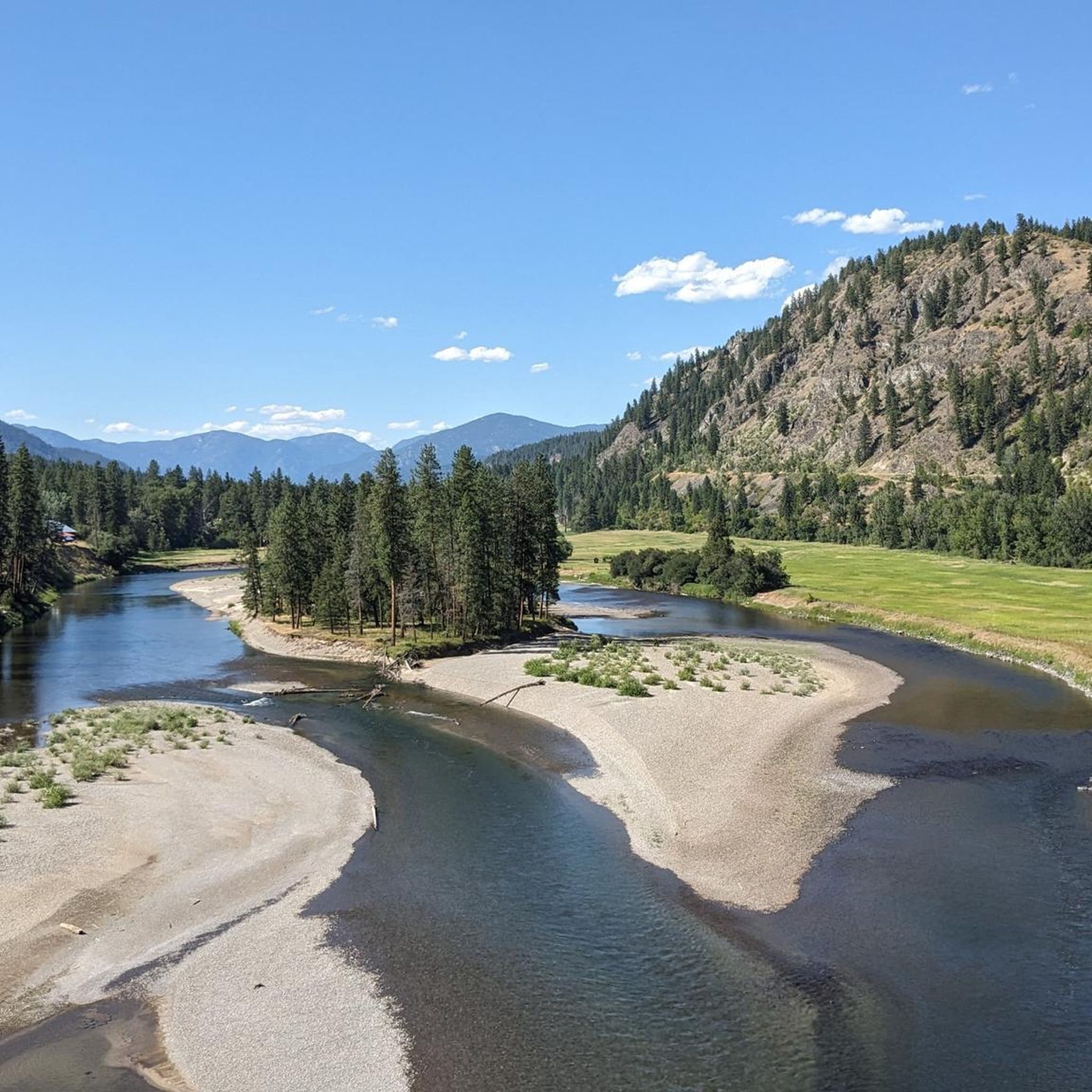
Metaline Falls sits on the Pend Oreille River and is surrounded by the Selkirk Mountains. With a population of approximately 290 as of 2025, it has several structures listed on the National Register of Historic Places, including the Lewis P. Larson House, the Washington Hotel, and the Cutter Theatre, a former school designed by architect Kirtland Cutter. Visitors can catch the annual Bigfoot Festival, and long-distance hikers on the Pacific Northwest Trail can resupply here.
0
0
Salmo-Priest Wilderness is a forested region spanning 41,335 acres reaching up to 6,828 feet above sea level. Hikers can encounter mule deer, elk, black bears, cougars, and moose, and will walk through forests of subalpine fir, western red cedar, and Douglas fir.
0
0

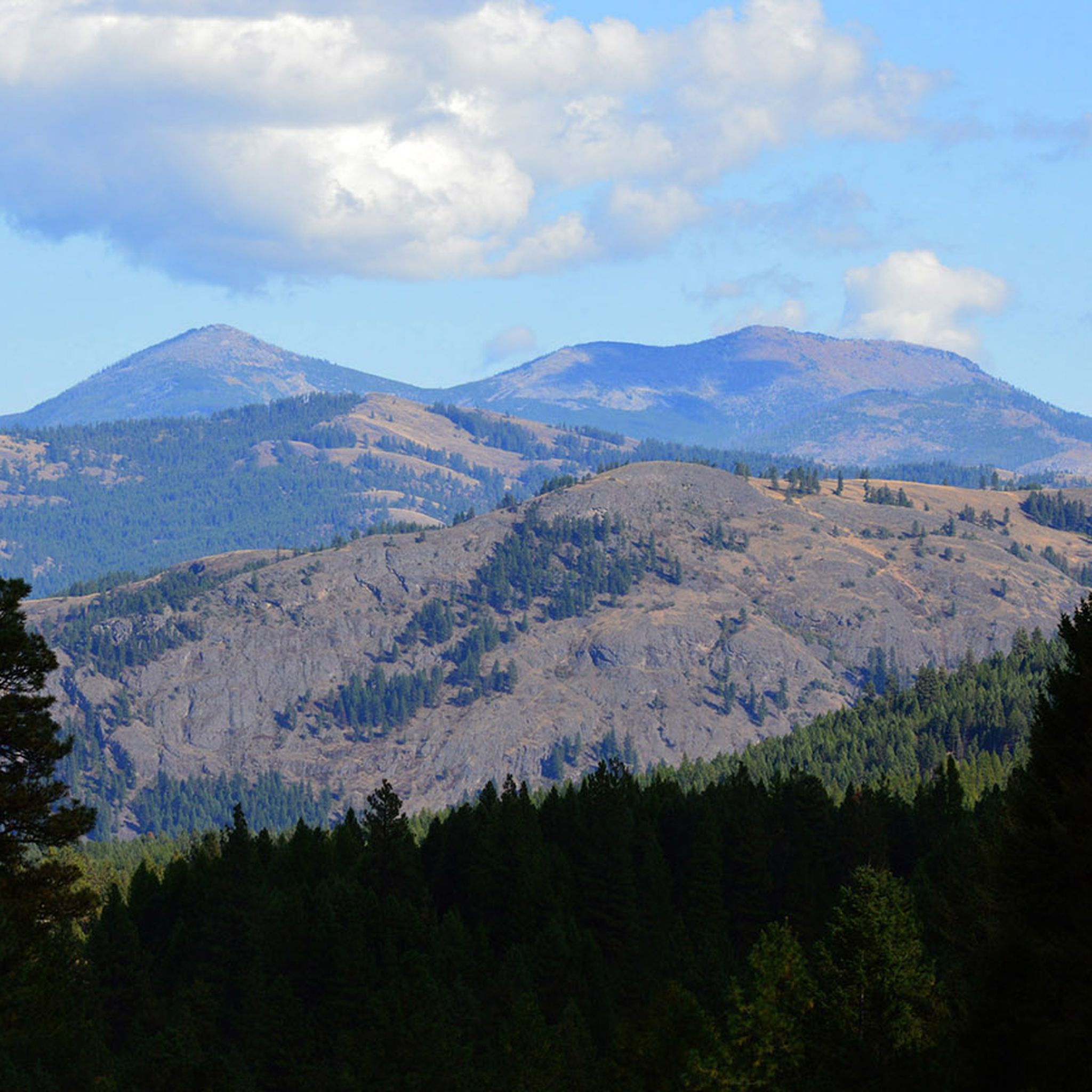
When you reach the summit, you are treated to a spectacular view! Columbia Plateau to the south, Kettle Range to the west, and the Selkirks to the east. You can still find remains of the once manned lookout that used to stand here. Demolished in the 1960s, it only lasted a decade.
0
0
Enjoy Skiing, hunting, and exploration among the picturesque mountains such as Sherman Peak, Snow Peak, and Bald Mountain while you stay in a rustic log cabin measuring 17 feet (5.18 meters) by 19 feet (5.79 meters) with several amenities for your comfort. Snow Peak Cabin was constructed in 1995 and is available for rent all year round.
0
0
Frequently Asked Questions
What kind of natural features can I explore in Colville National Forest?
The forest offers a diverse range of natural features. You can visit the vast Salmo-Priest Wilderness, known for its virgin forests and diverse wildlife, or the remote Pasayten Wilderness with its numerous peaks and unique wildlife like Canada lynx. Other highlights include the scenic Kettle River Range, Abercrombie Mountain offering spectacular views, and the picturesque Metaline Falls on the Pend Oreille River. The forest is also home to 102 lakes, ponds, and reservoirs, including Sullivan Lake and Lake Roosevelt National Recreation Area, perfect for water activities.
Are there any historical or cultural sites to visit in the forest?
Yes, Colville National Forest is rich in history and culture. You can explore several structures listed on the National Register of Historic Places in Metaline Falls, such as the Lewis P. Larson House, the Washington Hotel, and the Cutter Theatre. The Growden Heritage Site (Camp Growden) preserves a former Civilian Conservation Corps camp. For ancient history, visit the Headlee Pass Petroglyph Site or Pioneer Park Campground, an archaeological dig site with signs describing early Indian life. Interpretive trails near Sullivan Lake and Kettle Falls also share the history of logging, sawmilling, and mining.
What are some popular hiking trails in Colville National Forest?
The forest offers numerous hiking opportunities. The Shedroof Divide Trail, at 21.8 miles, is the longest path in the Salmo-Priest Wilderness. The Kettle Crest Trail and Sherman Peak are popular destinations in the Kettle River Range. The Sullivan Lake Trail, a National Recreation Trail, connects two campgrounds. For more options, you can explore various routes like the Sullivan Lakeshore Trail, Salmo-Priest Loop, or Sherman Peak Loop Trail. Find more details on these and other trails in the Hiking in Colville National Forest guide.
Can I find family-friendly activities or trails in Colville National Forest?
Yes, the forest provides several options suitable for families. Many lakes, such as Sullivan Lake and Lake Roosevelt, offer swimming, fishing, and boating. Douglas Falls Grange Park features a waterfall, trails, and picnic areas perfect for a family outing. Easy hiking trails like the Sullivan Lakeshore Trail or Columbia Mountain Loop Trail are great for all ages. For more accessible options, check the Easy hikes in Colville National Forest guide.
Are there opportunities for wildlife viewing in Colville National Forest?
Absolutely. The forest is home to a rich variety of wildlife. In the Salmo-Priest Wilderness, you might encounter mule deer, elk, black bears, cougars, and moose. The Pasayten Wilderness is known for deer, moose, mountain goats, bighorn sheep, gray wolves, and the largest population of Canada lynx in the Lower 48. Bald eagles and even grizzly bears can also be found in some areas of the forest.
What kind of accommodations are available within the forest?
For a unique stay, consider renting Snow Peak Cabin, a rustic log cabin available year-round. It offers opportunities for skiing, hunting, and exploration. The forest also provides numerous camping options, including both developed campgrounds and dispersed camping opportunities, allowing visitors to immerse themselves in nature.
Are there any unique viewpoints or scenic drives?
Yes, the forest boasts several stunning viewpoints. Reaching the summit of Abercrombie Mountain provides spectacular views of the Columbia Plateau, Kettle Range, and Selkirks. Sherman Pass, the highest pass in Washington state at 5,575 feet, offers hiking trails and easily accessible viewpoints from the main road. Historic fire lookouts, some accessible to visitors, also provide panoramic views of the wilderness.
What water-based activities can I do, such as swimming or boating?
Colville National Forest is an excellent destination for water activities. With 102 lakes, ponds, and reservoirs, 46 of which are fishable, there are ample opportunities for fishing. Sullivan Lake is the largest within the forest and a popular spot for fishing and boating. Lake Roosevelt National Recreation Area, formed by the Grand Coulee Dam on the Columbia River, offers extensive opportunities for boating, fishing, and swimming.
Is Colville National Forest accessible for visitors with mobility challenges?
While much of the forest is rugged wilderness, some areas offer more accessible experiences. Interpretive trails near Sullivan Lake and Kettle Falls are generally well-maintained. For specific information on wheelchair-accessible trails, it's recommended to check with the Colville National Forest visitor centers for the most current details on trail conditions and accessibility features.
What are the options for winter activities in Colville National Forest?
During winter, Colville National Forest transforms into a snowy playground. The Snow Peak Cabin is available for rent year-round, making it a great base for winter exploration. Popular activities include cross-country skiing and snowmobiling. The mountainous terrain offers beautiful winter landscapes for those seeking cold-weather adventures.
Where can I learn more about the forest's heritage and early history?
You can delve into the forest's past at several locations. The Growden Heritage Site (Camp Growden) offers insight into the Civilian Conservation Corps. Interpretive trails near Sullivan Lake and Kettle Falls detail the history of early logging, sawmilling, and mining. An exhibit along Washington Highway 20 near Sherman Pass explains the 1988 White Mountain Fire. Additionally, the Colville National Forest Heritage Collection documents early culture, industry, and management with historic photos.
Are there any long-distance trails passing through the forest?
Yes, the Pacific Northwest National Scenic Trail, a significant long-distance route, passes through Colville National Forest. It enters within the Salmo-Priest Wilderness, crosses the Pend Oreille River, and traverses the Kettle Range, offering an extensive backpacking experience for seasoned hikers.
When is the best time to visit Colville National Forest?
The best time to visit largely depends on your desired activities. Summer and early fall (June to October) are ideal for hiking, camping, fishing, and boating, with pleasant weather. Late spring (May) offers lush greenery and blooming wildflowers. For winter sports like cross-country skiing and snowmobiling, the colder months from December to March are best. Always check local conditions before your visit, especially for road and trail access.
Most popular attractions in Colville National Forest

Get inspired with the komoot mobile app


Explore more
Still not found the Highlight you’re looking for? See guides of the top attractions in other regions:
