Attractions and Places To See in Dixie National Forest - Top 20
Best attractions and places to see in Dixie National Forest, Utah's largest national forest, encompass nearly 2 million acres of diverse landscapes. The region features a wide array of attractions, from red rock formations and high mountain forests to alpine lakes. It offers opportunities to explore natural features, historical sites, and scenic drives across its varied terrain.
Best attractions and places to see in Dixie National Forest
- The most popular attractions is Pink Ledges Trail, a trail known for its distinctive red rock formations in Red Canyon. It offers views of unique rock formations, distinct from those found in Bryce Canyon.
- Another must-see spot is Red Canyon Visitor Center, a visitor center surrounded by red sandstone formations and pine forests. It provides maps and trail information for nearby hiking and biking routes, including the Pink Ledges Trail and Thunder Mountain.
- Visitors also love Bryce Canyon Multi-use Path, a multi-use path extending from Bryce Canyon City to Inspiration Point. This path offers views of the park and is suitable for families.
- Dixie National Forest is known for its diverse landscapes, including red rock formations, high mountain forests, and alpine lakes. The area offers a variety of attractions to see and explore, from natural landmarks to historical sites and scenic drives.
- The attractions in Dixie National Forest are appreciated by the komoot community, with 14 upvotes and 12 photos shared across its highlights.
Last updated: October 11, 2026
Red Canyon Visitor Center
Highlight • Rest Area
Tip by

Ruby's Inn RV Park and Campground
Highlight • Rest Area
In 1923, when Bryce Canyon became a National Monument, Ruby moved his "Tourist Rest" to the site of his ranch and named it Ruby's Inn. The post office located in the inn and still serves the area year-round. Ruby's reputation grew as the National Monument became a National Park, and soon Ruby's Inn became a major business. What started with tents and a place to serve meals paved the way for the modern facilities that today serve tourists in Bryce Canyon and give all travelers a pleasant stay in the Bryce Canyon area. Enthusiasm and love for the Bryce area were passed on to Ruby's son Carl. Today, the same Western hospitality and friendly service is carried on by Carl's children and grandchildren, who still run the business.
Translated by Google •
Tip by

Sign up now to discover places like this
Get recommendations on the best single tracks, peaks, & plenty of other exciting outdoor places.
Pink Ledges Trail
Highlight (Segment) • Trail
Translated by Google •
Tip by

Red Canyon Arch
Highlight • Monument
Tip by

Bryce Canyon Multi-use Path
Highlight (Segment) • Cycleway
Tip by

Sign up for free to discover even more attractions in Dixie National Forest.
Already have an account?
Start today with a free account
Your next adventure awaits.
Popular around Dixie National Forest
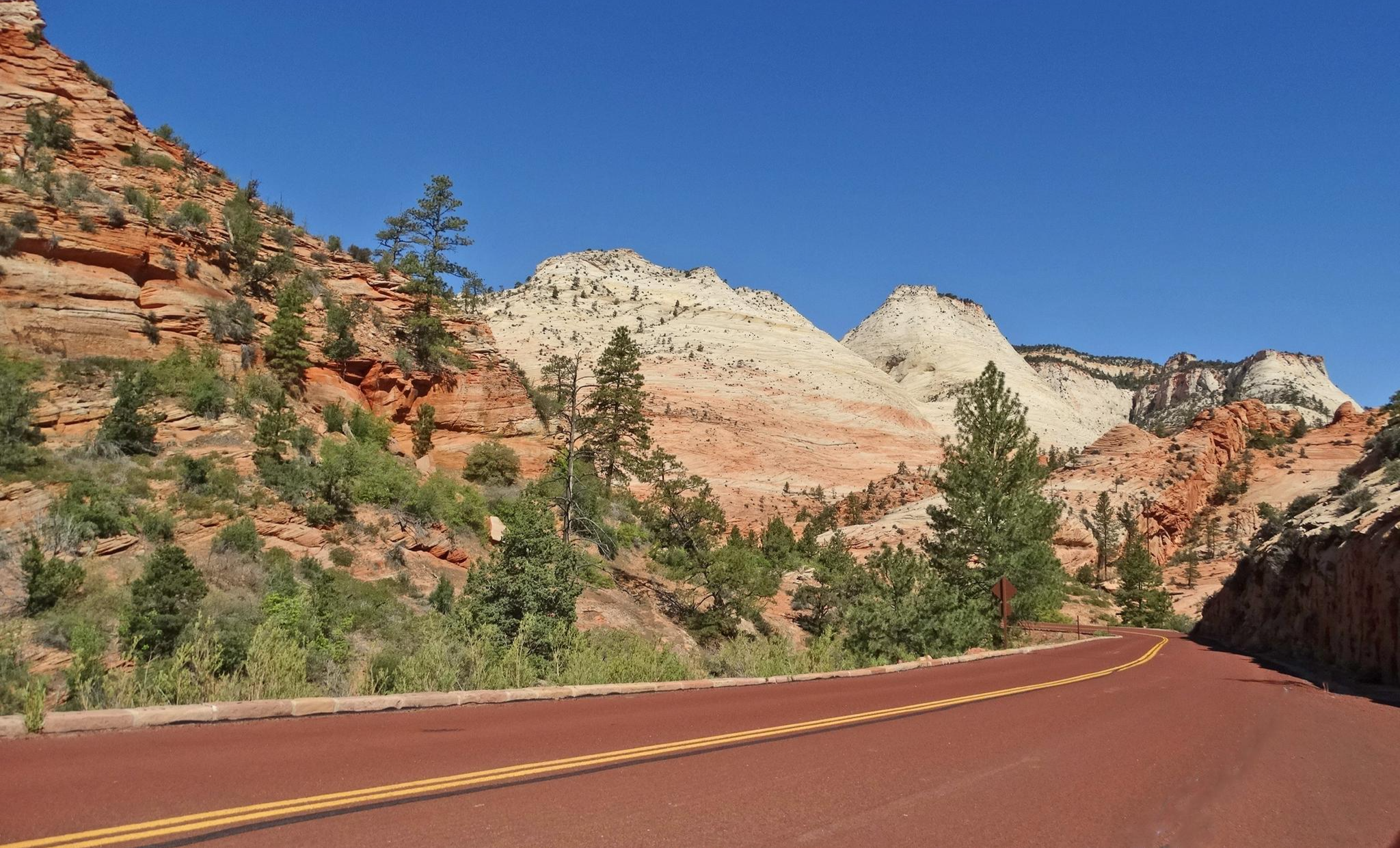
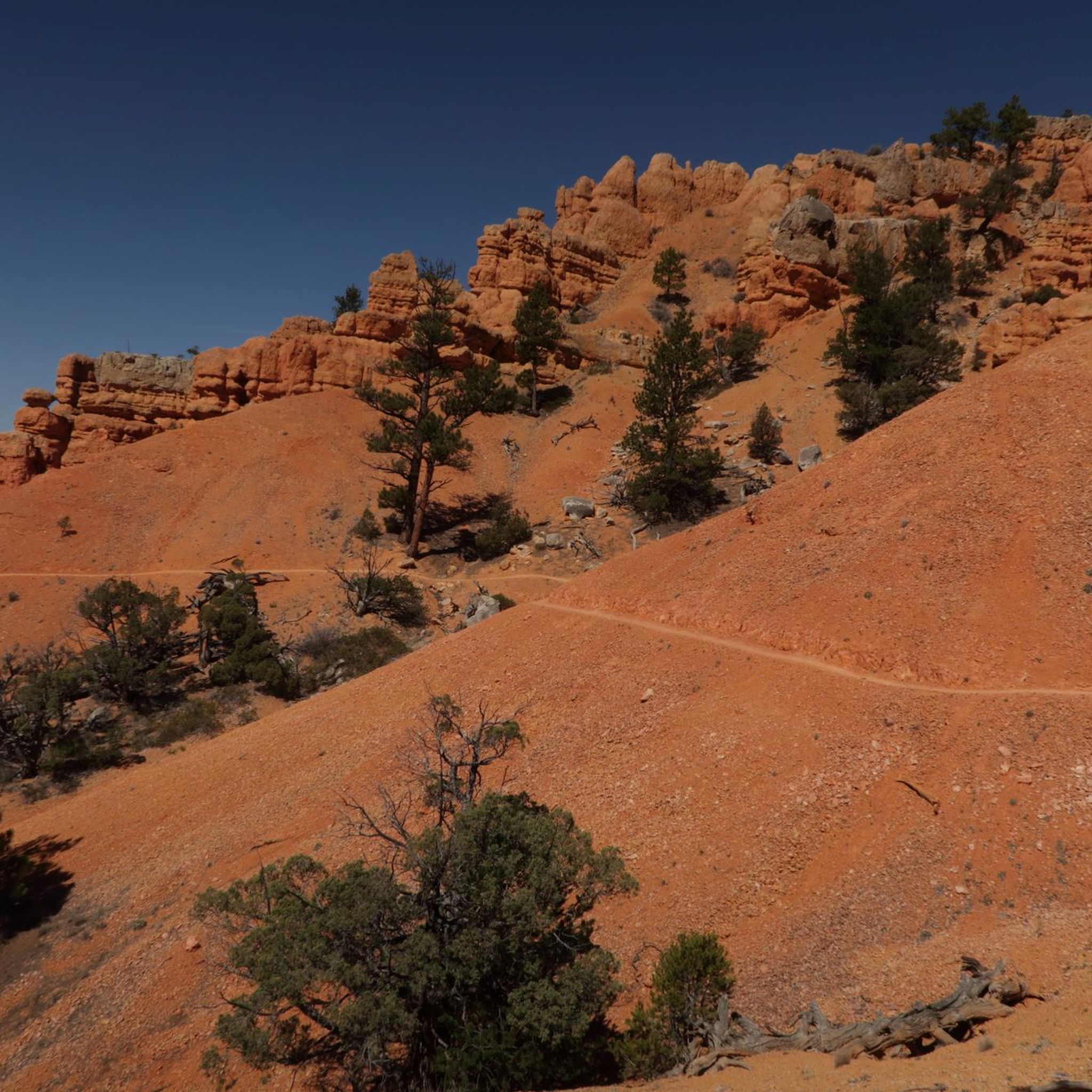
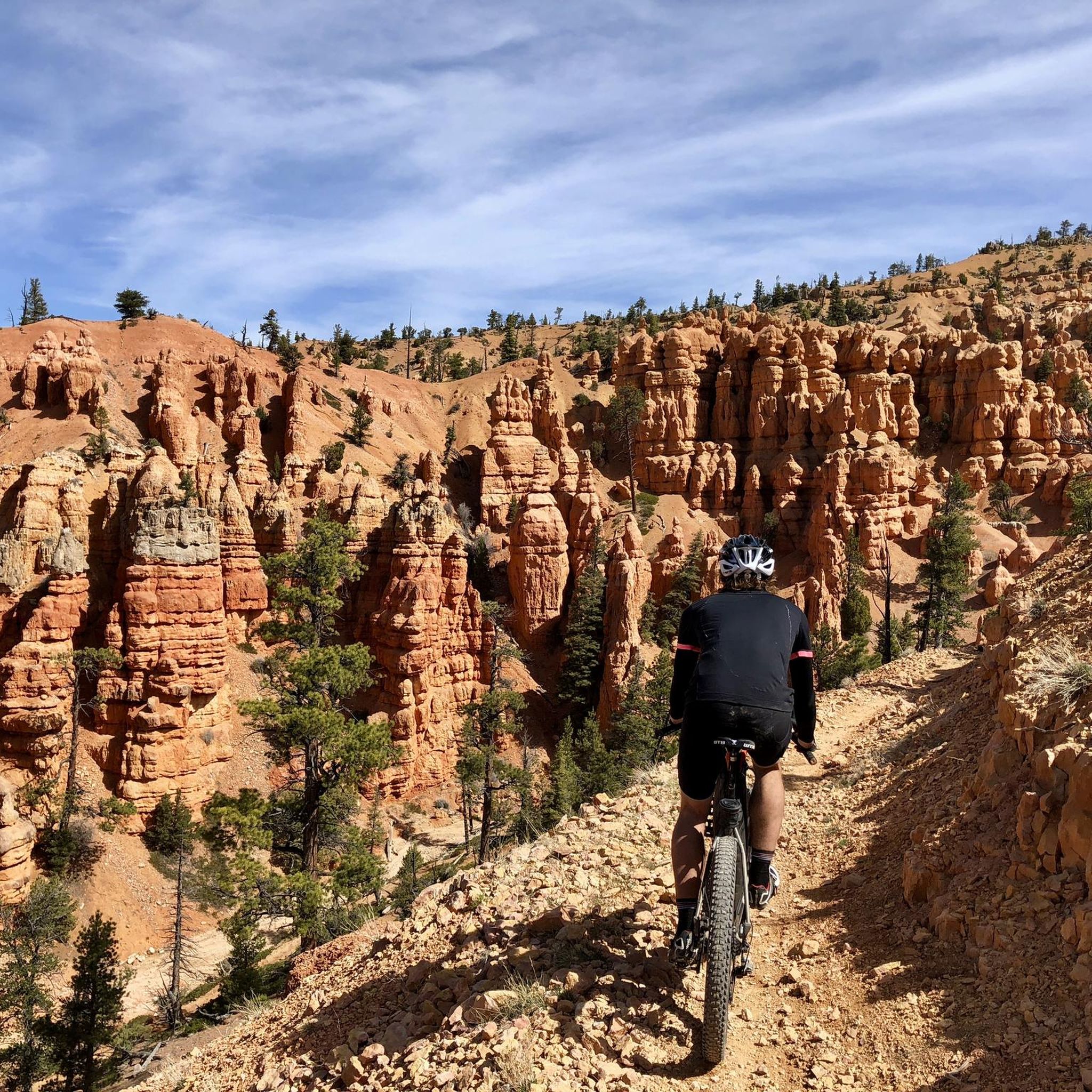
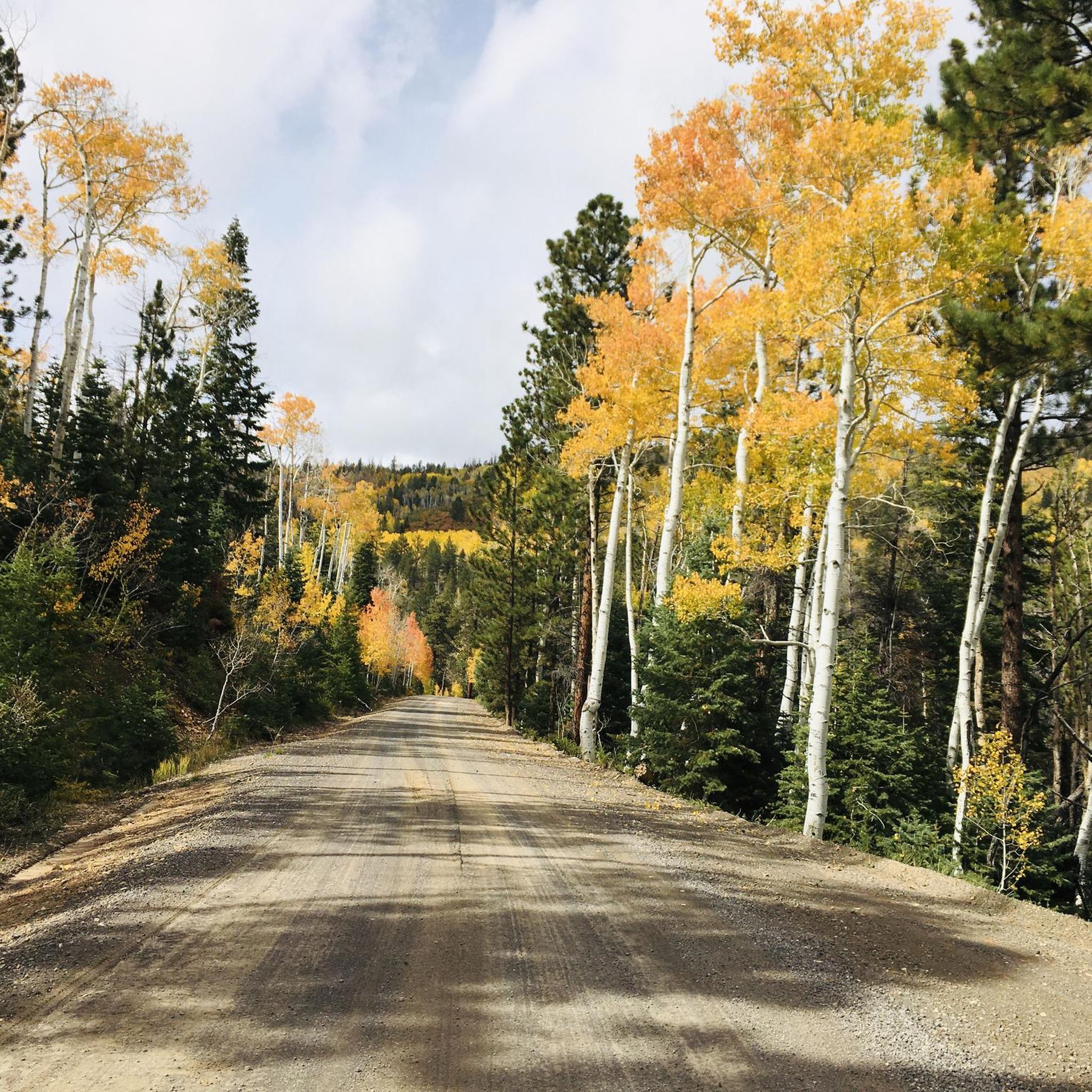
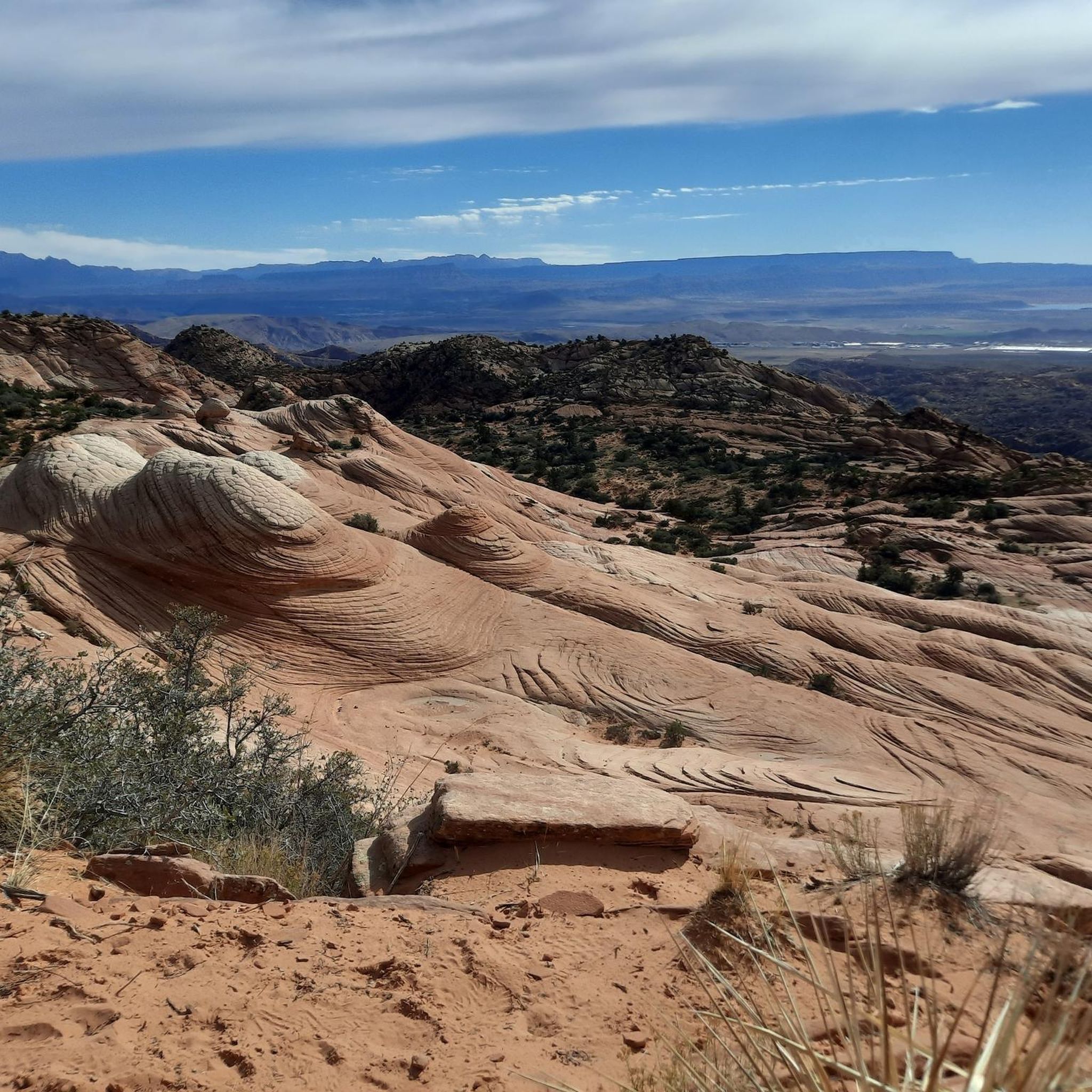
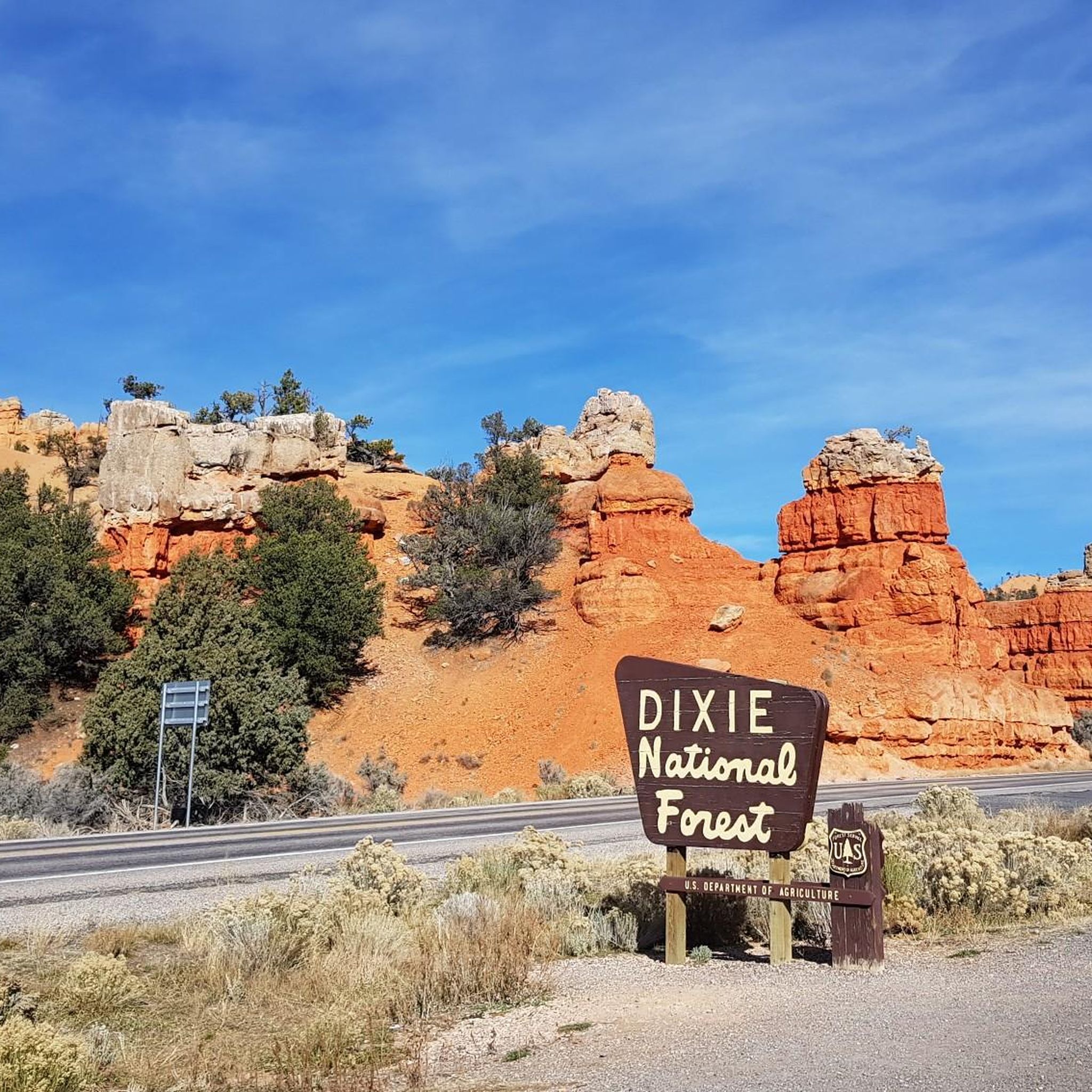
Other adventures in Dixie National Forest

Tips from the Community

It's a paradise for hikers, mountain bikers, and horseback riders, away from the tourist crowds of Bryce Canyon. There are numerous short, well-maintained trails (e.g., Pink Ledges Trail, Hoodoo Trail) as well as longer routes (e.g., Cassidy Trail, Golden Wall Trail). Numerous hiking trails start from the parking lot directly at the Visitor Center.
0
0

This multi-use path runs from Bryce Canyon City to Inspiration Point, offering an easy ride with amazing views of the park. The trail is family-friendly and a great way to explore away from the main roads.
0
0

The tunnel can be located on UT-12, but it remains visible from the trail. It's an impressive arch that was constructed to facilitate the construction of the road through this region.
2
0

In 1916, Reuben C. (Ruby) Syrett brought his family to the wilderness of southern Utah and started a farm near the present location of Ruby's Inn. A few weeks after his arrival, another farmer in the area told Ruby about the canyon called Bryce. Ruby and his family visited the edge of the canyon. They were so impressed by what they saw that they not only started telling people about the beauties of the canyon, but they also became hosts to the visitors. In 1919 they had received permission from the state to build a lodge, the "Tourist Rest", near the edge of the canyon. In 1923, when Bryce Canyon became a National Monument, Ruby moved his "Tourist Rest" to the site of his ranch and named it Ruby's Inn. The post office located in the inn and still serves the area year-round. Ruby's reputation grew as the National Monument became a National Park, and soon Ruby's Inn became a major business. What started with tents and a place to serve meals paved the way for the modern facilities that today serve tourists in Bryce Canyon and give all travelers a pleasant stay in the Bryce Canyon area. Enthusiasm and love for the Bryce area were passed on to Ruby's son Carl. Today, the same Western hospitality and friendly service is carried on by Carl's children and grandchildren, who still run the business.
0
0

Near this section of trail, the Red Canyon Arch grabs riders' attention. Auto traffic travels through, though you'll have to settle for watching from nearby if you remain on trail.
0
0

The Red Canyon Visitor Center, just off Highway 12 near Bryce Canyon, is surrounded by stunning red sandstone formations and lush green pines. Known as one of Utah’s most photographed spots, it offers maps, and trail info. Popular trails like Pink Ledges and Birdseye, plus biking routes like Thunder Mountain, are nearby.
0
0

Unfortunately, this rock arch often found here is not of natural origin.
2
1
Scenic Byway 12 has 2 stone arches. These are not of natural origin, but created by human hands.
1
0
Frequently Asked Questions
What are some notable natural landmarks to explore in Dixie National Forest?
Dixie National Forest offers a variety of impressive natural landmarks. You can visit Red Canyon, often compared to a smaller Bryce Canyon, known for its scarlet hoodoos and red rock spires. Another significant spot is Red Canyon Visitor Center, which serves as a gateway to many trails. Other highlights include the high-altitude Bryce Canyon Multi-use Path, offering views of the park's unique formations, and the stunning Navajo Lake with its clear blue waters.
Where can I find panoramic views in Dixie National Forest?
For breathtaking panoramic views, consider visiting Powell Point, an extension of the Aquarius Plateau, which offers expansive vistas across three different states. Brian Head Peak, the tallest point in the forest at 11,309 feet, also provides remarkable scenery. Additionally, the Pink Ledges Trail in Red Canyon offers distinctive views of red rock formations.
Are there unique geological formations to see, like red rock canyons or caves?
Yes, Dixie National Forest is rich in unique geological features. Red Canyon is famous for its brilliant scarlet-colored hoodoos and red rock spires. You can also explore Mammoth Cave, an old lava tube offering a unique spelunking experience. Cedar Breaks National Monument, though distinct, is surrounded by the forest and features a natural amphitheater with brightly colored cliffs.
What scenic drives are available in Dixie National Forest?
The forest boasts several scenic drives that showcase its diverse landscapes. Hell's Backbone Bridge offers breathtaking views as it links the Boulder Mountains to the Escalante River canyons. Utah's Patchwork Parkway (SR-14), also known as Cedar Mountain, provides beautiful views of aspen forests. Highway 12 All American Road also passes through significant natural areas within the forest.
What kind of outdoor activities can I do in Dixie National Forest?
Dixie National Forest is an outdoor enthusiast's paradise. You can enjoy hiking, mountain biking, and horseback riding on countless trails. Fishing is popular in over 500 miles of streams and 90 lakes, especially in the Boulder Mountain area and Navajo Lake. During winter, the forest transforms into a destination for skiing at Brian Head Ski Resort and snowmobiling. Bird watching is also a rewarding activity.
Are there family-friendly hiking trails in Dixie National Forest?
Yes, many trails in Dixie National Forest are suitable for families. The Bryce Canyon Multi-use Path is an easy ride with amazing views, perfect for families. The Red Canyon Visitor Center area also has numerous short, well-maintained trails like the Pink Ledges and Birdseye trails that are great for all ages.
Where can I go fishing in Dixie National Forest?
Dixie National Forest is a world-class fishing destination. The Boulder Mountain area is particularly popular for high-mountain fishing, with around 80 glistening lakes. Panguitch Lake and Navajo Lake are also excellent spots for fishing. Pine Creek and Sand Creek within the Box-Death Hollow Wilderness Area offer plentiful fishing opportunities as well.
What historical or cultural sites can I visit in the area?
For those interested in history, the Pine Valley Chapel in Pine Valley holds significance as the oldest LDS chapel in continuous use, completed in 1868. Additionally, the High Plateaus region of Dixie National Forest offers opportunities to explore rugged canyons and discover ancient petroglyphs, providing a glimpse into the area's past.
What are some popular routes for road cycling in Dixie National Forest?
Road cyclists can enjoy several routes in the area. A popular option is the Red Canyon Tunnels - Gateway to Natural Wonders – Red Canyon Arch loop from Bryce Canyon City, which is a moderate 52.6 km ride. You can find more road cycling routes and details on the Road Cycling Routes in Dixie National Forest guide.
Are there running trails available in Dixie National Forest?
Yes, Dixie National Forest offers a variety of running trails. The Yant Flat Trail is a moderate 5 km option, while the Pine Valley Loop provides a more challenging 19 km run. The Bryce Canyon Multi-use Path also features a 21 km loop from Bryce Canyon City. Discover more running options in the Running Trails in Dixie National Forest guide.
What is the best time to visit Dixie National Forest?
The best time to visit Dixie National Forest largely depends on your desired activities. Summer and fall offer ideal conditions for hiking, mountain biking, and fishing, with pleasant temperatures and vibrant foliage. Winter transforms the forest into a snowy wonderland, perfect for skiing and snowmobiling, particularly around Brian Head Peak. Spring brings blooming wildflowers and milder weather, though some higher elevation areas might still have snow.
Are there camping opportunities within Dixie National Forest?
Yes, numerous campgrounds are available throughout Dixie National Forest, providing immersed experiences in beautiful natural settings. For example, Te-Ah Campground offers a chance to stay among aspen forests. Additionally, facilities like Ruby's Inn RV Park and Campground provide convenient options near popular attractions like Bryce Canyon.
Can I find wheelchair accessible attractions in Dixie National Forest?
While much of the forest is rugged, some areas offer better accessibility. The Red Canyon Arch, a man-made structure on Scenic Byway 12, is visible from the trail and is noted as wheelchair accessible. It's always recommended to check specific trail conditions and visitor center information for the most up-to-date accessibility details.
Most popular routes in Dixie National Forest
Most popular attractions in Dixie National Forest

Get inspired with the komoot mobile app


Explore more
Still not found the Highlight you’re looking for? See guides of the top attractions in other regions:
