The best running trails around Østerø Sø
4.1
(16)
554
runners
66
runs
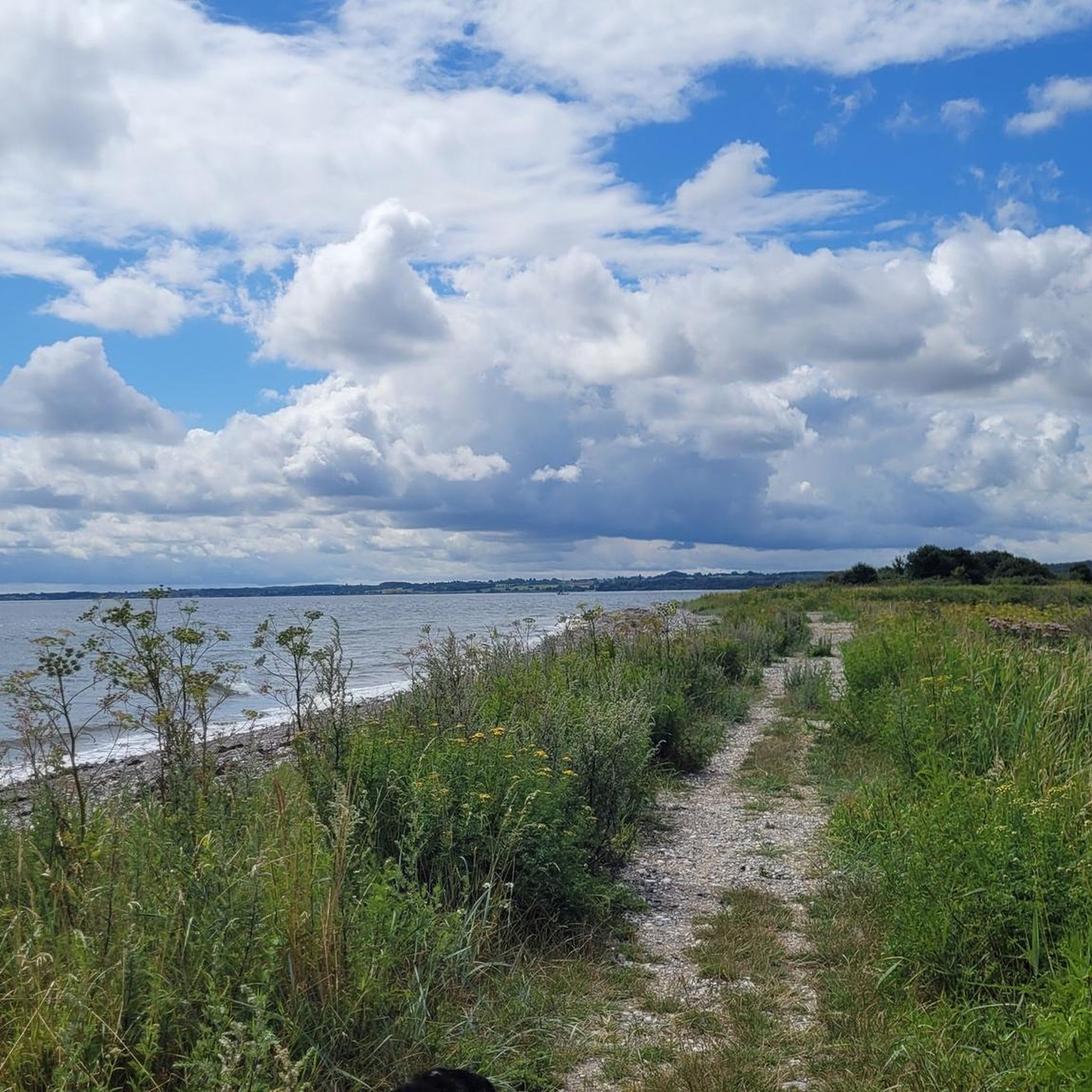
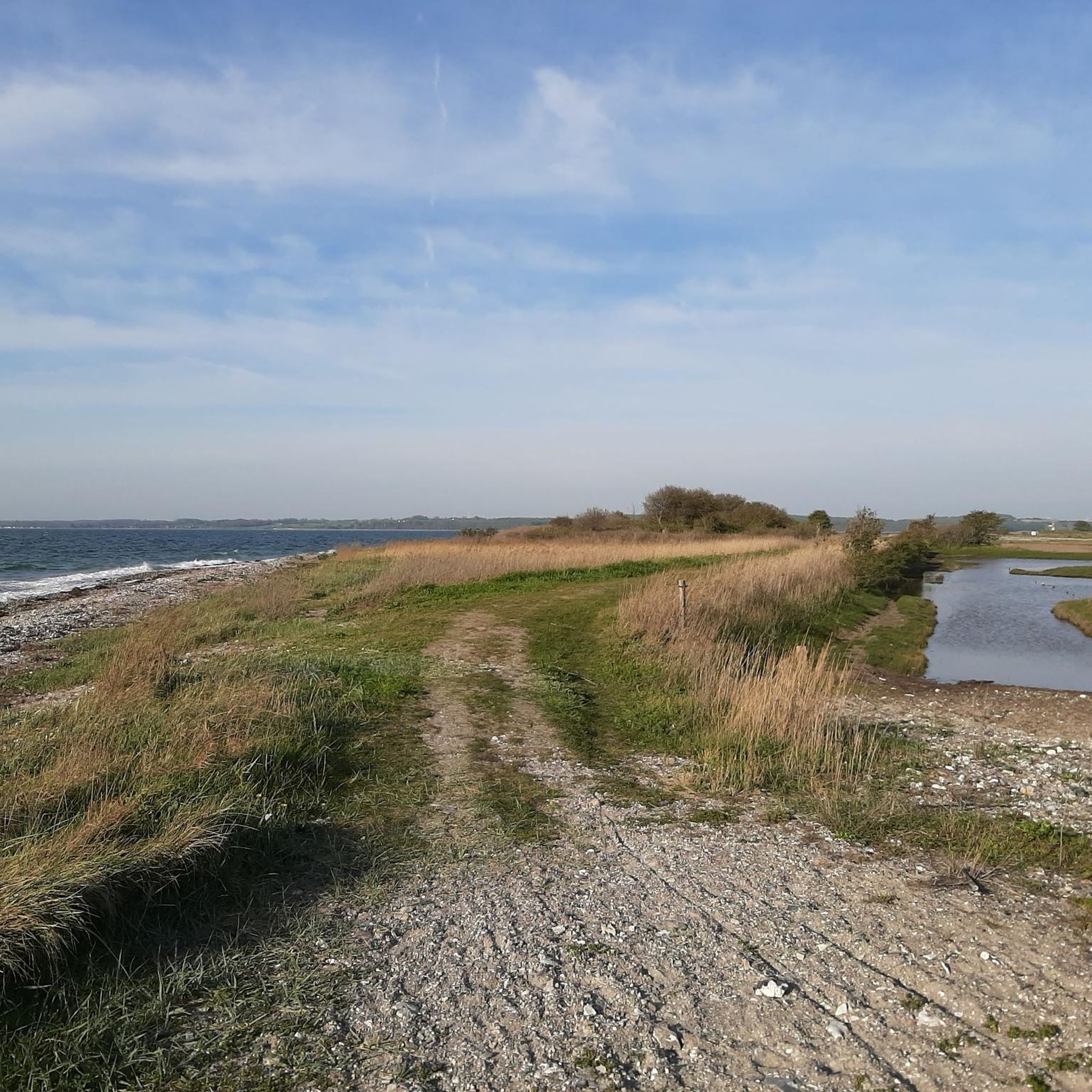
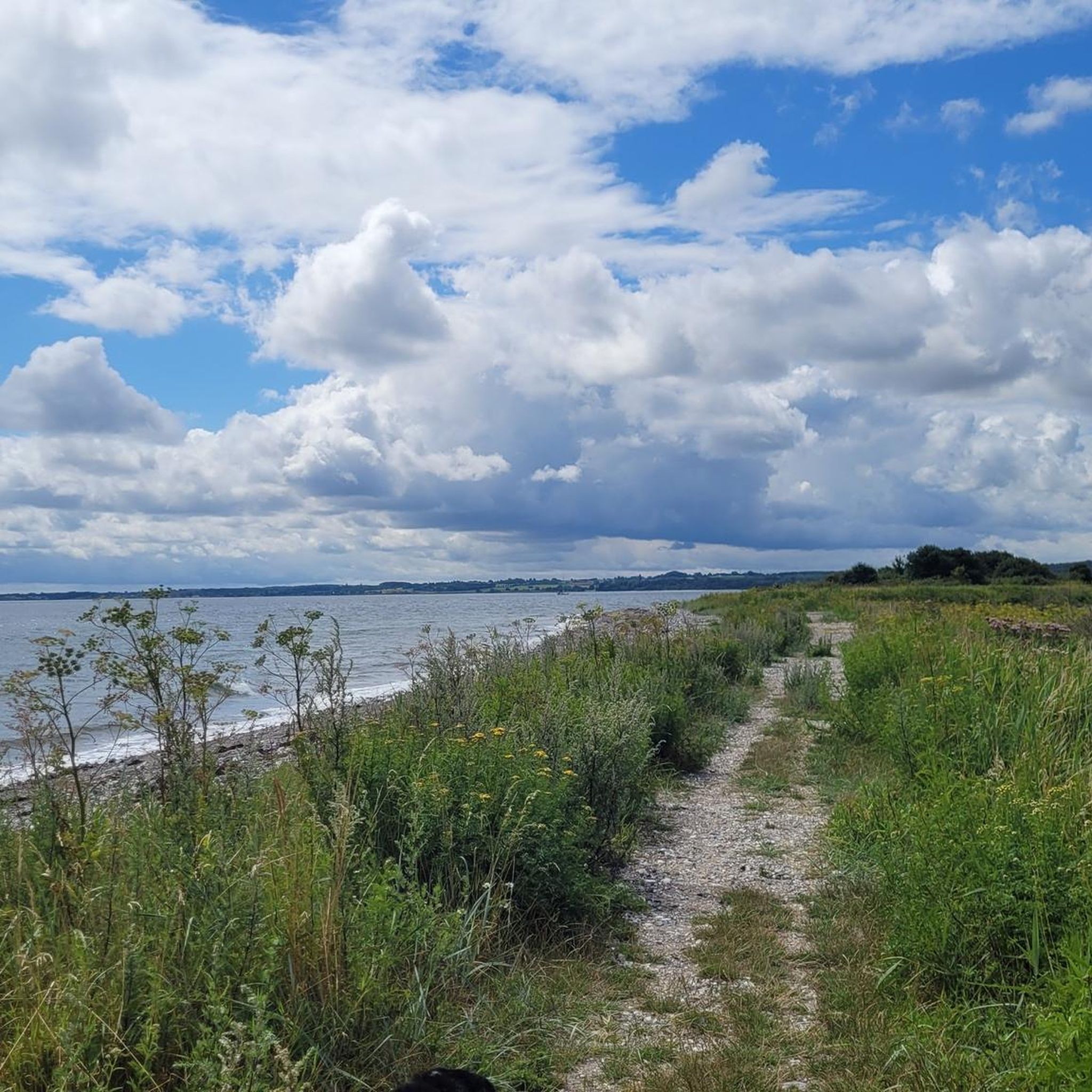
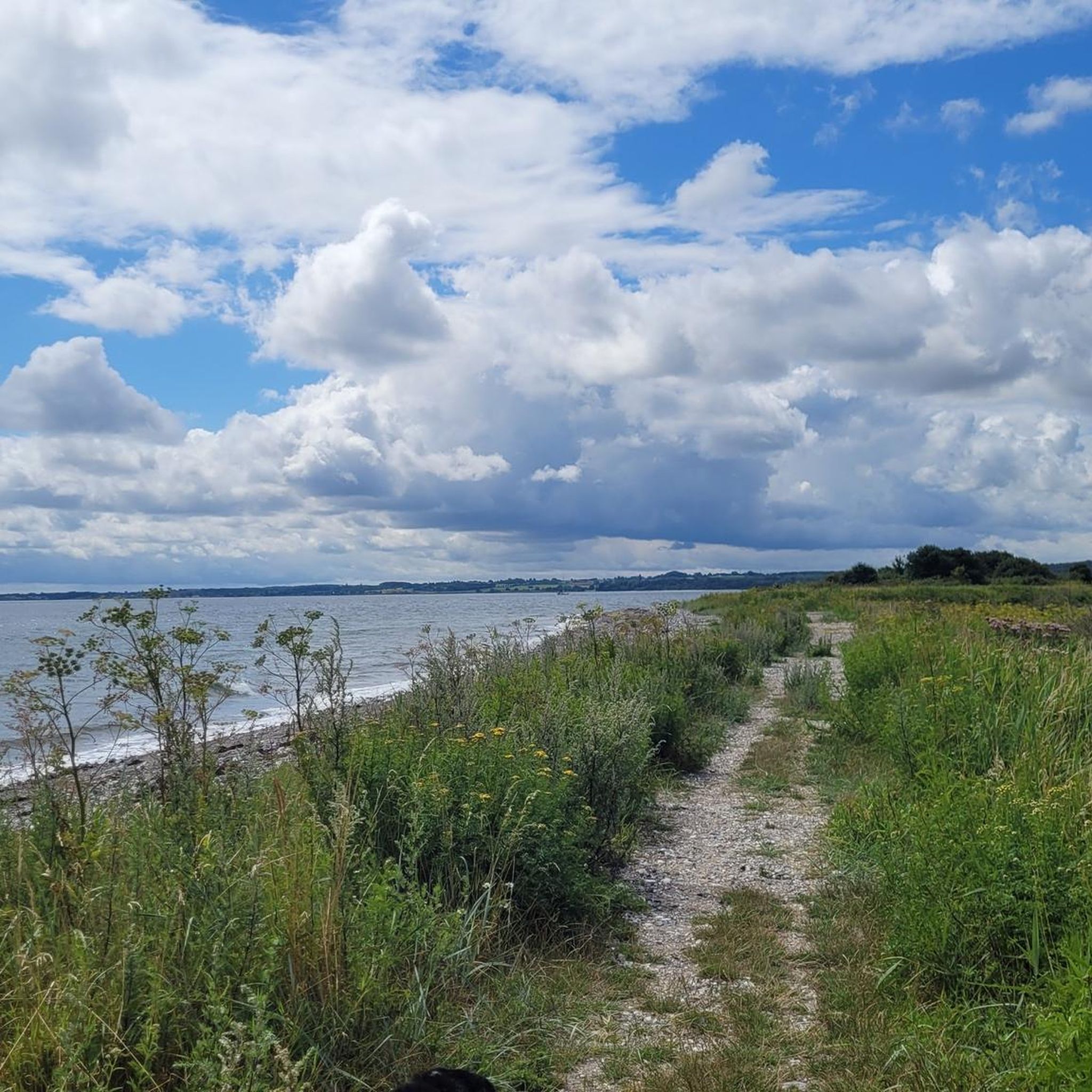
Jogging around Østerø Sø offers a variety of routes primarily along the coast and near the historic harbor areas. The terrain is generally flat, with minimal elevation changes, making it suitable for various fitness levels. Runners can expect views of the sea, beaches, and local landmarks. The region's landscape is characterized by its proximity to the water and open coastal stretches.
Best jogging routes around Østerø Sø
- The most popular jogging route is Knudshoved Old Harbor loop from Østerø Sø…
Last updated: June 24, 2026
4
runners
7.01km
00:48
10m
10m
Moderate run. Good fitness required. Mostly paved surfaces. Suitable for all skill levels.
5.0
(2)
17
runners
9.66km
01:05
10m
10m
Moderate run. Good fitness required. Mostly paved surfaces. Suitable for all skill levels.

Sign up for free
5
runners
8.62km
00:57
10m
10m
Moderate run. Good fitness required. Mostly paved surfaces. Suitable for all skill levels.
5
runners
Moderate run. Good fitness required. Mostly paved surfaces. Suitable for all skill levels.
4
runners
Moderate run. Good fitness required. Mostly paved surfaces. Suitable for all skill levels.
Get access to more routes and recommendations from other explorers.
Sign up for free
Already have an account?
Our route recommendations are based on thousands of hikes, rides, and runs completed by other people on komoot.
Start today with a free account
Your next adventure awaits.
Login or Signup
Tips from the Community


The marketplace (Torvet) in Nyborg is a historic square with an interesting history. Originally, it was laid out in 1537 by King Christian III as a riding and tournament ground. The Torvet is located near Nyborg Castle. The King bought up houses at the time to create a square that also served as a demarcation from the castle. A statue of King Christian IX stands in the square, created in 1909 by sculptor Hans Peder Pedersen-Dan. Pedersen-Dan is also known for other famous works in Denmark. The square is a central meeting point today. There are shops and restaurants with outdoor seating. In addition, various events take place here throughout the year, often with historical connections, such as the Danehof, an autumn market, or Christmas markets. You will also find the tourist information here.
2
0

Nyborg Town Hall was first built in 1586. After the great fire of 1797, it was rebuilt in 1803 and remodeled in 1862, with an additional floor added. Since then, it has been renovated several times, most recently in 1970. Even today, it remains an impressive and worth seeing building. https://www.visitnyborg.dk/nyborg/planlaeg-din-tur/raadhuset-i-nyborg-gdk914692
2
0
Frequently Asked Questions
How many running routes are available around Østerø Sø?
There are over 60 running routes available around Østerø Sø, catering to various fitness levels. You'll find a good mix of easy, moderate, and challenging trails to explore.
Are there easy jogging routes suitable for beginners in Østerø Sø?
Yes, Østerø Sø offers 7 easy jogging routes, perfect for beginners or those looking for a relaxed run. The terrain is generally flat, making it accessible for all.
What kind of views can I expect along the jogging routes in Østerø Sø?
Jogging routes in Østerø Sø primarily offer scenic views of the sea, beautiful beaches, and historic harbor areas. Many paths run directly along the coast, providing refreshing sea breezes and open vistas.
Are there any circular running routes around Østerø Sø?
Many of the running routes in Østerø Sø are circular, allowing you to start and finish at the same point. For example, the Knudshoved Old Harbor loop from Østerø Sø is a popular circular option.
What do other runners enjoy most about the trails in Østerø Sø?
The running trails around Østerø Sø are highly rated by the komoot community, with an average score of 3.9 stars from over 15 reviews. Runners often praise the coastal paths, harbor views, and beachfront trails, highlighting the diverse and scenic experience.
Are the jogging routes in Østerø Sø suitable for families?
Given the generally flat terrain and coastal paths, many routes around Østerø Sø are suitable for families. Easy routes provide a great opportunity for a shared outdoor experience, though specific family-friendly amenities might vary by trail.
Can I bring my dog on the running trails around Østerø Sø?
While specific regulations can vary, many coastal and natural areas in Denmark are dog-friendly, often requiring dogs to be on a leash. It's always a good idea to check local signage on individual trails for any specific restrictions regarding dogs.
Are there any notable landmarks or points of interest along the running routes?
Yes, several routes feature interesting landmarks. For instance, the Knudshoved Old Harbor – Knudshoved Lighthouse loop from Nyborg takes you past the historic lighthouse, offering great coastal views. Another route, Nyborg Castle Tower – Wooden Bridge Over Moat loop from Nyborg, explores areas near the historic Nyborg Castle.
What is the typical distance of running routes in Østerø Sø?
The running routes in Østerø Sø vary in distance. You can find shorter loops like the popular Knudshoved Old Harbor loop from Østerø Sø at 4.3 miles (7.0 km), up to longer trails such as the Nyborg Castle Tower – Wooden Bridge Over Moat loop from Nyborg which is nearly 9.3 miles (15 km).
Is public transport available to access the jogging trails in Østerø Sø?
Østerø Sø is located near Nyborg, which is well-connected by public transport. Depending on the specific starting point of your chosen route, you may be able to reach it via local bus services or by train to Nyborg station, followed by a shorter walk or bus ride.
Are there parking facilities near the running routes in Østerø Sø?
Yes, parking is generally available near popular starting points for running routes, especially in areas like the Old Harbor or closer to Nyborg. Specific parking options may vary by trail, so it's advisable to check the route details for the most convenient spots.
What is the best time of year for running in Østerø Sø?
The coastal nature of Østerø Sø makes it pleasant for running throughout much of the year. Spring and summer offer milder temperatures and longer daylight hours, while autumn provides beautiful scenery. Winter running is also possible, but be prepared for cooler temperatures and potentially windy conditions along the coast.
Most popular routes around Østerø Sø

Get inspired with the komoot mobile app


Explore more
Browse the best Running Trails & Routes in other regions.
