The best MTB trails around Østerø Sø
4.3
(23)
143
riders
31
rides
Mountain biking around Østerø Sø offers a diverse landscape characterized by coastal paths, forests, and historical landmarks. The region features varied terrain, from flat sections near the water to gently rolling hills and wooded areas. Many routes incorporate views of the Great Belt Bridge and pass by significant sites like castles. The area provides a mix of easy and challenging trails suitable for different skill levels.
Best mountain bike trails around Østerø Sø
- The most popular mountain bike trail is…
Last updated: June 24, 2026
10
riders
98.3km
06:31
560m
560m
Hard mountain bike ride. Very good fitness required. Suitable for all skill levels.
5.0
(1)
9
riders
38.2km
02:42
220m
220m
Moderate mountain bike ride. Good fitness required. Advanced riding skills necessary.

Sign up for free
5.0
(2)
9
riders
20.4km
01:17
50m
50m
Easy mountain bike ride. Great for any fitness level. Suitable for all skill levels.
3.0
(1)
3
riders
39.8km
02:18
140m
140m
Moderate mountain bike ride. Good fitness required. Suitable for all skill levels.
4
riders
46.0km
02:31
210m
210m
Moderate mountain bike ride. Good fitness required. Suitable for all skill levels.
Get access to more routes and recommendations from other explorers.
Sign up for free
Already have an account?
Our route recommendations are based on thousands of hikes, rides, and runs completed by other people on komoot.
Start today with a free account
Your next adventure awaits.
Login or Signup
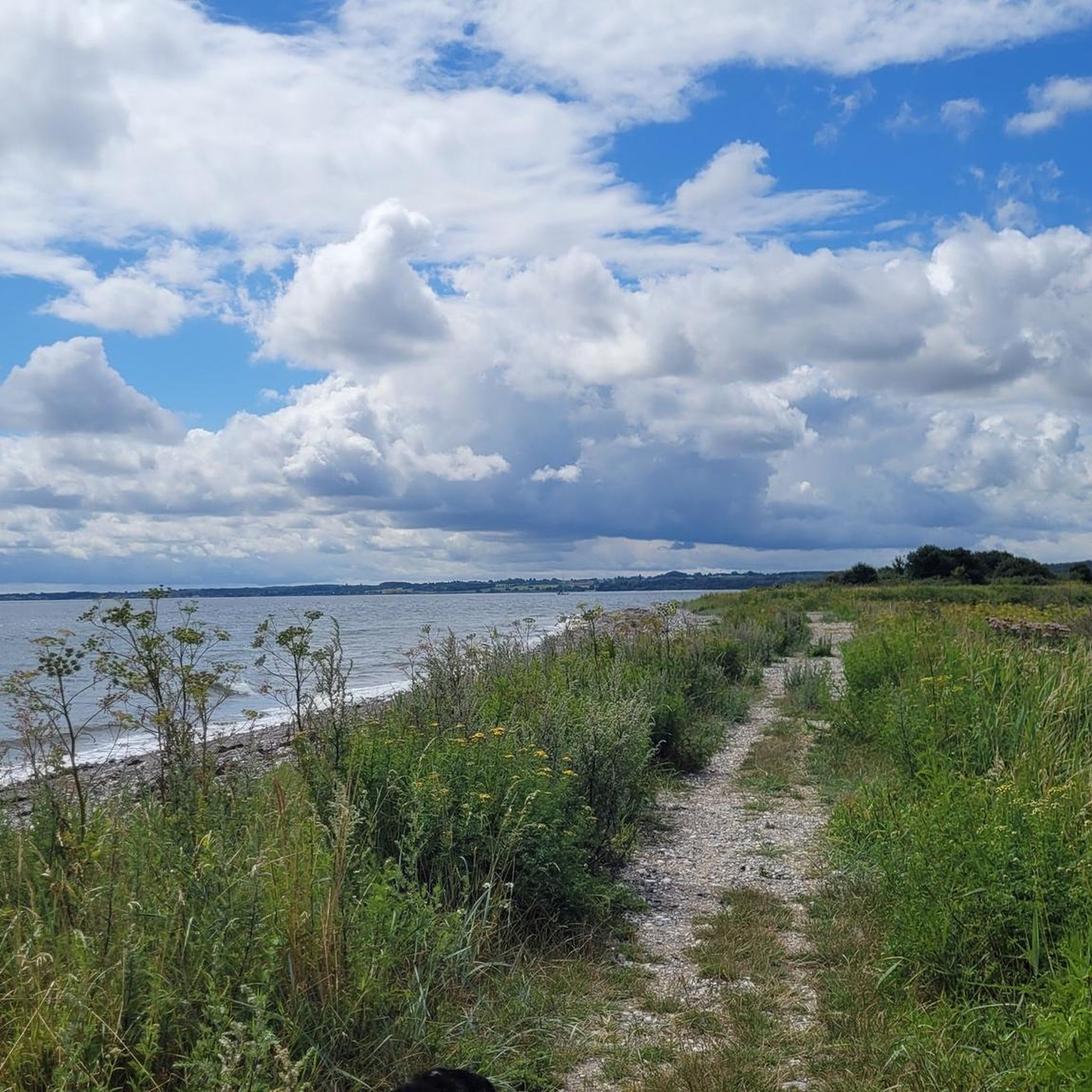
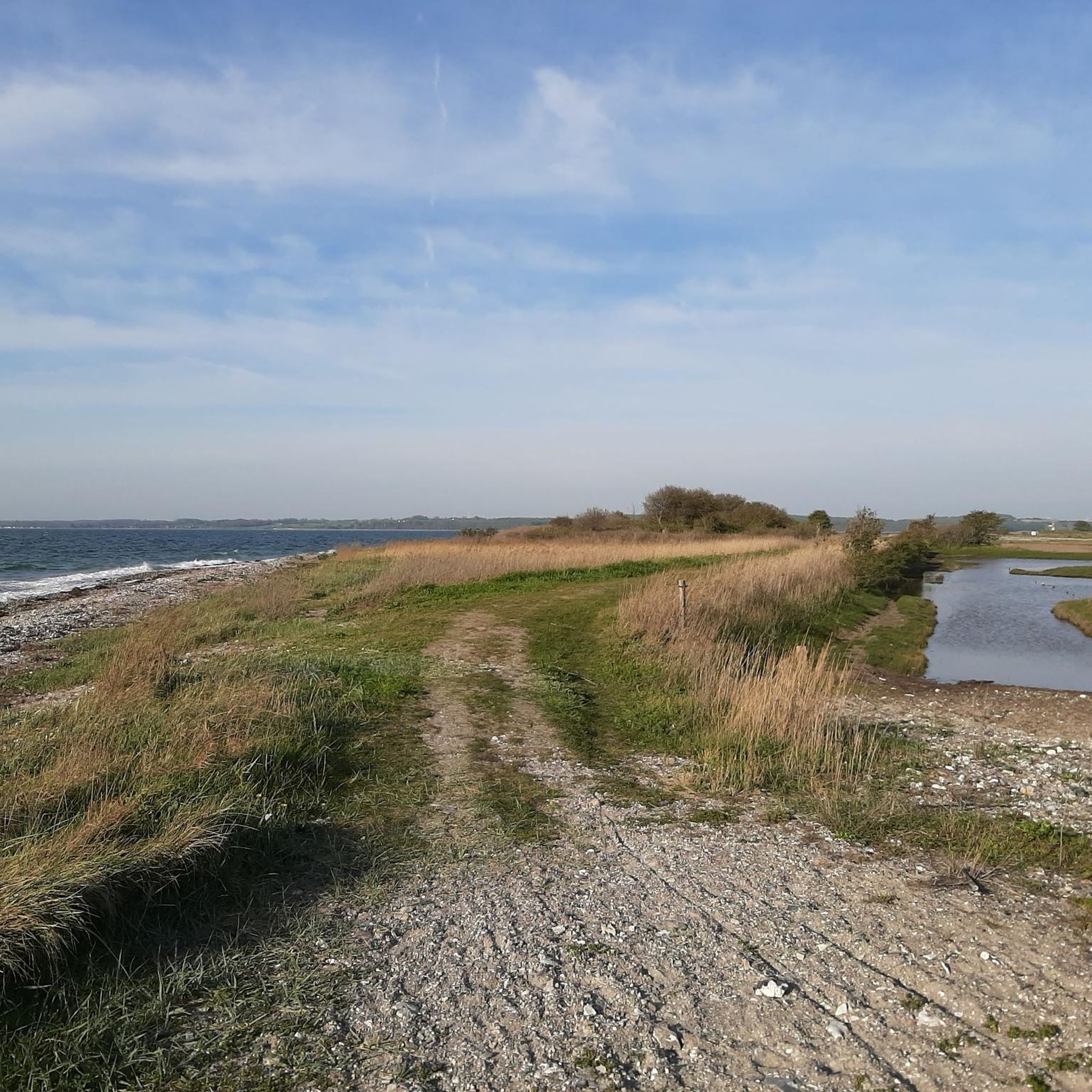
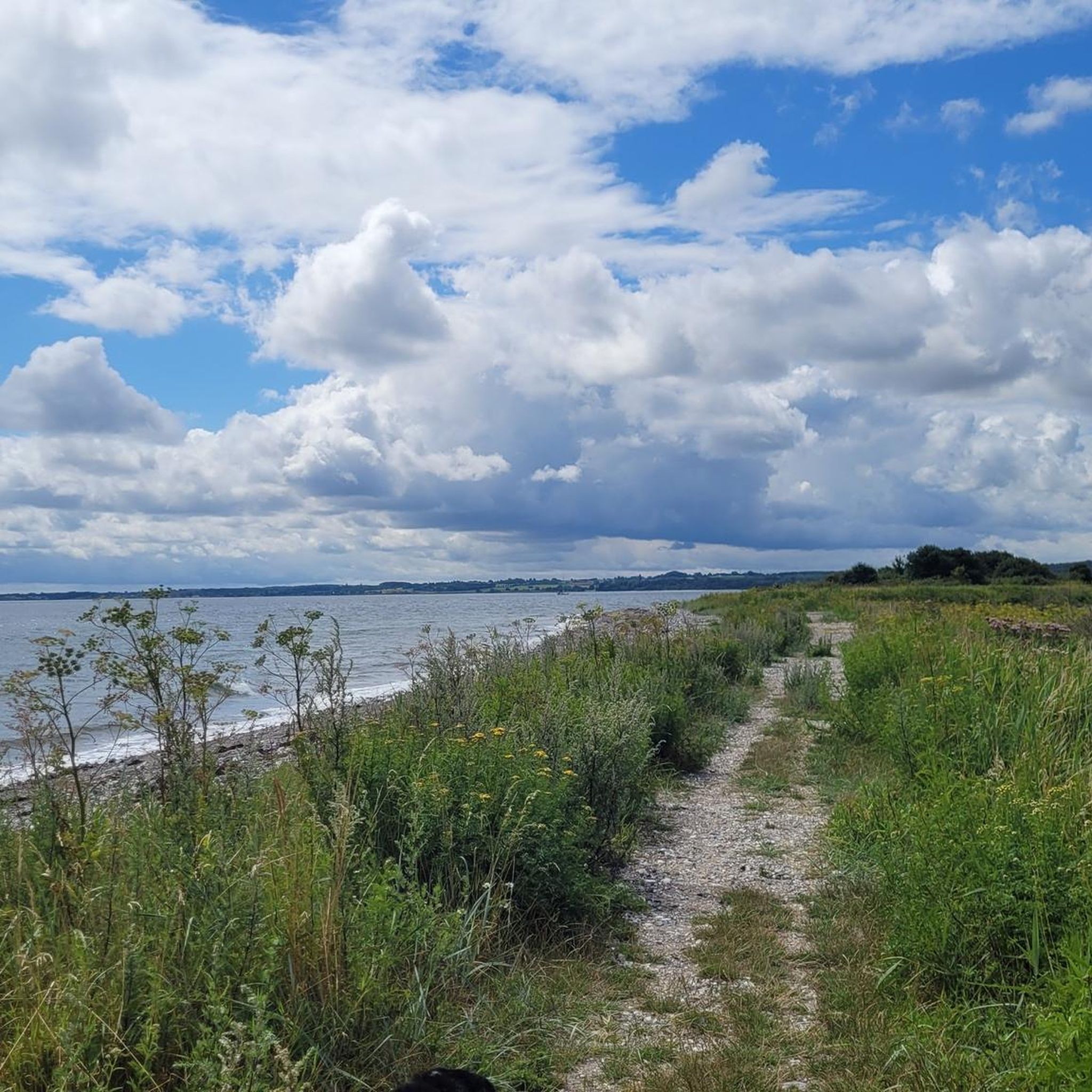
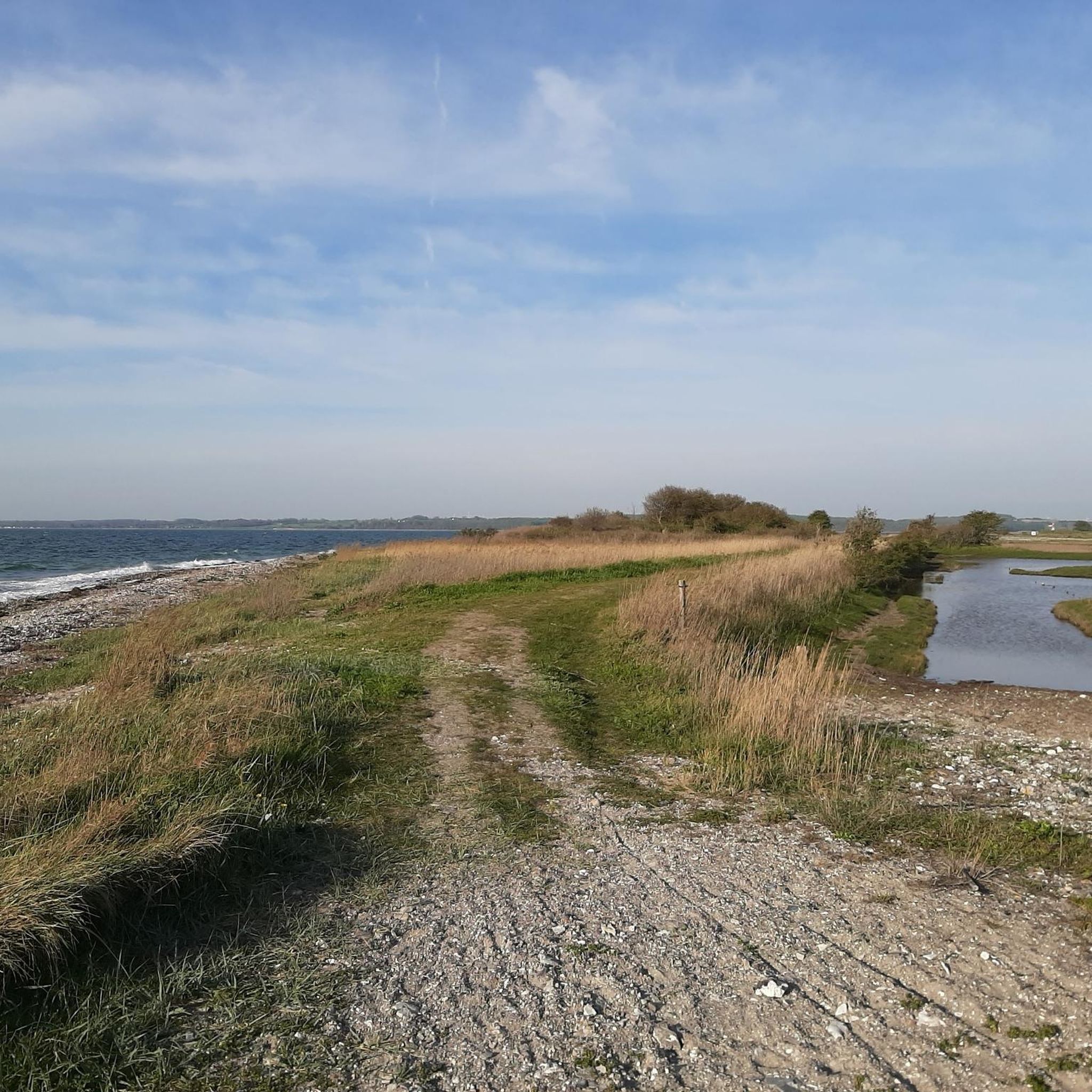
Tips from the Community


The old customs house (“Gammel Toldbod”) in Nyborg is located at Havnegade 2 and holds historical significance for the town. Today, the building houses the “Kiropraktorhuset Gammel Toldbod” (Chiropractic Practice Old Customs House). In earlier times, the building served as a customs house. This was because Nyborg was situated on an important waterway, the Great Belt, where ships had long been required to pay tolls to Denmark. The old customs house in Nyborg, like other similar buildings in Denmark, played a crucial role in monitoring shipping traffic to prevent the smuggling of goods. The building in its current form was constructed during a period when these customs controls were of paramount importance.
2
0

Holckenhavn Castle, built in 1579 in the Renaissance style with its moat and towers, is still a magnificent sight today
1
0
Nyborg Town Hall was first built in 1586. After the great fire of 1797, it was rebuilt in 1803 and remodeled in 1862, with an additional floor added. Since then, it has been renovated several times, most recently in 1970. Even today, it remains an impressive and worth seeing building. https://www.visitnyborg.dk/nyborg/planlaeg-din-tur/raadhuset-i-nyborg-gdk914692
2
0
The sculpture "FORSAVN" by Lars Abrahamsen was erected to commemorate the 35 sailors from Nyborg who died in service during World War II. The sculpture is 5 meters high and made of aluminum that can be rotated on a circular plane. The memorial evokes a sinking ship, a giant sail, a compass with a large needle—or perhaps something else? It has four bronze plaques engraved with the names of the 35 sailors. https://www.visitnyborg.de/nyborg/reiseplanung/forsavn-gdk1114648
2
0
Nyborg Castle (Danish: Nyborg Slot, also Danehofslottet) is located in the town of Nyborg, about 29 kilometers southeast of Odense on Funen. The castle was built around 1170 by Duke Knud Prislavsen, a nephew of Valdemar the Great, for protection against the Wends. In 1282, Erik V. Glipping signed the first Danish charter (Danehof) here. Through this, the supreme court passed from the king to the Danehof, the first Danish parliament, which convened in Nyborg Castle. When Erik VII. moved to Copenhagen, the castle there became the center of royal power in Denmark until 1416. Nyborg, however, remained another royal residence. Later, the castle was used as an armory and granary. During the Count's Feud (1533–1536), the castle was conquered twice. Christian III. subsequently ensured an expansion of the castle and fortified it with a large rampart system. Christian IV. had the castle further expanded in 1607 by the Italian architect Domenicus Badiaz. During the war with Sweden (1658–1660), three-quarters of the castle was destroyed. The building material was partly reused in 1722 for the new construction of the castle in Odense. Nyborg itself remained a garrison town until 1913. After the dissolution of the garrison, the castle was reconstructed by Morgen Clemmensen from 1917–1923. Today, a museum is housed in the castle. Two half-towers and the gatehouse from Erik's time can still be visited. A wing with a large banqueting hall remains from the former royal palace. Three halls display Nyborg's history during the time of the Danehof, Queen Margarethe I, and Christian III. https://de.wikipedia.org/wiki/Schloss_Nyborg
3
0
The Church of Our Lady in Nyborg on Funen, on the west coast of the Great Belt, is a Gothic brick pseudo-basilica. It is the most important church building in the city and is used by the Danish National Church. The "Church of Our Lady" was built between 1388 and 1428 and consecrated on Pentecost 1428 by Bishop Navne Jensen Krigebusk. Its patron saint is Mary, the mother of Jesus. The oldest parts are the four western parts of the church, which were enclosed on the east side by a north-south wall in the early 14th century. Before 1428, the church was expanded to include the two easternmost parts, the present-day choir, and probably three additional chapels. At the time of the Reformation, three chapels with a shared roof were built on the south side of the church, and in the 1550s, King Christian III had a new chapel built. The church was expanded by an additional aisle in the north, running the entire length of the church. The large west tower and the small east tower were completed around 1600. Until 1870, the Church of Our Lady appeared as a five-aisled church. During the extensive renovation of 1870/1871, the outer aisles were demolished on both sides, except for the central nave bays. Dormers were built over the remaining outer bays, so that the church has since had a transept located unusually far to the west. Inside, however, the transepts continue to have the same low height as the side aisles. The church has two organs: the main organ, built in 1973, with 37 stops on three manuals and a pedal, is a work by Poul-Gerhard Andersen; the choir organ, built in 1872 by Johan Andreas Demant, is a single-manual organ with five stops. A special feature of this church is the design of its vaulted ribs, which are otherwise constructed from the usual short brick segments. These begin with square limestone corbels. Human heads – some of them grotesque – have been carved out of several of them. https://de.wikipedia.org/wiki/Vor_Frue_Kirke_(Nyborg)
3
0
Frequently Asked Questions
How many mountain bike trails are available around Østerø Sø?
There are over 30 mountain bike trails around Østerø Sø, offering a diverse range of options for different skill levels. This includes 11 easy routes, 20 moderate routes, and 1 difficult route.
What kind of terrain and scenery can I expect on mountain bike trails around Østerø Sø?
The trails around Østerø Sø feature a varied landscape, including coastal paths, forests, and historical landmarks. You can expect a mix of flat sections near the water, gently rolling hills, and wooded areas. Many routes offer views of the iconic Great Belt Bridge and pass by significant sites like castles.
Are there family-friendly mountain bike trails in Østerø Sø?
Yes, Østerø Sø offers several family-friendly mountain bike trails. Many of the 11 easy routes are suitable for families. For example, the Mountain Bike Trail – Great Belt Bridge loop from Holmen is an easy 7.8-mile (12.6 km) route that provides scenic views and is generally manageable for a family outing.
Are there options for advanced mountain bikers near Østerø Sø?
Yes, advanced mountain bikers can find challenging routes. The Nyborg Town Hall – Kajbjergskoven Gravel Route loop from Nyborg is a difficult 60.7-mile (97.7 km) path that traverses through the Kajbjergskoven forest on gravel surfaces, offering a significant challenge.
What is the best season for mountain biking in Østerø Sø?
The spring, summer, and early autumn months generally offer the most pleasant conditions for mountain biking around Østerø Sø. The weather is typically milder, and the trails are less likely to be muddy or icy. Coastal paths can be particularly enjoyable during these seasons.
Are there loop mountain bike trails in Østerø Sø?
Yes, many of the mountain bike trails around Østerø Sø are designed as loops, making them convenient for starting and ending at the same point. Examples include the Knudshoved Lighthouse – Great Belt Bridge loop from Nyborg and the Great Belt Bridge – Nordenhuse Beach and Pier loop from Nyborg.
What do other mountain bikers enjoy most about mountain biking in Østerø Sø?
The area is highly rated by the komoot community, with an average score of 4.3 stars from over 20 reviews. Reviewers often praise the diverse terrain, the scenic coastal views, and the opportunity to combine outdoor activity with historical sights like castles and the Great Belt Bridge.
Can I find mountain bike trails that pass by historical sites?
Absolutely. The region is rich in history, and several mountain bike routes incorporate historical sites. For instance, the Nyborg Castle – Holckenhavn Castle loop from Nyborg is a 23.7-mile (38.2 km) trail that leads through significant historical landmarks and parkland.
Are there any mountain bike trails that offer views of the Great Belt Bridge?
Yes, several trails provide excellent views of the impressive Great Belt Bridge. The Mountain Bike Trail – Great Belt Bridge loop from Holmen is a popular easy route specifically known for its bridge vistas.
What are the typical durations for mountain bike rides in Østerø Sø?
Ride durations vary significantly depending on the trail length and your pace. Shorter, easy routes like the Mountain Bike Trail – Great Belt Bridge loop from Holmen can be completed in about 45 minutes. Longer, more challenging routes, such as the Nyborg Town Hall – Kajbjergskoven Gravel Route loop from Nyborg, can take several hours, up to 6.5 hours or more.
Are there less crowded mountain bike trails available around Østerø Sø?
While some popular routes can see more traffic, the extensive network of over 30 trails means you can often find quieter options. Exploring the trails further inland or during off-peak hours can lead to a more secluded experience. Consider routes that venture deeper into the forest areas for a more tranquil ride.
Most popular routes around Østerø Sø

Get inspired with the komoot mobile app


Explore more
Browse the best MTB trails in other regions.
