The best walks and hikes around Winnipeg
5.0
(1)
126
hikers
40
hikes
Hiking around Winnipeg offers diverse landscapes, from urban forests and river greenways to prairie wetlands. The region is characterized by relatively flat terrain, with gentle elevation changes, making many trails accessible. Natural features include aspen-oak vegetation, riverine ecosystems, and open marshlands, providing varied environments for outdoor activities.
Best hiking trails around Winnipeg
- The most popular hiking route is Aspen to Preston Trail – Assiniboine Forest Winnipeg, a 3.4 miles (5.5 km) trail that takes 1 hour 23 minutes to complete. This easy route winds through one of Canada's largest urban nature parks.
- Another top favourite among local hikers is Bunn’s Creek Trail — Winnipeg, an easy 4.0 miles (6.4 km) path. This trail follows Bunn's Creek, offering a natural escape within the city.
- Local hikers also love the Seine River Greenway loop — Bois-des-Esprits, a 2.2 miles (3.6 km) trail leading through an urban forest along the Seine River, often completed in about 54 minutes.
- Hiking around Winnipeg is defined by urban forests, river greenways, and prairie wetlands. The network offers options for various ability levels, from easy strolls to longer paths.
- The guide includes highly-rated routes that showcase the best of the region's landscape. More than 100 hikers have used komoot to explore Winnipeg's varied terrain.
Last updated: October 13, 2026
20
hikers
6.40km
01:37
10m
10m
Easy hike. Great for any fitness level. Easily-accessible paths. Suitable for all skill levels.
16
hikers
5.49km
01:23
0m
0m
Easy hike. Great for any fitness level. Easily-accessible paths. Suitable for all skill levels.

11
hikers
6.01km
01:31
10m
10m
Easy hike. Great for any fitness level. Easily-accessible paths. Suitable for all skill levels.
6
hikers
3.60km
00:54
0m
0m
Easy hike. Great for any fitness level. Easily-accessible paths. Suitable for all skill levels.
6
hikers
10.4km
02:36
10m
10m
Moderate hike. Good fitness required. Easily-accessible paths. Suitable for all skill levels.
Get access to more routes and recommendations from other explorers.
Already have an account?
Our route recommendations are based on thousands of hikes, rides, and runs completed by other people on komoot.
Start today with a free account
Your next adventure awaits.
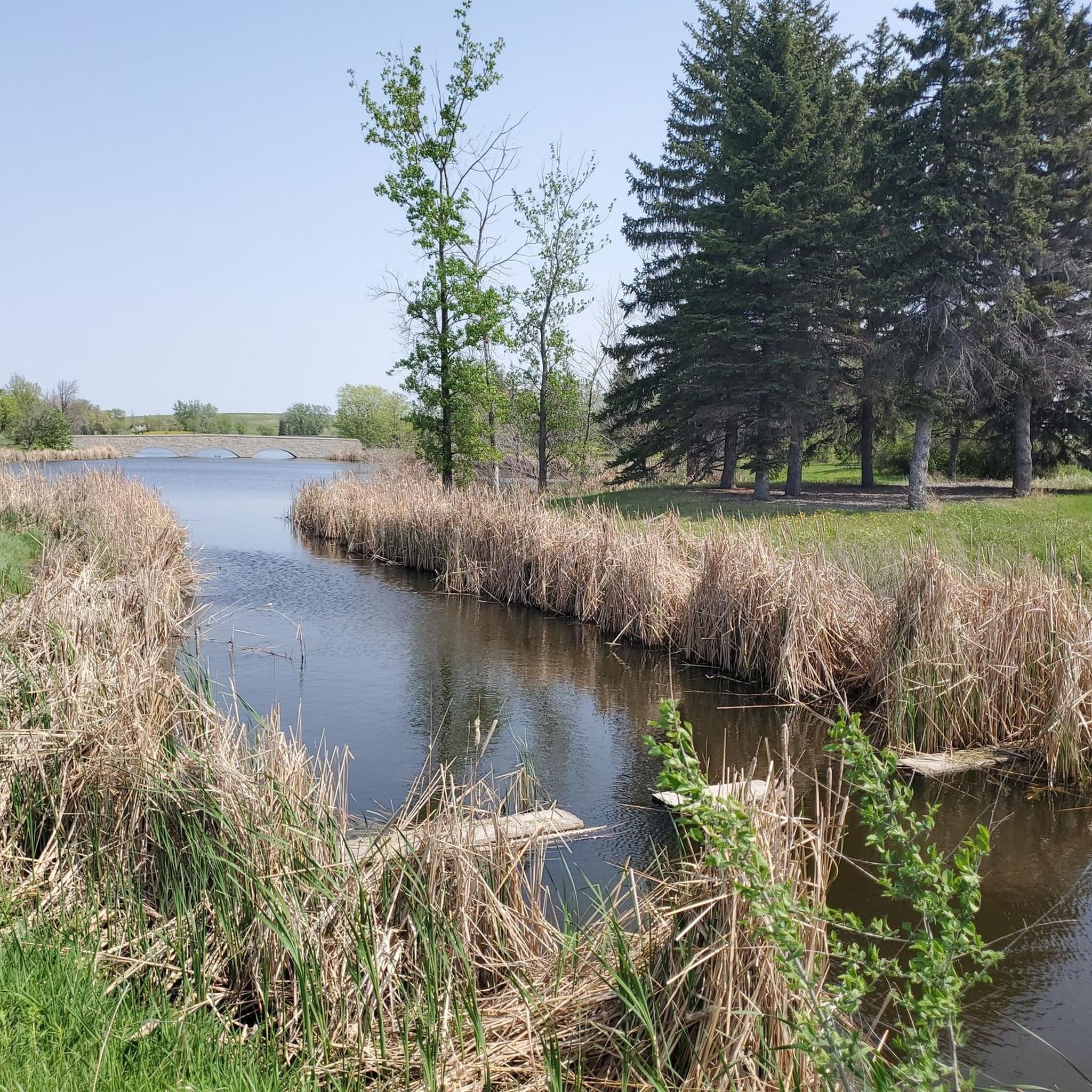
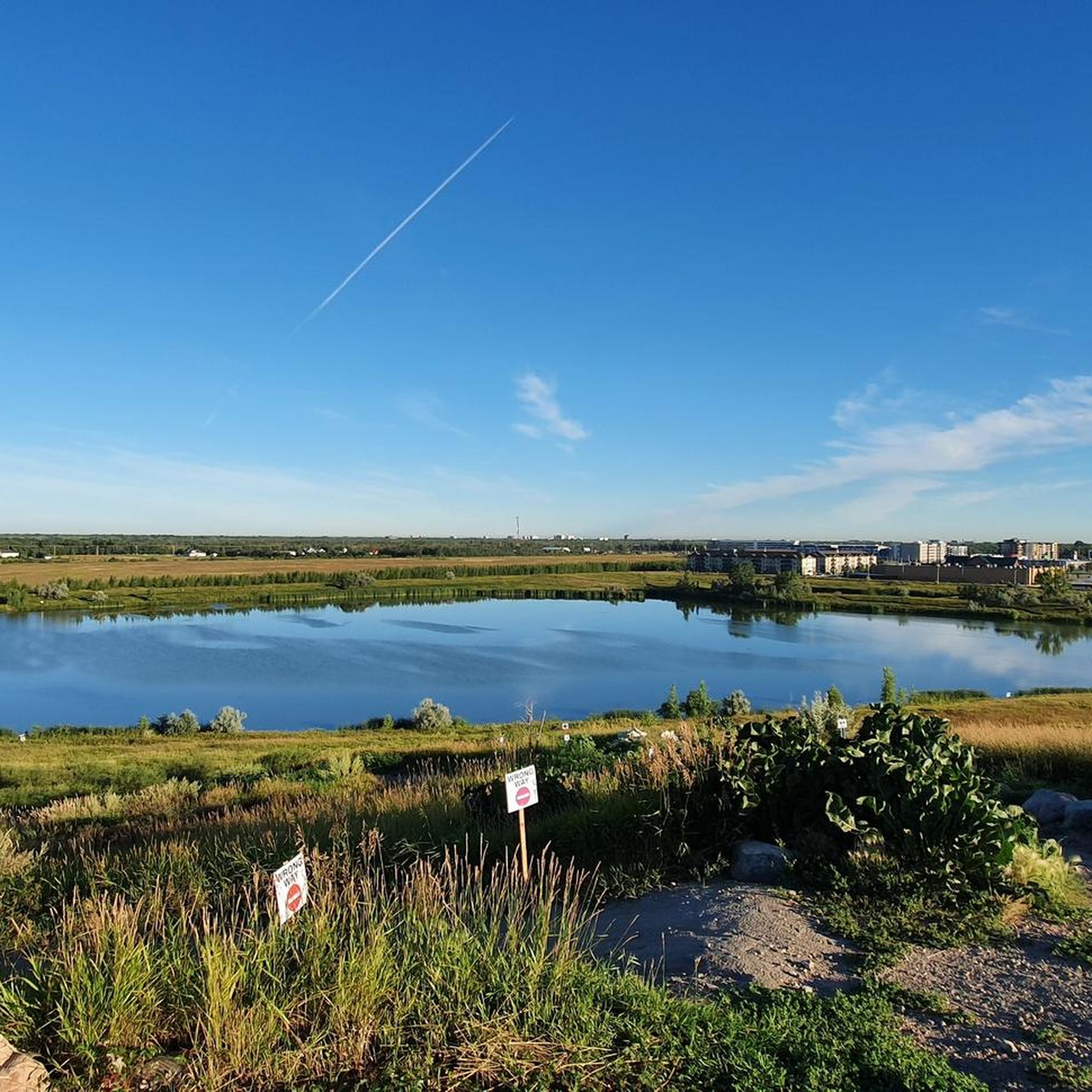

Tips from the Community

Right inside Winnipeg, FortWhyte Alive packs prairie, forest, wetlands, lakes, and even a herd of plains bison into one huge urban nature escape. The best part? Much of this green landscape grew out of a former industrial clay-quarry site. Today, trails and boardwalks make it easy to trade city noise for birdsong remarkably quickly.
0
0
FortWhyte’s lakes hide one of its best stories: they began as deep pits excavated for clay used in cement production in the early 1900s. Once filled with water, they evolved into wildlife-rich lakes that now attract waterfowl and support paddling, fishing, and lakeside wandering.
0
0
Stop at the Bison Viewing Mound for a prairie scene you probably wouldn’t expect inside Winnipeg. From here, you can scan the grassland for bison, along with their watering hole, rubbing stones, and the small mounds they sometimes stand on to catch the breeze and escape insects.
0
0
The Overwater Pond is small and peaceful, with a couple of benches that practically invite you to stop. The surrounding grassland makes it a great place to watch for wildlife, especially deer, which are often seen moving through this part of the reserve.
0
0

Omand Park is situated where Omand Creek flows into the north side of the Assiniboine River. The park has two baseball diamonds, trails that head in all directions, and access to a pedestrian bridge that crosses the river to Wellington Crescent.
0
0
This small park sits at the foot of Winnipeg's historic Maryland Bridge. You'll have access to the Assiniboine River as well as open grassy areas, and the pedestrian & cycle crossings that run along the bridge.
0
0
This 1,070-kilometer river flows across the Canadian prairies before joining the Red River in Winnipeg. The river was named in honour of the Assiniboine First Nations people who have lived along its route for millennia.
0
0

The Red River flows north from the United States into Manitoba, winding through Winnipeg before emptying into Lake Winnipeg. Its slow, meandering course has long shaped the region’s landscape and history, serving as a vital route for Indigenous peoples, fur traders, and early settlers. Today, its banks are lined with parks, trails, and neighbourhoods that celebrate the river’s enduring role in the heart of the prairie city.
0
0
Frequently Asked Questions
How many hiking trails are available around Winnipeg?
There are over 30 hiking trails available around Winnipeg, offering diverse experiences from urban greenways to prairie wetlands and provincial parks. Most of these routes are considered easy, making them accessible for various fitness levels.
Are there many easy hiking trails suitable for beginners or casual walkers?
Yes, Winnipeg and its surrounding areas offer a wide selection of easy hiking trails. Out of the 30 available routes, 27 are classified as easy. For example, the Assiniboine Park Zoo Trail loop — Winnipeg is an easy 2.8 km path, and the Transcona Bio Reserve loop — Winnipeg offers a gentle 2.5 km stroll through natural surroundings.
What are some good family-friendly hiking options near Winnipeg?
Many trails around Winnipeg are suitable for families. Within the city, areas like Assiniboine Forest and Bois-des-Esprits offer accessible paths. Just outside the city, Birds Hill Provincial Park features diverse environments, including glacial ridges and oak forests, with trails like the 3.5 km Cedar Bog Trail, which includes a boardwalk. FortWhyte Alive also provides 7 km of trails through aspen forest and lakes, perfect for family outings.
Are there any dog-friendly hiking trails in the Winnipeg area?
Yes, many parks and trails around Winnipeg welcome dogs, though leash rules usually apply. Assiniboine Forest and the Harte Trail are popular urban choices for walking with dogs. For a more expansive experience, Birds Hill Provincial Park and Beaudry Park also offer trails where dogs are permitted, allowing you to explore diverse landscapes with your canine companion.
What is the best time of year to go hiking around Winnipeg?
The best time for hiking around Winnipeg is generally from late spring to early autumn (May to October) when the weather is mild and trails are clear. Spring brings lush greenery and bird migration, while autumn offers vibrant fall colours. Winter hiking is also possible on groomed trails, especially in parks like Birds Hill, but requires appropriate gear for snow and ice.
Are there any circular hiking routes available?
Yes, several circular routes are available for hikers who prefer to start and end in the same location. The Seine River Greenway loop — Bois-des-Esprits is a popular 3.6 km option through an urban forest. Other loops include the Assiniboine Park Zoo Trail loop and the Transcona Bio Reserve loop.
What kind of wildlife can I expect to see on the trails?
Winnipeg's diverse landscapes support a variety of wildlife. In urban forests like Assiniboine Forest and Bois-des-Esprits, you might spot white-tailed deer and various bird species. Prairie wetlands like Oak Hammock Marsh are renowned for birdwatching, attracting nearly 300 species. Provincial parks such as Birds Hill and Beaudry Park are home to deer, foxes, and a wide array of birds.
Are there any notable landmarks or attractions along the hiking trails?
Yes, several trails offer access to interesting landmarks. For instance, the Seine River Greenway in Bois-des-Esprits is known for its unique tree carvings. Near Birds Hill Provincial Park, you can find Birds Hill Quarry Lake. Further afield, Whiteshell Provincial Park features ancient spiritual rock formations known as petroforms at Bannock Point. Within the city, The Forks National Historic Site is a significant cultural and historical landmark.
What are the parking options like for hiking trails around Winnipeg?
Parking availability varies by location. Many urban trails, such as those in Assiniboine Forest or along the Harte Trail, often have street parking or designated lots nearby. Provincial parks like Birds Hill, Beaudry, and Spruce Woods typically have dedicated parking areas, though some may require a park pass. It's advisable to check specific park websites for detailed parking information and any associated fees.
Can I access hiking trails around Winnipeg using public transport?
While some urban trails within Winnipeg are accessible by public transport, reaching provincial parks and more remote hiking areas often requires a car. For trails within the city, such as those in Assiniboine Forest or along the Seine River Greenway, Winnipeg Transit may offer routes that get you close. However, for destinations like Birds Hill Provincial Park or Oak Hammock Marsh, driving is generally the most convenient option.
Are there any challenging multi-day hikes near Winnipeg?
For those seeking a more challenging experience, Whiteshell Provincial Park, a short drive east of Winnipeg, offers rugged Canadian Shield terrain. The 63 km Mantario Trail is a notable multi-day trek in this area, traversing granite outcrops and numerous bodies of water, providing a significant challenge for experienced hikers.
Where can I find unique natural features like sand dunes or rugged shield landscapes?
Winnipeg's surroundings offer diverse natural features. For unique sand dunes and winding rivers, head to Spruce Woods Provincial Park, home to the Spirit Sands & Devil's Punch Bowl trail. If you're looking for rugged Canadian Shield landscapes with granite outcrops and forested areas, Whiteshell Provincial Park is the place to go, offering trails like the scenic 12 km Hunt Lake Trail with views of West Hawk Lake.
Most popular routes around Winnipeg
Most popular attractions around Winnipeg

Get inspired with the komoot mobile app


Explore more
Browse the best Hikes in other regions.
