Attractions and Places To See in Wind Cave National Park - Top 9
Best attractions and places to see in Wind Cave National Park include a complex cave system and expansive mixed-grass prairie landscapes. This South Dakota park is known for its unique geological formations, such as boxwork, and its significant above-ground natural features. The park holds deep spiritual meaning for the Lakota people, who consider its natural entrance a sacred site. Visitors can explore both subterranean wonders and diverse ecosystems supporting abundant wildlife.
Best attractions and places to see in Wind Cave National Park
- The most popular attractions is Southernmost section of the Centennial Trail, a trail that traverses next to Beaver Creek and crosses open prairie and ponderosa pines. This section is ideal for spotting animals like prairie dogs, bison, and mule deer.
- Another must-see spot is Visitor Center, a facility that serves as the primary hub for park information and the starting point for all cave tours. It offers exhibits on cave geology, prairie ecology, and Native American culture.
- Visitors also love Wind Cave's Natural Entrance, a cave entrance considered a spiritual place for many Native American groups. This modest opening is significant as the traditional emergence site of the Lakota nation.
- Wind Cave National Park is known for its intricate cave systems, expansive prairie landscapes, and diverse wildlife viewing opportunities. The park offers a variety of attractions to see and explore, from guided cave tours to extensive hiking trails.
- The attractions in Wind Cave National Park are appreciated by the komoot community, with 4 upvotes and 4 photos shared by visitors.
Last updated: July 8, 2026
Southernmost section of the Centennial Trail
Highlight (Segment) • Trail
Tip by

Visitor Center
Highlight • Rest Area
Tip by
Sign up now to discover places like this
Get recommendations on the best single tracks, peaks, & plenty of other exciting outdoor places.
Sign up for free
Wind Cave's Natural Entrance
Highlight • Cave
Maka Oniye in Lakota means the earth that breathes. This underground origin is a sacred place for many Native American nations. Nothing stops you from meditating here and then taking the elevator a little further on which allows you to go into the bowels of the earth. The two sites are complementary.
Translated by Google •
Tip by

Highland Creek Trail
Highlight • Trail
Tip by
East Bison Flats Trail
Highlight (Segment) • Trail
Tip by
Sign up for free to discover even more attractions in Wind Cave National Park.
Sign up for free
Already have an account?
Start today with a free account
Your next adventure awaits.
Login or Signup
Popular around Wind Cave National Park
Tips from the Community

Discreet and natural entrance to the wind cave.
1
0
Lots of bison and piairie dogs.
1
0
A big trail, but a very beautiful trail.
1
0
Always a good starting place for information.
1
0

The natural entrance to Wind Caves is very discreet. It has nothing to do with the gigantic underground caves that can be visited a little further away by going to the very busy Visitor Center. Here, it is the spiritual aspect that prevails. This modest entrance is, in fact, considered the place of emergence of the Lakota nation. Maka Oniye in Lakota means the earth that breathes. This underground origin is a sacred place for many Native American nations. Nothing stops you from meditating here and then taking the elevator a little further on which allows you to go into the bowels of the earth. The two sites are complementary.
2
0

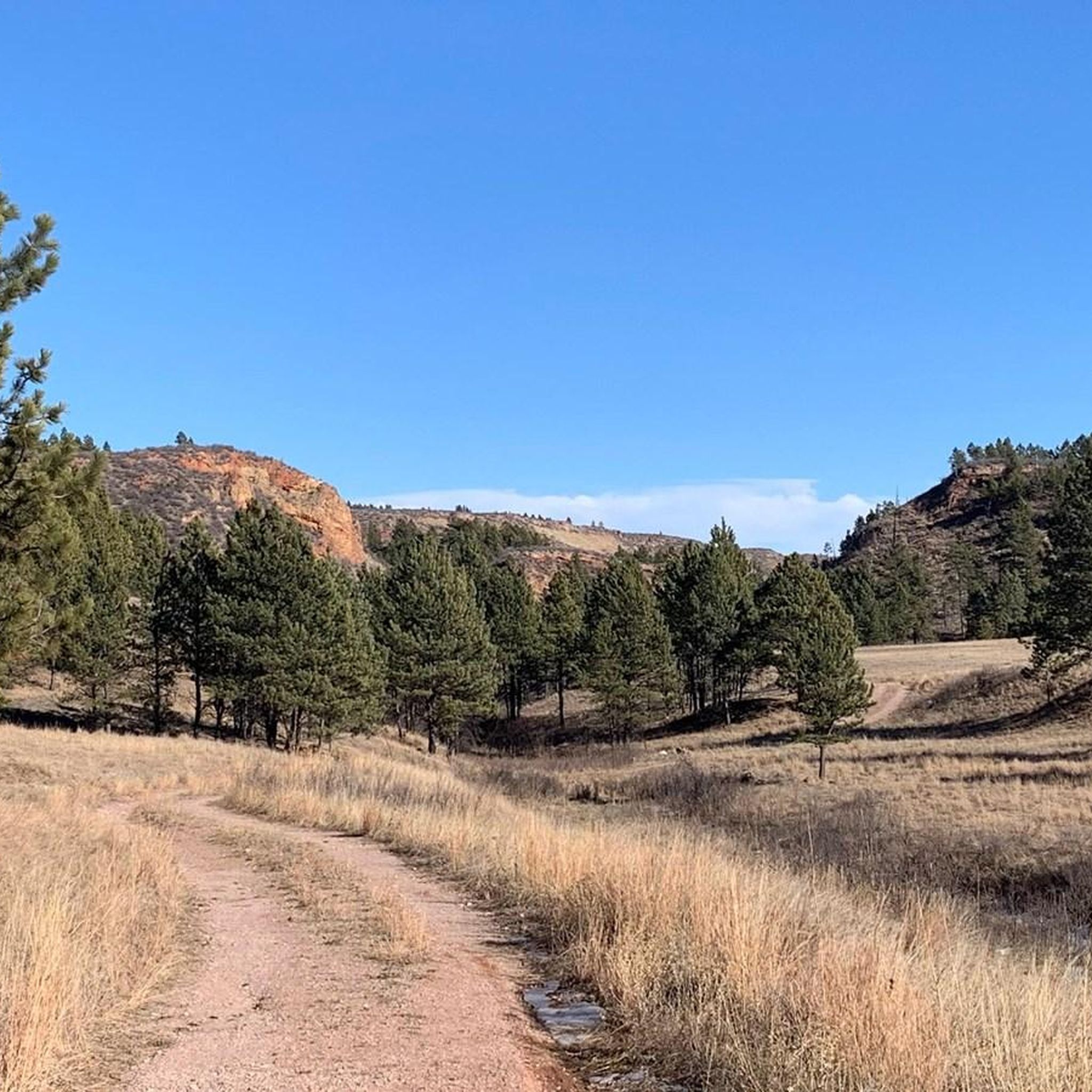
The Highland Creek Trail is the longest trail in Wind Cave National Park, at 8.6 miles long. This knoll is one of the highest points along the trail, affords sweeping views across the prairie, and provides ample opportunities for wildlife encounters. You might see herds of the iconic bison or of pronghorns, which are the fastest land mammals native to North America. This spot is a great place to take in the views and look for animals.
0
0
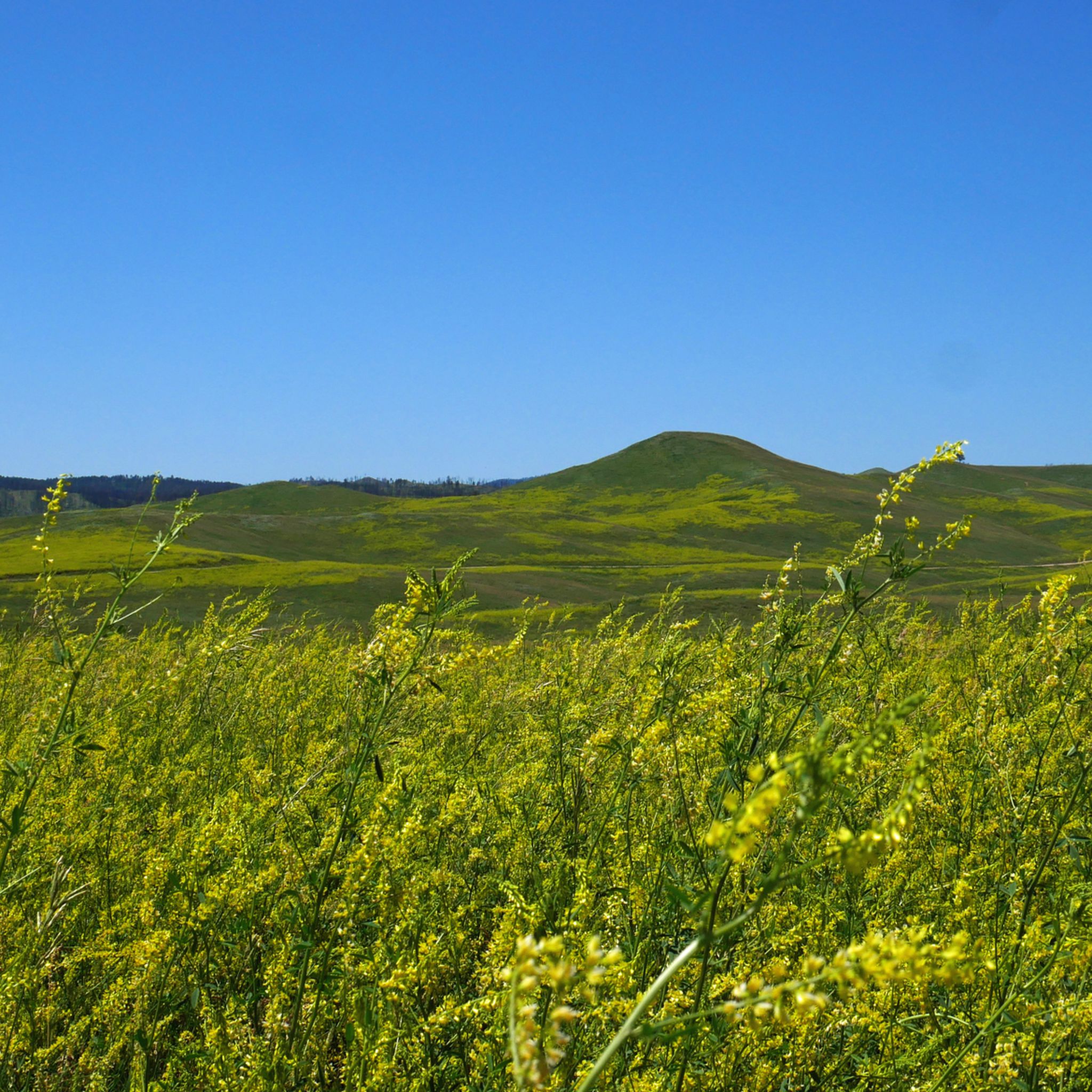
This is the southernmost part of the 111-mile-long Centennial Trail that stretches across the state through the Black Hills and ends at Bear Butte State Park. This short section of trail traverses next to Beaver Creek and crosses the open prairie and stands of ponderosa pines. This is a great place to look for animals like prairie dogs, bison, pronghorns, mule deer, and coyotes. You can also frequently see raptors, grouse, and songbirds in this area.
0
0

This is the location of the naturally formed entrance to Wind Cave. Contrary to the size and complexity of the cave beneath the ground, the entrance is only 10 inches wide. You can visit this site without a guide. If you want to enter the cave, you will need to hire a guide.
0
0
Frequently Asked Questions
What unique geological features can I see in Wind Cave National Park?
Wind Cave National Park is renowned for its intricate cave system, which is one of the world's longest and most complex. It is particularly famous for its 'boxwork,' a rare calcite formation resembling honeycombs, with approximately 95% of the world's known boxwork found here. The cave also exhibits 'frostwork' and 'cave popcorn' formations, and is known for its 'breathing' phenomenon, where air currents flow in and out of its natural entrance due to atmospheric pressure changes. You can experience this at Wind Cave's Natural Entrance.
What kind of wildlife can I expect to see in the park?
The park's mixed-grass prairie is a sanctuary for abundant wildlife. You can often spot one of only two genetically pure bison herds in the country, along with elk, pronghorn, prairie dogs, deer, and coyotes. Black-footed ferrets are also present. Trails like the Southernmost section of the Centennial Trail and East Bison Flats Trail offer excellent opportunities for wildlife viewing.
Are there guided tours available for the cave?
Yes, a variety of ranger-guided tours are available to explore the cave's beauty and learn about its history and geology. Popular options include the Natural Entrance Tour, Garden of Eden Tour, and Fairgrounds Tour. All cave tours depart from the Visitor Center. Reservations are highly recommended and can be made through the National Park Service website.
What are some recommended hiking trails in Wind Cave National Park?
For extensive prairie views and wildlife encounters, consider the Highland Creek Trail, which is the longest day hike in the park. The Southernmost section of the Centennial Trail is great for spotting prairie dogs, bison, and mule deer. For sunset views, the Boland Ridge Trail is highly recommended. You can find more hiking options in the Hiking in Wind Cave National Park guide.
Are there family-friendly activities in Wind Cave National Park?
Yes, the park offers several family-friendly activities. Ranger-guided cave tours, such as the Natural Entrance Tour, are suitable for families. Above ground, easy hiking trails like the Prairie Vista Trail or the Wind Cave Canyon Trail offer opportunities to see wildlife and enjoy the prairie landscape. The Visitor Center also has exhibits on cave geology and prairie ecology that are engaging for all ages.
What is the cultural significance of Wind Cave National Park?
Wind Cave holds deep spiritual meaning for the Lakota people, who refer to it as Maka Oniye, or 'Breathing Earth.' It is considered a sacred site where their oral tradition recounts humans emerging from within the earth. The Wind Cave's Natural Entrance is particularly significant as the traditional emergence site of the Lakota nation, and many tribes utilize the park for ceremonies.
What is the best time of year to visit Wind Cave National Park?
The park is open year-round, but the best time to visit often depends on your preferred activities. Spring and fall offer milder temperatures, which are ideal for hiking and wildlife viewing. Summer is popular for cave tours, though it can be warmer above ground. Winter provides a quieter experience, with opportunities for snowshoeing and cross-country skiing, though some services may be limited.
Are there any accessible attractions for visitors with mobility challenges?
Yes, the Visitor Center and the elevator building for cave access are wheelchair accessible. While not all cave tours are fully accessible, the Visitor Center can provide information on specific tours and trails that accommodate mobility challenges. The exhibits at the Visitor Center are also designed to be accessible.
Where can I find information and start my visit to the park?
The Visitor Center is the primary hub for park information. It's where all cave tours depart from and features exhibits on cave geology, prairie ecology, and Native American culture. You can also find maps, books, permits, and passes here, along with restrooms and Wi-Fi.
What are some scenic drives or viewpoints in the park?
Entering the park via Highway 87 from the north offers beautiful views of grasslands, granite spires of Custer State Park, prairie, and forest. For panoramic views of the southern Black Hills, the Rankin Ridge Trail leads to the highest point in the park, where the Rankin Ridge Fire Tower further enhances the scenic experience. The Boland Ridge Trail is also noted for its excellent sunset views.
Are there options for running trails in Wind Cave National Park?
Yes, the park offers several trails suitable for running. Popular options include the Lookout Point and Centennial Trail Loop, the Cold Brook Canyon Trail, and the Wind Cave Canyon Trail. For more detailed information and routes, you can explore the Running Trails in Wind Cave National Park guide.
Most popular routes in Wind Cave National Park

Get inspired with the komoot mobile app


Explore more
Still not found the Highlight you’re looking for? See guides of the top attractions in other regions:
