Attractions and Places To See in Zion National Park - Top 20
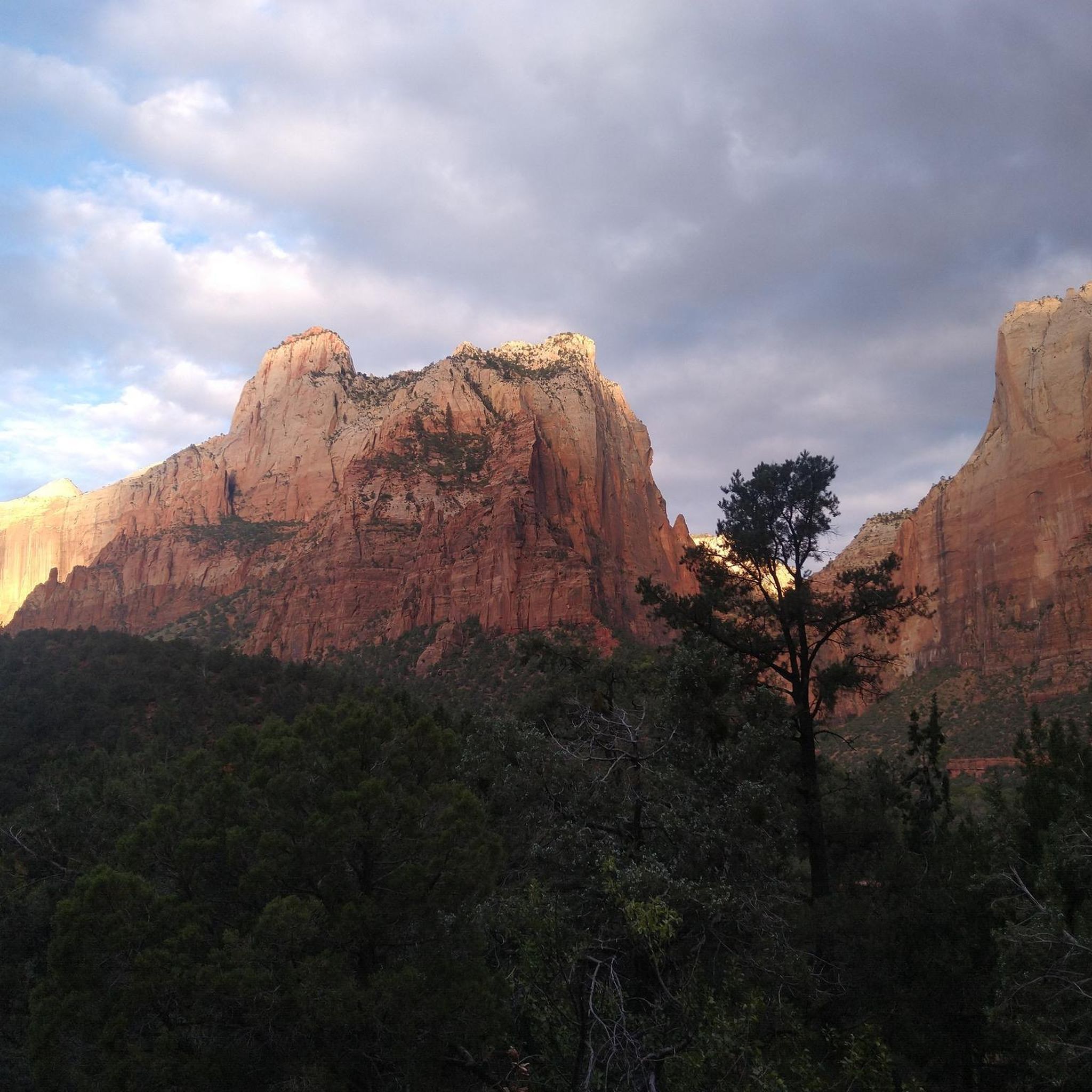
Best attractions and places to see in Zion National Park include a diverse range of natural wonders and historical sites. Located in southwestern Utah, the park is characterized by its deep canyons, towering sandstone cliffs, and the Virgin River. This region showcases significant geological formations and a rich cultural history, with evidence of human habitation spanning over 8,000 years. The park offers numerous opportunities to explore its unique landscapes, from river-carved canyons to high plateaus.
Best attractions and places to…
Last updated: July 6, 2026
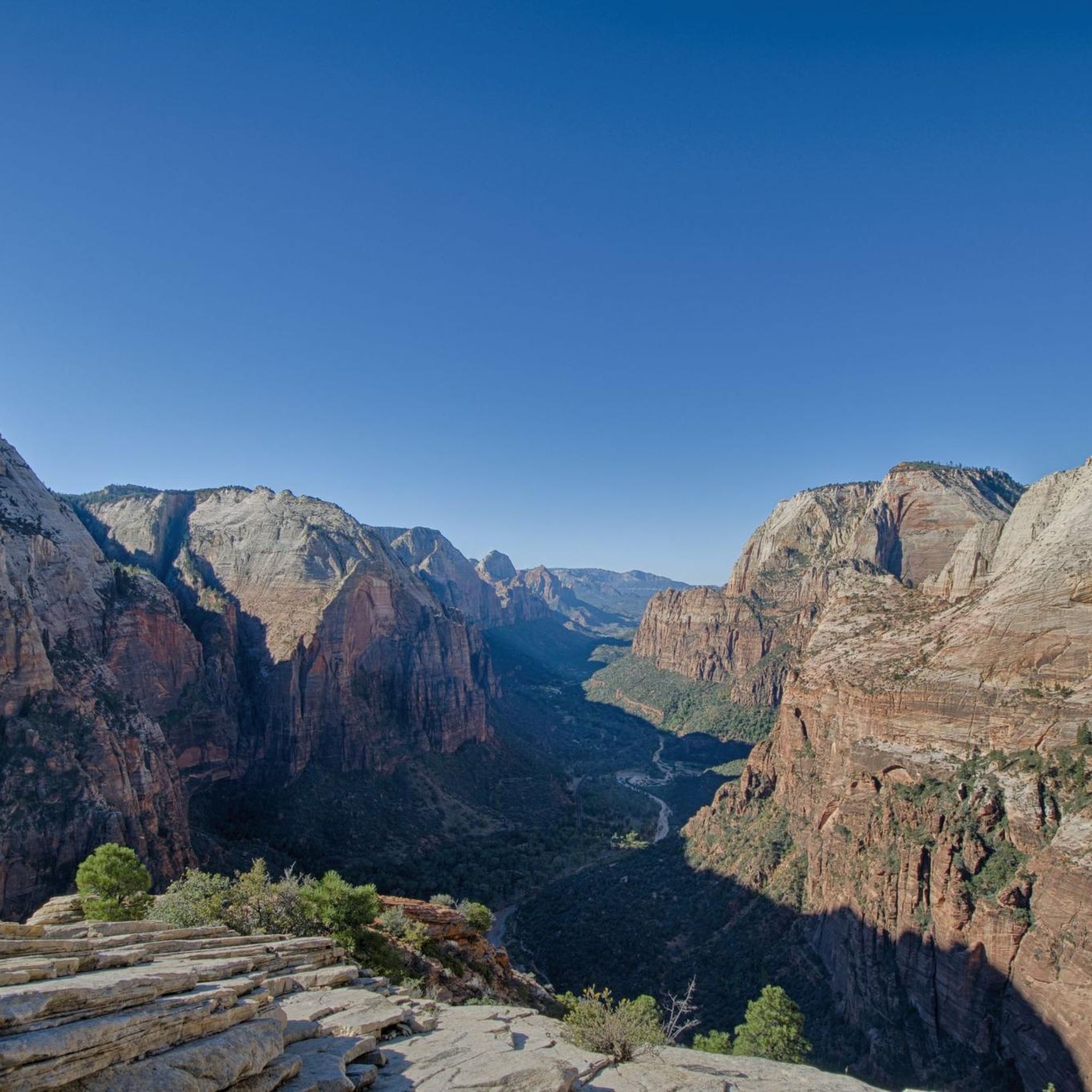
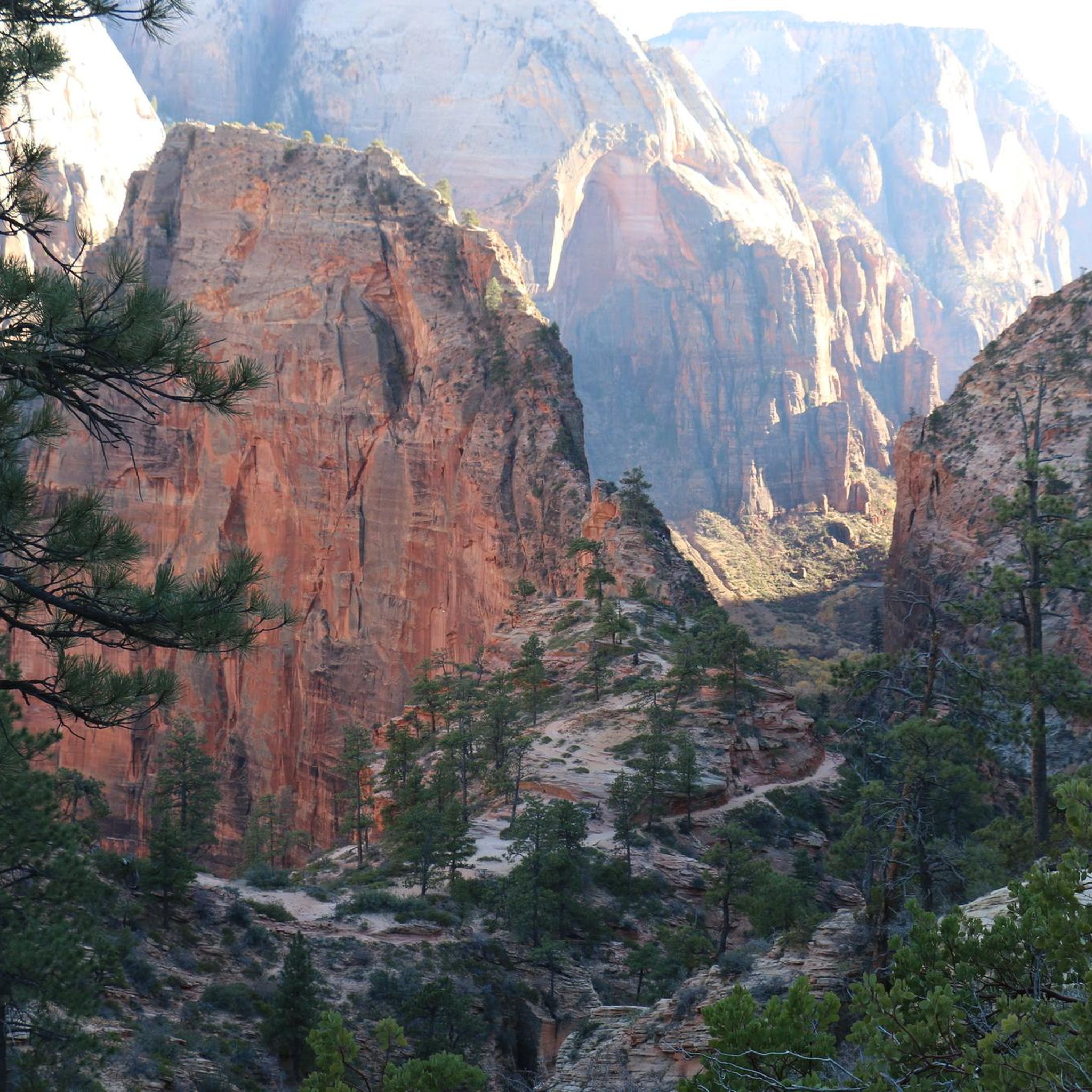
Angels Landing
Highlight • Summit
Tip by

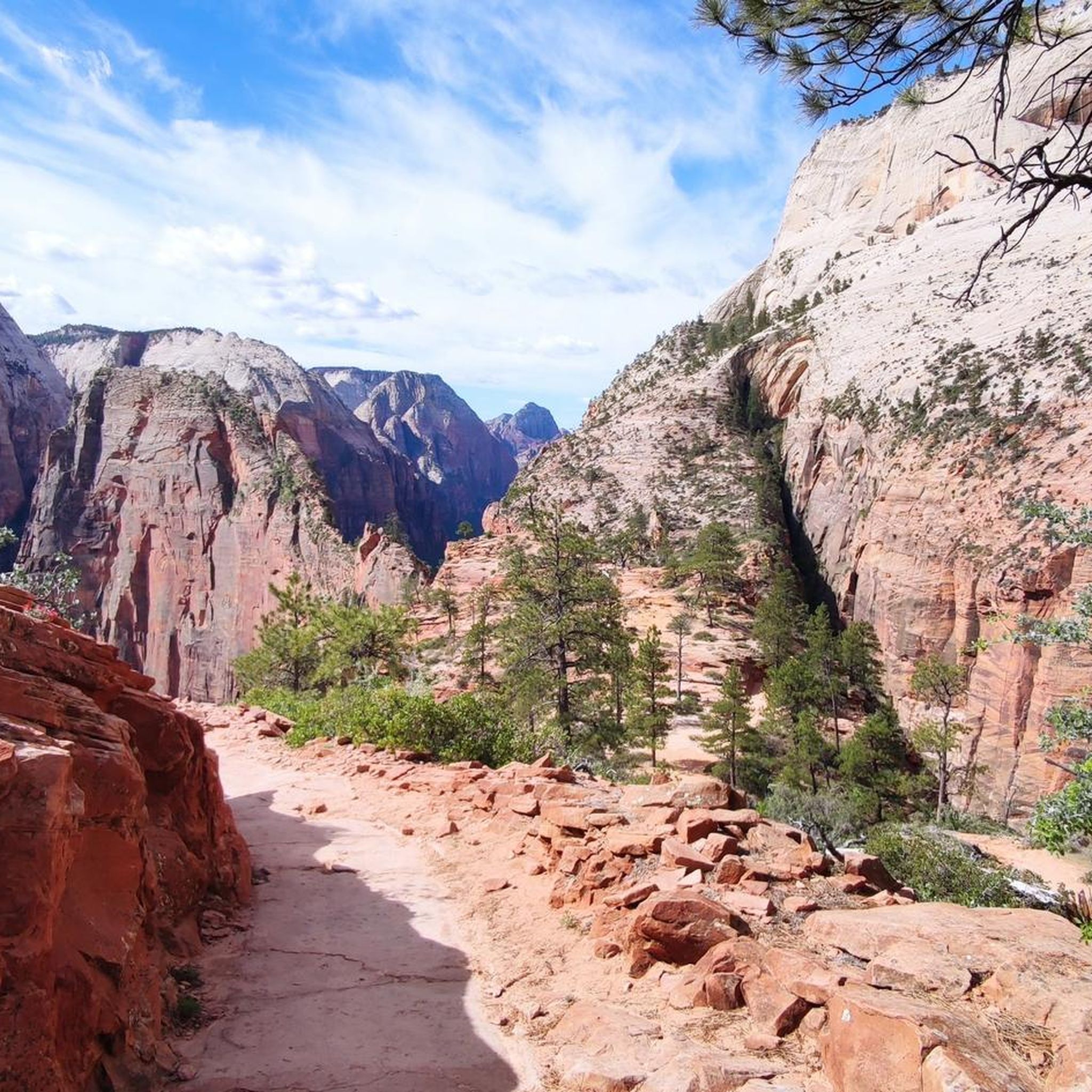
West Rim Trail
Highlight (Segment) • Trail
Tip by
Sign up now to discover places like this
Get recommendations on the best single tracks, peaks, & plenty of other exciting outdoor places.
Sign up for free
Zion Canyon – Virgin River Walk
Highlight (Segment) • Trail
Translated by Google •
Tip by

Temple of Sinawava
Highlight • Canyon
Translated by Google •
Tip by
Zion National Park
Highlight • Natural Monument
Tip by
Sign up for free to discover even more attractions in Zion National Park.
Sign up for free
Already have an account?
Start today with a free account
Your next adventure awaits.
Login or Signup
Popular around Zion National Park
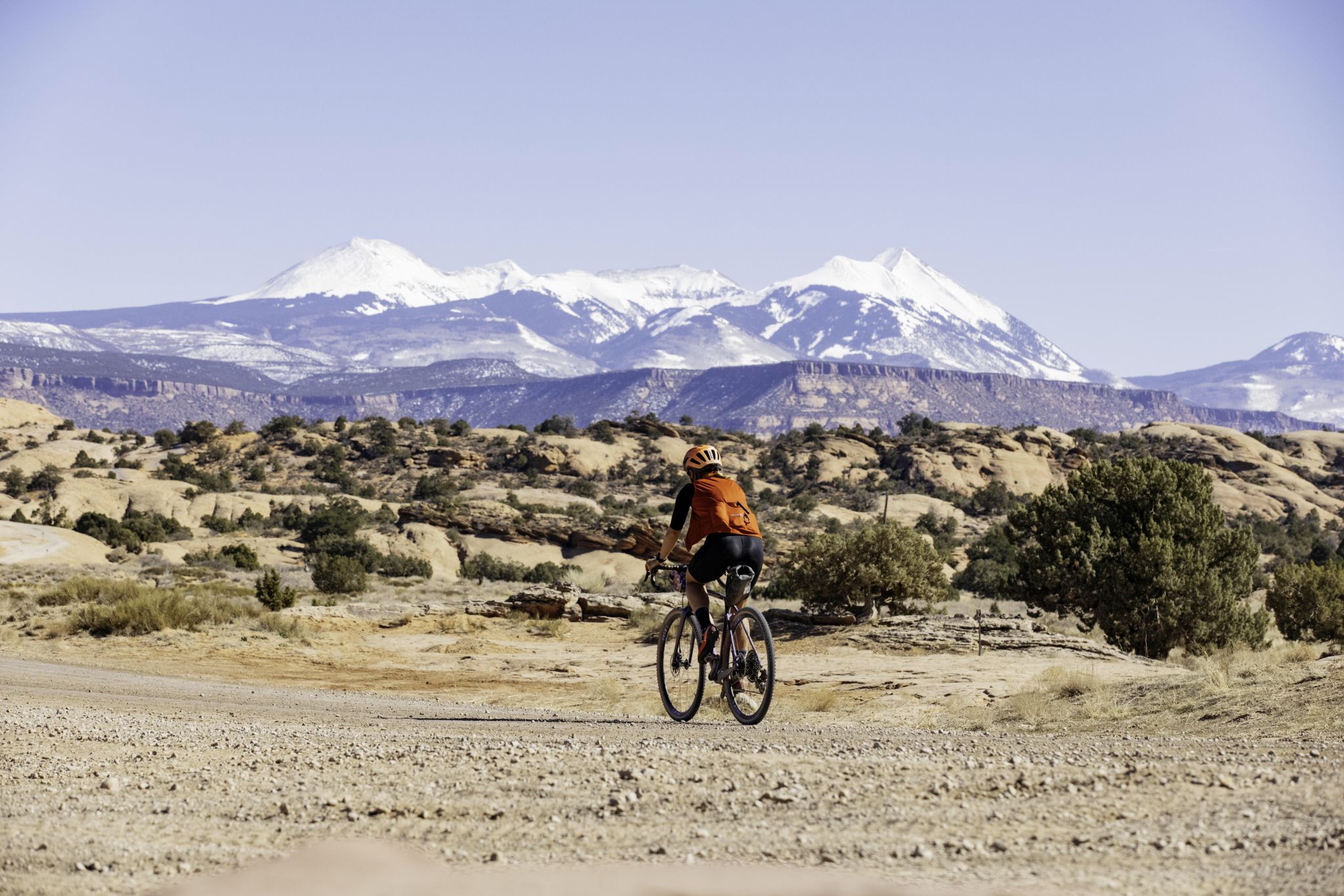
My Utah road trip: trail running and gravel riding in the mountains
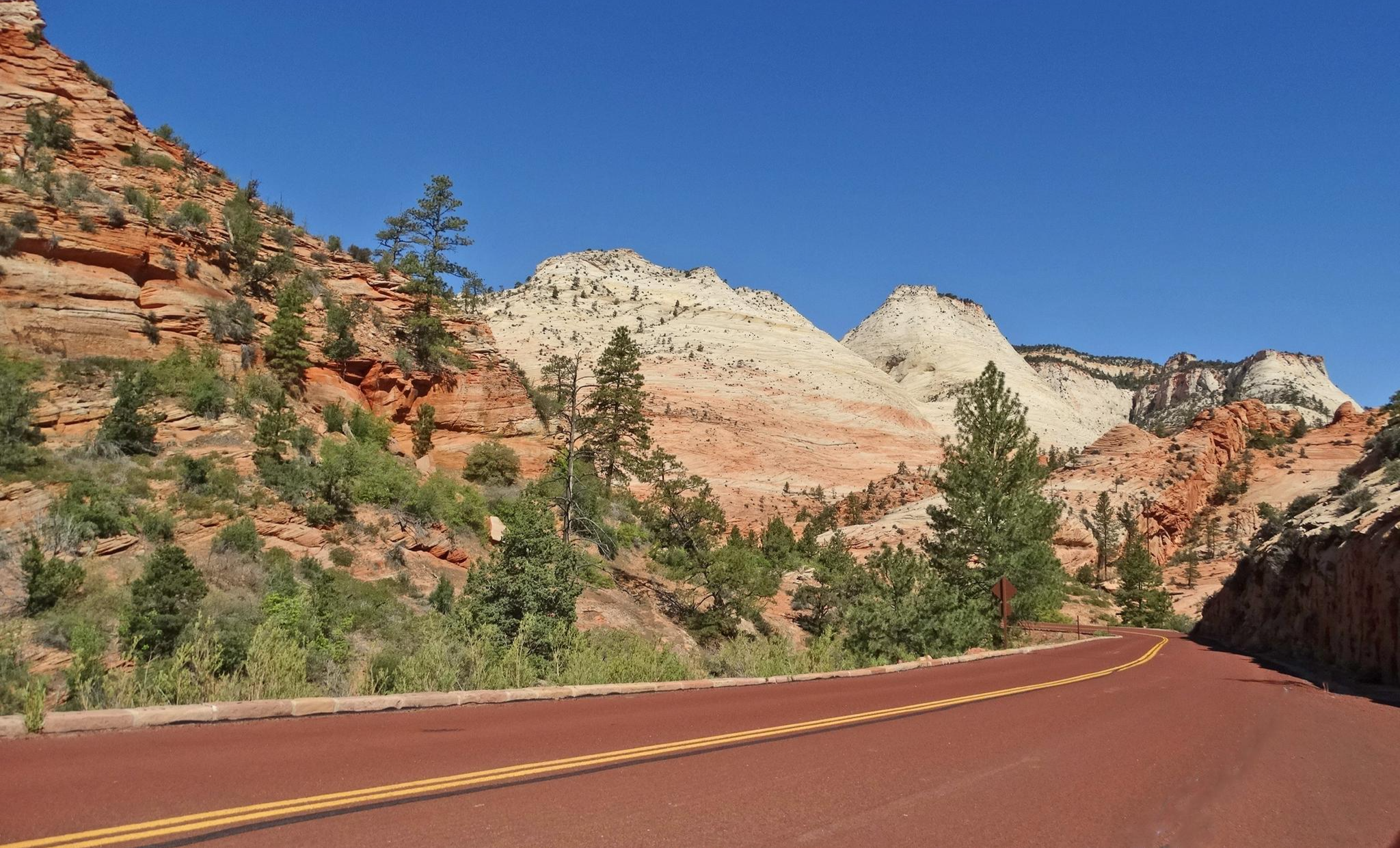
Red Rock to High Country loop — Riding from desert floors to canyon walls
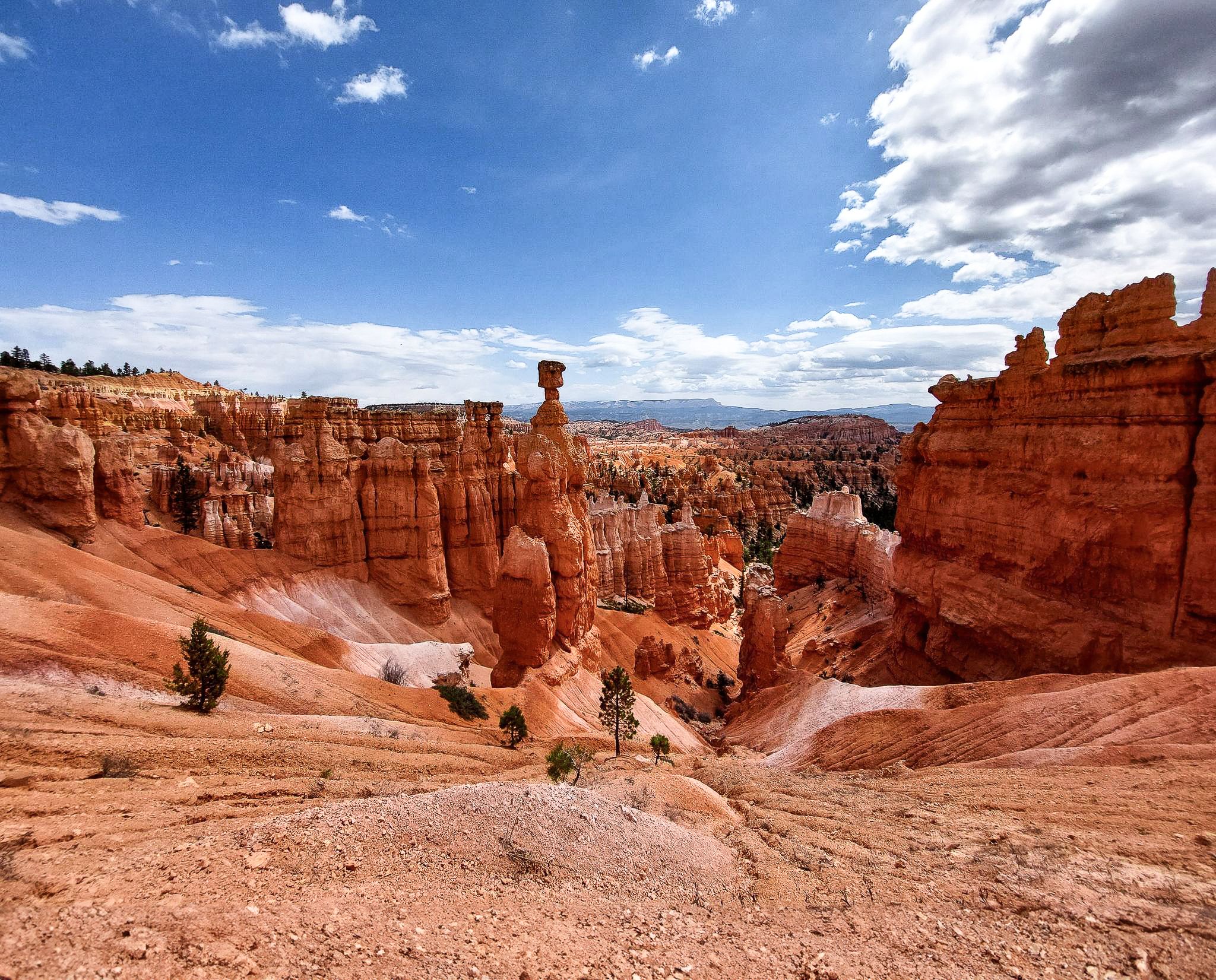
Canyons, Plateaus and Hoodoos – discover Southwest USA
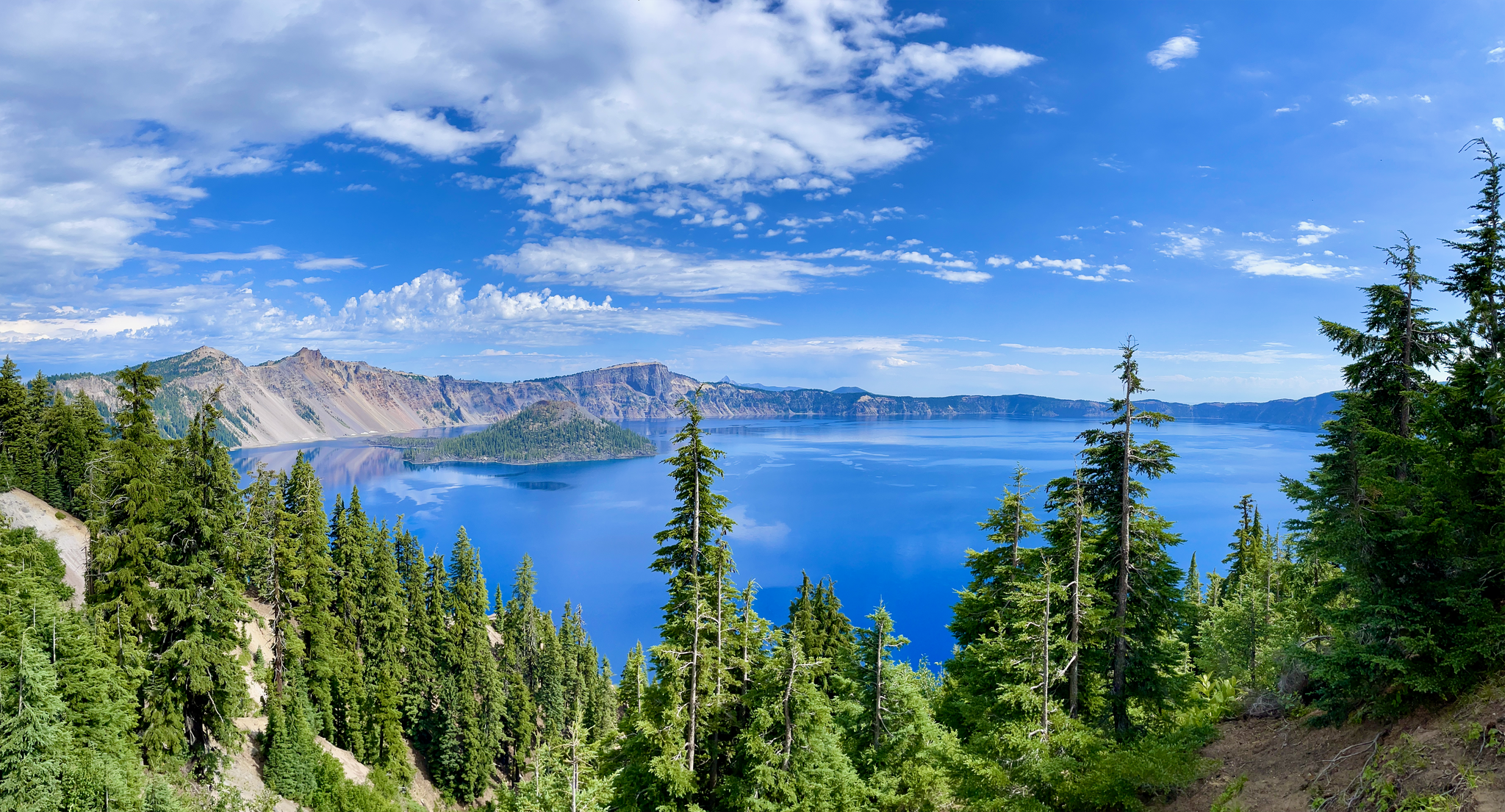
The pristine beauty of the US National Parks
Hiking in Zion National Park
Cycling in Zion National Park
MTB Trails in Zion National Park
Road Cycling Routes in Zion National Park
Running Trails in Zion National Park
Other adventures in Zion National Park


Tips from the Community


With the current temperatures of around 40°C, you should definitely start early. Firstly, to avoid the crowds at the Bus Stop Village Center (we were already standing in line for 45 minutes at 8:30 a.m.). Secondly, to avoid the heat. The rocks sometimes heat up and it becomes unbearable. Don't forget to bring plenty of drinking water. Berger, we were just looking forward to cooling off in the Virgin River, which was a real treat.
1
0

Nice view of the valley. The permit is only required for the turnoff to Angles Landing, which should not be used by inexperienced people. The West Rim Trail also has a beautiful view, so you don't have to put yourself in danger.
1
0
Natural amphitheater at the end of Zion National Park.
1
0

The Temple of Sinawava is a massive amphitheater carved by the Virgin River. With beautiful waterfalls, hanging gardens of lush foliage & flowers and 3,000 foot red rock cliffs, it's no wonder why this is one of Zion's most popular spots.
0
0

The West Rim Trail to the Scout Lookout is kind of boring for ambitious hikers. It‘s a paved path. Though, don‘t underestimate the trail. It has still much elevation. The view during the hike and from the Overlook is not bad though. But the best view you will have, when you hike the Angels Landing Trail up to the top. But pay attention, it‘s a strenuous hike along a steep narrow ridge, and you need to have a hiking permit to hike the Angels Landing Trail.
1
0
You need to have a hiking permit to hike the Angels Landing Trail! During high season it is extremely crowded, so start early in the morning. The trail itself which leads to the top of the mountain is a very steep trail along a narrow ridge! You definetely should be free of fear of heights. Dangerous, especially when it‘s slippery after rain. I hiked the trail in end of September and there were only few people. Highly recommend using the off season for a hike of Angels Landing. It‘s definetely worth to hike all the way to the top because the view up there is incredible!
3
0
Frequently Asked Questions
What are some popular hiking trails in Zion National Park?
Zion National Park offers a variety of popular trails. For a challenging ascent with panoramic views, consider Angels Landing. The West Rim Trail is another popular option, offering extensive views and opportunities for backcountry camping. For a more accessible experience, the Zion Canyon – Virgin River Walk provides a comfortable path along the river. You can find more hiking options in the Hiking in Zion National Park guide.
Do I need a permit for certain attractions or hikes in Zion National Park?
Yes, some of Zion's most iconic experiences, such as hiking beyond Scout Lookout on Angels Landing and exploring The Narrows (especially top-down), require a permit. The Subway slot canyon in the Kolob Terrace area also requires a permit. It's essential to check the official park website for the latest permit requirements and application processes.
What are some family-friendly activities or trails in Zion National Park?
Many areas in Zion are suitable for families. The Temple of Sinawava, a natural amphitheater, is the starting point for the Riverside Walk, which is wheelchair accessible and leads towards The Narrows. The Emerald Pools Trail is another easily accessible option featuring lush vegetation and trickling cascades. The Canyon Overlook Trail is a relatively short and easy hike with dramatic views. For more gentle options, explore the Easy hikes in Zion National Park guide.
Are there accessible trails for visitors with mobility needs?
Yes, Zion National Park offers several accessible options. The Zion Canyon – Virgin River Walk, which starts near the Temple of Sinawava, is a comfortable, wheelchair-accessible path. The Pa'rus Trail is another paved, accessible trail that follows the Virgin River. These trails provide beautiful views of the canyon without significant elevation changes.
What unique natural features can I explore beyond the main Zion Canyon?
Beyond the main canyon, you can explore the Kolob Canyons section in the park's northwestern part, known for its narrow parallel canyons and towering cliffs, including Kolob Arch. The Kolob Terrace Area offers panoramic views from Lava Point and is home to the challenging Subway slot canyon. You can also find distinctive geological formations like Checkerboard Mesa on the east side of the park.
What historical or cultural sites can I visit in Zion National Park?
The Zion Human History Museum details the heritage of Native Americans, including the Ancestral Puebloans and Southern Paiute, and early Mormon pioneers. It showcases artifacts and the cultural significance of the land, which has been inhabited for over 8,000 years. The historic Zion Lodge, designed in the rustic style, also serves as a central point within the main canyon.
What is the best time of year to visit Zion National Park?
Spring (April-May) and Fall (September-October) are generally considered the best times to visit Zion National Park. During these seasons, temperatures are milder, and the shuttle system is typically in full operation, providing access to the main canyon. Summer can be very hot and crowded, while winter offers a quieter experience with potential for snow, though some facilities and roads may be closed.
What outdoor activities are available in Zion National Park besides hiking?
Beyond hiking, Zion National Park is a popular destination for canyoneering, an adventurous activity involving hiking, scrambling, swimming, and rappelling through canyons like Pine Creek Canyon. The park's remote location and dark skies also offer excellent opportunities for stargazing, particularly in areas like Kolob Terrace. Road cycling is also an option, with routes like the Mount Carmel Tunnel & Pa'rus Trail loop available, as detailed in the Road Cycling Routes in Zion National Park guide.
Where can I find panoramic views of Zion Canyon?
For breathtaking panoramic views, Angels Landing offers a dramatic perspective of Zion Canyon from its summit. Another excellent viewpoint is Observation Point, which provides 270-degree views of the canyon, including Angels Landing, from 2,100 feet above the canyon floor. The Canyon Overlook Trail also leads to a dramatic overlook above Pine Creek Canyon and the wider Zion Canyon.
Can I drive my own car through Zion Canyon?
For much of the year, the Zion Canyon Scenic Drive, the main road through Zion Canyon, is closed to private vehicles. During these times, a free shuttle service provides access to many key attractions and viewpoints along the Virgin River. Private vehicles are generally allowed only during the off-season, typically from late fall to early spring.
What is The Narrows, and how can I experience it?
The Narrows is a world-renowned slot canyon where the Virgin River has carved a path, often narrowing to 20-30 feet wide with walls towering 1,000 feet high. Hiking through the river is a unique and popular experience. You can explore it bottom-up from the Temple of Sinawava via the Riverside Walk, or undertake a more challenging top-down overnight trip (which requires a permit).
Are there any scenic drives in Zion National Park?
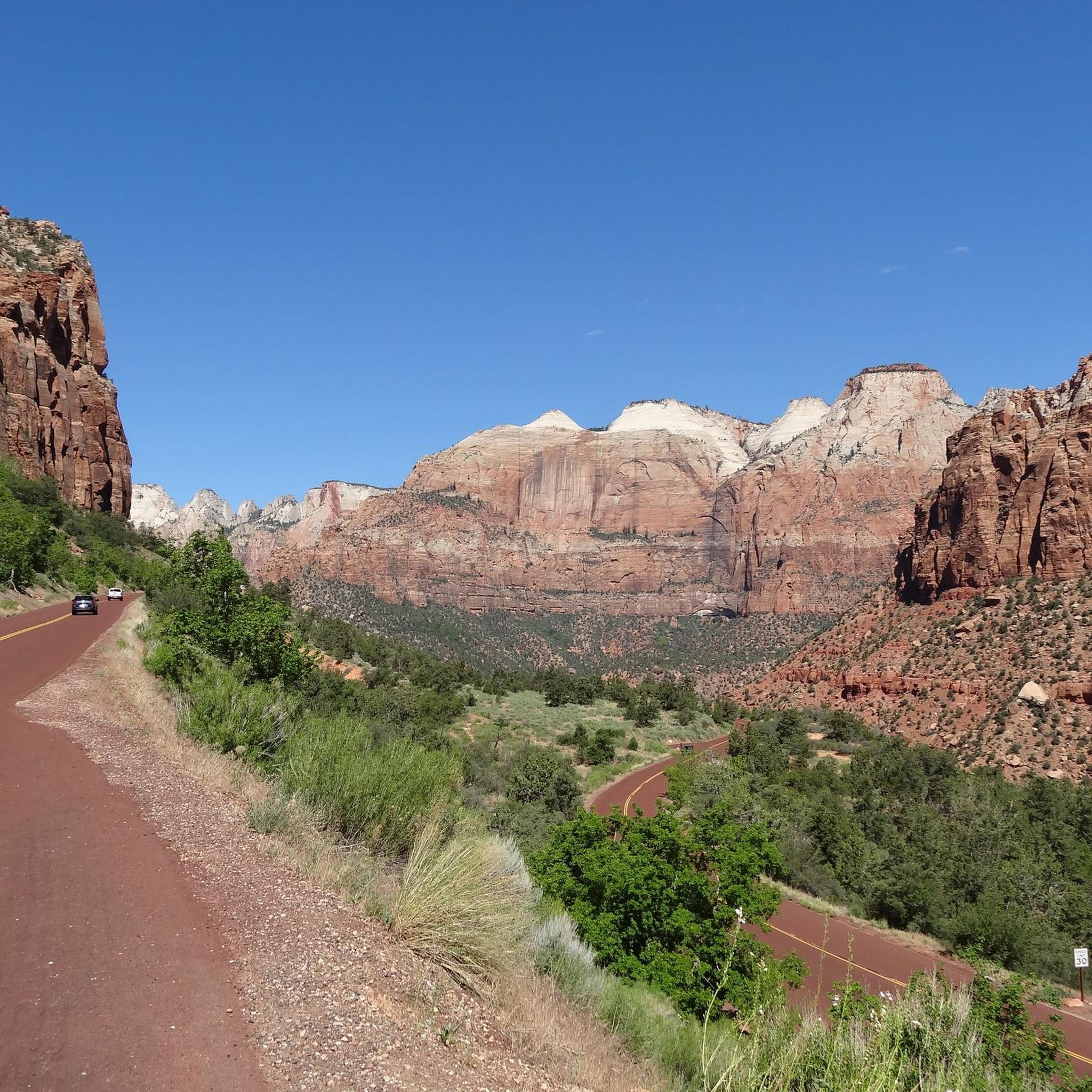
Yes, the Zion-Mount Carmel Highway is a highly scenic drive that connects Springdale with the east side of the park. This historic road, opened in 1930, features a 1.1-mile tunnel with windows cut through the sandstone, offering unique views of the park's geology. The Kolob Canyons Scenic Drive in the park's northern section also provides stunning views of the narrow parallel canyons.
What are some less crowded areas to explore in Zion National Park?
To avoid the busiest crowds, consider exploring the Kolob Canyons section of the park, which offers trails like Taylor Creek Trail and the Timber Creek Overlook Trail. The Kolob Terrace Area, including Lava Point, is another less frequented part of the park. Hiking to Observation Point via a strenuous route can also be less crowded than Angels Landing, while still offering spectacular views.
Most popular routes in Zion National Park
Most popular attractions in Zion National Park

Get inspired with the komoot mobile app


Explore more
Still not found the Highlight you’re looking for? See guides of the top attractions in other regions:
