Rocky Mountain National Park
Rocky Mountain National Park
The 18 Most Amazing Peaks in Rocky Mountain National Park
Best mountain peaks in Rocky Mountain National Park are characterized by diverse terrain, from mountain forests to rugged, treeless plateaus. The park is home to numerous impressive summits, including Longs Peak, which stands as the highest point at over 4000 meters. This region offers a variety of experiences for mountain enthusiasts, with many peaks providing extensive views of the surrounding landscape. The natural features include expansive meadows, dense coniferous forests, and alpine tundra.
Best mountain peaks in Rocky Mountain National Park
- The most popular mountain peaks is Deer Mountain Summit, a summit that offers magnificent 360° views of the area. Its isolated position within the Rocky Mountains contributes to these expansive views.
- Another must-see spot is Twin Sisters Peak, a summit accessible from the Lily Lake Visitor Center. It provides views of Longs Peak, Mount Meeker, and the Continental Divide.
- Visitors also love Longs Peak Trail, a challenging trail that offers diverse terrain for the first 6 miles. This path leads to Lake Chasm and features changing landscapes in a short distance.
- Rocky Mountain National Park is known for its challenging summits, intermediate trails, and scenic viewpoints. The park offers a variety of mountain peaks to see and explore, from high-altitude climbs to accessible viewpoints.
- The mountain peaks in Rocky Mountain National Park are appreciated by the komoot community, with 8 upvotes and 12 photos shared across the highlights.
Last updated: July 8, 2026
Longs Peak Trail
Highlight (Segment) • Trail
Tip by

Twin Sisters Peak
Highlight • Summit
Tip by

Sign up now to discover places like this
Get recommendations on the best single tracks, peaks, & plenty of other exciting outdoor places.
Sign up for free
Deer Mountain Summit
Highlight • Summit
Tip by

Twin Owls
Highlight • Natural Monument
Tip by

Elevation 12.005 feet above sea level
Highlight • Viewpoint
Tip by

Sign up for free to discover even more peaks in Rocky Mountain National Park.
Sign up for free
Already have an account?
Start today with a free account
Your next adventure awaits.
Login or Signup
Popular around Rocky Mountain National Park
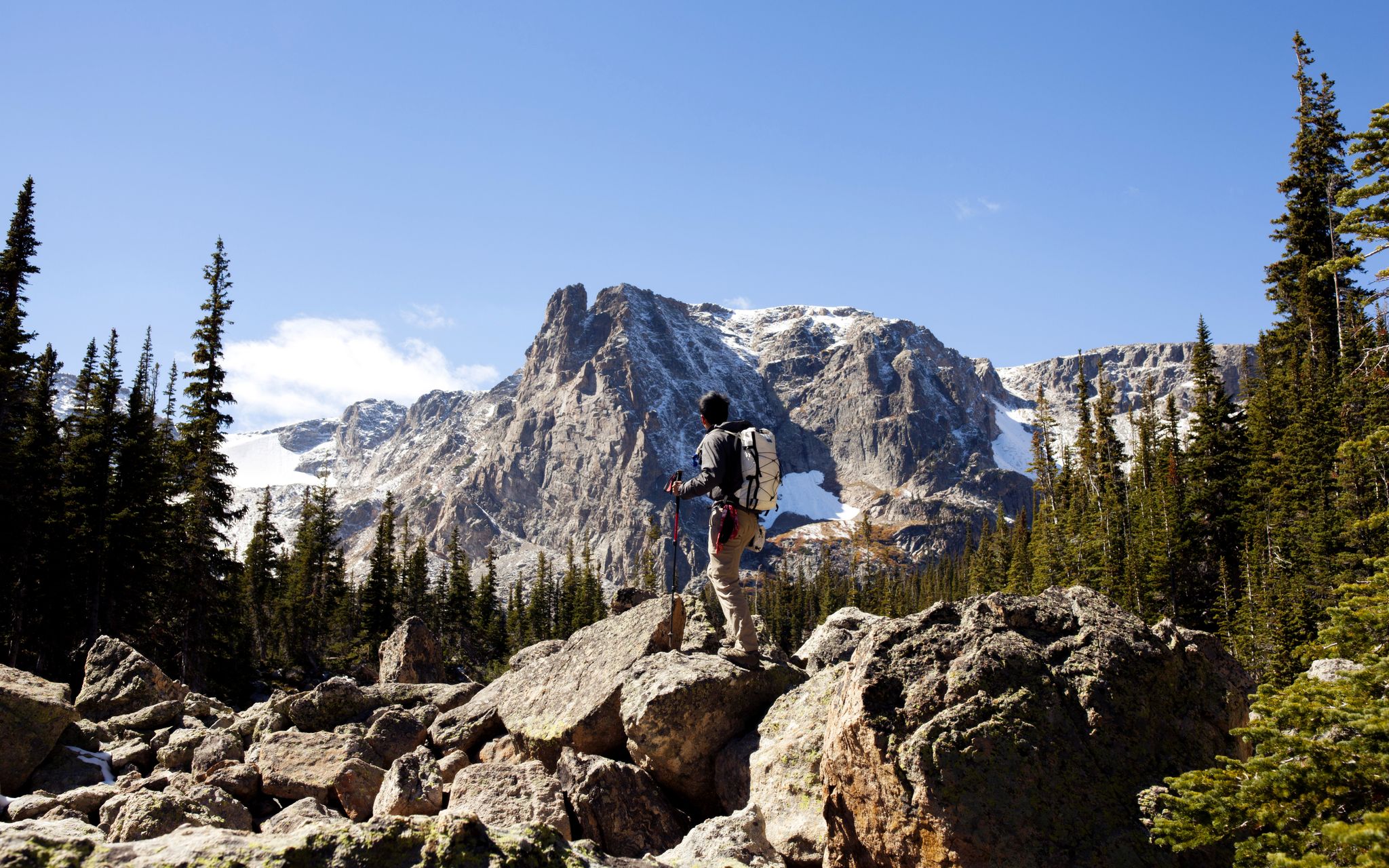
From the mountain peaks to the prairie – Rocky Mountains and Great Plains
The pristine beauty of the US National Parks
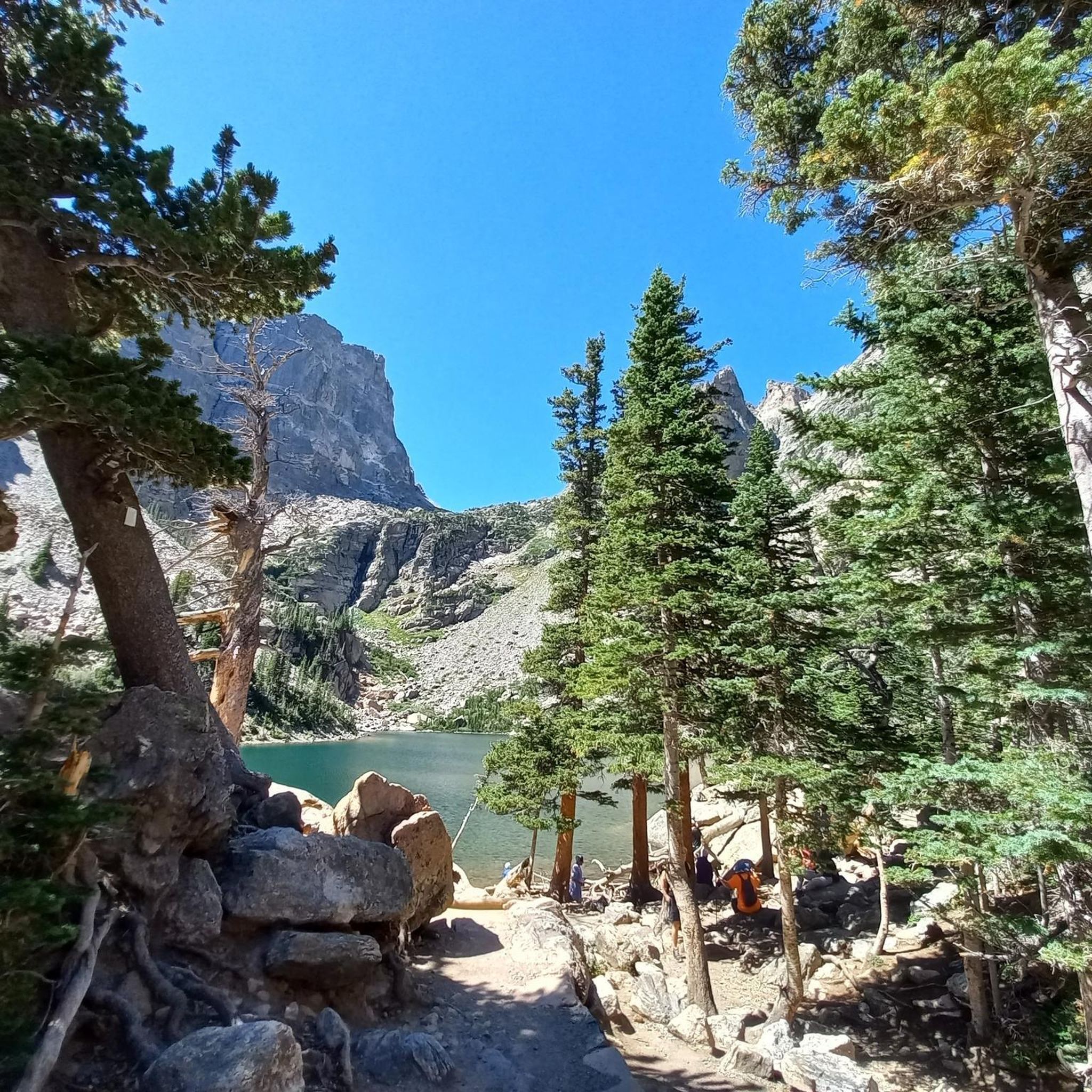
Hiking in Rocky Mountain National Park
Running Trails in Rocky Mountain National Park
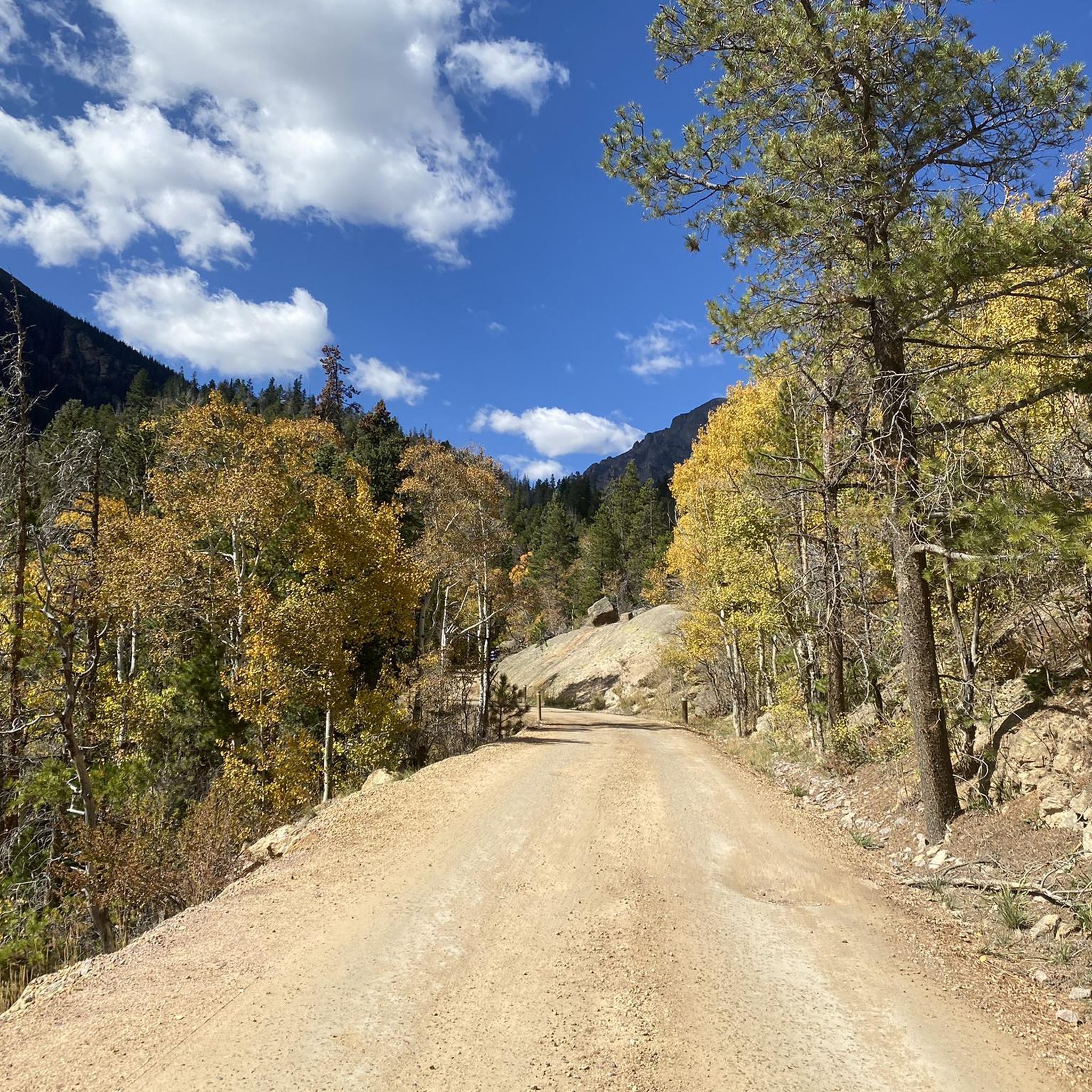
MTB Trails in Rocky Mountain National Park
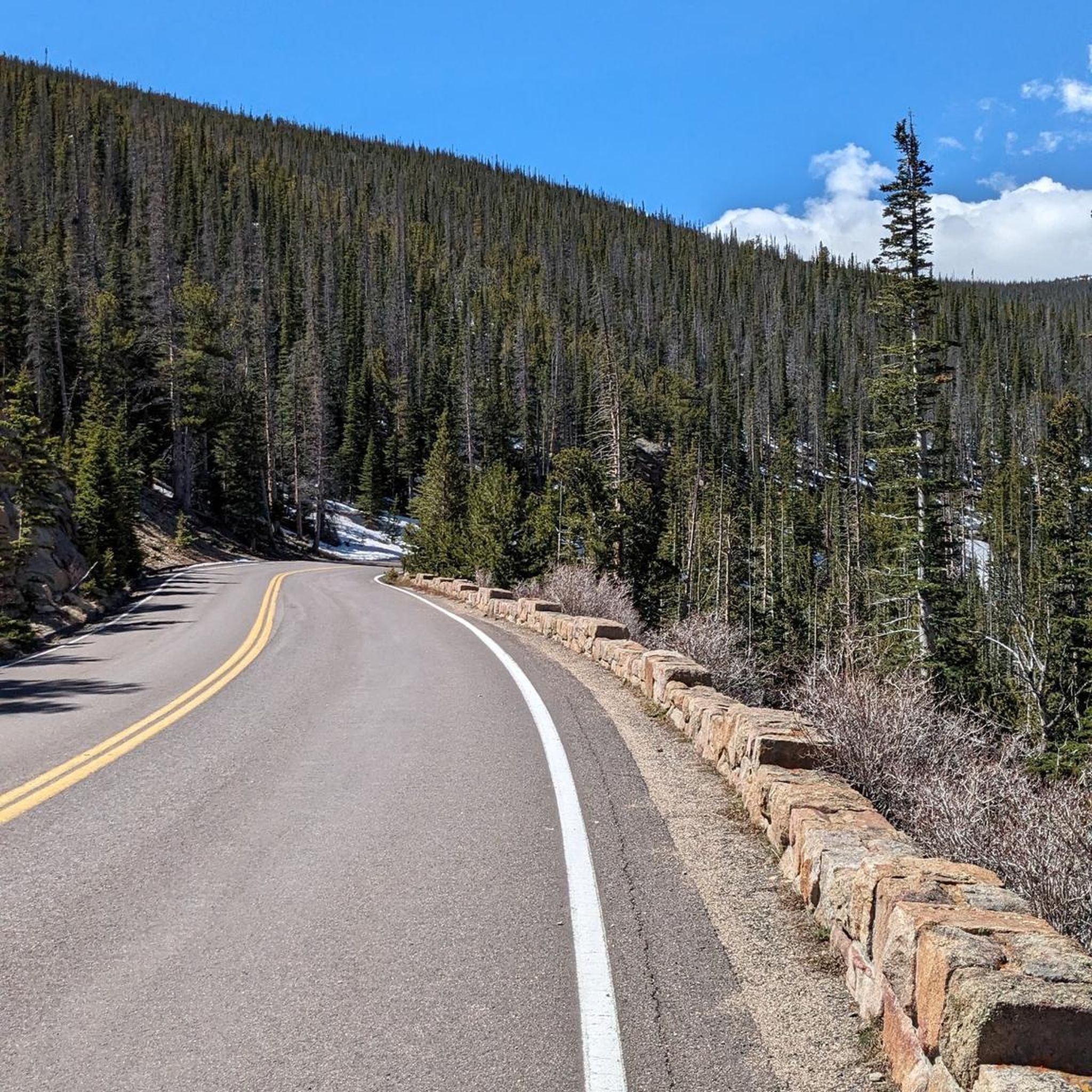
Road Cycling Routes in Rocky Mountain National Park
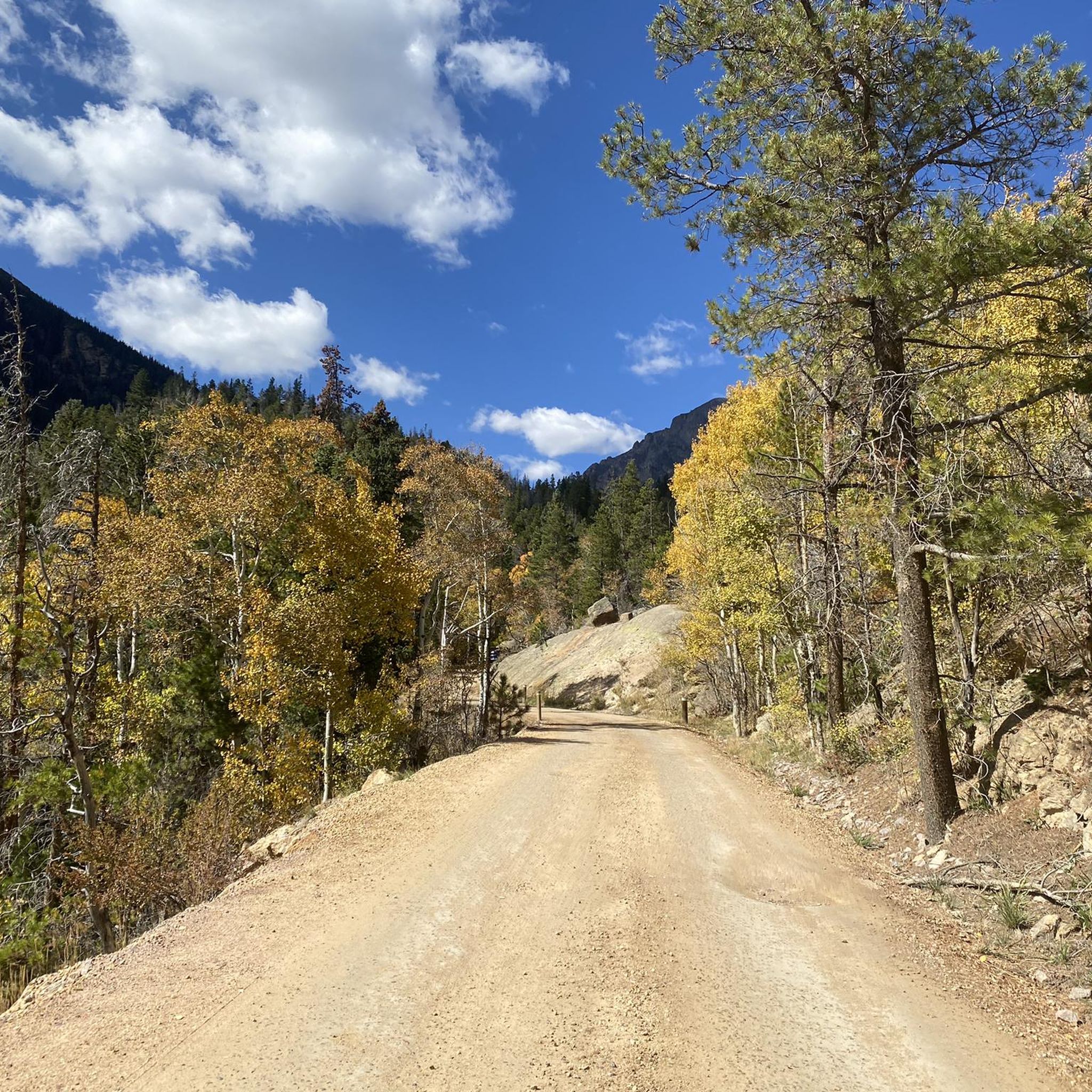
Cycling in Rocky Mountain National Park
Other adventures in Rocky Mountain National Park


Tips from the Community

The Alpine Ridge Trail Overlook is a well-known but short hiking trail in Rocky Mountain National Park in Colorado, offering a unique alpine experience with spectacular panoramic views. The trail begins right at the Alpine Visitor Center, the highest visitor center in the entire U.S. National Park System. The entire trail is paved and includes approximately 225 steps, making the climb easier but quite strenuous due to the gradient and elevation. Because the Trail Ridge Road is closed during the winter months, the trail is only open seasonally, typically from late May/early June to mid/late October.
0
0

Longs Peak Trail is a great hike for anyone for the first 6 miles. There is beautiful, diverse terrain, and it can be exposed with sweeping views. Be aware that after about 6 miles, the trail becomes a scramble and more technical before reaching the summit of Longs Peak.
0
0

The Twin Owls are prominent rock formations visible along most of the Lumpy Ridge Trail. As you loop around from this point, you can get a great close-up view of them. There are also some rock climbing trails that scale up them at this point if you are prepared for climbing.
0
0

awesome trail in the Brainard Rec Center. We did over 9 miles with over 1100 feet of elevation difference. I hope to do it more snow on the ground next time.
1
0

Straddling the border between Roosevelt National Forest and Rocky Mountain National Park, the Twin Sisters Peaks are a popular destination, accessible right from the Lily Lake Visitor Center. This spot is right between the two peaks. Most summit Twin Sisters Peak East from here, but be aware that it requires some rock scrambling to get to the top of. Regardless of whether you decide do summit the Twin Sisters East or choose to remain at the small summit saddle, you will get amazing views of Longs Peak, Mount Meeker, the town of Estes Park, and the Continental Divide.
1
1

Deer mountain due to its isolated position within the rocky mountains offers magnificent 360° views of the area.
1
0
This Path that leads to Lake Chasm is remarkable and very diverse, offering landscapes and changing terrain in a short time.
1
0

Frequently Asked Questions
What are some of the most notable mountain peaks in Rocky Mountain National Park?
Rocky Mountain National Park is home to many impressive peaks. Longs Peak, at 14,259 feet, is the highest and a challenging climb. Mount Meeker, often seen with Longs Peak, offers technical routes and expansive views. For a rewarding day hike with stunning vistas, consider Hallett Peak, accessible from the Bear Lake region. You can also explore Deer Mountain Summit for magnificent 360° views, or Twin Sisters Peak for views of Longs Peak and the Continental Divide.
Are there challenging mountain climbs in Rocky Mountain National Park?
Yes, the park offers several challenging climbs. Longs Peak is renowned for its difficulty, particularly the Keyhole Route, which involves significant elevation gain, scrambling, and exposure. Mount Meeker also presents challenging and technical hikes, with routes like the Loft route involving Class 3 scrambling. For those seeking a less-traveled but rewarding experience, Mount Alice requires a long hike and off-trail navigation to its base.
What are some family-friendly mountain hikes in Rocky Mountain National Park?
While many peaks are challenging, some areas offer more accessible experiences. The initial 6 miles of the Longs Peak Trail offer beautiful and diverse terrain before it becomes more technical. For a relatively easier climb with excellent views, Flattop Mountain provides gentle switchbacks and expansive alpine tundra. The Bear Lake Corridor, while not a peak itself, is a popular hiking area with numerous lakes and trails that can be suitable for families.
What natural features can I expect to see when visiting the peaks?
The peaks in Rocky Mountain National Park offer diverse natural features. You'll encounter expansive meadows, dense coniferous forests, and rugged, treeless alpine tundra. Many trails lead to stunning alpine lakes, such as Chasm Lake near Longs Peak, or Nymph, Dream, and Emerald Lakes on the way to Hallett Peak. The park is also known for its dramatic rock formations, like the prominent Twin Owls.
What is the best time of year to hike mountain peaks in Rocky Mountain National Park?
The best time to hike mountain peaks in Rocky Mountain National Park is typically from late spring to early fall, roughly June through September, when trails are most accessible and free of snow. However, conditions can vary greatly with elevation. Higher peaks like Longs Peak are often only safely accessible in mid-summer. Always check current weather and trail conditions, as alpine weather can change rapidly.
What permits or reservations are needed to access mountain peaks in Rocky Mountain National Park?
Rocky Mountain National Park often requires time-slot reservations for access during peak season due to its immense popularity. Specific permits may also be required for backcountry camping or for climbing certain technical routes. It's essential to check the official park website for the most up-to-date information on entry reservations and any specific permits needed for your planned activities, especially for popular areas like the Bear Lake Road corridor.
Are there any less crowded mountain trails or peaks to explore?
For a less-traveled experience, consider Mount Alice in the Wild Basin area. It offers stunning meadows and alpine lakes but requires a longer hike and off-trail navigation, making it less frequented than other popular summits. Pagoda Mountain also sees fewer visitors due to the lack of a defined trail and the need for rock scrambling, offering unmatched views for those seeking solitude.
What are the best trailheads for accessing mountain peaks in Rocky Mountain National Park?
Popular trailheads include the Bear Lake trailhead, which provides access to peaks like Hallett Peak and Flattop Mountain. The Longs Peak trailhead is the primary starting point for attempting Longs Peak and accessing the Longs Peak Trail. For peaks like Twin Sisters Peak, the Lily Lake Visitor Center offers convenient access.
What outdoor activities can I do near these mountain peaks?
Beyond peak bagging, the area around Rocky Mountain National Park offers a variety of outdoor activities. You can find numerous hiking opportunities, including routes like the Emerald Lake Trail or the challenging Sky Pond via Glacier Gorge Loop. For mountain biking enthusiasts, there are trails such as the Limber Pine Trail loop. Explore more options for hiking and MTB trails in the region.
What are the differences between Longs Peak and Mount Meeker hikes?
While both are prominent peaks, Longs Peak is the highest and most famous, with its Keyhole Route being a challenging, non-technical climb for experienced adventurers. Mount Meeker, the second-highest, offers challenging and technical hikes, often involving Class 3 scrambling. Longs Peak is more frequently attempted, while Mount Meeker provides a slightly more secluded and technical experience, often forming part of a traverse with Longs Peak.
What are some scenic viewpoints of the mountain peaks in Rocky Mountain National Park?
Many peaks themselves offer incredible panoramic views from their summits. For example, from Hallett Peak, you can see the Grand Lake area to the west and Estes Park to the east. Deer Mountain Summit is known for its magnificent 360° views due to its isolated position. The Twin Sisters Peak saddle also provides amazing views of Longs Peak, Mount Meeker, and the Continental Divide.
What should I pack for high-altitude hikes in Rocky Mountain National Park?
For high-altitude hikes, it's crucial to be prepared for rapidly changing weather. Pack layers of clothing, including waterproof and windproof outer shells, even in summer. Bring plenty of water, high-energy snacks, sun protection (hat, sunglasses, sunscreen), and a map and compass or GPS device. For more technical routes or early/late season hikes, an ice axe and crampons may be recommended, especially for areas like Andrews Glacier on the way to Taylor Peak.
Most popular routes in Rocky Mountain National Park
Most popular attractions in Rocky Mountain National Park

Get inspired with the komoot mobile app


Explore more
See even more amazing summits in Rocky Mountain National Park with these guides:
