The best road cycling routes in Rocky Mountain National Park
4.9
(10)
670
riders
11
rides
Road cycling routes in Rocky Mountain National Park traverse a landscape characterized by dramatic elevation changes, from 7,860 feet to over 14,000 feet. The region features majestic peaks, expansive alpine tundra, and numerous valleys and lakes. Cyclists encounter diverse ecosystems, including evergreen forests and high-altitude environments, providing varied terrain for road biking.
Best road cycling routes in Rocky Mountain National Park
- The most popular road cycling route is Ride to Bear Lake, a 22.6 miles (36.3 km) trail that takes 2 hours 5 minutes to complete. This route features a moderate climb through forested areas towards a popular alpine lake.
- Another top favourite among local road cyclists is Many Parks Curve Viewpoint – Lava Cliffs Overlook loop from Estes Park, a difficult 49.8 miles (80.1 km) path. This challenging route offers significant elevation gain and panoramic views of the park's high-alpine features.
- Local road cyclists also love the Lake Estes – Big Thompson River loop from Estes Park, a 28.9 miles (46.5 km) trail leading through river valleys and around Lake Estes, often completed in about 2 hours 36 minutes.
- Road cycling in Rocky Mountain National Park is defined by majestic peaks, alpine tundra, and scenic valleys. The network offers options for various ability levels, including 2 easy, 17 moderate, and 9 difficult routes.
- The routes in Rocky Mountain National Park are highly rated by the komoot community with an average score of 4.5 stars from over 6 reviews. More than 800 road cyclists have used komoot to explore Rocky Mountain National Park's varied terrain.
Last updated: October 10, 2026
5.0
(1)
21
riders
36.3km
02:05
710m
710m
Cycle 22.6 miles (36.3 km) with 2345 feet (715 metres) elevation gain on this moderate road ride in Rocky Mountain National Park.
4.0
(2)
70
riders
51.0km
03:01
1,280m
1,280m
Hard road ride. Very good fitness required. Some segments of this route may be unpaved and difficult to ride.

34
riders
70.1km
03:31
1,090m
1,090m
Hard road ride. Very good fitness required. Some segments of this route may be unpaved and difficult to ride.
5.0
(1)
20
riders
37.0km
02:01
740m
740m
Moderate road ride. Good fitness required. Mostly well-paved surfaces and easy to ride.
12
riders
31.9km
01:53
820m
820m
Moderate road ride. Good fitness required. Mostly well-paved surfaces and easy to ride.
Get access to more routes and recommendations from other explorers.
Already have an account?
Our route recommendations are based on thousands of hikes, rides, and runs completed by other people on komoot.
Start today with a free account
Your next adventure awaits.
Popular around Rocky Mountain National Park
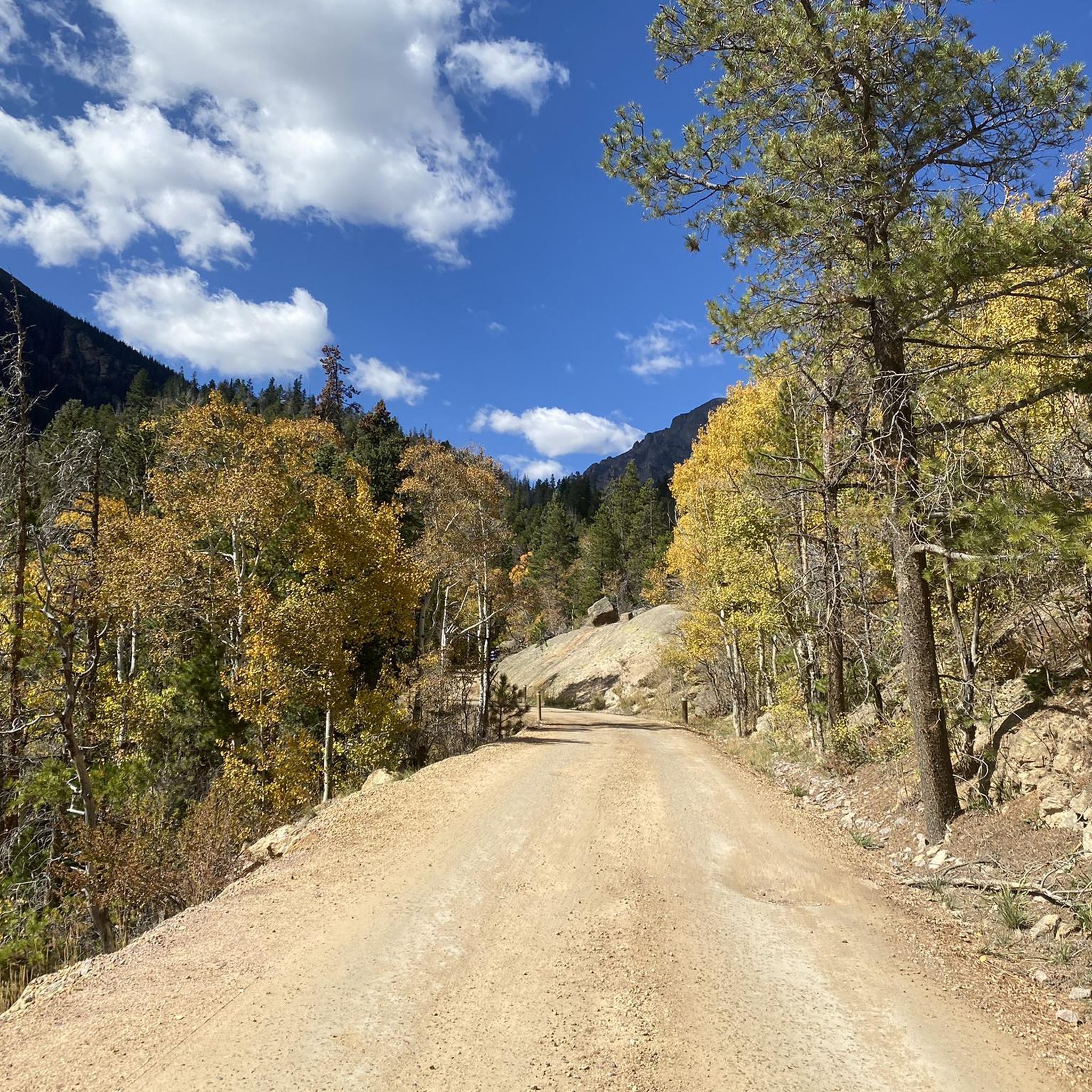
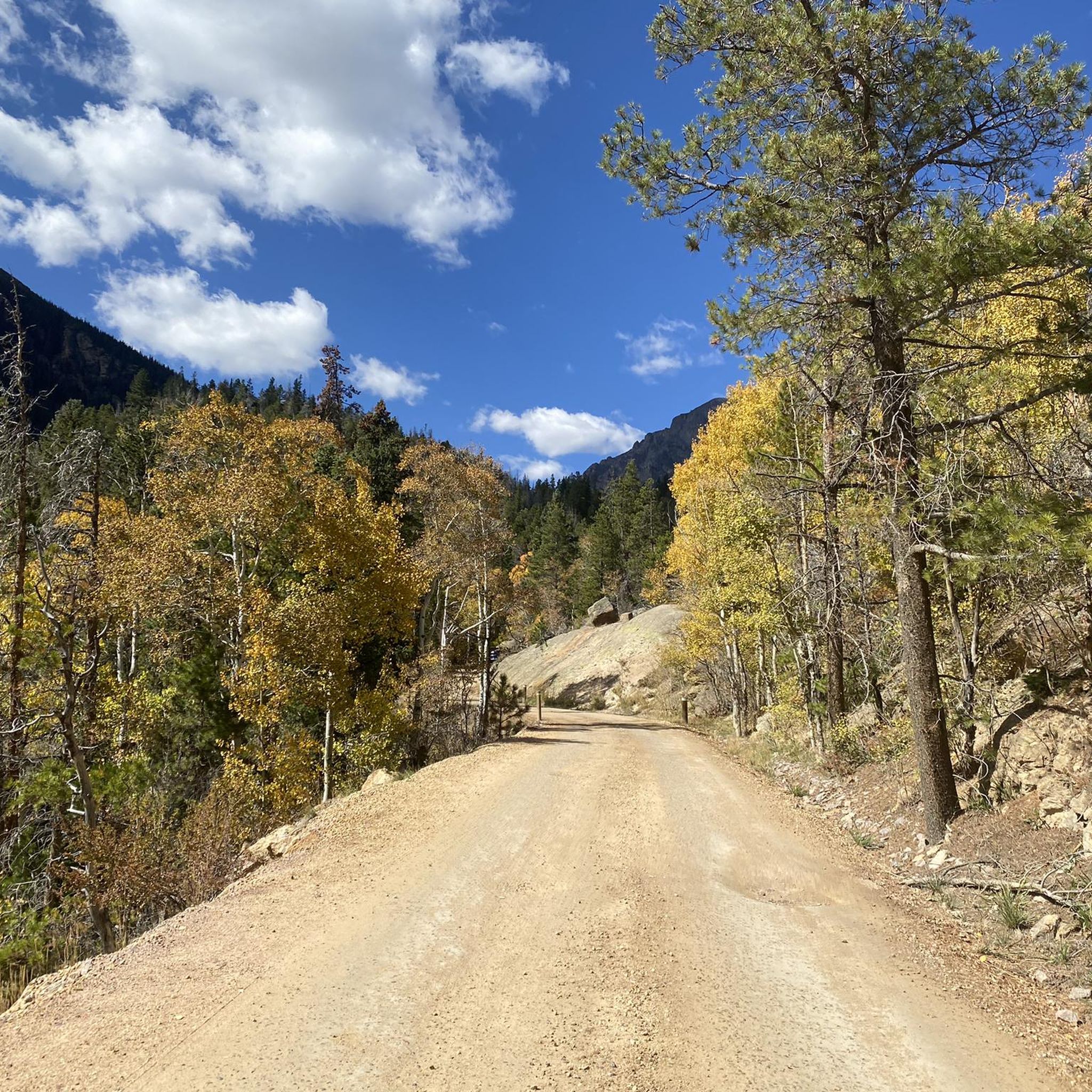
Other adventures in Rocky Mountain National Park


Tips from the Community

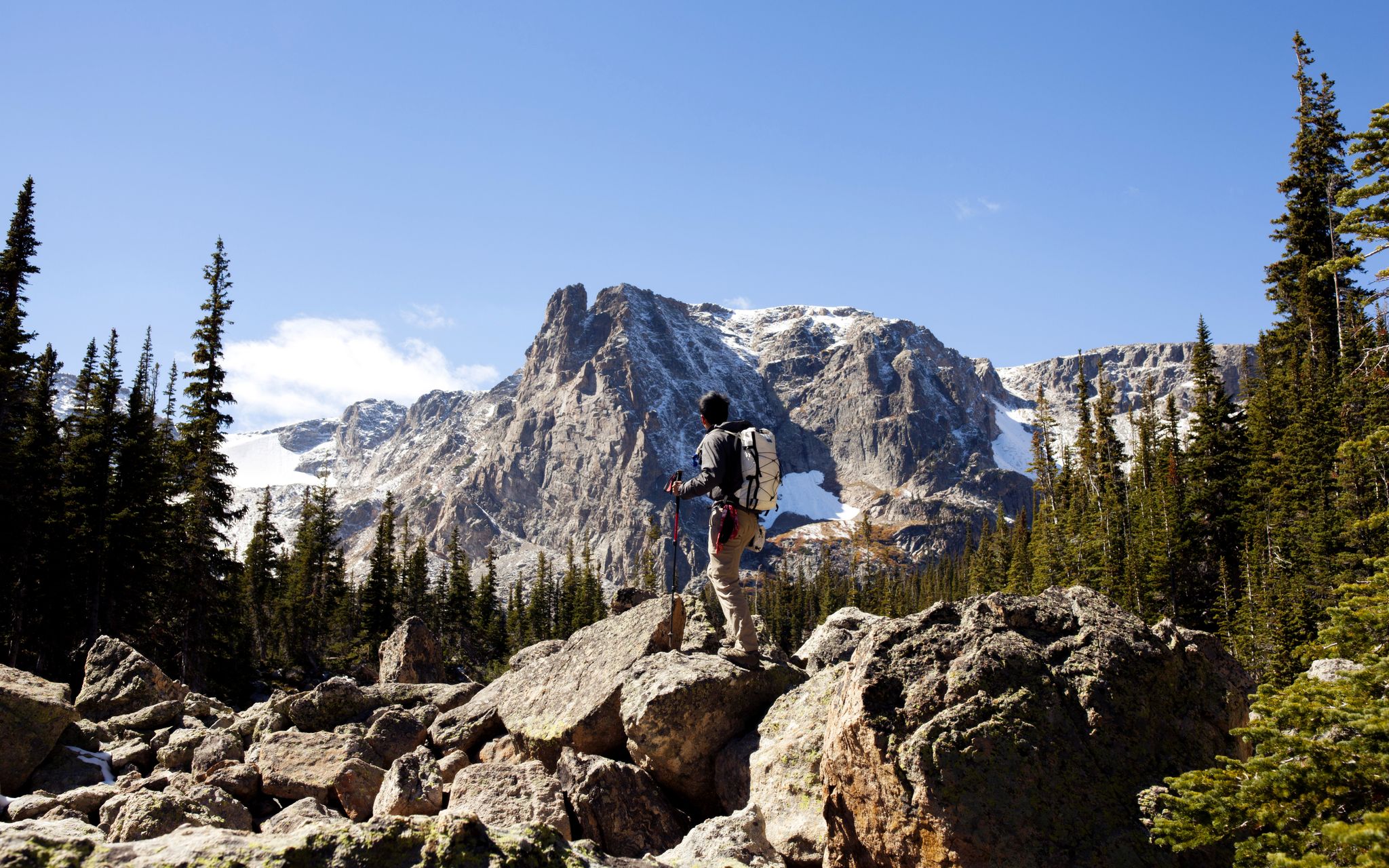
The Coyote Valley Trail is a pleasant, paved path with beautiful views of the Colorado River and mountains. With a little luck, you might spot elk or moose in the early morning and evening hours, as they often frequent this area.
0
0
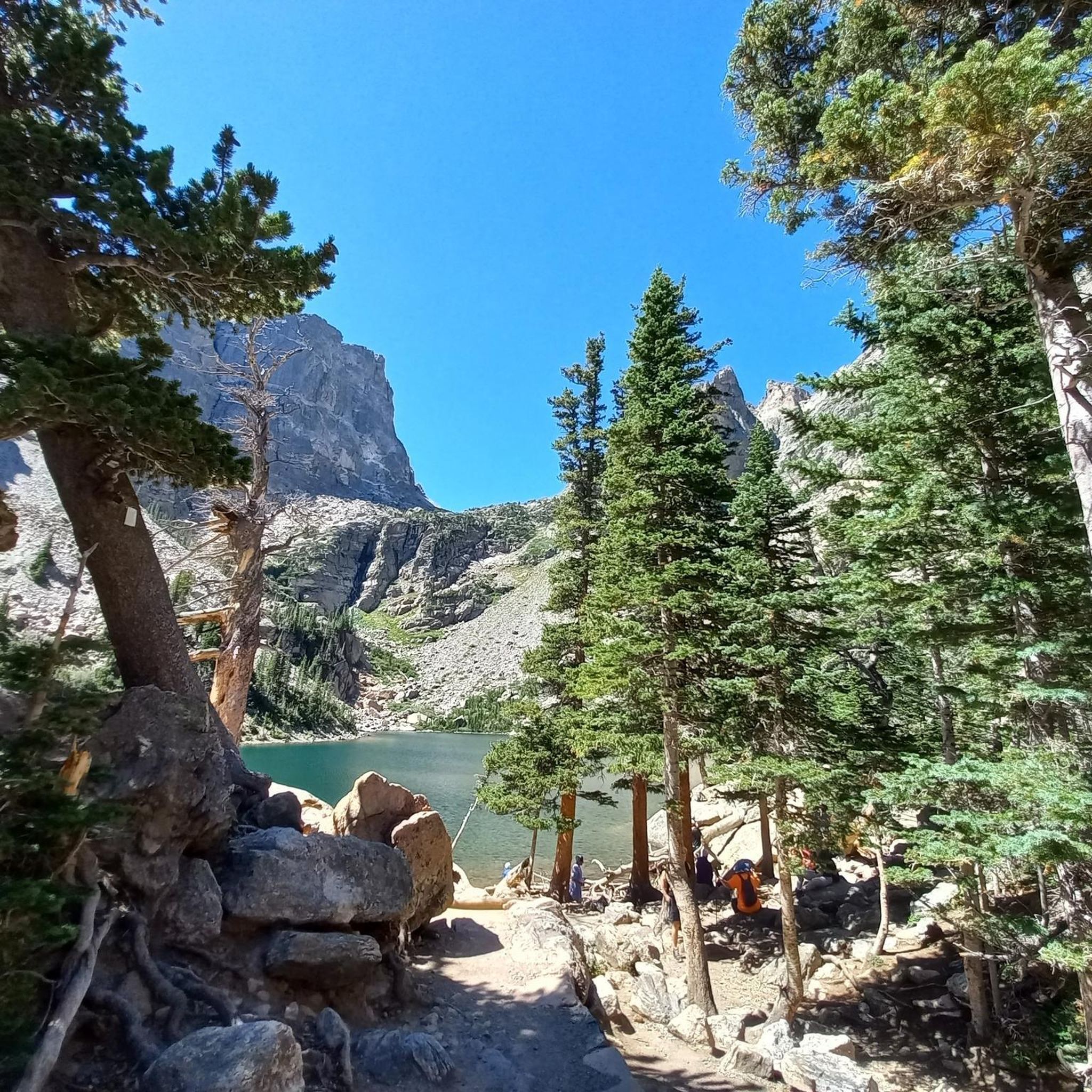
It is located at the end of the scenic Bear Lake Road, one of the most popular areas of Rocky Mountain National Park. It lies at an elevation of approximately 2,880 meters (9,450 feet), surrounded by forest, offering impressive views of the majestic peaks of Hallett Peak. A very easy, paved Nature Trail (loop) leads around the lake in just about 0.6 miles (about 1 km).
1
0

Note: Reservations are required in some seasons. Easy hike around the lake.
1
0


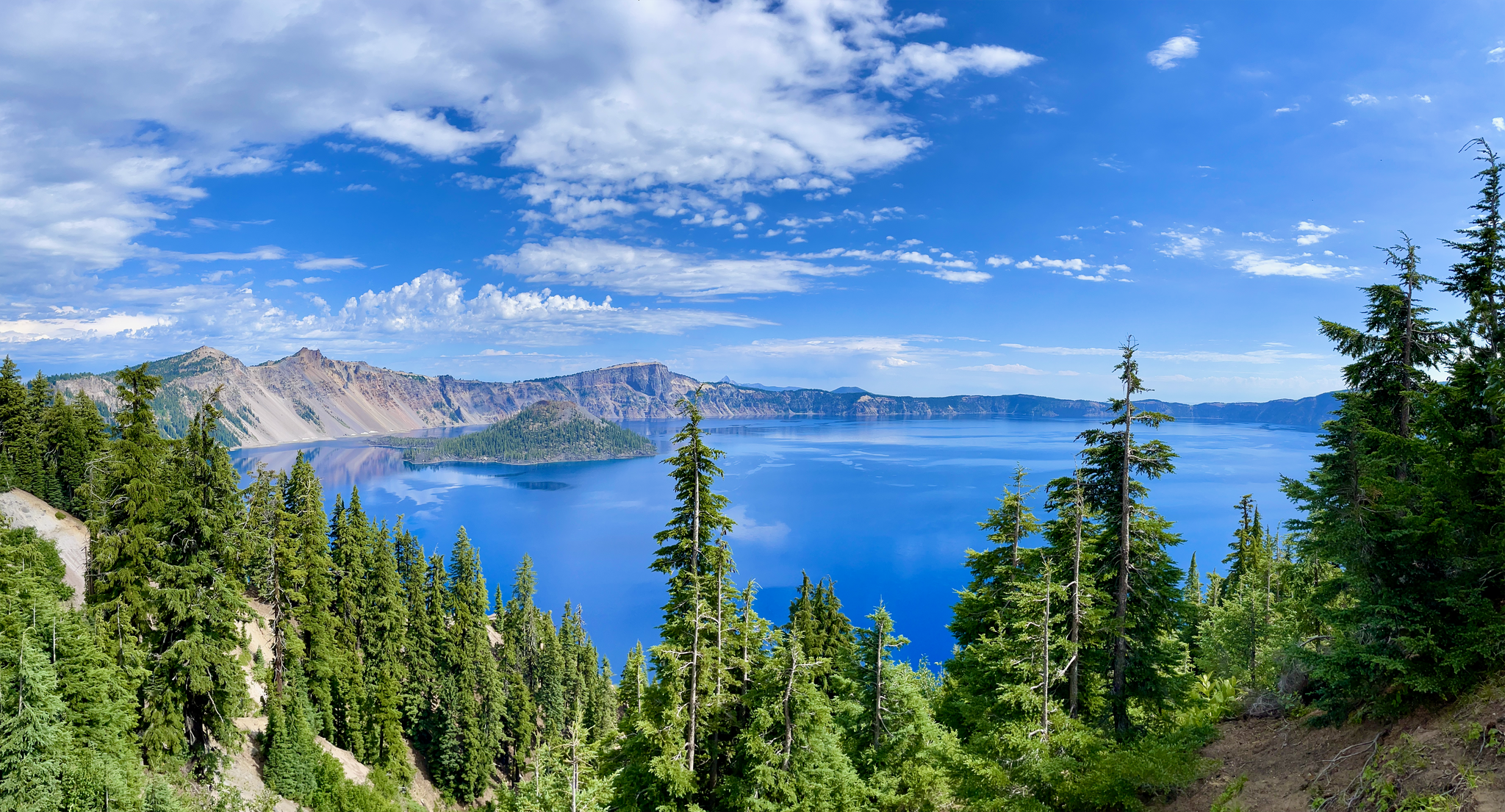
This overlook area is one of the official overlooks along Trail Ridge Road. From here you get a nice view of the Gore Range, The Never Summer Mountains and Long's Peak.
0
0


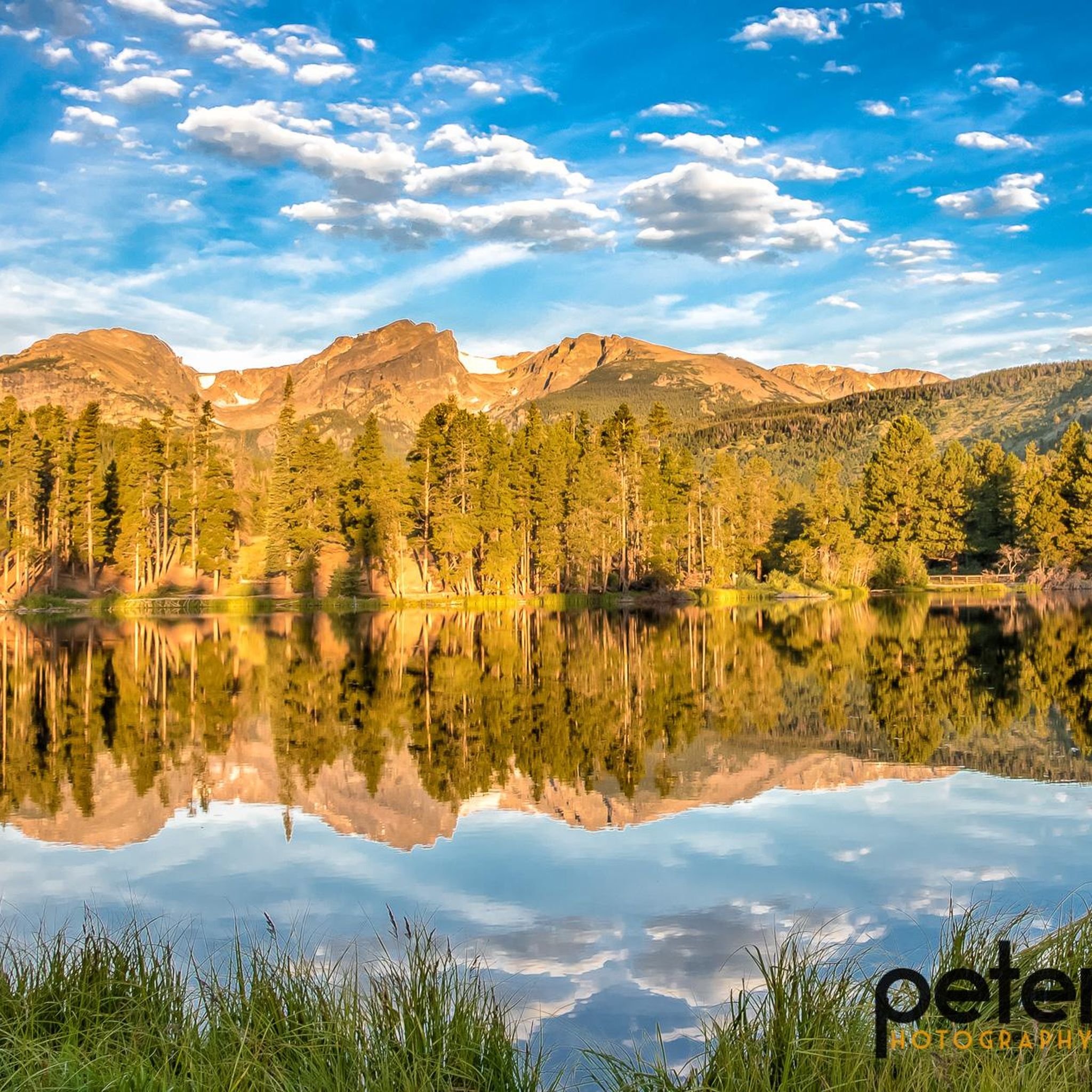
A breathtaking view of meadows and peaks in the southeast.
0
0
Frequently Asked Questions
How many road cycling routes are available in Rocky Mountain National Park?
Rocky Mountain National Park offers a diverse network of 28 road cycling routes. These include 2 easy, 17 moderate, and 9 difficult options, catering to various skill levels and preferences.
What kind of terrain and elevation can I expect when road cycling in Rocky Mountain National Park?
Road cycling in Rocky Mountain National Park involves significant elevation changes, with routes ranging from 7,860 feet to over 14,000 feet. You'll encounter challenging climbs, such as those on Trail Ridge Road, which reaches 12,183 feet and offers breathtaking panoramic views above the treeline. The park's diverse ecosystems mean you'll ride through evergreen forests, past alpine lakes, and across vast alpine tundra.
Are there any family-friendly road cycling routes in Rocky Mountain National Park?
While many routes in Rocky Mountain National Park involve significant climbs, there are options suitable for families or those seeking less strenuous rides. The park offers 2 easy routes, which typically feature gentler gradients and shorter distances. For example, the Lake Estes – Big Thompson River loop from Estes Park is a moderate option that follows river valleys and circles Lake Estes, providing a scenic experience without extreme elevation.
What are some notable landmarks or viewpoints along the road cycling routes?
Many road cycling routes in Rocky Mountain National Park offer stunning views and pass by significant landmarks. Trail Ridge Road itself is a major attraction, crossing the Continental Divide at Milner Pass and offering panoramic vistas from various overlooks. You can also cycle towards beautiful alpine lakes like Bear Lake and Emerald Lake, or see impressive waterfalls like Alberta Falls. The Many Parks Curve Viewpoint – Lava Cliffs Overlook loop from Estes Park specifically highlights some of the park's high-alpine features.
What is the best time of year to go road cycling in Rocky Mountain National Park?
The best time for road cycling in Rocky Mountain National Park is typically from late spring to early autumn. Many high-elevation roads, including sections of Trail Ridge Road and Old Fall River Road, are closed due to snow from mid-October to late May or early June. Summer offers the most reliable conditions, but be prepared for rapid temperature changes and afternoon thunderstorms. Always check current road conditions and weather forecasts before heading out.
Are there any loop routes for road cycling in the park?
Yes, Rocky Mountain National Park features several excellent loop routes for road cyclists. A popular and challenging option is to ascend Old Fall River Road (often car-free for cyclists in early summer) and then descend via Trail Ridge Road, creating a significant loop with substantial elevation gain. The Green Mountain Trailhead – Colorado River loop from Grand Lake is another difficult loop that explores the western side of the park.
What are the regulations and permits required for road cycling in Rocky Mountain National Park?
Rocky Mountain National Park requires timed entry permits during peak seasons to manage visitor traffic. Cyclists should check the official National Park Service website (nps.gov) for the most current information on entry requirements, road closures, and any specific cycling regulations. Always be aware of park rules regarding wildlife, right-of-way, and staying on designated paved roads.
Can I bring my dog on road cycling trails in Rocky Mountain National Park?
In Rocky Mountain National Park, pets are generally not allowed on trails, including most cycling paths, to protect wildlife and natural resources. They are permitted only on paved roads, in campgrounds, and in picnic areas. If you plan to cycle, it's best to leave your dog at home or make arrangements for their care outside the park's restricted areas.
Where can I find parking for road cycling routes in Rocky Mountain National Park?
Parking is available at various trailheads and visitor centers throughout Rocky Mountain National Park, including areas near Estes Park and Grand Lake. Due to high demand, especially during peak season, it's advisable to arrive early. Some popular starting points for road cycling include parking areas in Estes Park for routes like the Big Thompson River – Estes Park Visitor Center loop from Cascade Lake.
What do other road cyclists enjoy most about road cycling in Rocky Mountain National Park?
The area is highly rated by the komoot community, with an average score of 4.5 stars from over 6 reviews. Road cyclists often praise the challenging climbs, the breathtaking panoramic views, and the unique experience of cycling above the treeline on roads like Trail Ridge Road. The diverse ecosystems and opportunities for wildlife viewing also contribute to a memorable experience.
Are there any less crowded road cycling options in Rocky Mountain National Park?
While popular routes like Trail Ridge Road can be busy, especially during summer, you might find less crowded experiences by cycling during off-peak hours (early morning or late afternoon) or in the shoulder seasons. Additionally, the Old Fall River Road offers a unique, car-free experience for cyclists and pedestrians between Memorial Day and early July, providing a quieter ascent before it opens to one-way vehicle traffic.
What should I bring for road biking in Rocky Mountain National Park?
Given the significant elevation changes and variable weather, it's crucial to be well-prepared. Essential items include layers of clothing (even in summer, temperatures can drop rapidly at higher elevations), rain gear, plenty of water, high-energy snacks, sun protection (sunscreen, sunglasses), a bike repair kit, and a first-aid kit. A helmet is mandatory, and bright clothing is recommended for visibility.
Most popular routes in Rocky Mountain National Park
Most popular attractions in Rocky Mountain National Park

Get inspired with the komoot mobile app


Explore more
Browse the best Road cycling routes in other regions.
