4.6
(5)
928
riders
129
rides
Touring cycling routes in Hawaiʻi County traverse a landscape shaped by active volcanoes, offering diverse terrains from sea level to high elevations. The region features extensive lava fields, lush rainforests, and varied coastal areas. Cyclists can experience significant elevation changes, from gentle coastal paths to challenging mountain ascents, crossing multiple ecological zones.
Last updated: April 24, 2026
10
riders
24.5km
01:36
250m
250m
Embark on the Old Kona Airport State Recreation Area via Keauhou loop, a moderate touring cycling route that spans 15.2 miles (24.5 km) with an elevation gain of 827 feet (252 metres). You can expect to complete this scenic ride in about 1 hours and 36 minutes. As you cycle, you will pass through diverse Hawaiian landscapes, featuring stunning coastal vistas and characteristic black lava rock formations. The route takes you along primarily paved surfaces, making for a smooth ride as you explore the Old Kona Airport State Recreation Area and enjoy picturesque ocean views around Keauhou Bay.
For your convenience, parking is generally available at the Old Kona Airport State Recreation Area, which serves as an excellent starting point for your cycling adventure. This area also provides useful amenities such as picnic tables, restrooms, and showers, which are particularly helpful for longer rides. Keauhou Bay, another key point on the loop, offers additional facilities and is a popular spot for various water activities. Consider starting your ride in the late afternoon to catch the beautiful sunset views over the ocean.
This loop offers a unique blend of natural beauty and historical interest. The Old Kona Airport State Recreation Area itself features an abandoned paved runway that now serves as an access path, allowing you to explore community-maintained gardens along the way. You will also pass by Old Kona Airport Beach, providing opportunities to pause and take in the serene coastal environment. The route's focus on paved surfaces ensures a comfortable touring cycling experience while still immersing you in the distinctive Hawaiian scenery.
7
riders
9.97km
00:37
50m
50m
Set out on an easy touring bicycle ride along the Waiakumalae Point loop, a paved route that stretches for 6.2 miles (10.0 km). You will experience gentle undulations, gaining only 152 feet (46 metres) in elevation, making it a comfortable journey estimated to take about 37 minutes. As you pedal, you'll pass by the historical remnants of an old fishing village, with its rebuilt houses and walls crafted from lava stones, offering a glimpse into the past. The path itself is clean and spacious, providing a smooth ride as you take in the changing scenery from panoramic ocean vistas to unique volcanic landscapes and lush tropical greenery.
Planning your visit is straightforward, as parking is generally available in the Waikōloa Village area, providing easy access to the start of the loop. This makes it convenient to begin your touring cycling adventure at your leisure. Be aware that the area can sometimes be quite windy; wearing sunglasses is recommended to protect your eyes from any airborne debris. The route is suitable for all skill levels, offering a pleasant experience without demanding technical challenges.
This loop offers more than just a ride; it's a journey through history and nature. You can explore the site of an old fishing village, where the reconstructed lava stone structures tell tales of ancient Hawaiian life. Reaching Waiakumalae Point provides a perfect opportunity to pause and appreciate the expansive coastal views, connecting you with both the natural beauty and the historical significance of this unique Hawaiian landscape.
Sign up for free
7
riders
25.2km
01:48
480m
480m
Embark on the Kahalu‘u to Captain Cook loop, a difficult touring bicycle route that challenges you with 15.6 miles (25.2 km) and a significant 1563 feet (477 metres) of elevation gain. You can expect to complete this ride in about 1 hour and 47 minutes. As you pedal, you'll pass an overlook of Kahalu‘u Bay, offering picturesque views of its native preserve land. The route then takes you into the lush, green landscapes of the Kona Coffee Belt, where you can spot various coffee farms. This ride combines stunning coastal vistas with rich agricultural scenery, making for a memorable cycling experience.
Before you set out on this difficult touring bicycle loop, be aware that it demands very good fitness due to its considerable elevation gain. While the route is mostly paved, you should be prepared for steep sections where you might even need to push your bike. Parking is conveniently available at Kahalu‘u Beach Park, which serves as an ideal starting point for your adventure. Plan your visit during cooler parts of the day to make the most of this challenging ride.
This particular loop offers a unique opportunity to explore both the coastal beauty and the agricultural heartland of Hawai‘i. You will cycle through the famous Kona Coffee Belt, an area renowned for its distinctive coffee production. The trail allows you to witness the diverse landscapes of the region, transitioning from ocean views to verdant coffee plantations. It stands out as one of the most beautiful rides in the area, showcasing the island's natural and cultivated charm.
5.0
(1)
5
riders
48.1km
04:41
2,180m
2,180m
Embark on a truly demanding touring bicycle journey to the Mauna Kea summit from Puʻu Huluhulu. This route spans 29.9 miles (48.1 km) and challenges you with an immense 7155 feet (2181 metres) of elevation gain. As you climb, you will experience a dramatic shift from lush lower areas to barren, volcanic landscapes, often rising above the clouds for expansive 360-degree views of Mauna Loa and the observatories near the summit. Expect a difficult ride that typically takes around 4 hours and 40 minutes to complete.
Before you set out, remember that the high altitude means significantly reduced oxygen levels, so acclimatization is very important; stopping at the Visitor Information Station is a good idea. The terrain above the Visitor Center includes several miles of loose, sandy gravel, which makes the ride technically challenging and might require specific tires or even a mountain bike. Given the extreme nature of this climb and the lack of services along the way, having a support vehicle is strongly recommended for most riders.
This ascent is widely considered one of the most difficult cycling climbs globally, demanding exceptional fitness. The starting point, Puʻu Huluhulu, is a unique ecological preserve, known as a kīpuka or volcanic oasis, which offers a striking contrast to the surrounding lava flows. This makes the route not just a physical test, but also an opportunity to witness a rare natural phenomenon as you begin your epic climb.
5.0
(1)
5
riders
57.4km
04:23
1,410m
1,410m
Embark on a truly challenging touring bicycle adventure to the Mauna Loa Observatory from Puʻu Huluhulu, a difficult route spanning 35.6 miles (57.4 km). You will climb a significant 4633 feet (1412 metres) in elevation, with the journey typically taking around 4 hours and 22 minutes. This ride immerses you in diverse volcanic landscapes, transitioning from forested "kipukas" with native trees to vast, arid expanses of striking brown, red, and black lava, offering unobstructed views of Mauna Kea. Expect profound solitude, where the wind and your own breath are often the only sounds. On clear days, you might even spot Hawaii Volcanoes National Park and the Pacific Ocean in the distance.
Before you set out, be aware that a 2022 lava flow has made the road impassable at approximately 9,000 feet elevation, which is about seven miles from the Mauna Loa Observatory itself. You will face decreasing oxygen levels as you ascend to higher altitudes, so prepare for extreme conditions including cold temperatures, rain, and strong crosswinds. The route is very isolated, meaning you must be entirely self-sufficient and carry all necessary provisions for your trip.
This route offers a unique opportunity to experience the raw, untamed beauty of Hawaii's volcanic heartland. The journey showcases a dramatic ecological shift, from pockets of lush native flora to stark, otherworldly lava fields. It is a chance to connect deeply with nature in an environment unlike any other, providing a memorable perspective on the island's powerful geological forces and its remote, high-altitude ecosystems.
4
riders
41.1km
02:36
460m
460m
Embark on a difficult touring cycling adventure along the Old Mamalahoa Hwy to Kapuna Road loop, a 25.6-mile (41.1 km) journey on Hawaii's Big Island. This route challenges you with 1496 feet (456 metres) of elevation gain, typically taking about 2 hours and 36 minutes to complete. As you pedal, you will pass through lush rainforests and open green lands, encountering historic century-old bridges and remnants of old sugar mills.
This hard bike ride requires very good fitness due to its significant climbing and rolling hills. The trail consists mainly of paved surfaces, making it ideal for road bikes. You can usually find parking in the Waimea area, which is a good place to begin this scenic loop.
The route offers diverse and picturesque views, including scenic vistas of Onomea Bay and sweeping ocean views along the Hamakua Coast. This journey provides a unique glimpse into the island's past, blending natural beauty with historical landmarks from its sugar cane era.
1
riders
12.5km
00:54
220m
220m
Embark on the Rainbow Falls via Kaumana Caves loop, a moderate touring bicycle route spanning 7.8 miles (12.5 km). You will gain 713 feet (217 metres) in elevation, with most cyclists completing it in about 53 minutes. As you pedal, you'll experience Hilo's vibrant, lush landscapes, with dense tropical vegetation lining your path. A highlight of the journey is Rainbow Falls, an impressive 80-foot waterfall cascading over a natural lava cave, often adorned with rainbows in the morning mist. The route offers a refreshing and engaging cycling experience through this verdant Hawaiian scenery.
When planning your visit, you will find parking generally available near the start of the route in Hilo. While the path is mostly paved, be aware that some road shoulders, particularly on Waianuenue Avenue and Akolea Road, can be narrow or even non-existent. This requires careful attention to traffic. If you plan to explore the Kaumana Caves, remember there is no artificial lighting inside, so bring a flashlight to navigate the uneven lava rock floor.
This loop offers a unique glimpse into the geological history of the Big Island. Beyond Rainbow Falls, you can explore the Kaumana Caves, which are extensive lava tubes formed by an 1881 lava flow. These caves provide a raw and fascinating caving experience, showcasing the powerful forces that shaped this volcanic island. The combination of natural beauty and geological wonders makes this route a distinctive choice for touring cyclists in the region.
3
riders
75.5km
05:27
1,710m
1,710m
Embark on a difficult touring bicycle journey up Mauna Kea, starting from Hilo. This route covers 46.9 miles (75.5 km) and challenges you with a significant 5612 feet (1711 metres) of elevation gain. You will cycle through five distinct climate zones, transitioning from lush rainforests to native dry forests, and eventually to a dramatic, almost lunar landscape. The ascent takes approximately 5 hours and 27 minutes, often placing you above the clouds. As you climb higher, you'll be rewarded with panoramic views, especially as you approach the astronomical observatories.
Planning for this difficult ascent requires careful consideration. Due to the massive altitude gain and reduced oxygen levels at higher elevations, bringing a support vehicle is strongly recommended for your safety. Be prepared for a roughly 7-kilometer section of gravel and sand after the Visitor Information Station; this part of the route is particularly challenging if you are on a road bike. Weather conditions can change drastically, so pack layers for warmth and wind protection, as temperatures can drop from warm at the start to freezing at higher elevations.
This epic journey is renowned as one of the world's most challenging bike climbs, offering a unique opportunity to experience Hawaii's diverse ecosystems. You will witness the landscape transform dramatically, from the vibrant greenery of Hilo to the stark, otherworldly terrain near the summit. The route's distinct climate zones and the presence of world-class astronomical observatories make it a truly remarkable and memorable cycling adventure.
3
riders
24.9km
01:29
190m
190m
Embark on a moderate touring bicycle ride along the Pohiki via Kehena route, covering 15.5 miles (24.9 km) with a total elevation gain of 607 feet (185 metres). This journey, typically completed in about 1 hour and 29 minutes, immerses you in a landscape shaped by recent volcanic activity. You will pedal through lush coconut groves and tropical rainforests, transitioning into areas of cooled lava fields and newly formed black sand beaches. The dramatic volcanic scenery is a constant companion, offering a unique backdrop to your ride. Keep an eye out for the striking Pohoiki Black Sand Beach, a direct result of the 2018 lava flows, which stands as a powerful visual landmark along the way. The scenic "Red Road," also known as Highway 137, provides diverse coastal views as you explore this dynamic environment. You will pass through residential areas and old plantations, adding to the varied scenery of this route.
Before you set out, be aware that recent lava flows have altered the landscape, so GPS directions might not be entirely up-to-date regarding road conditions. Access to Isaac Hale Beach Park, a key point on this route, is primarily from the west on Highway 137, which is a dead-end road. This means you will need to plan your approach accordingly. It is also important to remember that services are limited within the park area; therefore, you should pack your own food and drinks to ensure you have everything you need for the duration of your ride. Checking local conditions before your trip is always a good idea to ensure a smooth experience.
This touring bicycle route offers a unique opportunity to witness the ongoing geological transformation of the Big Island. The presence of newly formed black sand beaches and extensive lava fields highlights the powerful forces of nature at play in this region. You will experience the contrast between vibrant tropical vegetation and the stark, yet beautiful, volcanic terrain. The trail provides a direct connection to the island's dynamic ecosystem and its recent history, particularly the impact of the 2018 lava flows. This makes the Pohiki via Kehena route not just a ride, but an educational journey through a living landscape.
2
riders
17.9km
01:15
290m
280m
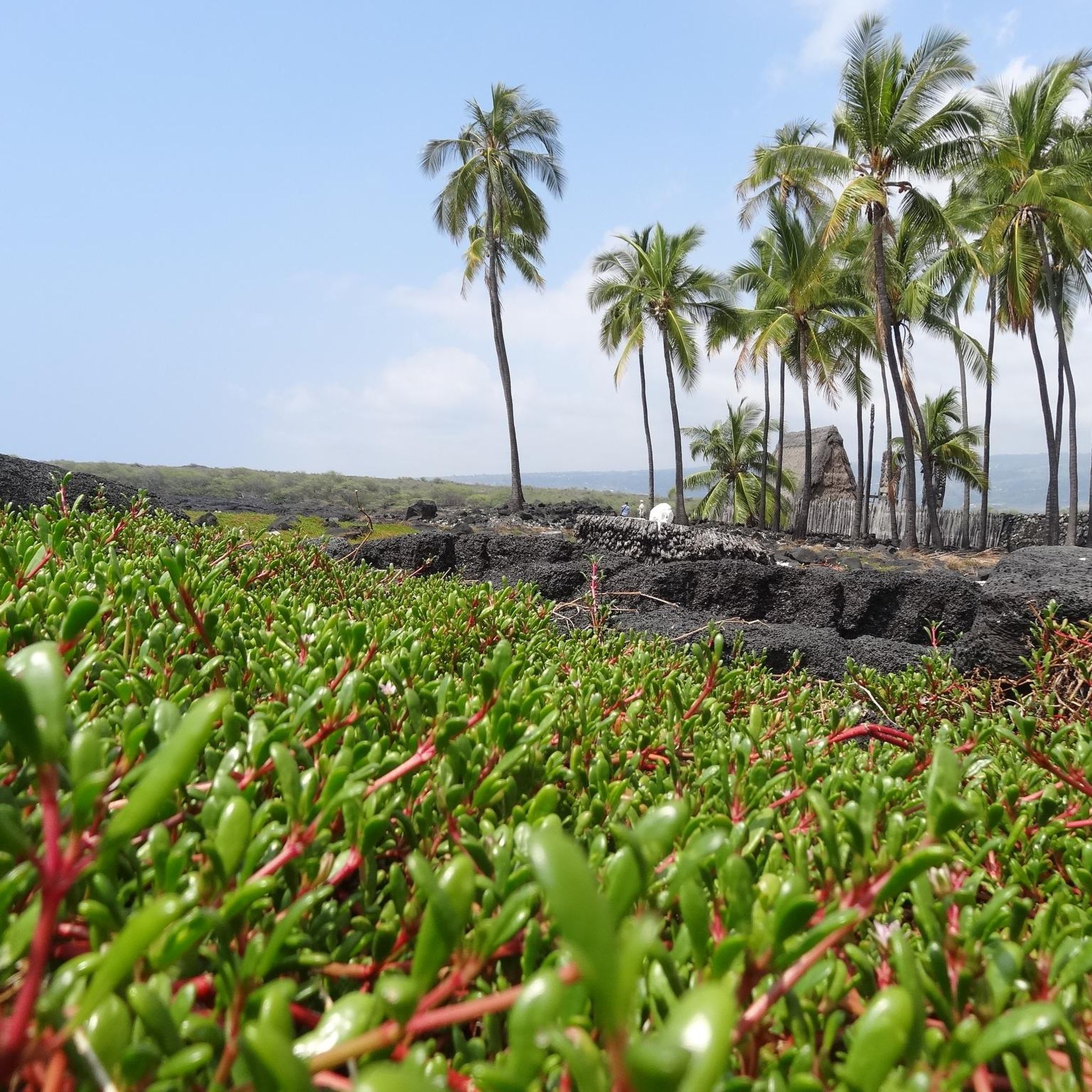
Embark on a moderate touring bicycle route that takes you along the stunning coastline of the Big Island. This 11.1 miles (17.9 km) loop features 949 feet (289 metres) of elevation gain, offering a good workout without being overly strenuous. You will cycle past dramatic sea cliffs, enjoying expansive views of the clear waters of Kealakekua Bay. The route also leads you to Two Step Beach, known for its unique lava rock entry points and vibrant underwater world. Expect a mix of paved and potentially unpaved sections, adding variety to your ride. This journey typically takes about 1 hour and 14 minutes to complete.
Before you set out, be aware that amenities at Two Step Beach are basic, with only port-a-potties available and no showers or food vendors. It is a good idea to visit Puʻuhonua o Hōnaunau National Historical Park first to understand its cultural importance before heading to the beach for a swim. Remember to bring all necessary supplies, as services are limited along the route. Plan your visit to make the most of your time in this unique area.
This touring bicycle route offers a chance to explore a significant Marine Life Conservation District. Kealakekua Bay is famous for its abundant marine life and holds historical importance as the site of Captain Cook's landing. The trail provides a unique perspective on the natural and cultural heritage of the Big Island, combining scenic cycling with opportunities to experience local history and ecology. It is a notable way to experience the area's distinct character.
Get access to more routes and recommendations from other explorers.
Sign up for free
Already have an account?
Our route recommendations are based on thousands of hikes, rides, and runs completed by other people on komoot.
Start today with a free account
Your next adventure awaits.
Login or Signup
Popular around Hawaiʻi County
Undoubtedly one of the most beautiful and challenging experiences one can have on a bicycle and in the middle of the ocean! Setting off early in the morning from the quiet beach to reach the 4,207-meter summit of Mauna Kea is an immense satisfaction. The first part, from the city of Hilo up to a few kilometers before the Visitor Center at 2,700 meters, is relatively easy but also a bit monotonous. However, about a kilometer after taking the Mauna Kea Access Road, the gradient starts to rise steeply, often reaching double digits. Once you arrive at the Mauna Kea Visitor Information Station, after the mandatory stop at the Ranger Checkpoint, you can enjoy a well-deserved break and stock up on water before facing the toughest section of the entire climb. Immediately after the VIS begins a long stretch of unpaved road with sharp gradients and a surface that often offers little grip, putting even the strongest legs to the test. After this grueling segment, the ascent continues on asphalt again, but the slopes remain steep and the altitude begins to take its toll, making the final conquest of the summit truly a feat within a feat. Once you reach the long-awaited summit sign, you can finally take a deep breath of relief and admire—with a huge smile—the breathtaking view that awaits you. I traveled 31 hours to conquer this gem, and every bit of effort was more than worth it!
0
0
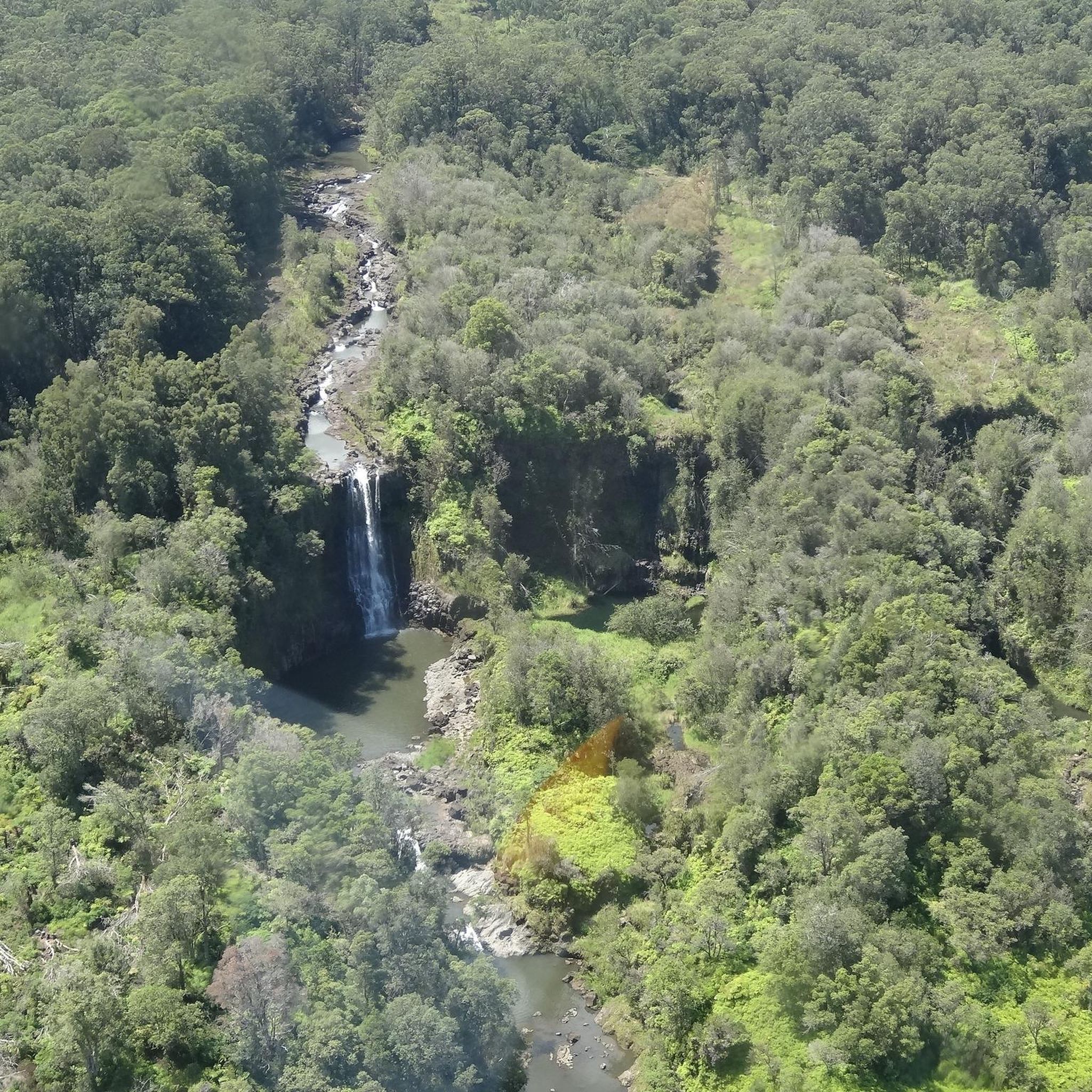
impressive waterfall in front of a huge cave
2
0
From the entrance, the lava tunnel leads in two directions. The tunnel system is 2,197 meters long in total. Sturdy footwear and sufficient lighting are recommended.
2
0
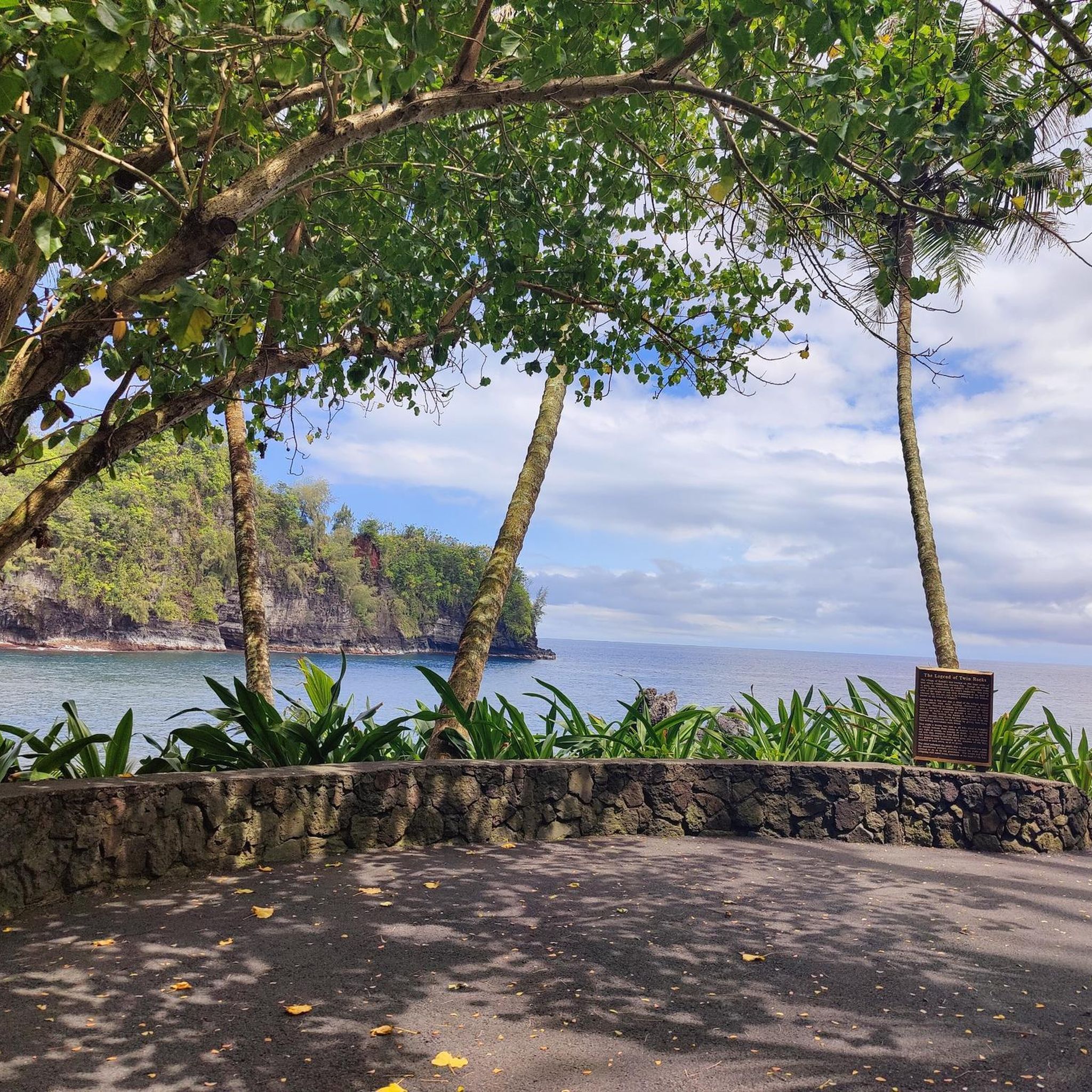
This black sand beach is a popular attraction due to the beauty. The sand is created when hot lava contacts water, then fragments/ explodes. The waves then smooth the fragments into the smooth sand. There are small tidal pools for wading and the ocean is known for large waves here.
0
0
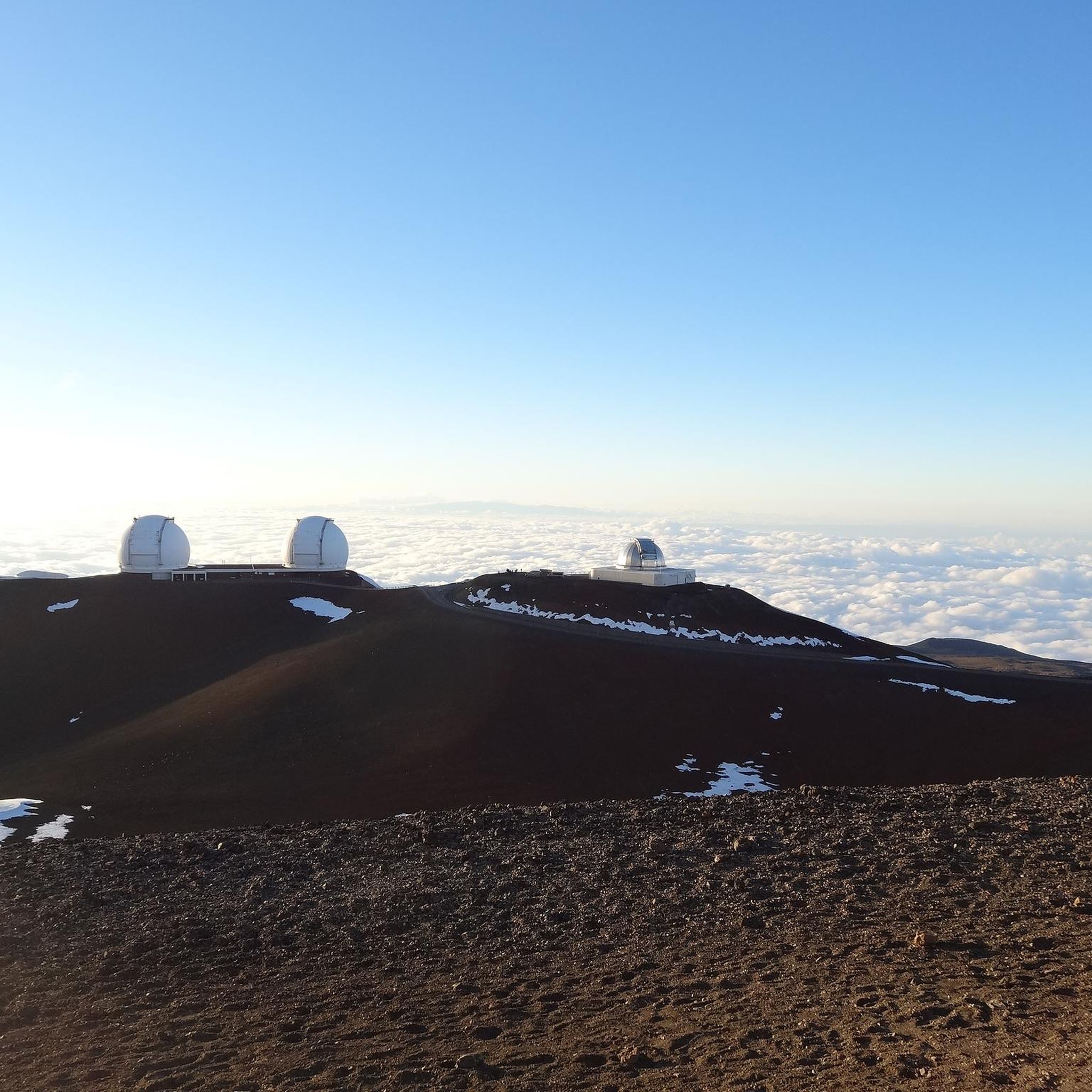
This marks the start of Mauna Kea! From here you can enjoy the views of the absolutely gargantuan mountain overhead. By this point whether you rode from Hilo or the west coast, you've already done enough climbing to put most cyclists to shame. You can give yourself a pat on the back and enjoy the long descent back into town, or drop a gear and head up the mountain!
0
0
Hawaiʻi County offers over 100 touring cycling routes, catering to a wide range of skill levels. You'll find everything from easy coastal rides to challenging high-elevation climbs through diverse landscapes.
Touring cycling in Hawaiʻi County is unique due to its dramatic volcanic landscapes, lush rainforests, and diverse coastal areas. The island boasts 10 out of the world's 14 climate zones, offering an incredible variety of scenery, from stark lava fields to verdant valleys and even snow-capped peaks, all accessible by bike.
Yes, Hawaiʻi County has several easy routes. For a gentle coastal path, consider the Waiakumalae Point loop — Waikōloa Village, which is 6.2 miles (10.0 km) with gentle gradients. There are 47 easy routes in total, perfect for a relaxed ride.
For a significant challenge, Hawaiʻi County offers routes that ascend its towering volcanoes. The Mauna Loa Observatory from Puʻu Huluhulu — Hawai‘i route is 35.6 miles (57.4 km) with over 1,400 meters of elevation gain through volcanic landscapes. Another epic climb is the Mauna Kea summit from Puʻu Huluhulu, gaining over 2,100 meters.
Yes, many routes are designed as loops. A popular moderate option is the Old Kona Airport State Recreation Area via Keauhou loop, offering views along the Kona coast. For a more challenging loop, try the Kahalu‘u to Captain Cook loop.
Hawaiʻi County's routes often pass by stunning natural attractions. You can explore volcanic features like the Kīlauea Iki Crater Trail and Nāhuku (Thurston Lava Tube). For waterfalls, consider routes near Akaka Falls or the Rainbow Falls via Kaumana Caves loop. Coastal rides may lead to beautiful spots like Kealakekua Bay Snorkeling Area.
The touring cycling routes in Hawaiʻi County are highly rated by the komoot community, with an average score of 4.4 stars from over 5 reviews. Cyclists often praise the dramatic volcanic landscapes, the variety of terrains, and the opportunity to experience multiple climate zones in a single ride.
Absolutely. The Kona Coffee Belt offers stunning, rolling rides through lush coffee farms and coastal descents. For striking shoreline views, routes along Aliʻi Drive or the Two Step Beach via Kealakekua Bay loop provide picturesque coastal cycling experiences.
Hawaiʻi County's diverse climate means cycling is possible year-round, but conditions vary. The island experiences 10 out of the world's 14 climate zones. Generally, the dry season (April to October) offers sunnier weather, especially on the Kona side, while the wet season (November to March) brings more rain, particularly to the Hilo side, resulting in lush landscapes. Always check local weather forecasts before heading out.
Yes, many routes immerse you in the island's volcanic grandeur. Hawaiʻi Volcanoes National Park offers cycling around Kilauea Caldera's rim, with views of steam vents and lava tubes. Routes like Pohiki via Kehena also traverse unique lava fields, showcasing the island's dynamic geology.
Many routes in Hawaiʻi County are incredibly scenic. The Kohala Mountain Road (Highway 250) provides excellent views of the coastline and sloping pasture land. The Old Mamalahoa Hwy to Kapuna Road loop also offers picturesque Hawaiian countryside. Ascending Mauna Kea or Mauna Loa provides island-wide panoramas from high elevations.
Check out more Cycling routes throughout Hawaiʻi County below and find the perfect route in your destination.
Browse the best Cycling routes in other regions.

Sign up for Free