The best walks and hikes around Ooster-Schenge
4.4
(1908)
10,685
hikers
793
hikes
Hiking around Ooster-Schenge offers trails through flat polder landscapes and along waterways in the Zeeland region. The terrain is generally level, with minimal elevation changes, making it accessible for various activity levels. Routes often provide views of the Schenge area and local agricultural lands. The region is characterized by open spaces and water features.
Best hiking trails around Ooster-Schenge
- The most popular hiking route is View of the Schenge Area – Oosterschenge loop from Goes, a 6.5 miles (10.5…
Last updated: August 17, 2026
2.8
(5)
28
hikers
7.95km
02:00
10m
10m
Easy hike. Great for any fitness level. Easily-accessible paths. Suitable for all skill levels.
12
hikers
5.68km
01:26
10m
10m
Easy hike. Great for any fitness level. Easily-accessible paths. Suitable for all skill levels.

Sign up for free
15
hikers
3.42km
00:52
0m
0m
Easy hike. Great for any fitness level. Easily-accessible paths. Suitable for all skill levels.
5.0
(2)
12
hikers
8.11km
02:02
10m
10m
Moderate hike. Good fitness required. Easily-accessible paths. Suitable for all skill levels.
10
hikers
4.92km
01:15
10m
10m
Easy hike. Great for any fitness level. Easily-accessible paths. Suitable for all skill levels.
Get access to more routes and recommendations from other explorers.
Sign up for free
Already have an account?
Our route recommendations are based on thousands of hikes, rides, and runs completed by other people on komoot.
Start today with a free account
Your next adventure awaits.
Login or Signup
Tips from the Community

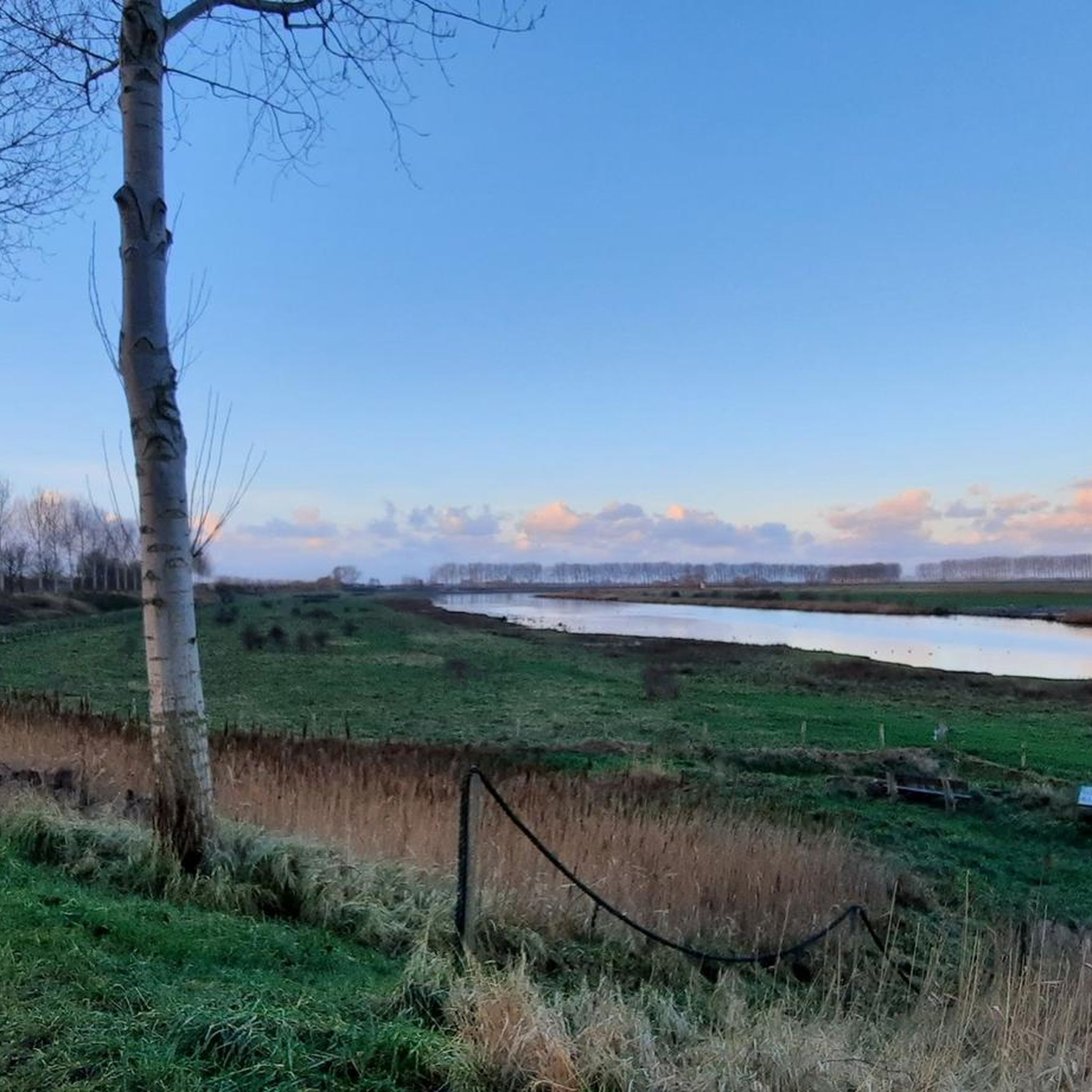
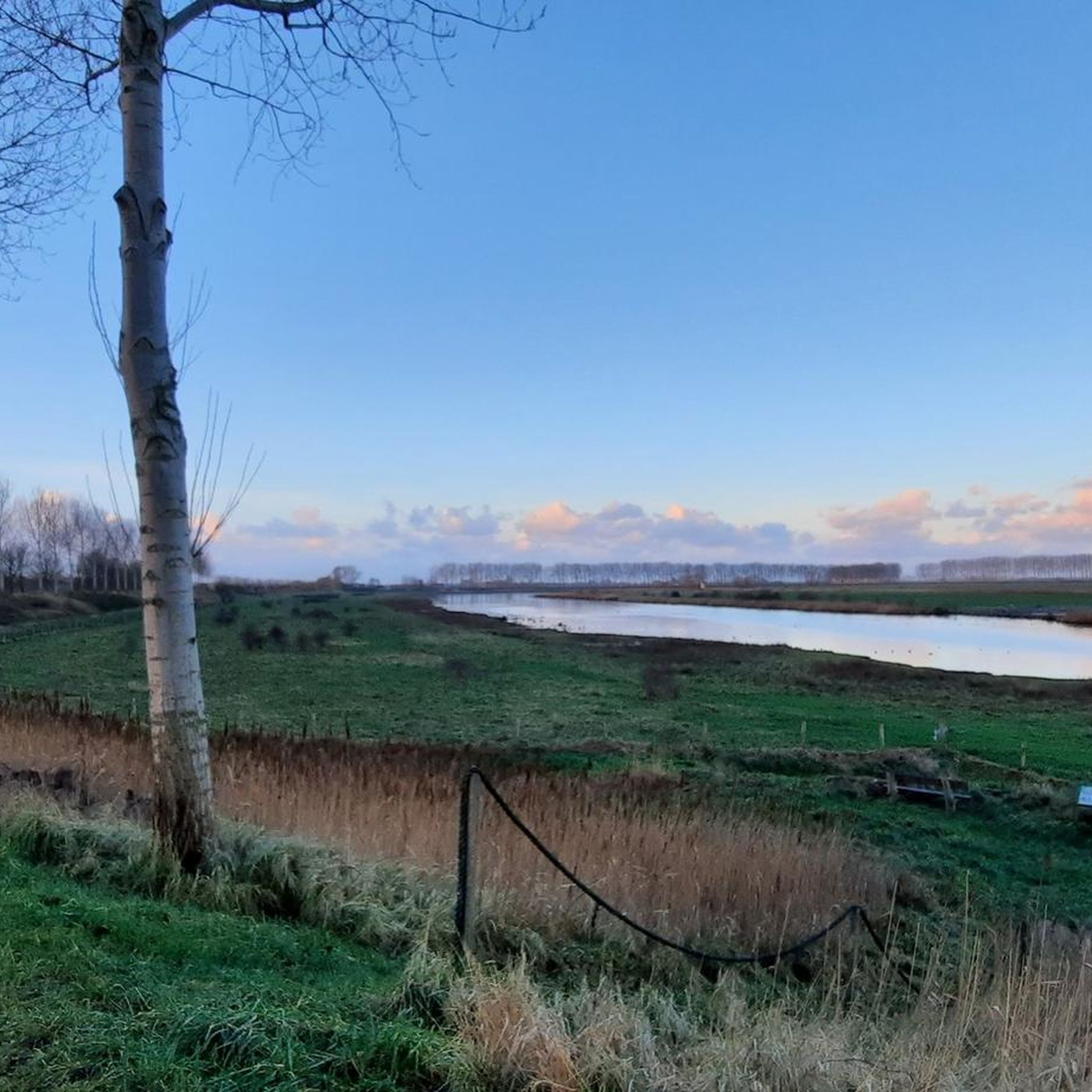
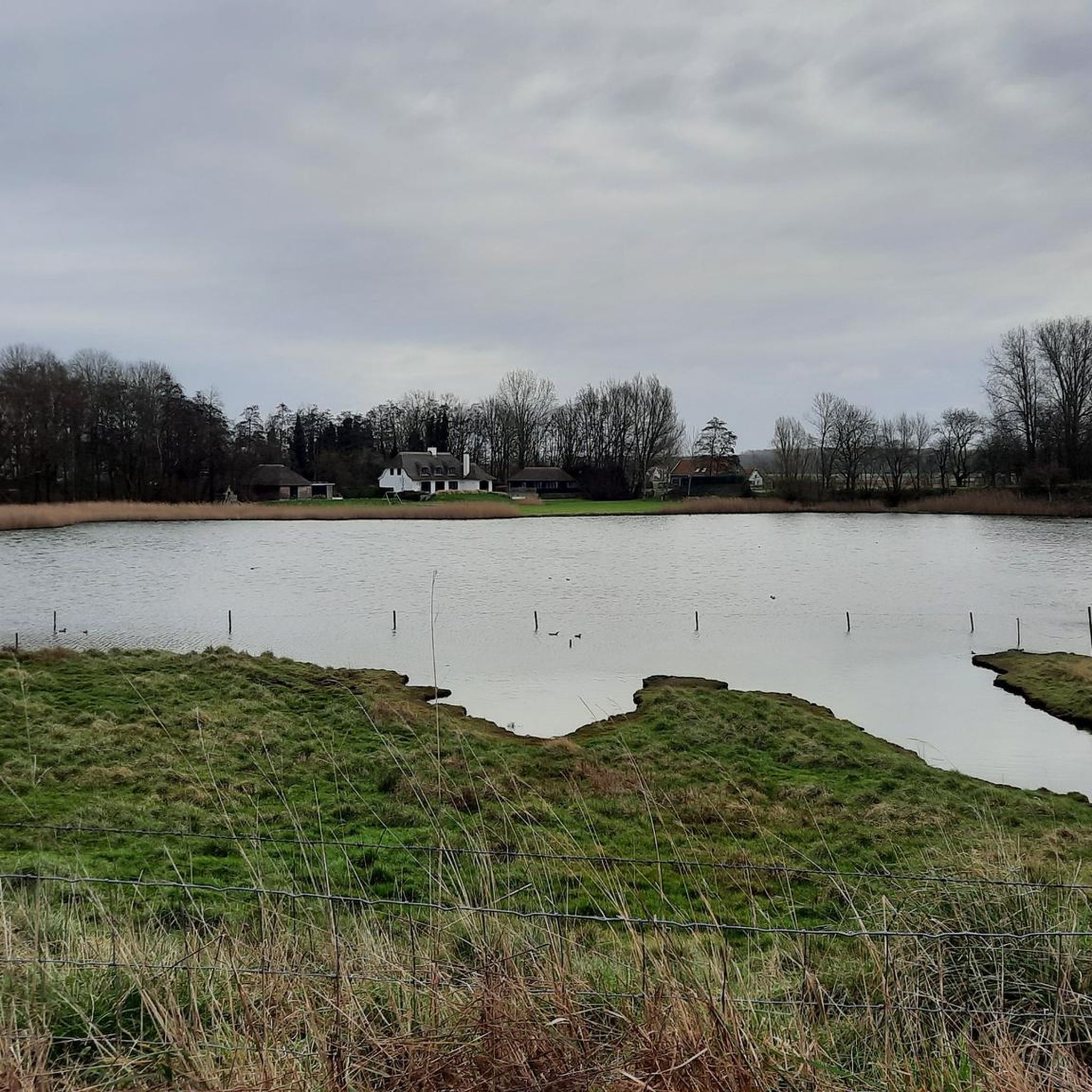
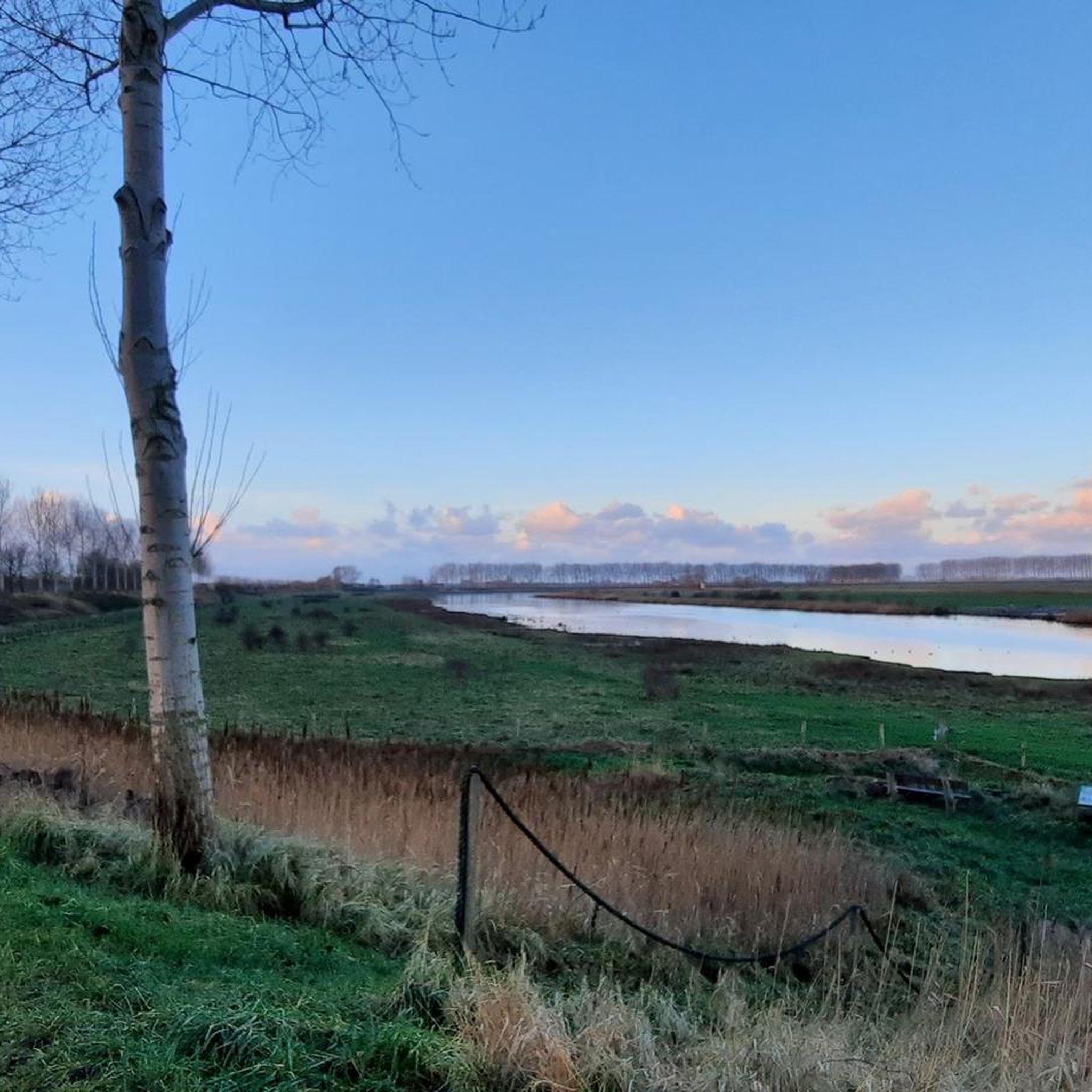
The Oosterschenge is now a relatively small, tranquil waterway, but that used to be different. It used to be an inlet, important for shipping. But in the 18th century, part of the channel was reclaimed. This 'residual channel,' the Oosterschenge, remained. Long ago, the Schenge, a wide channel that separated the island of Wolphaartsdijk from Zuid-Beveland, flowed here. Ships used this route to and from Goes. It was therefore an important waterway for trade and transport in the region. But as is often the case in Zeeland, the landscape slowly changed. Due to siltation, the water became increasingly shallow, making it more difficult for ships to navigate. In the eighteenth century, it was therefore decided to reclaim part of the inlet. This created new agricultural land. In 1809, the diking of the Wilhelminapolder was completed. With this, a large part of the old inlet disappeared behind the dikes. What remained was a wide residual channel: the Oosterschenge.
0
0

At this spot, you can admire a work of art by Wim Bakker. It resembles a manhole cover made of coins.
1
0

The war memorial in Goes consists of two bronze plaques and a bell. The plaques are set in an arched niche of white natural stone with ornamentation. The upper plaque depicts a bell in relief, while the lower plaque features the Decoration for Order and Peace, consisting of a helmet, a sword, and a palm branch. A cast-iron fence has been placed in front of the niche. The war memorial in Goes was erected in memory of all the townspeople who died in the fight against the occupying forces during World War II. A plaque also commemorates soldiers from Goes who died in the colonial war in Indonesia, in the former Dutch East Indies. This second plaque was added to the monument in 2004. The plaque was an initiative of the Association of Former Military Personnel from the East Indies. (National Committee 4 and 5 May)
8
0
Artwork by Wim Bakker titled "The Cesspool." A round porthole with a glass lid through which a quantity of coins can be seen. The inspiration came from the discovery of a cesspool in Lange Vorststraat and the debate about the introduction of the euro, as many countries would lose their own currency. A bank was also located on the corner of Markt. Bakker wanted the money to be visible in the street, as if looking into the cellars of a bank through a porthole. Above it is the text "Pecunia non olet" (money does not stink). The name "Cesspool" therefore also refers to the fact that money can bring misery. In 1999, the cesspool was filled with coins from various European countries. The artist wasn't particularly worried about problems with "real money" in the artwork, as the coins were welded and glued in place, making them unusable due to the holes in them. Nevertheless, the cesspool has already been emptied three times. After the first time in 2013, the artist refilled it, but this time with euro coins from various countries. (Human & Animal in Stone & Bronze)
8
0
This marina is located in the heart of the city, and the quays are lined with beautiful warehouses. The facades, featuring a historic stepped gable, are striking. You can take a pleasant stroll along the harbor and admire all this beauty.
10
0
On Zusterstraat, you'll find the old man's house. In 1628, an orphanage was opened in this former convent. In addition, elderly people could live in the nursing home for a substantial fee. The elderly and orphans didn't get along well, which caused problems. Therefore, it was decided to build a separate house, called the man's house, so that the groups could remain separate. The man's house was given a decorated gate and a beautiful garden, including a chestnut tree that has been visible in photographs since 1910. During the summer months, you can enjoy intimate concerts with perfect acoustics here. This unique building, with the charming "man's house garden" at the rear, has been completely renovated and transformed into a comfortable city hotel.
8
0
The town hall has a rich history, beginning in the 14th century as a tower. Over the centuries, it has served as a prison, reception area, meeting room, and meat market. The meat market still forms the basis for the current ambiance of the lunch café. Only since 1405 has it been rightfully called "The Town Hall." Although the various rooms were repurposed, the architecture of the Town Hall has been largely preserved. The original function of the Town Hall was and remains a home of and for the entire community; everyone should feel at home there. With this in mind, you can still enjoy delicious coffee and pastries and the excellent lunch menu there today. In good weather, you can find the sunny atmosphere on the adjacent rustic garden terrace. (Lunch Café Town Hall Goes)
9
0
The St. Maartensbrug is a bridge over the city harbor in Goes. The bridge is located within the built-up area, at the end of the Oostsingel, and connects the Grote Kade with the Kleine Kade. There is no VHF radio at the St. Maartensbrug. This bridge is operated locally. Between April 15th and October 15th, you can request bridge operation from the harbor master of the Stadshaven Foundation. You can find his contact details at www.stadshavengoes.nl/contact. Between October 15th and April 15th, the municipality of Goes operates the lock. You can submit a request to the Goese Sas Locks. (Municipality of Goes)
10
0
Frequently Asked Questions
How many hiking trails are available in Ooster-Schenge?
There are over 680 hiking routes around Ooster-Schenge, offering a diverse range of options for different preferences and skill levels.
Are there easy hiking trails suitable for beginners or families in Ooster-Schenge?
Yes, Ooster-Schenge is very beginner and family-friendly, with over 480 easy routes. An excellent option is the Goes City Harbour – Town Hall loop from Goes, an easy 3.2-mile (5.1 km) path that explores the urban landscape of Goes.
What kind of landscape can I expect when hiking in Ooster-Schenge?
The region is defined by flat polder landscapes, open spaces, and numerous waterways. You'll often encounter expansive views of agricultural lands and the Schenge area, with generally level terrain and minimal elevation changes.
Are there any circular walks available in Ooster-Schenge?
Yes, many routes in Ooster-Schenge are circular, allowing you to start and end at the same point. For example, the moderate View of the Schenge Area – Oosterschenge loop from Goes is a 6.5-mile (10.5 km) trail offering expansive views.
What do other hikers enjoy most about hiking in Ooster-Schenge?
The area is highly rated by the komoot community, with an average score of 4.4 stars from over 1500 reviews. Hikers often praise the peaceful polder landscapes, the open water views, and the accessibility of the trails for various ability levels.
What is the typical length of hikes around Ooster-Schenge?
Hikes around Ooster-Schenge vary in length. You can find shorter walks like the easy Tunnel with Swan Mosaic loop from Goes, which is about 2.1 miles (3.4 km), or longer moderate routes such as the View of the Schenge Area – Terluchtse Weel loop from Goes, which spans 10.9 miles (17.6 km).
Are there any specific attractions or points of interest along the hiking trails?
While the region is known for its natural polder and water views, some routes also pass by local points of interest. For instance, the Goes City Harbour – Town Hall loop from Goes takes you through the historic urban landscape of Goes, including its harbour and town hall.
What is the best season for hiking in Ooster-Schenge?
Ooster-Schenge's flat terrain and open landscapes make it suitable for hiking throughout much of the year. Spring and summer offer pleasant weather for enjoying the green polders and waterways, while autumn can provide beautiful colors. Always check local weather conditions before heading out.
Are there hiking routes that pass by cafes or places to stop for refreshments?
Many routes, especially those near or passing through towns like Goes, offer opportunities to find cafes or restaurants. While specific routes aren't listed with cafes, exploring trails that connect to urban areas will likely provide refreshment stops.
Is parking available near the hiking trails in Ooster-Schenge?
Given the region's accessibility and popularity for outdoor activities, parking is generally available in or near the starting points of many trails, especially in towns or designated recreational areas. It's advisable to check specific route details or local maps for parking information.
Are there any moderate difficulty trails for more experienced hikers?
Yes, Ooster-Schenge also offers moderate trails for those seeking a bit more challenge, with 183 routes falling into this category. The View of the Schenge Area – Oosterschenge loop from Goes is a popular moderate option, taking about 2 hours 38 minutes to complete.
Most popular routes around Ooster-Schenge

Get inspired with the komoot mobile app


Explore more
Browse the best Hikes in other regions.
